• The Virginia Big-Eared Bat of Appalachia: A Remarkable Guardian of Mountain Caves

    The Virginia big-eared bat (Corynorhinus townsendii virginianus) stands among the most remarkable mammals found in Appalachia. Native to the southern Appalachian Mountains, this rare species earned recognition as the Virginia State Bat in 2005. Its unusual appearance, specialized lifestyle, and valuable role in healthy ecosystems make it one of the region’s most fascinating wildlife treasures.

    The first feature anyone notices is the bat’s enormous ears. Measuring more than one inch long, they account for nearly one-third of the animal’s total body length. During periods of rest, the ears fold tightly against the head, protecting their delicate structure. The bat measures around four inches from head to tail and weighs less than half an ounce, making it surprisingly lightweight. Two fleshy glands positioned on each side of the snout create another distinctive characteristic, giving the face a unique appearance.

    The Virginia big-eared bat survives almost entirely on flying insects. Small moths make up the largest portion of its diet, although beetles, flies, and wasps also provide nourishment. Every evening, a single bat may consume up to one-third of its body weight in insects, offering tremendous natural pest control that benefits farms throughout the Appalachian region. High-frequency echolocation allows these bats to maneuver through dense forest canopies with exceptional precision while locating prey in complete darkness.

    Unlike many bat species that spend time inside barns, hollow trees, or buildings, the Virginia big-eared bat depends entirely on limestone cave systems throughout the year. These caves provide the stable environmental conditions essential for survival. During winter, the bats gather inside cool, draft-filled chambers where hibernation conserves valuable energy. As temperatures rise during spring, they move into warmer sections of the caves for summer roosting.

    Their reproductive cycle reflects another remarkable adaptation. Mating takes place during autumn or winter. Females store sperm throughout hibernation, then pregnancy begins during spring. Maternity colonies form in early summer, with each female giving birth to a single pup during June. Young bats grow quickly, reaching flight capability within approximately three weeks, allowing them to begin learning the skills needed for independent survival.

    The Virginia big-eared bat has remained federally endangered since 1979 due to its limited range across isolated areas of Virginia, West Virginia, Kentucky, North Carolina, and Tennessee. The primary habitats of this remarkable species lie directly within Appalachia, where suitable limestone cave systems provide the specialized environments required throughout every stage of life.

    Human activity inside roosting caves presents the greatest challenge to long-term survival. Disturbance during winter hibernation forces bats to burn precious fat reserves that sustain them until spring. Activity near maternity colonies creates panic among mothers, leading to accidental drops of young pups or separation from their offspring. Every successful conservation effort depends upon protecting these sensitive cave environments from unnecessary disturbance.

    One encouraging development has emerged in recent years. While many North American bat species continue facing severe population declines from White-nose syndrome, the Virginia big-eared bat has demonstrated an uncommon resilience against the devastating fungus. Scientists continue studying this natural resistance in hopes of gaining valuable insights for broader bat conservation.

    State wildlife agencies have strengthened recovery efforts by installing protective gates across many cave entrances. These gates prevent unauthorized human access while allowing bats to enter and leave freely. Conservation partnerships, habitat protection, scientific research, and public education have all contributed to gradual population growth across portions of the Appalachian Mountains. Every successful recovery milestone highlights the importance of preserving the region’s unique cave ecosystems for future generations.

    The Virginia big-eared bat remains one of Appalachia’s most extraordinary wildlife species. Its oversized ears, remarkable hunting abilities, highly specialized cave lifestyle, and growing conservation success story demonstrate how dedicated stewardship can help endangered animals continue thriving within the mountains they have called home for thousands of years.

    -Tim Carmichael

    –

    –

    –

  • Appalachia’s New Gold Rush: AI Data Centers and the Cost of Digital Expansion

    Big technology companies are turning their attention toward Appalachia as the race to build artificial intelligence infrastructure accelerates. As established technology hubs reach their physical limits, developers are searching for new regions capable of supporting the immense demands of hyperscale data centers. Appalachia has emerged as one of the most attractive destinations due to its combination of affordable land, abundant energy resources, favorable geography, and welcoming local governments.

    The shift reflects a broader transformation in the digital economy. Artificial intelligence systems require vast networks of servers operating around the clock. These facilities consume enormous amounts of electricity, occupy hundreds of acres, and require extensive cooling systems. With Northern Virginia’s famous Data Center Alley approaching capacity, developers are expanding deeper into the Appalachian region, where large tracts of land remain available and infrastructure costs are significantly lower.

    Land availability stands at the center of this movement. Hyperscale facilities demand contiguous parcels large enough to accommodate server buildings, substations, cooling equipment, and future expansion. Appalachian communities offer thousands of acres of undeveloped property, reclaimed mining sites, and rural landscapes at prices far below those found in crowded metropolitan markets. For technology companies investing billions of dollars into long term infrastructure, lower land acquisition costs create substantial financial advantages.

    Energy access provides another powerful incentive. Artificial intelligence training systems consume unprecedented levels of electricity, making power availability one of the most critical factors in site selection. Appalachia benefits from established transmission infrastructure, proximity to natural gas resources, and connections to major electrical grids. These advantages allow developers to secure the energy capacity required for facilities that operate continuously throughout the year.

    Geography also strengthens the region’s appeal. Appalachia experiences relatively few hurricanes, major earthquakes, and other large scale natural disasters compared with many coastal regions. For data center operators, reliability remains essential. Every interruption carries financial consequences, making stable environmental conditions highly valuable. The mountains provide a level of operational security that many competing regions struggle to match.

    Economic conditions within many Appalachian communities further encourage development. Areas affected by decades of industrial decline often view data center projects as opportunities for economic growth. Local leaders frequently support construction proposals through tax incentives, favorable utility arrangements, and streamlined permitting processes. Residents are often promised employment opportunities, increased tax revenue, and renewed investment in communities that have faced persistent economic challenges.

    Yet the arrival of massive technology campuses has generated growing debate. Data centers require substantial water resources to cool equipment operating twenty four hours a day. Community members have raised concerns about the strain these facilities place on local water systems, particularly during periods of drought or high demand. Environmental advocates also point to greenhouse gas emissions associated with power generation, especially when facilities rely heavily on fossil fuel sources.

    Noise pollution represents another concern. Large cooling systems, backup generators, and industrial equipment can create continuous sound levels that affect nearby neighborhoods. Residents in several communities have questioned whether the economic benefits outweigh the long term impact on quality of life.

    Recent land acquisitions illustrate the scale of expansion underway. In September 2025, Google acquired 948 acres in Monroe County, Georgia, for $42.6 million. In Botetourt County, Virginia, the company secured 312 acres for a project expected to consume the entire output of a 79.3 megawatt wind facility. In Morgan County, Indiana, more than 500 acres of agricultural land received rezoning approval despite significant opposition from residents. Internationally, Google obtained 588 acres across three villages near Visakhapatnam, India, highlighting the global nature of the company’s infrastructure strategy.

    The financial consequences extend beyond construction sites. Dominion Energy projects that residential electric bills in Virginia could more than double by 2039, with data center growth serving as a primary driver. Rising demand for electricity has already influenced wholesale power markets. PJM capacity prices increased dramatically from $28.92 per megawatt day in 2024 to $329.17 per megawatt day in 2026, reflecting the growing pressure created by large scale data center expansion.

    Questions surrounding economic benefits have become increasingly prominent. Local communities often receive only a fraction of the tax revenue generated by these projects, with approximately 30 percent remaining at the local level while state governments capture the majority. At the same time, technology companies frequently secure incentive packages that remain in place for decades. Supporters argue that any new investment strengthens struggling economies. Critics contend that public subsidies, rising utility costs, and environmental impacts place an unfair burden on residents.

    Strip mining used to throw a few hundred jobs at a county while it hollowed everything else out. Now the ratio is 107 megawatts and 44 workers. The extraction has gotten more efficient. The question is whether anyone is keeping count.

    Across Appalachia, the promise of digital prosperity is colliding with concerns about resource consumption, environmental stewardship, and economic fairness. Technology companies see the region as an ideal location for the infrastructure powering the next generation of artificial intelligence. Local communities see both opportunity and risk. The result resembles many previous resource booms that shaped Appalachian history. Vast outside investment arrives with promises of growth, while residents weigh who ultimately benefits from the transformation of their land, water, and energy resources. The pattern remains strikingly familiar. Now is the time to start speaking up and showing up at city hall meetings. Don’t sit back and let this happen to our beautiful mountains.

    -Tim Carmichael

  • While Appalachia Struggles, Washington Spends

    For generations, Appalachia has occupied a complicated place in the American story. Rich in natural resources and cultural heritage, the region has also endured decades of economic dislocation, population decline, chronic health challenges, and persistent poverty. In many communities, residents have learned to live with uncertainty as a constant companion. They know what it means when a factory closes, when a mine shuts down, when a hospital cuts services, or when a family member has to choose between filling a prescription and paying an electric bill. Financial hardship is not an abstraction in Appalachia. It is woven into daily life for thousands of households.

    That reality makes the spectacle of modern American politics especially difficult to watch. While families throughout the region struggle to absorb rising living costs and navigate changes to programs that help provide food assistance and health coverage, the federal government continues to spend enormous sums on activities that often seem far removed from the concerns of ordinary citizens. Presidential travel, security operations, public events, administrative expenses, and a seemingly endless stream of government expenditures project an image of a political class operating in a world insulated from the economic pressures facing much of the country.

    Critics of the administration argue that this disconnect has become increasingly pronounced. They see a president traveling the country aboard some of the most expensive aircraft in the world, surrounded by an infrastructure of power that costs taxpayers millions of dollars to maintain. They watch headlines dominated by official trips, ceremonies, and political events while conversations in their own communities revolve around grocery prices, medical bills, housing costs, and shrinking financial security. Whether every expenditure can be justified individually is almost beside the point. The larger issue is one of perception and priorities.

    In counties scattered across the mountains of Kentucky, West Virginia, Tennessee, Virginia, and beyond, many residents feel that Washington has lost sight of the people whose tax dollars sustain the federal government in the first place. They do not see a government operating with the same sense of restraint that they are forced to practice every day. Families carefully examine bank statements before making routine purchases. Parents compare prices at multiple stores before buying groceries. Elderly residents living on fixed incomes monitor every expense with extraordinary care. The federal government, by contrast, often appears capable of spending vast sums with little concern for how those expenditures are viewed by the people footing the bill.

    The result is a growing sense of alienation. Many Appalachians do not believe that political leaders fully understand the pressures they face. They hear speeches about economic progress while local food banks report sustained demand. They hear assurances about prosperity while rural hospitals struggle to remain open. They hear promises about opportunity while young people continue leaving their hometowns in search of stable employment elsewhere. The gap between official rhetoric and lived experience has become one of the defining political realities of the region.

    What frustrates many residents is not simply the amount of money government spends. It is the apparent mismatch between national priorities and local needs. When families worry about food, health care, housing, and economic survival, displays of political power and prestige can appear detached from reality. Every highly publicized trip, every expensive operation, and every symbol of government luxury invites an uncomfortable comparison between the resources available to political leaders and the challenges confronting ordinary Americans.

    For people living comfortably in Washington, such criticism may seem unfair or overly symbolic. For many families in Appalachia, however, symbolism matters. It reflects values. It communicates priorities. It reveals what government chooses to emphasize and what it chooses to overlook. At a time when many communities continue struggling with poverty and economic insecurity, the image of a federal government spending freely while citizens tighten their belts is bound to provoke anger, skepticism, and distrust.

    That anger is about more than politics. It is about representation. It is about whether the people making decisions in the nation’s capital still recognize the realities of the people who live far from it. And in many corners of Appalachia, a growing number of residents have concluded that the answer is increasingly unclear.

    -Tim Carmichael

  • The $90 Billion Lithium Discovery in Appalachia vs. The Split Estate Surprise

    How a historic Appalachian lithium find is colliding with generations of distrust, forgotten property deeds, and fears of a new resource rush.

    By any measure, the announcement was enormous.

    A recent U.S. Geological Survey assessment confirmed that vast quantities of lithium, a mineral essential to electric vehicle batteries and energy storage systems, exist beneath parts of the Appalachian region. Estimates suggest the resource could contain roughly 2.3 million metric tons of recoverable lithium, a figure with a potential market value measured in the tens of billions of dollars.

    For clean energy advocates, the discovery represents a strategic opportunity. For mining companies, it signals a potentially transformative domestic supply source. For many residents across Appalachia, however, the news landed very differently.

    Instead of excitement, the announcement triggered anxiety.

    Instead of economic optimism, it revived old fears.

    And instead of celebrating a new chapter in American energy independence, many communities immediately began asking a question rooted in more than a century of regional experience:

    Who actually owns what lies beneath their land?

    That question sits at the center of one of the most misunderstood legal realities in America and helps explain why a major mineral discovery has become tangled with internet conspiracy theories, distrust of government institutions, and concerns about corporate power.

    A Discovery That Changed the Conversation

    Lithium has become one of the most sought after minerals in the world. Demand continues to surge as automakers race to expand electric vehicle production and utilities invest heavily in battery storage infrastructure.

    For years, public attention focused on lithium deposits in Nevada, South America, and Australia. Appalachia rarely appeared in conversations about the global battery supply chain.

    That changed when researchers confirmed that significant lithium resources exist within geological formations stretching across portions of the Appalachian Basin.

    Almost immediately, local social media groups, community forums, and regional activists began discussing what the discovery could mean.

    Some focused on jobs.

    Others focused on environmental risks.

    Many focused on property rights.

    Then a more controversial narrative emerged.

    Online discussions began connecting the lithium discovery to past emergency responses during major natural disasters, including Hurricane Helene. Posts circulated claiming that government actions surrounding storm recovery efforts were secretly motivated by plans to secure access to valuable mineral deposits.

    No evidence has emerged supporting those claims. Yet the theories gained traction because they tapped into something deeper than a single event.

    They tapped into generations of distrust.

    Why Conspiracy Theories Find Fertile Ground

    Outside observers often dismiss Appalachian skepticism as misinformation.

    Residents often see something else.

    Many communities throughout Appalachia have spent decades watching outside corporations extract wealth from local resources while towns struggled with economic decline.

    Coal, timber, natural gas, and other industries brought jobs and investment. They also left behind environmental damage, abandoned infrastructure, and lingering questions about who benefited most from the region’s natural wealth.

    Against that historical backdrop, the lithium announcement arrived carrying significant baggage.

    For residents whose families have lived on the same land for generations, the discovery raised concerns that another wave of resource extraction could be approaching.

    The fear has less to do with lithium itself and more to do with the possibility that history could repeat itself.

    When people already believe powerful institutions have ignored local interests in the past, they become more receptive to explanations that assume hidden motives.

    That dynamic helps explain why unsupported theories continue circulating even as evidence remains absent.

    Yet focusing exclusively on conspiracy claims risks overlooking a very real issue that many landowners are now discovering.

    The legal reality may be shocking enough on its own.

    The Split Estate Surprise

    Across large portions of Appalachia, property ownership does not work the way many people assume.

    A family may own a home.

    They may own the farm.

    They may pay taxes on the land.

    They may have occupied the property for generations.

    And yet they may own none of the minerals beneath it.

    This arrangement is known as a split estate or severed estate.

    Under a split estate, ownership is divided into two separate legal interests.

    The surface estate includes the right to occupy and use the land above ground.

    The mineral estate includes ownership of valuable resources beneath the surface.

    These two rights can be bought, sold, inherited, and transferred independently.

    Throughout the late nineteenth and early twentieth centuries, many Appalachian landowners sold mineral rights to coal, oil, gas, and timber companies. Some transactions occurred during periods of economic hardship. Others happened because landowners had little understanding of the future value of the resources involved.

    Over time, many descendants forgot those agreements ever existed.

    The paperwork remained.

    The memories faded.

    Now, the lithium discovery is bringing those old deeds back into the spotlight.

    The Legal Shock Facing Landowners

    For many Appalachian families, the most startling realization is learning that ownership of the surface does not necessarily grant control over what lies below.

    American property law generally treats the mineral estate as the dominant estate.

    That designation carries enormous consequences.

    Because minerals have little economic value if they remain underground, courts have historically granted mineral owners broad rights to access and develop their resources.

    In practical terms, this means the holder of mineral rights may possess legal authority to enter property and conduct extraction activities, subject to state regulations and reasonable accommodation requirements.

    A surface owner cannot automatically veto those activities.

    For homeowners who believed they fully controlled their property, the discovery can feel deeply unsettling.

    Legally, the situation may be clear.

    Emotionally, it often feels very different.

    Imagine learning that a corporation headquartered hundreds of miles away owns a legal interest beneath your family farm because a relative signed an agreement generations ago.

    Imagine discovering that a deed executed before World War I could influence what happens on your property in 2026.

    That is the reality confronting some landowners as attention turns toward Appalachian lithium resources.

    Who Owns the Lithium?

    The answer varies dramatically from one parcel to another.

    Ownership across the region is highly fragmented.

    Some mineral rights remain in the hands of major energy companies that acquired them decades ago.

    Others belong to investment groups that purchased resource portfolios over time.

    Still others are controlled by private individuals, family trusts, state governments, or federal agencies.

    In many cases, determining ownership requires extensive title research stretching back more than a century.

    Property attorneys, landmen, and title specialists are increasingly examining old records to identify who controls specific mineral estates.

    That process alone has generated concern among residents.

    Stories are already circulating about outside companies seeking to acquire old mineral interests before lithium development accelerates.

    Whether those acquisitions become widespread remains unclear.

    Yet the possibility has added another layer of uncertainty to an already contentious issue.

    Compensation and Conflict

    One of the most common misconceptions involves compensation.

    If a homeowner owns only the surface estate, that homeowner generally receives no mineral royalties from lithium production.

    The royalty payments flow to the mineral rights holder.

    Surface owners may be entitled to compensation for damages involving crops, fences, roads, structures, or other impacts associated with extraction activities.

    However, those payments differ significantly from receiving a share of mineral revenues.

    For families sitting above potentially valuable lithium deposits, the distinction can feel profoundly unfair.

    From a legal standpoint, ownership rights were established through historical transactions.

    From a personal standpoint, many residents see a corporation profiting from resources beneath land their family has occupied for generations.

    That tension helps explain why discussions about lithium frequently become emotional.

    The debate involves more than geology.

    It involves identity, inheritance, and competing definitions of ownership.

    A New Resource Rush or an Old Story Repeating?

    Supporters of lithium development argue that domestic production could strengthen national security, reduce dependence on foreign supply chains, and create jobs in economically struggling regions.

    Critics worry about environmental impacts, property rights disputes, and the concentration of profits among large corporate interests.

    Both perspectives are likely to shape the next phase of the conversation.

    What appears increasingly certain is that the lithium discovery has exposed a gap between public assumptions and legal reality.

    Millions of Americans believe owning land automatically means owning everything beneath it.

    In many parts of Appalachia, that assumption can be wrong.

    The result is a growing collision between modern clean energy ambitions and property arrangements established generations ago.

    The Real Story Beneath the Conspiracies

    The most compelling aspect of the Appalachian lithium debate may have little to do with internet theories.

    Conspiracy narratives attract attention because they offer simple explanations for complex events.

    The underlying reality is far more complicated.

    A massive mineral discovery has arrived in a region shaped by centuries of extraction, economic struggle, and skepticism toward outside power.

    Families are discovering that property deeds signed by distant ancestors may still determine their rights today.

    Corporations are examining old mineral holdings that suddenly appear far more valuable.

    Communities are wrestling with questions about who benefits, who bears the costs, and who gets a voice in decisions affecting their future.

    Those concerns do not require secret plots to become significant.

    They are already reshaping the conversation across Appalachia.

    The true controversy may not be whether anyone is stealing land.

    The controversy is that many people are discovering, for the first time, that the law defines ownership very differently than they believed.

    And in a region where land represents heritage, identity, and survival, that revelation may prove every bit as explosive as the lithium itself.


  • Born in Appalachia, Told to Leave: How Political Migrants Are Changing the NC-TN Border

    A lifelong resident of the North Carolina-Tennessee border region recently found himself in a conversation that many mountain locals say has become increasingly common.

    After making a political comment disagreeing with a conservative comment, he says a person who had moved to the area from another state responded with a blunt suggestion: if he did not like the direction of the state, he should move.

    For the resident, the remark carried an irony that has become a source of growing frustration throughout parts of Appalachia.

    He was born in the mountains. His family has deep roots in the region. Yet someone who moved here recently felt comfortable telling him to leave because his political views didn’t align with the newcomer.

    The exchange reflects a broader debate unfolding across the Appalachian borderlands as population growth, political migration, and rapid development reshape communities that remained relatively stable for generations.

    Across counties along the North Carolina-Tennessee line, longtime residents say they are witnessing a cultural transformation unlike any in recent memory. New homes continue to appear on hillsides and ridgelines. Property values have climbed. Traffic has increased on roads that once saw little congestion outside tourist season.

    Many of the people moving to the region cite familiar reasons. Some seek scenic beauty. Others want a slower pace of life. Many are drawn by lower taxes, lower population density, and a stronger connection to the outdoors.

    Remote work has accelerated the trend, allowing professionals from across the country to relocate to communities that were once considered too rural for many careers.

    The influx has brought economic benefits. New residents contribute to local businesses, expand the tax base, and support development that some communities have sought for years.

    At the same time, the pace of change has generated tension.

    Many lifelong residents say the issue extends beyond population growth. Their concern centers on what they describe as the importation of political and cultural conflicts that previously played a smaller role in everyday life.

    Residents who have spent decades in the region say political disagreements once existed alongside a strong sense of neighborliness. People voted differently, attended different churches, and held different views while maintaining working relationships within their communities.

    Today, some locals believe that atmosphere has become harder to find.

    Community discussion groups, local social media pages, and public meetings increasingly feature heated arguments over politics, development, education, and cultural identity.

    According to several residents, the disagreements become particularly contentious when newcomers criticize local traditions or suggest that those with opposing views should leave.

    For many mountain families, such comments strike at the heart of their identity.

    Appalachia has long been defined by a strong attachment to place. Families often remain in the same valleys and mountain communities for generations. Family histories are tied to local churches, cemeteries, farms, and towns.

    The connection goes beyond geography.

    For many residents, the mountains represent a way of life shaped by self-reliance, community ties, and a deep sense of belonging.

    That history helps explain why some locals react strongly when told they should move elsewhere.

    “It’s different when your grandparents lived here, your parents lived here, and you’ve spent your entire life here,” said one resident familiar with the growing tensions. “People see these mountains as part of who they are.”

    The debate has also become intertwined with housing and development concerns.

    As more people move into the region, housing demand has increased. In some communities, local families report greater difficulty finding affordable homes near where they grew up.

    Rising property values have benefited some homeowners while creating new obstacles for younger residents seeking to establish roots in their hometowns.

    The changing housing market has become a frequent topic of discussion among local officials and community leaders.

    Some residents worry that economic pressures could gradually push younger generations away from the communities their families helped build.

    Others argue that growth is inevitable and that communities must adapt to changing conditions.

    Even among those who welcome new residents, concerns remain about preserving local culture.

    Many locals emphasize that their frustration is directed toward attitudes rather than individuals.

    Residents frequently note that many people who have moved to the area become active members of their communities, support local businesses, volunteer their time, and embrace Appalachian traditions.

    The criticism tends to focus on newcomers who move here seeking a particular lifestyle while showing little interest in understanding the culture that already exists.

    Longtime residents say problems emerge when people view the region as a blank slate rather than a place with its own history and identity.

    “The mountains aren’t an empty canvas,” one local resident said. “People have lived here for generations. There’s a culture here. There’s a history here.”

    The tension reflects a pattern seen in growing communities across the United States.

    As Americans relocate for economic, political, and lifestyle reasons, established communities often face difficult questions about identity and change.

    How much growth can a region absorb while maintaining its character?

    How should communities balance the interests of newcomers and longtime residents?

    What traditions should be preserved, and what changes should be embraced?

    Those questions are increasingly relevant throughout Appalachia.

    From western North Carolina to eastern Tennessee, local leaders continue searching for ways to accommodate growth while protecting the qualities that make mountain communities unique.

    Many residents believe the answer lies in mutual respect.

    Longtime locals say they welcome people who move here and take the time to learn about the region. They point to countless examples of newcomers who have become valued members of their communities.

    At the same time, they hope those moving into Appalachia recognize that the mountains are more than a scenic destination.

    They are home.

    The conversation surrounding political migration shows few signs of fading. Population growth remains strong in many Appalachian communities, and debates over development, politics, and culture are likely to continue.

    Yet despite the disagreements, one reality remains unchanged.

    Families whose roots stretch deep into the mountains have weathered generations of economic shifts, social change, and outside influence. They have seen industries rise and fall. They have watched communities evolve.

    Many say they intend to remain where they have always been.

    For those residents, being told to leave it is more than a political disagreement. It is a challenge in which they intend to stand firm on. Move here if you like but don’t move here because you think your policial views are aligned to the area, believe it or not, not all people who live in these hollers are conservative.

    -Tim Carmichael

  • Knox County’s Ban of the Book Roots Sparks Debate Across Appalachia

    In Knox County, a decision about a single book set off a chain reaction that moved quickly from library shelves to school board meetings and then into a wider regional conversation stretching across Appalachia.

    The book at the center of it all, Alex Haley’s Roots: The Saga of an American Family, had been part of Knox County Schools’ library collections when it was pulled under Tennessee’s Age Appropriate Materials Act. For a brief period, the removal stood as an administrative compliance step with state law. Within days, the decision was reversed and the book returned to circulation.

    That reversal did not silence the matter. Instead, it shifted attention toward how the decision had been made in the first place and what it revealed about how schools interpret state guidelines when literature intersects with history.

    Roots carries a particular weight in Tennessee. Alex Haley, born in Ithaca and raised in Henning, traced his family lineage through generations and continents, producing a work that became both literary landmark and cultural touchstone. In Knox County, that legacy added an additional layer of sensitivity to the decision, especially given the book’s focus on slavery, ancestry, and survival.

    When the removal became public, reactions formed quickly across the community. Some residents supported strict adherence to state law, while others argued that applying those standards to Roots risked stripping context from a work built around slavery and historical memory. Several community members also raised concern about perception, saying the decision carried implications beyond policy and risked signaling something about which histories were being prioritized in public education.

    At public meetings, the discussion often returned to a shared concern about how students encounter difficult history and who determines where the boundaries lie. The disagreement reflected less a single book than a system of review shaped by state legislation, local interpretation, and political pressure.

    Superintendent Jon Rysewyk reinstated the book following public response, restoring it to school shelves. The move reflected an effort to stabilize the situation while the district reviewed how the original decision had been carried out.

    The school board soon began discussing possible amendments to the Age Appropriate Materials Act, pointing to concerns that the law’s language leaves too much room for inconsistent interpretation. Critics of the current framework argue that such systems can produce uneven outcomes in practice, especially when applied to literature dealing with slavery, race, and historical trauma.

    Within Tennessee, the episode became part of a larger pattern. School districts across the state have faced growing pressure over library content, with decisions often shifting rapidly as laws, enforcement, and public response collide. In that environment, even temporary removals carry weight far beyond their duration.

    In Appalachia, the conversation took on another dimension. The region’s storytelling tradition, built on oral history, family memory, and lived experience, has long treated narrative as a form of preservation. In that context, Roots aligns closely with a cultural instinct to preserve difficult history rather than filter it.

    Across East Tennessee and surrounding Appalachian communities, that tradition has included a wide range of voices and experiences, including African American communities whose histories are deeply woven into the region’s development. The debate over what belongs in school libraries therefore intersects with broader questions about which histories are centered in public education and which are minimized through process.

    Educators describe the challenge as navigating between instructional standards and historical complexity. The impact of those standards depends heavily on how they are written and enforced and on who has authority to interpret them at the district level.

    In Knox County, what began as a compliance action became a public controversy, then a policy review, and finally a reminder of how quickly educational governance can shape access to historical literature.

    Even after Roots returned to shelves, the procedures behind that decision remain under scrutiny. The system itself, how materials are flagged, reviewed, and reinstated, has become part of the story.

    What remains is a community still working through how policy translates into practice and how those decisions shape the historical narratives available to students across Appalachia.

    -Tim Carmichael

  • From Good Ole Appalachian Country Food to Fine Dining

    There was a time when Appalachian food was considered simple fare. It was the food of hardworking families who made the most of what they had. Pinto beans simmered all day on the stove. Cast-iron cornbread baked until golden brown. Fried potatoes, soup beans, chow chow, greens, biscuits, and whatever meat could be hunted, raised, or preserved. It wasn’t fancy, but it was filling, comforting, and deeply connected to the mountains and the people who called them home.

    Today, however, something interesting is happening. Across Appalachia and beyond, chefs are taking traditional country foods and transforming them into fine dining experiences. What was once served in a humble kitchen is now appearing on elegant plates under soft lighting with menu descriptions that sound more like poetry than supper.

    A bowl of pinto beans becomes “slow-braised heritage legumes with smoked pork reduction.” Cornbread arrives stacked into artistic layers with flavored butter and gourmet garnishes. Fried green tomatoes are topped with specialty cheeses and sauces that cost more than the entire meal used to.

    For some diners, this is an exciting celebration of Appalachian heritage. For others, it raises a simple question: Why take perfectly good country food and make it complicated?

    Having tried some of these upscale versions myself, I have often come away with the same thought. It just doesn’t taste like home.

    That doesn’t necessarily mean the food is bad. Many of these chefs are talented and genuinely respect the traditions they are drawing from. Yet there is often something missing. Maybe it’s the seasoning. Maybe it’s the simplicity. Or maybe it’s the fact that some recipes are hard to improve upon because they were already perfected generations ago by grandmothers standing over wood stoves and cast-iron skillets.

    Anyone who grew up in Appalachia knows that some foods carry memories along with flavor. A pot of beans isn’t just a pot of beans. It’s Sunday dinner after church. It’s family gathered around the table. It’s stories being told while biscuits cool on the counter. Those memories become part of the meal.

    Fine dining can recreate the ingredients, but it often struggles to recreate the feeling.

    Still, despite criticism from some traditionalists, these restaurants continue to thrive. In many cases, people flock to them. Reservations are booked weeks in advance. Diners happily pay prices that would have seemed unbelievable to previous generations.

    So what is the appeal?

    Part of it comes down to nostalgia.

    Many people today are searching for connections to their roots. Appalachian culture has gained increased recognition in recent years, and food is one of the most accessible ways to experience that heritage. A restaurant offering elevated country cooking allows people to reconnect with traditions while enjoying a modern dining experience.

    Another reason is presentation.

    Like it or not, people eat with their eyes first. A simple plate of beans and cornbread served at home may taste incredible, but it probably won’t look like something featured in a food magazine. Fine dining chefs understand this. They create visual experiences designed to impress before the first bite is ever taken.

    For many customers, dining out is about more than satisfying hunger. It is entertainment. They want an experience. They want atmosphere. They want something that feels special and different from what they could make at home.

    There is also a growing appreciation for locally sourced ingredients. Many upscale Appalachian restaurants work directly with local farmers, preserving agricultural traditions while introducing them to new audiences. In that sense, these establishments can play an important role in keeping regional food culture alive.

    Perhaps the greatest appeal is that fine dining allows Appalachian cuisine to receive recognition it historically lacked.

    For decades, Appalachian food was often dismissed by outsiders as poor people’s food. It wasn’t celebrated in cookbooks or featured on television shows. Yet the region developed a rich culinary tradition built on resourcefulness, creativity, and deep knowledge of the land.

    When chefs showcase these foods in upscale settings, they challenge old stereotypes. They demonstrate that Appalachian cooking deserves the same respect given to other regional cuisines.

    That is a positive development.

    The challenge comes when chefs become so focused on reinvention that they lose sight of what made the original dishes special in the first place.

    The beauty of traditional country cooking lies in its honesty. It doesn’t pretend to be something it isn’t. Pinto beans are pinto beans. Cornbread is cornbread. They don’t need elaborate descriptions or expensive ingredients to prove their worth.

    A good pot of soup beans cooked low and slow with a piece of salt pork can be every bit as satisfying as a meal that costs ten times as much.

    In fact, many people would argue it is more satisfying.

    That’s because country food was never designed to impress strangers. It was designed to feed families. The focus was flavor, nourishment, and hospitality rather than presentation.

    Yet not every restaurant misses the mark.

    There are still places that understand the difference between honoring tradition and merely reinventing it.

    One excellent example is Jackie’s Dream in Knoxville, Tennessee.

    If you ever find yourself in Knoxville, this is one restaurant that deserves a visit. Unlike some establishments that seem determined to turn every Southern classic into a culinary experiment, Jackie’s Dream understands the importance of getting the fundamentals right.

    The food tastes like it was made by someone who actually knows and respects the traditions behind it. The flavors are authentic, the portions are generous, and the experience feels genuine. It reminds diners that great Southern and Appalachian cooking doesn’t need to be complicated to be memorable.

    Restaurants like Jackie’s Dream succeed because they recognize a simple truth: authenticity matters.

    People can tell when food is made from a recipe and when it is made from experience.

    The best country cooks rarely measure ingredients. They season by instinct. They know exactly when the beans are done and how the cornbread should look coming out of the oven. Those skills are learned through years of practice, observation, and tradition.

    No culinary school can fully replicate that knowledge.

    As Appalachian food continues gaining popularity, there will undoubtedly be more restaurants attempting to elevate traditional dishes. Some will succeed. Others will produce food that looks beautiful but leaves diners wondering why it doesn’t taste like the version they remember growing up.

    There is room for both approaches. Fine dining has its place, and traditional country cooking has its place as well.

    But if you ask many Appalachians what they would choose between a carefully plated gourmet bean dish and a steaming bowl of homemade soup beans with fresh cornbread, the answer is probably not hard to predict.

    Sometimes the greatest meals are not the most expensive or the most artistic.

    Sometimes they are the ones that remind us of home.

    And no amount of fancy presentation can improve on that.

    -Tim Carmichael

  • The Tree Many Appalachians Know Has a Surprising History

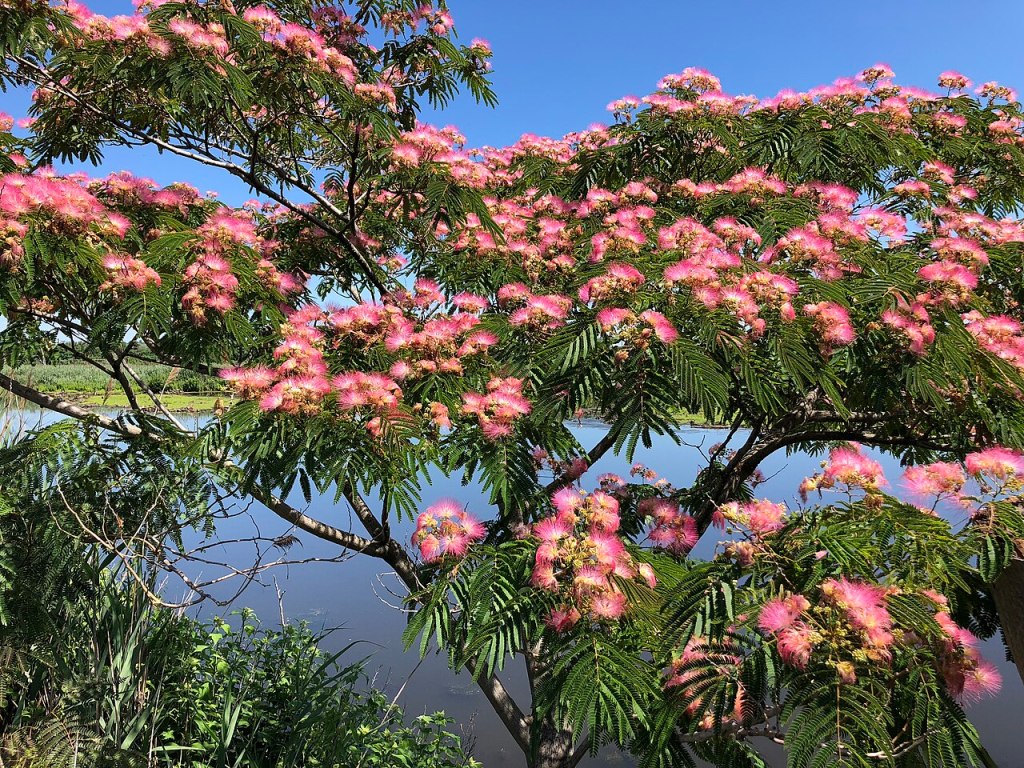
    Across the hills, valleys, and backroads of Appalachia, mimosa is a familiar sight. Growing near old homesites, fence lines, creek banks, and roadsides, it has become part of the region’s visual character over generations. Many people recognize it immediately, yet few realize that this common species carries a history stretching across continents and thousands of years. Long before it became established throughout the American South, Albizia julibrissin held a respected place in one of the world’s oldest healing traditions.

    Though often associated with Appalachia today, mimosa originated in Asia and was introduced to North America during the eighteenth century. Favorable growing conditions allowed it to spread throughout much of the Southeast, where it adapted readily to disturbed ground and sunny locations. Over time, it became woven into the landscape of many rural communities.

    Its success has also created controversy. Some conservationists and landowners view mimosa as an invasive species due to its ability to spread rapidly and compete with native vegetation. Young growth is frequently removed from restoration sites, woodland margins, and managed properties where native species are encouraged. Others, however, see value in a plant that has become a familiar part of local history and herbal practice. This difference of opinion has given mimosa a complicated place in the region, admired by some and removed by others.

    What many people never discover is that the medicinal reputation of mimosa began long before it reached American soil.

    In Traditional Chinese Medicine, the bark of Albizia julibrissin is known as Hé Huān Pí, or “collective happiness bark.” The name reflects a long standing belief that the bark supports emotional well being and helps restore balance during periods of distress. Historical texts describe its use for easing sadness, calming agitation, and supporting people who carried emotional burdens for extended periods.

    Traditional Chinese Medicine views emotional and physical health as deeply connected. Practitioners describe Hé Huān Pí as an herb that nourishes the Heart and calms the Shen, a concept associated with consciousness, emotional harmony, and spiritual well being. When the Shen becomes disturbed, a person may experience restlessness, poor sleep, irritability, anxiety, or emotional exhaustion.

    Another important concept in Traditional Chinese Medicine involves the movement of Qi, often described as vital life energy. When Qi becomes constrained, emotional difficulties can emerge. Practitioners frequently identify a pattern known as Liver Qi Stagnation, associated with frustration, chronic stress, resentment, grief, and emotional tension. For centuries, Hé Huān Pí has been prescribed to help disperse this stagnation and encourage emotional balance.

    The flower, known as Hé Huān Huā, developed a reputation of its own. While it travels through many of the same energetic pathways as the bark, it is traditionally used for lighter emotional concerns. Herbal practitioners often select the flower for temporary irritability, occasional sadness, everyday stress, or mild sleep disturbances.

    Many herbal traditions describe the flower as uplifting and emotionally supportive. Someone experiencing a difficult week, temporary grief, or ordinary life pressures might traditionally receive the flower rather than the bark. The bark, by contrast, became associated with deeper and more persistent emotional patterns.

    The distinction between flower and bark remains important among modern herbalists.

    Flower tinctures are generally chosen for acute, situational stress. Users often describe them as emotionally brightening and supportive during temporary periods of tension. They are commonly selected during challenging life events, emotional setbacks, or periods of elevated stress.

    Bark tinctures tend to serve a different role. Many herbal practitioners recommend them for long standing emotional strain, deep rooted anxiety, physical discomfort, or recovery from traumatic experiences. The bark has earned a reputation for being grounding and stabilizing, qualities that have contributed to its popularity among herbalists interested in long term emotional support.

    Combined flower and bark tinctures have become especially popular in contemporary Western herbalism. By bringing both plant parts together, these preparations aim to provide the uplifting qualities associated with the flower alongside the deeper support traditionally linked to the bark. Many herbalists view this combination as a way to capture the broadest range of benefits offered by the species.

    The medicinal history of mimosa extends beyond emotional wellness. Traditional Chinese Medicine has also used the bark to invigorate blood circulation and support recovery following physical injury. Historical records describe its use for bruises, fractures, soreness, and various forms of trauma. This dual role as both an emotional and physical restorative helped secure its place within traditional herbal practice.

    Modern scientific research has begun investigating why Albizia julibrissin earned such a lasting reputation.

    Laboratory analysis has identified several groups of bioactive compounds within the species, including saponins, flavonoids, and tannins. These naturally occurring compounds are responsible for many of the biological activities currently being studied.

    Saponins have attracted attention for their effects on cellular signaling and physiological regulation. Flavonoids are well known for antioxidant activity and potential support for neurological health. Tannins contribute additional properties that researchers believe may play a role in tissue recovery and overall resilience.

    Scientists have shown particular interest in the relationship between Albizia julibrissin and the central nervous system. Preclinical studies suggest that compounds found within the plant may influence neurotransmitter activity linked to mood regulation.

    Research has indicated potential interactions involving serotonin, a neurotransmitter strongly associated with emotional well being, mood stability, and resilience during stressful periods. While researchers continue to explore these mechanisms, the findings have generated significant interest because they parallel some of the traditional uses documented centuries ago.

    Investigators have also examined interactions involving GABAₐ receptors. GABA serves as one of the primary inhibitory neurotransmitters in the nervous system and plays an important role in promoting relaxation and emotional stability. Many modern medications designed to reduce anxiety influence related pathways. Early findings suggest that compounds present in Albizia julibrissin may interact with these same systems, providing a possible explanation for the calming qualities described in traditional herbal literature.

    Another area of research focuses on cognitive health. Animal studies have suggested that extracts derived from Albizia julibrissin possess neuroprotective properties. Some investigations indicate that these extracts may help defend against short term memory impairment associated with sleep deprivation. Although additional human research remains necessary, the results have encouraged further exploration into potential applications involving memory and neurological function.

    Despite growing scientific interest, researchers continue to emphasize the need for larger human studies. Much of the current evidence comes from laboratory and animal research rather than large scale clinical trials. Future studies will help clarify dosage, safety considerations, mechanisms of action, and long term effects.

    Even so, the growing body of research has helped bring renewed attention to a plant whose medicinal reputation spans many centuries. What ancient practitioners observed through generations of experience is now being examined through modern biochemical analysis, creating an intriguing meeting point between traditional knowledge and contemporary science.

    For Appalachians who encounter mimosa along roadsides, near old homesteads, or throughout rural landscapes, the species represents far more than a decorative presence. Behind its familiar appearance lies a story that began in Asia, traveled across oceans, entered one of history’s most influential healing systems, and eventually found a place in the mountains and valleys of the American South.

    Whether viewed as a valued medicinal herb, a controversial newcomer to the landscape, or a subject of scientific curiosity, mimosa continues to spark interest. Its journey from ancient Chinese medicine to modern biochemical research reveals a remarkable history hidden within a plant that many people pass every day, rarely realizing the legacy it carries.

    -Tim Carmichael

  • More Than One Million Leave SNAP Rolls Across Appalachia Following Federal Changes

    An estimated 1.2 to 1.4 million people across Appalachia have lost access to Supplemental Nutrition Assistance Program (SNAP) benefits since Trump took office in January 2025, according to state-level data compiled by the Food Research & Action Center (FRAC) and the Center on Budget and Policy Priorities (CBPP).

    Federal agencies collect SNAP data at the state level rather than along the geographic boundaries of Appalachia. Even so, enrollment figures from the 13 states that contain Appalachian counties reveal a dramatic decline in participation across the region.

    The largest factor behind the drop stems from the federal budget reconciliation package, H.R. 1, known as the One Big Beautiful Bill Act, enacted in July 2025. The legislation introduced expanded work, volunteer, or job-training requirements that require many adults up to age 65 to complete at least 80 hours of qualifying activity each month in order to maintain food assistance eligibility.

    Georgia experienced the steepest loss in total numbers. FRAC data indicates that 505,290 residents lost SNAP benefits, representing a 26 percent decline in participation. That figure stands as the largest absolute reduction reported by any state during the implementation period.

    Tennessee reported a substantial decrease in enrollment, with participation falling between 14 and 16 percent. Virginia experienced a similar trend, recording a decline of nearly 15 percent as new eligibility rules took effect.

    Alabama and North Carolina also reported major reductions. Alabama confirmed that roughly 50,000 residents lost access to SNAP benefits by early 2026.

    Pennsylvania saw major enrollment declines during several months of implementation. State records showed a loss of more than 37,000 recipients during a single month, highlighting the speed of the transition.

    West Virginia, the only state located entirely within Appalachia, recorded a decline of approximately 5 percent. More than 15,000 residents lost food assistance, affecting communities across rural counties where SNAP has long served as a key support for household food security.

    Across Kentucky, Ohio, Maryland, Mississippi, New York, and South Carolina, enrollment generally declined between 8 and 11 percent. The consistency of those reductions suggests a widespread regional impact rather than isolated state-level changes.

    Advocates and policy analysts point to staffing shortages within state agencies, complex reporting requirements, and administrative barriers as major contributors to enrollment losses. Many households eligible for assistance encountered difficulties navigating new procedures and documentation requirements.

    The impact has proven especially severe for rural children throughout Appalachia. Many counties already faced elevated rates of food insecurity before the policy changes took effect. As household SNAP benefits disappeared, schools, churches, and community organizations reported growing concern about children who rely on free or reduced-cost meals during the school year and community feeding programs during summer months.

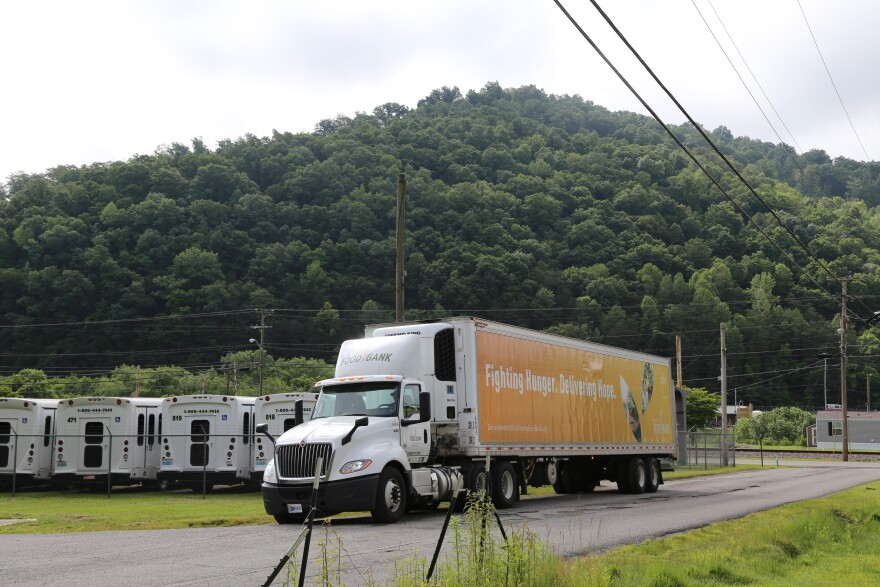
    At the same time, food banks across the Appalachian region have experienced a surge in demand. Organizations in Tennessee, Kentucky, West Virginia, Virginia, and other states report increasing numbers of families seeking emergency food assistance. Many local food pantries face mounting pressure as they work to meet community needs amid higher operating costs and rising demand for services.

    National estimates also indicate that hundreds of thousands of children have been affected as family benefits ended or applications stalled during the transition period. Food security organizations across Appalachia continue to monitor the effects on working families, seniors, and rural communities that rely heavily on nutrition assistance programs.

    -Tim Carmichael

  • How One Appalachia Outlaw Built a Secret Empire and Became a Folk Hero

    Lewis Redmond rose from brutal poverty in Southern Appalachia into one of the most famous outlaw figures across the late nineteenth century. Federal agents hunted him across ridges, newspapers turned him into a legend, poor farming families praised his generosity, while lawmakers viewed him as a national disgrace. His saga carried every element of frontier drama: violence, survival, fortune, political fury, prison, pardon, then a legal whiskey career during his final era.

    Redmond entered life during 1854 near the Georgia border. Soon afterward, his family settled within Transylvania County, North Carolina, deep inside rugged Appalachian country. Family survival depended upon corn crops, livestock, hunting, plus barter. His parents raised twelve children inside a cramped log dwelling featuring a loft packed with straw bedding. Severe hardship shaped every season.

    Formal education never entered Redmond’s youth. One sister later guided him through basic reading plus writing lessons. Even so, local residents described him as sharp, resourceful, fearless, plus deeply charismatic. During Reconstruction, resentment toward federal revenue collectors spread through many Appalachian communities. Corn whiskey production offered struggling farming clans a rare source of cash.

    Redmond’s father eventually turned toward illicit distilling after crop income collapsed. Federal officers soon raided the family operation, hauled his father into custody, then sent him toward prison. Death followed shortly afterward. Family tragedy transformed young Lewis Redmond into provider, protector, plus future outlaw leader.

    By age twenty-one, Redmond controlled the family still operation. Soon he expanded production across western North Carolina plus neighboring regions. Associates transported whiskey through mountain routes stretching across North Carolina, South Carolina, Georgia, plus eastern Tennessee. Customers praised Redmond whiskey for superior quality, creating enormous demand across the southern highlands.

    Money poured into his operation. Local folklore described sacks filled with cash buried near remote camps. Even greater fame grew through his generosity. Redmond frequently paid overdue property taxes for struggling farming families facing land seizures. Appalachian residents repaid that loyalty through fierce protection. Informants stayed silent. Federal patrols wandered through hostile territory where many citizens viewed revenuers as predators serving distant political power.

    Violence exploded during March 1876. Deputy United States Marshal Alfred Duckworth attempted an arrest linked to illegal distilling charges. Gunfire erupted. Duckworth died during the clash, while Redmond escaped into South Carolina wilderness country. Federal authorities soon placed a massive bounty upon his capture.

    Across several years, Redmond humiliated pursuing officers repeatedly. National newspapers carried dramatic stories describing disguises, hidden stills, daring escapes, plus armed skirmishes among steep ridges. Dime novels transformed him into a frontier folk hero. One publication crowned him “King of the Moonshiners,” a title that followed him through American folklore for generations.

    Federal pressure intensified during 1881. Revenue officers finally captured Redmond after a violent pursuit near present-day Bryson City. Prosecutors secured convictions connected to revenue violations plus conspiracy charges. Auburn Prison in New York became his destination.

    Even prison failed to erase his popularity. Public fascination remained enormous throughout Appalachia plus beyond. Following several years behind bars, President Chester A. Arthur granted Redmond a pardon. During an extraordinary twist, Redmond later entered legal whiskey production through a licensed South Carolina distillery eager to capitalize upon his celebrity status. Bottles carried his image, transforming former outlaw notoriety into commercial success.

    Tuberculosis weakened Redmond during later life. Even so, he maintained respected status among many Appalachian residents. Death came during 1906 at age fifty-four. Family members honored him through a deeply affectionate inscription praising him as “the sunshine of our life.”

    Lewis Redmond represented far more than a moonshiner carrying rifles through Appalachian ridges. His rise reflected fierce poverty, federal conflict after the Civil War, plus mountain resistance against outside control. Through grit, charisma, violence, plus survival instinct, an illiterate farm boy built one of Appalachia’s earliest outlaw empires, then crossed into legal enterprise before his final chapter closed.

    -Tim Carmichael