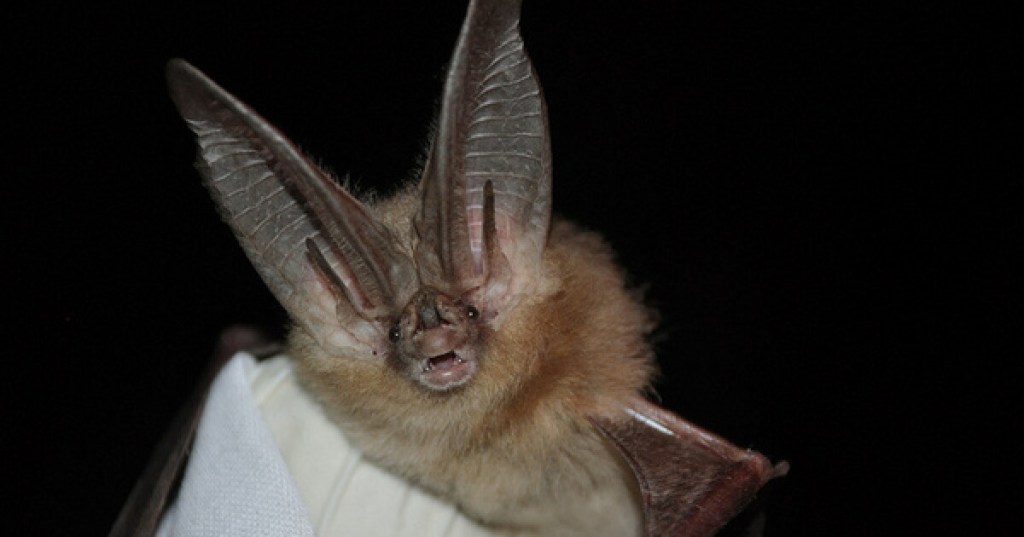
The Virginia big-eared bat (Corynorhinus townsendii virginianus) stands among the most remarkable mammals found in Appalachia. Native to the southern Appalachian Mountains, this rare species earned recognition as the Virginia State Bat in 2005. Its unusual appearance, specialized lifestyle, and valuable role in healthy ecosystems make it one of the region’s most fascinating wildlife treasures.
The first feature anyone notices is the bat’s enormous ears. Measuring more than one inch long, they account for nearly one-third of the animal’s total body length. During periods of rest, the ears fold tightly against the head, protecting their delicate structure. The bat measures around four inches from head to tail and weighs less than half an ounce, making it surprisingly lightweight. Two fleshy glands positioned on each side of the snout create another distinctive characteristic, giving the face a unique appearance.
The Virginia big-eared bat survives almost entirely on flying insects. Small moths make up the largest portion of its diet, although beetles, flies, and wasps also provide nourishment. Every evening, a single bat may consume up to one-third of its body weight in insects, offering tremendous natural pest control that benefits farms throughout the Appalachian region. High-frequency echolocation allows these bats to maneuver through dense forest canopies with exceptional precision while locating prey in complete darkness.
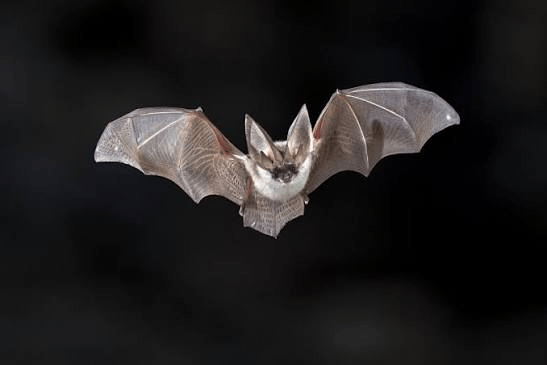
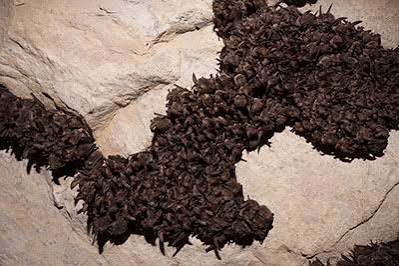
Unlike many bat species that spend time inside barns, hollow trees, or buildings, the Virginia big-eared bat depends entirely on limestone cave systems throughout the year. These caves provide the stable environmental conditions essential for survival. During winter, the bats gather inside cool, draft-filled chambers where hibernation conserves valuable energy. As temperatures rise during spring, they move into warmer sections of the caves for summer roosting.
Their reproductive cycle reflects another remarkable adaptation. Mating takes place during autumn or winter. Females store sperm throughout hibernation, then pregnancy begins during spring. Maternity colonies form in early summer, with each female giving birth to a single pup during June. Young bats grow quickly, reaching flight capability within approximately three weeks, allowing them to begin learning the skills needed for independent survival.
The Virginia big-eared bat has remained federally endangered since 1979 due to its limited range across isolated areas of Virginia, West Virginia, Kentucky, North Carolina, and Tennessee. The primary habitats of this remarkable species lie directly within Appalachia, where suitable limestone cave systems provide the specialized environments required throughout every stage of life.
Human activity inside roosting caves presents the greatest challenge to long-term survival. Disturbance during winter hibernation forces bats to burn precious fat reserves that sustain them until spring. Activity near maternity colonies creates panic among mothers, leading to accidental drops of young pups or separation from their offspring. Every successful conservation effort depends upon protecting these sensitive cave environments from unnecessary disturbance.
One encouraging development has emerged in recent years. While many North American bat species continue facing severe population declines from White-nose syndrome, the Virginia big-eared bat has demonstrated an uncommon resilience against the devastating fungus. Scientists continue studying this natural resistance in hopes of gaining valuable insights for broader bat conservation.
State wildlife agencies have strengthened recovery efforts by installing protective gates across many cave entrances. These gates prevent unauthorized human access while allowing bats to enter and leave freely. Conservation partnerships, habitat protection, scientific research, and public education have all contributed to gradual population growth across portions of the Appalachian Mountains. Every successful recovery milestone highlights the importance of preserving the region’s unique cave ecosystems for future generations.
The Virginia big-eared bat remains one of Appalachia’s most extraordinary wildlife species. Its oversized ears, remarkable hunting abilities, highly specialized cave lifestyle, and growing conservation success story demonstrate how dedicated stewardship can help endangered animals continue thriving within the mountains they have called home for thousands of years.
-Tim Carmichael
–
–
–


Leave a comment