An estimated 1.2 to 1.4 million people across Appalachia have lost access to Supplemental Nutrition Assistance Program (SNAP) benefits since Trump took office in January 2025, according to state-level data compiled by the Food Research & Action Center (FRAC) and the Center on Budget and Policy Priorities (CBPP).
Federal agencies collect SNAP data at the state level rather than along the geographic boundaries of Appalachia. Even so, enrollment figures from the 13 states that contain Appalachian counties reveal a dramatic decline in participation across the region.
The largest factor behind the drop stems from the federal budget reconciliation package, H.R. 1, known as the One Big Beautiful Bill Act, enacted in July 2025. The legislation introduced expanded work, volunteer, or job-training requirements that require many adults up to age 65 to complete at least 80 hours of qualifying activity each month in order to maintain food assistance eligibility.
Georgia experienced the steepest loss in total numbers. FRAC data indicates that 505,290 residents lost SNAP benefits, representing a 26 percent decline in participation. That figure stands as the largest absolute reduction reported by any state during the implementation period.
Tennessee reported a substantial decrease in enrollment, with participation falling between 14 and 16 percent. Virginia experienced a similar trend, recording a decline of nearly 15 percent as new eligibility rules took effect.
Alabama and North Carolina also reported major reductions. Alabama confirmed that roughly 50,000 residents lost access to SNAP benefits by early 2026.
Pennsylvania saw major enrollment declines during several months of implementation. State records showed a loss of more than 37,000 recipients during a single month, highlighting the speed of the transition.
West Virginia, the only state located entirely within Appalachia, recorded a decline of approximately 5 percent. More than 15,000 residents lost food assistance, affecting communities across rural counties where SNAP has long served as a key support for household food security.
Across Kentucky, Ohio, Maryland, Mississippi, New York, and South Carolina, enrollment generally declined between 8 and 11 percent. The consistency of those reductions suggests a widespread regional impact rather than isolated state-level changes.
Advocates and policy analysts point to staffing shortages within state agencies, complex reporting requirements, and administrative barriers as major contributors to enrollment losses. Many households eligible for assistance encountered difficulties navigating new procedures and documentation requirements.
The impact has proven especially severe for rural children throughout Appalachia. Many counties already faced elevated rates of food insecurity before the policy changes took effect. As household SNAP benefits disappeared, schools, churches, and community organizations reported growing concern about children who rely on free or reduced-cost meals during the school year and community feeding programs during summer months.
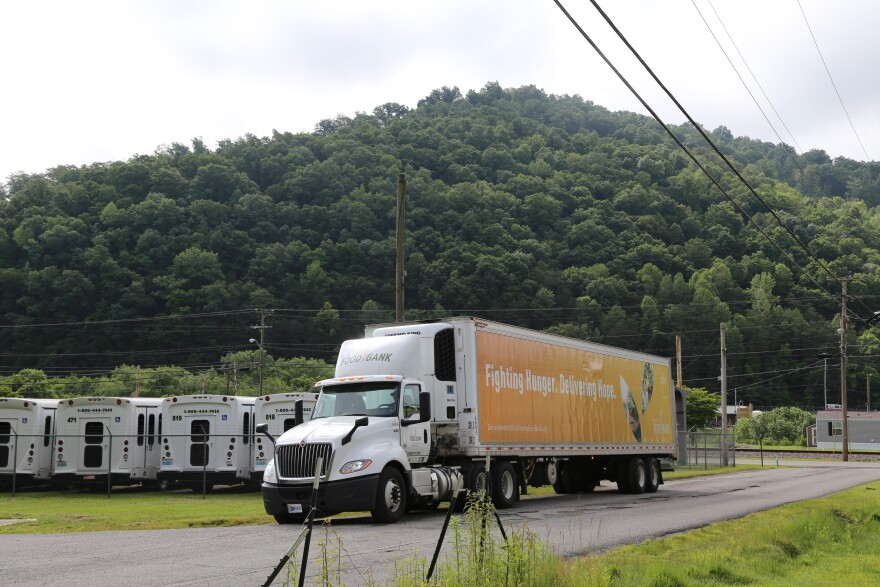
At the same time, food banks across the Appalachian region have experienced a surge in demand. Organizations in Tennessee, Kentucky, West Virginia, Virginia, and other states report increasing numbers of families seeking emergency food assistance. Many local food pantries face mounting pressure as they work to meet community needs amid higher operating costs and rising demand for services.
National estimates also indicate that hundreds of thousands of children have been affected as family benefits ended or applications stalled during the transition period. Food security organizations across Appalachia continue to monitor the effects on working families, seniors, and rural communities that rely heavily on nutrition assistance programs.
-Tim Carmichael


Leave a Reply