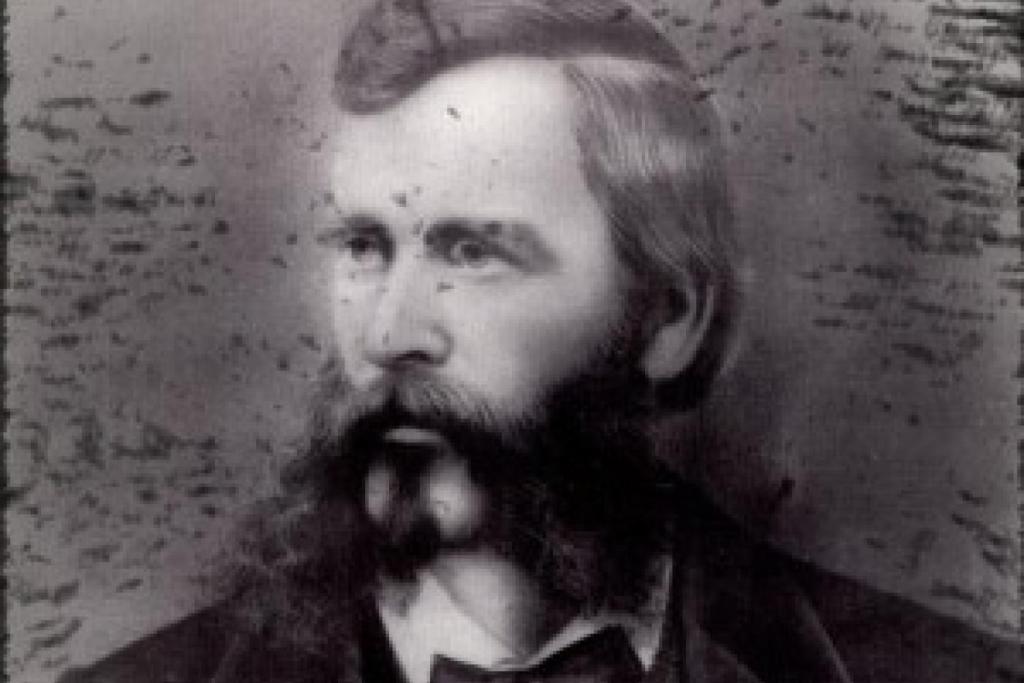
Lewis Redmond rose from brutal poverty in Southern Appalachia into one of the most famous outlaw figures across the late nineteenth century. Federal agents hunted him across ridges, newspapers turned him into a legend, poor farming families praised his generosity, while lawmakers viewed him as a national disgrace. His saga carried every element of frontier drama: violence, survival, fortune, political fury, prison, pardon, then a legal whiskey career during his final era.
Redmond entered life during 1854 near the Georgia border. Soon afterward, his family settled within Transylvania County, North Carolina, deep inside rugged Appalachian country. Family survival depended upon corn crops, livestock, hunting, plus barter. His parents raised twelve children inside a cramped log dwelling featuring a loft packed with straw bedding. Severe hardship shaped every season.
Formal education never entered Redmond’s youth. One sister later guided him through basic reading plus writing lessons. Even so, local residents described him as sharp, resourceful, fearless, plus deeply charismatic. During Reconstruction, resentment toward federal revenue collectors spread through many Appalachian communities. Corn whiskey production offered struggling farming clans a rare source of cash.
Redmond’s father eventually turned toward illicit distilling after crop income collapsed. Federal officers soon raided the family operation, hauled his father into custody, then sent him toward prison. Death followed shortly afterward. Family tragedy transformed young Lewis Redmond into provider, protector, plus future outlaw leader.
By age twenty-one, Redmond controlled the family still operation. Soon he expanded production across western North Carolina plus neighboring regions. Associates transported whiskey through mountain routes stretching across North Carolina, South Carolina, Georgia, plus eastern Tennessee. Customers praised Redmond whiskey for superior quality, creating enormous demand across the southern highlands.
Money poured into his operation. Local folklore described sacks filled with cash buried near remote camps. Even greater fame grew through his generosity. Redmond frequently paid overdue property taxes for struggling farming families facing land seizures. Appalachian residents repaid that loyalty through fierce protection. Informants stayed silent. Federal patrols wandered through hostile territory where many citizens viewed revenuers as predators serving distant political power.
Violence exploded during March 1876. Deputy United States Marshal Alfred Duckworth attempted an arrest linked to illegal distilling charges. Gunfire erupted. Duckworth died during the clash, while Redmond escaped into South Carolina wilderness country. Federal authorities soon placed a massive bounty upon his capture.
Across several years, Redmond humiliated pursuing officers repeatedly. National newspapers carried dramatic stories describing disguises, hidden stills, daring escapes, plus armed skirmishes among steep ridges. Dime novels transformed him into a frontier folk hero. One publication crowned him “King of the Moonshiners,” a title that followed him through American folklore for generations.
Federal pressure intensified during 1881. Revenue officers finally captured Redmond after a violent pursuit near present-day Bryson City. Prosecutors secured convictions connected to revenue violations plus conspiracy charges. Auburn Prison in New York became his destination.
Even prison failed to erase his popularity. Public fascination remained enormous throughout Appalachia plus beyond. Following several years behind bars, President Chester A. Arthur granted Redmond a pardon. During an extraordinary twist, Redmond later entered legal whiskey production through a licensed South Carolina distillery eager to capitalize upon his celebrity status. Bottles carried his image, transforming former outlaw notoriety into commercial success.
Tuberculosis weakened Redmond during later life. Even so, he maintained respected status among many Appalachian residents. Death came during 1906 at age fifty-four. Family members honored him through a deeply affectionate inscription praising him as “the sunshine of our life.”
Lewis Redmond represented far more than a moonshiner carrying rifles through Appalachian ridges. His rise reflected fierce poverty, federal conflict after the Civil War, plus mountain resistance against outside control. Through grit, charisma, violence, plus survival instinct, an illiterate farm boy built one of Appalachia’s earliest outlaw empires, then crossed into legal enterprise before his final chapter closed.
-Tim Carmichael


Leave a Reply