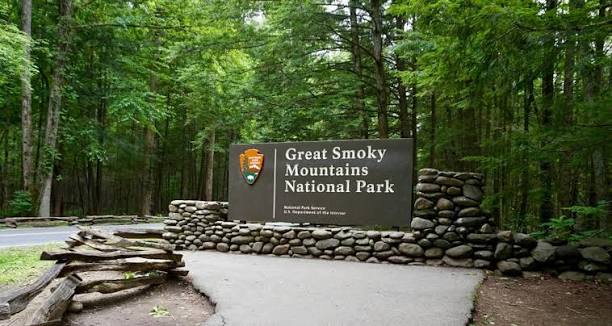
National parks across Appalachia give millions of people a place to drive, hike, explore, and experience these mountains firsthand. The Blue Ridge Parkway carries travelers through miles of mountain scenery, Great Smoky Mountains National Park draws visitors into forests and valleys, and New River Gorge brings people to trails, bridges, and historic places. Keeping these parks open, safe, and cared for requires constant work, funding, skilled workers, and time.
More than 130 planned projects at national parks across the country have been blocked by the Trump administration, putting more than $25 million in funding on hold, according to internal documents reviewed by The Washington Post. The projects cover wildfire preparation, habitat restoration, historic preservation, visitor infrastructure, and other work. The funding comes from congressional appropriations and existing federal programs, with agreements requiring approval from the Department of the Interior before the money can be released.
The Interior Department says the agreements were rejected because the organizations involved were working against the administration’s priorities. The Washington Post reported that many National Park Service projects rely on outside organizations for specialized expertise and additional workers rather than adding federal employees. These partnerships can provide skills and labor for projects parks need to complete.
Appalachia Already Has a Huge Maintenance Burden
The National Park Service ended fiscal year 2025 with an estimated $24 billion in deferred maintenance and repair needs throughout the national park system. The backlog covers roads, buildings, utility systems, bridges, trails, and other infrastructure. Park officials have to manage existing problems while new repairs become necessary.
The Blue Ridge Parkway offers one of the clearest examples. The Parkway stretches 469 miles through Virginia and North Carolina, and the National Park Service has reported roughly $462 million in deferred maintenance costs, with about 90 percent associated with paved roads. Transportation funding supports paving, bridge repairs, tunnel work, and other needs.
Those numbers become real when visitors encounter a closed road or a bridge surrounded by construction equipment. Maintaining a mountain road requires drainage work, slope stabilization, pavement repairs, bridge work, guardrails, and attention to damage from weather. A delay can leave crews dealing with a larger problem later.
Western North Carolina adds another major challenge after Hurricane Helene. The storm caused at least 57 landslides across nearly 200 miles of the Parkway in North Carolina. The National Park Service has been carrying out a multiyear recovery effort involving roadway repairs, slope stabilization, and restoration of access, with portions of the Parkway still affected by recovery work during 2026.
That recovery requires money, equipment, engineers, contractors, and time. When another project gets delayed, pressure grows on a system already carrying a heavy workload.
New River Gorge Shows What Funding Accomplishes
New River Gorge National Park and Preserve in West Virginia provides another concrete example. In September 2026, the National Park Service began an approximately $11.8 million rehabilitation of the historic Rend Trail and its bridges. The project uses funding from the Great American Outdoors Act’s Legacy Restoration Fund and includes repairs to five historic railroad trestles, rehabilitation of the trail surface, a new parking area, a restroom, and accessibility improvements.
This is what park funding looks like on the ground. Money can mean a historic bridge receives structural repairs, a trail becomes available again, and visitors with disabilities gain better access. It can also mean a historic landscape receives the care required to remain part of the park for future visitors.
Great Smoky Mountains National Park faces the same basic reality, although current reporting about the $25 million in blocked agreements has yet to establish that a specific Smokies project was among those rejected. The available evidence supports a broader concern about project approvals and funding rather than a claim that the administration canceled a particular Smokies project.
The Smokies contain hundreds of miles of roads and trails, historic buildings, bridges, campgrounds, water systems, and other facilities requiring regular maintenance. Millions of visitors use the park, while heavy rain, flooding, erosion, fallen trees, winter weather, and age add pressure to the infrastructure.
Park Work Goes Far Beyond Roads
The projects affected by the current funding dispute demonstrate why the word maintenance can be misleading. National park work involves far more than pavement and buildings.
At Joshua Tree National Park, the blocked projects reportedly included wildfire preparation, burned-area restoration, and removal of rodents carrying hantavirus from historic buildings. Internal documents warned that losing the wildfire work could make fires larger and suppression more expensive. Other blocked projects involved prehistoric Native American mounds, endangered species, and specialized care at Denali National Park and Preserve.
Those examples matter to Appalachian parks because they show how partnerships support specialized conservation work. National parks may need biologists, archaeologists, engineers, historic preservation specialists, trail crews, and other workers for projects requiring particular expertise.
Delays Eventually Reach Visitors
The larger issue for Appalachia comes down to timing. Mountain parks have a constant stream of maintenance needs, and those needs continue whether a particular project moves forward this year or waits for another budget cycle.
A damaged trail can erode farther. A failing drainage system can send water across a road. A bridge can require increasingly expensive repairs as deterioration continues. A historic structure can need greater stabilization when routine preservation work gets delayed.
Deferred maintenance also affects visitors directly. A road closure can change an entire trip, while a closed trail can remove access to a place someone drove hundreds of miles to see. A closed historic building can keep visitors from experiencing part of the region’s history, and construction can reduce available facilities during busy seasons.
The evidence currently available cannot support saying that the $25 million in blocked projects will close the Blue Ridge Parkway, shut down Great Smoky Mountains National Park, or cancel a specific Appalachian project. Those claims would go beyond the documented facts. What the evidence does show is a national park system already carrying a massive maintenance burden while more than 130 planned projects have been placed on hold.
That matters in Appalachia because the region already has major documented needs. The Blue Ridge Parkway has hundreds of millions of dollars in deferred maintenance. Hurricane Helene created extensive damage across the Parkway in western North Carolina. New River Gorge has major infrastructure projects requiring millions of dollars. Great Smoky Mountains and other Appalachian parks require continuing maintenance, conservation, and preservation work.
When planned work loses access to expected funding or approval, the work can be delayed. Delayed work adds pressure to a maintenance schedule that already stretches years into the future, and some repairs can become more complicated or expensive as deterioration continues.
For people who love these mountains, the consequences may appear slowly rather than through one dramatic announcement. A bridge waits for repair while another project moves ahead. A trail remains closed while crews work through a backlog. A historic building waits for stabilization. A road project moves farther into the future.
The national parks of Appalachia depend on continued investment to remain accessible and protected. The mountains may look permanent from a Parkway overlook, yet the roads beneath our tires, bridges across the creeks, trails beneath our boots, and historic places along the way all depend on people having the resources to care for them.
The mountains give us the beauty. Keeping those places available for future visitors requires the work behind the view.
-Tim Carmichael
 Echoes of Appalachia
Leave a comment