For generations, Appalachia has occupied a complicated place in the American story. Rich in natural resources and cultural heritage, the region has also endured decades of economic dislocation, population decline, chronic health challenges, and persistent poverty. In many communities, residents have learned to live with uncertainty as a constant companion. They know what it means when a factory closes, when a mine shuts down, when a hospital cuts services, or when a family member has to choose between filling a prescription and paying an electric bill. Financial hardship is not an abstraction in Appalachia. It is woven into daily life for thousands of households.
That reality makes the spectacle of modern American politics especially difficult to watch. While families throughout the region struggle to absorb rising living costs and navigate changes to programs that help provide food assistance and health coverage, the federal government continues to spend enormous sums on activities that often seem far removed from the concerns of ordinary citizens. Presidential travel, security operations, public events, administrative expenses, and a seemingly endless stream of government expenditures project an image of a political class operating in a world insulated from the economic pressures facing much of the country.
Critics of the administration argue that this disconnect has become increasingly pronounced. They see a president traveling the country aboard some of the most expensive aircraft in the world, surrounded by an infrastructure of power that costs taxpayers millions of dollars to maintain. They watch headlines dominated by official trips, ceremonies, and political events while conversations in their own communities revolve around grocery prices, medical bills, housing costs, and shrinking financial security. Whether every expenditure can be justified individually is almost beside the point. The larger issue is one of perception and priorities.
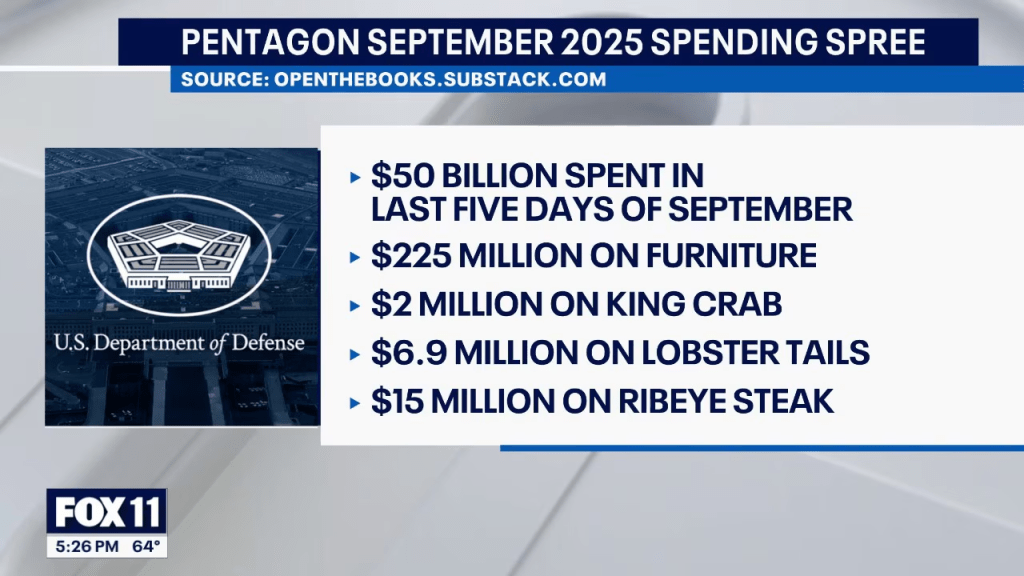
In counties scattered across the mountains of Kentucky, West Virginia, Tennessee, Virginia, and beyond, many residents feel that Washington has lost sight of the people whose tax dollars sustain the federal government in the first place. They do not see a government operating with the same sense of restraint that they are forced to practice every day. Families carefully examine bank statements before making routine purchases. Parents compare prices at multiple stores before buying groceries. Elderly residents living on fixed incomes monitor every expense with extraordinary care. The federal government, by contrast, often appears capable of spending vast sums with little concern for how those expenditures are viewed by the people footing the bill.
The result is a growing sense of alienation. Many Appalachians do not believe that political leaders fully understand the pressures they face. They hear speeches about economic progress while local food banks report sustained demand. They hear assurances about prosperity while rural hospitals struggle to remain open. They hear promises about opportunity while young people continue leaving their hometowns in search of stable employment elsewhere. The gap between official rhetoric and lived experience has become one of the defining political realities of the region.
What frustrates many residents is not simply the amount of money government spends. It is the apparent mismatch between national priorities and local needs. When families worry about food, health care, housing, and economic survival, displays of political power and prestige can appear detached from reality. Every highly publicized trip, every expensive operation, and every symbol of government luxury invites an uncomfortable comparison between the resources available to political leaders and the challenges confronting ordinary Americans.
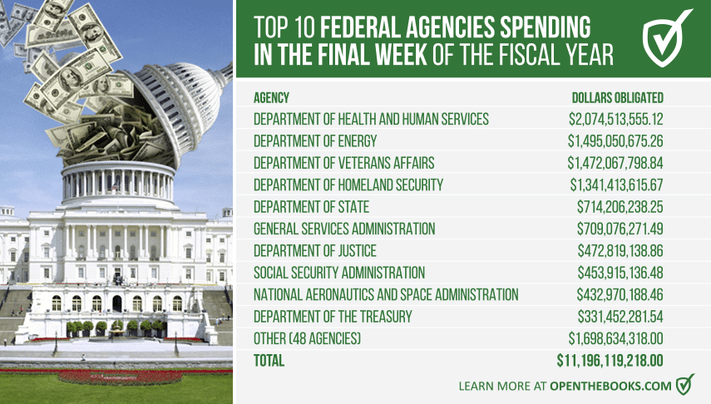
For people living comfortably in Washington, such criticism may seem unfair or overly symbolic. For many families in Appalachia, however, symbolism matters. It reflects values. It communicates priorities. It reveals what government chooses to emphasize and what it chooses to overlook. At a time when many communities continue struggling with poverty and economic insecurity, the image of a federal government spending freely while citizens tighten their belts is bound to provoke anger, skepticism, and distrust.
That anger is about more than politics. It is about representation. It is about whether the people making decisions in the nation’s capital still recognize the realities of the people who live far from it. And in many corners of Appalachia, a growing number of residents have concluded that the answer is increasingly unclear.
-Tim Carmichael


Leave a comment