For generations, Appalachia survived by keeping parts of itself hidden.
The mountains taught people to guard what mattered. You did not tell strangers where the best ginseng patch grew. You did not advertise secluded swimming holes to outsiders. You did not hand over family stories, burial grounds, or backroad gathering places to people who had not earned the trust to know them. In many Appalachian communities, privacy was never secrecy for the sake of secrecy. It was survival. It was protection.
Now, many locals say that code is being destroyed one viral TikTok at a time.
Across Appalachia, a bitter and increasingly personal feud is erupting between residents and a wave of social media creators accused of turning the region into aesthetic content for clicks, sponsorships, and algorithmic fame. Locals have started calling them “Holler Hoppers,” influencers who move from one mountain town to another filming abandoned houses, hidden waterfalls, old churches, moonshine shacks, and “secret” nature spots before geotagging them for millions of viewers.
But the conflict goes deeper than tourism.
Many Appalachians argue the biggest problem is that a large portion of these digital creators are not actually from Appalachia at all. Some moved into the region recently. Others visit for weekend content trips while branding themselves online as authentic mountain voices. Critics say they adopt exaggerated accents, perform “hillbilly aesthetics,” and monetize stereotypes while real Appalachian creators struggle to be seen or claim they are actively censored by platforms like TikTok.
“They want the accent, the poverty aesthetic, the cabins, the overalls, and the trauma,” said one eastern Kentucky resident who asked not to be named because of harassment concerns. “But they do not want actual Appalachian people telling the truth about what life here is really like.”
That frustration has exploded into one of the most divisive cultural battles in the region’s modern history.
The war is unfolding almost entirely online.
TikTok creators regularly post cinematic videos featuring drone footage of fog covered hollers, Appalachian folk music, creek water ASMR, and captions romanticizing “simple mountain living.” Some accounts attract hundreds of thousands, even millions, of followers by packaging Appalachia as a mystical, untouched frontier frozen in time.
Critics say the content often crosses the line from appreciation into exploitation.
Local residents accuse influencers of reducing Appalachia into a caricature built for outsiders. They argue many viral creators selectively showcase poverty, decaying homes, and “backwoods” stereotypes because those images perform well online. Others lean heavily into exaggerated dialects or intentionally mispronounced words to create a version of Appalachia that feels entertaining and marketable to non Appalachian audiences.
“They turn us into a costume,” said a creator from southwest Virginia whose videos discussing labor issues and housing displacement routinely receive lower engagement than lifestyle content. “The algorithm rewards fake Appalachia over real Appalachia.”
That accusation, that social media platforms suppress authentic Appalachian voices while boosting outsider friendly stereotypes, has become a growing point of anger.
Several Appalachian creators claim TikTok’s moderation systems disproportionately flag videos discussing poverty, addiction, labor exploitation, environmental destruction, and local political corruption. Meanwhile, creators posting sanitized “mountain core” content often thrive.
Whether intentional or algorithmic, many locals believe the result is the same. Outsiders are becoming the public face of Appalachian culture while actual residents are pushed to the margins.
“It feels like digital colonization,” said another Kentucky resident. “People come here, build an audience off our culture, then talk over us.”
The consequences are no longer limited to social media.
In parts of Tennessee, Kentucky, West Virginia, and North Carolina, local residents say once hidden natural areas are being overwhelmed after viral exposure online. Secluded waterfalls now see lines of tourists. Gravel roads become blocked with parked cars. Swimming holes once known only to locals are flooded with trash, alcohol cans, and damaged vegetation.
Foraging communities say the damage is even worse.
Wild ramps, ginseng, and mushrooms, plants deeply tied to Appalachian food traditions and local economies, have become targets for viral foraging TikTok. Videos showing exact harvesting locations can bring swarms of inexperienced visitors into fragile ecosystems within days.
Traditional foragers accuse influencers of “digital strip mining.”
Wild American ginseng can take nearly a decade to mature. Ramps can require years to recover if harvested improperly. Longtime locals say viral exposure has accelerated overharvesting and damaged areas that families protected for generations.
“This is not just aesthetics to us,” one West Virginia forager said. “This is food. This is medicine. This is income.”
But influencers and their supporters argue the backlash reflects elitism and gatekeeping.
Many creators insist public land belongs to everyone, not just people with multi generational roots in the mountains. They argue Appalachia has historically been isolated and misrepresented precisely because locals guarded it so aggressively from outsiders.
Some say social media is finally allowing Appalachian culture to reach the broader world without Hollywood intermediaries.
Others reject the idea that only people born in Appalachia should be allowed to document or celebrate the region.
“You do not own a creek because your grandfather swam there,” one creator wrote in a now viral post responding to criticism. “Public land is public land.”
That argument infuriates many residents who say outsiders fundamentally misunderstand Appalachian culture.
To locals, the issue is not ownership in the legal sense. It is stewardship.
The unwritten rules surrounding hidden locations existed because mountain communities understood how quickly fragile places could be destroyed once exposed. In isolated regions with limited infrastructure, even small tourism surges can overwhelm roads, waterways, and emergency services.
The tensions have become so intense that locals have started fighting back.
Some community groups deliberately post fake directions under viral videos to mislead tourists. Others flood comment sections warning about snakes, contaminated water, aggressive landowners, or dangerous terrain in hopes of discouraging visitors.
In certain areas, trail markers and unofficial parking pull offs have reportedly been removed to make viral spots harder to access.
Meanwhile, creators often film confrontations with angry residents and upload the footage online, framing locals as hostile, xenophobic, or irrationally territorial. Those videos frequently go viral themselves, bringing even more outsiders into the area.
The result is a cycle of mutual resentment feeding itself through algorithms designed to maximize outrage and engagement.
But beneath the arguments over tourism and TikTok lies a deeper fear about cultural erasure.
For decades, Appalachians fought against national stereotypes portraying the region as ignorant, violent, and backwards. Now many residents believe social media has simply repackaged those same stereotypes into something more aesthetically pleasing.
Instead of old television depictions of “hillbillies,” critics say platforms now reward curated “Appalachian core” content designed to feel quirky, rustic, and authentic to outsiders.
The aesthetic changed. The exploitation did not.
At the center of the debate is a painful question many Appalachians are increasingly asking. Who gets to tell the story of Appalachia?
For some locals, the answer is obvious. The people who lived through mine closures, floods, opioid deaths, economic collapse, land grabs, and generational poverty should have the loudest voice. They argue the region’s story should belong to the people who stayed, not influencers who discovered Appalachia through social media trends.
But online, authenticity often matters less than performance.
Creators who fit audience expectations, the right accent, the right scenery, the right aesthetic, frequently rise fastest. Complex stories about labor exploitation, housing displacement, healthcare collapse, or environmental contamination rarely perform as well as cozy cabin videos and banjo soundtracks.
That imbalance has convinced many residents the internet is creating a false version of Appalachia optimized for entertainment rather than truth.
And some fear the consequences could last generations.
As more hidden places become content, more communities become tourist attractions, and more outsiders become the face of Appalachian culture online, locals worry the real region is disappearing underneath the algorithm.
Not physically.
Digitally.
In the end, the “Holler Hopper” conflict is about far more than TikTok videos or geotags. It is a battle over ownership of identity itself. A fight between people trying to preserve a culture and people trying to consume it.
And in Appalachia, where outsiders have historically extracted everything from coal to timber to labor, many residents believe social media has simply found a new resource to mine.
The story.
And this time, they say, even the storytellers are being replaced.
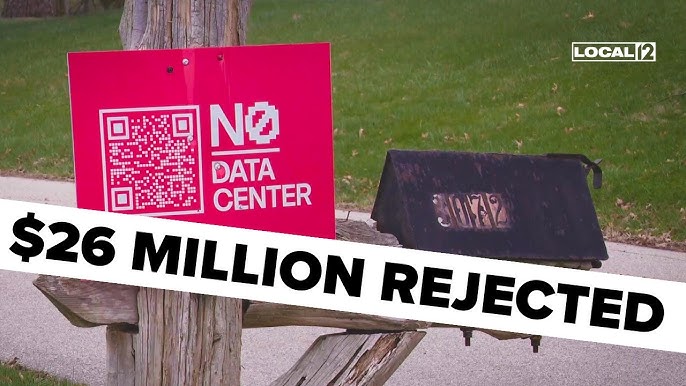
MASON COUNTY, Ky. — Three survey flags stood beside a cattle fence near Route 8 when news spread across the county that a local farming clan rejected a twenty-six million dollar land offer tied to an artificial intelligence server project. By sunset, diners, church parking lots, feed stores, grain depots, and school ballfields buzzed with argument.
Corporate planners sought several hundred acres from a 1,200-acre farm held across many families. Company representatives pitched construction work, utility expansion, tax revenue, and national investment prestige. The family declined every proposal.
That decision turned Mason County into a symbol across Appalachia, where rural communities face mounting pressure from technology corporations hunting cheap land, huge electrical capacity, and mountain water supplies for sprawling server compounds.
Now the county sits divided between residents chasing economic revival and residents fearing another era where outside wealth reshapes Appalachian land for somebody else’s gain.
At a recent fiscal court meeting, nearly every seat filled before proceedings began. Farmers leaned against side walls beside electricians, teachers, retired miners, mechanics, pastors, and small business owners. Several residents carried printed zoning maps marked through red ink circles around proposed utility corridors.
County leadership framed the proposal as a rare economic opportunity.
Opponents viewed the situation through a far darker lens.
For decades, Appalachian communities watched coal firms, timber operators, pipeline ventures, chemical processors, and industrial developers extract regional resources while local poverty rates stayed stubbornly high. Older residents across Mason County describe current negotiations as another chapter from that same story.
One cattle producer speaking outside the courthouse stated that major corporations always promise prosperity during early negotiations. According to him, local citizens hear glowing forecasts regarding growth and modernization. Years later, outside investors move onward while rural counties carry environmental strain and rising utility costs.
Inside Mason County, debate surrounding the rejected offer reaches nearly every public gathering. Sunday sermons drift toward property rights and stewardship. Restaurant conversations turn hostile. Local radio call-in programs stretch late into evening hours.
Some residents accuse the farming clan of blocking economic momentum during a period when younger generations continue leaving rural counties searching for reliable income.
Others praise the refusal as a rare act of defiance during an era when enormous corporations possess immense financial influence over local politics.
Several county officials continue defending technology expansion aggressively.
According to planning advocates, major server facilities could increase tax revenue, improve road infrastructure, strengthen regional utility systems, and attract secondary business investment. Construction contractors expect lucrative work tied to grading, excavation, electrical installation, concrete pouring, and equipment transport.
Critics argue those recruitment campaigns rarely include full public discussion regarding long-term consequences.
Water consumption remains among the largest concerns.
Modern server compounds require enormous cooling capacity. Residents across several Appalachian states already fear future pressure upon local wells, creeks, and municipal systems during severe summer drought periods.
Residents throughout Mason County repeatedly raise another question during public meetings.
Why should Appalachian communities sacrifice mountain resources so wealthy urban technology hubs can expand digital infrastructure?
That question sparks fierce applause during nearly every public hearing.
Critics describe the trend as modern resource colonialism.
Electricity generated across rural regions powers server systems serving distant metropolitan markets. Water drawn from mountain counties cools equipment processing financial transactions and artificial intelligence systems headquartered far away from Appalachia.
Meanwhile, local citizens fear rising utility rates linked toward infrastructure upgrades supporting industrial-scale energy demand.
Political frustration now burns across much of the region.
Residents accuse elected leadership of serving developers more eagerly than constituents. Several activists claim negotiations surrounding major projects frequently advance long before citizens receive meaningful opportunities for public input.
That frustration intensified after revelations tied toward another proposed server campus near the Appalachian Trail in Cumberland County, Pennsylvania.
Planning records circulating online describe a massive eighteen-building server complex valued near fifteen billion dollars. The proposed compound would sit roughly one-third of a mile from the historic hiking corridor.
Conservation advocates reacted furiously once project details emerged.
Tourism operators fear industrial infrastructure could reshape mountain scenery treasured through generations of hikers, campers, anglers, church retreat groups, and family vacationers. Residents across Cumberland County accused township leadership of advancing approvals quietly while public awareness remained limited.
Public meetings soon erupted into shouting matches.
County leadership defended the proposal through familiar economic language.
Jobs.
Growth.
Revenue.
Investment.
Opponents responded through another argument entirely.
Sacrifice.
Across Appalachia, many residents increasingly believe political leaders value corporate expansion above local wishes.
That perception drives much of the fury now gripping Mason County.
Several residents speaking during recent forums accused state leadership of treating mountain counties like industrial staging grounds for wealthy investors. According toward those critics, lawmakers celebrate billion-dollar agreements during press conferences while ordinary citizens receive little influence over negotiations reshaping local communities.
The divide stretches deeply through Mason County.
Some business owners support incoming development enthusiastically. Hotel operators foresee increased bookings tied toward construction crews. Equipment suppliers expect booming demand. Restaurant owners predict heavier traffic.
Many older residents remain deeply skeptical.
Several farming families fear industrial expansion could permanently alter regional identity built around agriculture, grazing land, church communities, hunting traditions, and local stewardship.
Technology corporations view that same territory through a completely different lens.
Developers see transmission routes, cooling access, utility expansion potential, and industrial acreage.
That collision between financial ambition and regional identity now defines the broader Appalachian conflict.
Inside Mason County, the farming clan whose refusal triggered national attention still refuses every proposal.
Supporters describe that decision as an act of regional self-determination during a period when enormous corporations wield extraordinary political and financial influence.
Critics continue portraying the refusal as emotional resistance standing against economic revival.
Following a recent county meeting, residents spilled from the courthouse into steady rain while arguments continued across homes and roadside diners.
One elderly resident paused beside a livestock trailer before driving home through winding mountain roads.
According toward him, the struggle consuming Mason County reaches far beyond a single server campus proposal.
Across Appalachia, rural communities now face a defining question.
Who controls mountain territory once billion-dollar corporations decide they want it?
For many residents throughout Mason County, elected leadership already delivered its answer.
Terminally ill elders across central Appalachia are choosing to die on their own terms, and their families are helping them do it. The deaths get recorded as natural causes. The land stays in the family. And nobody talks about it.
This is happening in West Virginia, Kentucky, Tennessee, Virginia, and North Carolina. It is happening in communities where medical aid in dying is a felony, where the nearest hospice facility may be two hours away, and where a single hospitalization can erase three generations of savings. The people participating know exactly what the law says. They have made a different calculation.
What the Law Says and What Communities Do
Medical aid in dying is legal in ten American states. None of them are in Appalachia. Legislative efforts to change that in West Virginia, Kentucky, and Tennessee have died repeatedly in committee, blocked by coalitions of religious organizations, medical industry lobbyists, and elected officials who frame the issue as a bright moral line: the state does not help people die.
The communities on the receiving end of that policy have drawn their own line.
What has emerged across the hollers and ridge communities of central Appalachia is a protective network without formal structure or name. It operates through the social infrastructure that already exists: lay midwives and herbal healers who have always worked at the margins of formal medicine, church elders who understand the difference between what they hear in confidence and what requires reporting, neighbors who have known each other across multiple generations and treat that knowledge as a form of mutual obligation.
Researchers who study end-of-life care in rural communities are carefully documenting the edges of this phenomenon without being able to fully map it. Its participants have strong reasons to remain invisible, and generations of practice in doing exactly that.
The Economics That Built the Network
The average American over 65 spends approximately $39,000 out of pocket in the final year of life. In the central Appalachian counties where this network operates, median household incomes routinely fall below $35,000 annually. Medicaid will cover long-term institutional care, the application process requires families to liquidate assets first, including land held across multiple generations. The policy is called “spending down.” Its practical effect is the forced transfer of generational wealth before public assistance will engage.
Corporate nursing home chains have expanded aggressively into rural Appalachian markets over the past two decades. They have acquired regional facilities, standardized care for efficiency, and produced inspection records in multiple states documenting chronic understaffing, medication errors, and neglect complaints. For communities that already regard institutional authority with deep suspicion grounded in specific historical experience, these facilities represent a compounding grievance.
Families describe the choice in concrete terms: spend what the family has accumulated across decades keeping an elder alive in an institution that may deliver poor care, or find another way. In many of the cases described to this reporter, the elder is the one who raises the question first.
The Healers
Women are at the center of many of these networks. Specifically, the tradition of lay midwifery and plant-based healing that has persisted in Appalachian communities for centuries. These practitioners, sometimes called granny women in the older regional tradition, have historically provided medical services in communities where formal medicine was unavailable, unaffordable, or culturally foreign. They delivered children, managed chronic illness, prepared the dead, and accumulated pharmacological knowledge transmitted through informal apprenticeship across generations.
Several plant compounds native to Appalachian ecosystems carry sedative or respiratory-depressant properties. The knowledge of their preparation and dosage is old, specific, and held within a tradition that has always operated outside formal documentation systems.
Law enforcement officials in multiple counties are aware this knowledge exists. Several, speaking on condition of anonymity, indicated they are aware it may be in use in end-of-life situations. The investigative appetite for pursuing it is, by their own account, low.
The calculus is practical: a terminally ill elder who dies at home with family present, whose physician signs a natural death certificate, whose family files no complaint, and whose community regards the death as a private matter, generates no investigative pressure from any direction. Rural law enforcement agencies are understaffed, underfunded, and making triage decisions every day. This is rarely where they direct resources.
What the Debate Looks Like From Outside
Bioethicists, disability rights advocates, and medical aid-in-dying proponents have each begun engaging with reporting on this phenomenon and are reaching different conclusions.
Disability rights organizations raise the structural coercion argument: when a terminally ill or severely aging person lives in a household experiencing financial distress, and that person knows their continued care is the source of that distress, the voluntariness of their decision to die is compromised in ways that matter morally and legally. The fact that family members love the elder does not eliminate the pressure operating on everyone in that household. This argument has historically animated opposition to assisted dying legislation across the political spectrum, and it does not lose force because the context is sympathetic.
Proponents of expanded medical aid-in-dying law read the existence of these networks as direct evidence of what happens when legal pathways are foreclosed. The desire to die on one’s own terms does not disappear because the legislature refuses to accommodate it. It goes underground, where it is undocumented, unregulated, and dependent entirely on the judgment of people operating under criminal liability. Legalization, they argue, would replace this with medical oversight, documented consent, and professional accountability. Opponents counter that legalization would normalize and expand a practice that should remain outside the law entirely.
Legal scholars have noted the position these networks occupy: conduct that the law classifies as homicide and fraud, that the communities involved classify as mercy and loyalty, and that the enforcement apparatus has largely chosen to leave alone. The silence of law enforcement is its own kind of policy, made without accountability, by individual officers in individual counties.
What Families Say
The families who participated in these networks and agreed to speak, all under strict anonymity, describe the experience in terms that resist the categories the law provides.
They describe elders who were clear and specific about what they wanted. They describe their own role as honoring an obligation to someone they loved. They describe the alternative, the institutional pathway, the spend-down, the nursing home, the prolonged medical dying, as something their family member had explicitly refused and that they could see no moral basis for forcing on them.
They do not describe guilt. Several described something closer to its opposite.
One family member, a woman from a rural Virginia county whose mother died at home two years ago, said: “She made her choice. We honored it. The land is still in the family. Her grandchildren will grow up on it. She knew that when she went. Tell me what part of that I am supposed to regret.”
The law has an answer to that. So do the medical debt collectors who operate in these same communities.
The people in the hollers are holding a different answer, passing it the way they pass everything that matters here: between people who trust each other, across generations, without writing it down.
A major criminal case unfolding in East Tennessee has placed the Knox County Sheriff’s Office under intense scrutiny after state and federal investigators accused multiple current and former employees of abusing public resources over the course of several years.
Authorities say the investigation focused heavily on members connected to the department’s narcotics and special investigations divisions. According to findings released by the Tennessee Bureau of Investigation, agents uncovered evidence pointing to repeated personal spending tied to official county accounts.
Investigators allege department credit cards meant for law enforcement operations were instead used to purchase items unrelated to public service. Records examined during the investigation reportedly showed spending on electronics, outdoor gear, and materials connected to private renovation projects. Officials estimate the total amount exceeded $300,000 between 2010 and 2018.
The investigation also examined money collected during undercover drug operations. Authorities claim more than $30,000 in seized cash may have been redirected toward personal use rather than remaining within official evidence procedures.
Agents further accused several employees of using county vehicles, tools, and equipment while on the clock to complete work tied to private interests. Investigators say those activities included vehicle restoration projects, residential improvements, and construction related labor.
Federal investigators first opened the case in 2019 before the Tennessee Bureau of Investigation later joined the effort. As evidence continued to grow, the case was eventually presented to prosecutors outside the immediate district after conflicts required changes in oversight.
This week, a Knox County grand jury returned indictments against 11 individuals connected to the sheriff’s office. Charges include conspiracy involving large scale theft along with allegations tied to misuse of county services and property.
Several of the accused had already entered custody by Wednesday afternoon. Court records show each defendant received bond amounts set at $100,000 while the case proceeds through the Tennessee legal system.
The investigation has drawn widespread attention across Appalachia, where growing frustration surrounding political scandals and public corruption continues to create conversations about trust in local institutions and leadership.
The fight started after somebody called the county over a rooster.
By the end of the month, code enforcement trucks had driven through the neighborhood three times. One complaint mentioned noise before sunrise. Another focused on flies. A third claimed a compost pile and chicken feed were dragging down nearby property values.
The subdivision sits outside a small town in Appalachia, surrounded by hills where families have raised livestock, canned vegetables, hunted deer, and burned brush for generations. A decade ago, most of the land nearby held trailers, pasture, and gardens. Current conditions look different. New subdivisions have spread across old farmland. Remote workers and retirees from larger cities have poured into the region searching for cheaper land, mountain views, and a slower pace of life.
Current tensions reveal what happens when newcomers arrive chasing the image of rural life while rejecting the realities attached to it.
Across parts of Tennessee, North Carolina, and Kentucky, disputes over backyard chickens, livestock, gardening, burn piles, and farm equipment have become increasingly common as migration into Appalachia continues. County meetings once dominated by road repairs and flooding concerns now regularly erupt into arguments over roosters, goats, manure, and what qualifies as an acceptable use of private property.
Many longtime residents see the complaints as cultural arrogance carried in from suburban America.
“They move next to farmland and then act shocked over farm sounds,” said one resident during a recent zoning meeting that drew a standing-room-only crowd. “These mountains fed families long before gated subdivisions showed up.”
For newer residents, the issue often comes down to expectations. Many bought homes advertised as peaceful mountain properties with scenic views and quiet surroundings. Some now say nearby homesteading operations have changed daily life through noise, odor, smoke, roaming animals, and insect problems.
One homeowner described sitting through warm evenings while listening to roosters and smelling compost drifting across the fence line. Another said buyers backed out of a home sale after seeing chicken coops and feed barrels on adjacent lots.
That argument carries little sympathy among many Appalachian residents whose families worked the land for generations.
In rural communities across the region, chickens scratching through the yard and gardens growing beside the porch never counted as unusual. Livestock trailers parked near the road, dogs barking through the night, smoke drifting from burn barrels, and tractors running before daylight formed part of everyday life long before real estate developers began marketing “mountain living” to out-of-state buyers.
Current disputes expose a deeper resentment simmering beneath the region’s population boom.
Housing prices have climbed sharply across many Appalachian counties as outside buyers continue purchasing land and second homes. Local residents increasingly accuse newcomers of trying to reshape rural communities into suburban neighborhoods governed through HOA-style expectations and constant complaints to county officials.
Local governments now sit directly in the middle of the conflict.
Many zoning laws across Appalachia were written decades ago, during a time when farming communities and residential developments remained more clearly separated. Current growth has blurred those lines. Small subdivisions now sit beside active farmland and family homesteads, leaving county offices flooded with calls over chickens, livestock fencing, odors, drainage, and noise.
Some counties have considered tighter restrictions on backyard animals and composting. Those proposals have triggered fierce backlash from residents who see the rules as an attack on rural culture itself.
To many families in Appalachia, raising food carries meaning far beyond a hobby. It represents survival, tradition, and independence who survived hard winters, layoffs, floods, mine closures, and poverty through whatever they could grow or raise themselves.
For others arriving in the region, property ownership means something different: peace, cleanliness, quiet, and protection of home value.
Neither side appears willing to give ground.
And across Appalachia, a sharper question continues hanging over county meetings and neighborhood disputes: when people move into farming country, should the culture bend for newcomers — or should newcomers accept the place they chose to enter?
Many families arrive in Appalachia with dreams of living quietly in valleys, forest ridges, small town charm, and lower living expenses. Social media videos, travel blogs, and relocation guides often present the region as a refuge from soaring urban rents and crowded suburbs. Fresh arrivals frequently expect financial relief along with scenic beauty. Reality carries a far heavier price.
Recent data from the Appalachian Regional Commission shows that Southern Appalachia gained roughly 300,000 net domestic migrants across a recent four year span. That figure equals around 75,000 net new residents each year, or approximately 205 people arriving every day across the growing southern portion of the region. Migration trends continue reshaping local economies, housing markets, and infrastructure systems at a pace many mountain communities struggle to absorb.
Housing markets across Appalachia changed rapidly during recent years. Remote employees from large metropolitan areas entered rural counties with salaries far above local wage levels. Home prices climbed at a pace many longtime residents could barely follow. Small cabins, farmhouses, and mountain properties that once sold for modest sums suddenly attracted bidding wars. Local buyers faced shrinking opportunities while newcomers paid inflated prices under pressure from intense competition.
Rental markets present another major strain. Many mountain communities contain very little housing inventory. A single apartment opening may attract dozens of applicants within hours. Lease rates climbed sharply across many counties, especially near tourist regions and outdoor recreation hubs. Families who expected cheap rent often discover monthly costs close to suburban prices from larger cities.
Older housing stock creates another financial trap. Appalachian homes frequently carry decades of deferred maintenance. Electrical systems, plumbing lines, roofing materials, septic tanks, and foundations may require expensive repairs soon after purchase. Hidden moisture damage and structural decay appear frequently within aging mountain properties. Renovation expenses can drain savings within a few months.
Property taxes also rose across many counties following reassessments tied to rising real estate values. New arrivals who purchased homes during market peaks often face annual tax bills far beyond earlier expectations. Many counties seek additional revenue for schools, emergency services, and infrastructure upgrades, creating heavier burdens for homeowners.
Utility expenses shock many newcomers as well. Electric bills surged across several Appalachian regions due to rising demand connected with large data centers and aging power infrastructure. Mountain climates create harsh heating and cooling demands across long winters and humid summers. Older homes with weak insulation trap families inside cycles of massive monthly utility costs.
Water systems across many towns require urgent repairs after decades of aging infrastructure. Municipalities pass those repair expenses directly onto consumers through rising service fees. Residents often face expensive maintenance charges tied to failing pipes, outdated treatment systems, and reservoir upgrades.
Propane and heating oil prices add another layer of instability. Many rural households rely upon seasonal fuel deliveries due to limited natural gas access. Winter price swings can devastate household budgets during cold months. Families who arrived expecting low living costs often encounter fuel bills large enough to erase any earlier savings from relocation.
Transportation creates another major burden. Appalachian geography places steep stress upon vehicles. Curving mountain roads accelerate tire wear, brake damage, suspension problems, and transmission strain. Repair shops across rural counties remain limited, leading toward higher maintenance costs and long waits for service appointments.
Travel distances also surprise many arrivals. Grocery stores, pharmacies, hospitals, schools, and major retailers may sit an hour away from rural homes. Daily errands consume large amounts of fuel across winding terrain. Public transit remains scarce across much of the region, leaving households dependent upon several reliable vehicles. Car payments, insurance premiums, gasoline costs, and maintenance expenses combine into a heavy financial weight.
Internet access creates another hidden premium. Reliable connectivity remains inconsistent across many valleys and mountain ridges. Families working remotely often pay high prices for satellite internet, fiber installation, or specialized wireless services. Weak service coverage can threaten employment stability for remote workers who relocated under assumptions shaped by urban broadband standards.
Everyday living expenses also run higher than many people expect. Food deserts remain common throughout large portions of Appalachia. Limited grocery competition keeps prices elevated while reducing consumer choice. Fresh produce and specialty goods often carry premium costs due to transportation challenges and low regional supply.
Healthcare scarcity presents another severe burden. Specialized care may require travel across several counties or even across state lines. Gasoline, hotel stays, unpaid leave from work, and repeated travel appointments generate major hidden expenses for families managing chronic illness or medical emergencies.
Insurance premiums climbed sharply as well. Flooding, landslides, severe storms, and wildfire risks increased across several Appalachian regions. Homeowners face rising insurance costs tied to extreme weather threats and growing repair claims.
Healthcare coverage also creates severe hardship across several Appalachian states. Several conservative led states declined Medicaid expansion for years, leaving many low income residents trapped within coverage gaps. Families earning very little income may still struggle to qualify for assistance programs. Medical debt can grow rapidly after a single emergency room visit or major illness.
Many newcomers eventually leave Appalachia within months after arrival. Dreams shaped through online imagery collide with difficult economic realities. Scenic landscapes alone cannot offset rising housing costs, fragile infrastructure, healthcare shortages, expensive utilities, and transportation burdens. The grass often appears greener across a distant state line, though financial pressure follows many people into the mountains with surprising speed.
Retirement patterns across America have shifted during recent years as large numbers of older adults leave crowded coastal regions for mountain communities across Appalachia. Florida carried a long reputation as the premier retirement destination for several generations, yet many retirees now seek cooler weather, lower living costs, quieter communities, and stronger social ties in states stretching from southern New York through northern Mississippi. Towns across eastern Tennessee, western North Carolina, southwest Virginia, eastern Kentucky, and northern Georgia have experienced major population gains as retirees purchase homes, launch small businesses, and settle near mountain scenery.
Appalachia once faced a national image tied mainly to coal mining, poverty, and economic decline. Current migration trends tell a very different story. Scenic ridges, four distinct seasons, lower tax burdens, and expanding health care systems have transformed many Appalachian counties into retirement magnets. Realtors across the region describe bidding wars, rapid home sales, and waiting lists for new housing developments. Local leaders celebrate economic growth while longtime residents worry over rising housing costs and pressure upon local infrastructure.
Population growth across Appalachia has accelerated steadily since the pandemic era began. Census estimates reveal substantial gains across counties near Knoxville, Chattanooga, Asheville, Johnson City, Roanoke, and Greenville. Tennessee alone gained more than 80,000 new residents during several recent years, with retirees forming a major share of incoming households. North Carolina ranked among the fastest-growing states in America, driven partly by migration into mountain counties surrounding Asheville and Boone. Virginia mountain communities also recorded rising numbers as retirees arrived from New Jersey, Pennsylvania, Ohio, Michigan, and Florida.
Researchers tracking migration trends estimate that hundreds of thousands of people relocate into Appalachian states each year. Tennessee welcomed roughly 250,000 incoming residents annually during recent migration cycles, according to moving company data and census estimates. North Carolina received similar totals. Large shares of those arrivals consisted of adults nearing retirement age or already living through retirement. Real estate agents across the region describe buyers arriving with large amounts of home equity gained through sales in expensive metropolitan markets such as Miami, Tampa, New York City, Chicago, and Washington.
Florida still attracts retirees in large numbers, yet several factors have weakened its dominance. Rising insurance premiums, intense summer heat, hurricane threats, crowded highways, and soaring property prices have encouraged many older adults to search for alternatives. Appalachia offers milder summer temperatures, mountain scenery, and a pace of life many retirees find more appealing. A retired couple from South Florida may sell a suburban home for high six figures, then purchase a spacious mountain property in Tennessee or Virginia for a far lower amount while retaining significant savings.
Climate plays a major role in these decisions. Summers across much of Florida have grown hotter and more humid during recent decades. Appalachian communities provide cooler evenings, changing leaves during autumn, and occasional snowfall during winter. Many retirees value those seasonal shifts after decades spent in tropical conditions. Outdoor recreation also draws many newcomers. Hiking trails, trout streams, lakes, waterfalls, and scenic drives fill much of the region. National parks such as Great Smoky Mountains National Park attract millions of visitors annually, creating strong tourism economies alongside retirement growth.
Health care access has also improved dramatically across several Appalachian hubs. Knoxville, Asheville, Johnson City, and Roanoke now feature major medical centers capable of serving aging populations. Retirees seek communities where specialized care remains nearby while housing prices stay lower than major metropolitan areas. Medical expansion has fueled employment growth, which further strengthens local economies and encourages additional migration.
Financial concerns weigh heavily upon retirement planning, and Appalachia often appears attractive through that lens. Tennessee carries zero state income tax upon wages. Property taxes across many Appalachian counties remain lower than rates seen in coastal retirement markets. Utility bills often fall below national averages. Retirees living on fixed incomes frequently discover their savings stretch farther in mountain towns than in Florida beach communities.
Housing demand has surged because of these migration patterns. During earlier decades, many Appalachian towns experienced slow population growth and stable home prices. Current conditions differ sharply. Homes across popular retirement destinations receive multiple offers within days of listing. New subdivisions spread across hillsides once covered mainly by forest or pastureland. Builders race to meet demand, yet supply struggles to keep pace with incoming residents.
Median home prices across several Appalachian markets have climbed rapidly. In parts of eastern Tennessee and western North Carolina, prices doubled during a relatively short period. Smaller communities once viewed as affordable havens now face serious housing pressure. Retirees arriving with cash from home sales elsewhere often outbid local families whose wages remain tied to regional salary levels. Teachers, nurses, police officers, and younger residents increasingly struggle to purchase property near hometown communities.
Asheville offers one striking example. The mountain city evolved from an arts-focused regional center into one of America’s fastest-growing retirement and tourism destinations. Home values soared as affluent newcomers purchased mountain cabins, downtown condos, and luxury properties overlooking the Blue Ridge Mountains. Similar patterns emerged across Johnson City, Knoxville suburbs, and communities surrounding Chattanooga. Even smaller towns such as Murphy, North Carolina, or Blue Ridge, Georgia, have witnessed major increases in housing demand.
Longtime residents across Appalachia express mixed feelings regarding these changes. Many appreciate economic revival after years of industrial decline. New restaurants, breweries, medical facilities, and retail developments create jobs and expand local tax revenue. Revitalized downtown districts draw visitors and investment. Tourism growth supports small business owners who once faced limited economic opportunities.
At the same time, rising home values create financial strain for working families. Rent increases have accelerated across many mountain towns. Some residents who grew up in Appalachia now move farther into rural areas searching for affordable housing. Others remain with parents longer due to high mortgage costs. Local governments face pressure to expand roads, water systems, and emergency services as population growth continues.
Traffic congestion has also become a growing issue. Roads built for small mountain populations now carry far larger numbers of vehicles. Weekend tourism compounds congestion during fall foliage season and summer travel months. Residents across eastern Tennessee and western North Carolina frequently describe major changes in daily life compared with conditions twenty years earlier.
Developers continue building retirement-focused communities throughout the region. Gated neighborhoods featuring golf courses, walking trails, and clubhouses have appeared near many Appalachian cities. Active adult communities market mountain living as a healthier, calmer alternative to crowded coastal retirement centers. Advertising campaigns highlight fresh air, scenic beauty, and lower costs while emphasizing proximity to hospitals and airports.
Technology has further accelerated migration into Appalachia. Remote work arrangements allow many semi-retired professionals to live far from traditional employment centers. High-speed internet expansion across rural counties supports these moves. Some retirees continue consulting work or operate online businesses from mountain homes overlooking valleys and forests. That flexibility broadens the appeal of Appalachian living far beyond earlier generations.
Cultural factors also shape migration trends. Many retirees seek stronger community connections and slower-paced lifestyles. Appalachian towns often feature local festivals, farmers markets, church gatherings, music events, and civic organizations that encourage social interaction. Bluegrass traditions, regional cuisine, and outdoor culture create a sense of place many newcomers find appealing. Former city residents frequently describe relief after leaving dense urban areas filled with constant noise and heavy traffic.
Economic analysts expect migration into Appalachia to continue for many years. Aging baby boomers represent one of the largest retirement generations in American history. Many possess substantial housing equity gained during decades of rising home values in northern and coastal states. As those retirees search for affordable communities with natural beauty and quality health care, Appalachian regions appear increasingly attractive.
Future growth may reshape the mountains profoundly. Expanded infrastructure, additional housing construction, and careful land management will likely determine whether communities maintain their character amid rapid expansion. Local leaders across the region face difficult choices regarding zoning, environmental protection, and affordable housing initiatives. Strong planning efforts may help communities balance economic opportunity alongside preservation of mountain culture and natural landscapes.
Florida will remain a major retirement destination for many Americans, especially people seeking beaches and tropical weather. Even so, Appalachia has emerged as a powerful competitor within the national retirement landscape. Population growth, lower living costs (which doesn’t exist anymore), scenic beauty, and cooler climates continue drawing retirees into mountain communities year after year. That migration fuels economic revival across many towns while also pushing housing prices steadily higher.
Across winding mountain roads, busy downtown districts, and newly built subdivisions, the transformation remains visible. Appalachia now stands at the center of one of America’s most significant retirement migration trends, reshaping communities throughout the region and altering the future of mountain life for generations ahead.
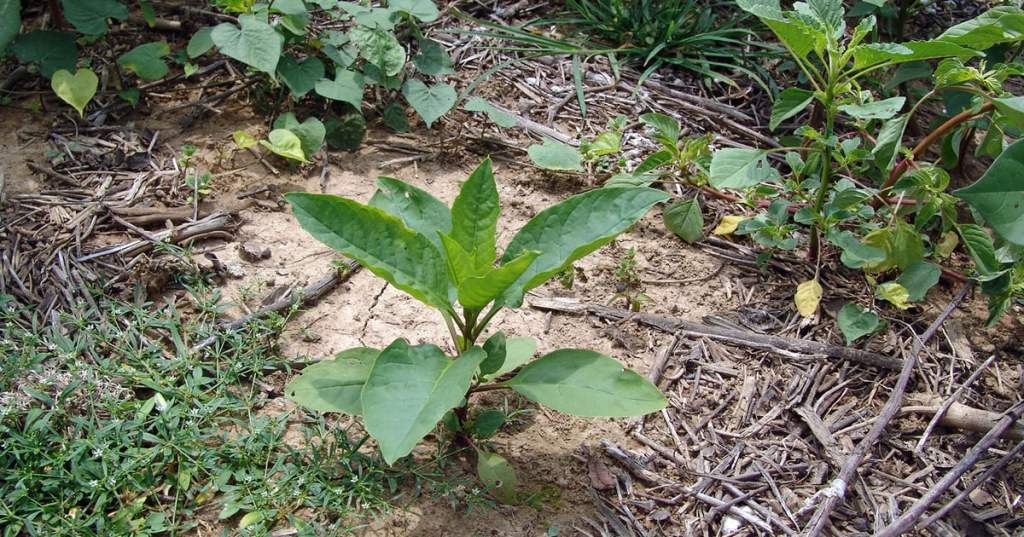
In Appalachian kitchens, and other places the first greens of spring often grow near fences, creek banks, and old homesteads where poke plant grows wild and familiar. Poke sallet made from Phytolacca americana carries a long Southern history, shaped by careful handling and generations of shared knowledge. When prepared correctly, the young leaves become a tender, earthy green that shows up on tables where tradition still guides the cooking pot.
The story of poke sallet reaches back well before modern cookbooks. Indigenous communities and African Americans across the Southeast understood the plant and its seasonal rhythms, sharing knowledge of how to prepare wild greens from the land. Early settlers learned from those practices, adapting them into rural home cooking that carried through Appalachian communities. Over time, poke sallet became part of spring’s rhythm, gathered and cooked when the land first turned green again.
What has never changed is the respect the plant demands in the kitchen. Only the youngest leaves are gathered, and they always go through repeated boiling in fresh water. That process has been passed down carefully, often without measurement or written instruction, just the way many mountain foods have survived through memory and repetition.
Once prepared, poke sallet finds its way into cast iron skillets across the region. Bacon renders first, filling the kitchen with a familiar scent. Onion softens in the drippings, and the greens are added last, soaking up everything in the pan. A splash of pepper vinegar at the table is often all it needs, along with a wedge of cornbread on the side.
Some families fold the greens into scrambled eggs for a simple breakfast that carries the flavor of the season. Others let them simmer slowly with ham hocks until the pot likker becomes just as prized as the greens themselves. In many homes, the stalks are saved too, peeled and fried in cornmeal until crisp, a texture often compared to okra when it hits the plate still hot.
Today, poke sallet continues to appear in familiar Southern dishes like casseroles and quiche, where it blends easily with eggs, cheese, and cream. Even in these modern forms, the flavor still points back to the same place, a spring harvest shaped by the land and the people who learned to cook from it.
No matter how it is served, poke sallet begins long before it reaches the skillet. Knowing the plant, gathering only the right growth, and preparing it correctly are all part of what has kept it on Appalachian tables for generations. Poke sallet continues to be one of my families favorite foraged foods.
Across Appalachia enormous data center campuses rise from the cleared ground, carrying promises of economic progress, advanced technology, and energy innovation. Corporate leaders describe a future powered through artificial intelligence, cloud computing, and renewable energy systems. Local residents describe another reality entirely.
Community anger has surged throughout mountain towns and rural counties as large technology firms expand deeper into forested regions. Protest signs line narrow highways near proposed construction zones. Church groups, conservation advocates, hunters, anglers, and longtime residents gather during county meetings demanding stronger environmental safeguards. Families whose roots stretch through generations fear permanent damage across the Appalachian landscape.
Many residents argue that political leaders place corporate wealth far above local ecosystems. Critics accuse Republican officeholders across several Appalachian states of lining their pockets through land deals, campaign funding, tax incentives, and private development arrangements tied to data center expansion. Residents speaking during public hearings describe a political culture driven through money, influence, and career preservation rather than stewardship of the mountains.
For many protesters, the conflict reaches far beyond technology. The debate centers around survival of forests, streams, wildlife habitats, and rural culture itself.
Forest Loss Across Appalachian Communities
Data centers require immense tracts of land. Developers frequently seek relatively flat terrain near transmission infrastructure, major highways, and water access. Large portions of Appalachia now fit those demands due to aggressive energy investments and rural land availability.
Environmental groups report widespread clear-cutting tied to these projects. Entire ridgelines vanish within months. Tree canopies that once cooled streams and sheltered wildlife disappear beneath gravel, concrete, fencing, electrical substations, and massive warehouse-like server facilities.
Residents near several proposed projects describe seeing chainsaws and excavators enter areas previously filled with dense woodland. Songbird populations decline after tree removal. Increased sediment reaches nearby creeks during rainstorms. Flood concerns rise after vegetation loss removes natural water absorption.
Biologists warn that Appalachian ecosystems contain some of the richest biodiversity across North America. Salamander species thrive within cool mountain forests. Native brook trout depend upon shaded waterways. Pollinators rely upon intact forest corridors. Large-scale industrial development fragments those ecosystems into isolated pockets.
Critics reject corporate marketing campaigns describing these projects as environmentally responsible. Many companies advertise renewable energy partnerships, carbon reduction goals, or “green” innovation initiatives. Protesters argue that such language masks severe ecological destruction occurring during construction.
A retired teacher from eastern Kentucky described the contradiction during a county hearing earlier this spring.
“They call these projects green while bulldozers erase entire forests,” she said before a packed audience. “Every acre removed destroys habitat, damages streams, and changes mountain life forever.”
Her remarks received loud applause from residents gathered inside the courthouse.
Few Permanent Jobs Despite Massive Expansion
Supporters of data center growth frequently promote economic opportunity. Governors and lawmakers praise incoming investments worth billions of dollars. Press conferences celebrate construction contracts, technological leadership, and regional growth.
Residents challenging those claims argue that permanent employment numbers remain surprisingly small compared with environmental costs.
Construction phases create temporary labor demand, especially for electricians, equipment operators, and contractors. Once facilities become operational, staffing levels often remain limited. Highly automated systems require relatively few workers compared with manufacturing plants or traditional industrial operations.
Critics across Appalachia question whether thousands of cleared forest acres make sense in exchange for a modest number of long-term positions.
“You lose mountains, streams, wildlife, hunting areas, and family land,” said one resident during a rally near a proposed Virginia project. “Then corporate leaders arrive claiming victory after creating a few dozen permanent jobs.”
Local business owners also express concern regarding infrastructure strain. Data centers consume tremendous amounts of electricity and water. Residents fear rising utility costs as demand increases. Some communities already face pressure upon aging water systems and rural roads.
Emergency planners warn that rapid industrial growth may overwhelm small counties lacking resources for large-scale infrastructure expansion. Fire departments, ambulance services, and local governments often struggle with staffing shortages and budget limitations.
Opponents argue that state governments continue approving generous corporate incentives despite those concerns.
“Green” Branding Faces Growing Skepticism
Technology companies increasingly frame data centers as part of a cleaner future. Renewable power agreements, carbon neutrality pledges, and sustainability campaigns appear throughout corporate advertising.
Environmental protesters across Appalachia respond with deep skepticism.
Many activists argue that so-called green development frequently sacrifices local ecosystems in service of global technology expansion. Forest clearing releases stored carbon from trees and soil. Habitat destruction damages biodiversity. Heavy construction equipment burns fuel across months or years of site preparation.
Residents also question large solar and transmission projects connected with data center energy demand. Some rural communities fear additional forest loss tied to expanding energy infrastructure.
“There seems to be endless corporate appetite for land,” explained an organizer from West Virginia. “Every ridge, every valley, every wooded area turns into a target for industrial development.”
Scientists studying Appalachian ecology warn that fragmented forests face greater vulnerability from invasive species, erosion, severe storms, and warming temperatures. Continuous canopy cover plays a critical role in regional environmental stability.
Many residents view the region through a cultural lens as well. Appalachia carries generations of family traditions tied to forests and mountains. Hunting, fishing, foraging, hiking, and outdoor recreation remain central parts of local identity.
When ancient woodlands disappear, residents feel a deep emotional loss alongside environmental damage.
Political Anger Intensifies
Political frustration has become one of the strongest forces driving anti-data-center activism.
Critics accuse Republican leaders across Appalachian states of enabling corporate expansion through tax incentives, weakened oversight, and expedited permitting. Protesters frequently describe elected officials as career politicians focused upon donor relationships rather than environmental protection.
At rallies throughout Kentucky, Tennessee, Virginia, and West Virginia, residents increasingly speak about corruption, land speculation, and political influence.
Many believe wealthy developers receive privileged access while ordinary residents struggle for meaningful representation.
“Republican politicians keep filling their pockets while mountain communities carry the damage,” said a protest organizer during a gathering outside a state office building. “Families here deserve leaders willing to defend forests rather than corporate interests.”
Community members fear Appalachia could lose much of its natural character if large-scale industrial development continues accelerating.
Older residents often compare current tensions with earlier eras of extractive industry across the region. Coal mining companies once promised prosperity while leaving environmental scars that remained across generations. Critics now argue that data center expansion reflects another chapter within a long history of outside corporations extracting wealth from Appalachian land.
Many younger activists frame the movement through environmental justice concerns. They argue rural communities possess fewer political resources than major metropolitan areas, making them easier targets for controversial development projects.
Social media campaigns opposing proposed facilities have grown rapidly during recent months. Drone footage showing clear-cut mountainsides circulates widely online. Organizers coordinate petitions, public demonstrations, and legal challenges.
The issue increasingly shapes local elections as candidates face pressure regarding development policy.
Wildlife Advocates Raise Alarm
Wildlife advocates remain especially vocal regarding ecological consequences tied to large-scale land clearing.
Appalachia supports black bear populations, migratory songbirds, wild turkey, white-tailed deer, countless amphibian species, and rare native plants. Forest fragmentation disrupts breeding patterns and migration routes. Increased traffic and construction activity create additional pressure upon sensitive habitats.
Conservation groups warn that many species already face stress from climate shifts, invasive pests, and earlier industrial activity.
Researchers studying salamander populations express particular concern. Appalachian forests contain extraordinary salamander diversity unmatched across much of the world. These amphibians rely upon moist woodland environments highly sensitive to disturbance.
Loss of mature forest canopy alters soil temperature and moisture levels, threatening entire microecosystems.
Birdwatchers throughout the region also report concern regarding migratory species dependent upon uninterrupted forest corridors. Certain songbirds require large areas of mature woodland for nesting success.
Hunters and anglers who traditionally avoid political activism increasingly join anti-development coalitions as well. Many fear habitat degradation could damage wildlife populations and outdoor recreation traditions central to Appalachian culture.
Residents Fear Permanent Transformation
For many families, opposition toward data centers centers around grief.
Residents describe watching familiar landscapes disappear at astonishing speed. Quiet hollows transform into industrial corridors filled with fencing, power lines, floodlights, and cooling equipment.
Several communities report growing anxiety regarding noise pollution from massive cooling systems operating throughout day and night. Others fear declining property values near industrial facilities.
Some residents whose families owned mountain land through generations feel intense emotional pain after seeing neighboring forests cleared.
“These mountains shaped our lives,” explained a grandmother during a community forum in southwestern Virginia. “Children learned hiking trails here. Families gathered beside streams here. Wildlife thrived here. Every cleared hillside feels like another piece of Appalachia vanishing.”
Activists argue that many urban technology consumers remain unaware of environmental costs connected with cloud computing, artificial intelligence, cryptocurrency operations, and online storage demand.
Every uploaded file, streamed movie, and AI request requires physical infrastructure somewhere. Increasingly, protesters say, that infrastructure arrives within rural Appalachian forests.
Calls for Stronger Environmental Protection
Opponents of unchecked expansion seek stronger environmental review processes, stricter land-use rules, and greater transparency regarding corporate agreements.
Some activists advocate limits upon forest clearing near sensitive habitats and waterways. Others seek independent environmental impact studies free from corporate influence.
Regional conservation organizations also encourage investment within smaller-scale economic development strategies more compatible with long-term ecological health.
Tourism, outdoor recreation, sustainable forestry, small agriculture, and habitat restoration projects receive growing attention among community groups searching for alternatives.
Critics argue that Appalachian communities deserve economic development aligned with environmental preservation rather than industrial expansion that sacrifices forests for technological growth.
Several grassroots organizations now coordinate across state lines, forming broader Appalachian alliances opposing large-scale data center projects.
Organizers believe public awareness continues rising as more residents witness rapid environmental transformation.
A Defining Conflict for Appalachia
The battle surrounding data centers and “green” development reflects a larger national debate over technology, energy, political influence, and environmental protection.
Corporate leaders view expanding digital infrastructure as essential for future economic growth and artificial intelligence development. Protesters across Appalachia view the same projects as threats against forests, wildlife, water systems, and cultural identity.
Residents fear political leaders increasingly treat mountain communities as sacrifice zones where corporate interests outweigh local voices.
Many activists warn that continued expansion could permanently transform one of America’s richest natural regions.
“If people fail to wake up and remove career politicians driven through money and corporate influence,” said one speaker during a recent rally in eastern Tennessee, “our beautiful Appalachia could disappear beneath concrete, fencing, transmission lines, and industrial sprawl.”
Across the mountains, that fear continues fueling protests, petitions, legal challenges, and growing resistance against a technological boom reshaping the Appalachian landscape.
Local Governments Face Mounting Pressure
County commissions and small-town councils increasingly find themselves trapped between corporate pressure and public outrage. Technology firms often arrive with teams of consultants, attorneys, engineers, and economic advisors promising future tax revenue and infrastructure investment. Local residents arrive carrying photographs of forests, maps of wildlife corridors, and concerns regarding long-term environmental damage.
Public hearings surrounding proposed data center projects have grown increasingly heated throughout parts of Appalachia. Citizens accuse elected officials of approving projects before meaningful community discussion ever begins. Protesters describe meetings where residents receive limited speaking time while developers present polished economic forecasts and promotional material.
Several communities have attempted to slow projects through zoning challenges and environmental review requests. Grassroots organizations increasingly train volunteers to examine permit applications, water usage projections, and land acquisition records.
Residents argue that ordinary taxpayers often carry hidden costs tied to major industrial expansion. Road maintenance, emergency preparedness upgrades, utility infrastructure expansion, and environmental mitigation efforts can place additional burdens upon already stretched local budgets.
Critics also question whether corporate tax incentives undermine promised financial benefits. Many data center agreements involve substantial tax breaks designed to attract investment. Opponents argue those deals frequently favor multinational corporations while local schools, fire departments, and public services continue struggling for funding.
A community organizer from West Virginia summarized growing frustration during a recent protest.
“Political leaders celebrate billion-dollar projects while rural schools struggle for supplies and families fight rising living costs,” he said. “People across Appalachia feel abandoned.”
Water Consumption Raises Additional Concerns
Beyond forest destruction, water usage has emerged as another major source of anxiety.
Large data centers require extensive cooling systems to prevent overheating from thousands of servers operating continuously. Some facilities consume millions of gallons of water annually.
Residents fear growing competition for water resources during drought conditions and hotter summers linked with climate change. Farmers worry about long-term impacts upon agricultural operations. Conservation groups warn that increased industrial demand could strain rivers, creeks, and groundwater systems already vulnerable from pollution and development.
Environmental advocates argue that many rural communities lack adequate safeguards against excessive industrial water consumption.
In several Appalachian counties, residents now demand public disclosure regarding projected water use before construction approvals move forward. Citizens also seek stronger protections for trout streams and sensitive aquatic ecosystems.
Concerns surrounding runoff pollution have intensified after heavy rainstorms near construction zones. Sediment flowing into waterways can damage fish habitat and reduce water quality.
Local anglers describe seeing once-clear creeks turn muddy after nearby clearing operations.
Young Activists Lead Growing Resistance
A new generation of environmental activists has emerged throughout Appalachia as opposition movements expand.
College students, young conservationists, outdoor recreation advocates, and climate organizers increasingly coordinate campaigns through social media platforms. Drone footage documenting clear-cut landscapes spreads rapidly online, drawing national attention toward development disputes.
Many younger activists frame the issue through both environmental and cultural survival.
They argue Appalachia possesses extraordinary ecological importance alongside deep historical identity rooted within mountain communities. Large-scale industrialization, they believe, threatens both.
Student-led organizations now organize forest hikes, educational forums, petition drives, and demonstrations near proposed project sites. Some groups partner with scientists and legal experts to challenge environmental permits.
Several activists describe frustration with political leaders they believe prioritize corporate lobbying over community concerns.
“We grew up loving these mountains,” said one Tennessee college student involved with a regional environmental coalition. “People our age refuse to stand silent while forests disappear for corporate expansion.”
The Future of Appalachia Remains Uncertain
The conflict surrounding data center expansion shows few signs of slowing.
Artificial intelligence growth, cloud storage demand, and digital infrastructure expansion continue accelerating across the United States. Appalachia remains attractive for developers seeking available land, energy access, and supportive political leadership.
Residents opposing large-scale projects believe the region stands at a crossroads. One path leads toward increasing industrialization, expanding transmission corridors, and continued forest clearing tied to technological growth. The other path prioritizes conservation, sustainable local economies, and long-term environmental stewardship.
Many Appalachian residents fear time may be running short.
Ancient forests require generations to recover after removal. Wildlife habitat fragmentation can create ecological damage lasting decades. Rural communities transformed through industrial expansion may never regain the landscapes that once defined them.
Across county lines and mountain ridges, protesters continue gathering with handmade signs, demanding accountability from political leaders and corporate developers alike.
Their message grows louder with each newly cleared hillside.
They believe Appalachia faces a defining moment — one that could determine whether future generations inherit thriving forests, clean streams, abundant wildlife, and mountain culture, or an industrial landscape shaped through corporate power and political ambition.
For many residents, the fight centers around preserving the soul of Appalachia before another chapter of unchecked development changes the region forever. It is time for Appalachian folks to wake up and get out and vote the politicians that are allowing this to happen out of office! We only get one chance to reclaim our land and stop big corporations from ruining every inch of it.
Appalachia’s political landscape has undergone one of the most dramatic shifts in modern American politics, transforming from a region once rooted in Democratic labor traditions into a Republican stronghold. Between 2000 and 2024, roughly 95% of Appalachian counties moved toward the Republican Party, with 203 counties shifting an average of 18.6 percentage points to the right.
States such as West Virginia and eastern Kentucky, once competitive political territory shaped by coal unions and New Deal era Democratic loyalties, now consistently back Republican candidates by large margins. Political analysts say the transformation has been driven by a combination of cultural alignment, frustration with federal leadership, and decades of economic stagnation.
Despite the political realignment, many communities across Appalachia continue to face persistent poverty, deteriorating infrastructure, and ongoing public health crises, including opioid addiction and the resurgence of black lung disease among coal miners.
Vice President JD Vance has emerged as one of the most visible national political figures associated with Appalachian identity, largely due to the success of his memoir Hillbilly Elegy, which chronicled his family’s roots in eastern Kentucky and the struggles of working class Appalachian communities. However, Vance himself was raised in Ohio, not Appalachia, a distinction that has sparked criticism from some residents who argue that national media and political leaders often simplify or misrepresent the region’s identity and experiences.
Vance has argued that Appalachian communities were neglected for decades by political elites in Washington and has promoted economic revitalization efforts focused on manufacturing, energy production, and rural investment. His message has resonated with many voters who feel abandoned by both political parties. However, critics argue that national politicians often romanticize Appalachia’s struggles without delivering meaningful long term economic change. But what he isn’t saying is that he supports all the cuts to infrastructure, Medicaid, and Food Stamps, and many other things that help poor people in Appalachia.
The debate over coal remains central to the region’s politics. While many residents see coal jobs as essential to local economies, others point to environmental concerns and health consequences tied to mining operations. Communities continue to wrestle with how to transition economically while preserving jobs and local identity.
At the same time, tensions over federal authority have surfaced in parts of the region. In the foothills of North Carolina, some residents recently mobilized against federal immigration enforcement efforts, reflecting a broader skepticism toward outside government intervention.
The upcoming 2026 elections, particularly in Kentucky, are increasingly viewed as a test of whether local leaders can move beyond partisan messaging and address longstanding infrastructure and economic concerns. Roads, bridges, broadband internet access, healthcare access, and education investment remain major priorities for many rural communities.
Critics of the region’s political direction argue that Republican leaders who have dominated Appalachian politics for decades have failed to significantly improve economic conditions, infrastructure, healthcare access, or poverty levels across much of the region. They contend that despite years of Republican control in many Appalachian states and counties, struggling communities continue to face declining industries, underfunded schools, addiction crises, and limited economic opportunity.
Those critics also argue that many Republican officials have successfully redirected public frustration toward Democrats and federal institutions, even in areas where Republicans have held substantial political power for years. Supporters of the GOP, however, maintain that Democratic environmental policies, federal regulations, and broader cultural divisions played major roles in Appalachia’s economic decline and political shift. When in fact they are the reason that Appalachia hasn’t flourished the way, it should have.
For many voters, the central question is no longer just party loyalty, but whether elected officials regardless of affiliation can deliver tangible improvements to daily life in a region that continues to struggle economically despite its growing influence in national conservative politics.