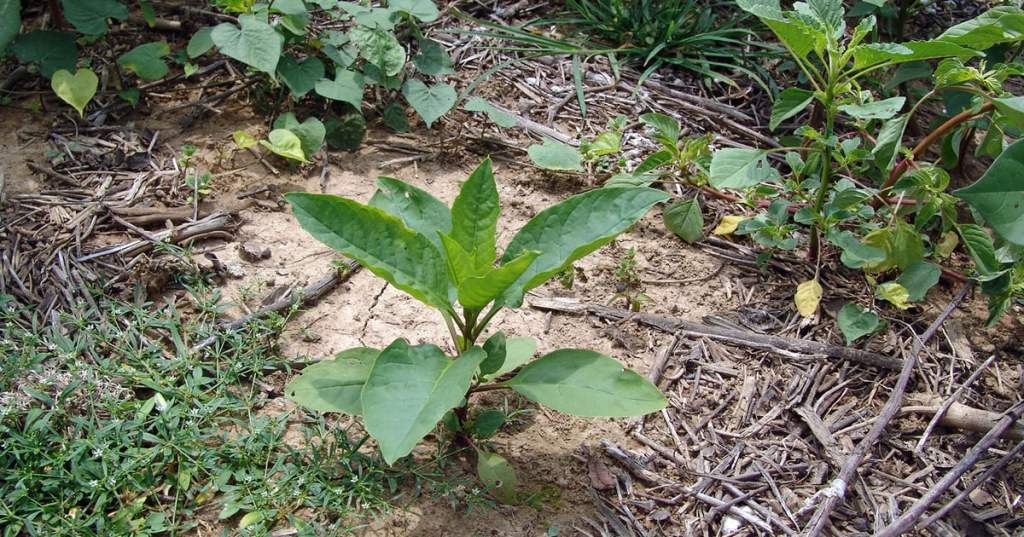
In Appalachian kitchens, and other places the first greens of spring often grow near fences, creek banks, and old homesteads where poke plant grows wild and familiar. Poke sallet made from Phytolacca americana carries a long Southern history, shaped by careful handling and generations of shared knowledge. When prepared correctly, the young leaves become a tender, earthy green that shows up on tables where tradition still guides the cooking pot.
The story of poke sallet reaches back well before modern cookbooks. Indigenous communities and African Americans across the Southeast understood the plant and its seasonal rhythms, sharing knowledge of how to prepare wild greens from the land. Early settlers learned from those practices, adapting them into rural home cooking that carried through Appalachian communities. Over time, poke sallet became part of spring’s rhythm, gathered and cooked when the land first turned green again.
What has never changed is the respect the plant demands in the kitchen. Only the youngest leaves are gathered, and they always go through repeated boiling in fresh water. That process has been passed down carefully, often without measurement or written instruction, just the way many mountain foods have survived through memory and repetition.
Once prepared, poke sallet finds its way into cast iron skillets across the region. Bacon renders first, filling the kitchen with a familiar scent. Onion softens in the drippings, and the greens are added last, soaking up everything in the pan. A splash of pepper vinegar at the table is often all it needs, along with a wedge of cornbread on the side.
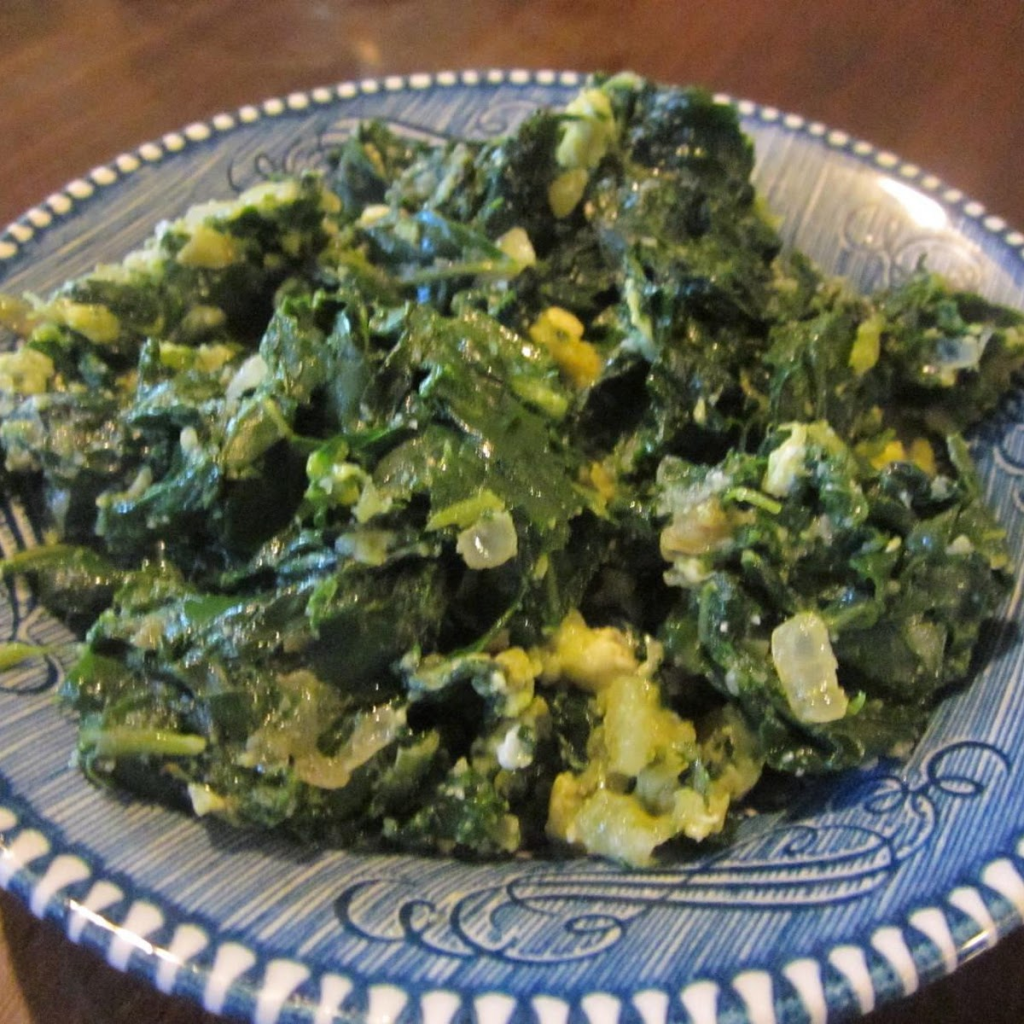
Some families fold the greens into scrambled eggs for a simple breakfast that carries the flavor of the season. Others let them simmer slowly with ham hocks until the pot likker becomes just as prized as the greens themselves. In many homes, the stalks are saved too, peeled and fried in cornmeal until crisp, a texture often compared to okra when it hits the plate still hot.
Today, poke sallet continues to appear in familiar Southern dishes like casseroles and quiche, where it blends easily with eggs, cheese, and cream. Even in these modern forms, the flavor still points back to the same place, a spring harvest shaped by the land and the people who learned to cook from it.
No matter how it is served, poke sallet begins long before it reaches the skillet. Knowing the plant, gathering only the right growth, and preparing it correctly are all part of what has kept it on Appalachian tables for generations. Poke sallet continues to be one of my families favorite foraged foods.
-Tim Carmichael


Leave a comment