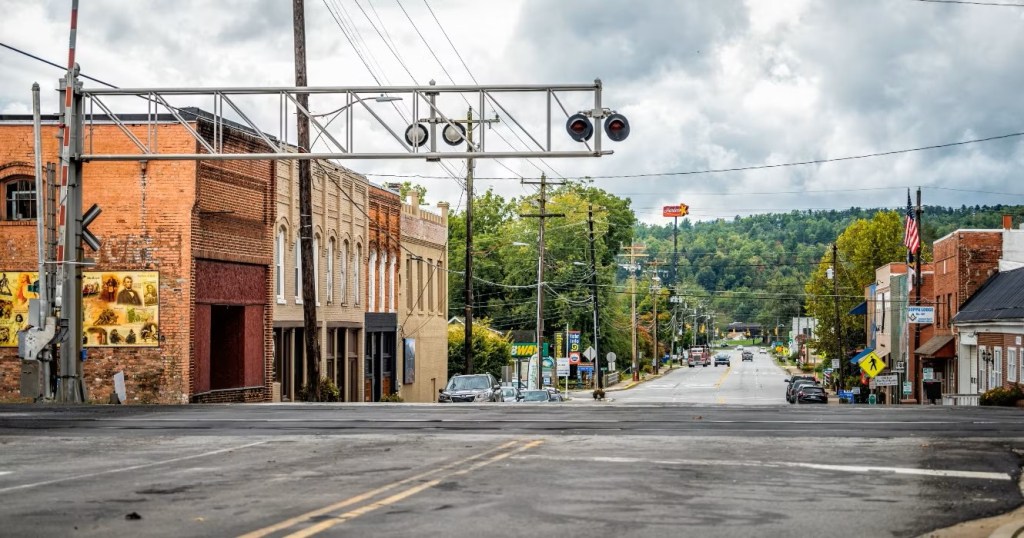
Retirement patterns across America have shifted during recent years as large numbers of older adults leave crowded coastal regions for mountain communities across Appalachia. Florida carried a long reputation as the premier retirement destination for several generations, yet many retirees now seek cooler weather, lower living costs, quieter communities, and stronger social ties in states stretching from southern New York through northern Mississippi. Towns across eastern Tennessee, western North Carolina, southwest Virginia, eastern Kentucky, and northern Georgia have experienced major population gains as retirees purchase homes, launch small businesses, and settle near mountain scenery.
Appalachia once faced a national image tied mainly to coal mining, poverty, and economic decline. Current migration trends tell a very different story. Scenic ridges, four distinct seasons, lower tax burdens, and expanding health care systems have transformed many Appalachian counties into retirement magnets. Realtors across the region describe bidding wars, rapid home sales, and waiting lists for new housing developments. Local leaders celebrate economic growth while longtime residents worry over rising housing costs and pressure upon local infrastructure.
Population growth across Appalachia has accelerated steadily since the pandemic era began. Census estimates reveal substantial gains across counties near Knoxville, Chattanooga, Asheville, Johnson City, Roanoke, and Greenville. Tennessee alone gained more than 80,000 new residents during several recent years, with retirees forming a major share of incoming households. North Carolina ranked among the fastest-growing states in America, driven partly by migration into mountain counties surrounding Asheville and Boone. Virginia mountain communities also recorded rising numbers as retirees arrived from New Jersey, Pennsylvania, Ohio, Michigan, and Florida.
Researchers tracking migration trends estimate that hundreds of thousands of people relocate into Appalachian states each year. Tennessee welcomed roughly 250,000 incoming residents annually during recent migration cycles, according to moving company data and census estimates. North Carolina received similar totals. Large shares of those arrivals consisted of adults nearing retirement age or already living through retirement. Real estate agents across the region describe buyers arriving with large amounts of home equity gained through sales in expensive metropolitan markets such as Miami, Tampa, New York City, Chicago, and Washington.
Florida still attracts retirees in large numbers, yet several factors have weakened its dominance. Rising insurance premiums, intense summer heat, hurricane threats, crowded highways, and soaring property prices have encouraged many older adults to search for alternatives. Appalachia offers milder summer temperatures, mountain scenery, and a pace of life many retirees find more appealing. A retired couple from South Florida may sell a suburban home for high six figures, then purchase a spacious mountain property in Tennessee or Virginia for a far lower amount while retaining significant savings.
Climate plays a major role in these decisions. Summers across much of Florida have grown hotter and more humid during recent decades. Appalachian communities provide cooler evenings, changing leaves during autumn, and occasional snowfall during winter. Many retirees value those seasonal shifts after decades spent in tropical conditions. Outdoor recreation also draws many newcomers. Hiking trails, trout streams, lakes, waterfalls, and scenic drives fill much of the region. National parks such as Great Smoky Mountains National Park attract millions of visitors annually, creating strong tourism economies alongside retirement growth.
Health care access has also improved dramatically across several Appalachian hubs. Knoxville, Asheville, Johnson City, and Roanoke now feature major medical centers capable of serving aging populations. Retirees seek communities where specialized care remains nearby while housing prices stay lower than major metropolitan areas. Medical expansion has fueled employment growth, which further strengthens local economies and encourages additional migration.
Financial concerns weigh heavily upon retirement planning, and Appalachia often appears attractive through that lens. Tennessee carries zero state income tax upon wages. Property taxes across many Appalachian counties remain lower than rates seen in coastal retirement markets. Utility bills often fall below national averages. Retirees living on fixed incomes frequently discover their savings stretch farther in mountain towns than in Florida beach communities.
Housing demand has surged because of these migration patterns. During earlier decades, many Appalachian towns experienced slow population growth and stable home prices. Current conditions differ sharply. Homes across popular retirement destinations receive multiple offers within days of listing. New subdivisions spread across hillsides once covered mainly by forest or pastureland. Builders race to meet demand, yet supply struggles to keep pace with incoming residents.
Median home prices across several Appalachian markets have climbed rapidly. In parts of eastern Tennessee and western North Carolina, prices doubled during a relatively short period. Smaller communities once viewed as affordable havens now face serious housing pressure. Retirees arriving with cash from home sales elsewhere often outbid local families whose wages remain tied to regional salary levels. Teachers, nurses, police officers, and younger residents increasingly struggle to purchase property near hometown communities.
Asheville offers one striking example. The mountain city evolved from an arts-focused regional center into one of America’s fastest-growing retirement and tourism destinations. Home values soared as affluent newcomers purchased mountain cabins, downtown condos, and luxury properties overlooking the Blue Ridge Mountains. Similar patterns emerged across Johnson City, Knoxville suburbs, and communities surrounding Chattanooga. Even smaller towns such as Murphy, North Carolina, or Blue Ridge, Georgia, have witnessed major increases in housing demand.
Longtime residents across Appalachia express mixed feelings regarding these changes. Many appreciate economic revival after years of industrial decline. New restaurants, breweries, medical facilities, and retail developments create jobs and expand local tax revenue. Revitalized downtown districts draw visitors and investment. Tourism growth supports small business owners who once faced limited economic opportunities.
At the same time, rising home values create financial strain for working families. Rent increases have accelerated across many mountain towns. Some residents who grew up in Appalachia now move farther into rural areas searching for affordable housing. Others remain with parents longer due to high mortgage costs. Local governments face pressure to expand roads, water systems, and emergency services as population growth continues.
Traffic congestion has also become a growing issue. Roads built for small mountain populations now carry far larger numbers of vehicles. Weekend tourism compounds congestion during fall foliage season and summer travel months. Residents across eastern Tennessee and western North Carolina frequently describe major changes in daily life compared with conditions twenty years earlier.
Developers continue building retirement-focused communities throughout the region. Gated neighborhoods featuring golf courses, walking trails, and clubhouses have appeared near many Appalachian cities. Active adult communities market mountain living as a healthier, calmer alternative to crowded coastal retirement centers. Advertising campaigns highlight fresh air, scenic beauty, and lower costs while emphasizing proximity to hospitals and airports.
Technology has further accelerated migration into Appalachia. Remote work arrangements allow many semi-retired professionals to live far from traditional employment centers. High-speed internet expansion across rural counties supports these moves. Some retirees continue consulting work or operate online businesses from mountain homes overlooking valleys and forests. That flexibility broadens the appeal of Appalachian living far beyond earlier generations.
Cultural factors also shape migration trends. Many retirees seek stronger community connections and slower-paced lifestyles. Appalachian towns often feature local festivals, farmers markets, church gatherings, music events, and civic organizations that encourage social interaction. Bluegrass traditions, regional cuisine, and outdoor culture create a sense of place many newcomers find appealing. Former city residents frequently describe relief after leaving dense urban areas filled with constant noise and heavy traffic.
Economic analysts expect migration into Appalachia to continue for many years. Aging baby boomers represent one of the largest retirement generations in American history. Many possess substantial housing equity gained during decades of rising home values in northern and coastal states. As those retirees search for affordable communities with natural beauty and quality health care, Appalachian regions appear increasingly attractive.
Future growth may reshape the mountains profoundly. Expanded infrastructure, additional housing construction, and careful land management will likely determine whether communities maintain their character amid rapid expansion. Local leaders across the region face difficult choices regarding zoning, environmental protection, and affordable housing initiatives. Strong planning efforts may help communities balance economic opportunity alongside preservation of mountain culture and natural landscapes.
Florida will remain a major retirement destination for many Americans, especially people seeking beaches and tropical weather. Even so, Appalachia has emerged as a powerful competitor within the national retirement landscape. Population growth, lower living costs (which doesn’t exist anymore), scenic beauty, and cooler climates continue drawing retirees into mountain communities year after year. That migration fuels economic revival across many towns while also pushing housing prices steadily higher.
Across winding mountain roads, busy downtown districts, and newly built subdivisions, the transformation remains visible. Appalachia now stands at the center of one of America’s most significant retirement migration trends, reshaping communities throughout the region and altering the future of mountain life for generations ahead.
-Tim Carmichael


Leave a comment