• Debates Grow in Appalachia Over Opioid Settlement Spending

    The opioid crisis continues to grip large portions of the United States, with Appalachia bearing a disproportionate share of the burden. Over the past several years, legal action against pharmaceutical companies has resulted in billions of dollars in settlement funds intended to address addiction, expand treatment, and support long term recovery. These funds represent both accountability and opportunity. Yet across many Appalachian communities, a new and deeply contentious debate has emerged over how this money is being used.

    At the heart of the controversy lies a widening gap between public expectation and local decision making. Many residents, advocacy groups, and public health professionals anticipated that settlement funds would flow directly into addiction treatment services, harm reduction programs, and recovery infrastructure. Instead, reports from several counties and states suggest that significant portions of this money have been redirected toward expenditures that appear only loosely connected to addressing substance use disorder. This perceived misallocation has fueled frustration, mistrust, and a renewed sense of urgency among those who view the crisis as a public health emergency rather than a matter for general budgeting flexibility.

    The structure of opioid settlements helps explain how such disputes have arisen. Unlike tightly restricted federal grants, many settlement agreements grant state and local governments considerable discretion in spending decisions. Guidelines often recommend investment in evidence based strategies such as medication assisted treatment, prevention education, and overdose reversal initiatives. Even so, these guidelines frequently lack strict enforcement mechanisms. Local officials therefore retain authority to interpret allowable uses in ways that align with their own priorities.

    In some areas, this flexibility has led to spending choices that critics argue diverge sharply from the intended purpose of the funds. Purchases of law enforcement equipment, vehicle upgrades, and surveillance technology have drawn particular scrutiny. Supporters of these expenditures contend that stronger policing contributes to reducing drug trafficking and improving community safety. They argue that addiction and crime often intersect, making law enforcement a legitimate component of a broader response strategy. From this perspective, investing in police capacity represents a preventative measure that complements treatment efforts.

    Opponents of this approach offer a starkly different view. They emphasize that the opioid crisis stems primarily from a complex interplay of medical, social, and economic factors. Overprescribing practices, economic decline, and limited access to healthcare have all contributed to widespread addiction. In this context, critics argue that channeling funds into policing fails to address root causes. They point to extensive research indicating that treatment and harm reduction yield more effective outcomes in reducing overdose deaths and supporting recovery. For these advocates, every dollar directed away from direct services represents a missed opportunity to save lives.

    The tension between these perspectives reflects broader philosophical divides about how society should respond to substance use. Some leaders continue to frame addiction through a criminal justice lens, while others insist on a public health approach. The opioid settlements have brought this divide into sharper focus by placing substantial resources at the center of local decision making. Communities must now confront difficult questions about priorities, accountability, and the meaning of justice for those affected by addiction.

    Transparency has emerged as another major point of contention. In several Appalachian regions, residents have expressed concern over limited public access to detailed spending records. Meetings where allocation decisions occur often receive minimal publicity, and documentation can be difficult to obtain. This lack of visibility has fueled suspicion that funds are being diverted without sufficient oversight. Advocacy organizations have called for clearer reporting requirements, public dashboards, and community advisory boards to ensure that spending aligns with the needs of those most impacted.

    Stories from individuals in recovery highlight the human dimension of this debate. Many describe long waiting lists for treatment programs, shortages of qualified counselors, and limited availability of medication assisted treatment options. For these individuals, the existence of unused or redirected settlement funds feels deeply personal. Each unmet need represents a barrier to recovery and a potential risk of relapse or overdose. Their experiences underscore the stakes involved in allocation decisions and reinforce calls for a more targeted approach.

    Healthcare providers across Appalachia have also voiced concerns. Clinics and treatment centers often operate with constrained budgets, struggling to meet rising demand. Additional funding could expand capacity, reduce wait times, and improve quality of care. Some providers report submitting proposals for settlement funding that receive little attention, while other projects with weaker connections to addiction treatment move forward. This dynamic has contributed to a sense of frustration within the medical community and raised questions about the criteria guiding funding decisions.

    Economic factors further complicate the picture. Many Appalachian communities face significant fiscal challenges, including declining tax revenues and aging infrastructure. Local officials may view settlement funds as an opportunity to address pressing needs beyond addiction services. From their perspective, improving roads, upgrading public facilities, or enhancing emergency response systems can indirectly benefit residents affected by substance use. This broader interpretation of community well being influences how funds are allocated and defended.

    Even so, critics argue that such reasoning risks diluting the original purpose of the settlements. The funds were secured through legal claims that pharmaceutical companies contributed to a public health crisis. As a result, many believe that the money carries a moral obligation to directly confront addiction and its consequences. Expanding treatment access, supporting recovery housing, and investing in prevention programs align closely with this goal. Redirecting funds toward general expenditures, even when beneficial, may undermine public trust and weaken the overall impact of the settlements.

    The debate has prompted some states to take steps toward greater accountability. Legislative proposals have emerged that seek to restrict allowable uses of settlement funds or require a minimum percentage to be dedicated to evidence based interventions. In certain areas, task forces composed of healthcare professionals, community leaders, and individuals with lived experience have been established to guide spending decisions. These efforts aim to balance local flexibility with a clearer focus on addressing addiction.

    Community engagement plays a crucial role in shaping outcomes. Public forums, town hall meetings, and grassroots campaigns have given residents an opportunity to voice their concerns and advocate for specific priorities. In some cases, sustained pressure from advocacy groups has led to revisions in spending plans, with more funds directed toward treatment and recovery services. These developments demonstrate the potential for collective action to influence policy and ensure that resources reach those in need.

    Media coverage has amplified the issue, bringing national attention to local disputes. Investigative reports highlighting questionable expenditures have sparked broader discussions about governance and accountability. This increased visibility places additional pressure on officials to justify their decisions and consider alternative approaches. At the same time, it raises awareness among the public about the complexities of managing large scale settlement funds.

    The long term implications of these decisions remain uncertain. Effective use of opioid settlement funds could significantly reduce overdose rates, strengthen recovery systems, and improve overall community health. Conversely, misaligned spending may limit progress and prolong the crisis. The choices made today will shape the trajectory of Appalachia’s response for years to come.

    Ultimately, the controversy surrounding opioid settlement funds reflects deeper challenges within public policy and governance. Balancing flexibility with accountability, addressing immediate needs while planning for long term impact, and reconciling differing perspectives on addiction all require careful consideration. As communities continue to navigate these issues, the voices of those most affected must remain central to the conversation.

    The opioid crisis has already exacted a profound toll on Appalachia, affecting families, economies, and social structures. The arrival of settlement funds offers a rare opportunity to make meaningful progress. Ensuring that these resources are used effectively and equitably stands as both a practical necessity and a moral imperative. Through transparent decision making, community involvement, and a sustained focus on evidence-based solutions, there remains hope that the promise of these funds can be realized.

    -Tim Carmichael

  • Foraging Appalachia’s Wild Edibles

    It’s that time of year again and Appalachia offers a remarkable abundance for anyone willing to learn its seasonal gifts and practice careful gathering. Across ridges, holler’s, stream-side’s, and meadows, edible plants, berries, roots, and fungi appear through every part of year. Knowledge is key and teaches not only what can be eaten, but also how to gather with respect so that these resources remain available far into future.

    Dandelion stands as one of most accessible wild foods. Many people overlook it as a simple yard plant, yet it provides nutrition from root to bright yellow top. Young greens add a sharp, slightly bitter flavor to salads or can be sautéed for a milder taste. Roots, when cleaned and roasted, create a rich drink often compared to coffee. Even unopened buds can be pickled for a tangy addition to meals. Because it grows widely and vigorously, dandelion offers a forgiving introduction to foraging and encourages confidence for beginners.

    Ramps, sometimes called wild leeks, signal arrival of spring across mountain terrain. Their strong aroma blends garlic and onion into a single powerful ingredient cherished by many cooks. However, ramps grow slowly and require careful harvesting. Ethical gatherers never remove entire clusters. Instead, they may take a single bulb from a patch or cut one green blade while leaving rest intact. This method allows plants to regenerate and ensures continued growth over many seasons. Respect for ramps has become especially important due to rising popularity and overharvesting in some regions.

    Chickweed appears early as well, often forming soft mats across moist ground. Its mild flavor suits fresh salads, pestos, or light cooking. Alongside chickweed, wild garlic emerges, offering a sharper taste that enhances soups, eggs, and savory dishes. Both plants demonstrate how early spring provides nourishment after colder months, bridging gap between stored foods and fresh growth.

    Nettles present another valuable resource, though they require careful handling. Fine hairs along stems and surfaces can irritate skin, yet cooking removes this effect entirely. Once prepared, nettles offer a flavor similar to spinach and provide high levels of vitamins and minerals. Many foragers gather young shoots for soups, teas, or sautéed dishes. Gloves or careful technique allow safe harvesting without discomfort.

    As weather warms, berry season begins. Blackberries and raspberries spread across open areas and forest margins, producing sweet fruit that can be eaten fresh or preserved through jams and syrups. Blueberries also thrive in certain high elevation zones, offering another source of natural sweetness. These fruits support wildlife as well, so gatherers should always leave plenty behind. Sharing ensures a balanced environment and continued abundance.

    Sumac offers a different kind of flavor, bringing a tart, citrus like quality to drinks and dishes. Red clusters can be steeped in water to create a refreshing beverage often compared to lemonade. This plant thrives along roadsides and sunny clearings, making it relatively easy to locate. However, correct identification remains important, since similar species may not provide same qualities.

    Mushrooms form a fascinating and complex part of Appalachian foraging. Morels rank among most sought after varieties. Their honeycomb appearance makes them easier to recognize, yet proper identification remains essential. Morels often appear near old orchards, disturbed soil, or areas recovering from fire. Their rich, earthy taste makes them a prized ingredient for many dishes.

    Chanterelles offer another beloved option, known for golden color and subtle fruity scent. These mushrooms grow during warmer months, often near hardwood areas and moist ground. Their firm texture and mild flavor make them suitable for sautéing, soups, or sauces. However, many toxic mushrooms resemble edible varieties, so beginners should always consult experienced guides or field manuals before consuming any wild fungi.

    Chicken of the woods, named for its texture and flavor, grows on decaying logs and stumps. Its bright orange and yellow coloring makes it easier to spot, yet it still requires careful verification. When prepared properly, it provides a satisfying meat like alternative for many meals.

    Wintergreen remains a reliable presence throughout colder months. Its glossy green growth carries a distinct minty aroma. Chewing it releases a cooling sensation, while steeping it creates a flavorful tea. This plant demonstrates how foraging does not end with summer or fall but continues through winter with patience and observation.

    Pawpaws represent one of most unique fruits found across Appalachia. Often hidden within shaded riverbanks and lowlands, these fruits ripen during late summer into early fall. Their soft, custard like flesh carries a flavor reminiscent of banana, mango, and vanilla combined. Because pawpaws do not store well, they rarely appear in stores, making wild gathering one of few ways to enjoy them fresh. Foragers often watch for fallen fruit as a sign of ripeness, since mature pawpaws drop naturally.

    Acorns, though often overlooked, provide another valuable food source. With proper preparation to remove tannins, they can be ground into flour or used in various recipes. This process requires soaking and patience, yet it reflects traditional knowledge that transforms a common resource into nourishing food.

    Wild grapes climb across many areas, producing clusters suitable for fresh eating or preservation. Their tartness lends itself well to juices, jellies, and wines. Similarly, persimmons ripen late in year, offering a sweet treat once fully softened. Unripe persimmons can be extremely astringent, so timing remains crucial.

    Foraging extends beyond food into medicinal uses as well. Plants such as plantain, yarrow, and elderberry have long histories within traditional practices. While modern research continues to explore their benefits, many communities still rely on this knowledge for teas, salves, and remedies. Responsible use requires careful study and respect for both plant and person.

    Ethical foraging stands at center of all these practices. Gathering should never harm population health or surrounding environment. A common guideline suggests taking no more than a small portion from any patch, often around ten percent or less. This ensures that plants continue to thrive and reproduce. Avoiding areas exposed to pollution, pesticides, or heavy traffic also protects both gatherer and ecosystem.

    Awareness of local regulations remains important as well. Some lands restrict harvesting, while others permit it under specific conditions. Respecting these rules helps preserve natural areas and maintain access for others. Building relationships with landowners or community members can also support sustainable practices.

    Seasonal awareness enhances success and safety. Each plant follows its own cycle, appearing at specific times and locations. Keeping a journal or record of observations can help track patterns year after year. Over time, this knowledge deepens connection with land and improves ability to locate resources.

    Education plays a crucial role in safe foraging. Field guides, workshops, and mentorship from experienced gatherers provide valuable insight. Misidentification can lead to illness, especially with mushrooms or similar looking plants. Taking time to learn details such as shape, color, habitat, and growth pattern reduces risk and builds confidence.

    Preparation methods also influence flavor and safety. Some plants taste best when young, while others require cooking to remove bitterness or toxins. Experimenting with recipes allows foragers to incorporate wild foods into daily meals in creative ways. From soups and stews to teas and preserves, these ingredients bring variety and depth to cooking.

    Community often surrounds foraging traditions. Sharing knowledge, recipes, and experiences strengthens cultural ties and fosters appreciation for natural resources. Festivals celebrating ramps or other seasonal foods highlight this connection and encourage responsible enjoyment.

    Ultimately, foraging across Appalachia offers more than nourishment. It provides a way to engage with landscape, observe seasonal change, and participate in a tradition rooted in respect and sustainability. By gathering thoughtfully and learning continuously, anyone can discover a wide range of edible plants and fungi while helping ensure that these resources remain abundant for generations to come.

    -Tim Carmichael

  • High Energy Costs Grip Appalachia

    APPALACHIA — Residents across the Appalachian region are facing an unprecedented energy affordability crisis as of March 2026. Household electricity bills have surged to record highs due to a combination of extreme winter weather expenses, major utility rate adjustments, and the rapid expansion of high-demand commercial industries such as data centers. Analysts warn that these factors have created a perfect storm, straining family budgets and testing the resilience of state energy policies.

    The most immediate contributor to the March energy spike stems from the lingering effects of extreme cold that swept the region during January and February. Utility companies report that record-breaking demand during the winter months drove fuel costs upward, with natural gas and coal markets responding to shortages and logistical constraints. The delayed billing cycle means that residential statements in March are reflecting these winter-driven market rates, resulting in sudden increases that many households struggle to absorb.

    Customers served by the Tennessee Valley Authority observed a marked rise in their bills with the March monthly Fuel Cost Adjustment. The adjustment increased from approximately 2.6 cents per kilowatt-hour to 4.2 cents per kilowatt-hour, adding roughly sixteen dollars to the average residential account consuming one thousand kilowatt-hours. This increase, though modest in isolation, combines with other rising costs to create a substantial financial burden. TVA officials attribute the increase to market fluctuations during the recent winter storms, emphasizing that fuel procurement costs directly impact monthly billing for all residential and commercial customers.

    Several major utilities implemented rate adjustments on March 1, amplifying financial pressures. Duke Energy in South Carolina initiated new rates for nearly six hundred eighty thousand customers in the Upstate region. A regulatory settlement mitigated the initial impact, yet the average household still faced higher monthly bills. Planned rate increases are scheduled to continue through 2028 as the utility seeks to recover infrastructure investment costs and maintain grid reliability. Appalachian Power, operating in Virginia and West Virginia, received regulatory approval to raise rates by sixty-nine million dollars to finance renewable energy projects coming online between March 2026 and February 2027. In West Virginia, the Public Service Commission is reviewing a major rate case, with a final decision expected to further affect spring billing cycles.

    The structural changes in the regional energy grid have intensified the affordability crisis. Growth in high-demand industries, particularly the expansion of data centers and AI infrastructure in the Mid-Atlantic region, has necessitated significant investment in high-voltage transmission lines and new generation facilities. Utilities argue that these investments are critical to prevent grid failures and support future energy demand. Critics, however, contend that residential customers are subsidizing commercial infrastructure that primarily benefits large corporations, creating a system of cross-subsidization that disproportionately impacts families.

    Grid modernization efforts remain a key driver of increased costs. Utilities report that storm preparedness programs and the replacement of aging poles and transformers require ongoing capital investment. Officials highlight that double-digit base rate increases are often tied to the need for system hardening in the face of increasingly severe weather events. Energy experts caution that the combination of winter fuel surcharges, rate adjustments, and grid investment costs produces a complex web of expenses that are often opaque to the average consumer.

    State-level responses to the crisis have emerged as lawmaker intervention has accelerated. In Kentucky, the House passed the Eastern Kentucky Energy Savings Act on March 5, 2026. The legislation authorizes utilities to refinance debt to lower long-term costs in exchange for a two-year rate freeze. Advocates argue that this measure offers immediate relief for households while allowing utilities to stabilize finances. Critics express concern over potential future liabilities if refinancing does not produce sufficient cost reductions to offset deferred revenue.

    Virginia legislators passed a separate initiative on March 12 aimed at addressing peak demand challenges. The Virtual Power Plant pilot program seeks to coordinate distributed energy resources to reduce strain on Appalachian Power’s system during periods of high consumption. Officials expect that successful implementation could provide a model for demand management across the region, ultimately lowering costs for residential customers by avoiding extreme peak pricing. Experts emphasize that while pilot programs show promise, widespread adoption will require investment in smart grid technology, energy storage, and consumer engagement strategies.

    West Virginia lawmakers are considering more sweeping measures, including a complete freeze on electric rates until mid-2027. Proponents argue that a temporary freeze provides immediate financial relief and allows for a comprehensive overhaul of the state’s utility regulatory framework. Opponents caution that prolonged rate freezes may limit utility investment capacity, potentially delaying grid modernization projects and undermining system reliability. The debate highlights the tension between short-term relief and long-term energy security, a challenge confronting policymakers across the Appalachian region.

    The economic impact of soaring energy costs has been felt across multiple sectors. Low-income households report difficult decisions between heating and other essential expenses, while small businesses describe rising operating costs that threaten survival. Nonprofit organizations and local governments have begun mobilizing emergency assistance programs, distributing energy vouchers and providing educational resources on energy conservation. Analysts note that while these programs help mitigate immediate hardship, they cannot offset systemic drivers of high electricity costs.

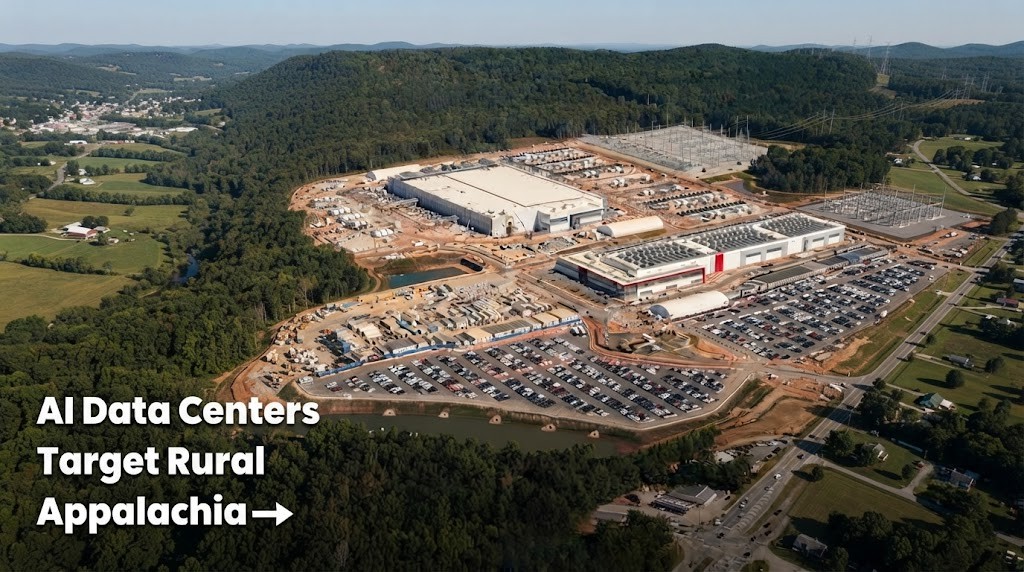
    Data center growth remains a prominent factor shaping regional energy consumption. Analysts point to the rapid adoption of artificial intelligence technologies and cloud computing services as major contributors to grid stress. These facilities consume vast quantities of electricity, often around the clock, and require substantial infrastructure investment to maintain reliability. Utilities argue that these costs are necessary for economic development and job creation, while consumer advocates stress that residential customers should not shoulder the financial burden of corporate energy demand.

    Infrastructure challenges compound the affordability crisis. Aging transmission lines and distribution networks require ongoing maintenance to prevent outages during extreme weather events. Storm-related damage has increased over the past decade, with heavier rainfall, ice accumulation, and high winds affecting poles, transformers, and substations. Utilities report that investment in grid hardening projects is essential to prevent widespread blackouts and ensure system stability, particularly in rural areas with limited redundancy.

    Environmental and renewable energy projects also influence cost structures. Appalachian Power and other utilities have initiated programs to bring solar, wind, and other renewable sources online. Although renewable energy offers long-term benefits including reduced emissions and diversified energy supply, initial investment costs are recovered through incremental rate increases. Regulators argue that transparent rate adjustment mechanisms ensure that consumers contribute proportionally to energy transition efforts. Some advocates call for additional state or federal subsidies to reduce the direct impact on household budgets.

    Energy efficiency remains a critical tool for managing rising costs. Utility programs incentivize the adoption of high-efficiency appliances, improved insulation, and smart thermostats. Education campaigns encourage consumers to adjust behavior during peak hours to lower bills. While efficiency programs provide measurable savings, analysts emphasize that the scale of the March price increases exceeds what behavioral adjustments alone can offset. Consequently, comprehensive solutions must include structural reforms to rate design, infrastructure financing, and demand management.

    Experts warn that regional disparities will influence how households experience the energy crisis. Urban areas with concentrated industrial and commercial energy users may face sharper rate increases, while rural communities confront challenges from aging distribution networks and limited access to energy alternatives. Policymakers are exploring targeted solutions to address these inequities, including rebates, demand response programs, and distributed energy resource integration. Coordination between state agencies, utilities, and consumer advocates remains essential to achieving equitable outcomes.

    The Appalachian energy crisis reflects broader national trends in energy markets. Fuel prices have fluctuated in response to international supply conditions, domestic production constraints, and weather-related disruptions. Regulatory frameworks are adapting to ensure reliability and affordability in a landscape of growing demand and climate uncertainty. Analysts suggest that lessons learned in Appalachia could inform policies in other regions facing similar challenges, including balancing grid modernization, corporate energy needs, and household affordability.

    Households across the region report adopting creative strategies to cope with higher bills. Families describe limiting nonessential appliance use, adjusting thermostats, and scheduling energy-intensive activities during off-peak periods. Community organizations coordinate shared resources, including heating centers and bulk energy purchasing programs. Despite these efforts, the financial strain remains palpable, particularly among populations with limited savings or fixed incomes.

    Utilities are responding with communication campaigns to explain billing increases and available assistance programs. Customer service representatives provide guidance on payment plans, budget billing, and eligibility for low-income energy programs. While outreach efforts help mitigate confusion, some residents report difficulty navigating complex billing structures and understanding rate adjustments. Policymakers and consumer advocates stress the importance of transparency and clear communication in maintaining trust between utilities and communities.

    The intersection of high energy demand, extreme weather, infrastructure investment, and legislative action creates a multifaceted challenge for Appalachian states. Policymakers face pressure to implement solutions that balance immediate relief with long-term system resilience. Analysts emphasize that short-term rate freezes or rebates must be complemented by structural reforms in utility regulation, investment prioritization, and energy efficiency programs. Without comprehensive intervention, households could continue facing monthly bills that consume an increasing share of income, with consequences for health, education, and local economies.

    Long-term projections suggest that energy costs may remain elevated through 2026 and into subsequent years. Utilities forecast continued investment in grid modernization, renewable energy integration, and data center support infrastructure. Energy economists advise that strategic planning and diversified energy sourcing can help mitigate future volatility. Policy decisions made in the coming months will play a critical role in determining whether Appalachian households regain stability or continue experiencing acute financial pressure.

    Public discourse surrounding the crisis has intensified. Local media outlets report widespread concern, with residents sharing experiences and demanding accountability from utilities and regulators. State lawmakers face pressure to balance competing interests, including economic growth, infrastructure reliability, environmental goals, and consumer protection. Policy forums and public hearings provide opportunities for stakeholder engagement, highlighting the importance of inclusive decision-making processes in addressing complex energy challenges.

    The Appalachian energy affordability crisis of March 2026 serves as a reminder of the interconnected nature of energy systems, economic development, and climate resilience. Rising household costs, infrastructure demands, and corporate consumption converge to create conditions that require innovative policy solutions. Experts advocate for a combination of short-term relief measures, long-term investment strategies, and regulatory reforms to ensure that energy remains accessible, reliable, and sustainable for all residents of the region.

    As the spring season unfolds, families, businesses, and policymakers will continue navigating the consequences of elevated electricity costs. The crisis underscores the need for a coordinated response that incorporates efficiency, modernization, and equitable policy frameworks. Residents and leaders alike recognize that decisions made today will shape the resilience and affordability of Appalachian energy systems for years to come.

    The events of March 2026 demonstrate that energy affordability, reliability, and sustainability remain central to regional well-being. As the Appalachian region confronts these challenges, innovative approaches in technology, policy, and community engagement will prove essential. The unfolding crisis also highlights the broader implications for national energy strategy, emphasizing the importance of proactive planning, investment in infrastructure, and mechanisms to balance corporate demand with household affordability.

    Residents across the region continue to adjust to the evolving landscape. State and utility initiatives, when implemented effectively, have potential to reduce peak demand costs, improve energy efficiency, and stabilize monthly bills. Community-level programs and household-level adjustments remain critical as immediate coping strategies. Observers note that sustained collaboration among stakeholders will determine whether the Appalachian region can achieve both energy security and affordability in the face of structural and market pressures.

    The surge in energy costs is a pivotal moment for Appalachia. High winter fuel expenses, utility rate increases, infrastructure modernization, and corporate energy consumption converge to create a formidable challenge for residents and policymakers. Strategic interventions, comprehensive planning, and transparent communication will shape the region’s ability to recover, maintain grid reliability, and ensure that electricity remains within reach for all households. The crisis emphasizes the need for thoughtful, coordinated action at every level to address the complex, interconnected factors driving energy costs in Appalachia today.

    -Tim Carmichael

  • The Legal Loophole Driving Families Off Appalachian Land

    Across Appalachia, thousands of acres remain tied up in a form of ownership that exists more in family understanding than in formal law. Heir property, land shared among multiple descendants without a clear title, has long been a quiet feature of the region. For decades, that arrangement created few immediate problems. Today, it has become an opening for a new kind of land acquisition, one shaped by data, legal strategy, and scale.

    Real estate firms now use advanced software to comb through digitized county records, probate filings, and tax documents. These systems identify parcels where ownership is fragmented across dozens of heirs. Each additional name increases the likelihood of confusion, delay, and vulnerability. For companies seeking undervalued land, those conditions signal opportunity.

    A firm known as Apex Acres has built its model around that approach. Its proprietary tools sort through large datasets to locate heir property with high potential value, whether from timber, mineral rights, or future development. The goal centers on acquiring a single fractional interest, often from an heir living far from the land, then using existing partition laws to force a sale of the entire property.

    One such case unfolded in the Appalachian foothills on a two hundred acre tract held by forty two descendants of a Civil War veteran. Several family members lived on the land, maintaining homes and small plots. Others had moved to cities across the country. All held legal shares, even when personal ties to the property had faded over time.

    Apex Acres identified the parcel through its system and began contacting heirs. Letters and phone calls emphasized the difficulty of managing shared ownership and offered cash in exchange for small interests. For many recipients, the land represented a distant inheritance with unclear value.

    One heir in Chicago accepted the offer, motivated in part by mounting medical expenses. His share, roughly one and a half percent, appeared minor. The transaction, however, gave Apex Acres legal standing as a co-owner.

    That status allowed the company to file a partition action in local court. Under traditional partition law, any co owner can request division of jointly held property. When physical division proves impractical, courts often order a partition by sale. In such cases, the entire property is auctioned, with proceeds distributed among the owners.

    Attorneys for Apex Acres argued that dividing the land into dozens of separate parcels would create access disputes and reduce overall value. The court agreed. A sale was ordered.

    For the family members living on the property, the decision carried immediate consequences. A grandmother who had spent seventy years there began contacting relatives across several states, attempting to explain the legal situation and organize a response. The only path to retain the land required matching the company’s bid at auction or securing enough funds to buy out its share beforehand.

    Coordinating that effort across more than forty people proved difficult. Some relatives responded quickly. Others required time to locate. Financial resources varied widely. The urgency of the situation left little room for delay.

    Inside Apex Acres, the case reflected a standard progression. Analysts tracked the process through internal systems that measured acquisition efficiency and return potential. The human dimension of the dispute remained largely outside that framework.

    Legal aid organizations throughout Appalachia report a growing number of similar cases. Heir property, once a stable if informal system of shared ownership, now exposes families to forced sales when even a single share changes hands. Investors rely on this structure, acquiring small interests to trigger legal proceedings that can lead to full liquidation.

    The financial outcomes often favor buyers with access to capital. Auction prices may fall below market value, particularly when families lack the resources to compete. The result can mean displacement for residents who have lived on the land for decades.

    State governments have begun to respond. North Carolina implemented an updated version of the Uniform Partition of Heirs Property Act in January 2026. The law introduces safeguards, including requirements that courts consider whether remaining family members can purchase an outside interest before ordering a sale. It also calls for independent appraisals to establish fair value.

    In Kentucky and West Virginia, legal service organizations have expanded programs aimed at helping families clarify ownership and secure formal titles. These efforts seek to reduce the risk that fragmented ownership can be used against them.

    At the federal level, the HEIRS Act of 2025 continues to move through Congress. The legislation would provide funding to states that adopt protective measures and support legal assistance for affected families.

    In the foothills case, those protections arrived too late. The family gathered what funds they could, drawing on personal savings, loans, and community support. As the auction date approached, the gap between their resources and those of Apex Acres remained significant.

    The sale took place on the courthouse steps. Bidding moved quickly. Family members participated as long as possible, though the company ultimately secured the property with a higher offer.

    Ownership transferred at that moment, ending the family’s control over land that had anchored their history for generations. Proceeds from the sale were divided among the heirs, including those who had lived on the property. For many, the compensation failed to reflect either the market potential of the land or its personal significance.

    The broader pattern continues across the region. As more records become digitized, the ability to identify vulnerable properties increases. Companies can scan entire counties in hours, locating parcels that meet the criteria for partition actions.

    Advocates argue that legal reform, public awareness, and access to legal services remain essential to slowing the trend. Without those measures, families may remain exposed to a system that allows a single transaction to set off a chain of events leading to loss of land.

    In Appalachia, where land often represents continuity and identity, the stakes extend beyond economics. The intersection of technology and longstanding legal rules has created a new dynamic, one in which ownership can shift through processes that many affected families only begin to understand once proceedings are already underway.

    -Tim Carmichael

  • Large Scale Ramp Poaching Operation Busted in Nantahala National Forest as 425 Pounds Seized

    Early spring in the mountains of western North Carolina marks the arrival of one of Appalachia’s most cherished wild foods. Ramps, a fragrant wild leek that pushes through the forest floor after a long winter, draw hikers, chefs, and families into hardwood coves across the region. Their garlicky aroma and deep cultural roots place them among the most valued seasonal plants in the Southern Appalachians. During April of last year, that tradition faced a serious challenge when federal officers uncovered one of the largest illegal ramp harvesting operations recorded in the national forests of North Carolina.

    The discovery took place inside Nantahala National Forest, a vast landscape of rugged mountains, streams, and old hardwood stands that stretch across western North Carolina. Visitors traveling through the forest began noticing something unusual. Groups of people left the woods carrying containers filled with ramps in quantities far greater than what a family meal or a small community gathering would require. Concern grew among hikers and local residents who understand the delicate nature of ramp populations.

    Several concerned visitors reported the activity to the United States Forest Service. Law enforcement officers soon conducted a patrol of the area where the activity had been observed. Their investigation uncovered a large scale poaching operation that had removed hundreds of pounds of ramps from the forest floor.

    Officers ultimately seized approximately 425 pounds of illegally harvested ramps. That amount represents thousands of individual plants removed from fragile mountain coves. According to officials with the Forest Service, the seizure ranks among the largest ramp confiscations recorded across the national forests in North Carolina in recent years.

    Ramps carry the scientific name Allium tricoccum. The plant thrives in cool, moist forests with rich soil and heavy leaf cover. Mature ramps produce broad green leaves early in spring followed by a slender stalk that later develops into a cluster of seeds. Their flavor combines garlic and onion with a strong earthy aroma that defines many Appalachian spring dishes.

    For generations, families across the mountains have gathered ramps for home cooking. Community ramp dinners, church gatherings, and local festivals celebrate the arrival of the plant every year. In many communities, ramp harvesting serves as a seasonal ritual passed down through families.

    The plant’s popularity has also grown far beyond the mountains. Restaurants in major cities feature ramps in seasonal menus, and the demand for fresh wild ramps has expanded across the country. Increased demand, combined with the plant’s slow life cycle, places significant pressure on wild populations.

    Ramps grow slowly. A seed can require several years before producing a mature plant. In many cases a ramp colony requires as long as seven years before reaching a stage where careful harvesting can occur without long term damage. Large scale removal of entire plants destroys future growth and can wipe out colonies that required decades to develop.

    Forest Service botanist Maria Dunlavey explained the deeper importance of protecting the plant and the ecosystem that supports it. She emphasized that the issue reaches far beyond a single wild vegetable.

    “This concerns preservation of heritage and habitat,” Dunlavey said. “Without proper care, the region risks losing both. Public lands and natural resources belong to everyone, and responsible stewardship protects them for future generations.”

    Illegal harvesting threatens more than ramps themselves. The forest floor in Appalachian coves supports a complex web of life that includes trilliums, bloodroot, trout lilies, salamanders, insects, and countless microorganisms. When large areas of soil become disturbed during aggressive digging, erosion increases and nearby plants suffer damage.

    Ramp colonies often grow in tight clusters beneath layers of decaying leaves. Careful harvesting requires patience and restraint. Poachers seeking profit often dig entire patches with shovels, removing every plant along with surrounding soil. That type of disturbance leaves little opportunity for recovery.

    Federal regulations exist to protect these forest resources while allowing traditional gathering practices to continue. Within the national forests of North Carolina, individuals may collect small quantities of ramps for personal use. The current guideline allows up to three pounds or one gallon of ramps without a permit.

    Collection beyond that limit requires a permit issued by the Forest Service. Commercial harvesters who supply restaurants or markets must follow specific guidelines designed to protect plant populations and maintain healthy forests. Permits also help forest managers track harvesting activity and monitor the impact on wild plant communities.

    Certain areas remain completely closed to ramp collection and to gathering of other special forest products. Research Natural Areas, Experimental Forests, Special Interest Areas, Designated Wilderness Areas, and Recommended Wilderness Areas receive additional protection due to their ecological significance. Those places serve as reference landscapes where natural processes unfold with minimal disturbance.

    Regulations also prohibit collection of showy wildflowers such as azaleas, lilies, orchids, and trilliums. These plants hold ecological value and contribute to the beauty that draws visitors into Appalachian forests each year. Harvesting restrictions also apply near streams where fragile soil conditions require extra protection.

    Following the seizure in Nantahala National Forest, Forest Service officers faced an unusual question. Hundreds of pounds of ramps had been recovered. Allowing the plants to spoil would waste a valuable food resource.

    Officials partnered with local organizations and community groups to ensure the confiscated ramps reached people who could use them. Fire departments, police departments, and churches in nearby communities received donations of the seized plants. The gesture transformed an environmental violation into an opportunity to support the local community.

    The incident also served as a reminder that responsible foraging plays an essential role in conservation. Ethical ramp harvesting allows people to enjoy the plant while protecting the forests where it grows.

    Sustainable ramp harvesting begins with careful observation. Foragers should look for large, established patches where many plants grow together. Small clusters indicate younger colonies that require time to mature. Leaving those patches undisturbed helps maintain healthy populations across the landscape.

    Traditional Appalachian harvesting methods often focus on removing only a portion of each colony. One common technique involves collecting a single leaf from selected plants while leaving the bulb in the ground. The plant continues growing and produces seeds in later seasons.

    Another approach involves digging only a small percentage of mature bulbs from a large patch. Experienced foragers often limit harvest to one plant out of every ten or more. That method allows the colony to continue expanding through natural reproduction.

    Careful digging also protects the surrounding soil. A small hand tool can loosen the earth around a plant without tearing through nearby roots. Replacing leaf litter after harvesting helps maintain moisture and prevents erosion on steep mountain slopes.

    Responsible foragers also remain aware of property boundaries and protected areas. National forests provide many opportunities for personal gathering, though visitors must respect posted guidelines and seasonal regulations.

    Education plays a powerful role in protecting wild plants. Many experienced foragers share knowledge with younger generations about the importance of restraint, patience, and respect for the land. Community ramp festivals and cultural gatherings often include conversations about conservation and sustainable harvesting.

    The discovery of the large poaching operation in Nantahala National Forest highlights the growing pressure on wild ramps as their popularity spreads beyond the region. Increased awareness among forest visitors helped bring the activity to the attention of authorities. That cooperation demonstrates how public involvement supports conservation efforts.

    Spring will continue to draw people into Appalachian forests in search of ramps. Their distinctive flavor and cultural significance remain deeply woven into mountain life. Protecting that tradition requires balance between enjoyment and stewardship.

    Healthy forests depend upon careful management, informed regulations, and the respect of those who walk beneath the hardwood canopy each spring. Through responsible harvesting practices and continued vigilance, ramp populations can continue thriving across the mountains for generations to come.

    -Tim Carmichael

  • Why Electric Bills Keep Creeping Higher Across Appalachia

    State regulators approved a request from Appalachian Power to raise the average residential electric bill by $4.36 beginning March 1. The increase allows the company to recover costs tied to renewable energy developments.

    With the change, the typical household bill should reach around $168 next spring. That amount reflects a rise of roughly $44 compared with July 2022. Earlier in the year, the average bill reached $174, though regulators later authorized a temporary reduction in fuel costs passed along to customers. A typical residential household uses about 1,000 kilowatt-hours of electricity each month.

    The latest rate increase allows the utility to recover about $69 million connected to renewable energy projects already generating electricity or expected to begin operating between March 2026 and February 2027.

    The company sought the increase while working toward a carbon-free electricity portfolio by 2050, a goal required under the Virginia Clean Economy Act. That law requires utilities to obtain approval for solar, wind, and battery storage developments.

    In addition to projects tied to the $4.36 increase, the company also requested approval from the Virginia State Corporation Commission for several other renewable initiatives.

    Those proposals included plans to:

    • recover costs tied to purchasing the 255-megawatt Livingston Wind Project in Illinois, currently under development by EDF Renewables and scheduled to begin operation in 2029;
    • acquire and operate a 52-megawatt battery storage system in Wythe County designed for four hours of energy storage and developed by RWE, expected to begin operation in 2027;
    • purchase solar power from the 7.5-megawatt HCE Collier Solar Project once the project begins operating in May 2027.

    Regulators approved future cost recovery related to the Livingston wind project under certain conditions. The project must remain within its estimated $1.07 billion cost and secure major federal tax credits before those incentives expire under the One Big Beautiful Bill Act.

    That legislation ends tax credits for wind facilities entering service after Dec. 31, 2027 unless construction began before July 4, 2026. Regulators stated that the loss of those incentives could make future projects required by the Virginia Clean Economy Act harder to secure.

    Although the wind project sits in Illinois, it qualifies toward renewable energy requirements because both the project and Appalachian Power’s Virginia customers operate within the regional electric grid managed by PJM Interconnection. That network handles wholesale electricity transmission across Illinois, Virginia, eleven additional states, and Washington, D.C.

    Regulators also approved the company purchasing electricity from the Wise County solar project. However, they rejected the request to operate the Wythe County battery storage system. Officials concluded that the project’s $164 million cost would fail to provide strong value for ratepayers even with federal incentives.

    A spokesperson for Appalachian Power said the company welcomed the ruling, stating that it helps the utility meet clean-energy requirements in a cost-effective way while using federal tax credits to lower expenses for customers. The company also expressed disappointment regarding the rejected battery storage proposal while saying it plans to continue pursuing new energy infrastructure investments.

    The utility also serves customers in West Virginia and filed a request with regulators there earlier in the year to recover part of the costs tied to these renewable projects. A public hearing in that case is scheduled for Dec. 16.

    In a separate regulatory case, the Virginia State Corporation Commission recently allowed the company to temporarily reduce the amount customers pay for fuel and purchased electricity. That step was expected to lower bills by about $10 beginning Nov. 1 while regulators review the request.

    Earlier this month, the commission also granted permission for the company to spend money evaluating a site in Campbell County for a potential Small Modular Reactor. The utility has indicated it may seek approval next year to recover those evaluation expenses.

    Another rate review case should arrive in May, as state law requires utilities to file those reviews every two years. During the previous case, the company requested roughly a $10 increase in the average customer bill. Regulators approved a smaller increase of $1.39.

    Two additional regulatory proposals currently under review include a $135 million plan to upgrade grid technology and a project to modernize 18 miles of transmission line in the New River Valley. Estimated impacts on customer bills from those plans remain unclear.

    The company, a subsidiary of American Electric Power, serves roughly 540,000 customers across western Virginia.

    Many customers feel frustrated with the steady rise in electricity costs. Critics argue that utilities continue pursuing higher rates and new projects while households struggle to keep up with bills. Some residents believe power companies will remain unsatisfied until every possible nickel flows from consumers’ pockets, while executives and shareholders reap the largest financial rewards.

    Questions also remain about the growing electricity demand from large AI data centers being built across parts of Appalachia. Those facilities require enormous amounts of energy, which often leads utilities to expand power generation, transmission lines, and grid infrastructure. When companies build that infrastructure, the costs frequently appear in future rate increases for customers.

    -Tim Carmichael

  • The Sun Over the Hollers

    The sun spills over the hills like a broken jar of honey,

    staining the world in a bright, sudden glow.

    The heavy sleep of the land is over.

    Where the ground was hard and dark,

    a sharp, new life pushes through the soil,

    searching for the warmth of a clear sky.

    I stand in the open field

    and feel the pulse of the earth

    rising to meet my breath.

    🌷

    Everything I carried through the long, cold months

    falls away like a coat no longer needed.

    The grief that felt so solid,

    shattering now within my spirit,

    dissolves in the wash of this brilliant morning.

    🌷

    The redbird moves through the wet grass,

    a small fire against the damp earth,

    while wild birds I have never seen

    fling their music into the wide, deep space above.

    🌷

    There is no need for words or reasons.

    The beauty of the day is enough to break

    the last of the ice around my heart.

    🌷

    I watch the light run down the steep mountains,

    chasing the shadows into the hollers,

    until everything is radiant and new.

    The morning is a wild, strange gift,

    and I am lost in the glory of its coming.

    Written by Tim Carmichael

  • When People Move to Appalachia for the Lifestyle – But Not the Community

    Over the last decade, a pattern has emerged across the Appalachian region. People arrive from cities and suburbs drawn by a certain idea of mountain life. They picture small towns tucked into green hills, winding back roads, gardens behind modest houses, and a pace of life that feels calmer than crowded metropolitan centers. Many come searching for space, scenery, and a sense of personal freedom. They often describe their decision as a lifestyle change.

    Appalachia has always attracted newcomers for different reasons. Coal once brought workers from across the country. Timber camps pulled in laborers seeking wages. Later, college towns, outdoor recreation, and lower property prices drew people looking for opportunity. The current wave, however, carries a different tone. A growing number of arrivals seek the aesthetic and rhythm of rural living while remaining separate from the social fabric that has long defined the region.

    The Appalachian Mountains stretch across thirteen states. Each community carries its own character shaped by generations of families, shared hardships, and strong traditions. Local churches host suppers that fill fellowship halls with neighbors. Volunteer fire departments anchor rural areas where emergency services depend on people willing to answer a late night call. High school football games bring crowds that greet one another by name. In many places, these institutions hold communities together.

    For longtime residents, community operates as a form of mutual reliance. When someone’s barn collapses in a storm, neighbors show up with tools. When a family member falls ill, casseroles arrive at the door. This system grows from familiarity and trust built over decades. Relationships form through church pews, school events, and family ties that extend across generations.

    Newcomers who arrive chasing a slower lifestyle often admire the surface of this world while avoiding participation in its deeper responsibilities. They buy property on scenic hillsides. They renovate cabins or build modern homes with large windows overlooking ridgelines. They spend weekends hiking trails or tending raised garden beds. Their social lives remain centered on friends from previous cities, remote work colleagues, or online communities.

    From a distance, their presence appears harmless. Rural towns benefit from new investment. Abandoned houses find owners. Local contractors gain work through renovations. Property tax revenue increases. Coffee shops and breweries open in areas where younger arrivals gather.

    Yet a tension grows when the lifestyle draws interest while the community receives little attention.

    In many Appalachian towns, belonging develops through participation. Showing up matters. Attending fundraisers for the volunteer fire department matters. Offering time during church events matters. Listening to older residents talk about family histories matters. Participation signals respect for the place and its people.

    When new arrivals stay on the margins, the social balance shifts. Local residents observe houses filled with people who enjoy the scenery while remaining distant from civic life. Invitations to community gatherings receive polite declines. Volunteer organizations struggle to recruit members despite an increase in population. Longtime residents begin to feel that their traditions function as background scenery for someone else’s rural dream.

    This divide becomes clearer during moments of crisis. Floods, storms, and economic downturns have shaped Appalachian communities for generations. During these moments, local networks activate quickly. Neighbors check on one another. Churches organize food drives. Volunteer crews clear roads or repair damaged homes.

    Residents who have grown up in these traditions often expect newcomers to join in collective efforts. Participation strengthens trust. When new arrivals remain detached during these moments, resentment can develop quietly.

    Economic differences deepen the tension. Many newcomers arrive with remote jobs connected to technology, finance, marketing, or other industries tied to distant urban economies. Their salaries exceed local averages. This income gap influences housing markets across parts of Appalachia.

    Small towns that once held modest home prices experience sudden increases as outside buyers compete for property. Older houses become short term rentals or second homes. Young local families searching for their first house face rising costs that push them farther from town centers.

    Longtime residents sometimes view these changes through a complicated lens. On one hand, economic activity brings improvements. Dilapidated buildings gain new life. Restaurants and shops attract visitors. Infrastructure receives attention.

    On the other hand, rising costs create pressure for people who have lived in the same valley for generations. When newcomers focus mainly on personal lifestyle goals, concerns about affordability or displacement rarely enter the conversation.

    Cultural misunderstanding also plays a role. Appalachia carries a rich history of storytelling, music, craft traditions, and regional dialects. Bluegrass festivals fill fields with fiddles and banjos. Quilting circles pass patterns across generations. Oral history travels through front porch conversations.

    Many newcomers admire these traditions from a distance. They attend festivals, purchase handmade crafts, and photograph scenic moments for social media. Appreciation alone rarely leads to cultural continuity. Traditions survive through participation and transmission.

    When newcomers consume the culture as an attraction rather than a shared responsibility, the relationship remains shallow. Local residents sense the difference between admiration and engagement.

    The issue rarely stems from hostility toward outsiders. Appalachian communities have welcomed newcomers throughout their history. Teachers, doctors, coal miners, and factory workers have arrived from many places over the decades. The difference lies in the willingness to become part of the collective life of the region.

    People who move into a town and join local organizations tend to integrate more smoothly. Coaching youth sports teams creates connections with families. Volunteering at libraries introduces newcomers to civic efforts. Participation in local festivals builds relationships across age groups.

    These forms of engagement require time and patience. Trust grows slowly in small communities where families have known one another for generations. New arrivals who approach the process with humility often find themselves welcomed.

    Those who seek isolation within a picturesque setting create a different dynamic. They may value privacy, calm surroundings, and scenic beauty. Their homes become self contained retreats. Social interaction occurs through digital networks or periodic visits from friends outside the region.

    Over time, this pattern forms pockets of parallel lives. One community continues traditional patterns of gathering, volunteering, and local decision making. Another community occupies nearby houses with little interaction beyond brief greetings at grocery stores.

    Technology contributes to this separation. Remote work allows people to maintain professional networks far away from their physical location. Entertainment streams through online platforms rather than local theaters or community centers. Social media replaces front porch conversations.

    These tools offer convenience and flexibility. They also reduce incentives to form local relationships.

    The resulting environment can feel confusing for both sides. Longtime residents wonder why people who moved specifically for the region show limited interest in community life. New arrivals sometimes interpret local caution as exclusion rather than a reflection of historical experience.

    Many Appalachian communities have experienced waves of economic extraction from outside companies that removed resources while leaving environmental and social damage behind. This history shapes attitudes toward newcomers who appear interested in the landscape more than the people who live there.

    Trust builds when newcomers demonstrate commitment beyond personal lifestyle goals. Supporting local schools, shopping at family owned stores, and attending town meetings sends a clear message of investment in the shared future of the area.

    The idea of lifestyle alone rarely sustains a healthy rural community. Scenic landscapes provide beauty and recreation. Strong communities provide stability and resilience. One element without the other leaves a hollow foundation.

    Across Appalachia, many towns continue to navigate this shift. Some residents welcome the influx of new energy and perspectives. Others worry about cultural dilution and economic displacement. Both viewpoints reflect real experiences shaped by rapid change.

    New arrivals often arrive with sincere intentions. They seek a slower pace, access to nature, and a sense of authenticity missing from urban life. The mountains offer all of these qualities. They also hold a long tradition of neighborly obligation that cannot be separated from the scenery.

    Living in Appalachia has always meant more than occupying land within the mountains. It involves participation in a web of relationships that sustain communities through hardship and celebration alike.

    Those who embrace this responsibility often discover that the greatest reward of mountain life lies within the people who call the region home. Shared meals, local stories, and collective problem solving create bonds that deepen the meaning of place.

    Those who remain distant may still enjoy beautiful views from their porches. They may cultivate gardens, hike wooded trails, and admire the calm of rural evenings. Their experience of Appalachia will remain partial.

    A region shaped by generations of cooperation cannot be reduced to scenery and lifestyle choices alone. Appalachia exists through its communities, carried forward by people who continue to show up for one another year after year.

    -Tim Carmichael

  • How the SAVE America Act Bill Could Reshape Voting Access in Appalachia

    Debate around the SAVE America Act has intensified across the United States as lawmakers and advocacy groups examine how the proposal could change voter registration. Supporters frame the bill as a safeguard for election integrity. Critics warn that the policy could block eligible citizens from participating in elections. The conversation often centers on national politics, yet regional realities matter. Appalachia stands out as an area where the requirements in the bill could carry particularly strong consequences because of economic conditions, rural geography, and patterns of identification ownership.

    The proposal would require American citizens to present documentary proof of citizenship before registering to vote. Acceptable documents would include a passport or a certified birth certificate. The bill also introduces a requirement for government issued photo identification when casting a ballot and directs states to share voter registration data with the United States Department of Homeland Security. Advocates say these steps strengthen election systems. Critics say the proposal inserts new administrative barriers into the earliest stage of civic participation.

    Understanding the policy requires attention to documentation patterns across the Appalachian region. Research from the Appalachian Regional Commission indicates that passport ownership remains far below the national average in many Appalachian states. West Virginia shows a passport ownership rate of about 20.8 percent, one of the lowest levels in the country. The Appalachian portion of Mississippi shows a similar rate of roughly 20.6 percent. Kentucky holds a higher level at about 27.4 percent, while Tennessee reaches approximately 31.4 percent. Even the highest of these figures remain well below the national landscape, where roughly 48 percent of Americans hold valid passports. In comparison, states such as New Jersey and New York report much higher rates of 68.1 percent and 64.6 percent respectively. These differences highlight how documentation requirements built around passports could affect regions like Appalachia very differently from wealthier or more urban parts of the country.

    These numbers make a difference because the SAVE America Act centers voter registration around documentary proof of citizenship. A resident without a passport would need to present a certified birth certificate. Many Americans possess birth certificates somewhere within family records. Access to the official certified version required for legal verification presents a different question. Families move, documents become lost, and many residents’ store paperwork in locations that become difficult to track over time.

    Geography creates additional barriers across Appalachia. The region stretches across rugged mountain terrain that shaped transportation routes and settlement patterns for generations. Many small towns sit far from state offices that handle vital records. A resident who needs to obtain a certified birth certificate may travel across several counties to reach the correct office. Travel time, fuel costs, and work schedules all influence whether that trip happens.

    Digital ordering systems for vital records exist in many states, though internet access across rural Appalachia remains uneven. Broadband infrastructure has expanded in recent years, though many counties still report slow service or limited connectivity. Residents without reliable internet often rely on mail requests or in person visits. Each method requires time and planning that may discourage some people from completing the process.

    Economic conditions in the region shape the issue further. Appalachia includes many counties with lower median incomes compared with national averages. Fees for official documents can create financial pressure for families already managing tight budgets. Certified birth certificates often carry fees between twenty and forty dollars depending on the state. Additional charges appear for shipping or expedited processing. A household that must request several documents at once can face a meaningful expense.

    Supporters of the SAVE America Act frequently describe documentation requirements as common sense safeguards. They argue that verifying citizenship represents a reasonable step before granting access to voter rolls. Election security groups maintain that a standardized federal rule would create consistent procedures across states while increasing public confidence in election outcomes.

    Opponents argue that the scale of the new requirement does not match the scale of the problem it aims to solve. Researchers across the field of election studies report extremely small numbers of confirmed cases of noncitizen voting in past elections. Many studies describe these incidents as rare occurrences that hold little potential to influence results. Critics therefore question whether the proposed system introduces significant barriers without clear evidence of widespread fraud.

    Name changes represent another issue raised during the debate. Many married women carry identification that shows a different surname than the name on their birth certificate. Under strict documentation rules, election officials would need to verify that both records refer to the same person. That verification could require additional documents such as marriage certificates or court records. Each added step increases the complexity of registration.

    Community registration drives represent a long tradition across Appalachia. Churches, civic organizations, and labor groups often organize events designed to help neighbors register before elections. Volunteers distribute forms at festivals, schools, and town gatherings. The SAVE America Act would change how those events function. Residents who arrive without required documentation could leave without completing registration, shifting the process from a quick civic activity into a paperwork heavy task.

    Historical factors within Appalachia also influence document access. In earlier decades many births occurred outside hospitals, particularly in isolated communities. Record keeping practices evolved gradually as state health systems expanded. Some older residents later received delayed birth certificates issued years after birth. Locating those records today may involve lengthy verification steps through state agencies.

    Natural disasters also contribute to document loss across the region. Floods, fires, and storms periodically damage homes and personal records. Families who relocate after such events often lose track of paperwork stored in older residences. Replacing those documents requires interaction with state record offices that may sit far from affected communities.

    Another component of the SAVE America Act involves data sharing between state election systems and the Department of Homeland Security. Supporters argue that federal databases could help verify citizenship status more efficiently. Critics raise concerns about privacy and potential administrative errors. Large data systems sometimes produce mismatches due to spelling variations, outdated information, or clerical mistakes. When mismatches occur, individuals may face delays while officials attempt to resolve discrepancies.

    Rural voters often encounter different administrative environments compared with residents in major metropolitan areas. Urban regions tend to host multiple passport agencies, legal aid organizations, and government service centers capable of assisting people who require documentation. Appalachian counties frequently rely on a limited number of offices that serve large geographic areas. Long travel distances and appointment backlogs can become routine aspects of obtaining records.

    Public opinion across Appalachia remains divided. Some residents support stricter verification rules because they believe strong identification requirements protect elections. Others view the proposal as a barrier that could silence rural voices already facing economic hardship and limited political representation. Political leaders across the region echo this divide, reflecting the varied perspectives of their constituents.

    Civil rights organizations emphasize that voter registration represents the foundation of democratic participation. Any new requirement placed at that stage influences who ultimately appears on voter rolls. When documentation rules intersect with poverty, rural isolation, or historical record gaps, the impact can fall unevenly across communities. Appalachia represents one region where those factors overlap.

    Supporters respond that the documentation process remains manageable for most Americans. They argue that citizens can request replacement birth certificates through state agencies or apply for passports if necessary. From their perspective, the SAVE America Act introduces a straightforward standard that ensures only citizens register for federal elections.

    The debate therefore centers on two competing priorities. One side emphasizes strong verification designed to prevent even rare cases of improper voting. The other side emphasizes minimizing barriers so every eligible citizen can participate without unnecessary obstacles. The SAVE America Act places these visions of democracy in direct tension.

    For communities across Appalachia, the outcome of this legislative debate could shape how residents engage with elections for years to come. Low passport ownership rates, economic constraints, and geographic isolation combine to create conditions where documentation requirements carry greater weight. A policy that appears simple on paper may interact with local realities in complicated ways across mountain towns and rural counties.

    As Congress continues to examine the SAVE America Act, lawmakers face a decision that extends beyond national political messaging. The final policy could determine whether registration systems become more restrictive or remain broadly accessible. Careful attention to the experiences of Appalachian residents may help ensure that democratic participation across the region remains strong. Some analysts argue that a bill aimed at stopping Democrats and “illegals” from voting could actually backfire on Republicans if documentation barriers reduce participation among rural conservative voters across Appalachia. Low passport ownership, limited access to certified records, and economic constraints affect many communities that traditionally support Republican candidates, creating a scenario where the rules designed to protect elections could reshape turnout in unexpected ways.

    -Tim Carmichael

  • Sovereignty and Sanctuary, The Land Ownership Conflict in Appalachia

    The Appalachian Mountains currently host a profound legal battle regarding the fundamental rights of global citizens and the preservation of domestic safety. This struggle centers upon recent legislative actions within several states, most notably Tennessee, where lawmakers have enacted bans against land ownership by individuals from specific foreign nations labeled as adversarial. These statutes represent a significant shift in property law, moving away from open acquisition toward a model of restrictive protectionism. Legislators argue that such measures shield critical infrastructure and agricultural resources from potential foreign interference. They view the soil of the mountains as a strategic asset that must remain under the control of those loyal to the domestic cause. This perspective treats land as a component of the national defense system rather than a mere commodity on the open market.

    Opponents of these bans view the situation through a lens of civil liberties and human rights. Many affected individuals have resided within these communities for decades, contributing to the local economy and raising families in the shadow of the ridges. To these residents, the laws feel like a targeted assault on their personal stability and their dreams of permanent settlement. Plaintiffs in federal lawsuits claim the mandates violate the equal protection clause of the Constitution by discriminating based on national origin. They suggest that the government should focus on specific threats instead of implementing broad prohibitions that sweep up peaceful neighbors. The debate illuminates an ancient friction between the collective need for security and the individual right to liberty.

    In Tennessee, the specific language of the law targets citizens from countries deemed hostile by federal entities. This creates a complex legal landscape where state authority intersects with international relations. Supporters believe the proximity of foreign-owned land to military installations or utility grids poses an unacceptable risk. They cite concerns over surveillance and the potential for economic sabotage. The rugged terrain of Appalachia, with its hidden valleys and strategic passes, has always held a special place in the American psyche as a fortress of independence. Protecting this land feels like a moral imperative to those who fear global instability.

    Conversely, the legal challenges highlight the human cost of these policies. When a family is told they may no longer purchase a home or maintain a farm because of their birthplace, the sense of belonging vanishes. Critics argue that these bans mirror dark periods of history where certain groups faced exclusion from the American dream. They believe that true security comes from inclusive communities and the fair application of the law. The federal courts must now determine if a state possesses the power to override individual property rights in the name of vague geopolitical concerns.

    The cultural impact within Appalachian towns is palpable. Conversations in local diners and town halls reflect a deep divide. Some see the move as a courageous stand for the home front, while others see a betrayal of the hospitality for which the region is famous. The economic implications also loom large, as restricted markets can lead to decreased property values and stifled investment. Real estate agents and developers watch the proceedings with caution, aware that these laws change the very nature of land transactions. The mountains have always been a place of refuge and resilience, yet today they serve as a courtroom for the future of American property rights.

    As the lawsuits progress, the nation watches how the judiciary will balance these competing interests. The outcome will likely set a precedent for other states considering similar restrictions. If the courts uphold the bans, the definition of ownership in the United States may undergo a permanent transformation. If the courts strike them down, the tension between local safety and global mobility will continue to simmer. For now, the people of Appalachia live in the middle of this legal storm, waiting to see who will truly own the land beneath their feet. The struggle is about more than just dirt and deeds; it is about the soul of a region caught between its defensive instincts and its democratic ideals.

    The legislative momentum for these bans grew from a climate of increasing global tension. Lawmakers saw a need to act before foreign entities could establish a foothold near sensitive sites. They believe the Appalachian landscape, with its vast timber and water resources, requires a unique level of vigilance. This protective stance resonates with many who feel that federal oversight has failed to address local vulnerabilities. For them, the state law acts as a necessary shield against an uncertain world.

    Legal experts pointing toward the plaintiffs’ side argue that the state lacks the authority to dictate foreign policy. They maintain that the federal government alone should handle matters involving international citizens and national security. This jurisdictional dispute adds another layer of complexity to the mountain conflict. The tension remains high as both sides prepare for lengthy courtroom battles. Every hearing brings fresh arguments about the meaning of citizenship and the limits of government reach.

    The dialogue surrounding these bans often ignores the nuances of individual lives. A scientist working at a local university or a small business owner contributing to the town square may find themselves suddenly unwelcome as landowners. This personal displacement creates a ripple effect of anxiety throughout immigrant communities. They wonder if these land bans are merely the first step in a broader movement toward exclusion. The advocates for the law maintain that the focus remains strictly on security, yet the shadow of suspicion falls broadly.

    Appalachia stands at a crossroads of history and law. The rugged beauty of the land provides a stark contrast to the sharp divisions in the public square. Whether the mountains remain a place of open opportunity or become a restricted zone depends on the wisdom of the courts and the evolving consensus of the people. The debate over foreign land bans will continue to echo through the valleys for years to come.

    -Tim Carmichael