Something significant is unfolding across Appalachia, and it deserves far more attention than it has received. A new industrial wave is moving into the mountains, framed as progress, innovation, and economic revival. Underneath that language sits a reality that feels far more familiar to anyone who knows the region’s history. Once again, outside forces are eyeing Appalachia for its resources. This time, the resource is energy.
At the center of this shift stands Alcoa Corp, a company deeply tied to the industrial past of the region. Alcoa is actively working to sell or repurpose ten former aluminum smelting sites across the United States, Australia, and Italy. These locations are being marketed for redevelopment into large scale data centers. The strategy targets one key advantage these sites already possess: access to enormous amounts of electrical power.
Among those sites sits the former aluminum smelter in Alcoa, a place that once anchored jobs and identity in Tennessee. In a 2025 investor presentation, Alcoa identified this location as a “transformation site.” That term may sound optimistic, though it carries weight that goes far beyond a simple land sale. It signals a fundamental change in how the land will be used and who benefits from it.
Aluminum smelting requires massive, constant electricity. That same infrastructure now attracts a different type of industry. Technology companies building artificial intelligence systems and cloud computing networks are searching for locations that can deliver uninterrupted, high capacity power. Former smelting sites fit that need almost perfectly. What once fueled molten metal can now fuel server farms.
The rush toward these locations has intensified. Competition among tech firms for energy rich sites has grown fierce. Alcoa aims to complete the first of these site sales by June 2026, with additional deals expected to follow. A similar move already occurred when Century Aluminum sold a Kentucky property for a data center project. The pattern is clear. Old industrial land is being rebranded for a new industrial era.
The public narrative often presents this shift as clean and forward looking. Data centers are described as the backbone of modern life, supporting everything from streaming video to advanced AI models. That description leaves out critical details, especially for communities expected to host these facilities.
These centers are not subtle operations tucked quietly into the landscape. They are large scale industrial complexes that run every hour of every day. Cooling systems, high powered fans, and mechanical equipment generate a constant, low frequency noise that carries across distance. Backup generators are tested regularly, adding bursts of sound and emissions. In mountain regions where natural quiet defines daily life, that change can feel overwhelming.
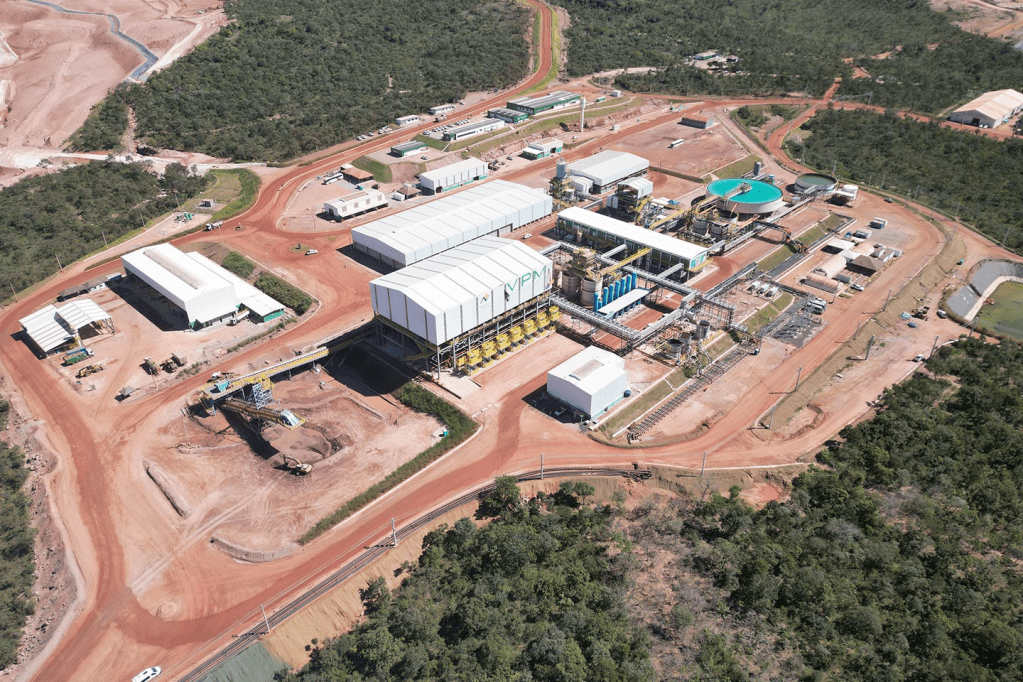
The visual impact is equally significant. Massive buildings, electrical substations, transmission infrastructure, and security perimeters reshape the land. Even when built on former industrial sites, expansion often spreads beyond original boundaries. Hillsides, tree lines, and open space can give way to development that looks far removed from the character of Appalachian communities.
Energy demand sits at the core of the issue. A single large data center campus can consume as much electricity as a small city. That power has to come from somewhere. In regions where the grid still relies heavily on fossil fuels, increased demand can lead to expanded natural gas generation or prolonged reliance on coal. The digital economy may feel intangible, though its physical footprint remains grounded in energy production.
Water use raises another serious concern. Many data centers depend on large volumes of water for cooling. In some designs, millions of gallons can be used each day. Appalachia is known for its rivers and streams, though those resources are not limitless. Increased industrial demand can strain local water systems, especially during periods of drought or high usage.
Economic arguments often take center stage in discussions about these projects. Developers and officials highlight construction jobs, tax revenue, and infrastructure investment. Those benefits can be real, though they deserve careful examination. Once construction ends, long term employment at data centers tends to be limited. A facility covering hundreds of acres may employ only a small workforce compared to traditional manufacturing.
For communities that have already experienced the loss of industrial jobs, that tradeoff can feel uneven. Land and resources are committed to a project that offers far fewer permanent positions than the industries that came before. The promise of economic revival may not fully match the reality that follows.
There is also the question of control. Many of these projects are driven by corporations headquartered far from the region. Decisions about land use, resource allocation, and long term impact are often made outside the communities most affected. That dynamic has deep roots in Appalachian history, where industries have extracted value while leaving environmental and economic challenges behind.
The pace of development adds another layer of tension. Technology companies operate under intense pressure to expand quickly. The race to build infrastructure for artificial intelligence and cloud computing leaves little room for slow, deliberate decision making. Local governments may feel pushed to approve projects quickly in order to secure investment, even when questions remain unanswered.
Public awareness has struggled to keep up. Information about these deals often appears in investor presentations or industry reports before reaching local residents. By the time communities begin to engage, key decisions may already be in motion. That gap creates frustration and fuels a sense that the process lacks transparency.
Across Appalachia, people are beginning to respond. Community groups, environmental advocates, and residents are asking harder questions. They want to know how much power these facilities will use, where that power will come from, how water resources will be managed, and what safeguards will be in place to protect the environment.
The concern extends beyond any single project. It reflects a broader fear that the region is once again being positioned as a resource base for outside industries. Coal, timber, and aluminum shaped the past. Data centers may shape the future, though the underlying pattern risks repeating itself.
At the same time, the situation is not simple. Some communities see opportunity in these developments. Tax revenue can support schools, roads, and public services. Infrastructure improvements may benefit surrounding areas. The challenge lies in balancing those potential gains against long term environmental and social costs.
The former smelter in Alcoa stands as a powerful symbol of this moment. It represents both the legacy of industrial Appalachia and the uncertain path ahead. What happens there will likely influence how similar projects unfold across the region.
The push for data centers reflects global demand for technology that continues to grow at an extraordinary pace. Artificial intelligence, cloud services, and digital platforms require physical infrastructure, and that infrastructure requires land, water, and energy. Appalachia has all three, which places it directly in the path of this expansion.
The question facing the region is not whether change will come. Change is already underway. The real question centers on how that change will be managed and who will shape it. Communities have an opportunity to demand transparency, enforce environmental protections, and ensure that development aligns with local priorities.
There is also a deeper question about identity. Appalachia has long been defined by its landscapes, its culture, and its strength. The mountains and waterways are more than resources. They are part of a heritage that many residents feel a responsibility to protect.
As these projects move forward, that sense of responsibility is driving a growing call for action. People are organizing, speaking out, and pushing for a seat at the table. They are challenging the idea that any development labeled as technological progress automatically serves the public good.
The push for data centers in Appalachia represents a turning point. It brings together economic ambition, environmental concern, and historical memory in a way that demands careful attention. The decisions made in the next few years will shape the region for decades.
What the hell is going on in Appalachia is not a simple story about technology moving forward. It is a story about power in every sense of the word. Electrical power, corporate power, and the power of communities to determine their own future.
-Tim Carmichael
 Echoes of Appalachia
Leave a comment