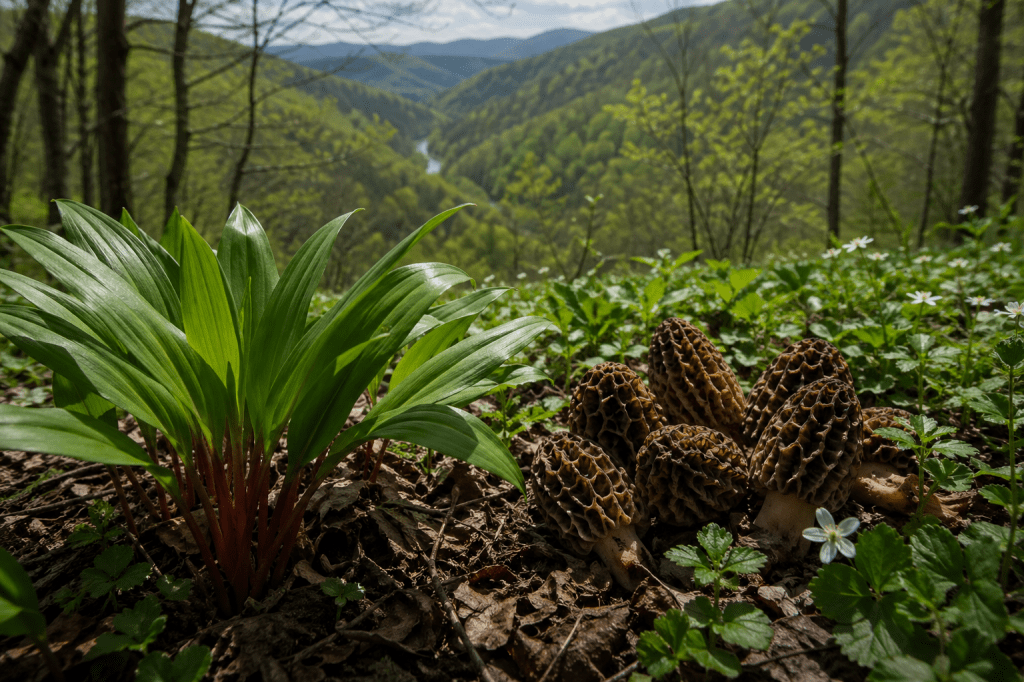
Living among the ridges and hollers of Appalachia reveals a specific truth: the arrival of April introduces itself through a startling transformation, a neon green glow spreading across the valley floor. After months of grey dormancy and brittle silence, the mountains awaken in a way that feels almost electric. Bare branches soften as buds swell, creek banks brighten, and hillsides once subdued erupt into layers of living color. This shift carries deeper meaning than a simple seasonal change. It signals renewal, resilience, and the return of one of the region’s most enduring traditions. While many people turn toward cultivated spaces such as garden centers or grocery aisles, the Appalachian forager turns toward the slopes, the forest floor, and the quiet edges of fields.
Foraging in this region exists as far more than a hobby. It stands as a living thread connecting past generations to the present day. Early settlers relied on this knowledge for survival, gathering edible plants to supplement diets shaped by preserved foods through winter months. Over time, that practical necessity evolved into a cultural identity rooted in land stewardship and seasonal awareness. In recent years, a renewed interest in wild foods elevated this tradition into a refined culinary pursuit. Chefs, naturalists, and curious newcomers venture into the woods seeking flavors that cannot be replicated through cultivation. The forest becomes a living pantry for a brief window, offering vibrant greens, aromatic herbs, and elusive delicacies that appear only during this fleeting season.
Among the many treasures of Appalachian spring, two stand above all others in reputation and allure: ramps and morel mushrooms. These foods carry an almost mythic status, representing both the abundance and mystery of the landscape.
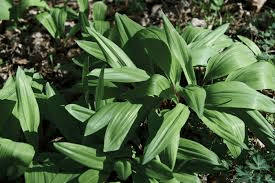
Ramps, known scientifically as Allium tricoccum, hold a special place in the hearts of mountain communities. Often called wild leeks, these plants emerge in early spring with broad green leaves and stems tinted in deep shades of burgundy. Their flavor bridges the gap between garlic and onion, delivering a sharp intensity softened by a subtle sweetness. A single taste captures the essence of the forest itself—bold, fresh, and unmistakably tied to place.
Yet the popularity of ramps brought challenges. A single bulb requires years to mature, making overharvesting a serious concern. Responsible foragers follow a careful approach, often taking only one leaf from each plant. This practice allows the bulb to remain intact and continue growing, ensuring future harvests. In many Appalachian towns, ramps inspire celebration. Festivals mark their arrival, bringing communities together around shared meals. People fry them alongside potatoes, bake them into cornbread, or pickle them for later enjoyment. These gatherings highlight the deep cultural roots of a plant that connects food, tradition, and identity.
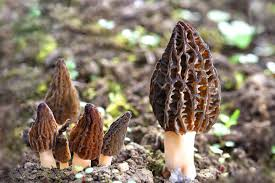
While ramps offer visibility and familiarity, morel mushrooms represent something far more elusive. These honeycomb-capped fungi appear as though conjured from the earth itself, often emerging overnight after the right combination of warmth and moisture. Their growth patterns resist prediction, adding an element of mystery to the search. Experienced foragers guard their favorite locations closely, passing knowledge only to trusted companions or family members.
Morels thrive near specific trees, often appearing around dying elms or mature tulip poplars. Their earthy, nutty flavor and firm texture make them highly prized in kitchens across the country. When cooked in a simple cast iron skillet with butter, they deliver a richness that rivals cultivated mushrooms many times their price. The season for morels passes quickly, lasting only a few weeks, which heightens their appeal. The hunt itself becomes part of the reward—a blend of patience, observation, and quiet excitement as each discovery feels like uncovering hidden treasure.
Beyond these celebrated finds, the Appalachian landscape offers a wide array of accessible plants growing in yards, fields, and disturbed soil. These humble greens played a crucial role in early diets, especially during spring when fresh nutrients became essential after months of preserved food.
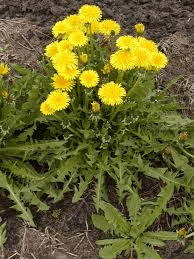
Dandelions stand among the most recognizable of these plants. Often dismissed as weeds, they provide remarkable nutritional value. Young leaves gathered early in the season carry a mild flavor and contain high levels of vitamins and minerals. Their bright yellow blossoms can be transformed into fritters or fermented into wine, while roots may be roasted to create a beverage resembling coffee. Each part of the plant serves a purpose, reflecting a philosophy of resourcefulness deeply embedded in Appalachian culture.
Chickweed offers another example of abundance hiding in plain sight. This low-growing plant forms dense mats of delicate leaves, thriving in shaded, moist areas near homes. Its flavor leans toward sweetness, reminiscent of fresh peas or corn. Chickweed works well in salads or blended into vibrant pestos, adding both nutrition and freshness to meals. Identification remains straightforward, aided by a thin line of fine hairs along its stem. Harvesting often involves trimming the tops, allowing the plant to regenerate for future use.
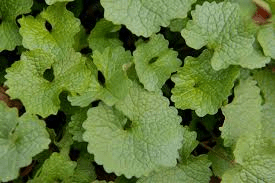
Garlic mustard introduces a different dynamic, blending culinary use with ecological awareness. As an invasive species, it spreads aggressively through forests, crowding out native plants. Foragers help manage its impact by removing it entirely, roots included. The leaves carry a sharp, peppery taste paired with a garlic-like aroma, making them suitable for cooking in various dishes. Heat reduces compounds that may cause irritation when consumed raw, transforming the plant into a flavorful addition to meals.
The tradition of spring foraging extends beyond nutrition into the realm of healing. Appalachian communities developed a deep understanding of medicinal plants, often drawing on knowledge shared by Indigenous peoples such as the Cherokee. This wisdom emphasized balance and seasonal renewal, recognizing the body’s need for fresh, nutrient-rich foods after winter.
Spring tonics formed an important part of this practice. Bitter greens and herbal teas supported digestion and revitalization, reflecting a belief that the body required cleansing as the seasons changed. Stinging nettles played a significant role in this approach. Once exposed to heat, their sting disappears, revealing a rich, spinach-like green packed with minerals. Violet leaves and blossoms offered another source of nourishment, delivering both visual beauty and health benefits. These plants often found their way into teas or simple dishes, providing gentle support for the body.
Spicebush added another layer to this seasonal tradition. Its fragrant twigs and flowers could be brewed into a warm, citrusy tea, often enjoyed alongside simple meals. This ritual carried both practical and symbolic meaning, marking a transition from the heaviness of winter toward the vitality of spring.
Despite the abundance offered by the land, foraging requires careful attention and respect. Accurate identification remains essential, as some edible plants resemble toxic species. Ramps, for example, share visual similarities with certain poisonous plants, making scent a critical factor in identification. A true ramp releases a strong onion-like aroma when handled, providing reassurance for those who gather it.
Environmental awareness also plays a key role. Plants absorb substances from their surroundings, making location an important consideration. Areas exposed to pollution or chemical treatments pose risks, emphasizing the importance of selecting clean, undisturbed sites for harvesting.
Sustainability stands at the core of responsible foraging. Taking only a portion of what grows ensures that ecosystems remain balanced and productive. This approach reflects a broader ethic rooted in respect for the land and its resources. Foragers often view themselves as participants in a cycle rather than mere consumers, recognizing that their actions influence future growth.
The rewards of Appalachian spring extend far beyond the plate. Each outing into the woods offers an opportunity to engage with the landscape in a meaningful way. The act of searching, identifying, and gathering fosters a deeper connection to the rhythms of nature. Every plant tells a story, linking present experiences to generations who relied on the same knowledge.
Meals prepared from these ingredients carry that history forward. A dish of sautéed morels or a plate of fresh greens becomes more than nourishment; it becomes a reflection of place, time, and tradition. These foods embody a relationship with the land shaped by observation, patience, and respect.
As April unfolds across the mountains, the vibrant green glow serves as an invitation. It calls people to step outside, explore, and participate in a tradition that continues to evolve while honoring its roots. Through careful practice and shared knowledge, the legacy of Appalachian foraging remains alive, offering both sustenance and a sense of belonging that endures across generations.
-Tim Carmichael
 Echoes of Appalachia
Leave a comment