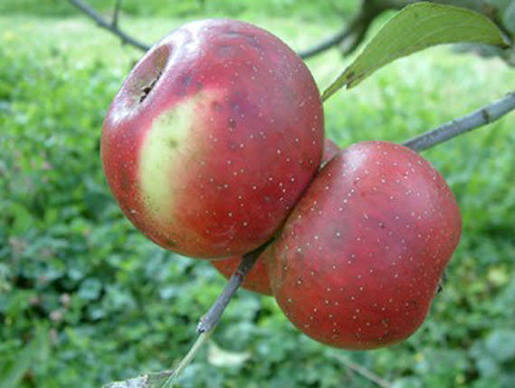
Growing up in Spillcorn, a little community tucked back in the hills outside Marshall, the apple tree that meant the most to us grew wild along the dirt road heading up to the cemetery. Family only ever had one name for it. Crow Egg. Tart and red with speckles on them all over, and when the limbs hung heavy with fruit the whole tree looked like it was carrying a nest of speckled eggs instead of apples. By the time I was big enough to carry a bag it was already old. Nobody could tell you how old. My granny couldn’t say, and her people before her couldn’t either. That tree had just always been there, same as the road and the cemetery itself.
Decoration Day fell on the first Sunday in August around our way, when families gathered up at the cemetery to clean the graves and lay out flowers and visit with kin some of us only saw that one time a year. That same weekend, that same road turned into something else entirely. Families walked that stretch again, this time carrying feed sacks and pillowcases instead of flowers, on the hunt for Crow Egg apples ready for picking. My family went, and other families from around Spillcorn came too, everybody working the same trees along that road, filling their bags in the thick August heat while cicadas roared loud enough to drown out conversation.
Here is the part that still gets me thinking, all these years later. That tree ripened dead middle of the worst heat we got all summer, right around the same time we were laying flowers on the graves, while most folks elsewhere figured apple season sat two whole months off yet. The meat of a Crow Egg apple grows tight and dry, nothing like the soft watery flesh you get off a tree in somebody’s orchard. That apple worked hard for every bit of moisture it got, and it showed. Most of what got picked up that road went straight to drying, laid out on tin roofs or strung up on thread across the porch, saved back for stack cakes and fried pies and other desserts come winter.
Mine made fried pies with hers the same day she picked, more often than not. She would roll her dough thin at the kitchen table, drop a spoon of chopped apple in the middle with sugar and cinnamon, fold it half moon shaped, crimp the edge down with a fork tine. Into the skillet it went, swimming in hog lard she kept in a coffee can under the stove. I can still smell that kitchen if I close my eyes and think about it hard enough. That apple never wept out a bunch of juice the way a regular one would, so the crust stayed crackly on the outside while the inside steamed and caramelized in its own little pocket, sealed up tight as a drum. A soggy bottom on a fried pie ruins the whole thing, and ours never came out that way.
Every family up around Spillcorn knew that tree, knew when August had come around again by the look of them tart, speckled apples hanging heavy on the limb. That old tree still stands up along the cemetery road to this day, far as I know, and I walk that stretch most every August anyhow, bag in hand, same as my granny did. Some kinds of knowing only pass hand to hand, one August afternoon at a time, and I aim to keep passing mine along for as long as I have got somebody willing to listen.
-Tim Carmichael


Leave a comment