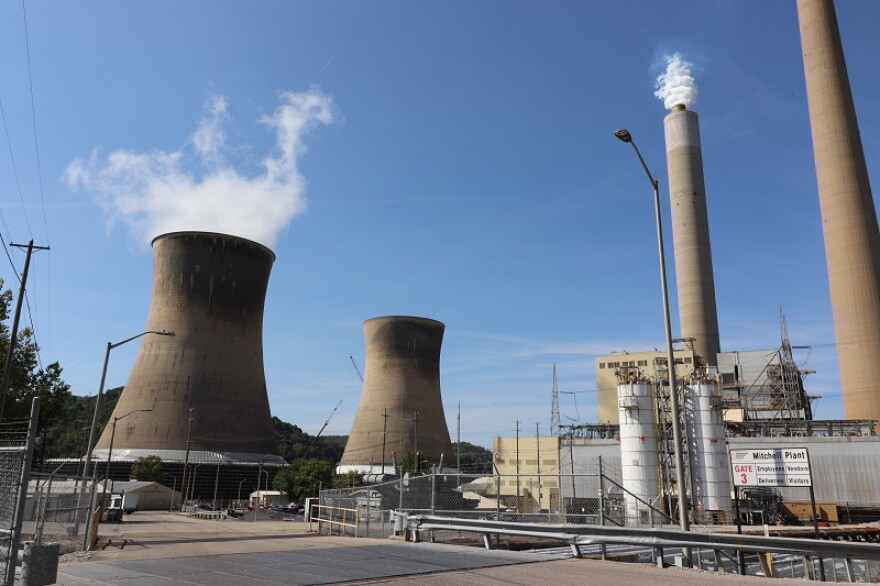
The electricity story unfolding across Appalachia reaches far beyond a monthly utility bill. Demand is climbing after more than a decade of relatively little growth, and large industrial projects, manufacturing expansion plus data centers are adding pressure to an electric system built around an older pattern of consumption. The decisions utilities make today will shape household costs, power generation, land use and the region’s environmental future for decades.
For communities across Appalachia and the Southeast, the issue carries another important question. What happens if large data centers begin arriving throughout the region? Their electricity requirements could push demand substantially higher, creating additional pressure for generation, transmission and distribution infrastructure.
For much of the United States, electricity demand remained remarkably stable through the 2000s and into the late 2010s. That pattern has changed. Electricity demand has grown considerably during the first half of this decade, with data centers, manufacturing and other large industrial operations contributing to the increase.
The change matters across Appalachia and the Southeast because electricity systems require enormous investments long before consumers see the finished projects. New generating facilities, transmission lines, substations and other infrastructure can require billions of dollars. Utilities recover those costs through rates, while regulators determine which expenses can be passed along to customers.
That creates a central question for the region. As electricity demand grows, how much of the new infrastructure should be paid by the large companies creating that demand, and how much should become part of the broader cost of maintaining the electric system?
The answer can vary according to state law, utility structure and regulatory decisions.
Household Bills Already Reflect a Complicated Energy System
An electric bill represents far more than the price of producing a kilowatt-hour. Fuel expenses, transmission, distribution equipment, maintenance, storm recovery, labor, financing and new construction can all affect the final amount paid by a household.
Appalachian communities have seen those pressures emerge in different ways. Appalachian Power serves customers across parts of Virginia, West Virginia and Tennessee, and residential customers have experienced substantial increases in electricity costs during the past several years. The company has also sought additional revenue through rate proceedings, with regulators reviewing proposed expenses and determining which costs can be recovered from customers.
Utilities point to rising expenses associated with maintaining an aging system, repairing storm damage, upgrading equipment and preparing the grid for growing demand. Those investments can improve reliability while also increasing the amount customers pay each month.
Fuel prices add another variable. Utilities that rely heavily on natural gas, coal or purchased power can experience changes in operating costs as energy markets fluctuate. Those expenses can eventually reach consumers through fuel-adjustment mechanisms and other portions of utility rates.
The result can be frustrating for families trying to understand why an electric bill has increased. A higher bill can reflect several expenses occurring simultaneously, from fuel costs to infrastructure projects and storm repairs.
Data Centers Could Change the Equation
The growth of artificial intelligence has added another layer to the electricity debate. Data centers require enormous quantities of electricity for computing equipment and cooling systems, and their demand can operate around the clock.
The development of data centers has become one of the major forces behind projected growth in national electricity consumption. Manufacturing expansion and the electrification of transportation, heating and other activities are adding to demand as well.
For Appalachia, the potential arrival of large data centers could make the regional increase considerably sharper. The region has land, existing transmission infrastructure and communities seeking new economic development. Those characteristics can make Appalachian locations attractive to companies searching for large sites capable of supporting major computing facilities.
A single data center can require an extraordinary amount of electricity compared with a residential neighborhood. Several facilities operating in the same region could create a major new load on the electric grid.
That could force utilities to accelerate plans for new generating capacity, transmission lines and substations. Infrastructure built to serve these facilities could require substantial investment, creating another question for regulators and consumers.
If data centers arrive across Appalachia in significant numbers, electricity demand could rise considerably beyond current expectations. The additional demand would come on top of growth from manufacturing, population increases, electric vehicles, heating systems and other forms of electrification.
That means the discussion surrounding data centers reaches far beyond computers and technology. It becomes an Appalachian energy issue.
The Tennessee Valley Faces Growing Demand
The Tennessee Valley provides a particularly important example. The Tennessee Valley Authority serves a seven-state region and has identified continued demand growth associated with population increases, industrial development and data centers. Its long-term planning calls for substantial additions to generating capacity during the coming years.
TVA already operates a diverse system that includes nuclear, natural gas, coal, hydroelectric power and solar generation. New generating resources and grid investments will be required as demand continues to expand.
The scale of that investment illustrates the challenge facing the Valley. Electricity demand can grow faster than traditional utility planning models anticipated, especially as computing, manufacturing and electrification expand.
The potential arrival of more data centers could accelerate that growth. Communities seeking economic development may welcome the investment associated with large technology projects, while utilities would have to determine how much additional capacity would be required to serve them.
That capacity comes with a price.
Natural Gas Remains Part of the Expansion
For communities concerned about the environmental consequences of rising electricity demand, the generation mix may matter as much as the size of the demand itself.
Natural gas remains an important part of the Southeast’s electricity system. Gas-fired plants can provide electricity during periods of high demand and can operate alongside intermittent renewable resources.
TVA has continued developing natural-gas generation while also investing in solar, nuclear power, hydroelectric generation and other resources. The authority’s long-term planning includes additional firm generation to maintain reliability as electricity consumption increases.
That expansion comes alongside continued investment in renewable generation and nuclear power. TVA operates nuclear plants, hydroelectric facilities and solar sites throughout its service territory.
The result is an energy transition with several competing forces operating at once. Electricity demand is rising, while utilities are trying to maintain reliability and control costs. Natural gas can provide flexible generation, while solar and storage can add new capacity. Nuclear power offers another source of steady generation, although new nuclear projects involve substantial costs, long development periods and regulatory requirements.
If data centers add substantial new demand across Appalachia, utilities will have to decide how those facilities fit into the generation mix. More demand could require additional gas generation, renewable resources, nuclear capacity, storage or a combination of several technologies.
Those choices will affect both utility bills and the environmental footprint of the region’s expanding electricity system.
Who Pays for a Growing Grid?
The financial question may become one of the most important energy debates in Appalachia.
Large industrial customers can bring substantial investment, employment and tax revenue to communities. Data centers can also create construction activity and demand for supporting services. At the same time, their enormous electricity requirements create demands for infrastructure that smaller communities could never generate on their own.
If several data centers locate in the region, utilities could need new generating facilities, transmission lines, substations and other equipment on an accelerated timetable. Those investments would carry significant costs.
That raises an important question for Appalachian households. If infrastructure is built primarily to accommodate large corporate electricity users, how much of that expense should those companies carry, and how much should become part of the broader utility system?
Utilities argue that large customers can contribute to infrastructure costs and provide additional revenue through their electricity purchases. Consumer advocates have raised concerns about household bills if regulators approve costs that eventually enter the broader rate base.
The regulatory process therefore becomes critical. State commissions examine utility requests, review projected expenses and determine the rates customers ultimately pay.
For Appalachian communities considering data center development, the economic conversation therefore reaches beyond jobs and investment. Residents also have a stake in the amount of electricity the facilities would consume, the infrastructure required to serve them and the long-term effect those investments could have on utility rates.
Appalachia Faces a Choice About Its Energy Future
The region’s electricity debate reaches beyond technology and utility accounting. It concerns the kind of economic development communities want, the infrastructure they are willing to build and the costs residents can afford.
The Southeast has become an important destination for data centers and advanced manufacturing partly because reliable electricity remains a major economic asset. At the same time, every new generating facility and transmission project carries financial and environmental consequences.
Electricity consumption is expected to continue growing through the coming decades. Data centers and manufacturing will remain important contributors, while transportation, heating and other sectors continue shifting toward electric power.
If Appalachia becomes a major destination for data centers, the region could experience an even sharper increase in electricity demand. That growth could bring investment and economic activity while also creating substantial infrastructure requirements.
For Appalachian communities, those changes translate into decisions closer to home. They affect utility bills, industrial recruitment, power-plant construction, transmission expansion and the resources used to generate electricity.
The region now stands at a significant point in its energy history. The old pattern of relatively flat demand has given way to a period of growth. Data centers, manufacturing, electrification and population growth are creating new pressure on utilities across the Southeast.
The question facing Appalachia reaches beyond whether the region can produce enough electricity. The larger issue concerns how that power will be generated, how infrastructure will be financed and how the costs and benefits will be distributed among households, businesses and the communities hosting new development.
Those decisions will determine Appalachia’s economy and environment long after the current surge in electricity demand has become part of the region’s history. If data centers become a major part of that growth, the pressure on the region’s electric system could become considerably greater, making the decisions made today even more consequential for the people who live here.
While the Trump administration has framed its energy agenda around increasing domestic production and lowering costs, independent economic projections indicate that tariffs, cumulative policy effects and lost federal incentives are driving average household utility bills higher. Make sure you are researching the people who are running for governor and other offices and see where they stand on data centers. This November election will be the deciding factor of the price we will pay.
-Tim Carmichael


Leave a comment