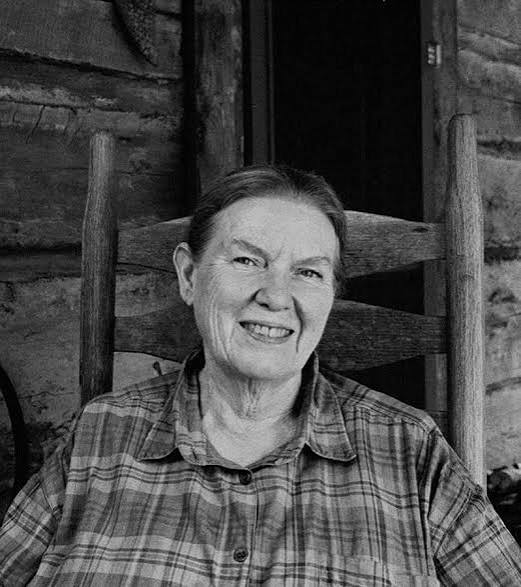
Jean Ritchie (born 1922 – death 2015) became one of the most important voices in American folk music through her lifelong dedication to Appalachian traditions. Known as the “Mother of Folk,” she carried the songs, stories, and musical customs of Kentucky’s mountain communities to audiences across the United States and around the world. Her work as a singer, songwriter, collector, and educator helped preserve a rich cultural legacy that had been passed through generations of Appalachian families.
Born on December 8, 1922, in Viper, Kentucky, Jean Ritchie grew up in a large family with deep roots in the eastern Kentucky mountains. Her parents, Abigail and Abram Ritchie, valued education, music, and community traditions. The Ritchie household was filled with old ballads, hymns, and local songs that had traveled through families for centuries. Jean learned many of these pieces from her relatives, especially from her father and siblings, who sang together as part of everyday life.
The Appalachian region where Jean spent her childhood was a place where music served as a way to share history, emotions, and experiences. Songs carried memories of love, hardship, faith, work, and family connections. Many tunes had origins reaching back to Britain and Ireland, brought to North America by immigrants and transformed through Appalachian life. Jean recognized the importance of these songs and understood that each melody held a story about the people who preserved it.

After graduating from high school, Jean attended the University of Kentucky, where she earned a degree in social work in 1946. During her college years, she continued singing traditional songs and became increasingly interested in documenting Appalachian music. Her academic background and personal connection to the mountains gave her a unique perspective. She viewed folk songs as valuable expressions of human experience and cultural identity.
Following college, Jean moved to New York City, where she worked with the Henry Street Settlement and became connected with the growing folk music movement. The city introduced her to musicians, artists, and audiences who were fascinated by traditional American music. Her clear voice, gentle style, and extensive knowledge of Appalachian songs quickly gained attention. She performed in important folk venues and helped introduce many listeners to the musical heritage of the mountains.
One of Jean Ritchie’s greatest contributions came through her efforts as a song collector. She traveled throughout Appalachia recording and preserving traditional songs from older generations. She carefully documented the words, melodies, and histories behind the music. Her collections helped save many songs that could have faded from public memory as lifestyles changed and communities became more connected to modern influences.
Jean also played a major role in bringing the Appalachian dulcimer to wider attention. The instrument, a simple stringed instrument traditionally crafted in mountain communities, became closely associated with her performances. She demonstrated its beauty and versatility, inspiring many musicians to learn how to play it. Her work helped establish the dulcimer as an important part of American folk music.
In 1952, Jean married George Pickow, a photographer and filmmaker who shared her interest in cultural preservation. Together, they traveled widely and documented traditional music, crafts, and communities. Their partnership supported Jean’s mission to celebrate Appalachian culture while allowing people from many backgrounds to understand the importance of these traditions.
Jean Ritchie’s influence extended beyond performance. She wrote books that explored Appalachian music, including studies of folk songs and the traditions surrounding them. Her writing provided valuable insight into the lives of mountain communities and the meanings behind their music. Through her books, recordings, and concerts, she became a trusted source for scholars, musicians, and listeners interested in American folk heritage.
Her songs reached many generations of musicians who found inspiration in her work. Artists in the folk revival of the twentieth century looked to Jean as a guide and a source of knowledge. Her recordings introduced traditional songs to new audiences, and her approach encouraged musicians to respect the origins of the music they performed. She believed that folk music belonged to communities and that sharing these songs allowed their stories to continue.
Throughout her career, Jean received many honors for her contributions to music and culture. She was recognized by organizations dedicated to folk arts and American heritage. Her work earned admiration from musicians, historians, and cultural leaders who valued her commitment to preserving traditional expression. Her influence remained strong long after her early performances, as new generations continued discovering the songs she collected and shared.
Jean Ritchie’s legacy rests on more than her beautiful voice or musical talent. She represented a connection between the past and the present. She showed that traditional songs could survive through careful preservation and thoughtful sharing. Her work demonstrated that the experiences of ordinary people could become part of a larger cultural story. The songs of Appalachian families became treasures for listeners throughout the world because of her dedication.
She also helped change the way many people viewed folk music. Rather than seeing traditional songs as simple pieces of the past, Jean presented them as living art forms filled with emotion and meaning. She respected the people who created and maintained these songs, recognizing that their voices reflected important parts of American history.
Jean Ritchie continued performing and teaching throughout much of her life. Even in later years, she remained devoted to Appalachian music and encouraged others to explore traditional arts. Her passion for preserving cultural memory remained a central part of her identity. She passed away on June 1, 2015, leaving behind a remarkable body of work and a lasting influence on folk music.
Today, Jean Ritchie is remembered as one of the most significant figures in American folk history. Her recordings, writings, and collections continue to inspire musicians and researchers. The songs she protected carry the voices of generations who lived among the mountains of Appalachia. Through her efforts, those voices continue to reach new listeners.
The title “Mother of Folk” reflects the care and dedication Jean brought to her work. She nurtured a musical tradition, protected its stories, and helped others appreciate its beauty. Her life showed the power of music as a bridge between generations and communities. Jean Ritchie preserved the heart of Appalachian song and gave the world a deeper understanding of the culture that shaped her.
-Tim Carmichael


Leave a comment