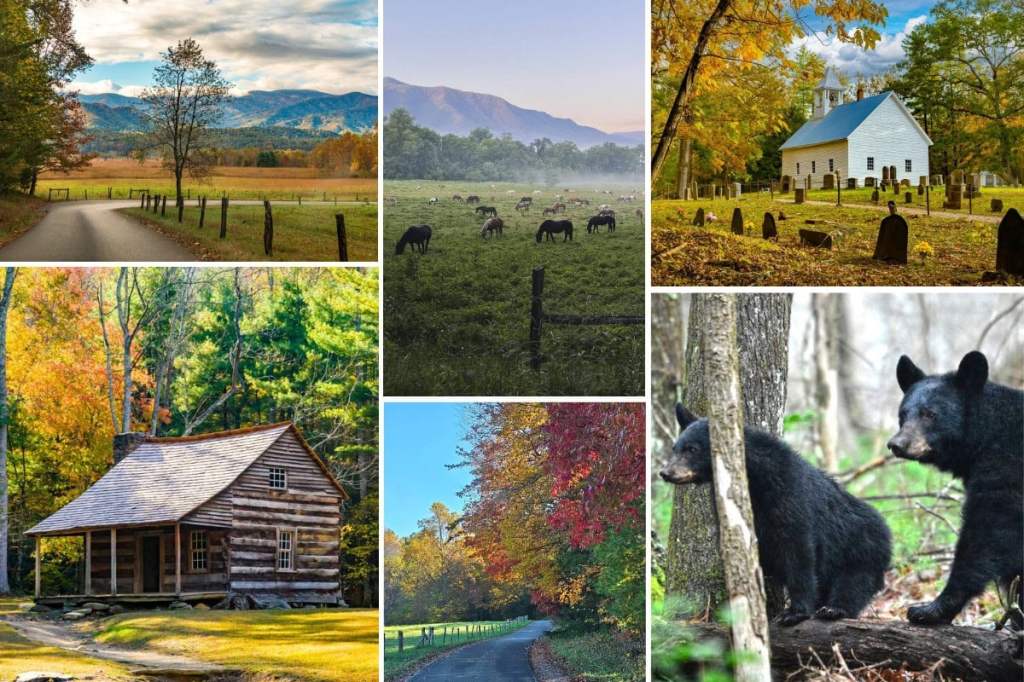
Tucked within the Great Smoky Mountains of eastern Tennessee, Cades Cove remains one of the most beloved and historically rich valleys in the United States. Once a hunting ground for the Cherokee people and later a thriving farming community for early settlers, this mountain valley carries the story of centuries within its rolling fields and weathered cabins.
Long before European settlers arrived, the Cherokee called this place Tsiyahi, meaning “place of the river otter.” The name reflected the abundance of wildlife and the natural harmony of the valley. Archaeological evidence suggests that people lived in or traveled through the area as far back as 6500 BC. The Cherokee used the land for hunting deer, bear, and small game, and the surrounding forests provided plants used for medicine and food. Though they built no permanent villages here, the cove held deep spiritual and practical importance. The name Cades Cove is believed to have come from Chief Kade, a Cherokee leader who traded with early settlers and helped maintain relations between his people and the newcomers.
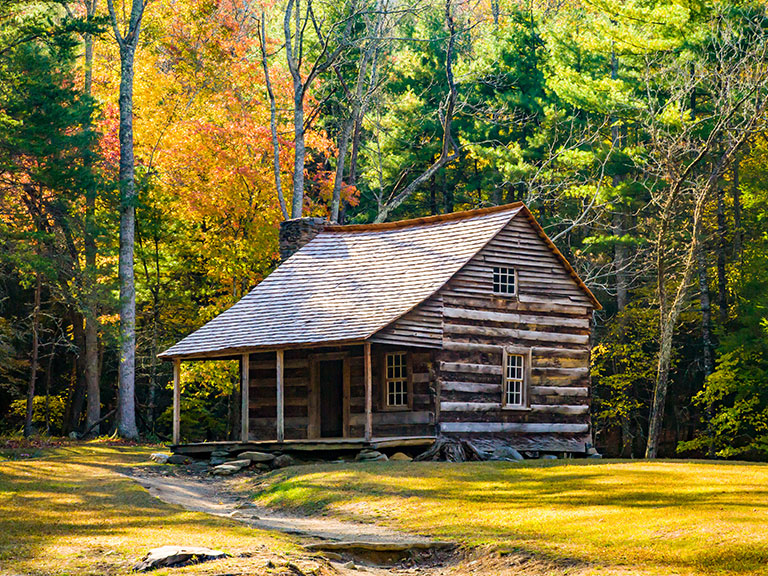
The arrival of settlers in the early nineteenth century transformed the valley. Around 1818, John Oliver and his wife, Lurena, became the first to clear the land and build a cabin. They came seeking fertile soil and a new beginning in the wilderness. Life in the cove was difficult. Winters were harsh, isolation was constant, and everything had to be built by hand. Yet the Olivers endured, and their cabin still stands today as one of the oldest surviving structures in the Great Smoky Mountains National Park.
By 1821, more families began to move into the valley. They brought tools, livestock, and determination. Each family cleared small plots for farming and worked from sunrise to sunset. Corn, wheat, and vegetables grew in the rich mountain soil. Livestock grazed in meadows bordered by split rail fences. The settlers built barns for hay and feed, smokehouses for preserving meat, and corn cribs for their harvests. By 1850, the population of Cades Cove had grown to 685 residents.
Among the most notable families were the Tiptons, Gregorys, and Olivers, each leaving behind a legacy that still shapes the character of the cove. Their craftsmanship and perseverance are reflected in the log homes and mills that remain standing. Neighbors depended on one another for survival. They shared labor, tools, and food, and worked side by side during harvest season. Life revolved around faith, family, and the land that sustained them.
Religion was at the heart of the community. In 1827, residents gathered to organize the Primitive Baptist Church, which became both a spiritual and social center for the settlers. The land for the church was donated by William Tipton, whose generosity provided a permanent gathering place for worship. The small white building still stands in the valley, surrounded by weathered gravestones that tell the story of generations past. The services were simple, often filled with hymn singing and sermons that spoke of endurance, faith, and gratitude.
As the population grew, other churches were established, including the Missionary Baptist Church and the Methodist Church. These buildings were more than places of worship. They served as meeting halls, schools, and safe havens in times of hardship. When crops failed or illness spread, families came together within those walls to pray, share food, and find comfort. The churches were also where news traveled fastest, where young couples met, and where community life took shape.
Education was another cornerstone of Cades Cove life. Early schoolhouses were built near the churches or on land donated by settlers. Children walked for miles each morning to attend class. Lessons focused on reading, writing, and arithmetic, and the teachers were often residents of the cove who had received more formal schooling elsewhere. Although the terms were short and interrupted by planting and harvest seasons, education was valued deeply. Parents wanted their children to read the Bible, keep accounts, and contribute to the community’s growth.
By the middle of the nineteenth century, the valley had become a well-established farming community. The Civil War brought hardship and division, as it did across much of Appalachia. Some residents supported the Union while others sympathized with the Confederacy, and tensions sometimes turned violent. Despite these struggles, the people of Cades Cove endured and eventually returned to the steady rhythm of rural life once peace was restored.
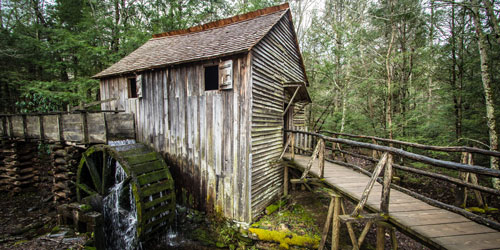
Through the late nineteenth and early twentieth centuries, the cove remained largely self-sufficient. Families produced nearly everything they needed. Mills ground corn and wheat into meal and flour. Blacksmiths forged tools and shoed horses. Every household tended a garden, kept livestock, and traded goods with neighbors. The sense of independence was strong, and many families rarely left the valley except to visit nearby towns for supplies or to sell produce.
Change arrived in the 1920s when plans were announced to create the Great Smoky Mountains National Park. Government officials began purchasing land across the region, including Cades Cove, to preserve the area’s natural beauty and cultural history. For residents who had farmed the same land for generations, the decision was painful. Some sold their land willingly, seeing an opportunity for progress. Others resisted, unwilling to give up the farms their families had built with their own hands.
By the late 1930s, nearly all residents had left. Some were granted lifetime leases allowing them to remain until their passing. The last family to live in the cove full time was the Caughron family, who stayed until 1999. Kermit Caughron, the final resident, maintained a small home and kept bees, continuing traditions that had defined the valley for over a century. His departure marked the end of an era, closing the chapter on the cove’s living community but preserving its memory for future generations.
Today, Cades Cove is one of the most visited areas in the Great Smoky Mountains National Park. Millions of people travel the eleven mile loop road each year to walk through the historic sites and experience the quiet beauty of the valley. The John Oliver Cabin, the Primitive Baptist Church, and the Cable Mill are among the most popular stops. Each structure stands as a monument to the lives of the people who once worked and worshiped there. Deer graze in the open meadows, and black bears are sometimes seen wandering through the woods near the old homesteads.
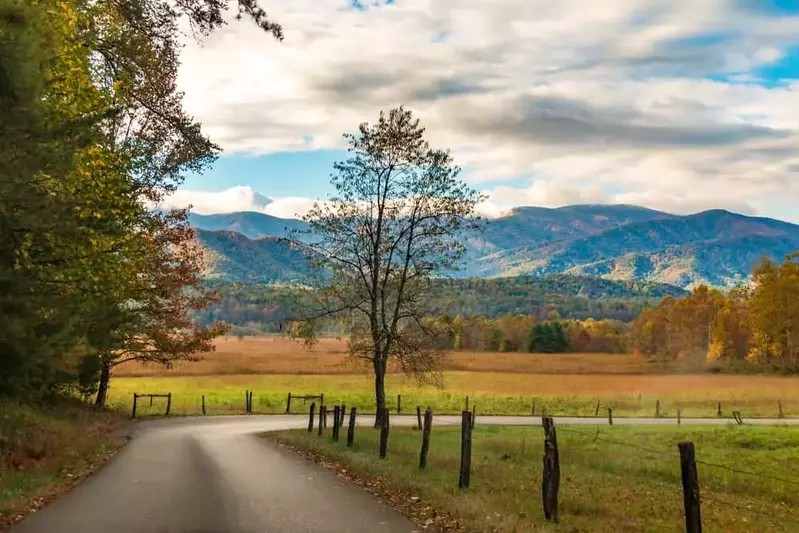
Visitors often describe a feeling of connection when they step into the cove. The sound of wind in the trees and the gentle sound of streams create an atmosphere of peace that feels unchanged by time. Early morning mist settles over the fields, and for a moment the past seems close enough to touch. The land holds its stories quietly, through weathered wood, worn paths, and the enduring spirit of the people who once called it home.
Cades Cove remains a place of reflection and remembrance. It honors the Cherokee who first knew it as Tsiyahi, the settlers who carved out a community through perseverance and faith, and the generations who worked to preserve its legacy. The valley stands today not only as a destination for travelers but as a living history lesson about the strength of the human spirit and the enduring bond between people and the land.
For those who visit, Cades Cove offers more than scenery. It offers a glimpse into the heart of Appalachia, where faith, labor, and community once defined daily life. The fields that once echoed with the sounds of plows and hymns now carry only the voices of nature, yet the sense of belonging remains. Every fence post, every cabin beam, and every church pew tells the same quiet story of a valley that endures, a people who remembered, and a history that still lives in the mountain air.
-Tim Carmichael


Leave a comment