• The Tennessee Man Who Attended His Own Funeral: The Remarkable Tale of Felix ‘Bush’ Breazeale

    In the summer of 1938, in a small community of Tennessee, Felix “Bush” Breazeale decided he wasn’t going to wait until death to hear what people thought of him. The elderly farmer made up his mind to attend his own funeral, and in doing so, created one of the most extraordinary social gatherings in Tennessee history.

    The idea sparked after a simple conversation with a local businessman. Breazeale, who had lived most of his life as a solitary figure, wondered aloud what people might say about him after he was gone. Rather than wait to find out, he chose to be there in person.
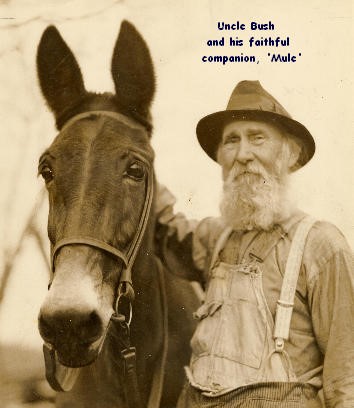
    With the determination that marked his character, Breazeale set about preparing for his own send-off. He cut down a massive black walnut tree from his property, had it milled into boards, and crafted his own coffin. This wasn’t just any box – it was a testament to his craftsmanship and foresight, built to last until he would need it for real.

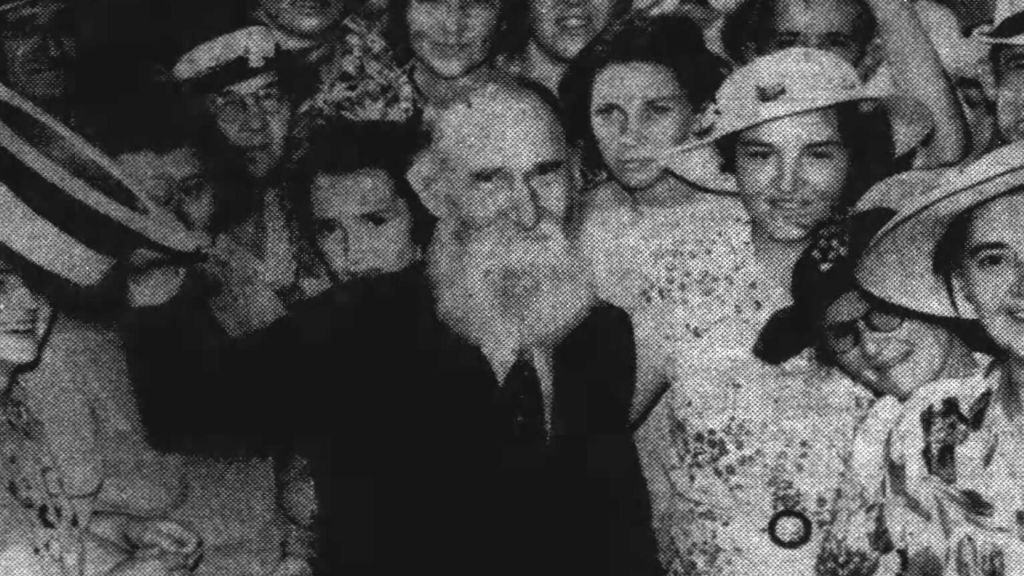
    Word of the “living funeral” spread like wildfire through neighboring states. On June 26, 1938, crowds began pouring into the small Tennessee community. They came by car, wagon, and on foot – 8,000 strong from four different states. The gathering transformed the quiet countryside into a scene that rivaled the biggest social events of the era.

    As Breazeale sat among the living, he listened to his own eulogy, watched the reactions of the gathered crowds, and experienced something few others ever have – the chance to witness the impact of his life while still living it. The man who had spent years avoiding crowds found himself at the center of one of the largest gatherings the region had ever seen.

    The story of Uncle Bush’s living funeral transcended local legend to become a testament to the human spirit. Here was a man who chose to rewrite the rules, turning a somber tradition into a celebration of life. His tale later caught Hollywood’s attention, inspiring the 2010 film “Get Low,” with Robert Duvall portraying the unconventional farmer who dared to attend his own farewell.

    As documented in Scott Seeke’s book “Uncle Bush’s Live Funeral,” this remarkable event proved that it’s never too late to change how the world sees you – or how you see yourself. Breazeale transformed from a local recluse into a man who brought thousands together, proving that every life has the potential for an extraordinary chapter, even at its supposed end.

    The true power of Uncle Bush’s story lies not just in its uniqueness, but in its message: sometimes the best way to face the mysteries of life and death is to meet them on your own terms, with your eyes wide open and your boots still on.

    -Tim Carmichael

  • The Hidden Gem of the Smokies: The Mayna Avent Cabin

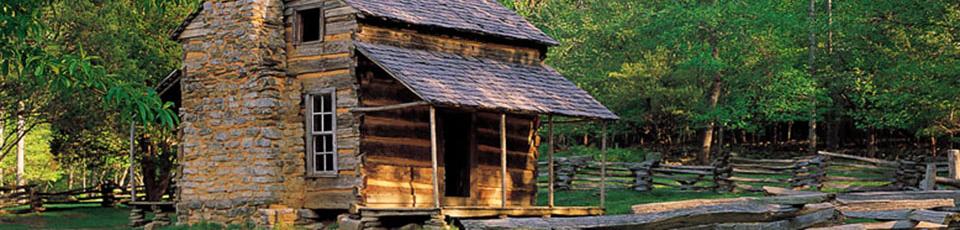
    In the heart of the Great Smoky Mountains National Park, surrounded by nature’s soothing sounds, lies a hidden treasure that many visitors never get the chance to find. Located near the Elkmont section of the park, the Mayna Avent Cabin stands as a quiet testament to the region’s rich pioneer history and artistic legacy. Unlike the more famous historic structures in the park, this cabin remains a well-kept secret, offering a peaceful retreat for those who seek it out.

    A Cabin Steeped in History

    The Mayna Avent Cabin is one of many historic pioneer structures in the Great Smoky Mountains, but its story is particularly captivating. Originally built before 1850, the cabin was purchased by Frank Avent in 1918. By 1926, it had been remodeled into the charming structure that hikers can visit today. The cabin’s namesake, Mayna Avent (1869–1959), was a celebrated Tennessee artist from Nashville. Along with her husband Frank, Mayna was a frequent visitor to the nearby Elkmont vacation community, a popular retreat for the well-to-do in the early 20th century.

    For Mayna, the cabin became more than just a getaway — it was her personal sanctuary and art studio. Surrounded by the natural beauty of the Smokies, she found endless inspiration in the rolling mountains, dense forests, and tranquil streams. To enhance her creative space, Mayna’s son installed large windows in the cabin during the 1920s, flooding the interior with natural light and offering stunning views of the landscape.

    A Legacy Preserved

    In 1932, the National Park Service took possession of the cabin as part of the establishment of the Great Smoky Mountains National Park. However, the Avents were granted a lifetime lease, allowing Mayna to continue using the cabin as her studio until the 1940s. The cabin remained in the Avent family until 1992, preserving its connection to Mayna’s artistic legacy and the pioneering spirit of the region.

    Today, the Mayna Avent Cabin stands as a reminder of a bygone era. Its hand-hewn logs and rustic charm evoke the simplicity and strength of early settlers, while its association with Mayna Avent adds a layer of cultural significance. The cabin is a rare blend of history and art, a place where the past feels alive and the natural beauty of the Smokies continues to inspire.

    Finding the Hidden Cabin

    Reaching the Mayna Avent Cabin is an adventure in itself, one that rewards those who are willing to venture off the beaten path. I stumbled upon the cabin for the first time while hiking the Jakes Creek Trail. To begin your journey, turn left just before reaching the Elkmont Campground. At the end of the road, you’ll find a parking area for the Jakes Creek Trail. From there, hike approximately 3/4 mile along the trail, passing the intersection with the Meigs Mountain Trail along the way.

    Keep a sharp eye out for a set of wooden stairs on your right, as there is no sign marking the side path to the cabin. Descend the stairs, cross a small log bridge, and ascend another hill to reach the cabin. The hike is relatively easy and offers a peaceful immersion into the forest, making it a perfect outing for families or casual hikers.

    A Secret Worth Keeping

    Once you arrive at the Mayna Avent Cabin, it’s easy to see why this secluded spot captivated Mayna and fueled her artistic vision. The cabin’s serene setting, surrounded by towering trees and the gentle sounds of nature, feels like a world apart from the hustle and bustle of modern life. It’s a place to pause, reflect, and connect with the timeless beauty of the Smokies.

    But here’s the thing: the Mayna Avent Cabin is a secret worth keeping. Its location and lack of signage ensure that it remains a peaceful escape for those who take the time to seek it out. So, if you’re looking for a unique and off-the-radar experience in the Great Smoky Mountains, make your way to the Mayna Avent Cabin. Just remember — shhh, it’s a secret.

    Frank and Mayna Avent

    A Timeless Treasure

    The Mayna Avent Cabin is more than just a historic structure; it’s a window into the past and a celebration of the enduring connection between art and nature. Whether you’re a history buff, an art enthusiast, or simply a lover of the outdoors, this hidden gem offers a one-of-a-kind experience in the heart of the Smokies. So, lace up your hiking boots, grab your sense of adventure, and discover the magic of the Mayna Avent Cabin — a timeless treasure waiting to be explored.

    -Tim Carmichael

  • Don’t Look at the Trees- The Unspoken Rules of Appalachia

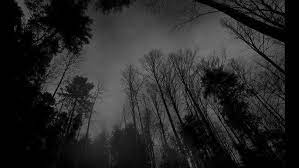
    If you hear your name called in the woods, no you didn’t.
    If you hear whistling at night, no you didn’t.

    These aren’t just quirky sayings or internet memes—they’re rules. Rules that some people in Appalachia live by rules that carry the weight of generations. They’re whispered warnings, passed down like heirlooms, meant to keep you safe from whatever it is that hides in the dense, shadowy forests of this ancient mountain range.

    Appalachia, stretching across the eastern United States, is a place of rugged beauty and deep history. But for many who live there, it’s also a place of mystery. The kind of mystery that doesn’t just spark curiosity—it sends chills down your spine.

    Ask around, and you’ll hear stories. Stories that feel too real to dismiss as mere folklore. Stories of people who’ve heard their names called out in the woods when no one was around. Of whistling in the dead of night, sharp and clear, but with no source. Of strange figures glimpsed between the trees, moving in ways that don’t seem human.

    One resident of Spillcorn, where I grew up in Western North Carolina, described a night when they were camping deep in the woods. They woke to the sound of footsteps circling their tent, slow and deliberate. When they peeked outside, there was nothing there—just the trees, standing silent and still. But the footsteps kept going, closer and closer, until they finally stopped right outside the tent flap. The person didn’t sleep the rest of the night.

    Another story came from my great uncle Black who’d spent his whole life in the mountains. He swore he’d seen something walking home one night —a creature with long, spindly limbs and eyes that glowed in the dark. It wasn’t a bear, or a deer, or anything he could name.

    These aren’t isolated incidents. Similar tales have been told for generations, in the Appalachian culture. They’re not just campfire stories meant to scare kids. They’re shared with a seriousness that suggests something deeper, something that defies easy explanation.

    So, what’s really out there?

    Some say it’s cryptids—creatures like the Mothman or the Flatwoods Monster, which have become legendary in the region. Others believe it’s spirits or ghosts, remnants of the past that refuse to leave. And then there are those who think it’s something else entirely, something that doesn’t fit into any category we know.

    But not everyone buys into the supernatural explanations. Plenty of Appalachians will tell you that the mountains are just mountains, beautiful and wild but nothing more. They’ll say the stories are just that—stories, born from the isolation and the dark and the human need to make sense of the unknown.

    Still, it’s hard to ignore the consistency of the accounts. The same details pop up again and again: the disembodied voices, the unexplained whistling, the figures that vanish when you try to get a closer look. It’s as if the woods themselves are alive, watching and waiting.

    And that’s where the rules come in. Don’t look at the trees. Don’t answer when you hear your name. Don’t acknowledge the whistling. These aren’t just superstitions—they’re survival tactics. Whether the danger is real or imagined, the people of Appalachia have learned to respect it.

    There’s a saying in the region: “The mountains have eyes.” It’s a reminder that you’re never truly alone out there. Whether it’s the wind playing tricks on you, or something else entirely, the woods of Appalachia demand respect.

    So, if you ever find yourself in those mountains, remember the rules. And if you hear your name called in the woods, no you didn’t.

    Because some things are better left unanswered.

    -Tim Carmichael

  • The Appalachian Dialect- A Rich Tradition of Speech

    The Appalachian dialect is a fascinating blend of sounds, words, and phrases that reflect the unique cultural history of the Appalachian region. Spanning across parts of the U.S. like eastern Kentucky, Tennessee, and West Virginia, the language spoken here is often misunderstood or mischaracterized, but it holds a rich depth of meaning for those who use it. From its distinctive pronunciation to its unusual vocabulary, Appalachian English is anything but ordinary.

    Pronunciation: The Sounds of the Mountains

    One of the most striking features of Appalachian English is its pronunciation. It’s not just a different accent—it’s a different way of articulating words, often in ways that might sound unfamiliar to those from other parts of the country.

    Epenthetic “r”:
    Take the word “wash,” for example. In Appalachian English, it’s pronounced “worsh,” with an extra “r” inserted. This epenthetic “r” is a signature trait of the dialect, showing up in several other words as well.

    “-er” Sound for Long “o”s:
    Another feature is the way long “o”s are pronounced. Words like “hollow” get pronounced “holler.” This shift can make the language sound more rounded, giving it a smooth, lyrical quality that’s uniquely Appalachian.

    H-Retention:
    When beginning a sentence with words like “hit,” you’ll hear the “h” clearly, which might sound a bit different from the way some other English speakers drop the “h.” So, “Hit the road” stays “hit” with a clear “h,” adding emphasis to the word.

    Final “a”:
    In some instances, like the word “opera,” it’s pronounced “opery” in Appalachian speech, keeping the final “a” in a way that makes the word stand out with a bit of a twang.

    Intervocalic “s”:
    You might also notice a distinct pronunciation of words like “greasy.” Instead of the standard “gree-zee,” it becomes “gree-zy,” with a “z” sound replacing the “s.” This change in sound can make certain words more fluid and quicker to say.

    Vocabulary: Words with a Life of Their Own

    Beyond the way people speak, Appalachian English has its own set of vocabulary that sets it apart from Standard American English. Many of these words carry meanings that might leave outsiders scratching their heads, but for those who use them, they’re as familiar as breathing.

    Winder:
    The word “winder” is used to refer to a window. It’s one of those small changes that often catches the ear of someone not from the area but is completely natural to anyone from the region.

    Tater:
    No one from the Appalachian region is likely to say “potato” when they can say “tater.” This charming shortening of the word gives it a warmth that matches the dish it refers to.

    Sody-pop:
    Soda or pop? In Appalachia, it’s “sody-pop.” Whether it’s Coke or something else fizzy, this term is commonly used across the mountains.

    Chaney:
    Instead of saying “china,” referring to fine dishes, many Appalachian speakers say “chaney.” It’s a small but significant difference in pronunciation, adding a layer of local flair to everyday items.

    Britches:
    “Britches” is the Appalachian word for trousers. While the rest of the world might say “pants” or “slacks,” those from the region proudly stick with “britches.”

    Poke:
    When it comes to carrying things, a “poke” is a bag. If you hear someone talk about a “poke of groceries,” they’re simply referring to a bag of items. It’s a quirky term, but it’s one that feels very much at home in this dialect.

    Sallet:
    You may have heard the word “salad,” but in Appalachian speech, it’s often pronounced “sallet.” It’s another example of how words are altered in this dialect, taking on a life of their own while still holding the same meaning.

    Afeared:
    If someone says they’re “afeared,” they’re simply saying they’re “afraid.” It’s a bit of an old-fashioned word, but it’s still very much in use in Appalachia.

    Fixin:
    Getting ready to do something? You’re “fixin” to do it. It’s a verb that’s used to indicate preparing to take an action, like “I’m fixin’ to head to the store.”

    Allow:
    In the Appalachian region, “allow” is used much like “suppose” or “think.” For instance, “I allow I’ll take a walk” means “I think I’ll take a walk.” It’s a word that adds a touch of color and personality to speech.

    The Enduring Legacy of Appalachian English

    While the Appalachian dialect may not always be fully understood by those from outside the region, it’s an integral part of the identity of people from the mountains. The words, the sounds, and the rhythms of Appalachian English tell the story of a place and a people who have weathered many changes but have never lost their distinctive voice.

    This dialect isn’t something that just happens—it’s lived, it’s felt, and it carries meaning far beyond the words themselves. So, next time you hear someone say “worsh” instead of “wash” or refer to a “poke” instead of a bag, remember that these are more than just different ways of speaking. They’re a reflection of the community, the history, and the character of a region that’s kept its voice despite all the changes around it.

    -Tim Carmichael
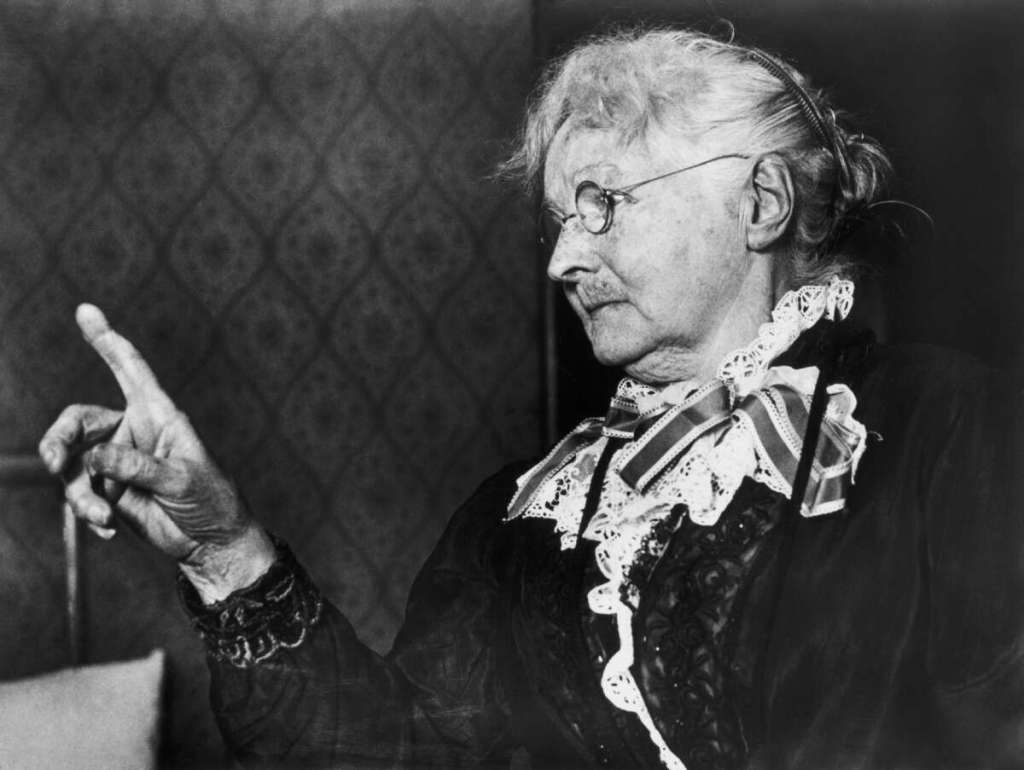
  • After eight months of writing, and researching, I’m excited to introduce my new book, The Magic of the Mountains: Appalachian Granny Witches and Their Healing Secrets. This project is deeply personal, inspired by my granny and the generations of women in my family who carried forward the traditions of healing, and storytelling.

    This book isn’t just about herbs, remedies, or folklore — it’s about the people who kept these practices alive. It’s about the Granny Witches, the women who knew how to soothe a fever with a handful of yarrow, ease a troubled mind with a whispered prayer, or stitch a community back together with their quiet strength. And it’s about my granny, whose hands were always busy — whether she was stirring a pot of soup, tending her garden, or teaching me the names of the plants that grew wild in the hollers.

    Why This Book Matters

    The Appalachian region is often misunderstood or reduced to stereotypes. But for those of us who grew up here, it’s a place of deep history, and resourcefulness. The Granny Witches were a vital part of that history. They weren’t magical in the fantastical sense — they were practical, and intuitive. They knew how to use what the land provided, and they passed that knowledge down through stories, hands-on teaching, and sheer necessity.

    My granny was one of those women. She didn’t call herself a witch, of course — that’s a label others might use. To her, it was just life. She knew which plants could ease a stomachache, how to read the weather by the way the leaves turned, and why a cup of chamomile tea could calm a restless heart. She taught me that healing isn’t just about fixing what’s broken — it’s about understanding the rhythms of the world and working with them.

    What You’ll Find in the Book

    The Magic of the Mountains is a blend of storytelling, history, and practical wisdom. Here’s what you can expect:

    • Personal Stories: Memories of my granny and other women like her, who carried forward the traditions of Appalachian healing.
    • Herbal Remedies: A guide to the plants and remedies commonly used by Granny Witches, from elderberry syrup to sassafras tea.
    • Folklore and Traditions: The myths, superstitions, and beliefs that shaped the lives of these women and their communities.
    • Practical Tips: How to incorporate some of these practices into your own life, whether you live in the mountains or the city.

    This book is for anyone who’s ever felt drawn to the simplicity and wisdom of the past. It’s for those who want to learn about the grit of Appalachian women and the ways they cared for their families and communities. And it’s for anyone who’s ever sat at the feet of a grandmother, aunt, or elder and listened to their stories with wide-eyed wonder.

    A Labor of Love

    Writing this book was a journey — one that took me back to my roots and reminded me of the strength and ingenuity of the people who came before me. It wasn’t always easy. There were days when the words didn’t flow, when I questioned whether I could do justice to the stories I was trying to tell. But in the end, I kept coming back to my granny’s voice, her laughter, and her unwavering belief in the power of kindness, hard work, and a little bit of know-how.

    I hope this book honors her legacy and the legacies of all the Granny Witches who came before her. And I hope it inspires you to look at the world a little differently — to see the magic in the everyday, the wisdom in the wild, and the strength in the stories we carry with us.

    The Magic of the Mountains: Appalachian Granny Witches and Their Healing Secrets is available now. I can’t wait for you to read it and discover the magic for yourself.

    -Tim Carmichael
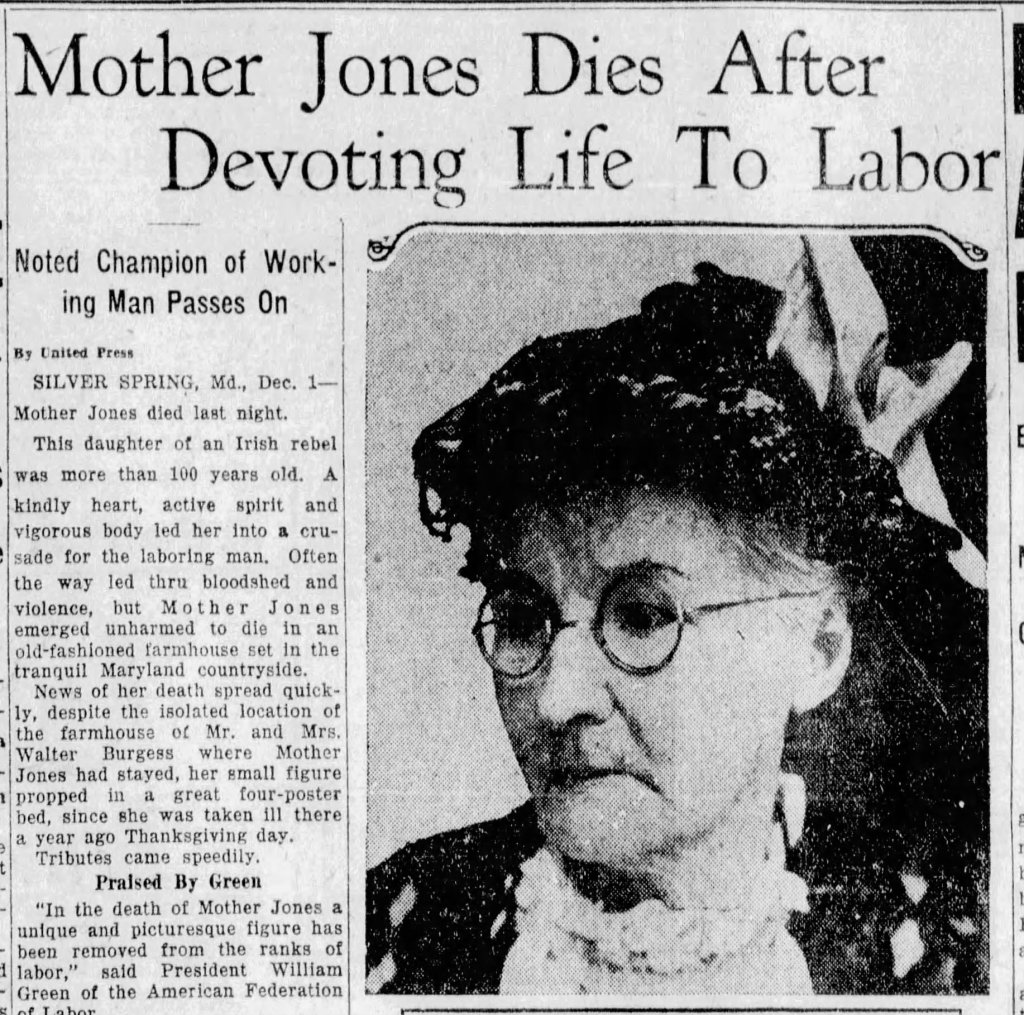
  • Hazel Dickens didn’t just sing about the struggles of Appalachia—she lived them. Her life was a story of grit, heartbreak, and an unshakable commitment to giving voice to the voiceless. Born in 1935 in Mercer County, West Virginia, Hazel grew up in a world where coal dust clung to everything, where hard work was a given, and where music was as much a part of life as breathing.

    Hazel was the eighth of eleven children in a family that knew poverty intimately. Her father, a miner turned truck driver, and her mother, a devout Baptist, raised their children in a small, cramped home where money was scarce but love and music were abundant. The Dickens family didn’t have much, but they had their voices, and they used them. Gospel hymns, ballads, and old-time tunes filled the air, shaping Hazel’s understanding of the world and her place in it.

    As a child, Hazel learned to play the guitar and sing harmonies with her siblings. Music was a way to escape, to dream, and to connect. But it was also a way to confront the harsh realities of life in a region dominated by the coal industry. She saw firsthand the toll it took on her family and community—the injuries, the illnesses, the constant fear of layoffs. These experiences would later fuel her songwriting, giving her music a raw, unflinching honesty that resonated far beyond Appalachia.

    In the 1950s, Hazel left West Virginia for Baltimore, joining the wave of Appalachians seeking better opportunities in urban centers. But the move wasn’t easy. She faced discrimination for her accent, her background, and her poverty. Yet, it was in Baltimore that Hazel found her musical footing. She met Mike Seeger, a folk musician who introduced her to the burgeoning folk revival scene. Through him, she connected with other artists who shared her passion for traditional music and social justice.

    Hazel’s music was never just about preserving tradition—it was about speaking truth to power. Her songs tackled issues like labor rights, poverty, and the exploitation of miners. Tracks like “Black Lung” and “They’ll Never Keep Us Down” became anthems for working-class people, capturing their struggles and their strength. Her voice, raw and haunting, carried the weight of lived experience. It wasn’t polished or perfect, and that was the point. Hazel sang with the kind of authenticity that could only come from someone who had walked the walk.

    But Hazel’s life wasn’t without its hardships. She battled self-doubt, faced sexism in a male-dominated industry, and struggled with the loneliness that often comes with being a trailblazer. Yet, she never wavered in her commitment to her roots or her principles. She remained fiercely independent, refusing to compromise her art or her message for the sake of commercial success.

    Hazel Dickens passed away in 2011, but her legacy lives on. She left behind a body of work that continues to inspire and challenge. Her music reminds us of the power of storytelling, the importance of standing up for what’s right, and the enduring spirit of Appalachia. She wasn’t just a singer or a songwriter—she was a fighter, a truth-teller, and a beacon of hope for those who felt unseen and unheard.

    Hazel Dickens’ life was a reflection of the place she came from—a place of hardship and beauty, of struggle and resilience. She carried Appalachia with her wherever she went, not as a burden, but as a badge of honor. And through her music, she ensured that the stories of her people would never be forgotten. Hazel Dickens was, and always will be, a voice of Appalachia.

    -Tim Carmichael
  • Through the Hardest Years- Appalachia’s Fight to Survive the Great Depression

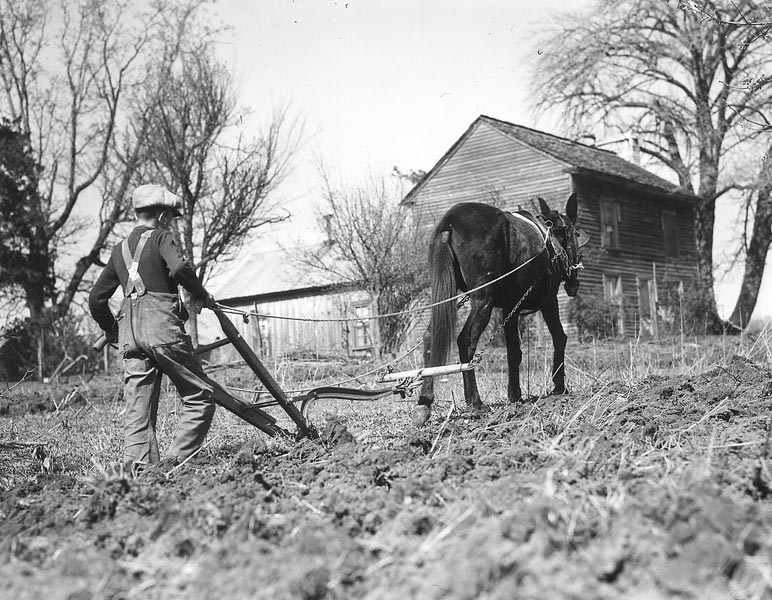
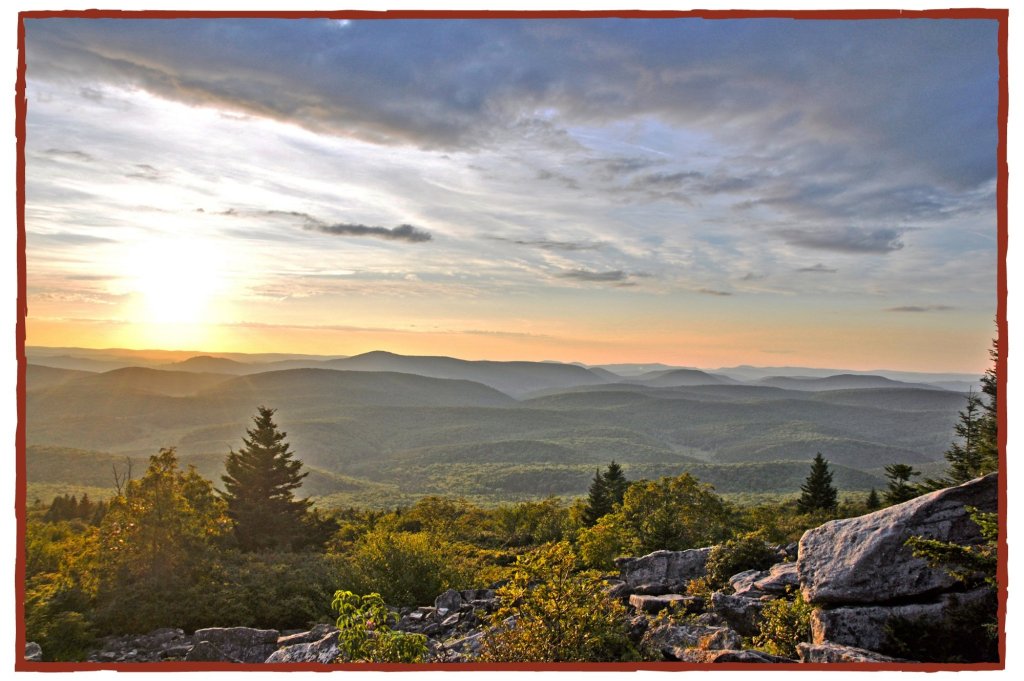
    When the Great Depression swept across America in the 1930s, it left a nation reeling. But in Appalachia, where life had always been shaped by sharp ridges, stubborn soil, and isolation, the Depression didn’t feel like a sudden catastrophe. It felt like the tightening of a belt that was already snug. Appalachians didn’t just endure—they leaned on what they’d always known: hard work, the strength of their neighbors, and the quiet, unyielding offerings of the land.

    A Life Built on Scarcity and Ingenuity

    Long before the stock market crashed, Appalachia was a place where cash was rare, and self-reliance wasn’t a choice—it was the only way forward. Families grew what they ate, raised what they needed, and pieced together a life from whatever they could salvage. When the Depression arrived, it didn’t rewrite the rules of life in the mountains; it simply turned the volume up on hardship.

    Here, people knew how to stretch a pot of soup to feed a crowd. They knew how to mend a pair of boots until the soles were more patch than leather. They knew how to coax life from a broken plow, how to preserve vegetables for winter, and how to turn scraps into something useful. These weren’t skills learned in crisis—they were skills passed down through generations, born from a life where every resource mattered.

    The Land’s Quiet Offerings

    Appalachia’s rugged terrain was never lavish, but it was never barren, either. Families depended on their gardens—corn, beans, potatoes, and greens—to keep hunger at bay. Chickens provided eggs, hogs provided meat, and cows provided milk. Hunting and fishing weren’t pastimes; they were necessities. Squirrel, rabbit, and fish weren’t just meals—they were the difference between a full stomach and an empty one.

    The woods and fields offered more than just game. In the spring, families gathered wild greens like ramps and poke sallet. In the summer and fall, they harvested blackberries, walnuts, and wild apples. The land didn’t give easily, but it gave enough—if you knew where to look and how to use what you found.

    Neighbors as Family

    In Appalachia, survival was a shared endeavor. Communities were bound by more than geography; they were bound by shared struggle and shared strength. If a neighbor’s crops failed, others shared what they had. If a barn burned down, the whole community showed up to rebuild it. Bartering was a way of life—a jar of honey for a day’s work, a bushel of apples for some sewing. It wasn’t charity; it was the glue that held people together.

    Church gatherings, barn dances, and quilting bees weren’t just social events—they were lifelines. Music and storytelling kept spirits alive, and laughter was as vital as a full pantry. In a time when the world seemed to be crumbling, these moments reminded people that they weren’t alone.

    Making Do with What Was There

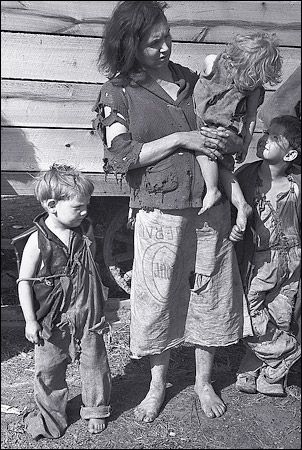
    Appalachians were masters of reinvention. During the Depression, that skill was tested like never before. Old clothes were patched until they were more thread than fabric. Flour sacks became dresses, curtains, or dish towels. Broken tools were repaired, and worn-out tires were cut into soles for shoes. Nothing was wasted because waste was a luxury no one could afford.

    Food was stretched in ways that required creativity. Cornbread, biscuits, and soups became staples because they were filling and could be made with little. Coffee, when it was scarce, was mixed with chicory or roasted grains to make it last. Appalachians didn’t just survive—they found ways to make life bearable, even when the world seemed determined to break them.

    Outside Help and Complicated Legacies

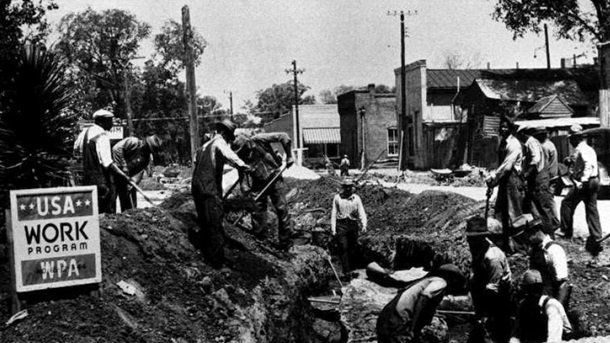
    While Appalachians were largely self-reliant, outside help did arrive during the Depression. Federal programs like the Works Progress Administration (WPA) and the Civilian Conservation Corps (CCC) brought jobs and infrastructure to the region. Men worked on building roads, schools, and parks, earning wages that helped their families scrape by.

    But this aid came with a cost. Photographers and writers sent by the government documented the region’s poverty, creating an image of Appalachia as a backward, struggling place. While this brought much-needed resources, it also cemented stereotypes that Appalachians have been fighting to shake ever since.

    A Legacy Written in Callouses and Courage

    The Great Depression didn’t end when the economy improved. For many in Appalachia, the struggle continued long after the rest of the country had moved on. But the toughness that carried people through the 1930s is still etched into the region’s identity. It’s in the gardens that cling to sharp ridges, the music that tells stories of hardship and hope, and the communities that still rally together when times are hard.

    The story of how Appalachian people made it through the Great Depression isn’t just about survival. It’s about a way of life that values hard work, neighbors, and the quiet, unyielding offerings of the land. It’s about finding light in the darkest of times and holding on to what matters most. Appalachia’s story is one of tenacity, and it’s a story that deserves to be told—not as a tale of poverty, but as a testament to the strength of the human spirit.

    -Tim Carmichael
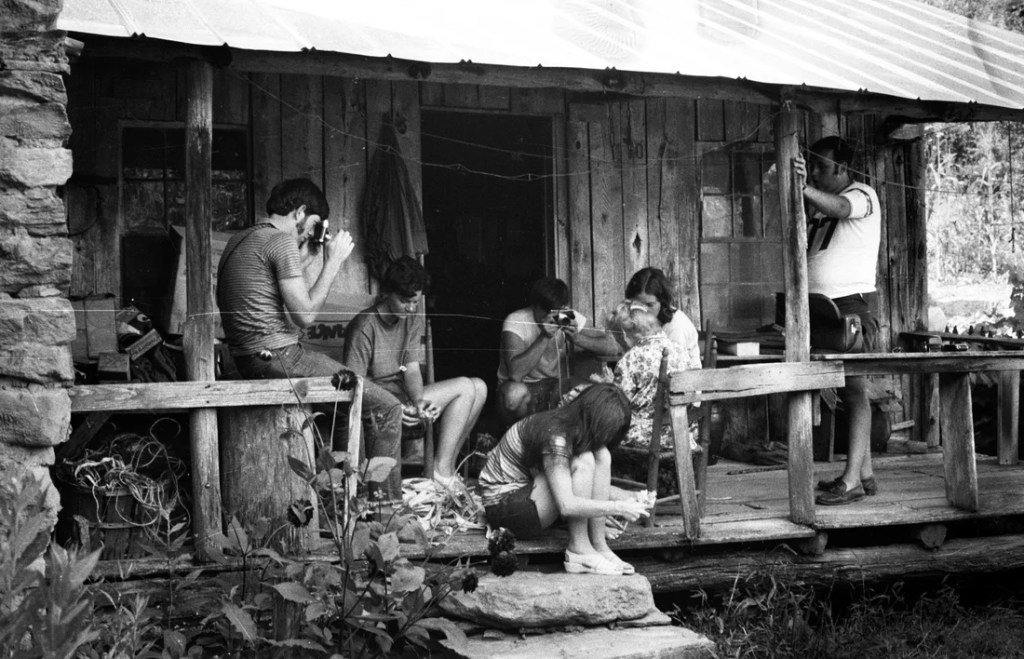
  • The Real Story of Mother Jones- A Fierce Advocate for America’s Workers, Especially Appalachian Coal Miners

    Mary Harris Jones was born in County Cork, Ireland, in 1830. But her journey—one that would change the course of American labor history—began far from the Emerald Isle. After a life marked by personal loss, deep convictions, and a commitment to the working class, she became a powerful force in the fight for workers’ rights across the United States. Today, she is known as “Mother Jones,” a title earned through years of fighting for the downtrodden and oppressed.

    In 1861, Mary moved to Memphis, where she married George Jones, an ironworker who was a strong supporter of labor unions. Together, they raised several children, but tragedy struck in 1867 when yellow fever claimed the lives of her husband and children. Devastated but not defeated, Mary Jones found purpose in advocating for the rights of workers, particularly those in industries where workers faced unsafe conditions, low wages, and long hours.

    Jones became a tireless ally of labor movements across the country. She joined the Knights of Labor, a group dedicated to improving the conditions of workers, and began traveling to strike sites to offer her support. In 1873, she journeyed to Pennsylvania to assist coal miners who were fighting for better wages and safer working conditions. A few years later, she went to the railroads in 1877 to stand alongside striking workers. Everywhere she went, Jones was known for her impassioned speeches and unshakable commitment to justice. Her ability to speak directly to the hearts of workers earned her the affectionate nickname “Mother.”

    But her work didn’t stop there. As one of the most outspoken labor activists of her time, Jones became a central figure in the United Mine Workers Union, advocating fiercely for miners’ rights. Her progressive views extended beyond labor disputes. In 1898, she helped establish the Social Democratic Party, pushing for political change to benefit working-class Americans. Then, in 1905, she helped create the Industrial Workers of the World (IWW), a union dedicated to organizing all workers regardless of their occupation.

    Despite her growing influence, Jones was seen as a threat by the authorities. In fact, she was labeled one of the most dangerous women in America. Yet, that label never stopped her. When she was arrested at the age of 82 for her involvement in a violent strike in West Virginia, she refused to back down. She was sentenced to 20 years in prison, but after a wave of public support and petitions from her admirers, the governor granted her a pardon. True to form, Mother Jones didn’t retreat; she returned to organizing, always fighting for those who had no voice.

    In addition to advocating for miners, Jones became a passionate crusader against child labor. In 1903, she led a historic march from the textile mills of Philadelphia to New York City, a journey of hundreds of miles with 100 children in tow. The children were protesting the grueling hours they were forced to work in the mills, and Jones hoped the march would draw attention to the injustice. When they reached President Theodore Roosevelt’s estate on Long Island, they had one message: The millionaires of New York needed to see the reality of child labor.

    Even in her later years, Mother Jones remained an unwavering presence in the labor movement. In 1921, she settled near Washington, D.C., but continued to travel the country in support of workers. The final chapter of her activism came in 1924 when, even as her hands had grown weak with age, she made her last appearance at a strike in Chicago to support dressmakers who were fighting for fair wages. By the time of her death in 1930 at the age of 100, Jones had become a symbol of the unrelenting spirit of the American labor movement.

    She was buried in the Union Miners Cemetery in Mount Olive, Illinois, a fitting resting place for a woman whose life’s work had been to fight for the dignity and rights of workers across the nation. Today, her legacy endures as a testament to the power of one determined individual to spark change, no matter the obstacles. Mother Jones may have been a woman of small stature, but her impact was nothing short of monumental.

    -Tim Carmichael
  • Outsiders Arrive in Appalachia and Learn to Appreciate the Region’s Complex Heritage

    January 28, 2025 — Tim Carmichael
    Appalachia has long been defined by national media through a lens of decline and struggle. From the economic collapse of the coal industry to persistent poverty and the opioid crisis, the region’s stories often revolve around hardship. However, a growing number of outsiders arriving in Appalachia have found that the region’s narrative is far more complex than the headlines suggest.

    In recent years, journalists, researchers, and even artists have made their way into eastern Kentucky, West Virginia, Tennessee, North Carolina, and surrounding areas, not to simply report on the difficulties faced by residents, but to better understand the deep cultural fabric that binds these communities together. Many have discovered that beneath the surface of economic challenges lies a rich history and an ongoing effort to preserve and adapt traditional ways of life in the face of change.

    One of the key realizations among these outsiders is that the people of Appalachia have long had to navigate external forces — from the early days of resource extraction to the modern shifts in industry and government policies. The region’s economic hardships are tied to historical decisions, but they are not the sole focus of the people living here.

    The closure of coal mines, once the backbone of the local economy, is often cited as a turning point. While much of the national conversation centers on the loss of jobs and the environmental damage left in the wake of mining, residents of Appalachia have consistently found ways to adapt. Many have diversified into new industries, focusing on agriculture, tourism, renewable energy, and local craftsmanship.

    In small towns scattered across the region, local artisans are helping redefine what it means to live in Appalachia today. What some once saw as outdated traditions are now being reimagined, whether through contemporary takes on folk art or sustainable farming practices. In these efforts, there is a clear desire to preserve the cultural heritage of the region, even as communities redefine their future.

    The decline of industries that once defined the region, such as coal mining, has created an economic vacuum. Yet, the conversations taking place in the region often center not on resignation, but on the possibilities of reinvention. Residents are finding ways to balance their history with the realities of a changing world. Instead of focusing solely on what has been lost, many are asking what can be built anew.

    Challenges remain. Unemployment rates are higher than the national average, and opioid addiction continues to devastate many families. Yet, the region is also home to grassroots efforts to address these issues. Local community centers, health organizations, and schools are working to provide education, recovery programs, and job training to help individuals recover and thrive. These efforts, often led by community members themselves, demonstrate a drive to not just survive, but to create meaningful change.

    What outsiders often miss, however, is the deep sense of community that persists in Appalachia. In rural areas, where families have lived for generations, neighbors continue to support each other through mutual aid and a shared understanding of what it takes to build a life in a place that has seen both boom and bust. This community-centered approach has helped many navigate the struggles that come with economic instability, allowing residents to maintain connections and preserve their way of life in an evolving world.

    The region’s culture, often portrayed through a narrow lens, includes a broad spectrum of experiences that reflect the complexity of life in the mountains. Traditional music, crafts, and storytelling continue to be vital aspects of Appalachian life, not merely as relics of the past, but as active parts of the community. The music, for example, which has roots in Appalachian folk traditions, continues to thrive and evolve, with modern interpretations emerging alongside long-established forms.

    In recent years, more attention has been paid to the younger generation growing up in Appalachia, many of whom are increasingly returning to their roots while also pursuing higher education, entrepreneurship, and innovation. These individuals are finding ways to integrate traditional Appalachian values with new opportunities, often focusing on environmental sustainability, technology, and small business development.

    Despite the challenges that persist, those with deep ties to the region, as well as those looking to understand it better, agree that Appalachia’s story is far from over. Its people are working to redefine what it means to live in a place shaped by both hardship and deep cultural heritage. And while the outside world often focuses on issues of poverty and decline, many within Appalachia are pushing forward with an awareness of their history and a firm belief in their ability to shape their own future.

    As more people from outside Appalachia visit, work, and listen, the story of the region is slowly evolving. It is a story that recognizes the past, while also embracing the challenges and opportunities of the present. Appalachia’s complexities, its contradictions, and its potential are finally receiving the nuanced attention they deserve.

    — End —

  • Granny Magic: The Herbal Healers of Appalachia

    In the remote corners of Appalachia, there’s a tradition that’s been practiced for generations—one centered around the wisdom and skill of older women, often known as “grannies.” These women were the healers, the midwives, and the caregivers. Their understanding of plants, herbs, and natural remedies played an essential role in keeping their communities healthy. Long before doctors were readily available in rural areas, it was the grannies who took care of the sick and injured, offering remedies and solutions to a range of health issues.

    Between 1860 and 1980, many Appalachian communities were isolated, making access to medical care scarce or non-existent. Grannies became the go-to figures for health needs, trusted with everything from minor ailments to more serious conditions. They knew how to use the plants that grew in their surroundings—making teas, salves, and tinctures that offered relief when doctors were too far away to help.

    Catnip tea was often used to treat hives, and sulfur in the shoes could help ease the symptoms of the flu. These were simple, practical remedies, but they worked. Grannies knew which herbs to use for stomach issues, pain relief, and skin problems.

    But their role wasn’t only about remedies. Grannies were also emotional pillars for their communities. They helped deliver babies, provided comfort to the sick, and were there during life’s most difficult moments. They weren’t just caregivers in the medical sense—they were a steady presence in people’s lives, offering not just healing, but understanding and support.

    The tradition of granny magic hasn’t disappeared. While modern medicine is more accessible today, many people are still turning to the same remedies the grannies once used. There’s been a renewed interest in herbalism and natural health practices as more people seek alternatives that feel more personal and connected to the earth. Grannies taught their children how to recognize and use the plants that could help with common ailments, and this knowledge is still very much alive in communities today.

    Herbs like red clover, dandelion, and elderberry remain popular for treating everything from colds to joint pain. Today, herbalists and natural health practitioners carry on the work that the grannies started, using the same methods and plants. There’s something powerful about knowing you can rely on what’s around you, and many people are finding that these simple, natural remedies are just as effective as more modern treatments.

    The legacy of these women isn’t just about herbal medicine—it’s about care. It’s the kind of care that comes from a place of experience, intuition, and love. Grannies didn’t have medical degrees or fancy equipment, but they understood what worked because they had seen it, used it, and learned from it over the years. And that knowledge continues to influence how many of us take care of ourselves and our families today.

    Granny magic might look different now, but the principles remain the same. It’s about taking care of the people around you, and using what nature offers to stay healthy. Whether in a modern herbalist’s workshop or in the kitchen brewing up tea, the spirit of granny magic lives on, reminding us that sometimes the simplest solutions are the best ones.

    -Tim Carmichael