• From West Virginia to Asheville: The Real Environmental Movement in Appalachia

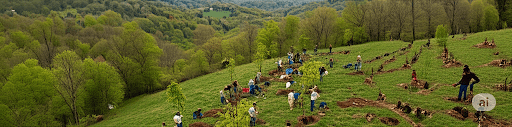
    In Charleston, West Virginia, there’s a retired miner named Carl who plants trees on old strip mine sites. Not because somebody pays him—he just got tired of looking at what got torn up. He’s quiet about it. Packs a shovel, saplings, and water jugs into the back of his truck and hikes in before daylight. He says, “If I helped dig it out, I can help patch it back.”

    Down in Asheville, North Carolina, a group of kids ride their bikes every Saturday morning to pick up litter along the French Broad River. Nobody asked them to. One of their uncles caught fish with oil slicks on the skin, and they decided that was enough. They call themselves “Trash Bandits.” They’ve pulled out tires, scrap metal, even a shopping cart with moss growing on it. They don’t pose for Instagram. They just want clean water.

    In Knoxville, Tennessee, Miss Lila grows okra in five-gallon buckets on the edge of a parking lot. She used to have a yard, but the developers came. Now she teaches young folks how to grow vegetables in tight spaces—plastic totes, kiddie pools, milk crates. “The land don’t have to be perfect,” she says. “You just have to care about it.”

    That’s Appalachia’s environmental story. Not policy. Not protests. Work. Quiet, steady work by people who aren’t trying to get credit. Folks who’ve seen land taken, air dirtied, rivers choked—and are still out there planting, hauling, and fixing.

    Go out past Beckley, West Virginia, and you’ll find a man named Darnell who built a rain collection system off his barn roof. Uses it to water his tomatoes, clean tools, even flush toilets in summer. He put the same system on his daughter’s house in Oak Hill. “Clean water’s worth more than folks act like,” he told me. “One day they’ll remember.”

    In Marshall, North Carolina, an old gas station got turned into a tool library. You can borrow shovels, post-hole diggers, even a cider press. It’s run by volunteers, mostly older women who don’t want to see another chain store take over the block. They fix up tools people leave on the curb and lend them out to anyone trying to start a garden or fix their roof. “You don’t save the land by talking,” one of them said. “You save it by using it wisely.”

    These stories don’t make the news. They don’t fit into soundbites. But they’re real.

    The region’s been scraped, dumped on, burned, and bought up—but we’re still here. And plenty of us haven’t given up on the idea that land can heal if you help it.

    Some days it’s small things. A boy in Johnson City building birdhouses from scrap wood. A church group in Pikeville, Kentucky, pulling invasive vines off the hiking trails. A grandmother in Oak Ridge teaching her granddaughter how to compost eggshells and coffee grounds.

    Some days it’s bigger. A co-op near Boone that turns leftover cooking grease into diesel. A family in Norton, Virginia, who planted native wildflowers along an old rail bed to help the bees come back.

    What holds it all together isn’t a program. It’s a mindset. A refusal to walk away. An understanding that the land’s not separate from us.

    We’re not outsiders trying to “save” the mountains. We live here. We drink the water, breathe the air, watch our kids run barefoot in the same soil our grandparents plowed. That’s why we fight for it—not with slogans, but with sweat and stubbornness.

    You can drive from Charleston to Asheville to Knoxville in a day and see it: a place both bruised and alive. Some of it’s been wrecked. Some of it’s blooming again. But all of it still belongs to people who care deeply, even if they don’t write about it.

    Nobody’s waiting around for someone to fix it. We’re already out there with shovels, gloves, water jugs, seed packets, and elbow grease.

    Appalachia won’t be saved by policy alone. It’ll be saved by Carl, the Trash Bandits, Miss Lila, and everyone else doing the quiet work of keeping it.

    We don’t need a headline. Just good ground to stand on.

    -Tim Carmichael
  • The Appalachia You’ll Never See from the Highway

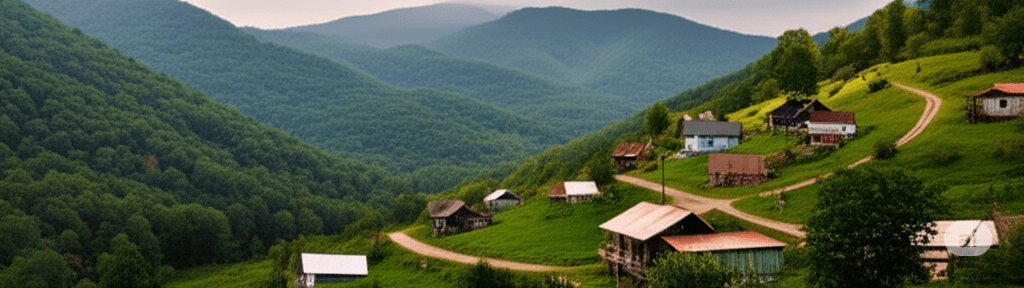
    You can drive the roads through these mountains a hundred times and still not see the real Appalachia. The true hollers, the bone-deep stories, the quiet struggles—those aren’t found in welcome centers or roadside overlooks. They’re tucked away, miles from four-lane highways, hidden behind rusted gates, dirt paths washed out every spring, and porches where people still shell peas and wave at strangers like they know you.

    The real Appalachia isn’t a tourist stop. It isn’t Dollywood or a fall foliage festival. It’s a place where folks know the sound of their neighbor’s truck without looking out the window. A place where pride and poverty live under the same roof, and dignity doesn’t depend on a bank account. Where people bury their dogs on family land and remember them like kin.

    This place raised generations on biscuits and bacon grease, on well water and hand-me-downs, on hard work and harder winters. Grandfathers built houses with rough lumber they cut themselves. Grandmothers kept the same jar of bacon drippings by the stove for thirty years and used it like gold. Kids walked to school in the snow because missing a day wasn’t an option. Folks didn’t run to the doctor for every scratch. They used coal oil, tree bark, chewing tobacco, or whatever their granny told them to use. And somehow, they lived through it.

    The real Appalachia is full of people who don’t ask for help unless they truly need it, and even then they’ll try everything else first. You’ll never hear about the man who repairs his neighbor’s roof every summer, even though he’s got arthritis in both hands. Or the woman who bakes ten loaves of bread each Saturday and drives them to the homes of older folks who don’t get out anymore. Those things don’t make the news. But they’re more real than anything you’ll ever find online.

    These mountains hold grief too deep for words. Stories that never made it out. The mines that collapsed and swallowed fathers, the babies buried behind churches, the sons who left and never came back. But you won’t hear folks talk about all that unless you’ve earned a seat at their kitchen table, and even then, some stories stay between the cracks of old wood floors.

    People here are not simple. They’re not backwards. They’re not stuck in the past. They’re careful. They’ve been talked about, written about, judged and studied. Outsiders have taken pictures of their broken-down porches, then driven off and published those photos like they captured something meaningful. But they missed it entirely. They didn’t see the hands that built that porch. Or the hands that held on to it when the wind blew hard and the world felt like it might fall apart.

    In real Appalachia, there’s a rhythm to things. A way to do and not do. You don’t show up uninvited. You don’t brag about money. You don’t make fun of where someone lives, even if the roof sags and the weeds are knee-high. You treat people like they matter because they do, even if nobody else in the world seems to notice.

    You’ll never really know this place unless you’ve watched someone kill a hog and say a prayer before they do it. Or held hands in a one-room church while the preacher cried and nobody judged him for it. Or watched a mother give her last jar of home-canned beans to a neighbor without thinking twice. There’s no charity here, just folks taking care of each other the only way they know how.

    The real Appalachia isn’t romantic or tragic—it’s both, and neither. It’s muddy boots by the door and dishes in the sink. It’s burn barrels in the yard and gospel on the radio. It’s people sitting on tailgates, sharing stories they’d never say indoors. It’s boys who learn how to drive a stick shift before they learn algebra, and girls who know how to gut a fish before they ever wear makeup.

    It’s also changing. The old folks are dying off, and with them go recipes no one wrote down, songs no one recorded, and cures no one believed in until they worked. Dollar Generals sit where general stores used to be. Meth has taken root in places where tobacco once grew. Kids move away and don’t come back, and you can’t blame them, but it still stings.

    Still, something stubborn survives here. Maybe it’s the way the mountains hold things in place. Or maybe it’s the people who refuse to quit even when everything tells them to. They’ll plant a garden next spring no matter what the winter brings. They’ll keep driving their rusted trucks until the wheels fall off. They’ll keep showing up for each other, funerals and floods alike, no need to be asked.

    This place isn’t a myth, though it’s been treated like one. It’s not an idea. It’s not something you can capture with a photo or bottle up in a souvenir jar of apple butter. It’s not quaint, it’s not picturesque. It’s alive. Bruised, breathing, and unshakably real.

    So if you ever find yourself deep in these mountains, and someone invites you to sit a spell—don’t just take a picture and move on. Stay. Listen. You might not understand every word, and that’s alright. What matters most isn’t spoken, anyway. What matters is felt—in the silence between sentences, in the weight of old stories, in the way someone hands you a plate of food like you’ve always belonged.

    You’ll never find that in a brochure.

    -Tim Carmichael

  • 187 Days Later after Hurricane Helene: These Mountain Towns Still Need You

    It’s been 187 days since Hurricane Helene hit the mountains of North Carolina and East Tennessee.

    The rain came hard. Towns like Marshall were left underwater. Businesses were destroyed. Homes were swept off their foundations. People who’d spent their whole lives in these places were left without a roof, without a job, without much of anything.

    Some still haven’t made it home. And some may never.

    But in these mountains, folks don’t quit. They clean up. They rebuild. They lean on each other. Now, after months of work, more than 50 mountain towns are open again.

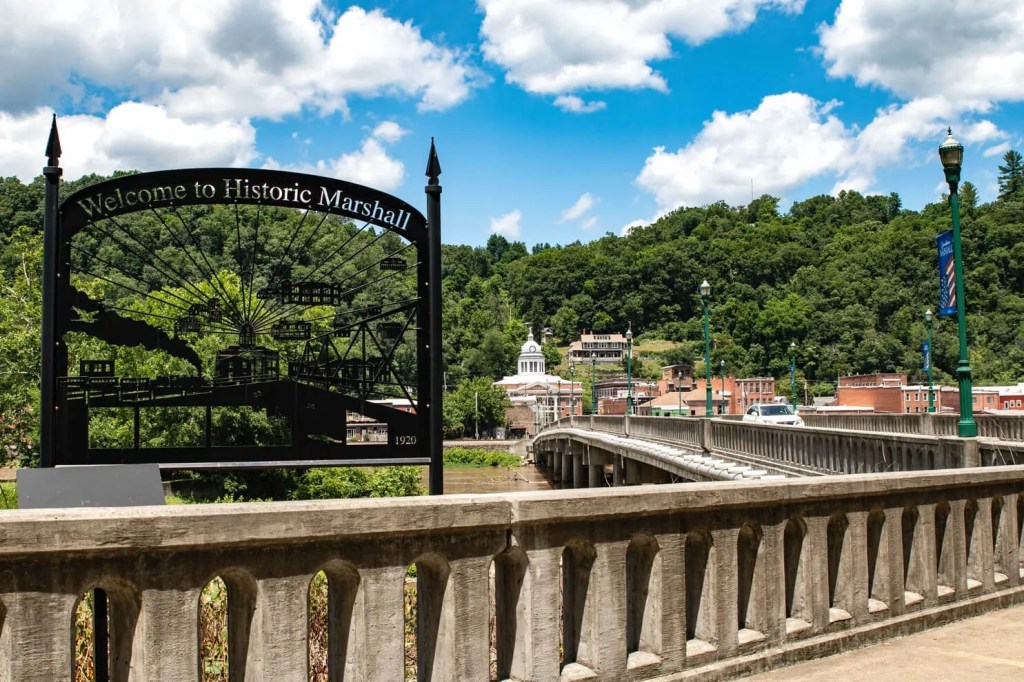
    Marshall, North Carolina is one of them. From May 1st to 4th, they’re holding Marshall Magic Days—a four-day event to show that downtown is open again. There’ll be food, music, and a lot of familiar faces hoping to see yours. These towns need people to come back, eat at local spots, buy a jar of jam, stay the night, and walk Main Street.

    Restaurants are still struggling. Some lost their kitchens, equipment, and buildings. A few are working out of food trucks or shared kitchens, doing what they can to keep going. A group called Restaurant Mafia a group of people showing love and has been visiting restaurants in Asheville to show support. You can find them on Facebook.

    Beloved Asheville is still collecting donations—building supplies, food, clothing, and more. In Greeneville, Tennessee, C.O.R.E. is still helping people and could use food, hygiene items, and other basics. They’ve even been helping the people in Kentucky.

    It’s easy to forget once the headlines stop. But the need hasn’t. Some people are still in borrowed rooms, cooking on camp stoves, trying to figure out their next step. You might drive through and think it looks fine, but behind closed doors, folks are still struggling.

    If you’ve got a free weekend, pick a town. Visit Marshall for Magic Days. Eat at a diner in Cosby. Visit a shop in Burnsville. Grab lunch in Hot Springs. Walk through Greeneville. Spend your money in places that need it.

    Chimney Rock Village is still getting back on its feet—call ahead to see what’s open. And though Hurricane Helene didn’t hit them, parts of Kentucky, Virginia, and West Virginia were recently flooded and could use help too.

    They’re doing what they can. They just need a hand getting the rest of the way.

    -Tim Carmichael

  • Why I Write About the People of Appalachia

    I write of Appalachia because it is a part of me, stitched into the very fabric of my existence. It’s the smell of woodsmoke on a cold winter’s night. It’s the roughness of calloused hands after a day of backbreaking work for an honest day’s pay. It’s the creak of a rocking chair on a front porch as the sun sets behind the ridgeline. It’s a life worth more than being summed up as a joke or a caricature.

    As I write about Appalachia, I am penning a love letter to my family — those who instilled in me the meaning of pride. Not the pride that bloats itself, but the quiet, stubborn pride of sticking with it, of hanging on and carving a life out of rocky soil and deep hollers where others would have given up. These were people who raised big families with little more than hope, a garden, and the resolve to do better for the next generation.

    I write of them because I don’t want to see them forgotten.

    There’s a rich history here that most of the world does not know and too few bother to find out. The “Mountain Doctors,” as we sometimes called them, were the healers before hospitals found their way up the curving mountain roads. My granny was one of them. She knew the power in a sprig of boneset, how to steep jewelweed to soothe a rash, how to grind wild ginger into a poultice. She didn’t learn that from books — she learned it because life demanded it. When you were ten miles from the nearest town and couldn’t afford a doctor, you didn’t have the luxury of standing around. You learned what the fields and woods held. And if you were lucky, you had a mother or a neighbor who had learned it first.

    I remember how she would mix tinctures and teas, how she’d place her hands on a person’s head and pray with a faith so strong you could almost see it hanging in the air. She wasn’t a doctor by diploma or white coat standards, but she healed people all the same.

    And it wasn’t just the healing arts that made that generation unique. It was how they lived — how they kept food without a freezer. They dried beans by the bushel, hanging them up in great lengths to cook when the frost came. They canned every scrap they could get their hands on — tomatoes, corn, green beans, peaches. They stored apples in straw to last through winter. They buried potatoes deep in the ground and smoked hams in hand-hewn sheds. They didn’t waste anything because they couldn’t, and even if they could, waste was a sin in their time. Every bit of food was valuable; every ounce of labor was worth it.

    They lived by the seasons’ rhythm, not by the calendar on the wall. Planting in spring. Hoeing and weeding through the hot summer. Harvesting and storing for the winter that would test every bit of their preparation. Work wasn’t just part of life — it was life. There was dignity in it, even when the work was hard, back-breaking, and thankless.

    I recall family tales of seven, eight, sometimes a dozen kids living in cabins so small you could stand in the middle of the room and touch all four walls. They didn’t have much, but they had each other. They built lives not with credit cards and car loans, but with hammers, plows, and raw hands. And somehow, they raised children who knew right from wrong, who understood that a man’s promise was worth more than the paper a contract was signed on.

    That’s why I write about Appalachia. Because I’m tired of others speaking for us. I’m tired of the jokes, the ugly cartoons that paint us as ignorant, dirty, or violent. I have seen the richness of generosity, the integrity of character, and the sharpness of mind that lives in these mountains. I have seen people give the shirt off their back to a neighbor, share their last meal with a stranger, and work themselves into an early grave just to give their children a better life.

    Our culture isn’t something to be patted on the head and sympathized with. It is something to be respected. It’s rooted in sacrifices that few today can even imagine, in a strength that doesn’t need acknowledgment, and in a wisdom you won’t find written in any book.

    When I sit down to write about Appalachia, I’m not writing about an idea — I’m writing about people. My people. Real men and women who went barefoot down dirt roads to church on Sunday mornings, who kept fires burning through the long winter nights, who taught their children to tell the truth and say “thank you” and “yes, ma’am” without being reminded twice.

    I write so that they will live on after me. So that my grandchildren’s grandchildren will know where they come from — so they will know their heritage is the stuff of corn huskings and barn raisings, of gospel singing under wide skies, of kitchens filled with the smell of hot biscuits and home-canned jelly. I want them to know that being from Appalachia is not something to be ashamed of. It is something to be proud of.

    And most of all, I want the world to see the real Appalachia — not the warped, ugly version shown on television, but the real heart of it. The stubborn, unyielding, beautiful heart that keeps beating even when no one’s paying attention.

    And so I write. I write of the fields and the woods, of laughter and grief, of prayers uttered at bedside, of beans drying in long rows, of old songs sung in kitchens and on front porches. I write of the courage it takes to live here, of the beauty in a hand-built fence or a hand-stitched quilt.

    I write because if I don’t, maybe no one will. And I will not let the memory of these mountains, or the people who built a life in them, fade into silence.

    They are better than that.
    They are better than forgetting.
    And as long as I am able to put pen to paper, they will be.

  • The Hidden Cost of Coal: Health Issues in Appalachia Respiratory illnesses, cancer, and chronic allergies plague a region proud of its mining heritage.

    Appalachia has always had a way of doing things that’s different from anywhere else. The coal mines have been a way of life for generations, shaping the culture and identity of the people here. It’s a hard life, but it’s a life of pride. The men and women who worked those mines were known for their grit—braving dangerous conditions to provide for their families and communities. But that pride comes at a cost, one that many are still paying today, long after the mines have stopped producing.

    Respiratory Problems and the Coal Mines

    If you’ve lived in Appalachia long enough, you’ve seen the signs. You know someone who’s had black lung disease, or maybe it’s someone you care about who’s been struggling to breathe for years. Black lung isn’t just a thing of the past—it’s still a reality in the mountains. It’s a disease that comes from years of breathing in coal dust, and for a lot of former miners, it’s a lifelong battle.

    But it’s not just black lung. Asthma and COPD are rampant here too. People in Appalachia are more likely to suffer from chronic breathing problems than anywhere else in the country. The air in mining communities is thick with dust and pollutants—left over from years of mining and from the coal-fired plants that dot the region. Even though the coal industry has shifted, the damage to the lungs of Appalachia’s people hasn’t gone away.

    Cancer and the Coal Dust

    Cancer rates in Appalachia are another stark reminder of the lasting effects of coal mining. Yes, smoking and diet play a role, but the environmental factors in this region are hard to ignore. Mountaintop removal mining, which has left scars across the land, releases toxic chemicals into the air and water. These toxins have been linked to cancers, especially lung cancer and cancers of the throat.

    The people here have lived through decades of exposure to coal dust and other industrial pollutants, and it’s showing up in the form of higher-than-average cancer rates. For many, cancer is something they know all too well—it’s the disease that runs through their families. It’s an unfortunate byproduct of the very industry that once made their communities thrive.

    The Allergy Struggle

    On top of the heavy hitters like black lung and cancer, there’s a quieter issue that affects nearly everyone in Appalachia—chronic allergies. It’s not just seasonal. The constant exposure to allergens in the air, from coal dust to pollen and industrial pollutants, means many folks are popping allergy pills just to get by. You don’t have to go far in these parts to find someone who relies on antihistamines, nasal sprays, or decongestants just to breathe through the day.

    In fact, studies show that nearly 30% of adults in Appalachia are on some type of allergy medication, with some areas reporting even higher numbers. The allergy season here doesn’t just last a few weeks; it’s a year-round battle. For people in mining towns, it’s often a daily struggle just to get through the day without a headache or runny nose. And it’s not just a minor inconvenience—these allergies have real effects on quality of life, making it harder to work, take care of families, or even just enjoy the outdoors.

    Pride and Pain

    Despite all the health challenges, there’s a deep pride in the coal mining culture. It’s a pride born from generations of hard work, sacrifice, and a sense of community. For many, mining isn’t just a job; it’s a way of life that’s been passed down, and the people who worked those mines are seen as the backbone of the region.

    But pride doesn’t erase the reality of the health problems many face. The very industry that defined Appalachia has also left behind a legacy of sickness. And for those who still rely on coal for their livelihoods, the struggle continues. It’s a complicated mix of pride and pain—pride in the culture, but pain from the toll the industry has taken on the health of the people.

    The question now is how to move forward. How do you honor a tradition that has shaped your community while also confronting the very real health issues it’s caused? Appalachians are known for their resilience, but no one should have to choose between their health and their heritage. It’s time for change—not just for the land, but for the people who call it home.

    -Tim Carmichael

  • The Most Catastrophic Storm to Strike Two Appalachian States, North Carolina, and Tennessee

    It has now been 214 days since Hurricane Helene tore through the Southeast, leaving an indelible mark on Appalachia. And the clean-up still continues across North Carolina and Tennessee.

    According to the National Weather Service’s Tropical Cyclone Report, Helene is now considered the most destructive natural disaster in Western North Carolina’s history.

    Helene was the deadliest storm to hit the mainland United States since Hurricane Katrina in 2005, resulting in at least 249 deaths — including 106 lives lost in North Carolina and 21 in Tennessee.

    Of the total fatalities, 175 were directly linked to the hurricane’s fierce winds, heavy rains, and flooding. Another 74 deaths were tied to indirect causes, such as heart attacks, medical emergencies, car accidents, and injuries during post-storm recovery efforts. Across the Southeast, emergency crews rescued over 2,700 people trapped by floodwaters, with more than 1,000 rescues taking place in Western North Carolina alone. Haywood County saw some of the largest rescue operations in the mountains.

    The financial toll was just as staggering. Damage estimates put the total cost around $78.7 billion, making Helene the seventh-most expensive hurricane ever recorded in the United States. In Tennessee alone, cleanup and repairs are expected to cost more than $2.1 billion, with many rural communities still struggling to rebuild.

    In terms of infrastructure, about 7.4 million homes lost electricity at some point during the storm, impacting roughly 16.2 million people. North Carolina saw 1.8 million outages, while Tennessee faced widespread blackouts, affecting approximately 320,000 homes.

    Forests were not spared either. The North Carolina Forest Service reported that nearly 822,000 acres of timberland were damaged, with an estimated loss of $214 million.

    In Haywood County alone, flooding damaged around 600 homes, several hundred of which were completely destroyed.

    Hurricane Helene initially made landfall in Florida’s Big Bend region as a Category 4 storm — the strongest ever recorded in that area since the early 20th century. It continued to batter inland areas of Georgia as a hurricane before weakening to a tropical storm.

    Wind speeds during Helene were extreme. The highest lowland sustained winds were recorded more than 40 miles inland in Florida at over 73 mph. Meanwhile, Mount Mitchell in Yancey County, North Carolina, reported gusts exceeding 105 mph — the strongest winds measured in the Appalachian Mountains during the storm.

    Before Helene’s core even reached the mountains, Western North Carolina and East Tennessee were already being slammed with heavy rain, soaking the soil and causing rivers to rise dangerously — setting the stage for catastrophic flooding once the full force of the storm arrived.

    Even today, 214 days later, cleanup efforts are still underway in parts of North Carolina and Tennessee. But there are bright spots too. My hometown of Marshall, North Carolina, is celebrating its grand re-opening. If you’re able, come out and support them as they rebuild and move forward stronger than ever.

    The town of Marshall, NC is having a grand reopening event from May 1-4 to celebrate the recovery of downtown businesses after damage from Hurricane Helene. This event, called Marshall Magic Days, will feature music, art, shopping, and food & drink. The record store, Oasis Ltd. Records, is hosting a music event on May 3 to coincide with the reopening. The event will feature local musicians The Merciful String Pickers, Subject to Change, Paint Rock, and Monster wave. 

    -Tim Carmichael

  • The True Story of the Appalachian City That Breathed Life

    Long before antibiotics were discovered, people placed their hopes in nature. And in the late 1800s, there were few places more sought after than Asheville, North Carolina—a mountain town that quietly became a place where the sick came to heal, or at least to hold on a little longer.

    In 1870, Dr. H. P. Gatchell published a small but striking pamphlet titled Western North Carolina—Its Agricultural Resources, Mineral Wealth, Climate, Salubrity and Scenery. He had lived long enough to know what tuberculosis looked like—how it took strong men and women and drained them slowly, how it turned lungs into something brittle. He believed the mountains had something to offer that medicine didn’t yet have: clean, temperate air and space to rest.

    A year later, Dr. Gatchell put that belief into action. He opened The Villa, a quiet facility nestled in what’s now the Kenilworth neighborhood of Asheville. It was the first sanitarium in the United States devoted exclusively to tuberculosis patients. It wasn’t grand. It didn’t need to be. What mattered was that it gave people a fighting chance in an era when the disease was often a death sentence.

    People began to take notice. By the 1880s, a booklet titled Asheville, Nature’s Sanitarium was circulating through towns and cities across the country. It painted Asheville as a place of escape—where Southerners fled the stagnant, mosquito-heavy summers and Northerners sought refuge from the bitter cold and damp. Asheville offered something different. It offered stillness, elevation, and time.

    Tuberculosis—known then as consumption—was relentless. There were no antibiotics, no real treatment beyond rest, food, and clean air. People traveled great distances by train, wagon, or carriage, hoping Asheville would slow the march of the disease. Families scraped together funds for the trip. Some patients came alone, having said quiet goodbyes back home, unsure if they’d return.

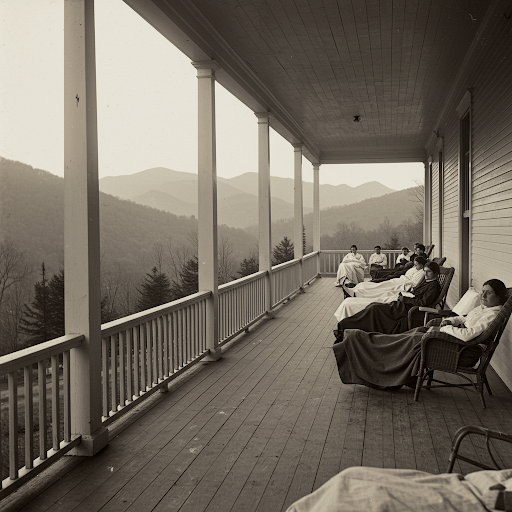
    By 1900, Asheville had fully embraced its role. Porches were built wide and deep to allow patients to rest outdoors. Rooms were designed with cross-ventilation. Meals were served at regular intervals. It wasn’t a cure, but it was something to hold onto.

    By 1930, the city was home to 25 sanitariums with nearly 900 patient beds. Some were small and family-run. Others, like St. Joseph’s and Highland Hospital, grew into large institutions. Each one carried stories—of slow recoveries, of losses softened by mountain views, of letters written home from wicker chairs.

    And Asheville itself was changing. The influx of patients brought doctors, nurses, caretakers, and workers. It brought builders and cooks, cleaners and train conductors. The town’s growth was tied to its reputation as a place where the air could heal—or at least ease the pain.

    For many, Asheville became a final chapter. But for others, it gave time—weeks, months, even years they might not have had elsewhere. Children visited their parents through screened windows. Husbands waited on benches while nurses turned mattresses. Life continued, carefully and slowly.

    When antibiotics like streptomycin finally arrived in the 1940s, the need for these mountain sanitariums began to fade. The buildings were repurposed or torn down. But the legacy lingered.

    Asheville wasn’t just a retreat. It was a place of second chances, even if only for a little while. Before there was medicine, there was the mountain air. And it mattered.

    -Tim Carmichael

  • Trump’s Coal Promises to Appalachia Are Coming Up Empty

    Donald Trump has long praised coal as the backbone of American energy. At campaign rallies, he often promised to bring back “beautiful clean coal,” painting a picture of revived small towns, strong working-class families, and jobs that would no longer be shipped overseas or lost to regulation. But beneath the surface of these political soundbites, the lived reality for coal miners and their families tells a different story—one that involves disappearing health protections, slashed budgets for safety enforcement, and a steady erosion of programs meant to protect the very people Trump claims to stand for.

    From Appalachia to the Powder River Basin, miners still go underground, risking their health and safety to dig out a fuel source whose demand continues to decline. While Trump’s administration rolled back environmental rules to benefit the coal industry’s bottom line, it quietly dismantled programs that directly supported miners’ health and workplace protections. Now, in tandem with Speaker Mike Johnson and others in the GOP pushing for broader budget cuts, the fallout is landing hardest on poor and working-class families.

    A Legacy Carved in Coal—and Cost

    Coal mining has always been dangerous. Black lung disease, roof collapses, and explosions are not relics of the past; they still happen. And the costs—physical, emotional, and financial—are carried not by the CEOs of coal companies, but by miners and their families.

    During the Trump administration, the Mine Safety and Health Administration (MSHA), the federal agency tasked with ensuring miner safety, faced staffing shortages and reduced enforcement efforts. Inspections dropped. Fines for safety violations were reduced or went unpaid. Programs that once educated miners on how to avoid deadly accidents were either underfunded or halted entirely.

    The result? More preventable deaths, more injuries, and more long-term health conditions among coal miners. And while the rhetoric from Washington focused on saving jobs, little was done to support the men and women already doing them.

    One of the most striking examples came in 2018 when the administration proposed significant cuts to the Black Lung Disability Trust Fund. This fund helps support miners suffering from black lung disease—a condition caused by years of inhaling coal dust. The number of cases has actually increased in recent years, especially in Central Appalachia, yet the trust fund has teetered toward insolvency due to a reduction in coal companies’ contributions, a change made under Trump’s tax policy.

    Empty Promises in Coal Country

    When Trump visited Charleston, West Virginia in 2018, he told a cheering crowd, “We are putting our great coal miners back to work.” But many local miners weren’t celebrating. That same year, Murray Energy Corporation—the largest privately owned coal company in the U.S.—laid off workers, even as its CEO Robert Murray, a vocal Trump supporter, received regulatory favors from the administration.

    Nationwide, coal jobs didn’t bounce back. According to the Bureau of Labor Statistics, there were about 50,000 coal mining jobs when Trump took office in 2017. By the time he left in 2021, the number had barely moved, hovering just above 43,000 after a steady decline.

    Instead of a coal renaissance, miners faced a new kind of hardship: watching programs designed to support their work and well-being wither away. The Labor Department’s budget for miner training and retraining programs was repeatedly on the chopping block. Grants that helped miners transition into new careers—especially vital in regions where the coal economy has all but collapsed—were either slashed or eliminated.

    Budget Cuts That Dig Deeper Wounds

    Now, with House Republicans including Speaker Johnson and his allies pushing for sweeping federal budget cuts, the trend continues. Programs that support low-income rural communities, many of which include retired or injured miners, are facing the knife.

    The Appalachian Regional Commission (ARC), which funds infrastructure projects, job training, and health services in distressed coal towns, is once again at risk. The proposed cuts from Republican leadership echo a familiar pattern: stripping away lifelines under the banner of fiscal responsibility, while the wealthiest Americans and corporations enjoy massive tax breaks.

    In the end, the real cost is borne by the folks living in hollers and former boomtowns. Places like Harlan County, Kentucky, or Welch, West Virginia, where miners once lined up for work and now line up at food pantries.

    Health Care for Miners Under Threat

    In many mining communities, access to health care is already limited. Rural hospitals have been closing at an alarming rate. For miners battling black lung or recovering from injuries, losing nearby care isn’t an inconvenience—it’s a matter of life or death.

    Under Trump, and continuing with current GOP efforts, Medicaid funding has faced constant threats. Many miners and their families rely on Medicaid, especially in states that expanded it under the Affordable Care Act. Any cuts or restrictions on eligibility hit these families especially hard.

    The irony is thick. The same politicians who wear hard hats for campaign photo ops, who talk about the “dignity of work,” are also the ones gutting the services that help miners stay alive after the cameras are gone.

    Political Theater vs. Practical Support

    There’s a long history of politicians using coal country as a backdrop. Trump wasn’t the first, and he won’t be the last. But few have so openly praised the industry while doing so little for its workers.

    Support for coal miners shouldn’t end at photo ops and platitudes. It should mean full funding for black lung benefits. It should mean strengthening MSHA and enforcing workplace safety rules. It should mean real investment in retraining programs and infrastructure for coal towns that need new paths forward.

    It should mean treating miners like the backbone of this country, not just a talking point.

    What the Future Could Look Like

    Coal is not coming back—not the way it once was. Markets are shifting. Renewable energy is growing. Automation continues to reduce the number of jobs in the industry. These are realities, not political positions.

    But the people who gave their bodies to the mines shouldn’t be discarded just because their industry is in decline. They deserve respect, support, and a safety net that acknowledges their sacrifice. And they deserve elected officials who tell them the truth, even when it’s hard, instead of feeding them half-truths about “beautiful coal” while quietly dismantling their futures.

    If politicians really care about coal country, they should prove it not with slogans, but with budgets that reflect the value of the people who built this nation with their bare hands.

    -Tim Carmichael

  • Part II: Fighting for the Real Appalachia—Before It’s Paved Over

    You ever notice how they want us mad at each other? Not just annoyed—mad. So mad we stop talking. So mad we forget we’ve got more in common than we don’t.

    That’s by design.

    The folks in charge—the ones with power and money—they know that if we’re too busy arguing over yard signs or who goes to what church, or who uses what bathroom, we won’t pay attention to the real damage they’re doing. They want us shouting at our neighbors while they’re cutting deals behind closed doors. Stripping the land, gutting schools, handing out tax breaks to their friends. They count on us being too distracted to fight back.

    And the worst part? It’s working.

    Used to be, folks could disagree and still share a meal. Still show up when the well ran dry or the barn needed raising. Didn’t matter who you voted for—what mattered was how you treated people. That’s what counted. That’s what made this place work.

    Now, it’s like everyone’s walking on edge. Like there’s a crack running through the middle of town and no one wants to cross it. Some of it’s fear. Some of it’s pride. Most of it’s just noise that got poured into these mountains from the outside—loud, ugly, and hollow.

    This ain’t just a culture war. It’s a land grab. A soul grab.

    New folks come in and build their dream homes on land their granddaddies never worked. They slap names on cabins like “Rustic Retreat” and pave over the same trails our great-uncles used to haul firewood up. Then they talk about us like we’re part of the scenery—quaint, outdated, in need of fixing. They sell the idea of Appalachia like it’s something they discovered instead of something they moved into.

    And if you call it out? They say you’re the problem. Angry. Unwelcoming. Ignorant.

    But the truth is, we remember what it was like before they came. Before the gates and the guard dogs. Before the churches had to put up security cameras. Before the coffee shop closed because folks couldn’t agree on whether a rainbow flag meant you hated Jesus.

    We remember.

    And no matter how hard they try to whitewash the past, the dirt still holds the truth. It remembers who planted it, who bled in it, who prayed over it. This region wasn’t built on hate. It was built on hard work and hand-me-down kindness. It was built by Black coal miners and queer artists, by Native healers and immigrants who picked apples until their fingers split open.

    We didn’t always get along. But when things got bad—when the storm came or the fire started—we showed up. For each other. That’s who we are.

    That’s what they’re trying to take.

    See, if they keep us divided, we won’t notice what they’re stealing. Not just land. Not just jobs. Memory. History. Truth.

    They want to sell a version of Appalachia that fits on a bumper sticker. White. Straight. Quiet. Compliant.

    But that ain’t the real story. That never was.

    So if you feel tired, if you feel like this place is slipping through your fingers—don’t let go. Don’t turn away. Don’t buy into the lie that you’re alone.

    Because somewhere out there, a Black farmer is teaching his grandkids how to work the soil. A trans kid is writing poetry in a trailer at the end of a gravel road. An immigrant mother is ladling soup for a neighbor who just lost everything. A Cherokee elder is still calling the mountains by their real names.

    They haven’t gone anywhere.

    And neither have we.

    We don’t need saving. We don’t need rebranding. We need each other. We need the kind of stubborn, quiet love that kept this place alive through every hard winter and every bad year. The kind of love that says, “You don’t have to look like me for me to stand beside you.”

    Appalachia ain’t what they say it is.

    It’s deeper. It’s messier. And it’s ours.

    Let’s keep fighting. Let’s be friends again. Let’s be neighbors again. But most of all, let’s be human again.

    -Tim Carmichael

  • The Battle for the Soul of Appalachia

    The Mountain South Confronts Hard Truths in a World That Often Ignores It

    Appalachia is not a postcard. It’s not all wildflowers and misty ridgelines, though there’s plenty of that. It’s a place where contradictions sit heavy. Where people love their neighbors but may not trust the government. Where the past is always just below the surface. Where coal dust lingers, not just in the air, but in memory.

    When people outside the region talk about fixing Appalachia, they rarely listen to the ones living there. They treat the mountains like a museum or a charity case. But folks here have opinions, fight their own battles, and carry their own sins. This ain’t a region frozen in time—it’s alive, complex, and in many ways, under siege. Let’s talk about the issues hitting hardest.

    You may ask “why are you writing all these controversial stories? The answer is simple. It needs to be told. It needs a light shined on it. I will never stop writing or fighting for the area that raised me, where my roots have been for nearly 10 generations. My question to you is why are you not mad and fighting?


    Economic Development: Jobs vs. Dignity

    There’s not a soul here who doesn’t want work. Real work. But “economic development” in these parts often means outsiders coming in with short-term jobs, strip-mining the land, and then disappearing. Meanwhile, local folks are told to smile and be grateful.

    Big box stores wiped out small businesses. Tech jobs never came. And when a few new industries do show up—usually warehouses or prison jobs—they don’t come with promises. They come with NDAs and low wages. People want opportunity, not charity. They want a future that doesn’t require abandoning their hometowns to get it.


    Voting Rights: The Silent Struggle

    In many Appalachian counties, getting to a polling place can mean driving 30 miles on roads that flood every spring. For some, there’s no public transit. For others, it’s about intimidation—coded language, poll watchers, and questions that feel more like accusations.

    Voting rights aren’t just about IDs and hours. They’re about trust. And that trust has been torn down, brick by brick, by both parties and their games. There’s suspicion—earned and old—that votes don’t matter. That the cities pick the winners, and the mountains get stuck with the consequences. And that fuels silence at the polls, or worse, retreat into apathy.


    Healthcare: A Long Drive and a Short Life

    Emergency rooms have shut down. Maternity wards closed up. Pharmacies turned into Dollar Generals. Folks are dying younger here—not because they don’t care about their health, but because the nearest doctor is two counties over and the bill will break them.

    Addiction is still a quiet epidemic. Mental health services are almost nonexistent. People are hurting and coping the only ways they know how—sometimes with pills, sometimes with prayer. But there’s a deep well of shame around asking for help. And a deeper anger when help never comes.


    Folkways: The Culture That Won’t Die Quietly

    If you want to understand Appalachia, you better understand the old ways. Herbalists, shape-note singers, porch preachers, coal miners with union songs in their blood, and women who know what roots to dig up for a cough.

    But the outside world calls that superstition, backwardness, or worse—hillbilly nonsense. There’s a fight happening to preserve what makes this place different, even as it gets paved over by Dollar Stores and Netflix.

    The truth is, the folkways are how people have survived here for centuries. They aren’t quaint—they’re powerful. But they’re under attack. Not with fire and brimstone, but with mockery and neglect.


    Education: The System is Failing, but the Kids Aren’t

    Teachers in the rural areas are underpaid, overworked, and sometimes driving the school bus on top of everything else. Broadband is spotty at best. And yet—kids still show up. Some hungry. Some tired. But they show up.

    Education is supposed to be the way out. But what if kids don’t want out? What if they just want a decent school and a fair shot right where they live? What if they’re tired of being told their future has to be somewhere else?


    Criminal Justice: Justice, or Just Us?

    There’s a prison economy in Appalachia, and it’s booming. But while the guards get jobs, the people behind bars are usually from somewhere else—and disproportionately Black or Brown. Meanwhile, locals get tangled in a system that moves fast when you’re poor and slow when you’re rich.

    Meth charges carry harsher sentences than white-collar crimes. Court-appointed lawyers are overburdened. Bail means staying in jail because you’re broke. And rehabilitation? That’s a fantasy in a jailhouse with mold on the walls and no programs.


    Immigration: The New Neighbors Some Folks Don’t Want

    There’s a slow demographic shift happening. Immigrant families are moving into places where the mines have shut down and the fields sit empty. Some bring businesses. Others bring kids to revive dwindling schools.

    But not everyone is welcoming. Fear turns into rumors. Language barriers become targets. Yet, at the same time, many immigrants share something with Appalachians: hard work, faith, and survival instincts. There’s potential for solidarity—but only if both sides are willing to reach across fear.


    This Place is Complicated, and That’s the Point

    Appalachia isn’t one thing. It’s not just banjos or poverty porn. It’s full of contradictions—radical kindness and stubborn hate, hard work and hard times, pride and pain.

    The problems here are real. But so is the fight. The region doesn’t need saving—it needs listening. It needs truth, not tropes. And it needs people willing to dig deeper than the clichés and see the soul that still burns in these mountains.

    Because it does burn. Quiet, steady, and unyielding.

    -Tim Carmichael