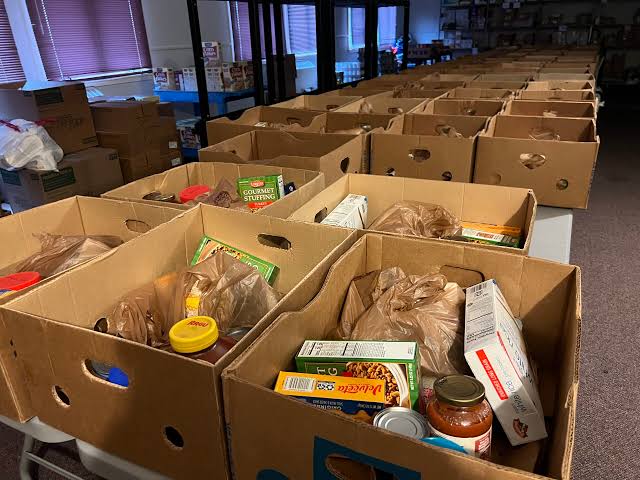
DUNLOW, W.Va. — In this small community in the hills of Wayne County, the shelves at the local food pantry have grown thin. During August, the pantry had only about 2.5 pounds of USDA food to hand out per household for the entire month, according to the volunteer leader overseeing it. A few years ago, that figure was closer to 20 pounds.
The decline reflects a combination of federal and state decisions, rising prices and a labor market that has offered few options for decades. Together, they have pushed families in Dunlow and nearby Matewan toward a hunger crisis that residents describe as unlike anything they have seen.
Two Programs, Two Blows
Dunlow has been hit particularly hard by changes to two separate efforts: the Supplemental Nutrition Assistance Program, known as SNAP, and a federal program that bought food for pantries.
The sweeping budget law Republicans pushed through Congress, branded the “One Big Beautiful Bill,” introduced new eligibility rules and work-reporting requirements for SNAP recipients. Supporters described the changes as a way to encourage employment. In rural coal country, however, the requirements have proven difficult to meet. Jobs are scarce, training programs are few, and many residents live far from the offices and employers that could help them document their hours or find qualifying work.
NBC News reported that roughly 24,000 West Virginians, including about 8,000 children, have lost food-stamp benefits since last summer. Those numbers cover the whole state rather than Dunlow or Matewan alone. Even so, local pantry operators say the effects are visible in their lines every week.
The second blow came from the elimination of a $400 million federal program that purchased food from local farmers and delivered it to food banks. The program served two purposes at once. It stocked pantries with fresh, healthy food, and it gave American growers a dependable buyer. With its end, food banks lost a major supply, and farmers lost a market. Many of those farmers are already under strain from tariffs and high diesel prices.
One regional food bank that supplies pantries across the area told NBC News that its federal food supply has dropped by one-third. For a pantry such as the one in Dunlow, that reduction translates directly into smaller boxes and shorter lists of available items.
State Funding Also Fell
Federal officials are not the only ones responsible for the shortfall. Separate reporting by Mountain State Spotlight found that the state’s allocation for food banks has fallen sharply, from $10 million a year under previous funding to $1.4 million in the current budget. That decline has left food banks with less money to purchase food on their own just as federal supplies have dried up.
Prices Squeeze Households
The timing could hardly be worse for families. Fuel costs and grocery prices have climbed, a trend tied in part to higher energy prices after the U.S. conflict with Iran. For households living on fixed incomes, disability payments or a few hours of irregular work, every added dollar at the gas pump or the checkout counter means less food on the table.
Rural residents often drive long distances to reach stores, doctors and workplaces, so higher gas prices act as a hidden tax on nearly every errand. Utility bills have followed the same upward path. Families forced to choose between paying for heat and buying groceries are turning to pantries in larger numbers at the very moment those pantries have less to give.
Unfulfilled Promises
Coal has defined life in this part of Appalachia for generations, and the decline of the industry has left deep scars: persistent child poverty, high rates of disability and an economy with few alternatives. During the 2024 campaign, the president promised to bring coal jobs back. Many residents say that promise has gone unfulfilled, leaving people who counted on those jobs to keep struggling. Congress then trimmed the safety net that remained.
The political landscape makes the situation especially striking. Wayne County gave the president 76 percent of its vote in 2024. The congresswoman representing the district, a Republican, voted in favor of the budget bill, and both of the state’s Republican senators supported it.
Voices From the Community
In interviews with NBC News, residents described the daily reality in plain terms. A retired school bus driver said she still feels affection for the president, though she admitted he has disappointed her. Without the food pantry, she said, she could not survive.
A 73-year-old resident said she has lost 20 pounds because she cannot afford enough to eat. She has begun relying on eggs from backyard chickens and on deer meat to fill the gaps. Others described neighbors sharing milk with one another and redistributing pantry supplies so that every household receives something, even if the portions are small.
Some residents expressed regret about their votes. Others said political leaders in Washington have broken promises and remain disconnected from the daily struggle to eat in places like Dunlow. That distance, as NBC News framed it, was a central theme of the reporting: a capital far removed from the communities feeling the consequences of its decisions.
West Virginia 211 helpline sees 1,680% increase in calls — mostly for food.
A Broader Rural Health Concern
Food is far from the only worry. Budget changes enacted in the same legislation include sweeping Medicaid reductions totaling $911 billion over the next 10 years, with $137 billion of that falling on rural America. As hospitals and clinics begin to close in small communities, the federal government has rushed to commit $50 billion in new rural health funding. That sum falls well short of the $87 billion shortfall, leaving a gap that rural providers say they cannot fill.
The issue surfaced this week in a television interview in which a reporter pressed the nation’s top Medicare and Medicaid official on the scale of the cuts. The official responded sharply, accusing the journalist of being “deliberately duplicitous” and offering little direct answer on the figures. Critics pointed to the exchange as an example of the gap between Washington’s talking points and the experiences of rural families.
The Administration’s Response
The White House has defended the changes. A spokesperson said the president is strengthening SNAP for Americans who need it by making the programs sustainable for future generations. According to the statement, the new rules allow the government to “crack down on waste, fraud and abuse.” Supporters of the law argue that tighter eligibility standards and work requirements protect taxpayer dollars and move people toward employment over the long term.
Critics counter that the rules pull food assistance away from people with limited ability to comply, including those in regions with few jobs, and that the cuts to food purchasing hurt both the hungry and the farmers supplying the food. Hunger-relief organizations say demand has grown while their supplies have contracted, an equation that cannot balance without new resources.
Waiting on Relief
For now, the people of Dunlow are leaning on one another. Volunteers continue to open the pantry doors, stretching limited stock across more households than ever. Neighbors trade eggs, milk and venison. Church groups and local charities fill small gaps, though none claim to replace what has been lost.
Whether state lawmakers restore food bank funding, whether federal officials revisit the SNAP rules or whether the coal-country job market improves remains uncertain. Until something changes, families in this corner of West Virginia face a winter of rising costs and shrinking help, with a pantry that has far less to offer than it did only a few years ago. The only relief they will see is if they get out and vote against this administration and the self-serving congress. But to end this on a good note for someone, Trumps net worth has increased nearly $5 Billion dollars in 21 months. While people who voted for him are starving.
-Tim Carmichael


Leave a Reply