• Appalachia’s Devastation Exposes the False Promise of Climate Havens

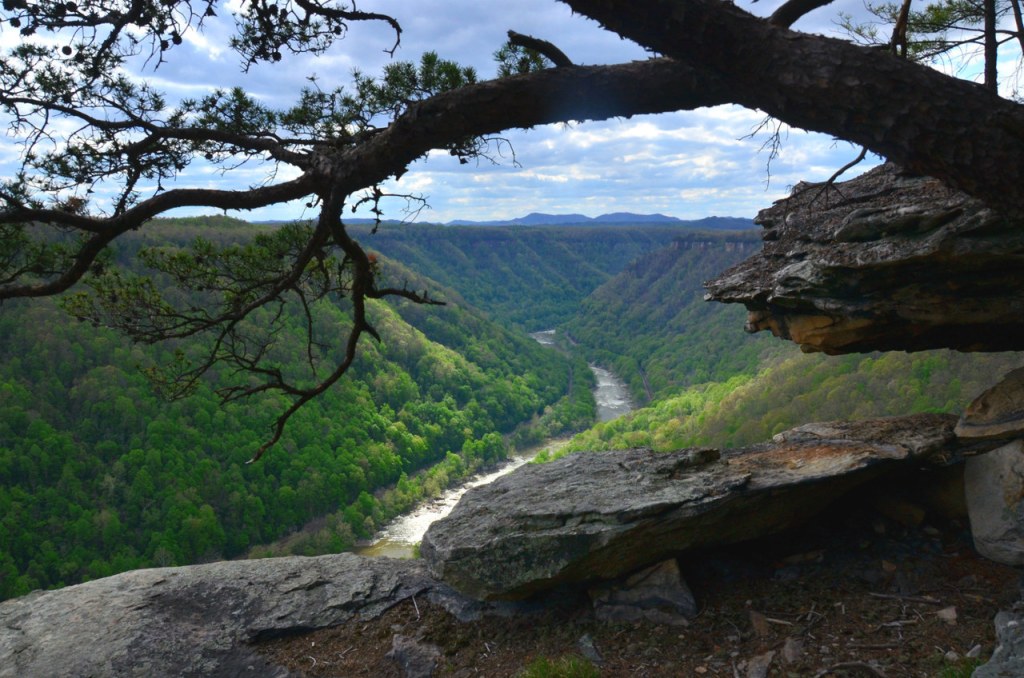
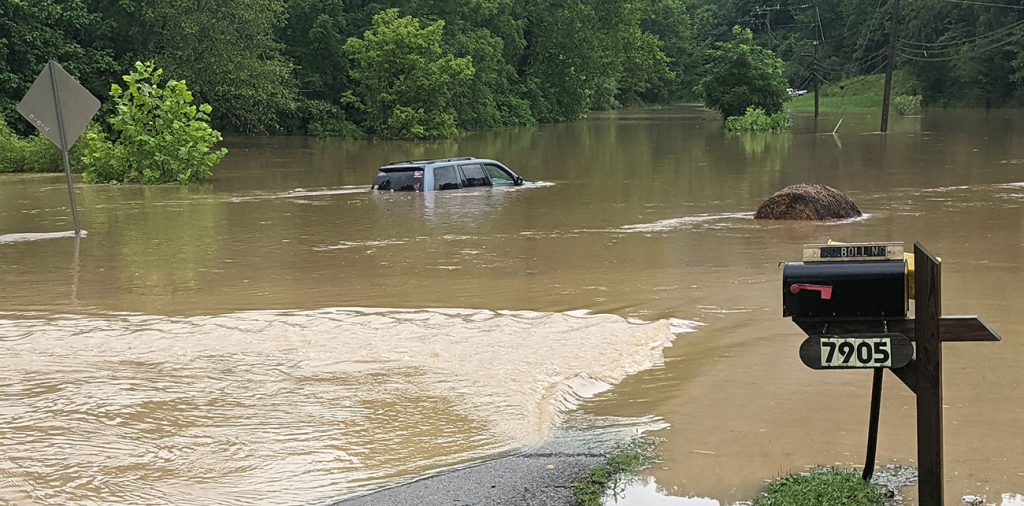
    The devastation left in the wake of Hurricane Helene has shattered the illusion that any place, no matter how isolated or seemingly untouched by modernity, can escape the ravages of climate change. Appalachia, a region often romanticized as a timeless refuge from the chaos of the world, has been thrust into the spotlight as a stark reminder that no corner of the planet is immune to the escalating impacts of a warming world. The idea of a “climate haven”—a place where one might flee to avoid the worst effects of climate change—has been exposed as a myth, and Appalachia’s recent suffering underscores this harsh reality.

    For generations, Appalachia has been portrayed as a place apart, a rugged and remote region where life moves slower, and the land seems eternal. Its rolling mountains, dense forests, and tight-knit communities have inspired countless stories of resilience and self-sufficiency. But this narrative, while compelling, has often obscured the vulnerabilities of a region that has long struggled with poverty, environmental degradation, and underinvestment in infrastructure. Hurricane Helene laid bare these vulnerabilities, revealing how ill-prepared Appalachia is to withstand the intensifying storms, floods, and landslides that climate change brings.

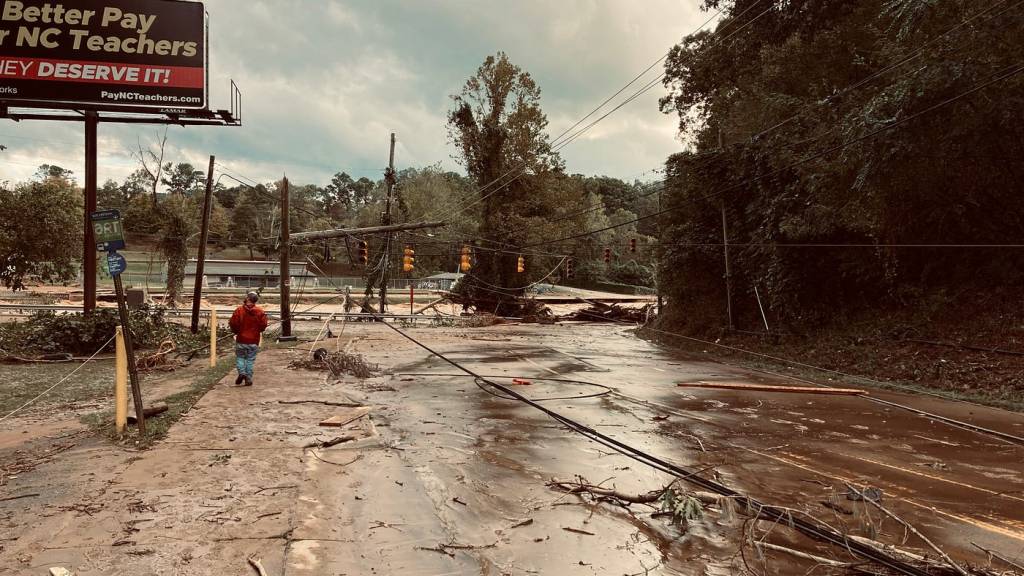
    The storm’s impact was catastrophic. Torrential rains triggered flash floods that swept away homes, roads, and bridges. Rivers swelled to record levels, inundating towns and cutting off entire communities. Landslides, fueled by the region’s steep terrain and saturated soil, buried neighborhoods under mud and debris. The human toll has been immense, with lives lost, families displaced, and communities left grappling with the enormity of rebuilding. For a region already burdened by economic hardship, the disaster has been a crushing blow.
    The notion that Appalachia could serve as a climate haven was always flawed. While the region’s elevation and cooler temperatures might seem to offer a buffer against rising global temperatures, its geography and infrastructure make it uniquely susceptible to extreme weather events. The mountains, often seen as a protective barrier, can amplify the effects of heavy rainfall, funneling water into narrow valleys and increasing the risk of flooding. Aging infrastructure, including roads and bridges built decades ago, is ill-equipped to handle the stresses of more frequent and severe storms. And the region’s reliance on coal and other extractive industries has left a legacy of environmental damage that exacerbates its vulnerability.

    The idea of a climate haven assumes that there is somewhere to run, a place where the impacts of climate change can be avoided. But as Hurricane Helene has shown, there is no such place. Climate change is a global crisis, and its effects are increasingly felt everywhere, from coastal cities to inland mountains. The storms, heatwaves, droughts, and wildfires that once seemed distant threats are now arriving with alarming regularity, upending lives and reshaping landscapes. Appalachia’s suffering is a microcosm of this broader reality, a reminder that no community, no matter how remote, is safe.
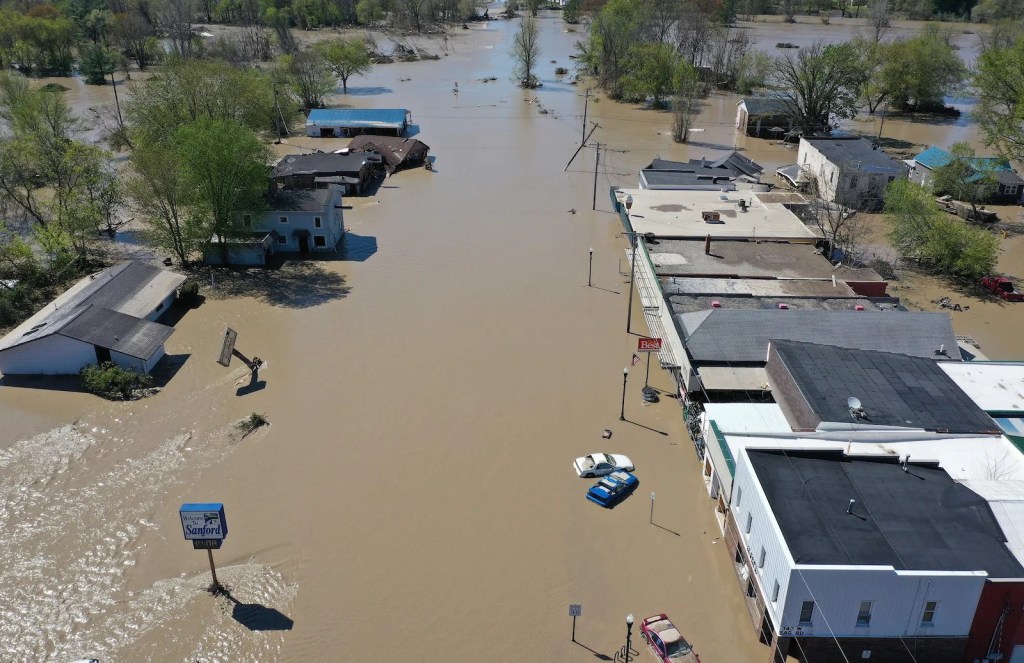
    The aftermath of Hurricane Helene also highlights the inequities that climate change exacerbates. Appalachia, like many other regions on the frontlines of the crisis, lacks the resources to adequately prepare for and respond to disasters. Federal and state aid, while crucial, often arrives too late or falls short of what is needed. The region’s residents, many of whom live paycheck to paycheck, face an uphill battle in rebuilding their lives. The storm has laid bare the deep disparities that determine who suffers most in the face of climate change and who has the means to recover.

    In the wake of this tragedy, there is an urgent need to rethink the way we talk about climate change and its impacts. The myth of the climate haven is not just misleading; it is dangerous. It fosters a false sense of security and distracts from the hard work of building resilience in every community. Appalachia’s experience with Hurricane Helene should serve as a wake-up call, a reminder that climate change is not a distant threat but a present reality. It demands action, not just in the form of disaster response, but in addressing the root causes of the crisis and investing in the infrastructure, resources, and policies needed to protect vulnerable communities.

    Appalachia’s a story of beauty, but it is also a cautionary tale. The region’s struggles in the face of Hurricane Helene underscore the need for a collective response to climate change, one that recognizes the interconnectedness of our fates and the urgency of the challenge before us. The myth of the climate haven has been shattered. What remains is the difficult but essential work of confronting the crisis head-on, wherever we are.

    -Tim Carmichael

  • Farmland Disappearing in Appalachia as Subdivisions Take Over

    Across Appalachia, once-vast stretches of farmland are vanishing, replaced by rows of houses and neatly paved streets. The rolling pastures that defined East Tennessee’s landscape for generations are now dotted with “For Sale” signs as developers snatch up land for new subdivisions at an alarming rate.

    According to the University of Tennessee’s annual economic report to the governor, the state lost 1.1 million acres of farmland between 1997 and 2017, averaging about 55,000 acres per year. Since 2017, that rate has accelerated dramatically, with Tennessee now losing approximately 86,000 acres of farmland annually. The rapid influx of new residents—many arriving from out of state with the ability to offer above-market prices—has further fueled the sell-off.

    Landowners, facing increasing property taxes and lucrative offers from developers, are cashing in. With home prices soaring across the country, many are selling their houses at premium rates elsewhere and relocating to East Tennessee, where they offer tens of thousands of dollars over asking prices, often in cash. This demand has made farmland an attractive commodity for developers eager to carve out space for the expanding population.

    But what happens when all the farmland is gone? The long-term consequences of this shift are raising concerns among local farmers and agricultural advocates. Once fertile land is paved over, it is nearly impossible to return it to farming. The loss of farmland threatens the region’s agricultural economy, reducing local food production and increasing reliance on imported goods. Additionally, the disappearance of green space affects the environment, impacting wildlife, water sources, and air quality.

    For many in Appalachia, the change is personal. Family farms that have been passed down for generations are vanishing, replaced by subdivisions with names that ironically reference the landscapes they erased—Whispering Meadows, Rolling Hills, and Maple Grove. With fewer young people staying in farming and rising costs making it harder to sustain agricultural operations, the pressure to sell is mounting.

    Some local and state efforts aim to slow the loss. Farmland preservation programs offer incentives for landowners to keep their properties in agricultural use. Conservation easements provide another option, permanently protecting farmland from development. But these measures struggle to compete against the skyrocketing land values and the immediate financial relief a sale can provide.

    As East Tennessee’s population continues to grow, the question remains: how much farmland is too much to lose? If the current trend continues, the future of Appalachia’s agricultural heritage may be at risk, leaving a landscape unrecognizable from the one that generations before once knew.

    -Tim Carmichael

  • The Story of Knoxville’s Dogwood Trails

    In the early 1960s, Knoxville was a city trying to find its footing. The country was changing, and so was the town. A group of residents had an idea: why not create something that would bring people together and show off the natural beauty of the area? They looked at the dogwood trees, which bloomed every spring in shades of pink and white, and thought they could build something around that.

    The Knoxville Garden Club took the lead. They reached out to local businesses, civic groups, and homeowners, asking for help to make the idea a reality. In 1961, the first Dogwood Trails were set up. The plan was simple: map out routes through neighborhoods where dogwood trees were already growing, and encourage homeowners along the way to plant more. The goal wasn’t just to create a pretty drive—it was to give people a reason to come together and take pride in their community.

    Homeowners got involved quickly. They planted dogwood trees, trimmed their gardens, and made sure their yards looked their best. When spring came, the trails were ready. People drove through the neighborhoods, stopping to admire the blooms and chat with the folks who lived there.

    The trails caught on fast. What started as a small project grew into something much bigger. More neighborhoods joined in, and the routes expanded. By the 1970s, the Dogwood Trails covered miles of Knoxville, winding through dozens of neighborhoods. The event became a spring tradition, something people looked forward to every year.

    Over time, the Dogwood Trails became more than just a scenic drive. They turned into a celebration of the city itself. Art shows, concerts, and other events were added to the mix, but the heart of it all stayed the same: the trails and the dogwoods that gave them their name.

    The trails also became a way for Knoxville to tell its story. They showed off the city’s neighborhoods, its history, and its people. For homeowners, it was a chance to share their pride in where they lived. For visitors, it was a way to see a side of Knoxville they might not have noticed otherwise.

    Today, the Dogwood Trails are still going strong. The routes stretch over 85 miles, passing through more than 60 neighborhoods. Every spring, when the dogwoods bloom, the trails come alive again. People drive through, walk through, and take in the sights. It’s a reminder of what can happen when people work together and take pride in where they live.

    The Dogwood Trails are also a reminder of how something simple can leave a lasting mark. Planting a tree, tending a garden, opening your yard to visitors—these small acts add up. Over the years, they’ve created something that’s become a part of Knoxville’s identity.

    For the people who live here, the trails are a way to connect with their neighbors and their city. For visitors, they’re a chance to see Knoxville at its best. And for everyone, they’re a reminder of the beauty that’s all around us, if we take the time to look.

    So, when the dogwoods bloom each spring, the trails come alive once more. They carry with them the stories of the people who helped make them what they are. It’s a story of neighbors, of nature, and of a city that found something special in a flower.

    -Tim Carmicahel

  • Growing Up in Appalachia’s Tobacco Country- Spring in Daddy’s Tobacco Fields

    I still feel it when the first warm days hit in February—that familiar pull to check the soil, to start thinking about turning ground. That’s how it was with tobacco. The calendar on our kitchen wall might have said winter, but Daddy’s mind was already on spring planting.

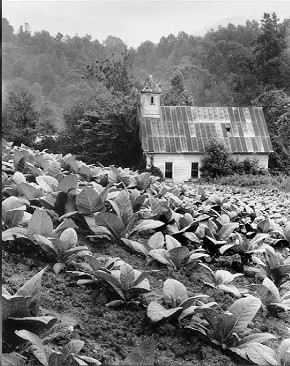
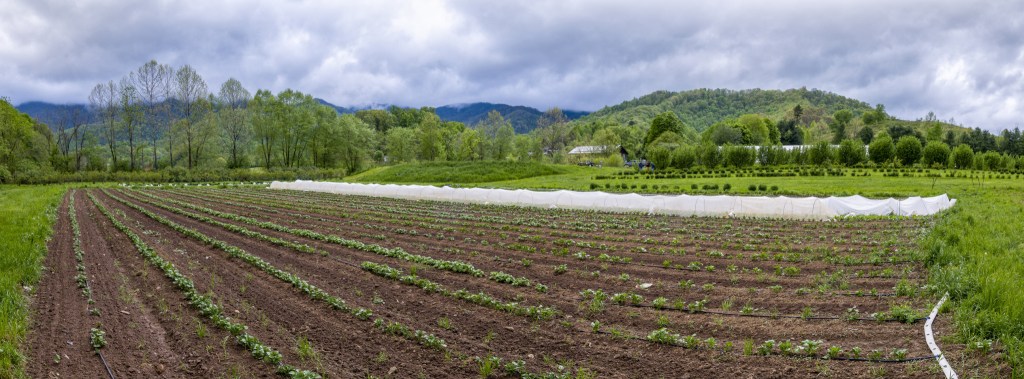
    This was one of our tobacco fields

    “Feel that?” Daddy would say, holding a handful of dirt as February’s cold began to break. “It’s nearly time.” I was too young to know what he felt in that soil, but I trusted him. In our part of Appalachia, tobacco wasn’t just a crop—it paid for everything from my school clothes to the lights staying on.

    Daddy started seeds in old wooden frames covered with plastic sheeting. He’d mix the soil just right, adding fertilizer he’d bought last fall when prices dropped. “Too much and you’ll burn ’em up, too little and they won’t have strength,” he’d tell us boys as we helped him fill the trays.

    Those seeds were tiny—almost like dust. I remember Daddy’s rough, cracked hands somehow becoming gentle as he scattered them across the soil. He’d water them with a fine mist, careful not to wash the seeds away or drown them. Then we’d wait.

    While the seeds sprouted, Daddy would be out with Old Dan, our plow horse. We didn’t have money for a tractor like some farmers. Every morning, Daddy would lead that big brown horse from the barn, talking to him low and easy. “Come on, Dan. Got work to do.” Old Dan knew the routine, patiently standing as Daddy hitched the plow.

    I can still see them moving across our fields—Daddy behind the plow handles, his shoulders straining, calling commands to Old Dan who pulled steady and strong. “Gee” to turn right, “Haw” to turn left. The work was slow and hard. What took other farmers a day with a tractor took Daddy three with Old Dan, but that horse was as much a part of our family as anyone.

    Sometimes Daddy would let me walk alongside, teaching me how to guide the horse. “Don’t yank on him. Dan knows what he’s doing better than you do,” he’d say. By day’s end, both Daddy and Old Dan would be covered in sweat, and the smell of freshly turned earth and horse filled the air. Those evenings, I’d help Daddy rub down Old Dan, feeding him extra oats for the hard work.

    By April, those dust-like seeds had become three-inch plants with bright green leaves. That’s when the real work started. With no mechanical transplanter, we set tobacco by hand. Daddy would use Old Dan to drag a special tool that made shallow furrows in the field. Then we’d follow behind—me, my brothers, and Mama—each carrying a bucket of water and an apron full of plants.

    I’d make a hole with my finger, set in a plant, pour a little water, and press the soil firm around it. Plant after plant, row after row, our backs bent under the spring sun. “Keep ’em straight,” Daddy would call. “And mind your spacing.” Each plant needed room to grow big leaves, and Daddy could spot an uneven row from clear across the field.

    We’d plant for days, often working until it was too dark to see. I’d fall into bed those nights, my fingers still feeling the motion of digging small holes in the dirt. Daddy would be up checking weather reports on our old radio, worried about a late frost that could kill everything we’d done.

    When frost threatened, we’d all scramble out of bed before dawn. “Everybody up!” Daddy would shout. We’d hurry to the fields with sheets of plastic to cover the young plants, weighing down the edges with dirt to trap the warmth inside. Those mornings, I’d see my breath in the air while my fingers went numb with cold. One bad frost could wipe out weeks of work.

    When we weren’t in school, Daddy put us to work hoeing weeds. He’d give each of us a row and expect it clean by dinner. “Weeds steal water and food from our backker,” he’d say. “Every one you miss is money out of our pockets.” On hot spring days, the sweat would roll down my back before I’d finished half a row. My brothers and I would compete to see who could work fastest, knowing Daddy was watching, judging our work with a farmer’s critical eye.

    Spring rains brought relief and worry. We needed the water, but too much could drown the plants or wash them out of the ground. Daddy would pace the porch during heavy storms, his face tight with worry. A single bad storm could wipe out months of work in minutes.

    By late spring, the plants would be knee-high, their leaves spreading wide. That’s when we started “topping” and “suckering”—breaking off the flower buds at the top and removing the small shoots that sprouted from the stalk. This made the plant put its energy into growing bigger leaves instead of making seeds.

    It was sticky, nasty work. The plant sap would coat our hands with a black goo that no amount of soap seemed to remove. We’d go to school with stained hands that smelled of green tobacco, a smell that marked farming kids from town kids.

    Spring in the tobacco fields taught me things no classroom ever could. I learned to read weather from the sky and how animals behaved. I learned that work doesn’t wait for you to feel like doing it. I learned that a family pulling together can make it through just about anything.

    Daddy never made much from tobacco—a few thousand dollars in a good year, barely enough to cover what we needed. But those spring days in the fields, working alongside him and Old Dan, showed me how he faced life—head-on, no complaining, just getting done what needed doing.

    Sometimes now, nearly 50 years later, when I smell freshly turned soil or hear the steady rhythm of hoofbeats, I’m right back there—a skinny kid with dirty hands, learning how to work tobacco, learning how to live from a daddy who’s no longer with us but whose lessons remain as firmly planted as those tobacco rows we once tended together.

    -Tim Carmichael

  • Poisoned Rivers, The Silent Crisis Flowing Through Appalachia’s Heart

    The Appalachian Mountains once supplied clean water that millions of people drank and that supported many different plants and animals. But over the years, factories, mines, and weak environmental rules have caused serious damage. Now, many streams and rivers in the region show signs of pollution, putting both wildlife and Appalachian communities at risk.

    The Impact of Coal Mining

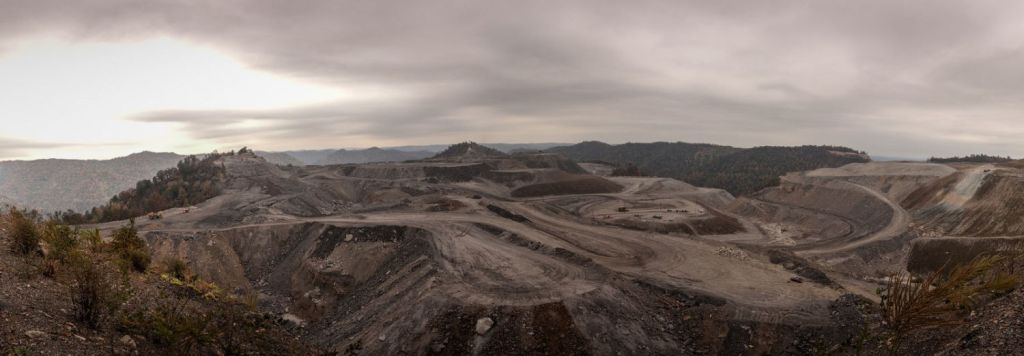
    Coal mining stands as one of the worst sources of water pollution across Appalachia. Mountaintop removal mining, which companies have used for decades, has wiped out whole mountainsides and dumped waste into streams, poisoning water that people depend on. The water that runs off these mining sites contains dangerous metals like arsenic, lead, and mercury – all known to cause serious health problems.

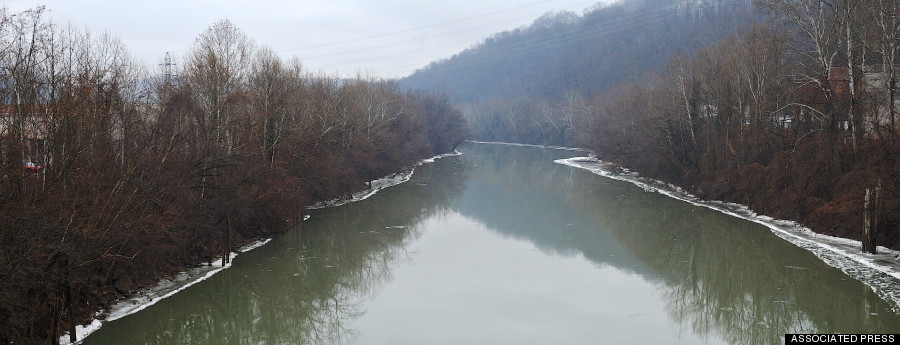
    Acid mine drainage creates another lasting problem. When rain falls on old, abandoned mines, it mixes with exposed minerals to form sulfuric acid. This acid pulls even more heavy metals out of the surrounding rock and carries them into nearby streams and rivers. You can spot these polluted waterways by their strange orange or red color – the water becomes so toxic that fish and other water creatures simply can’t live there.

    Chemical Spills and Industrial Waste

    Besides coal mining, factories and chemical plants have damaged Appalachian rivers and streams. When these facilities leak or spill, dangerous chemicals flow into waterways, making the water unsafe to drink or swim in. Some people have found their tap water smelling like chemicals or causing rashes after showering.

    A major disaster happened in 2014 when a storage tank leaked thousands of gallons of crude MCHM chemical into West Virginia’s Elk River. This accident left hundreds of thousands of people without clean water for days, showing just how quickly industrial pollution can cut off a community’s water supply.

    Agricultural Runoff and Wastewater Issues

    Farm and livestock operations cause a different kind of water pollution. When it rains, chemicals from fields – pesticides, weed killers, and fertilizers – wash into nearby streams and rivers. This triggers algae growth that uses up oxygen in the water and kills fish. At the same time, waste from large animal farms leaks into the ground, contaminating well water that rural families depend on with harmful bacteria like E. coli.

    Old sewage systems make things worse. Many small towns and country homes have outdated septic tanks or pipes that dump waste directly into waterways, adding bacteria and other pollutants to the water. With little money available to fix or replace these systems, the contamination keeps getting worse.

    Park Overall’s Fight for the Nolichucky River

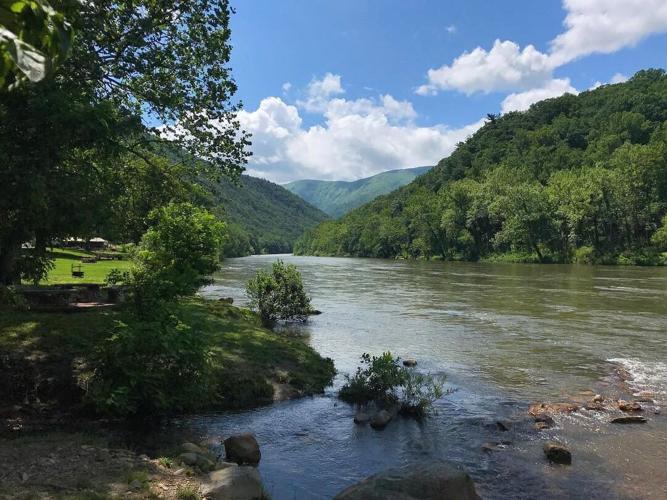
    My friend, Park Overall, environmental activist from East Tennessee, stands as one of Appalachia’s most vocal champions for clean water. She has spearheaded efforts against pollution in the Nolichucky River, a crucial waterway flowing through North Carolina and Tennessee.

    Throughout her years of advocacy, Overall has challenged industrial waste and agricultural runoff that threaten the Nolichucky. She has consistently opposed permits allowing pollution discharge into the river and worked diligently to ensure corporations take responsibility for environmental harm. Through a combination of public advocacy, protests, and legal challenges, she has heightened awareness about the river’s endangered status and pressed officials to implement and enforce more stringent environmental safeguards.

    Overall’s passionate activism highlights the Nolichucky River’s significance to Appalachian communities. As an essential resource for fishing, recreation, and drinking water, the river’s protection has become a rallying point, with Overall’s dedication inspiring many others to join the movement to preserve it from contamination.

    Recent Flooding and Its Impact on Appalachian Rivers

    The recent floods have made water pollution much worse, washing debris, sewage, chemicals, and trash into key rivers like the Nolichucky, Tennessee, and French Broad. Floodwaters have swept contaminants from old industrial sites, farm pesticides, and raw sewage from overloaded treatment systems into these waterways. This creates serious health risks for both wildlife and people who depend on these rivers.

    The rushing floodwaters have disturbed sediment holding pollutants that settled decades ago, releasing these harmful substances back into the rivers. People who count on these waterways for their drinking water, fishing spots, or outdoor activities now face growing dangers as toxin and bacteria levels have jumped dramatically in the aftermath of the floods.

    The Fight for Clean Water

    Under the new Trump administration, efforts are underway to roll back regulations protecting waterways. Despite these challenges from the White House, communities across Appalachia are mobilizing in response. Grassroots organizations and environmental advocates are demanding stronger regulations and more comprehensive cleanup initiatives. Legal action has been taken against mining companies found in violation of water protection standards, while several communities have focused on enhancing their water treatment infrastructure.

    Restoration projects continue to gain momentum. Environmental groups are planting trees along stream banks to naturally filter polluted runoff, working to rehabilitate wetland ecosystems to improve water quality, and actively lobbying legislators to enforce existing pollution control measures. Public education campaigns promote responsible land management and advocate for sustainable practices in both agricultural and industrial sectors.

    The Future of Appalachian Waterways

    The battle to clean up Appalachia’s water is nowhere near finished. If we don’t enforce environmental laws better and change to sustainable practices, pollution will keep harming our communities and natural areas. But Appalachian people have always stood strong against tough challenges. Protecting our rivers and streams is a fight worth taking on, and everyone needs to join in regardless of their political views. We must do this for our children and the future families that will call this place home when we are long gone.

    -Tim Carmichael


  • Morel Fever, Chasing Wild Gold in Appalachia

    Every spring, as the forest floor warms and life stirs beneath the leaf litter, a quiet frenzy builds across Appalachia. Not for buried treasure or rare gems, but for something equally valuable to those in the know: morel mushrooms.

    Hickory chickens. Molly moochers. Muggins. Each regional nickname a small nod to the cultural significance these fungi hold in mountain communities.

    Morel mushrooms are the undisputed royalty of Appalachian Spring foraging. Their distinctive honeycomb pattern and hollow stems make them among the most recognizable forest finds, yet they remain stubbornly difficult to spot amid the browns and greens of the awakening woods.

    Morels growing near a dying elm tree

    You can stare right at them and still not see them. Then suddenly your eyes adjust, and you realize you’re standing in a patch of them. It’s like they appear out of nowhere.

    This hide-and-seek quality has transformed morel hunting into something between a competitive sport and a spiritual practice. Devoted hunters guard their spots with near-religious secrecy, often taking the locations of particularly productive patches to their graves.

    For many Appalachian families, morel hunting is a tradition. Foragers learn which trees morels prefer and when to hunt (after warm spring rains), and—crucially—how to distinguish true morels from false morels and other potentially dangerous lookalikes.

    The culinary payoff for successfully finding morels matches the thrill of the hunt. Their earthy, nutty flavor contains subtle complexities that chefs have tried—and largely failed—to replicate with cultivated mushrooms.

    Traditional Appalachian preparation remains beautifully simple: morels sliced lengthwise, soaked briefly in saltwater to remove any insects, then dredged in flour and fried in butter until crisp and golden. Some add cornmeal to the dredge; others insist butter is the only acceptable fat for cooking them.

    My granny used to take us foraging in the spring for these tasty treats. She would make tinctures out of them, plus she would fry them up in a pan of butter. She would also take and fry up some ramps and morels, that was sooo good!

    As morel hunting has grown beyond regional tradition into mainstream foodie culture, some worry about sustainability. Unlike picking berries or apples, harvesting mushrooms doesn’t damage the organism itself—the morel’s main body exists as an underground network of mycelium. Still, over-harvesting before spores are released could potentially impact future crops.

    Most experienced foragers follow simple conservation practices: using mesh bags that allow spores to drop as you walk, leaving smaller mushrooms to mature, and never taking all specimens from a single area.

    For all their culinary appeal, morels come with important cautions. While true morels are safely edible when cooked, they have toxic lookalikes—particularly false morels (Gyromitra species)—that can cause severe illness or worse.

    You’ve got to know exactly what you’re picking. No guessing. The differences between true and false morels aren’t that complicated once you learn them, but they matter life and death.

    Key identification points for true morels include their completely hollow stems and caps, with pits that connect directly to the stem rather than hanging free like a skirt.

    Perhaps most importantly, they offer a reason to venture into spring woods just as the natural world reawakens. The hunt itself becomes a form of mindfulness, requiring careful attention to subtle patterns, light, and landscape.

    Even when you don’t find a single morel, a day spent looking for them is never wasted. You notice everything else along the way—the first wildflowers, returning birds, fresh bear tracks. The morels are just an excuse to pay attention.

    -Tim Carmichael
  • Ramps, A Taste of Appalachia’s Spring

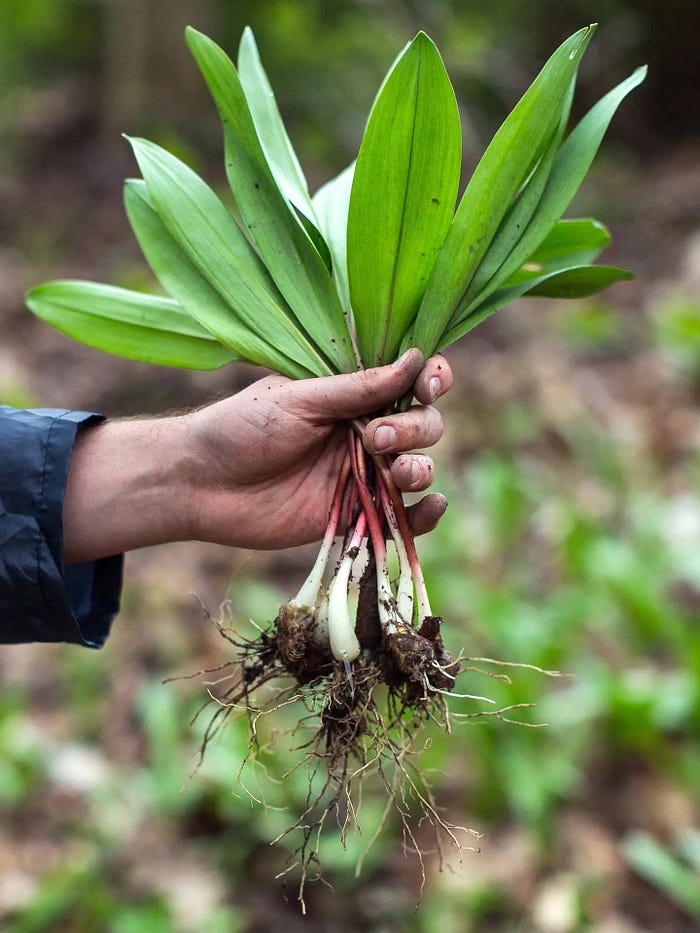
    It’s ramp season in Appalachia, and if you know, you know. Ramps are wild onions but calling them that doesn’t do them justice. They’re stronger than any onion or garlic you’ve ever tasted, with broad green leaves and a slender bulb that grows close to the ground. They’re one of the first green things to break through the cold dirt in early spring, and for a lot of folks around here, they’re a sign that winters finally done.

    When I was a kid, ramp season was something we looked forward to every year. My mama would grab her iron skillet, a sack of taters, and herd us kids up to the woods where the ramps grew. We’d find a spot near our patch, clear a little space, and she’d start a small fire. While the skillet heated up, we’d help her dig up the ramps, careful not to take too many from one spot so they’d come back the next year.

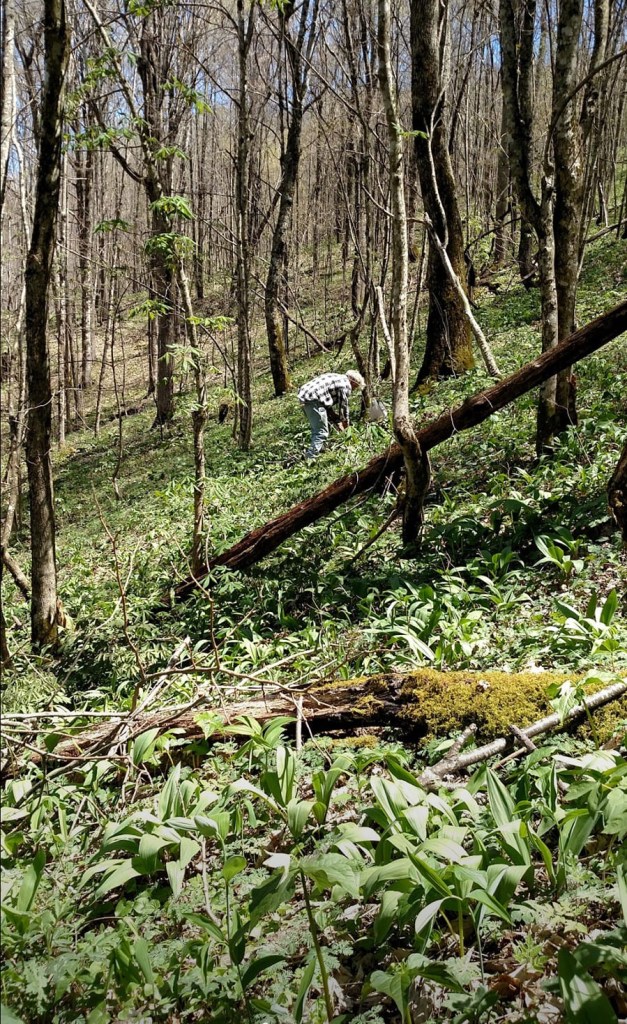
    The picture above is Daddy digging ramps in our family ramp patch

    Mama fried up those taters and ramps. She’d slice the taters thin, toss them in the skillet with a bit of bacon grease, and add the ramps—chopped bulbs and all. The smell alone was enough to make your mouth water. We’d sit there in the woods, plates balanced on our knees, eating straight from the skillet.

    Now, ramps have a reputation, and it’s not just because of how good they taste. They’re pungent. I mean, really pungent. I remember when we’d eat them for supper and go to school the next day. The smell would cling to us, sharp and unmistakable. The teachers always made us sit in the hallway because the scent was so strong. We didn’t mind, though. It was a badge of honor, in a way. Everyone knew you’d had ramps, and if they were from around here, they understood and had the same smell.

    Even now, all these years later, I still love ramps. My brother brings me a mess of them every season. He’s even taken to pickling them, which is a whole other level of delicious. Pickled ramps are tangy, sharp, and perfect on a biscuit or alongside a plate of beans.

    If you’ve never tried ramps, you’re missing out on one of the most unique flavors Appalachia has to offer. And if you have, you know exactly why they’re worth celebrating.

    So here’s to ramp season—to the smell of them cooking, to the memories they bring back, and to the taste of spring in the Appalachian Mountains. Just maybe don’t eat them before going to work or school unless you’re ready to own that stink.

    -Tim Carmichael

  • The Birth of an American Icon- Rock City’s Remarkable Journey Begins

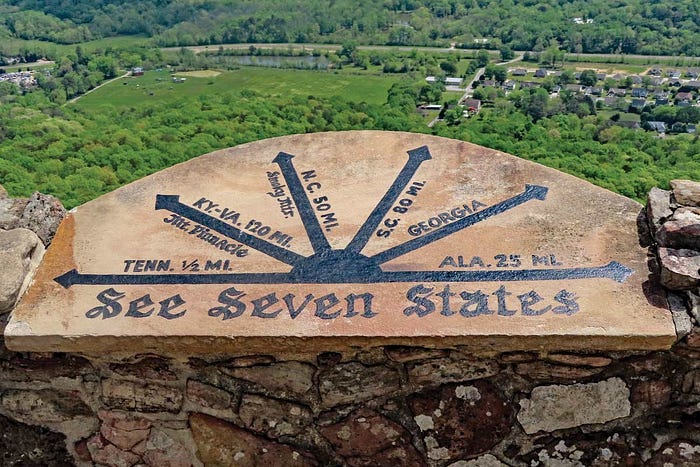
    In the spring of 1932, atop the majestic Lookout Mountain at the Georgia-Tennessee border, a unique attraction quietly opened its gates to the public for the first time. Few could have predicted that this natural wonder, transformed by vision and entrepreneurship, would evolve into one of the South’s most enduring tourist destinations.

    The story of Rock City begins long before its commercial opening. In 1823, missionary Daniel S. Butrick documented his discovery of what he described as a “citadel of rocks” — an extraordinary natural formation where massive boulders created what appeared to be “streets and lanes” along the mountain ridge. This geological marvel quickly earned the nickname “Rock City” from adventurous travelers who braved the difficult terrain to witness its splendor.

    However, it wasn’t until the 1920s that Garnet and Frieda Carter recognized the untapped potential of this natural wonder. The husband-and-wife team owned property on Lookout Mountain, and while Garnet focused on developing a residential community called Fairyland, Frieda turned her attention to the wild, boulder-strewn landscape nearby.

    For four years, Frieda devoted herself to creating accessible pathways through the rugged terrain. With remarkable determination, she ventured into the wilderness daily, unspooling string behind her to mark potential trails. Her creative touch transformed the natural setting into an enchanted garden, incorporating elements from European folklore by strategically placing her collection of German gnome figurines throughout the property.

    Roadside America

    When Rock City Gardens officially welcomed its first visitors in 1932, the attraction faced significant challenges. Its remote mountaintop location, miles from any major highway, meant that initial attendance was modest at best. The Great Depression further complicated their business prospects, as few Americans had disposable income for recreational activities.

    Faced with these obstacles, Garnet Carter conceived what would become one of the most brilliant marketing strategies of the 20th century. He hired sign painter Clark Byers to travel across the American countryside with an unusual proposal for farmers: free barn painting in exchange for advertising space. The simple yet compelling message “See Rock City” would be emblazoned across barn roofs in bold, unmistakable letters.

    This grassroots marketing campaign grew exponentially over the following three decades. Byers and his crew ultimately painted nearly 900 barns across multiple states, stretching from Michigan to Texas, with strategic concentration along routes commonly traveled by Northern “snowbirds” heading to Florida. These distinctive black and white messages became an integral part of the American landscape, creating curiosity and awareness far beyond what traditional advertising could accomplish.

    Roadside America

    The innovative barn campaign succeeded beyond the Carters’ wildest expectations. What began as a modest garden attraction in the depths of the Depression transformed into a thriving enterprise that now welcomes over half a million visitors annually.

    Rock City’s 1932 opening marked not just the beginning of a tourist attraction, but the birth of a distinctly American landmark — one where natural beauty, entrepreneurial spirit, and creative marketing combined to create something truly extraordinary that continues to captivate visitors nearly a century later.

    -Tim Carmichael
  • Bloody Breathitt: The Murder That Shook Appalachia

    Breathitt County, Kentucky, is a place with a complicated history. By the early 1900s, it had earned the nickname “Bloody Breathitt” for its reputation of violence, political corruption, and feuds. In 1903, the murder of James B. Marcum, a lawyer who challenged the powerful, became a defining moment in the county’s story.

    This is not just a tale of a killing. It’s a look at how one murder revealed the deep cracks in a community ruled by fear and power.

    A Lawyer Who Took Risks

    James B. Marcum was a defense attorney in Jackson, Kentucky, the seat of Breathitt County. In a place where political factions settled disputes with guns, Marcum stood out. He represented clients who opposed the Hargis family, a powerful political group that controlled much of the county. The Hargis faction was known for using violence to maintain its grip, and Marcum’s work made him a target.

    At the time, Breathitt County was in the middle of a violent feud between the Hargis and Cockrell families. Shootings and assassinations were common, and the courthouse in Jackson was often the backdrop for bloodshed. Marcum knew the risks but continued to take on cases that others wouldn’t touch.

    The Killing on the Courthouse Steps

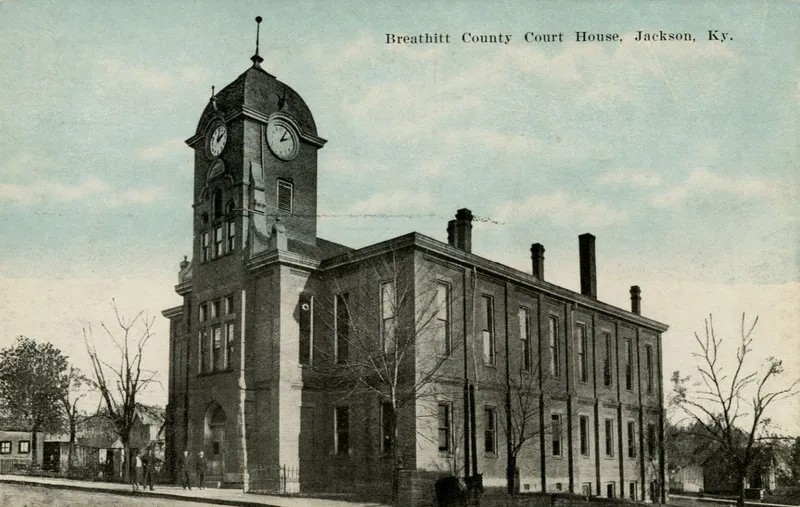
    On May 4, 1903, Marcum was walking up the steps of the Breathitt County courthouse when two men, Curtis Jett and Tom White, opened fire. Marcum was shot multiple times and died on the spot. The shooters escaped into the crowd, leaving behind a scene of chaos and fear.

    Jett and White were known enforcers for the Hargis faction. Their attack in broad daylight sent a clear message: challenging the powerful came with deadly consequences.

    Library of Congress

    A Trial That Failed to Deliver Justice

    The murder of James Marcum shocked the community, but the trial that followed exposed the corruption that ran deep in Breathitt County. Witnesses who had seen the shooting either changed their stories or refused to testify. The defense argued that Marcum had provoked the attack, a claim that didn’t hold up to scrutiny but played well to a jury likely influenced by fear.

    In the end, Jett and White were acquitted. The verdict was less about the evidence and more about the power dynamics in the county. The Hargis faction had won again, and the message was clear: crossing them was a death sentence.

    The Aftermath

    Marcum’s murder didn’t end the violence in Breathitt County. If anything, it reinforced the county’s reputation as a place where justice was hard to come by. The feuds continued, and the name “Bloody Breathitt” stuck.

    But over time, the killing of James Marcum became a symbol of the lawlessness that once defined the region. It drew national attention to the corruption and violence in Breathitt County, and eventually, the feuds began to fade.

    A Legacy That Lingers

    Today, Breathitt County is a quieter place. The courthouse where Marcum was killed still stands, a reminder of a darker time. For those who know the history, it’s a stark example of what happens when power goes unchecked, and justice is out of reach.

    The story of James Marcum isn’t just about a murder. It’s about a community’s struggle with its own demons and the slow, difficult path toward change.

    -Tim Carmichael

  • True Story: The Appalachian Murder Mystery That Haunts Rainbow Valley

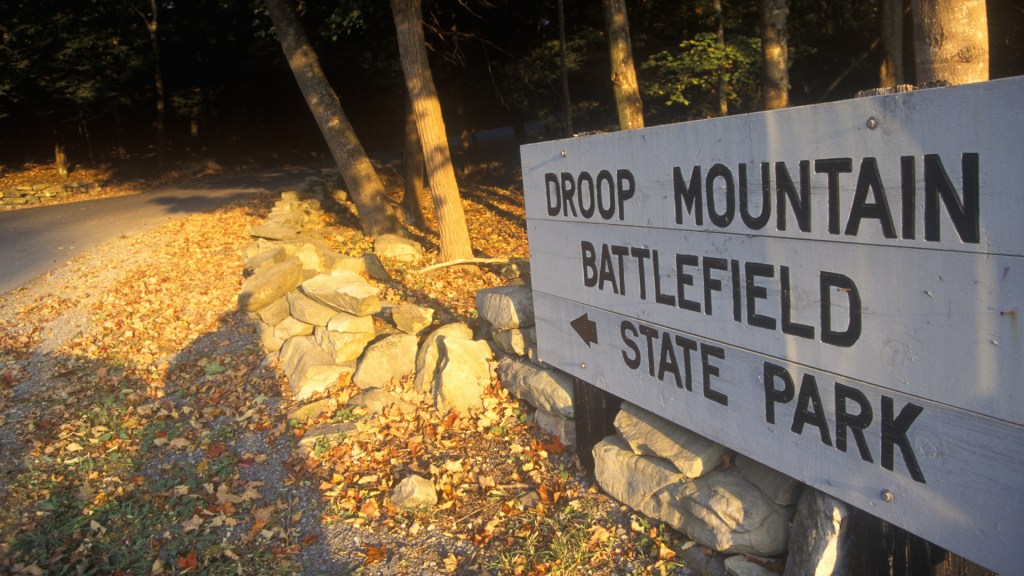
    On a summer evening in June 1980, what appeared at first glance to be a couple sharing an intimate moment in West Virginia’s Droop Mountain Park turned out to be a gruesome discovery. A college student stumbled upon the bodies of two women—Vicki Durian (26) and Nancy Santomero (19)—who had been shot at close range and abandoned in a secluded clearing. Medical examiners confirmed neither victim had been sexually assaulted.

    The two women had departed from Iowa City earlier that month with plans to attend the Rainbow Gathering, a counterculture peace festival taking place in Monongahela National Forest. They chose to hitchhike their way there but never reached their destination. These killings, which became known as the “Rainbow Murders,” cast a shadow of fear and suspicion over the local community that persists to this day.

    A third traveler, Liz Johndrow, had been journeying with Durian and Santomero but separated from them at a Virginia truck stop the day before the murders. She later explained that an inexplicable feeling of unease prompted her decision to change course, along with news that her father was getting married that weekend. Now in her fifties, Johndrow remembers Durian (whom she knew as “Bright Star”) as a warm, instantly friendly person, while describing Santomero as more serious but curious and adventurous.

    Despite thousands attending the Rainbow Gathering, investigators focused on local suspects due to the remote location of the crime scene. The case went cold until 1982 when Jacob Beard, a 36-year-old farmer from the area, drew attention after making several calls to Durian’s parents. Beard claimed he had become preoccupied with the murders after reading a newspaper article about the anniversary of the case. During these calls, one of which was recorded by authorities, he criticized local law enforcement and suggested the FBI should take over the investigation.

    Nearly ten years after the killings, in April 1992, Beard and six other local men faced murder charges. Two co-defendants initially identified Beard as the shooter, but accusations of police misconduct during questioning emerged at a pre-trial hearing. Authorities subsequently dropped all charges but later reindicted five men, eventually pursuing charges only against Beard.

    The case took an unexpected turn when Joseph Paul Franklin—a convicted serial killer notorious for shooting and paralyzing Hustler magazine publisher Larry Flynt—confessed to the Rainbow Murders in 1984. Franklin later recanted his confession and refused further discussion about the case. The trial judge deemed Franklin’s statement unreliable and prevented its introduction as evidence.

    In June 1993, a jury found Beard guilty and sentenced him to life imprisonment without parole. His attorneys continued to fight, presenting both Franklin’s original confession and new testimony placing Beard elsewhere on the day of the murders. In January 1999, the court overturned his conviction and ordered a new trial, which resulted in Beard’s acquittal in May 2000. He later received a $2 million settlement for wrongful conviction.

    Many believe the Rainbow Murders case will never be truly solved. The investigation was complicated by apparent friction between local sheriff’s deputies and state police. After more than four decades, this tragic crime continues to haunt the rural Appalachian community where it occurred, leaving lasting trauma not only for the victims’ families but also for locals who were accused, those who investigated the case, and their families.

    -Tim Carmichael