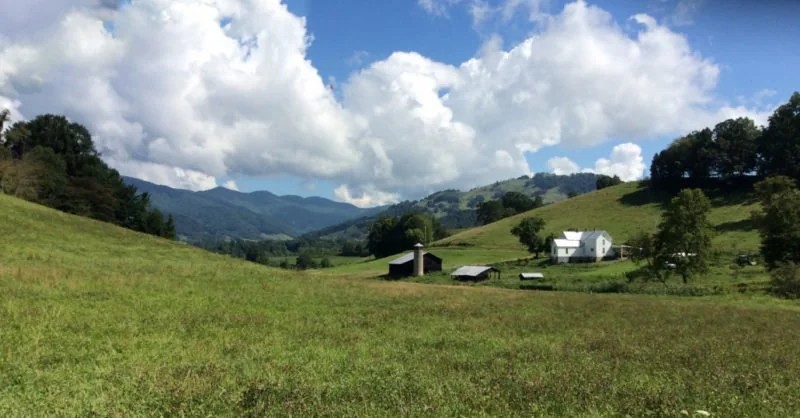
The fight started after somebody called the county over a rooster.
By the end of the month, code enforcement trucks had driven through the neighborhood three times. One complaint mentioned noise before sunrise. Another focused on flies. A third claimed a compost pile and chicken feed were dragging down nearby property values.
The subdivision sits outside a small town in Appalachia, surrounded by hills where families have raised livestock, canned vegetables, hunted deer, and burned brush for generations. A decade ago, most of the land nearby held trailers, pasture, and gardens. Current conditions look different. New subdivisions have spread across old farmland. Remote workers and retirees from larger cities have poured into the region searching for cheaper land, mountain views, and a slower pace of life.
Current tensions reveal what happens when newcomers arrive chasing the image of rural life while rejecting the realities attached to it.
Across parts of Tennessee, North Carolina, and Kentucky, disputes over backyard chickens, livestock, gardening, burn piles, and farm equipment have become increasingly common as migration into Appalachia continues. County meetings once dominated by road repairs and flooding concerns now regularly erupt into arguments over roosters, goats, manure, and what qualifies as an acceptable use of private property.
Many longtime residents see the complaints as cultural arrogance carried in from suburban America.
“They move next to farmland and then act shocked over farm sounds,” said one resident during a recent zoning meeting that drew a standing-room-only crowd. “These mountains fed families long before gated subdivisions showed up.”
For newer residents, the issue often comes down to expectations. Many bought homes advertised as peaceful mountain properties with scenic views and quiet surroundings. Some now say nearby homesteading operations have changed daily life through noise, odor, smoke, roaming animals, and insect problems.
One homeowner described sitting through warm evenings while listening to roosters and smelling compost drifting across the fence line. Another said buyers backed out of a home sale after seeing chicken coops and feed barrels on adjacent lots.
That argument carries little sympathy among many Appalachian residents whose families worked the land for generations.
In rural communities across the region, chickens scratching through the yard and gardens growing beside the porch never counted as unusual. Livestock trailers parked near the road, dogs barking through the night, smoke drifting from burn barrels, and tractors running before daylight formed part of everyday life long before real estate developers began marketing “mountain living” to out-of-state buyers.
Current disputes expose a deeper resentment simmering beneath the region’s population boom.
Housing prices have climbed sharply across many Appalachian counties as outside buyers continue purchasing land and second homes. Local residents increasingly accuse newcomers of trying to reshape rural communities into suburban neighborhoods governed through HOA-style expectations and constant complaints to county officials.
Local governments now sit directly in the middle of the conflict.
Many zoning laws across Appalachia were written decades ago, during a time when farming communities and residential developments remained more clearly separated. Current growth has blurred those lines. Small subdivisions now sit beside active farmland and family homesteads, leaving county offices flooded with calls over chickens, livestock fencing, odors, drainage, and noise.
Some counties have considered tighter restrictions on backyard animals and composting. Those proposals have triggered fierce backlash from residents who see the rules as an attack on rural culture itself.
To many families in Appalachia, raising food carries meaning far beyond a hobby. It represents survival, tradition, and independence who survived hard winters, layoffs, floods, mine closures, and poverty through whatever they could grow or raise themselves.
For others arriving in the region, property ownership means something different: peace, cleanliness, quiet, and protection of home value.
Neither side appears willing to give ground.
And across Appalachia, a sharper question continues hanging over county meetings and neighborhood disputes: when people move into farming country, should the culture bend for newcomers — or should newcomers accept the place they chose to enter?
-Tim Carmichael

 Echoes of Appalachia
Leave a comment