• God’s Country or Man’s Cage? Inside the Silent Rise of Christian Nationalism in Rural Appalachia

    Drive through the small towns of eastern Kentucky, southern West Virginia or any part of Appalachia and the first thing that stands out is not the poverty or the abandoned factories. It is the churches. White wooden chapels rise beside highways, revival tents appear near fairgrounds, and hand-painted signs along the road promise salvation. Faith is everywhere, shaping daily life, community decisions, and political identity. Across this landscape, a form of belief known as Christian nationalism has taken hold, binding religion and politics into a single language of belonging.

    In many Appalachian communities, the church is the last institution still standing. The mines have closed, the unions have vanished, and local businesses struggle to survive. Where factories once defined social life, congregations now do. Pastors lead not only worship but also community aid programs, food drives, and town meetings. Through the church, residents find structure in a world that often feels unsteady. Within that structure, a new idea has gained power: the conviction that America was created as a Christian nation and must return to that purpose.

    The rise of Christian nationalism in Appalachia cannot be separated from decades of economic decline. The disappearance of industry left more than unemployment. It eroded confidence in government, education, and national institutions. Many residents came to believe that the nation itself had turned away from their values. When a preacher speaks of moral decay or lost virtue, listeners recognize the pattern. They see it in their empty schools, in the fading main streets, and in the absence of opportunity for their children. The message of spiritual warfare feels real because the losses around them are real.

    Evangelical Christianity in Appalachia has always thrived on personal experience and emotional connection. The sermons are direct, the worship is intimate, and the emphasis is on transformation through faith. Over time, this religious culture has blended with political rhetoric that defines America as a divine project under siege. In the words of many pastors, believers must defend the nation from corruption, secularism, and outside influence. The boundary between spiritual duty and political mission becomes thin.

    For many residents, this union of belief and patriotism brings comfort. It offers meaning when material progress feels impossible. It promises that hardship carries purpose and that God rewards loyalty. Christian nationalism turns loss into mission and converts despair into strength. A person who once felt powerless now feels chosen.

    The political impact of this transformation reaches far beyond church walls. Candidates who appeal to Christian identity find enthusiastic audiences across the region. Campaign rallies often resemble revival meetings, filled with prayer, song, and patriotic display. Supporters speak of voting as an act of faith, not a matter of policy. For them, politics becomes a stage for redemption rather than debate.

    To many outside observers, this merging of religion and politics seems dangerous. Yet within these communities, it feels like restoration. When government programs fail and markets disappear, faith fills the gap. The church becomes both moral authority and social safety net. In the absence of economic progress, spiritual power becomes the only form of control people can claim for themselves.

    The question that divides scholars and residents alike is whether this faith stabilizes or restrains. On one side, religion sustains community. It feeds the poor, comforts the sick, and binds neighbors together. On the other side, the same faith can silence dissent. In some towns, disagreement with a pastor’s political message carries social risk. Speaking out can mean isolation. The community that once united through worship can fracture through ideology.

    Sociologists describe how Christian nationalism thrives where institutional collapse runs deepest. When schools lack funding and health care is scarce, religion fills the space left behind. It offers explanation where politics fails to deliver solutions. In sermons, economic hardship becomes a moral trial. Addiction and poverty become signs of spiritual conflict rather than policy failure. This framework comforts believers while diverting anger away from structural causes. The narrative shifts from injustice to divine testing.

    Over the past decade, rural counties across Appalachia have voted overwhelmingly for candidates who frame their platforms in religious terms. To many voters, these campaigns speak directly to identity. They affirm that traditional values still define the nation. They offer recognition to people who feel invisible to urban elites. The slogan of national rebirth mirrors the promise of personal salvation that has long shaped evangelical preaching.

    Critics who dismiss this movement as ignorance overlook the emotional and cultural depth behind it. The rise of Christian nationalism expresses a longing for stability. It is an attempt to protect dignity in places where economic power has vanished. For many, it feels less like rebellion than survival. The cross and the flag together represent endurance.

    Still, voices of resistance continue within the region. Some pastors reject political alignment altogether, insisting that faith must remain separate from ideology. They remind their congregations that the gospel commands love of neighbor, including those who differ in belief or background. Others turn their churches into community centers focused on recovery programs, education, and poverty relief. These leaders see religion as a means of renewal through service rather than control. Their message competes quietly against the louder calls for cultural warfare.

    The shift toward Christian nationalism rarely occurs through confrontation. It develops gradually. A Sunday school teacher mentions patriotism as a moral virtue. A Bible study group discusses news stories framed as evidence of national sin. A pastor calls for prayer over an election, describing it as a battle between righteousness and corruption. Each small step feels harmless. Over time, a worldview forms in which civic loyalty and divine obedience become indistinguishable.

    Young people raised in this environment face a difficult choice. Many love their communities and respect the faith traditions they inherited, yet they feel uneasy with the political message that now surrounds them. Some leave for cities and do not return, taking education and new ideas with them. Others remain but keep their doubts private to preserve family harmony. A smaller group works to reform from within, urging their churches to focus on compassion, service, and forgiveness rather than confrontation. Whether they succeed may determine the region’s spiritual direction in the years ahead.

    Understanding this movement requires seeing beyond caricature. The image of armed extremists or fiery preachers tells only part of the story. In truth, Christian nationalism in Appalachia grows from a landscape of broken promises. It is the product of cultural isolation, economic neglect, and the deep human need for meaning. The sermon replaces the union hall. The Bible verse takes the place of the political speech. Faith becomes the vocabulary of both grief and defiance.

    The moral tension within this transformation remains unresolved. Religion in Appalachia continues to hold communities together while also drawing new lines of division. It provides comfort to those who struggle, yet it can discourage the questioning that leads to change. For every grandmother who runs a food pantry in her church basement, there is a preacher who warns that compromise equals sin. Between them lies the region’s ongoing struggle to define what faith means in a fractured nation.

    Whether religion serves as freedom or restraint depends on who wields it. In the hands of those who use it to uplift, it heals wounds left by neglect. In the hands of those who seek to rule through fear, it becomes a cage that confines thought and suppresses dissent. The story of Christian nationalism in Appalachia is therefore a story of power how it is gained, how it is used, and how people learn to live within it.

    For many in these hills, faith remains the last piece of certainty in a world that continues to change without their consent. The future will reveal whether that faith can become a bridge toward renewal or remain a fortress against it.

    -Tim Carmichael

  • Are Appalachian Superstitions Real or Made Up?

    In the foggy hollers and ridges of the Appalachian Mountains, folklore lingers like smoke from an old woodstove. Stories echo through hollows, warnings are whispered along front porches, and traditions are carried from one generation to the next. Many who grow up in this region hear sayings and practices that sound curious to outsiders. Some of these beliefs involve signs from nature, others connect to death or fortune, and many revolve around respect for forces that feel greater than human understanding. The question that arises is whether these superstitions carry any real truth or if they stem only from imagination and fear. Exploring the roots of Appalachian culture reveals why so many of these superstitions endure and whether they can be considered real in any meaningful sense.

    The Appalachian Mountains hold a unique cultural heritage shaped by isolation, migration, and survival. Families who settled in these valleys and slopes often lived far from towns, churches, and doctors. With distance came a need to rely on intuition and wisdom passed down orally. Folklore filled the gaps where formal knowledge could not reach. For early settlers, a crow calling at dawn or a dog howling at midnight might serve as an omen, warning of something that ordinary senses failed to detect. To label these beliefs as inventions dismisses the conditions that gave rise to them. In many cases, superstition was less about irrational fear and more about navigating an unpredictable world.

    One famous Appalachian superstition involves signs of death. For instance, if a whip-poor-will sings near a home at night, many believe it signals that someone close will pass away. Another common belief states that dreaming of teeth falling out foretells death in the family. Skeptics argue that these associations exist only because people remember when the coincidence happens and forget when nothing follows. Yet for those who grew up in the region, these signs carry emotional weight. They act as reminders of mortality and community bonds. Whether or not a whip-poor-will has any real connection to death, the effect it has on people is undeniable.

    Another area where Appalachian superstition thrives is in the realm of health and healing. Old-time remedies often intertwine with signs and rituals. For example, some believe that carrying a buckeye in the pocket wards off rheumatism. Others claim that warts can be cured by rubbing them with a penny and then burying the coin in the ground. While modern medicine may dismiss such practices, the psychological effect of believing in a cure can produce real improvement. Placebo effects are recognized even by science, which complicates the notion of what it means for something to be “real.” A superstition that eases pain or provides comfort accomplishes a genuine purpose, even if the mechanism is not biological.

    The natural environment of Appalachia also shaped many superstitions. The mountains create a sense of mystery, with sudden fogs, dense forests, and eerie sounds echoing across valleys. People came to see nature as alive with signs. A ring around the moon might predict rain. The way smoke rises from a chimney might hint at fair or stormy weather. Before access to meteorological reports, such observations carried great value. Over generations, these weather signs blended with mystical thinking, forming superstitions that still circulate today. While not every sign holds accuracy, some derive from careful observation. For example, animal behavior can indeed change with approaching storms, and rings around the moon do result from ice crystals that form before certain weather systems. This suggests that many so-called superstitions evolved from kernels of practical knowledge.

    Dreams also play a large role in Appalachian folklore. Many believe that dreams contain warnings or messages from beyond. Dreaming of snakes might indicate betrayal, while dreaming of water could signal an upcoming birth. In communities where communication with the spiritual world was woven into daily life, dreams became a bridge between the seen and unseen. The science of dreams remains an open field, and while no definitive evidence proves they predict the future, their influence on decision-making is real. Families who interpret dreams as guidance often live with a heightened sense of meaning in their experiences. For them, dreams function as tools for understanding life’s mysteries.

    A question worth exploring is why these superstitions continue in modern times, long after science has explained many natural events. One reason lies in identity. Appalachia has long been portrayed by outsiders in ways that feel dismissive or mocking. Holding on to traditions, including superstitions, becomes an act of cultural preservation. To pass down sayings about owls, cats, or moon phases is to honor ancestors who survived hardship with little beyond their wits and faith. Even when younger generations may laugh at some of these beliefs, repeating them keeps alive a thread of continuity with the past.

    Another reason for persistence is that superstitions provide comfort in uncertain situations. Life in the mountains has never been easy. Work in coal mines, fields, or timber carried risks. Illness could strike when medical care remained distant. Superstitions offered a sense of control, however small. Believing that turning a broom upside down keeps unwanted guests from staying too long or that carrying a rabbit’s foot brings good fortune provides psychological security. While modern science may classify these actions as meaningless, the emotional relief they provide is undeniably real.

    Skeptics often frame superstition as an enemy of rational thought. From this perspective, belief in omens or charms hinders progress. Yet this viewpoint overlooks the broader role of storytelling in human life. Myths, legends, and superstitions all serve to encode cultural memory. They offer explanations when none seem available and guide behavior when choices feel unclear. In Appalachia, superstition merges with storytelling to produce a distinct way of interpreting the world. Whether a crow signals death or a penny cures a wart matters less than the fact that these beliefs foster a shared narrative. Through them, communities strengthen bonds and maintain resilience.

    There is also the question of whether modern science fully displaces older systems of thought. Even outside Appalachia, millions follow traditions such as horoscopes, lucky numbers, or charms for protection. While many admit they hold no literal power, they continue to use them. In this sense, superstition is not limited to mountain culture. It represents a universal human tendency to search for meaning and to see connections between events. The difference lies only in the details shaped by geography and history. Appalachian superstitions are expressions of this universal impulse, filtered through the experiences of isolated mountain life.

    Some researchers have noted that Appalachian superstitions also reveal the blending of cultural influences. Scotch-Irish settlers brought beliefs rooted in European folklore. African traditions, carried by enslaved people, contributed practices such as charms and rootwork. Native American knowledge of plants and spirits left a lasting mark as well. The result is a tapestry of superstition that cannot be dismissed as random invention. Instead, it represents centuries of cultural exchange, survival, and adaptation. Each saying, charm, or ritual carries echoes of distant homelands and hard-earned wisdom.

    So, are Appalachian superstitions real? The answer depends on how one defines reality. If reality is measured only by scientific evidence, then many of these beliefs fail the test. Owls calling at night do not cause death, pennies do not chemically dissolve warts, and carrying a rabbit’s foot has no direct impact on fortune. Yet if reality includes psychological influence, cultural continuity, and social bonding, then these superstitions hold tremendous truth. They affect behavior, shape communities, and give meaning to events that might otherwise feel random. In that sense, they are as real as any ritual, tradition, or symbol in human history.

    Furthermore, labeling these superstitions as made up oversimplifies their origins. They grew from observation, necessity, and creativity. They adapted to landscapes and hardships. They reflected human attempts to explain mysteries of life, death, and weather. Even when proven inaccurate by modern knowledge, they remain part of the fabric of Appalachian identity. To dismiss them as mere invention erases the ingenuity and resilience of those who carried them forward.

    In conclusion, Appalachian superstitions stand at the intersection of myth, culture, and survival. Whether predicting weather, guiding health, or warning of death, they reveal how humans interpret the unknown. To ask whether they are real or made up may be the wrong question. They are real in the sense that they shape lives and endure through generations. They are made up only in the sense that all cultural symbols are created by human imagination. In the end, Appalachian superstitions remind us that reality extends beyond scientific proof. It includes the stories we tell, the rituals we keep, and the meanings we pass on. Within that broader view, they remain as real as the mountains themselves, standing timeless against the horizon.

    -Tim Carmichael

  • Backcountry Backpacking the Lakeshore Trail in the Smoky Mountains: A True Test of Grit

    For those who love the Smoky Mountains, the call of the backcountry is irresistible. Winding footpaths, hidden campsites, and the promise of solitude all pull hikers deep into the heart of one of the most beloved national parks in the country. Among the network of more than 900 miles of official trails, a handful stand out as true tests of endurance and patience. The Lakeshore Trail is one of them.

    I’m currently working toward joining the “900 Miler Club,” an informal but respected community of hikers who have completed every trail in Great Smoky Mountains National Park. Fewer than 900 people are known to have accomplished it. With just about 150 miles left, I’ve seen the highs and lows of what this park has to offer. But I can honestly say the Lakeshore Trail is one of the toughest hikes I’ve ever tackled, despite the books and blogs that paint it as “the easiest long trail in the Smokies.” Let me be clear: this trail will kick your butt. I don’t care who says it will not.

    Overview of the Lakeshore Trail

    The Lakeshore Trail stretches roughly 33 miles point-to-point, starting near the infamous “Road to Nowhere” tunnel outside of Bryson City, North Carolina, and ending at Fontana Dam. On paper, the description sounds manageable: rolling terrain, access to water, campsites along the way, and a route that parallels Fontana Lake. Many descriptions present it as an “easy long-distance hike,” perfect for trail runners, section hikers, and backpackers.

    But the truth on the ground tells a different story. The Lakeshore Trail is less maintained than many other routes in the park. It’s remote, underused, and full of obstacles. For casual hikers who wander a mile or two past the tunnel and then turn back, the trail might feel like a pleasant stroll. But for those who attempt the entire route, especially with overnight packs, it quickly transforms into a grueling test of stamina, navigation, and mental toughness.

    Constant Elevation Changes: The Smokies’ Rollercoaster

    If you picture a lakeside walk with gentle terrain, think again. The Lakeshore Trail is a relentless series of ups and downs. Flat stretches are rare, and every time you get a reprieve, you can be sure another climb or descent is waiting around the bend. These aren’t long, dramatic ascents like you might find on the Appalachian Trail, but the accumulation of short, steep climbs drains your energy over the miles.

    By the time you’re deep into day two, the constant elevation shifts take a toll on knees, ankles, and hips. Even experienced hikers accustomed to long days in the mountains will find themselves humbled. Personally, I’ve hiked from Springer Mountain, Georgia, to the Grayson Highlands of Virginia on the Appalachian Trail—a challenging stretch in its own right—and I still felt more beat up after three days on the Lakeshore Trail.

    Navigation and Trail Markings

    Another factor that makes the Lakeshore Trail more difficult than advertised is its poor signage and overgrown conditions. Unlike the Appalachian Trail or other well-marked routes, this one demands close attention to maps, GPS, or guidebooks. Junctions can be confusing, and spurs that count toward the 900 Miler Club add mileage and complexity.

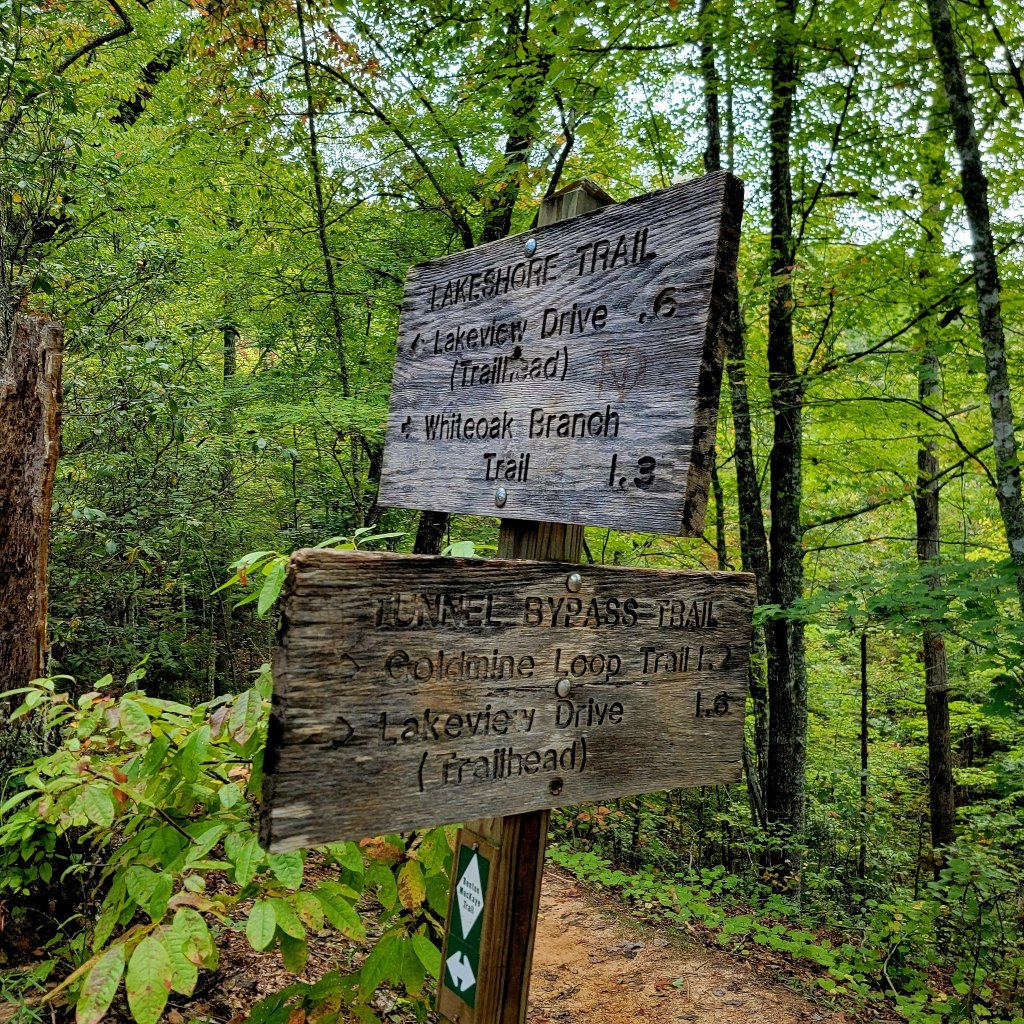
    In places, you’ll find yourself questioning whether you’re even still on the right path. Blowdowns—massive fallen trees—often obscure the route entirely. Some of these trees are so large you have to take off your pack just to crawl over them, while others force you into an awkward limbo beneath their trunks. Add in slippery acorns scattered like marbles across the ground, and it feels more like an obstacle course than a maintained hiking trail. There are very few signs like the ones below.

    Wildlife and Wilderness Encounters

    One of the saving graces of the Lakeshore Trail is its wild, remote beauty. The trail meanders through quiet forests, across creeks, and near sections of the shoreline that few people ever see. Solitude is almost guaranteed; on my trip, we saw only three other hikers over three days.

    Wildlife sightings are frequent. Birds, deer, and small mammals are common companions. Near Campsite 81, signs of wild boars—rooted earth and torn-up patches of ground—become evident. Luckily, we never encountered one face to face, but their presence was unmistakable. In this isolated stretch of backcountry, you’re reminded that you’re a guest in a truly wild environment.

    Water and Campsites

    Water sources are plentiful along the route, but as always in the Smokies, a filter or purifier is essential. Streams and creeks provide reliable refills, but hikers should never drink untreated water here.

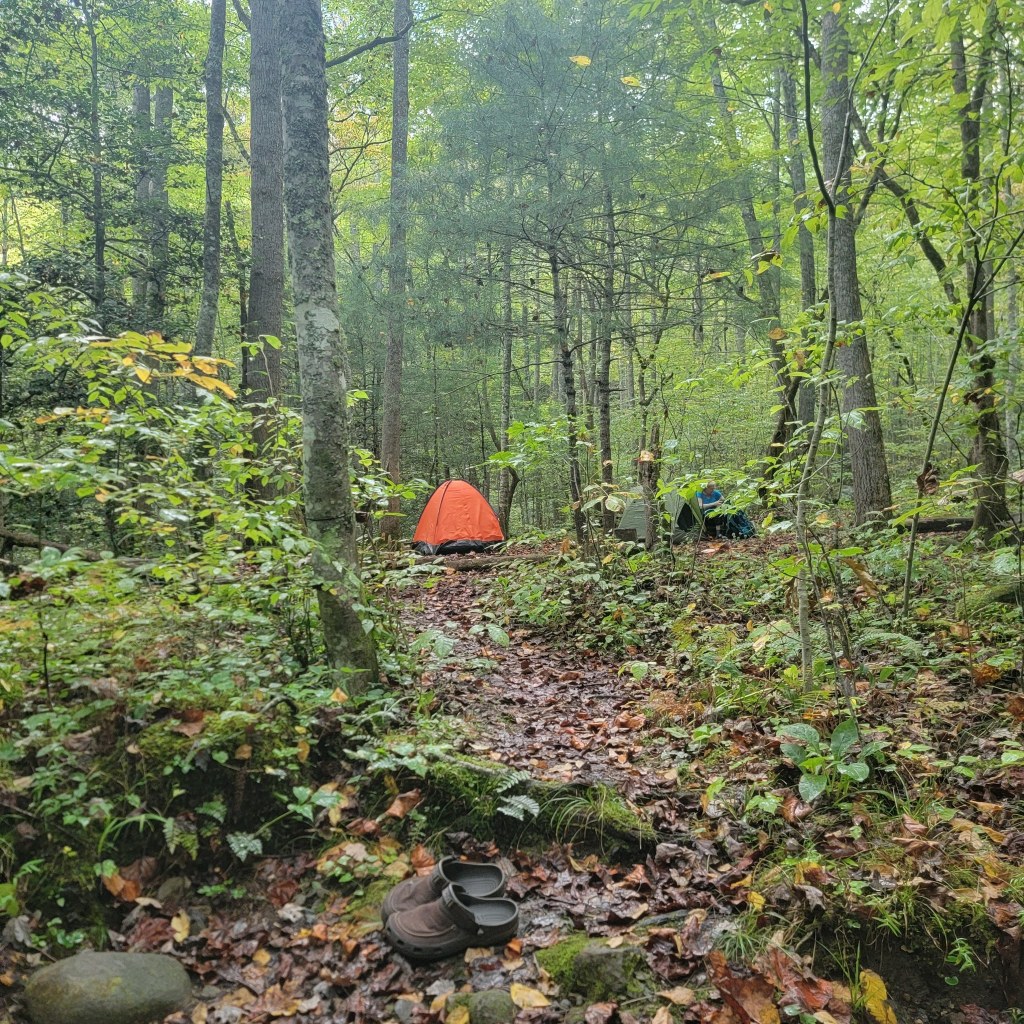
    Campsites, on the other hand, are a mixed bag. Many of the designated backcountry sites along Lakeshore Trail are overgrown and rugged. Don’t expect manicured tent pads or easy fire rings. This is rough camping at its core. You’ll want a solid backcountry setup, including multiple ways to start a fire—because most of the wood is damp and reluctant to burn.

    Permits are required for all backcountry camping in the Smokies, so be sure to reserve your sites in advance. The remoteness of the trail means you’ll likely have your campsite all to yourself, which is both a blessing and a challenge.

    Unexpected Challenges: Chiggers, Acorns, and Fatigue

    One of the harshest lessons I learned on the Lakeshore Trail was just how relentless the small challenges could be. Acorns underfoot made every descent feel like skating on marbles. Fallen trees forced repeated pack-off maneuvers. And the damp wood made building a campfire an exercise in frustration.

    But the worst by far was the onslaught of chiggers. After more than 15 years of hiking and backpacking, I’ve never had bites like I did after this trip. These tiny pests are easily overlooked in planning, but once you’ve been through the Lakeshore Trail in summer, you’ll never forget them.

    Combine these nuisances with the constant climbs and poor trail maintenance, and the fatigue sets in fast. By the end of our hike, I felt more physically punished than on any other multi-day trek I’ve ever attempted.

    The Distance Debate: Is It Really 33 Miles?

    Officially, the Lakeshore Trail is listed as 33 miles long. But if you’ve hiked it, you may find yourself questioning that figure. My own calculations suggested it was much longer, especially when factoring in spur trails that must be completed to count the Lakeshore toward the 900 Miler Club.

    This discrepancy adds to the sense of unpredictability. Just when you think you’re making progress, you realize you’ve got extra miles to cover. Mentally, it can be draining, and it’s another reason this trail shouldn’t be underestimated.

    The Road to Nowhere and Fontana Dam

    One of the quirks of the Lakeshore Trail is its starting point: the Road to Nowhere tunnel outside of Bryson City. This abandoned project from the 1940s has become both a curiosity and a trailhead. Many day hikers walk through the tunnel and onto the first mile or two of the trail, enjoying an easy out-and-back stroll before returning.

    At the other end of the trail lies Fontana Dam, a striking and historic structure that serves as a gateway for Appalachian Trail thru-hikers. Connecting these two landmarks gives the Lakeshore Trail a sense of continuity, linking modern history with wild backcountry.

    Who Should Attempt the Lakeshore Trail?

    Given all this, who is the Lakeshore Trail really for? The answer is: experienced backpackers prepared for adversity. This is not the place for beginners or casual hikers to attempt a first multi-day trek.

    If you’re used to rough conditions, can handle route-finding, and thrive in solitude, then this trail offers a rewarding challenge. The isolation is profound, the scenery is untouched, and the sense of accomplishment is immense. But you must prepare for obstacles, discomfort, and unpredictability.

    Preparation Tips for the Lakeshore Trail

    If you’re considering tackling the Lakeshore Trail, here are some hard-earned lessons:

    • Navigation Tools: Carry a detailed map, GPS, and compass. Don’t rely on signage.
    • Fire Starting: Bring at least three methods of ignition; the wood is damp and stubborn.
    • Bug Protection: Chiggers are fierce. Long pants, permethrin-treated clothing, and repellents are highly recommended.
    • Footwear: Sturdy boots with excellent traction are essential—acorns and slick ground make for treacherous footing.
    • Water Treatment: A reliable filter or purifier is a must.
    • Pack Management: Be ready to remove and re-don your pack frequently to climb over blowdowns.
    • Mental Readiness: Know that this hike will be harder than it looks on paper. Patience and persistence are your greatest allies.

    Final Thoughts: A Trail That Demands Respect

    The Lakeshore Trail is not the “easy Smokies hike” that some resources claim. It’s a bruising, humbling journey that tests even seasoned hikers. Yet for those willing to endure the obstacles, it’s also an unforgettable experience.

    Solitude, wildlife, rugged wilderness, and the satisfaction of conquering one of the park’s longest and most misunderstood trails await. Just go into it with eyes wide open, respect for the backcountry, and the preparation to survive whatever the Lakeshore throws your way.

    For me, this trail was a reminder that the Smokies still have wild, untamed corners where hikers can feel truly tested. As I edge closer to completing all 900 miles, the Lakeshore Trail stands out as one of the hardest and most memorable sections of the journey.

    -Tim Carmichael

  • Leave the Hellbender Alone- A Call to Protect Appalachia’s Giant Salamander

    In the cold, rocky streams of the Appalachian Mountains lives one of the most mysterious and ancient creatures in North America: the hellbender salamander. Few people have ever seen one in the wild, yet the legend of this remarkable animal has grown in the mountain communities for centuries. Known for its enormous size, with adults reaching lengths of up to two and a half feet, the hellbender holds a presence that feels almost prehistoric. With wrinkled, flabby skin, a broad head, and a flattened body designed for moving under boulders, it gives an impression of something primeval, a living remnant of a world far older than ours. Its size alone makes it the largest salamander in North America, a title that has carried both admiration and harm. Too often, fascination has led people to harass the animal in the very waters it depends on to survive.

    I have lived my entire life in the Appalachian Mountains. I have crossed many miles of streams and creeks hiking in the Smoky Mountains, and in over fifty years of living here, I have only seen two hellbenders. That illustrates the rarity of encountering one in the wild. Their elusiveness adds to their allure and to the responsibility of leaving them undisturbed.

    The Appalachian range has long been a safe home for hellbenders. These salamanders require cold, clean, oxygen rich streams with abundant rocks and stable gravel beds. Their skin allows them to absorb oxygen directly from the water, so their survival depends on pristine conditions. For this reason, the Appalachian Mountains with their network of shaded creeks, tumbling streams, and remote valleys provide an ideal refuge. Unfortunately, what once felt like endless habitat has shrunk dramatically. Logging, agriculture, mining, and construction have muddied countless streams with silt and pollution. Without clear flowing water, hellbenders cannot breathe properly, cannot hunt crayfish effectively, and cannot raise their young. The result has been a steep decline across their range.

    Despite this alarming trend, people continue to disturb the hellbender, often through actions that may seem harmless at first glance. One common activity is the moving of rocks in creeks. Families, hikers, and anglers often shift boulders to build dams or to flip them while searching for crayfish, insects, or even the salamanders themselves. For a creature that depends on the shelter of heavy stones to avoid predators and regulate body temperature, this intrusion can be devastating. When a rock is pried up and left out of place, the hidden chambers that once offered protection collapse or remain open to currents. Eggs may be exposed to silt, and adults may lose the few hiding spots that exist in a stretch of water. To the person turning the rock, it might feel like play, yet to the salamander it is a home destroyed.

    Even more troubling is the pursuit of hellbenders by those who seek to capture or kill them. Folklore has long painted the animal in strange colors, sometimes as a monstrous presence in the creek, sometimes as a source of luck or a challenge to catch. In certain communities, stories of children or adults hunting for “devil dogs” or “snot otters,” as the hellbender has been called, have persisted. People lift rocks, wade through cold pools, and chase a glimpse of the wrinkled creature sliding beneath the gravel. Too many end up pulling them from the water, either out of curiosity or the desire to prove they found one. These actions almost always harm the salamander. Their sensitive skin tears easily when handled, and stress can lead to long term decline or death. Some have even been killed outright by those who fear them or mistake them for venomous animals. In truth, hellbenders are harmless. They neither bite aggressively nor pose danger to people. They ask for nothing more than to be left in peace.

    What makes this harassment even more tragic is the rarity of an encounter. Even in streams where hellbenders still survive, they remain elusive. Their habits are secretive, with most of the day spent hidden under rocks or wedged in crevices. Night brings a slow emergence to search for crayfish, worms, or small fish, yet even then they slip quietly through the current. Many biologists have worked for years in Appalachian waters and only seen a handful. For the casual visitor to a creek, the chances of encountering one naturally are slim. My own experience illustrates this perfectly. Even after decades of exploring and hiking these mountains, seeing a hellbender occurs only as a fleeting glimpse. This rarity should make the few sightings even more precious, a moment to marvel and move on, rather than an invitation to capture or disturb.

    Despite appearances, the hellbender is a fragile species. The same skin that allows it to breathe also exposes it to pollution and disease. Agricultural runoff filled with fertilizers and pesticides poisons the water. Sediment from development fills the gaps between rocks, smothering eggs and reducing oxygen flow. Rising temperatures warm the shallow creeks, limiting how far the salamanders can live upstream. Dams block the natural flow of rivers, isolating populations that once exchanged genes across long stretches. All of this has led scientists to describe the species as highly imperiled. While it has not disappeared entirely from Appalachia, its decline is so stark that many streams where locals once remembered seeing them are now silent of their presence. To say the hellbender is extinct in much of its former habitat is sadly accurate.

    The irony is that many people pursue the animal precisely because it feels so rare. In a culture fascinated by what remains hidden, the hellbender has become a prize to uncover. Anglers share stories of lifting boulders until one slithered out, hikers brag of catching sight of a massive salamander in a shaded pool, and thrill seekers talk of grabbing one with bare hands. All of this reflects human fascination with discovery, yet it overlooks the damage done. Every rock turned, every body touched, every photograph taken while holding one above the water robs the salamander of safety. What seems like an innocent encounter may reduce an already fragile population further.

    In truth, the hellbender has already chosen its home wisely. The Appalachian Mountains, with their mix of hardwood forests and mountain streams, have sheltered this creature for thousands of years. They thrive in water shaded by overhanging trees, cooled by mountain springs, and fed by rains that tumble across mossy rocks. They seek the darkest crevices beneath stones, carving out dens where males guard eggs with patient dedication. This is where they belong, and where they wish to remain. The salamander is not a visitor to Appalachia, it is a resident far older than the generations of people who now hike its trails and fish its streams.

    When people walk through these mountains, they are stepping into a landscape that already holds a delicate balance. Moving rocks for fun or exploration may feel like a small act yet multiplied across thousands of visitors it dismantles the very foundation of the hellbender’s existence. Hunting for them, whether with nets or hands, robs future generations of the chance to know they still swim in those waters. Even photography, when it involves removing them from the stream, carries harm. To honor Appalachia is to honor the creatures that shaped it long before human arrival.

    There is also an ethical weight to this issue. To disturb a creature so rare, so dependent on fragile conditions, for the sake of curiosity or bragging rights, reflects more on human behavior than on the salamander. Respect for wildness demands restraint. The true reward of encountering a hellbender lies in the quiet knowledge that they still endure, hidden in the cold waters, unseen yet alive. To leave them undisturbed is to participate in their survival. Every untouched rock, every moment of restraint, is an act of conservation.

    For those who wish to help rather than harm, the path is clear. Keep streams clean by supporting practices that reduce pollution and erosion. Encourage education in local communities so that children grow up seeing the hellbender as a treasure worth protecting rather than a curiosity to capture. Participate in conservation programs that restore habitats, plant streamside trees, and monitor water quality. Most importantly, when near a creek in Appalachia, resist the urge to disturb rocks or creatures. Listen to the water, watch the ripples, and know that beneath the surface may rest a salamander whose survival depends on your decision to walk away.

    The story of the hellbender is a reminder of how easily fascination can slip into harm. It is also a story of endurance. Despite centuries of change, this giant salamander still clings to life in the mountain streams. Its presence is a living connection to an older world, one that predates roads, towns, and even the concept of Appalachia as we know it. To allow it to fade away would be to lose a vital part of the region’s heritage.

    So, the call is simple: leave the hellbender alone. Let it remain a hidden guardian of the Appalachian waters; an ancient resident whose wrinkled skin and secretive life add mystery to the creeks. In a time when so many species vanish due to human interference, restraint becomes an act of respect. The greatest way to honor the hellbender is to walk past the stream, let the rocks lie, and remember that some wonders thrive only when left unseen.

    -Tim Carmichael

  • Rising Health Costs and the Rural Struggle in Appalachia, Tariffs, Medicaid Cuts, and the Future of Care

    Potential tariffs on pharmaceuticals and medical devices are expected to ripple through every corner of the healthcare system. Drug prices, insurance premiums, and medical supply costs will likely climb nationwide. For rural regions, the impact could be far more severe. Communities across the Appalachian Mountains already carry disproportionate health and economic challenges, and additional burdens may push the system past a breaking point. When paired with proposed Medicaid cuts, the outlook becomes even more troubling.


    A Landscape Already in Distress

    The Appalachian region has long faced deep rooted struggles related to health and poverty. Rates of chronic illness exceed national averages, with heart disease, diabetes, cancer, and substance use disorders striking families across generations. Many communities also have higher concentrations of elderly residents who require consistent, often complex medical care. Poverty rates remain stubbornly high, leaving households vulnerable to even modest increases in costs.

    When considering how tariffs on pharmaceuticals and devices might alter the equation, the consequences extend beyond individual patients. They reach into hospitals, insurance markets, and local economies, threatening to worsen existing disparities. Medicaid cuts add another layer of fragility, stripping away resources at the very moment when families and providers will need them most.


    Higher Drug Prices and the Threat of Shortages

    Generic medications account for nearly nine out of ten prescriptions in the United States. These drugs serve as lifelines for families managing chronic illness at a manageable cost. Yet the generic market operates on thin margins. If tariffs raise the cost of importing active ingredients or finished products, manufacturers will likely pass expenses directly to consumers. Even small increases could add up quickly for those juggling multiple prescriptions.

    Shortages represent another looming risk. Pharmaceutical supply chains are highly complex, often stretching across multiple countries. Tariffs may disrupt these chains, creating delays or reducing availability. For patients in rural areas, shortages can mean traveling hours in search of an alternative or paying far more for brand name replacements. In the case of critical treatments such as certain chemotherapy drugs, the impact could literally determine survival.

    The elderly and low income households will feel the sharpest sting. Across Appalachia, large numbers of residents fall into both groups, creating a population highly susceptible to price shocks. For many, the choice will come down to medicine or groceries, prescriptions or heating fuel. These tradeoffs already occur in households on the edge, and tariffs threaten to make them more common.


    Medicare Costs on the Rise

    Tariffs on branded medications will reverberate through Medicare. Pharmaceutical firms facing higher costs may shift expenses onto the federal program. As a result, Medicare Part D premiums could climb. Seniors already living on fixed incomes would shoulder the increase directly. While the federal government subsidizes part of these expenses, seniors still cover significant shares of their own costs.

    In Appalachia, where seniors make up a growing proportion of the population, higher Medicare costs could destabilize entire households. Families that support elderly relatives may need to step in financially, stretching already thin budgets. Those without support may reduce adherence to prescribed regimens, worsening health outcomes and creating higher long term costs for the system.


    Rising Insurance Premiums

    Health insurance companies are already signaling that they expect tariffs to increase prescription drug costs. Anticipating higher claims, many have factored these risks into 2026 rate proposals. Premiums across the board will reflect these expectations.

    Rural regions stand to experience the largest jumps. Research indicates that rural residents in states using the federal HealthCare.gov marketplace often face higher premiums than their urban counterparts, largely due to less competition among insurers. When tariffs are added into the mix, Appalachian families will likely see significant increases.

    The expiration of enhanced Affordable Care Act tax credits at the end of 2025 compounds the challenge. Without these subsidies, families relying on marketplace coverage may face unprecedented hikes. For many, premiums could become unaffordable, leading to a rise in uninsured rates. Lack of coverage, in turn, will create additional pressure on local hospitals and clinics already fighting to remain solvent.


    Strain on Rural Healthcare Providers

    Tariffs reach beyond patients to the institutions charged with caring for them. Hospitals, clinics, and physician practices all depend on imported supplies and devices. From surgical instruments to imaging equipment, higher costs on imports ripple through every service they provide.

    Smaller facilities face the gravest risk. Independent rural hospitals often operate with razor thin margins, sustained by a delicate balance of reimbursements and community need. A sudden jump in supply costs could push some over the edge. Closures would leave entire counties without local emergency services or inpatient care, forcing residents to travel long distances for treatment.

    Clinics also stand vulnerable. Primary care practices already struggle to retain providers in remote areas. If costs rise while reimbursement rates remain flat or fall, closures may follow. The result would be an even greater shortage of accessible care in communities already underserved.


    Medicaid Cuts A Parallel Threat

    While tariffs present one set of challenges, proposed Medicaid cuts introduce another. Medicaid serves as a lifeline for millions of low income and disabled residents in Appalachia. Reductions in federal or state funding would reduce eligibility, benefits, or provider reimbursements.

    Cuts would have immediate effects. Families depending on Medicaid for prescription coverage may lose access to affordable drugs precisely when tariffs raise costs. Rural hospitals, which rely heavily on Medicaid reimbursements, may lose vital revenue streams. This could accelerate closures, particularly among facilities already under strain from tariffs and rising operating costs.

    The timing of such cuts would prove especially damaging. Appalachia’s high rates of chronic disease require sustained access to care. Removing support while costs climb would leave residents with few options, increasing untreated illness and preventable hospitalizations.


    Economic Implications

    Tariffs are often justified as measures to protect domestic industries and spur economic growth. Yet experts caution that in this case, the benefits may be eclipsed by consumer burdens. The Ohio River Valley Institute, a research group focused on energy and economic policy in the region, has noted that rising costs for families can negate or even outweigh potential gains.

    Healthcare spending consumes a growing share of household budgets. When combined with inflation in other sectors, tariff driven increases could tip more families into financial distress. Rural economies, already fragile, will absorb the shock through higher medical debt, reduced consumer spending, and declining labor productivity tied to worsening health.

    The higher cost of living could also erode progress made in attracting new businesses. Employers weigh healthcare costs heavily when deciding where to invest. If Appalachian communities become associated with rising insurance premiums and reduced access to care, they may struggle to compete for job creating opportunities.


    A Systemic Risk

    When viewed in isolation, each element tariffs, Medicaid cuts, higher premiums, drug shortages presents serious concerns. Together, they represent a systemic risk for Appalachia. The region’s healthcare network, already fragile, could face destabilization on multiple fronts.

    Patients may find themselves unable to afford prescriptions. Seniors may face higher Medicare premiums. Families may lose affordable insurance coverage. Hospitals and clinics may shut their doors. At the same time, proposed Medicaid cuts would strip away a critical safety net.

    This cascading series of challenges points toward a future where health disparities widen even further. Life expectancy, already lower in many Appalachian counties, could slip again. Communities that have fought to improve access to care may see hard won progress reversed.


    Searching for Solutions

    Addressing these challenges requires multi layered responses. Policymakers will need to weigh the broader consequences of tariffs on essential medical goods. Exemptions or carve outs for pharmaceuticals and devices could reduce the harm to patients and providers.

    Protecting Medicaid remains equally vital. Preserving coverage and reimbursement rates ensures that low income families and rural hospitals retain critical support. At the same time, additional subsidies for marketplace insurance may be needed to prevent widespread loss of coverage after 2025.

    Local communities can also take steps to strengthen resilience. Regional hospital networks may find new ways to collaborate on purchasing and supply management. Telehealth, though limited by broadband gaps, offers another tool for expanding access without requiring costly infrastructure. Investment in workforce development can help retain providers committed to serving rural populations.


    Conclusion

    The intersection of tariffs, rising healthcare costs, and Medicaid cuts paints a troubling picture for rural communities. Appalachia, with its unique vulnerabilities, faces disproportionate risks. Families already struggling to afford care may be priced out entirely. Hospitals and clinics that form the backbone of rural healthcare could disappear.

    Ultimately, the stakes extend beyond economics. They touch the health, dignity, and survival of millions. Decisions made in Washington and state capitals over the next few years will determine whether Appalachian communities can weather the storm or whether rising costs and reduced support will deepen cycles of poverty and illness. Safeguarding access to affordable, reliable care is not only a policy choice, it is a moral imperative.

    -Tim Carmichael

  • One Year After Hurricane Helene and The Long Road to Recovery in the Southern Appalachians.

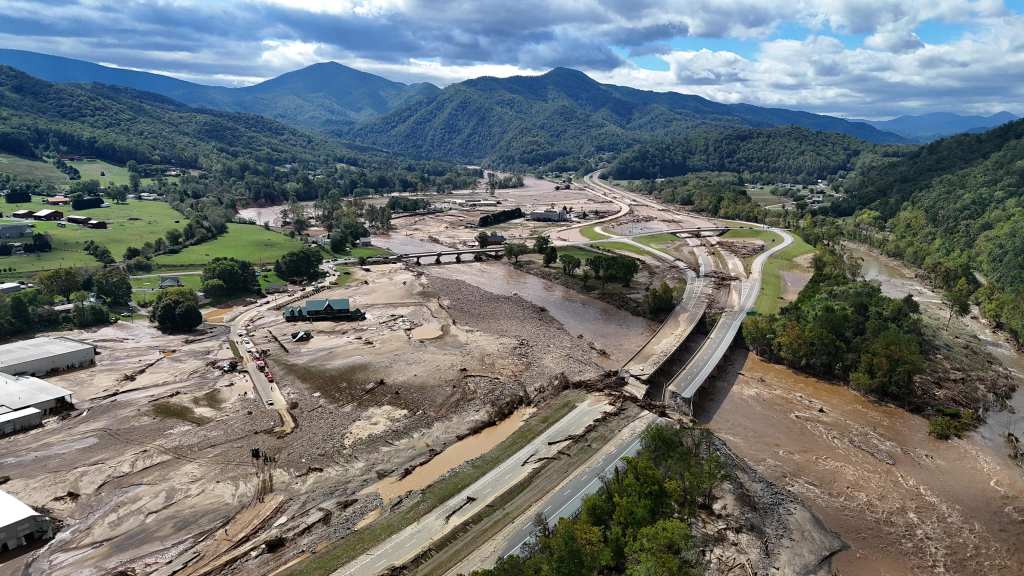
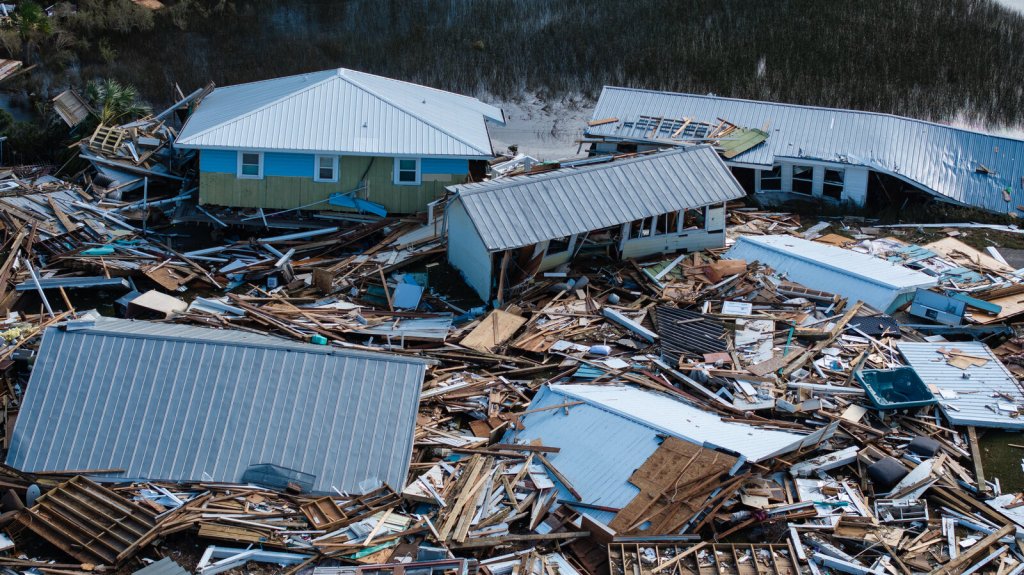
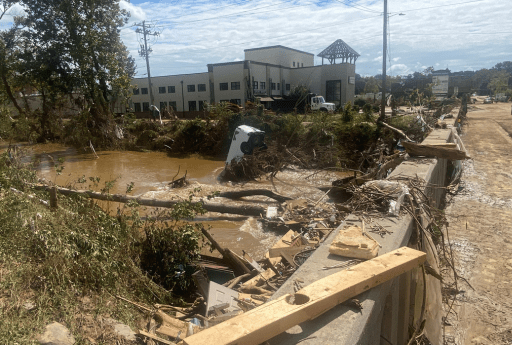
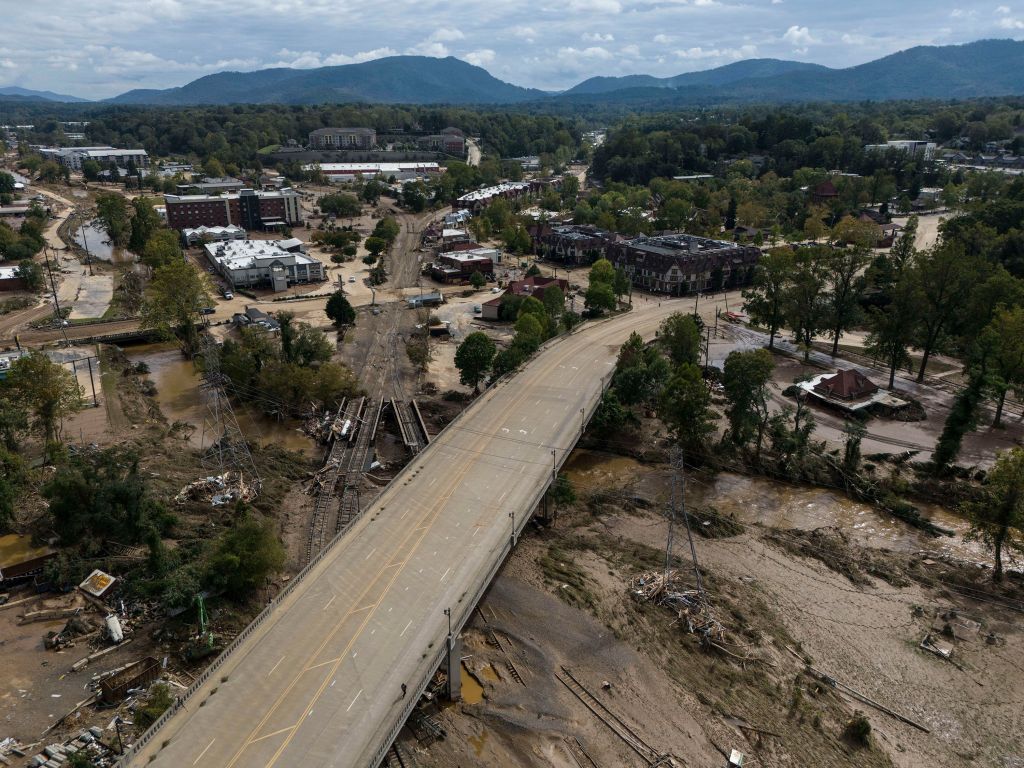
    Saturday will be one year since Hurricane Helene tore through the mountains of Western North Carolina and East Tennessee, leaving a mark on the region that will remain for generations. On September 27, 2024, the storm brought winds that roared past 100 miles per hour and unleashed rainfall that reached nearly 30 inches in some valleys and hollows. The result was devastation on a scale that few in the Southern Appalachians had ever seen. Entire communities were swept away by walls of water, and mountainsides collapsed into valleys in a cascade of deadly landslides. The storm claimed more than 200 lives, left thousands without homes, and turned once-thriving towns into landscapes of ruin.

    The destruction caused by Helene carried a staggering price tag. Experts estimate the total damages at $78.7 billion, placing the storm among the most expensive natural disasters in American history. That figure is hard to fully comprehend, yet for those living in the impacted counties, the cost is measured not only in dollars but in broken families, vanished neighborhoods, and a deep sense of dislocation. The hurricane transformed the physical landscape of the Appalachians, carving new scars into mountainsides and river valleys. For those who survived, recovery has been an uneven, exhausting, and ongoing process.

    In many places, cleanup alone stretched into the winter months. Entire stretches of roadway were obliterated by mudslides, leaving mountain towns cut off for weeks. Power lines dangled over rivers where bridges once stood. School buildings were filled with mud and debris. Local governments scrambled to set up temporary shelters and provide food for residents who had lost nearly everything. State and federal emergency funds poured into the region, yet the magnitude of the damage often outstripped available resources.

    Now, a year later, signs of progress can be seen. Families who lost homes have begun moving into new ones, though for many, rebuilding remains out of reach. Federal assistance programs provided some relief, yet construction costs in the region have soared. The demand for labor and materials has exceeded supply, delaying projects and leaving families in limbo. Insurance coverage gaps added to the challenges, as many homeowners had policies that excluded flood damage. For those without significant financial resources, recovery has been painfully slow.

    Road repairs remain one of the most visible reminders of the storm’s enduring impact. Across Western North Carolina and East Tennessee, crews are still working to stabilize mountainsides and rebuild highways that serve as lifelines for rural communities. Some roads have reopened, though only partially, while others remain impassable. Detours that add hours to daily commutes have become a frustrating reality for residents. Truck drivers hauling goods to small mountain towns often face long delays, which affects local economies that were already fragile before the storm. Tourism, a vital source of income in the Appalachian region, continues to struggle as access to hiking trails, scenic byways, and historic towns is limited by road closures and construction zones.

    The sheer scale of infrastructure repair is daunting. Engineers faced the challenge of rebuilding in terrain where heavy rains can trigger landslides without warning. Traditional road construction methods have proven inadequate in many locations, forcing officials to explore new strategies for slope stabilization and drainage. These projects are expensive and time-consuming, requiring extensive geological surveys before work can even begin. For communities reliant on a single highway or bridge for access to schools, hospitals, and grocery stores, delays have been agonizing.

    For those who lived through the storm, the emotional toll has been profound. Survivors speak of the constant sound of rainfall that night, the roar of rivers that overflowed their banks, and the chaos of trying to flee as roads collapsed around them. I know this pain personally, as two of my cousins were lost in a mudslide during the height of the storm. Their absence is a daily reminder of how fragile life can be in the face of nature’s fury. Many others across the region carry similar grief, having said goodbye to loved ones whose lives ended suddenly in the floodwaters and landslides. Counseling services have been stretched thin, as mental health needs in the aftermath remain high. Community organizations have stepped in to provide support, yet the scale of grief is overwhelming. Churches, fire halls, and schools have become centers of resilience, where residents gather to share stories, rebuild networks of support, and remind one another that they are not alone in their struggle.

    The environmental consequences of Helene also continue to unfold. Landslides stripped vegetation from steep slopes, leaving raw earth exposed to further erosion. Rivers carved new channels, washing away farmland and leaving behind silt that has choked aquatic habitats. Fish populations in some streams have plummeted, and biologists warn that recovery could take decades. Forests, once dense and green, now reveal swaths of snapped and uprooted trees. The loss of tree cover has increased the risk of additional landslides during heavy rains, raising concerns about future storms. Scientists note that Helene represents what they call a 1-in-1000-year event, yet climate trends suggest that extreme weather in the Appalachians may grow more frequent in the coming decades.

    Communities across the region face difficult choices about how to prepare for future storms. Some neighborhoods that were devastated by flooding are considering whether rebuilding in the same location is sustainable. In certain valleys, residents have chosen to relocate to higher ground rather than risk another disaster. Local governments are working with state agencies to identify areas at high risk for landslides and flash floods, yet relocation is both emotionally and financially complex. For families with deep roots in the mountains, leaving ancestral land is a painful decision, even when safety concerns loom large.

    In the year since the hurricane, countless stories of resilience have emerged. Volunteers from across the country traveled to the region to assist with cleanup and rebuilding. Nonprofit organizations established supply centers and distributed food, clothing, and household goods to those in need. Teachers held classes in church basements and community centers to keep students on track academically. Local musicians organized benefit concerts to raise money for relief efforts. Acts of generosity, both large and small, have offered hope in the midst of devastation.

    At the same time, frustrations remain high. Some residents feel forgotten as national attention shifted elsewhere after the initial shock of the disaster faded. Federal disaster relief programs, while vital, have been criticized for bureaucratic delays and uneven distribution of aid. Families who applied for assistance months ago are still waiting for approval. Small businesses struggle to reopen, hindered by damaged infrastructure and reduced customer traffic. Political disagreements over funding allocations have slowed down the flow of money to communities, leaving many projects stalled. In some cases, partisan battles in state and federal legislatures turned recovery aid into a bargaining chip, delaying desperately needed resources for families. Local officials continue to advocate for more sustained investment in the region, warning that without long-term support, recovery could stall.

    Hurricane Helene has also reshaped the identity of the Appalachian communities it struck. For many, the storm reinforced the vulnerability of mountain towns to extreme weather events. For others, it highlighted the strength of neighbors pulling together in crisis. The scars left on the landscape are mirrored in the scars carried by the people, yet there is also pride in how much has been accomplished in a single year. Rebuilt schools now serve as symbols of renewal. Roads that reopen after months of closure are celebrated as victories. Every family that moves into a new home brings a sense of forward momentum.

    Looking ahead, the lessons of Helene are shaping new approaches to disaster preparedness. Local emergency management agencies are investing in improved warning systems, recognizing that the mountains’ complex terrain can make flash floods particularly deadly. Engineers are revising building codes to better withstand high winds and heavy rain. Nonprofits and community leaders are advocating for mental health resources as an integral part of disaster response. There is a growing recognition that resilience in the Appalachians requires not only physical rebuilding, but also social and emotional support.

    The road to full recovery remains long. Entire neighborhoods still wait for reconstruction, and infrastructure projects that stretch across counties may take years to complete. The estimated $78.7 billion in damages underscores the immense financial challenge. Yet amid the hardship, there is determination. Residents speak of a love for their mountains that cannot be shaken by even the most destructive storm. The beauty of the Appalachians endures, even as scars from Helene remain visible. Rivers still sparkle in the sunlight, forests are slowly regenerating, and communities are finding ways to adapt and thrive.

    One year after Hurricane Helene, the Appalachian region continues to live with the consequences of one of the most destructive natural disasters in its history. The memory of the storm’s winds and waters is fresh, yet so too is the memory of neighbors helping neighbors, of communities refusing to surrender to despair. For me, the loss of my cousins will always be part of the story of that night, though their memory strengthens my resolve to honor the resilience of this region. To everyone including my family, thank you all for stepping up and making a difference. To all the first responders, what you all did will never be forgotten. The story of Helene is one of tragedy and loss, yet it is also one of courage, determination, and the enduring human spirit that shines most brightly when tested by the fiercest storms.

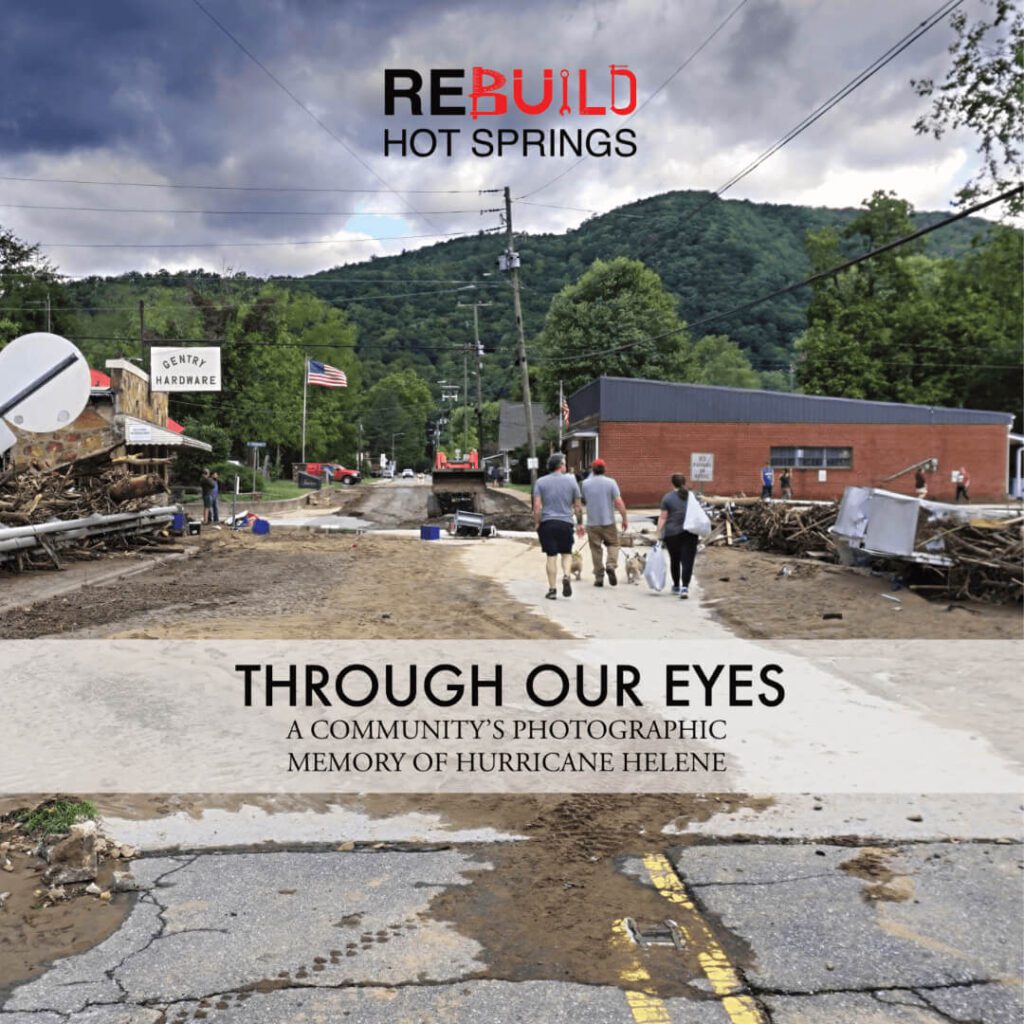
    If you would like to help in the rebuild effort, you can preorder the book that will be launched this weekend to help rebuild Hot Springs, North Carolina. The book is called “Through Our Eyes” the link for the book is under the picture below.

    -Tim Carmichael

    https://rebuildhotsprings.org/book/

  • $1 Million Families Win Big in Tennessee Voucher Program While Poor Families Lose Out

    The Tennessee Voucher Program has become one of the most debated education policies in the state. When it launched, the level of interest stunned even its supporters. Families submitted more than 42,000 applications for the program. Yet the number of available seats was capped at 20,000, and all of those seats were quickly reserved. Students who received scholarships came from 86 of the state’s 95 counties, and they enrolled at 220 of the 241 eligible private schools. Supporters celebrated these figures as proof that the program filled a real need. Critics, however, saw something different. Beneath the surface, the numbers reveal an unfair burden, a heavy shortfall in funding, and an outcome that leaves poor families without a real path forward.

    A major point of concern has been that Governor Bill Lee’s administration has chosen not to track how many of the voucher recipients were already enrolled in private schools before receiving taxpayer money. This lack of oversight raises questions about the true purpose of the program. If a significant share of voucher students were already in private schools, then the program functions less as a tool of opportunity for disadvantaged children and more as a subsidy for families who had already chosen and could already afford private education. By refusing to measure that impact, the state removes an important layer of accountability, making it difficult to know whether the program is serving its intended audience or simply rewarding wealthier households with public dollars.

    The rules that guide the program divide the 20,000 vouchers into two main income groups. Half of the seats, meaning 10,000, go to families who earn more than $1 million a year. The other half go to families who earn $173,000 or less. While that split was presented as a way to create balance, many argue it is anything but balanced. Families who already have immense resources are being given taxpayer money to cover tuition they could afford without public assistance. Wealthy families benefit directly, while working families and the poor continue to face obstacles they cannot overcome.

    Each voucher is set at $7,295. That may sound helpful until you consider the actual cost of private schools across Tennessee. The average annual tuition stands at about $11,886. That leaves a shortfall of roughly $4,591 per student. For families sending more than one child to private school, the out-of-pocket cost becomes enormous. Wealthy families can cover this without much difficulty. Families in the middle income range might stretch their budgets to make it work. For poor families, it is impossible. They cannot take on an extra $4,600 per year per child, and that figure does not even include additional fees.

    The gap between voucher amount and true cost is not the only problem. Private schools often charge for books, uniforms, technology, extracurricular activities, transportation, and other fees that can add thousands more to the bill. None of these are covered by the voucher. For a family with limited income, those charges represent a barrier that cannot be crossed. Even if a poor family were awarded a voucher, they would face costs they could never meet. The scholarship becomes little more than a symbol, a piece of paper that offers a promise without delivering real opportunity.

    Families making under $100,000 are in the hardest position. They are too often living paycheck to paycheck, covering rent or mortgage payments, groceries, healthcare, car payments, and childcare. Adding thousands of dollars in school costs is unrealistic. For them, the voucher is useless because it does not come close to closing the financial gap. It creates the illusion of access to private schools while excluding those who would need the help the most.

    Supporters of the program argue that it gives parents freedom to choose the school that best fits their child. They believe that the competition between public and private schools will raise overall quality. They also claim that families who value education enough will find a way to cover the difference. Yet this view ignores economic reality. Poor families cannot pull money from thin air. They cannot skip healthcare, stop paying rent, or cut groceries in order to pay thousands of dollars in tuition. When supporters say families will “find a way,” what they truly mean is that wealthy families will find a way. Those who are poor will be left behind.

    The structure of the program shows a clear preference for wealthy households. Half of the vouchers are dedicated to families who already earn more than $1 million. These families need no financial help. Taxpayers are now covering part of their private school tuition even though they could pay for it themselves. This is not about helping the needy. It is about subsidizing privilege. Poor families, meanwhile, remain stuck in schools with fewer resources, because the voucher program drains money away from the public system they rely on.

    Lawmakers promoted the voucher bill as a win for Tennessee families. Yet critics see it as a deliberate shift of funds from public schools to private institutions. Public schools serve the vast majority of Tennessee’s children. Many of those schools already struggle with outdated materials, overcrowded classrooms, and teacher shortages. Redirecting millions of taxpayer dollars to private schools only deepens those struggles. Families in rural areas are even more excluded. Many rural counties have few or no private schools at all. Families there cannot use vouchers even if they receive them, yet their public schools will still lose funding.

    The injustice is clear when looking at who shoulders the burden. Wealthy families receive subsidies that make their lives easier. Middle income families may stretch their budgets or take on debt to use the voucher. Poor families cannot use it at all. The families who need help the most are the ones who benefit the least. The program locks them out of private education while making them watch their tax dollars flow into institutions they will never be able to access.

    Some families try to make the numbers work. They borrow from relatives, take out loans, or cut other expenses. This often results in long-term financial harm. A parent may take on debt that grows larger each year, creating pressure that affects the entire household. The stress can affect parents’ work, family stability, and even the child’s performance in school. In the end, those sacrifices often prove unsustainable. Wealthy families, meanwhile, glide through the program without such strain.

    Poor families see clearly that the promise of school choice is not meant for them. It may be marketed as freedom and opportunity, yet in reality it is freedom for those who already have it and opportunity for those who least need it. The voucher amount is too small, the costs are too high, and the law that directs half of the vouchers to millionaires ensures that inequality is built into the program itself.

    As the program expands, these inequities will grow. The number of vouchers is expected to rise each year. More wealthy families will receive taxpayer subsidies, and more public money will leave the schools that serve the poor. The gap between what is promised and what is possible will widen further. Families who make under $100,000 a year will remain unable to participate, no matter how many vouchers are created. For them, private school will always be out of reach.

    The conversation about vouchers often includes moving stories of individual students who thrive after transferring to a private school. These stories are real and important. Yet for every student who succeeds, many more are shut out. Their families cannot pay the difference, so they stay in underfunded public schools that now have fewer resources because money has been shifted to private institutions. That is not an equal system. That is not fairness. That is a policy that favors privilege while deepening the struggles of those with the least.

    Tennessee residents will need to decide what future they want. Do they want to continue paying for wealthy families to send their children to private schools? Or do they want to reform the program to make opportunity truly accessible? If the state wishes to give poor families a real chance, the voucher amount would need to cover full tuition and fees. Anything less keeps the door closed. Until that happens, poor families will continue to watch from the outside, unable to step through the doorway that the program claims to open.

    The demand for better education is undeniable. More than 42,000 families applied for 20,000 vouchers. Parents clearly want alternatives. Yet demand alone does not create fairness. Without reform, the Tennessee Voucher Program will remain a system that delivers benefits to those who need them the least while excluding those who need them the most. Poor families will never be able to afford private school under this plan. They will continue paying taxes that fund scholarships they cannot use, while watching the schools their children attend lose resources year after year. This is the truth behind the celebration. Unless changes are made, the program will never be a bridge for poor families. It will remain a wall that keeps them out.

    -Tim Carmichael

  • Cancer Rates Remain Higher in Appalachia, With Central Appalachia Hit Hardest

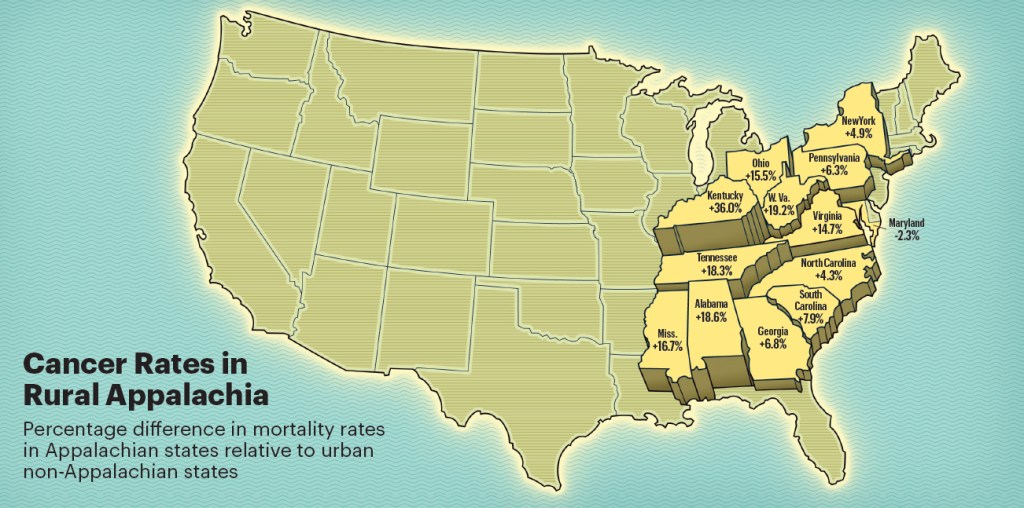
    Cancer continues to represent one of the greatest health challenges in the United States, claiming hundreds of thousands of lives each year despite advances in medical technology and treatment. While the nation overall has experienced encouraging declines in both cancer incidence and mortality over recent decades, the story looks very different when focusing on Appalachia. Across this vast region that spans 13 states and stretches from southern New York into northern Mississippi, communities face disproportionately higher cancer burdens compared to the rest of the country. The data is both striking and sobering: mortality rates in Appalachia as a whole stand about 10 percent higher than the national average, while in Central Appalachia, a subregion encompassing parts of Kentucky, West Virginia, Virginia, and Tennessee, the mortality rate rises to an alarming 32 percent higher than the rest of the nation.

    Elevated cancer mortality represents only part of the picture. The Appalachian region also demonstrates higher rates of cancer diagnoses compared to non-Appalachian areas. Between 2017 and 2021, cancer incidence was 5.6 percent higher in Appalachia than in the rest of the country. This dual challenge both a greater likelihood of being diagnosed and a greater likelihood of dying from the disease illustrates the scale of health inequities present in these communities. What makes this reality particularly concerning is the persistence of disparities, even as progress occurs nationally. While cancer mortality has declined overall across the United States, these declines have occurred more slowly in states like Kentucky, with the lag most pronounced in its Appalachian counties. Research from the University of Kentucky highlights how improvements in treatment and early detection have reached some areas much more effectively than others, leaving certain Appalachian communities trapped in a cycle of delayed progress.

    Explaining why Appalachia carries such a heavy cancer burden requires attention to a combination of structural, economic, behavioral, and environmental factors. A central challenge is access to healthcare. Many communities within the region are rural and geographically isolated, with fewer physicians, clinics, and hospitals serving wide geographic areas. When healthcare services exist, they are often limited in scope, forcing residents to travel long distances for specialized care such as oncology treatment. For families with limited resources, inadequate transportation options, or tight work schedules, these distances pose formidable obstacles. Insurance status compounds these difficulties. Appalachia has higher proportions of individuals who are uninsured or underinsured compared to the national average, meaning even when services are available, they may remain financially out of reach for many residents.

    This access gap directly influences cancer outcomes through delayed diagnosis and treatment. Screening for cancers such as breast, colorectal, and cervical cancers has proven critical for detecting disease early, when interventions have a greater chance of success. Nationally, major campaigns have expanded awareness and increased participation in screening programs, contributing to mortality declines. Yet in Appalachia, screening rates remain consistently lower than in other regions. Lower screening rates mean cancers are often discovered at later stages, when options for treatment are fewer, less effective, and more costly. This reality connects directly to the higher mortality rates documented across the region.

    Economic hardship is another central driver of disparities. Appalachia has long faced economic challenges tied to industrial shifts, resource extraction, and limited job diversification. Persistent poverty in many counties shapes both daily life and health outcomes. Higher poverty rates correlate with reduced access to nutritious food, safe housing, and consistent healthcare. The stress of financial insecurity also influences health behaviors, creating environments where rates of smoking and obesity are elevated compared to national averages. These behaviors are closely linked to multiple cancer types, further increasing incidence and mortality. For example, smoking remains particularly prevalent in Central Appalachia, contributing significantly to lung cancer rates that exceed national averages.

    Historical and occupational exposures add yet another layer. Coal mining, central to the history and economy of many Appalachian communities, has left a complicated legacy for health. Long-term exposure to coal dust and related hazards has been associated with respiratory diseases and potential cancer risks. While mechanization and regulation have reduced direct exposure for workers in recent decades, the long shadow of occupational hazards continues to affect older generations and, in some cases, environmental quality in mining regions. Families in communities with long histories of coal mining often live near abandoned sites or areas where environmental contamination remains a concern, further increasing risks.

    Cultural and social dynamics also influence outcomes. Appalachia is rich in cultural traditions, resilience, and strong community networks, yet these same close-knit structures sometimes contribute indirectly to health disparities. Attitudes toward preventive healthcare, for example, can reflect skepticism of outside institutions, hesitancy toward medical procedures, or fatalistic views of illness. In communities where cancer has touched nearly every family, some residents may perceive diagnosis as an unavoidable outcome rather than a condition that can be mitigated through screening and early intervention. These perceptions can delay decisions to seek care, reinforcing cycles of late diagnosis and poorer outcomes.

    The persistence of disparities, even amid nationwide progress, demonstrates how entrenched these challenges have become. For instance, in Kentucky overall, significant investments have been made to address cancer through research and outreach. Yet when researchers analyze outcomes specifically in Appalachian counties, they find that improvements occur at a slower pace, widening the gap between Appalachia and non-Appalachian areas. This illustrates how broad national or even statewide initiatives may fail to reach their full potential without strategies tailored to the unique circumstances of Appalachian communities.

    Addressing cancer disparities in Appalachia requires multi-faceted strategies that go beyond traditional healthcare delivery. Expanding access to preventive care is essential, which means increasing the availability of clinics, strengthening telehealth infrastructure, and ensuring affordability of services for uninsured or underinsured residents. Community-based outreach programs tailored to local cultures and values can improve trust and encourage greater participation in screening programs. Policies aimed at reducing poverty and improving education levels can indirectly support better health behaviors, creating conditions that lower cancer risk over time. Addressing environmental and occupational health risks also remains critical, ensuring that communities historically tied to industries such as coal mining do not continue to bear disproportionate burdens of exposure-related disease.

    Equally important is the role of research and advocacy. Institutions such as the University of Kentucky’s Markey Cancer Center and other regional research hubs have invested in studying Appalachian health disparities, raising awareness and developing targeted interventions. Partnerships between universities, healthcare providers, and community organizations can foster programs that resonate with local populations and address barriers more effectively than one-size-fits-all approaches. For example, mobile mammography units or local patient navigation programs can make cancer screening more accessible while also helping individuals navigate insurance paperwork, transportation logistics, and appointment scheduling.

    Ultimately, reducing cancer disparities in Appalachia depends on bridging structural inequities while fostering trust and engagement within communities. The statistics 10 percent higher mortality across Appalachia, 32 percent higher mortality in Central Appalachia, 5.6 percent higher incidence between 2017 and 2021 are not mere abstractions. They represent families losing loved ones too soon, communities struggling with grief, and entire regions experiencing a burden of disease heavier than elsewhere in the nation. By recognizing the unique challenges faced in Appalachia and committing resources to targeted solutions, it is possible to change this trajectory.

    Cancer disparities in Appalachia reflect more than health issues alone; they reflect broader patterns of inequality that intersect with geography, economics, history, and culture. While progress has been slower here than in other regions, change is not beyond reach. With sustained commitment, focused interventions, and respect for the voices of Appalachian communities, the next decades can see more equitable outcomes. Reducing the cancer burden in Appalachia would not only improve lives in the region itself, but it would also strengthen the nation’s broader fight against cancer by ensuring no community is left behind.

    -Tim Carmichael

  • Hunger, Health, and Politics in Appalachia

    In the Appalachian region, many families struggle to survive on limited incomes, fragile health, and an economy that has failed them for generations. When lawmakers crafted the Big Beautiful bill, they included provisions that reduce access to Food Stamps and Medicaid, programs that act as lifelines for people living in poverty. The impact of these cuts will reach into nearly every holler, town, and county across the region.

    Food Stamps, formally known as the Supplemental Nutrition Assistance Program, help families fill their cupboards when wages fall short. In Appalachia, over thirteen percent of all households receive Food Stamp benefits, compared with around eleven percent nationwide. In rural counties of Appalachia, that share rises to about seventeen percent, and in Central Appalachia the numbers climb even higher, above twenty percent of households. Among families with children under eighteen, the reliance grows even more striking, with about twenty-six percent depending on Food Stamps to keep food on the table. These figures reflect how deeply the program anchors communities where steady employment remains scarce and wages lag far behind the national average. Without this assistance, cupboards will empty faster, and children will feel the impact most.

    Medicaid provides health care for low-income households, covering doctor visits, prescription medications, hospital stays, and preventive services. For many people in Appalachia, Medicaid represents the only access to medical care. In several congressional districts across Central Appalachia, more than forty percent of adults rely on Medicaid as their health coverage. Chronic conditions such as heart disease, diabetes, lung illness, and opioid addiction already place enormous strain on families and local hospitals. Reducing coverage threatens to cut off treatment for hundreds of thousands across the mountains, replacing medical care with fear and uncertainty.

    The Big Beautiful bill delays the implementation of these cuts until after the mid-term elections, a decision that reveals a calculated political move. By postponing the changes, lawmakers can campaign without revealing the harsh realities hidden in the text of the legislation. Voters will head to the polls under the impression that their benefits remain secure, unaware that support will be stripped away soon after ballots are counted. This tactic manipulates trust and silences opposition during a crucial period when citizens should have the full truth in front of them.

    For many families in Appalachia, the loss of Food Stamps means immediate hunger. Grocery store shelves already reflect difficult choices: cheaper foods that lack nutrition, smaller portions stretched across more mouths, and meals skipped altogether. Parents often reduce their own intake to ensure that children receive enough to eat. With reduced assistance, more households will face empty cupboards by the end of each month. Hunger affects school performance, workplace productivity, mental health, and physical well-being. When nutrition declines, communities lose the strength needed to pursue opportunity.

    The reduction in Medicaid coverage carries equally severe consequences. Appalachia suffers from high rates of chronic illness. Many of these conditions require ongoing treatment and access to medication. Without Medicaid, families will forgo doctor visits, prescriptions, and necessary tests. Emergency rooms will bear the burden of untreated illnesses that grow worse over time. Rural hospitals, already struggling to remain open, will see mounting costs from unpaid care. As services decline, entire communities will lose access to health care within a reasonable distance.

    The timing of these cuts highlights a disconnection between policymakers in distant capitals and the people they claim to represent. Leaders present the bill as fiscally responsible, claiming that reducing social programs will save taxpayers money. Yet the reality in Appalachia reveals the opposite. Cutting access to food and medical care does not eliminate need. It shifts the cost onto schools, hospitals, churches, food banks, and families themselves. Local organizations, already overwhelmed, cannot replace the scale of federal programs. The result will be deepened poverty, worsened health, and greater despair.

    Appalachia has endured a long history of promises made and broken. The coal industry once offered steady employment, though dangerous and grueling, and many families relied on those wages. As mines closed and mechanization reduced jobs, entire towns fell into decline. Federal programs such as Food Stamps and Medicaid stepped in to soften the blow. Generations grew up with these programs providing essential support during economic shifts that left their communities behind. To remove them now, without offering real alternatives, signals another betrayal.

    The psychological toll should not be overlooked. Families already experience stress from uncertain incomes and health struggles. Knowing that government leaders deliberately delayed cuts to secure votes creates a sense of deception that weakens faith in the political process. When people feel ignored or manipulated, cynicism grows. This erosion of trust damages not only the relationship between citizens and leaders but also the bonds within communities where debates over survival replace cooperation.

    Children in particular will suffer the consequences. School programs can provide some meals, yet they cannot replace the steady support that Food Stamps deliver at home. Hungry children have difficulty concentrating, leading to lower academic achievement. Health problems without proper treatment can limit opportunities later in life. Every dollar removed from these programs represents more than a short-term budget decision; it shapes the future prospects of an entire generation. Appalachia already struggles with population decline as young people leave in search of opportunity. Further hardship will accelerate that trend, hollowing out communities that once thrived.

    Some supporters of the Big Beautiful bill claim that reducing aid will encourage self-reliance. Yet in regions where jobs remain scarce and wages fall behind rising costs, this claim ignores reality. A strong work ethic already exists in Appalachia, built from generations of hard labor. The issue lies not in the willingness to work but in the availability of sustainable employment. Without investment in education, infrastructure, and health, the path to self-reliance remains blocked. Cutting essential support without creating opportunity traps families in cycles of poverty they cannot escape.

    The bill’s delayed implementation underscores how deeply political strategy can shape daily life. By waiting until after the mid-term elections, lawmakers avoid accountability. Citizens who might have voted differently with full knowledge of the bill’s consequences will cast ballots under false impressions. Once the changes arrive, it will be too late to reverse them through electoral action. This approach undermines the democratic process by concealing the truth at the very moment when voters most need clarity.

    Adding another layer to this strategy, the Trump administration ended the government’s annual report on hunger in America after Food Stamp cuts were announced. For decades, that report offered vital data on how many families went without adequate food, how many children experienced hunger, and how these struggles changed over time. Ending the report means removing a tool that citizens, journalists, and policymakers once used to measure the scale of suffering. Without this information, the human impact of cuts becomes easier to ignore. Silencing statistics does not silence hunger, yet it hides the truth from the broader public, leaving the most vulnerable invisible.

    The future consequences extend beyond individual households. Hunger and illness affect entire communities, leading to declining productivity, weakened economies, and reduced quality of life. Businesses struggle when workers are sick or unable to concentrate. Schools lose students to poor health or family instability. Hospitals close, creating health care deserts that discourage new investment. These ripple effects spread across counties and states, shaping the trajectory of the region for decades.

    Despite these challenges, resistance remains possible. Communities can raise awareness, share information about the delayed cuts, and hold leaders accountable. Grassroots organizations, churches, and advocacy groups play a vital role in informing citizens about the realities hidden in the Big Beautiful bill. By making voices heard, Appalachia can challenge the narrative presented by lawmakers and demand policies that reflect lived experience rather than distant ideology.

    Yet the burden should not fall entirely on those already struggling. True progress requires national recognition of Appalachia’s contributions and sacrifices. The region powered industrial growth through coal and labor, supplying energy that fueled cities far beyond its borders. In return, it deserves investment, opportunity, and respect. Cutting essential programs sends the opposite message, reducing lives to budget lines while ignoring history and humanity.

    As the mid-term elections approach, the question remains whether enough people will uncover the truth before entering the voting booth. Once ballots are cast, the impact of the Big Beautiful bill will unfold with a speed and severity that families cannot easily withstand. Empty cupboards, untreated illnesses, and shuttered hospitals will mark the landscape. Children will carry the weight into their futures, shaping the destiny of communities already worn by decades of struggle.

    The decision to delay these cuts until after elections reveals more than a tactic. It shows how leaders value power above the well-being of those they represent. For Appalachia, it means another chapter of survival against forces beyond local control. Yet survival has long been a defining trait of the region. Whether through labor, culture, or resilience, its people continue to endure. The question now is how much more they will be asked to bear, and whether the nation will finally recognize that hunger and untreated illness cannot build a stronger future.

    -Tim Carmichael

  • Off Grid Dreams in Appalachia – Between Heritage and Modern Aspirations

    For generations, Appalachia has been both a place of hardship and resilience, a region defined by its rugged mountains, deep valleys, and communities that carved out lives from the land. Today, that history of self-reliance is drawing a new wave of settlers, individuals and families who want to live off the grid. Motivated by a desire for independence, a return to simplicity, and the allure of inexpensive land, these newcomers are reshaping perceptions of Appalachian life. At the same time, they are stepping into a cultural landscape where tradition and necessity often contrast with modern ideals of voluntary self-sufficiency.

    The movement into Appalachia has grown in recent years as people look for alternatives to urban and suburban lifestyles. Many envision a homestead where they can grow their own food, rely on solar panels instead of power lines, and trade office cubicles for a life shaped by the seasons. This migration is fueled by a belief that the Appalachian Mountains offer a balance between affordability and natural abundance, creating a promising foundation for those determined to pursue independence.

    Affordability plays a significant role in this trend. For decades, land in some stretches of Appalachia remained far less costly than in other regions of the United States. Families and individuals who might never afford a small house in a metropolitan area could acquire multiple acres in rural Appalachia, often with enough room for gardens, orchards, or even livestock. Though prices have risen as interest grows, the region still offers opportunities that are unattainable elsewhere.

    At the heart of this movement lies a yearning for simplicity and freedom. In an age defined by rapid communication, consumerism, and constant demands for attention, the possibility of disconnecting holds strong appeal. The mountains, streams, and forests provide an environment where one can step away from modern expectations. For many, Appalachia symbolizes an escape from routines dominated by screens, traffic, and endless obligations.

    Equally compelling is the inspiration drawn from the history of Appalachian life. For centuries, residents of the region relied on their immediate surroundings to survive. Families grew corn, beans, and potatoes, raised chickens, and drew water from springs or streams. Hunting and foraging supplemented diets, while home remedies treated common ailments. Newcomers often romanticize these traditions, viewing them as examples of resilience and independence that align with their own goals of living closer to nature.

    Another driving force is sustainability. Concern for the environment has motivated many to seek lifestyles that minimize reliance on large scale systems of energy and consumption. Building a cabin with reclaimed wood, installing solar panels, composting food waste, or heating with a wood stove all represent ways of aligning daily life with ecological values. For these settlers, the Appalachian landscape offers both the resources and the space to pursue environmentally conscious living.

    Yet the modern off grid ideal can differ significantly from the realities that shaped traditional Appalachian life. For many long time residents, self sufficiency was a necessity born of limited access to money, jobs, and infrastructure. Families raised crops or hunted game not because they aspired to a back to the land lifestyle but because they had few other choices. This distinction between necessity and choice highlights a key difference between historical Appalachian living and the dreams of newcomers who see self reliance as a voluntary pursuit.

    The resourcefulness of traditional Appalachian communities cannot be overstated. Families survived by making do with what they had: building barns with hand hewn logs, preserving food through canning and drying, and creating clothing from homespun fabric. Every task required ingenuity and a willingness to endure hardship. New residents often admire this resilience, though many rely on modern technologies that make off grid living less grueling, from high efficiency stoves to advanced water filtration systems.

    Community and family ties were also central to Appalachian survival. Shared labor helped neighbors harvest crops, build homes, or care for livestock. Family bonds provided emotional and material support in difficult times. This network of relationships remains a hallmark of Appalachian culture, even as economic and social changes reshape the region. For off grid newcomers, the emphasis may fall more on individual independence than communal cooperation, though many eventually recognize the value of building connections with their neighbors.

    The influx of people seeking alternative lifestyles has introduced visible changes in Appalachia. Areas once overlooked for their remoteness or poverty are now attracting homesteaders, retirees, and environmentally minded settlers. Some embrace traditional ways, chopping firewood and tilling gardens much like their predecessors. Others bring modern adaptations, installing solar panels, rainwater collection systems, or wind turbines to supplement their independence. These innovations blend the old with the new, reshaping the meaning of off grid living in the mountains.

    The growing popularity of the region has also altered the perception of isolation. For decades, Appalachia was portrayed as a forgotten corner of the country, defined by poverty and limited opportunity. Today, it is increasingly seen as a destination for those seeking alternative lifestyles. With this shift comes both opportunities and challenges. Land prices have risen, and long time residents sometimes find themselves priced out of property that once seemed within reach.

    Tensions can emerge between newcomers and locals. Some communities welcome the influx, appreciating the economic activity and shared appreciation for the land. Others are wary of outsiders who arrive with romanticized visions that may overlook the hardships faced by generations of Appalachian families. The culture of independence in the region often fosters tolerance, though differences in values and expectations can occasionally create friction.

    Despite these complexities, the movement toward off grid living in Appalachia reflects broader cultural shifts. As modern society grows more dependent on digital systems and global networks, a countercurrent seeks meaning through simplicity, manual labor, and direct connection to the natural world. Appalachia’s history of survival and resilience provides both inspiration and a framework for those who wish to live with fewer ties to modern conveniences.

    At the same time, it is important to recognize the distinctions between past and present. Traditional Appalachian life involved constant labor, frequent scarcity, and a reliance on close knit community bonds. The off-grid lifestyle pursued by many newcomers often incorporates technologies and conveniences that soften these realities. While they may share the spirit of independence, the conditions shaping their experiences differ profoundly from those of earlier generations.

    The appeal of Appalachia lies not only in its affordability or beauty but in its symbolic power. The mountains stand as a reminder of endurance, resourcefulness, and connection to the land. For those who come seeking freedom from the complexities of modern life, the region offers both inspiration and challenge. The path to self-sufficiency requires effort, sacrifice, and adaptability, qualities that Appalachian families have long embodied.

    As the region continues to evolve, the interplay between tradition and modern aspiration will shape the future of off grid living in Appalachia. Some will thrive, blending old practices with new technologies. Others may discover that the romantic vision of simplicity is more demanding than expected. What remains constant is the enduring draw of the mountains, where the promise of independence and the legacy of resilience continue to attract those searching for a different way of life.

    -Tim Carmichael