For many low income families across Appalachia, winter has become a season of trade offs rather than traditions. Rising prices for basic necessities have turned what should be a joyful time of year into a series of painful calculations. Home heating costs are expected to rise by an estimated 7.6 percent nationally this winter, with some rural regions seeing electricity prices climb by more than 20 percent. In older Appalachian homes where insulation is thin and cold winds push through every crack, these increases land with particular force. Families already stretched to their limit now face bills that feel impossible to manage.
Food has also become a heavier burden. With grocery prices still rising and food banks paying roughly 30 percent more to keep their shelves stocked, many families confront the stark question so many ask: heat, eat, or Christmas? The idea of a holiday meal often fades beneath the cost of basic groceries. For parents who want nothing more than to provide warmth, nourishment, and a small sense of celebration, the rising prices erode both hope and stability.
Gift giving brings its own pressures. Historically, Appalachian families embraced traditions rooted in simplicity and care. Handmade gifts such as rag dolls sewn from scraps, carved wooden toys, fruitcakes wrapped in wax paper, and knitted scarves or hats once filled Christmas mornings with heartfelt joy. These gifts carried the kind of meaning that comes from time, not money. Today, however, consumer driven expectations push many families toward commercial presents that have grown more expensive due to inflation and supply chain strain. The desire to give children the same experiences others have can weigh heavily on parents already struggling to afford essentials.
The enduring strength of Appalachian communities remains a guiding light during these difficult times. In small mountain towns and rural hollers, neighbors step in where formal support often falls short. Local food pantries and nonprofits such as Americans Helping Americans work tirelessly to provide holiday meals, warm clothing, and gifts for thousands of families. Volunteers who understand hardship firsthand bring compassion to their work, offering not just supplies but dignity, warmth, and reassurance. The kindness of strangers becomes a steady thread in the fabric of the season.
The holidays also revive memories of the poverty Christmas, when an apple or orange in a stocking was a treasured gift. These fruits were once rare winter treats, symbols of care rather than scarcity. Today, similar stories appear in families who rely on homemade gifts, pick a person exchanges, or careful use of buy now pay later services as they try to keep holiday traditions alive. Online communities overflow with honest accounts of parents doing everything possible to give their children at least a moment of magic despite rising bills and lingering debts.
For me, these pressures bring memories from my own childhood. When I was growing up, we did not receive any Christmas presents except for a stocking with oranges and apples and a few Brocks candies. We were excited just to receive that. The scent of the fruit, the glow of a simple treat on a cold morning, and the rare sweetness of the candy made the day feel magical in its own humble way. It was proof that joy could still bloom even in scarcity.
Rising costs affect families across the nation, but the burden weighs especially heavy in Appalachia, where long standing economic challenges and geographic isolation amplify every increase in the price of food, housing, and energy. Many households have been forced to spend significantly more each year since early 2021 just to maintain basic living standards. Each additional cost tightens the squeeze, turning winter into a season of endurance rather than celebration.
Yet even in hardship, the heart of an Appalachian Christmas persists. It lives in the resilience of families, in neighbors who extend helping hands, and in the enduring belief that hope can still take root in the coldest months of the year. If you have a few dollars to spare, reach out and help people who have less than you. And do not forget about those who live in nursing homes without family or friends, because it does not take much to bring a little happiness into their lives.
The Appalachian region holds a long tradition of close ties between communities and the natural world. When wildlife experiences a sudden crisis, residents often sense the shift quickly. A recent discovery in Rocky Mount, Virginia created exactly that kind of jarring moment. Numerous vultures were found lifeless in a shallow creek bed and a nearby wooded area at the corner of Dent and Franklin streets. The scene triggered swift action from wildlife officials, raised pressing questions among residents and highlighted a growing statewide pattern tied to highly pathogenic avian influenza, often called bird flu.
The incident began when town staff discovered several motionless birds scattered along the waterway. The location held two clusters. One lay directly within the creek bed and the other extended into the adjacent woods. Early assumptions included the possibility that these birds might have been crows since that species frequently gathers in sizable groups. A closer assessment revealed that the birds were vultures. This distinction holds significance because vultures across the region have recently shown heightened vulnerability to avian flu strains that circulate in wild populations.
Officials from the Virginia Department of Wildlife Resources moved forward with a response plan that treats the event as a suspected avian flu outbreak. Teams collected samples from several carcasses and transferred them to laboratories for further examination. Results will clarify the precise strain involved as well as any contributing environmental factors. Early indicators align with ongoing challenges that the agency has documented throughout late 2025 in Southwest Virginia where several vulture groups tested positive for HPAI.
Rocky Mount leaders responded quickly regarding community safety. Residents expressed deep concern about the proximity of the deaths to a working waterway. Many individuals who rely on local streams for recreation or observe wildlife in the area wondered about potential impacts on the broader watershed. Town officials addressed these concerns by explaining that the municipal water system receives supply from sources far removed from the Dent and Franklin creek corridor. Treatment processes rely on protected collection points rather than this small tributary. This separation eliminates risk for the drinking water supply, a fact that officials emphasized during initial communications.
Although the public water system remains secure, local leaders urged residents to avoid the affected waterways. The request serves as a temporary precaution intended to reduce any chance of contact with viral residue that may linger on surfaces or within the shallow creek environment. Avian influenza carries limited risk for humans under most circumstances. Even so, wildlife specialists recommend physical distance from infected birds, carcasses or materials that may have come into contact with contaminated fluids. This approach aligns with federal and state guidelines designed to safeguard people, pets and livestock.
The unusual circumstances surrounding the Rocky Mount discovery captured attention from residents partly due to the creek’s involvement. Water holds powerful symbolic value in Appalachian communities. Streams serve as gathering spots, fishing areas, scenic refuges and historical landmarks. When a wildlife incident intersects with these waterways, questions surface quickly. Some community members wondered whether the water itself played a role in the deaths. Others speculated about environmental stress, seasonal shifts or food source issues. As authorities continue their analysis, they have explained that avian flu spreads primarily through direct contact among birds rather than through drinking water systems used by people. Viral particles can enter shallow water when infected birds congregate or die near a waterway, although that condition does not necessarily signal long term contamination across the broader watershed.
The broader picture across Virginia reveals a worrisome trend. The DWR has received an increasing number of reports involving sick or deceased wild birds throughout the year. Several species show evidence of exposure, although vultures remain especially susceptible due to their feeding habits. As scavengers, they encounter carcasses more frequently than many other birds. If a single infected animal dies in an accessible location, vultures that arrive to feed may experience heavy viral exposure. This feeding pattern allows the virus to move through a local group with surprising speed.
Late 2025 brought confirmation of HPAI cases in multiple vulture populations across Southwest Virginia. These confirmations made the Rocky Mount discovery feel less isolated and more interconnected with a statewide wave of infections. Wildlife officials face the challenge of tracking outbreaks that shift rapidly through landscapes. Migratory birds can introduce new strains during seasonal movement. Resident birds such as vultures can amplify transmission within specific areas. Changing weather patterns may also influence how long viral particles remain viable in the environment.
Understanding this complex interplay becomes crucial for community response. Wildlife managers encourage residents to remain observant. Anyone who encounters sick or dead birds, particularly multiple vultures, waterfowl or raptors in the same location, can assist the monitoring process by reporting the sighting. The DWR maintains a hotline at 855-571-9003 where residents can share details that support statewide mapping of potential outbreaks. These reports help agencies identify emerging clusters, gather diagnostic samples and deliver updates to both the public and conservation partners.
The Rocky Mount event also highlights the importance of maintaining a balance between respecting nature and observing caution during a wildlife health crisis. Communities thrive when they understand how to coexist with the animal populations that surround them. With avian flu cases rising, simple protective measures carry substantial value. Avoiding direct contact with dead birds, keeping pets away from carcasses and observing guidance from wildlife experts form the foundation of community safety.
While the incident raised concern about the creek’s role, specialists have explained that shallow streams often serve as resting places for injured or ill birds. Weakened vultures may follow natural drainage paths because these paths offer easier terrain during physical decline. A bird battling a severe infection may reach the edge of a waterway simply because gravity and sloping ground draw it there. A narrow creek bed creates a natural collection point where multiple birds might end up during the late stages of illness. These patterns occur in many regions where HPAI outbreaks affect scavenger species.
Residents who observed the scene described a quiet, eerie atmosphere around the creek. Environmental crews moved with care as they removed carcasses, wearing protective gear and securing the area to prevent disturbance from pets or curious onlookers. That sense of caution remains vital throughout the investigative phase. Even though avian flu rarely causes widespread human illness, health agencies agree that strong hygiene practices reduce the already low chance of transmission.
As test results progress through laboratory analysis, wildlife officials intend to share updates with the public. Data from these tests will contribute to statewide tracking efforts that allow scientists to compare strains, identify mutation patterns and predict future movement of the virus. These insights directly influence management strategies that protect both wildlife populations and community environments.
The Appalachian region has weathered many ecological challenges through history. From forest health concerns to white nose syndrome in bats, communities often respond with resilience rooted in deep appreciation for native species. The vulture deaths in Rocky Mount add a new chapter to that ongoing story. Although vultures seldom receive the same admiration as songbirds or birds of prey, they play a crucial role in maintaining ecological balance. Their scavenging reduces the spread of disease by removing carcasses that could otherwise attract pests or promote bacterial growth.
The loss of numerous vultures in one event therefore carries ecological consequences beyond the immediate emotional impact. Reduced scavenger activity can influence how long animal remains persist in an area. This shift may alter local predator dynamics or increase opportunities for secondary infections among other wildlife. These cascading effects underscore the importance of understanding the root cause of the Rocky Mount incident and responding with strategies grounded in science.
Community engagement plays a key role in the path forward. Residents can support wildlife health by securing garbage, monitoring outdoor pets, reporting unusual wildlife behavior and sharing educational materials with neighbors. Schools, nature groups and local conservation organizations may choose to highlight this event in upcoming programs that teach students about avian diseases, ecological networks and environmental stewardship.
Local leaders in Rocky Mount have expressed appreciation for the patience and cooperation shown by residents. They continue to reassure the community that the municipal water system remains safe and unaffected due to the separation between the treated water sources and the impacted creek. This distinction remains central to maintaining public confidence during wildlife disease events. Drinking water infrastructure operates with multiple treatment layers that shield residents from environmental occurrences in nearby streams.
The narrative that unfolds from the Rocky Mount creek reflects a moment when community awareness intersects with ecological science. The discovery of the vultures created waves of concern that traveled quickly through households, workplaces and social networks. Those reactions, while emotional, also lead to constructive steps that support effective monitoring and responsible wildlife management. The collaboration between residents, town officials and the DWR forms a foundation for informed decision making as new information becomes available.
In time, laboratory results will determine the precise cause of the Rocky Mount vulture deaths. Current evidence strongly suggests a connection to the broader HPAI activity observed across Southwest Virginia. If confirmed, these results will deepen scientific understanding of how avian flu spreads through scavenger populations in Appalachian landscapes. The incident may also motivate renewed attention to regional strategies that support early detection, rapid response and long term ecological resilience.
For now, the creek at Dent and Franklin streets remains a reminder of the delicate balance between wildlife health and community environments. Rocky Mount residents continue to look for answers with a blend of concern, curiosity and commitment to the region they call home. The events have encouraged thoughtful discussions about how diseases move through natural systems, how people can assist in monitoring and how communities can approach environmental surprises with calm preparation rather than fear.
Through every phase of this investigation, one guiding principle remains clear. Awareness empowers communities to respond effectively. When residents report unusual wildlife behavior, follow safety recommendations and stay informed through official updates, they help shape a resilient Appalachian region able to navigate challenges that emerge at the intersection of environment, wildlife and public health.
Conversations about Appalachia often swing between two poles. One pole highlights predatory external forces: absentee landholders, federal extraction policies, media caricatures, corporate exploitation, and political strategies that treat the mountains like a stage backdrop. The other pole focuses on agency within the region: cultural choices, community structures, local leadership, and patterns of resistance or resignation. Each pole tries to claim the dominant explanation for every hardship, every triumph, every setback. The truth, as always, lives in the space where these currents collide. The question “Is Appalachia helping itself or blaming outsiders?” presses directly into that tension, and the intensity of responses shows how sensitive the issue feels across the mountains.
Observers often describe Appalachia as a territory shaped by forces far beyond its borders. Coal operators secured mineral deeds through deceptive contracts. Rail lines and extraction corridors gave corporations immense leverage over local life. Political figures treated the region as either an electoral pawn or a symbolic cautionary tale. News outlets elevated stories of hardship while ignoring stories of ingenuity. All of that created a perception that Appalachia lived under an external thumb for generations. Many argue that the region still moves through the world with that heavy pressure on its back.
Yet the region carries its own forms of agency. That agency flows through town councils, church communities, revival circles, hunting clubs, kin networks, informal economies, and patterns of local governance that feel distinct from the rest of the country. This agency does not always manifest through unified vision. Sometimes it leads to community renewal. Sometimes it maintains social structures that weaken collective progress. Other times it fuels deep skepticism toward partnerships or reforms. People debate whether that skepticism acts as a shield or a cage.
When the conversation turns toward accountability, each side feels attacked. Those who emphasize internal agency often hear accusations that Appalachians “cannot take care of themselves.” Those who emphasize external forces often hear claims that Appalachians “refuse to own their problems.” Both framings carry a sharp edge. The truth requires nuance that public debate rarely rewards.
Many mountain counties experienced a century of extraction that drained tax bases, disrupted ecosystems, and weakened avenues for long-term planning. Entire landscapes changed to serve industries headquartered far away. Schools, roads, and healthcare networks developed under conditions shaped by those industries. This legacy created a kind of historical momentum, an inherited structure that influences decision-making even today. Communities that live within those structures often describe a feeling of constraint: limited resources, limited options, limited leverage.
At the same time, the region includes communities that demonstrate extraordinary resilience. Cooperative farms, volunteer fire departments, mutual aid networks, cultural preservation projects, small-scale enterprises, and creative arts collectives show how mountain communities adapt when external support fails. These efforts challenge the idea that the region lives solely at the mercy of outside influences. They reveal layers of initiative that shine through hardship.
One challenge arises when local agency shifts into patterns that shield individuals or institutions from scrutiny. This can happen in many ways. Loyalty to kin networks may obstruct accountability for public decisions. A culture of privacy may discourage residents from reporting corruption or abuse. Suspicion toward outside expertise may hinder educational advancement or economic diversification. A deep desire to preserve tradition may conflict with efforts to improve civic infrastructure. These patterns do not define every community, yet they appear often enough to influence regional reputation.
Media portrayals play their own role in shaping perceptions. Stories that highlight individual responsibility create narratives that appeal to a national audience seeking moral clarity. Stories that highlight external oppression appeal to audiences seeking evidence of structural injustice. Each narrative omits something important. Each narrative reinforces stereotypes. Mountain residents watch these portrayals with frustration, since the reality of daily life rarely fits into tidy storylines.
When people ask whether Appalachia helps itself, the question sometimes carries an implicit expectation that the region must follow a single roadmap. Yet no region with millions of residents and hundreds of counties moves as a unified body. Decisions made in a courthouse in Hazard might diverge from decisions made in a community center in Boone. Leadership in a coal-dependent county may prioritize survival strategies that differ from leadership in a university town. The variety across the region challenges every simplistic explanation.
The question takes on another layer when young people leave for cities elsewhere. Some view this migration as a sign of individual ambition and an extension of Appalachian adaptability. Others see it as evidence that communities failed to create conditions that encourage people to remain. External opportunity acts as a magnet. Internal limitations act as a push. These forces interact in ways that complicate narratives of choice.
Economic strategies often place the region at a crossroads. For years, reliance on extractive industries shaped work rhythms, political allegiance, and landscape transformation. Communities that built their identity around those industries face a painful transition. When advocates encourage diversification, some residents interpret the message as an attack on heritage. When economic developers propose new industries, residents fear repeating the mistakes of earlier extractive eras. The region grapples with an ongoing question: how to achieve prosperity without surrendering autonomy.
Cultural factors also influence the debate. Mountain communities cultivate powerful traditions of self-reliance. Families and neighbors help one another through crisis with extraordinary commitment. That ethic offers strength and continuity, though it can also create pressure to handle every hardship privately. When residents hesitate to seek outside assistance, agencies view the region as resistant. When agencies fail to understand local values, communities view them as condescending. Each side interprets the other through lenses shaped by history.
Religious life adds another dimension. Churches act as centers of social cohesion, emotional support, and civic organization. They fill roles that government institutions fail to fill. They also influence attitudes toward social welfare, reform, and change. In some counties, political leadership emerges directly from church networks. This connection shapes how residents view responsibility, whether local or external. It can foster unity or division, progress or stagnation.
Education remains a sensitive frontier of the accountability debate. Teachers and administrators work with limited budgets, aging facilities, and students who face intergenerational trauma. Some policymakers argue that schools fail to prepare students for modern careers. Many educators argue that structural deprivation creates challenges that schools alone cannot overcome. Communities wrestle with questions about curriculum, culture, heritage, and opportunity. These debates reveal underlying tensions about where responsibility begins and ends.
A related issue involves trust. Appalachian communities carry long memories of broken promises: railroad barons who drained resources, philanthropists who vanished after photo ops, politicians who campaigned on hope and delivered little. This memory shapes interaction with every newcomer, program, and proposal. When residents express caution, outsiders often mislabel the caution as apathy or hostility. The region holds a deep awareness that outside aid often arrives with conditions that sacrifice local control. This awareness influences every decision.
The conversation grows even more complex when examining internal divisions within Appalachia. Wealthier enclaves within the region sometimes adopt attitudes that mirror national stereotypes about poorer counties. College towns may distance themselves from neighboring rural communities. Suburban developments may treat mountain traditions as curiosities rather than living cultures. These internal dynamics show that Appalachia contains its own hierarchies and prejudices.
So, is the region helping itself? Absolutely, in countless ways that rarely reach headlines. Communities clean cemeteries, rebuild playgrounds, rescue neighbors during floods, preserve dialects, support elders, and create new arts scenes. Residents form cooperatives, advocate for environmental recovery, establish local businesses, write novels, build recording studios, and fight for democratic reforms. These examples show a region filled with determination.
Is the region blaming outsiders? At times, yes. When historic exploitation leaves a long shadow, people understandably interpret new challenges through old wounds. When outside criticism arrives without understanding, communities respond defensively. When federal agencies impose solutions without listening, residents recoil. These reactions reflect both trauma and pride.
The tension arises because both forces operate simultaneously. External pressure shapes the environment. Internal choices shape the response. The region exists within a long continuum of interaction between those currents. The most productive framing acknowledges that Appalachia carries profound capability alongside genuine constraint.
Asking whether Appalachia helps itself or blames outsiders reveals something deeper: the region seeks dignity, agency, and respect. Communities want acknowledgment of their strength without dismissal of their struggle. They want accountability from leaders without erasure of cultural identity. They want opportunity without sacrificing sovereignty.
The path forward lies in embracing complexity rather than seeking a single cause. Appalachia thrives when residents claim agency while also demanding equitable treatment from external institutions. Progress emerges through partnerships rooted in mutual respect, where neither side speaks over the other. Mountain communities elevate their future through a blend of heritage and innovation, tradition and transformation.
The debate will continue, since identity, pride, history, and hope collide in every conversation. Yet the question itself shows something important: the region continues to wrestle with its own story. That ongoing struggle reflects a deep desire for a future shaped through action rather than stereotype, through courage rather than resignation, and through collective insight rather than a cycle of blame.
Families across Kentucky and Tennessee face a period of deep uncertainty as health insurance premiums rise at a pace many find alarming. Residents in counties across Appalachia feel the impact in their household budgets as they prepare for the coming open enrollment cycle. Premiums that once felt manageable now surge to levels that create anxiety and confusion. Many people who believed their coverage was secure now confront a new landscape shaped by federal policy shifts, medical inflation, and market forces that place even greater strain on communities that have long struggled with limited access to care.
The primary force behind these steep increases is the expiration of the enhanced premium tax credits created through the American Rescue Plan Act. Those credits lowered the amount marketplace enrollees paid every month for coverage. They expanded financial help for many households with modest incomes and allowed even middle-income families to secure comprehensive plans at prices they could afford. The credits also opened the door to coverage for many who had never before enrolled in a marketplace plan because of cost barriers. Their end removes a powerful stabilizer in the region’s insurance markets.
When the enhanced credits disappear, the portion of the premium paid directly by consumers rises sharply. This sudden shift happens at the same time insurers forecast higher base premiums driven by medical inflation. Health systems report higher costs for labor, equipment, hospital stays, and prescription drugs. Insurers reflect those costs in the prices they file for the upcoming year. Families in Appalachia therefore experience two waves of financial pressure. The amount they owe grows because financial assistance shrinks, and the original cost of coverage grows at the same time.
This combination hits Kentucky and Tennessee especially hard. Many residents in both states rely heavily on marketplace coverage due to limited access to employer plans and the absence of Medicaid expansion in Tennessee. With the expiration of the enhanced credits, Kentucky families who once paid moderate amounts each month now report increases of several hundred dollars. Tennessee families face similar jumps. Some individuals describe increases large enough to force them to rethink coverage entirely. The sticker shock lands hardest in rural counties where incomes remain modest and medical access has always been fragile.
The question many residents ask is why this moment arrived. The answer lies in policy decisions made when the enhanced credits were created. Lawmakers designed the expanded financial assistance as a temporary measure meant to provide relief during a period of economic upheaval. When the time came for Congress to decide whether to extend them, disagreement emerged. Supporters argued that the temporary credits had become essential for millions who depended on them for basic access to coverage. They pushed for an extension that would support families facing rising costs for food, utilities, and medicine. They warned that ending the credits would place families throughout Appalachia in financial jeopardy at a time when wages struggle to keep pace with inflation.
Opponents pointed to the original structure of the program. They argued that temporary measures have an end point and expressed concern about the long-term fiscal impact of extending large subsidy programs indefinitely. They also raised questions about the appropriate role of federal assistance in markets that evolve year by year. With neither side willing to concede ground, Congress failed to reach agreement. As a result, the credits expire, leaving consumers to face the consequences in real time.
The premium increases produce a cascade of unintended outcomes that extend far beyond the marketplace itself. One of the most significant effects is a rise in the number of uninsured residents. Analysts forecast increases of hundreds of thousands in Kentucky and Tennessee combined. These numbers represent families who must choose between health insurance and essential household costs. Many will go without coverage simply because they cannot absorb the new premiums.
The rise in the uninsured population produces another consequence. Hospitals and clinics across Appalachia already carry a heavy burden of uncompensated care. When more patients arrive without coverage, the pressure grows. In rural communities where hospitals operate with narrow margins, increases in uncompensated care can threaten the survival of entire facilities. When a hospital in a small-town closes or reduces services, the surrounding region experiences deep and lasting harm. Emergency care becomes more distant. Routine care becomes harder to access. Health outcomes decline. The premium increases therefore reach far beyond household budgets and touch the entire healthcare ecosystem.
Another ripple effect occurs within the insurance market itself. When premiums rise sharply, healthier individuals often choose to leave the marketplace. They feel confident they can go without coverage for a period and use the money saved for other expenses. When healthier individuals exit, the risk pool becomes older and sicker on average. Insurers then face higher expected claims and raise premiums again. This cycle can destabilize the market over time and make insurance even more expensive for those who remain. Appalachia already struggles with higher rates of chronic illness, which increases the chance that premiums will continue to climb as the risk pool shifts.
For individuals and families navigating this environment, practical steps can ease some of the pressure. One of the most important pieces of guidance is to engage actively with the open enrollment process. Many people allow their plans to renew automatically, believing this saves time. In a year with steep increases, this choice can lead to unwanted surprises. Comparing plans across multiple insurers can reveal options with lower premiums or more favorable cost structures.
Some consumers may consider moving from a silver plan to a bronze plan. Bronze plans carry lower monthly premiums in exchange for higher deductibles and out of pocket costs. This approach can help households with few medical needs maintain coverage while keeping monthly expenses controlled. It also creates eligibility for a Health Savings Account if the plan meets the required deductible level. An HSA provides a way to set aside money for medical expenses while lowering taxable income. Families who can contribute to an HSA may reduce their overall financial burden even if their plan carries higher deductibles.
Consulting with a licensed insurance agent can also provide value. Agents’ familiar with Kentucky and Tennessee marketplaces understand how plans differ by county, which networks include local hospitals, and which insurers offer strong customer service. They can help families weigh tradeoffs between premium levels, deductibles, prescription coverage, and provider access.
The story of rising premiums in Appalachia also presents a powerful opportunity for reporters. Clear and empathetic storytelling can bring attention to the challenges of families in the region. Beginning with a vivid account of a household facing a sudden premium jump can draw readers into a broader exploration of the issue. Reporters can then explain the policy changes that created the situation, followed by an examination of community wide consequences. Concluding with guidance for residents and a call for continued public discussion gives readers a path forward.
Because the numbers involved can feel abstract, visual elements can play an important role. Charts that translate percentage increases into actual monthly costs help readers understand how premiums rise for different ages, incomes, and household sizes. Maps comparing counties across Appalachia illuminate the uneven impact. Interactive tools help households estimate their own potential costs. When combined with clear explanations of terms like enhanced premium tax credits, subsidies, ACA marketplace, and benchmark plans, these visuals bring clarity to a complex topic.
Balanced reporting also matters greatly. While the political disagreement in Congress contributes directly to the current crisis, journalists can present the arguments from each side with care and accuracy. This approach ensures credibility while still highlighting the real-world implications of policy decisions. Strong language that conveys the severity of the situation can coexist with objectivity. Words such as sticker shock or skyrocket describe the experience of families while still maintaining a factual tone.
For communities across Appalachia, the coming months carry immense significance. The premium increases will affect health, finances, and access to care. The region stands at a moment that could reshape its insurance landscape for years to come. Whether families can maintain coverage, whether hospitals can continue delivering essential services, and whether policymakers can find common ground will all influence the future of health care in Kentucky and Tennessee.
The hills of central Appalachia welcomed a yearly burst of color, sound, and cheer as the CSX Santa Train made its celebrated run through the region on Saturday and was it ever something to see. Crowds lined the tracks from early morning, eager for a glimpse of Santa, the sparkle of holiday lights gliding across the rails, and the sense of unity that this train sparks every year. For many families, this rolling celebration marks the official start of the season, a moment filled with anticipation and heartfelt joy.
The CSX Santa Train has traveled its 110-mile route for more than eight decades. With each run, it reinforces the bond between communities that dot the mountain landscape. Generations have gathered along the tracks, waving from the same spots where parents, grandparents, and even great grandparents once stood. Santa himself summed it up warmly while speaking with riders, describing the powerful mix of ages that gather for this longtime family event. Families bring tiny infants wrapped in blankets, while elders in chairs or blankets of their own settle in to greet the train as it rumbles down the line. Every age group arrives with equal excitement, each person ready to welcome a tradition that feels both timeless and refreshingly vibrant every year.
Reporter Natalea Hillen rode aboard the train this weekend, witnessing scene after scene of delight. She described children sprinting toward the tracks with gloved hands raised high, hoping to catch toys tossed by Santa. Parents held little ones close and watched with shining eyes as characters in bright costumes waved from railcars. Each stop along the route erupted with applause and cheers, carrying across frosty valleys in bursts of festive energy.
The train’s origins stretch back to 1943, during a period when families across Appalachia faced hardship. Rail companies and community leaders partnered to deliver gifts to children in remote mountain towns, offering holiday cheer during a difficult era. Over time, the event grew from a simple distribution of presents into a cherished tradition. Today, the train remains a symbol of generosity, care, and enduring regional pride. Many who come to greet it express a profound sense of belonging. The train’s whistle echoes through valleys, awakening memories for older generations and creating fresh ones for children who will someday tell their own families about the year they first saw the Santa Train.
This year’s turnout reached into the hundreds at each stop. Families traveled from miles away, packing vehicles with blankets, thermoses, and eager children who could hardly contain their anticipation. Many waited for hours in chilly mountain air. Though the cold settled heavily across the ridges, warmth filled every gathering spot as neighbors shared stories, offered coffee or cocoa, and laughed together while they waited.
When the bright engines finally came into view, the atmosphere shifted in an instant. Children clapped and hopped in place. Adults raised their phones to capture the moment. Train workers leaned from railings with wide grins, waving and calling out greetings. As Santa stepped forward, cheers rose even higher. Toys flew through the crisp air into waiting hands, and laughter rippled across the crowds.
This event means more than toys or holiday lights. For many communities along the route, the Santa Train represents a bridge that connects remote mountain towns with a larger regional identity. Life in Appalachia carries a rhythm shaped by family ties, hard work, and close-knit neighborhoods. Though economic changes have affected the region over the decades, the spirit of unity remains powerful. The Santa Train amplifies that unity in a rare and memorable way. People from small hollows and ridge-top homes gather in groups, bringing their voices together in celebration.
Parents often describe the train as a gift of memory as much as a gift of toys. Many recount experiences from childhood when they stood in the same spots their children stand now. The continuity of the tradition strengthens family bonds. Each generation has something to pass down. Children grow up hearing stories about past Santa Trains, eventually adding their own stories to the growing tapestry of shared recollection.
Hillen noted that the sparkle in children’s eyes seemed to grow with each passing mile. Younger children pressed their faces to the railcar windows as they watched crowds unfold below. Older children engaged in excited commentary, arguing cheerfully about who might catch specific toys or which stop might have the biggest gathering. At several points, the train slowed so families could wave or call out messages of holiday cheer. The sense of connection traveled both directions. Riders felt the crowds’ energy, and the crowds felt the presence of the riders.
Volunteers and organizers work for months to prepare for this single day. Their efforts include selecting toys, packing them securely, coordinating stops, and partnering with local leaders across multiple counties. Volunteers often view the event as a highlight of their service year. Many have participated for decades. They speak with pride about the privilege of delivering happiness directly into children’s hands. The logistical challenges of running a 110-mile celebration never outweigh the emotional value they witness.
Santa himself offered reflections during the trip. He spoke warmly about the vast range of ages represented along the route. Tiny infants nestled in their parents’ arms, while elders wrapped in blankets waved from folding chairs. Families lined up along fences, near old rail stations, and on hillside clearings where the train could be seen from afar. Santa described the emotion he felt while tossing toys and greetings toward each cluster of people. He expressed gratitude for the longevity of the event, and for the families who return year after year.
That longevity stems from a deep respect for regional culture. Appalachia treasures traditions that emphasize family, storytelling, and shared experiences. The landscape itself encourages gatherings, with mountainsides and valleys forming natural spaces for people to come together. When the Santa Train winds through these spaces, it brings a sense of celebration that blends perfectly with the rhythm of the land. Each stop becomes a small festival, filled with smiles and anticipation.
Community leaders often emphasize the train’s influence on regional morale. The holiday season can bring challenges for families facing economic strain, health concerns, or seasonal hardships. Seeing a train filled with cheerful faces, gifts, and music can lift spirits profoundly. Many attendees speak of renewed hope during the event. They describe feeling valued and remembered, as though the train acknowledges the strength and resilience of their communities.
Children were the brightest stars of this year’s journey. Their excitement carried across each stop. Parents helped them climb small embankments or stand behind safety lines while they waited. As toys landed in their hands, children squealed with delight. Some hugged their new treasures instantly. Others turned to show siblings or cousins, eager to compare what each had received. These moments unfolded again and again along the entire route, forming a long ribbon of joy stretched across the mountains.
Conversations with families revealed deep appreciation for the event. One mother said she planned to bring her children every year as long as she could. An elderly grandfather recalled his first memory of the Santa Train in the 1950s, describing how he and his siblings ran through snow to reach the tracks in time. A local teacher explained how many of her students counted down the days each fall until the train arrived. Their excitement carried into classrooms, where children recounted stories from past years.
Each of these stories contributes to a larger regional narrative. The Santa Train reveals the heart of Appalachia through shared experience. It celebrates kindness, connection, and a holiday spirit that reaches far beyond presents. The journey highlights how traditions can uplift communities across generations. As the train moves along its route, it carries more than toys. It carries the memory of hundreds of past journeys, the laughter of families that have come and gone, and the hope of families that will continue to gather along the tracks.
As the final miles of this year’s route approached, riders reflected on the scenes they had witnessed. Hillen described feeling moved by the scale of the celebration. Each wave, shout, and smile reminded her of the influence of this yearly event. When the train ultimately slowed for its final stop, there was a sense of quiet accomplishment among the volunteers and staff. They had delivered holiday cheer across an entire region once again.
As long as families continue to gather and children continue to watch the horizon for the first sign of holiday colors on the rails, the CSX Santa Train will remain an enduring symbol of Appalachian spirit. It speaks to the power of continuity, generosity, and shared joy. Through changing times and shifting landscapes, one thing remains steady. When the Santa Train whistles through the mountains, Appalachia gathers with open arms, eager to celebrate together.
This year proved that the magic of the Santa Train continues to shine. Families arrived in large numbers. Volunteers worked with passion. Santa greeted thousands. Cheer traveled across 110 miles of rails, carried by laughter, music, and the resilient heart of a region that values tradition above all.
The CSX Santa Train will roll again next year, and families will be waiting on hillsides, along tracks, and near small stations with hearts filled with expectation. The holiday season in Appalachia would feel incomplete without this bright and cherished moment on the rails, and many already look forward to welcoming it once more.
Life in the Appalachian mountains created a rhythm shaped by the land, the weather, and the work that filled every season. Tobacco ruled that rhythm for many families, and mine lived inside that cycle from early spring through late fall. Handing tobacco stood at the final stretch of a long year of labor, and the memories from those cold days still rise with a clarity that time cannot dim. The scent of cured leaves, the bite of November air, and the sting of tobacco gum that clung to our fingers shaped my childhood in ways I still feel.
When the season reached its close, handing tobacco transformed into a kind of ritual. The fields had already surrendered their last leaves. The curing barns had stood tall through late summer and fall, full of rows of tobacco tied to sticks and hanging in the shadows. By the time we gathered to hand the leaves, they had dried and absorbed months of work and weather. Those final steps in the process always arrived with cold mornings that drained the warmth from our fingertips before we could settle into the rhythm of the day.
To beat the cold, we lit a kerosene heater and placed it near the work area. Its glow created a small circle of comfort inside the drafty barn. My hands would hover above the heater again and again, chasing every bit of warmth I could gather. The heater hissed softly, filling the air with a faint smell of fuel that mixed with the sweet heaviness of cured tobacco. We huddled around it at intervals, since handling the leaves chilled our hands until they felt stiff. A moment at the heater revived them enough to continue, although the sticky tobacco gum that coated our fingers collected dirt, heat, and every bit of effort we poured into those long days.
Tobacco gum formed a stubborn layer that stuck to skin like a badge earned through hours of labor. It sank into every crease and refused to release its hold. Washing it away required determination long after the work had ended for the day. We rubbed, scrubbed, and still carried traces of it across the next morning. Those brown stains held the proof of what we did, even when our hands tried to rest.
Handing tobacco created stacks of sorted leaves ready for bailing. Each leaf held its own weight, shape, and story from the fields. We pulled them from the sticks in bunches, smoothing them into piles arranged by quality. It felt like the most delicate stage of the year, since the warehouse inspectors would judge everything we presented. Any mistake or rough handling could lower the price for our entire crop.
Once the piles reached the right size, we turned to the tobacco baskets. These wide, flat baskets filled the barn floor, ready to receive the sorted leaves. We layered them carefully, pressing the leaves into tight bundles so the baskets could hold as much as possible. Each basket becoming a final product ready for market. As each bale took shape, I felt every minute of the season inside it. Every bale represented days spent cutting, hanging, tying, curing, tending, and worrying.
When the time came, we loaded the bales on the back of a truck and made the trip to the warehouse in Asheville. That journey felt like a strange mixture of hope and dread. The warehouse buzzed with farmers who had spent their entire year chasing a fair price. The place was filled with voices carrying the same anxieties and the same expectations. Rows of bales lined the floor, each marked with a number that determined its fate.
I remember my daddy’s reaction every time the grades came in. His face carried lines carved from years of labor and years of disappointment. After the inspectors made their decisions and assigned the price, he always shook his head with frustration. He said they gave us whatever figure suited them, far less than the true value of our effort. His voice carried a weight that came from knowing the family depended on every dollar earned from that crop. That money never felt like a reward. It served as a necessity for winter shoes, coats, and gifts for Christmas morning. We stretched it across months of cold weather, making every coin carry as much as possible.
Reaching that point each year created a sense of relief mixed with exhaustion. Everything began in early spring with the tobacco beds. We cleared the soil, spread the seed, covered the beds, and protected them from frost and pests. The tiny plants needed constant attention through those first weeks of fragile growth. Once the seedlings reached the right size, we transplanted them into the fields. Rows stretched wide, and the work shifted into a routine of weeding, hoeing, topping, and removing the suckers that grew between the leaves. Each step required time, strength, and energy that summer heat drained from every family member.
The fields demanded everything through June, July, and August. By the time the harvest arrived, our arms carried scratches from stalks and leaves. Our shirts smelled like the fields. Our days revolved around cutting the stalks, spearing them onto sticks, and hanging them in the curing barn. The barns held shadows, ladders, and the sound of leaves brushing against one another as they dried over several weeks. The hours inside the barn grew long, since each stick had to be placed high overhead. Sweat dripped from our foreheads in the heat of late summer and early fall. Then the cool weather arrived, and the barns shifted from suffocating heat to biting cold.
Once November rolled in, the end finally approached. Handing the tobacco signaled the closing chapter of the year’s work. While the season delivered a sense of pride, the process carried enough struggle to create strong feelings toward the crop. Those final chilly mornings near the kerosene heater reminded me of everything we endured to reach that moment.
After we delivered the bales to Asheville and returned home, the fields appeared bare. The barns turned silent for the first time since spring. We experienced a stretch of months where tobacco demanded nothing from us. That break felt like a breath we had waited to take since the first seeds touched the soil. The relief from that work shaped one of my clearest childhood realizations. I felt no longing for the next season. The break delivered a freedom that made its value undeniable.
Growing up in Appalachia created a strong sense of place, community, and resilience, although that tobacco work shaped a part of life I never hoped to repeat. Each year that cycle held my family inside a pattern of physical strain and financial uncertainty. Many families endured the same challenges and passed those experiences from one generation to the next. For some, the work created a sense of tradition. For others, it held a sense of duty. For me, it became a motivation to push myself toward an entirely different path.
Education created the doorway I aimed toward. I worked through school assignments with the memory of the fields behind me. I pushed through classes with the hope of reaching a future that offered choices far from barns filled with hanging leaves. Every hour spent handing tobacco made that dream clearer. I carried the determination to finish school and reach a life that created opportunities my childhood never provided.
The memory of that cycle still shapes my appreciation for the life I built. The fierce work ethic from those years remains a part of me. The long days taught me endurance. The cold mornings at the kerosene heater taught me perseverance. The frustration I witnessed in my daddy’s voice taught me the value of pursuing something more stable. Those memories rise every time I smell wood smoke, dried leaves, or chilly November air.
Although the tobacco fields created hardship, they also held moments of connection. Families gathered around the work, sharing stories, laughter, and determination. The neighbors who helped with cutting and hanging supported one another through every stage. Communities across Appalachia understood the weight of the harvest and rallied together to finish before the frost arrived. Even through the strain, a sense of shared effort shaped the culture of the region.
The cycle repeated each year with the same demands. The fields waited, the barns filled, and the warehouses held the final verdict on our work. That rhythm created stability through routines even though it created financial uncertainty at the same time. In those mountains, survival required creativity, grit, and commitment. Tobacco provided income when few alternatives existed, and families accepted the labor because survival required it.
Looking back, handing tobacco remains one of the clearest chapters of my childhood. The heater’s glow, the gum on my hands, the ache in my back, and the heavy bales delivered memories that remain vivid across the years. Although the work challenged me physically and emotionally, it shaped the strength that guided my choices. It pushed me to seek an education and carve a future different from the one I grew up in.
Every November still carries a faint echo of those days. The season’s shift reminds me of the long journey from tobacco beds to tobacco warehouses. The memory of that work will always stay a part of my story, even though my path carried me far from those barns and fields. Those experiences taught me resilience, determination, and appreciation for every opportunity that arrived later in life. Through all the hardship, the season gave us enough to make it through the winter, and the lessons it taught carried me through much more.
A proposal from BWX Technologies to rezone 128 acres near Jonesborough for a new uranium processing facility has triggered strong opposition from residents across Washington and Greene counties. The project would occupy the former Aerojet property, a site already burdened with a legacy of contamination, and would sit along Little Limestone Creek, a waterway that flows into the Nolichucky River. Since the Nolichucky supplies drinking water for Greeneville, the plan has raised alarm among community members who feel their region has already suffered enough from industrial decisions made far from the people who live with the consequences.
BWXT wants to build a plant that converts depleted uranium into high purity material for defense applications. The company highlights economic benefits, including around 175 skilled jobs, along with modern environmental controls that it says will prevent any liquid discharge from entering the creek or surrounding waterways. For a rural Appalachian community where well-paying technical jobs are limited, these promises carry real weight.
Many residents view the proposal through the lens of the site’s troubled history. Aerojet once used the same property for depleted uranium work, leaving contamination in surrounding farmland. Reporting from WJHL along with Yahoo shows that state records and community accounts point to years of soil problems and uncertainty. Families still remember testing in fields and lingering questions about long term exposure. That memory shapes public reaction to BWXT’s request far more strongly than any promotional campaign from the company.
About forty acres of the land BWXT wants to rezone sit inside the Little Limestone Creek floodplain. This detail alone has become central to the debate. Floodplain building brings elevated risk, even for facilities designed to handle hazardous materials with modern engineering. Appalachian waterways rise quickly during heavy rain. Runoff from hillsides funnels down through narrow channels that can swell with almost no warning. If floodwaters ever reached work areas or storage zones of a uranium processing plant, even a small release could leave a long trail of sediment contamination, habitat disruption, and threats to public water supplies downstream.
Little Limestone Creek feeds directly into the Nolichucky River, where Greeneville draws drinking water. For residents, that connection feels immediate and personal. Many live close enough to the creek to watch it rise during storms. Many spent weekends fishing in the Nolichucky or raising livestock along its banks. In a region where waterways remain tied to agriculture, recreation, and household wells, the idea of expanding uranium related operations near a sensitive stream has created widespread concern.
Public frustration deepened when many residents said they received inadequate notice of the initial planning commission meeting. The meeting moved forward with limited community participation, and the short timing left people feeling excluded from decisions that could shape the region’s environmental health for generations. Once word spread, public meetings became crowded with residents voicing concerns about safety, water quality, and the continued arrival of heavy industry into their Appalachian communities.
This conflict reflects a larger history throughout Appalachia. For decades, companies seeking inexpensive land or communities with less political leverage have built industrial sites throughout the mountains without fully addressing environmental consequences. Coal mining, chemical work, waste storage facilities, and energy projects have left soil damage, polluted streams, and long battles over cleanup. Many rural Appalachian residents carry earned skepticism toward corporations that promise environmental protection while pursuing projects that bring high risk.
Opponents of the rezoning argue that Appalachia’s ecosystems remain too delicate to withstand another industrial footprint involving radioactive materials. Forested ridges and valleys around Jonesborough support diverse wildlife that depends on clean streams. The region’s limestone based groundwater system contains channels and voids that allow contaminants to travel unpredictably. A site already associated with uranium contamination raises intensified worry, especially if new operations begin above a floodplain connected to a regional drinking water supply.
Those speaking against the project say their opposition comes from a desire to protect their home rather than resist economic improvement. Many welcome good jobs, although they reject the idea that employment must come with risk to water quality or community health. Others note that Appalachian communities repeatedly become locations for projects that would face stronger resistance in wealthier or more politically influential areas.
BWXT states that the new facility would use advanced environmental controls. The company says its waste systems will ensure that no liquid discharge reaches Little Limestone Creek and that federal and state regulations will guide every phase of the project. While these assurances help reduce uncertainty for some people, they do not erase the weight of past harm for families who live next to the site. Many want independent studies, clear environmental plans, and long term monitoring before considering any form of acceptance.
The debate now centers on a question that appears in rural communities across the country. How can economic development move forward without threatening essential natural resources. Appalachia depends on healthy streams and rivers. They support farming, outdoor activity, and drinking water. They shape community identity and provide a sense of place. When a proposal carries the risk of altering those waters, opposition grows from a deep-rooted cultural and environmental connection.
As Washington County officials continue reviewing the rezoning request, residents are organizing with determination. Petition gatherings, informational meetings, community groups, and outreach to lawmakers have expanded rapidly. Those involved describe their efforts as a final protective wall for Little Limestone Creek, the Nolichucky River, and the generations that rely on both.
Whether the rezoning passes or fails, this struggle highlights a truth long recognized across Appalachia. Once a watershed suffers harm, recovery can take decades or centuries if recovery takes place at all. Many residents see that risk as too great to accept.
The future of the BWXT proposal will reveal how deeply local officials value the protection of Appalachian waterways and how strongly communities can shape decisions that define their land, their health, and their future.
If you scroll through social media or watch the news, you may see members of Congress and well-funded interest groups urging families across West Virginia and the wider Appalachian region to believe that the so-called Big Beautiful Bill, known as HR 1, will somehow strengthen our communities. Folks throughout these mountains understand a raw deal when we encounter one. This legislation strips health care access, weakens food assistance, and raises expenses for nearly every household while offering enormous tax breaks for wealthy individuals. With many Appalachian states facing some of the steepest program reductions, our towns and rural areas stand to absorb the earliest and harshest impacts.
Supporters of HR 1 promote claims of significant tax reductions for families across the region. Those claims collapse under scrutiny. Many of the tax changes they highlight already exist under current policy, and the averages they promote are heavily influenced by massive gains flowing to millionaires.
In West Virginia and across Appalachia, the lowest earning households are projected to face higher taxes compared with current levels. The median household would receive a cut far smaller than the average figure promoted by backers of the bill. Meanwhile, the highest earning households take home most of the advantage, with eighty percent flowing to the wealthiest ten percent. Once tariffs and other provisions are included, independent analysts forecast that by 2027 nearly every household in the country will face financial harm.
The most severe consequences reach far beyond taxes. To fund changes that reward the wealthy, Congress approved the deepest reductions to Medicaid and SNAP in our history. For West Virginia, this means more than fifty thousand residents losing health coverage and thirty-three thousand facing the loss of food assistance. Similar hardships threaten families in Kentucky, Tennessee, eastern Ohio, southwestern Virginia, and other Appalachian communities where wages run low and access to care already involves long drives and understaffed clinics. Seniors, veterans, parents, and individuals who worked for decades before encountering hardship all face disruptions to essential support.
These cuts spread economic strain throughout the region. Reduced federal support for health care and nutrition programs is expected to eliminate thousands of jobs as hospitals, clinics, grocery stores, pharmacies, and related employers absorb the financial hit. Experts foresee declines in wages and GDP, accompanied by a dramatic rise in the national debt.
Hospitals serving large Medicaid populations will experience fewer reimbursements and rising unpaid bills. This combination threatens layoffs, shrinking service availability, higher prices for private insurance, and even facility closures. A medical group in Virginia recently announced the shutdown of three clinics due to pressures created by the One Big Beautiful Bill and the realities it imposes on health care delivery. Similar closures could ripple across Appalachia, where many communities depend on only one hospital or one urgent care center.
Although members of Congress claim that communities have years to adjust, health care providers across the region are already facing difficult decisions, and several provisions begin immediately. The U.S. Department of Agriculture has instructed states to move forward with new SNAP restrictions. As a result, parents, veterans, and older individuals up to age sixty-four across West Virginia and neighboring Appalachian states will lose vital food assistance. Rising hunger will drive more families to food pantries that already struggle to meet demand with grocery prices climbing higher each month.
In January, state lawmakers across Appalachia will need to find resources within already-tight budgets to absorb federal Medicaid and SNAP expenses shifted onto the states. Combined with new tariffs included in the bill, everyday costs will rise even further, from food to household supplies, while paychecks lose purchasing power. Working families across the region will feel that pressure with particular intensity.
HR 1 arrives with promises of prosperity, although the reality for Appalachia looks far different. The legislation raises expenses, strips essential support, and channels its greatest rewards toward those with the highest incomes. Communities across West Virginia and throughout Appalachia deserve policies that strengthen families and foster opportunity rather than deepening hardship across our hills and valleys.
When I was 10 years old my granny taught me how to make biscuits and gravy. The picture above is a pan of biscuits that I made, and if I had a dime for every biscuit I have made over the years, I would be a very rich man. Thinking back on those early mornings in her kitchen always fills me with a warm mix of gratitude, and comfort.
Granny believed that cooking created a kind of steady confidence. She said a person who could stir a silky gravy, fold tender dough, and feed a household held a skill that carried through every challenge. She never spoke in fancy phrases, though. Her strength lived in actions: rising before sunrise, lighting her old cast iron stove, and singing gospel hymns while her hands shaped each biscuit with loving care. I remember watching her fingers, lined with decades of work, move through motions that felt both simple and magical at the same time.
Her recipe traveled through our family like a treasured tale. While she stood over the counter, she would talk about the first time she learned the craft. She learned from her own grandmother, who learned from hers, and through that chain I gained a piece of history much bigger than myself. That gentle passing of culinary wisdom sparked a curiosity in me that carried far beyond our kitchen. I wondered where biscuits came from long before they reached our family table. I wanted to understand how a food so comforting across the American South gained such a deep foothold in households around the world.
Tracing the Roots of the Biscuit
The story of the biscuit stretches through centuries of human experience. Early forms appeared across many cultures, long before modern ovens existed. Travelers, soldiers, sailors, traders, and farmers all relied on durable baked goods made from simple ingredients. These early biscuits were firm, dry, and created for survival rather than delicate flavor. They needed to keep for weeks, even months, without crumbling or spoiling. People carried them on ships, packed them in pouches, and used them as vital nourishment through long journeys.
The English word “biscuit” grew from a phrase meaning “twice baked.” Bakers prepared a dough, baked it once, then dried it thoroughly in a second heating. This created a food that endured through harsh conditions. These early forms were far from the tender, flaky treats we enjoy today. Sailors in particular depended on them. They called them “sea biscuits” or “hard tack,” and although they were tough as wood, they kept crews alive across oceans. When families migrated across continents, they brought their baking traditions along, gradually shaping new versions through local ingredients and cultural customs.
In time, softer styles of biscuits emerged as home kitchens flourished and ingredients like refined flour, rendered fat, and chemical leavening agents became common. The rise of these ingredients transformed biscuits from survival rations into tender comforts. European settlers in America adopted and adapted biscuit recipes using freshly milled flour, animal fat, and regional dairy products. Enslaved cooks across the American South refined the method even further, creating techniques that influenced countless households and shaped Southern cuisine into something deeply woven with memory, creativity, and resilience.
Biscuits in American Homes
By the nineteenth century, biscuits held a firm place in American kitchens. Families relied on them because they were affordable, filling, and adaptable. Farm families often needed meals that could be prepared early and served to large groups. Biscuits met every need: quick enough for busy mornings, hearty enough for long workdays, and delicious enough for special gatherings.
Chemical leavening revolutionized biscuit making. Ingredients such as baking powder allowed dough to rise with ease, producing the soft interior and delicate layers people adore today. Home cooks across every region experimented, sharing tips across town gatherings, church socials, and family reunions. Through each exchange, the biscuit evolved into something both accessible and deeply personal.
In the American South, biscuits developed an identity rich with heritage. Cooks shaped dough with experienced hands, pressing it gently to preserve airy layers. Kitchens echoed with the rhythm of flour dusting across wooden boards and pans warming on cast iron. Variations appeared everywhere: drop biscuits, layered styles, enriched versions made with cultured milk, and savory blends featuring herbs or cured meat. Families guarded their favorites while celebrating the creativity of neighbors.
A Tradition of Gravy
Gravy joined biscuits long before I arrived on this earth, and the pair grew into a culinary emblem across the region. Gravy stretched resources, transformed simple meals into satisfying feasts, and brought households together at tables filled with laughter and conversation. On early farms, cooks saved rendered drippings from meats, seasoned them with skill, and whisked them into smooth sauces that poured over warm biscuits like silk.
Granny had her own way of making gravy. She used a heavy skillet, always warmed to the right temperature, and stirred with a slow, steady motion. She never measured anything with gadgets. Her fingers served as her most reliable guide. She added flour with a practiced motion, added rich liquid in careful increments, and stirred until the mixture thickened into something comforting as a hug after a long day.
Food historians often describe gravy as a resourceful creation, made from whatever households had available. Families used the drippings from smoked pork, roasted poultry, or pan-fried sausage. Thick, creamy versions gained fame across rural communities, especially among families who needed filling morning meals before heading into fields or workshops. Through time, gravy evolved into many regional varieties while remaining a companion to biscuits, forming a partnership that feels eternal.
My Journey Through Years of Biscuit Making
My own biscuit-making journey started with Granny’s strong hands guiding mine. The first dough I helped mix came together unevenly, yet she smiled as if it were a masterpiece. She said every batch carried a lesson. Through the years I learned to feel when the dough reached the right texture. I learned how much pressure to use when folding layers. I learned that temperature mattered, timing mattered, and intention mattered most of all.
Cooking with her gave me more than food. It gave me stories, confidence, and a way to carry her memory through every kitchen I ever stepped into. Every time I pull a pan from the oven, I feel her presence beside me. I can almost hear her humming, see her smile, and sense her pride. Those memories flavor each biscuit more powerfully than any ingredient.
Over decades of making biscuits, I have shared them with friends, neighbors, coworkers, and family. I carried trays to gatherings, delivered warm batches to people who needed comfort, and used them as a bridge to share heritage with those unfamiliar with Southern traditions. Through every experience, I realized Granny had gifted me more than a recipe. She gave me a skill that nourishes hearts as much as it feeds stomachs.
A Shared Legacy
The history of biscuits stretches far across time, shaped by countless hands from ancient travelers to modern cooks. My place in that lineage feels small, yet deeply cherished. Every pan I pull from the oven connects me to a chain that began long before me and will continue long after. Biscuits hold stories within their layers: stories of survival, resilience, creativity, and community.
Granny’s wisdom echoes through my life with comforting clarity. She believed that knowing how to create nourishing meals ensured security, confidence, and the ability to care for others. Through biscuits and gravy, she taught me patience, resourcefulness, and joy in simple acts that brighten everyday life.
So when I look at the pan in the picture above, I see far more than baked dough. I see years of practice, love, memory, and heritage. And I hear her voice reminding me that as long as I can shape dough and stir gravy, I carry a timeless gift, one that brings warmth to every table I approach.
A major proposal in Mason County in Kentucky has drawn attention across Appalachia as residents, local officials, and regional observers try to understand what a massive data center would mean for the land and for the people who have cared for it through many generations. A Fortune one hundred company has expressed interest in building a hyperscale data center on Big Pond Pike, with plans that involve hundreds of permanent positions and more than one thousand temporary construction roles. Many community members feel a mixture of anticipation and apprehension while weighing possible gains against possible harms. This energetic public conversation offers a vivid look at the challenge many rural regions face when large corporations arrive with large scale projects.
To understand the stakes of the debate, one must understand what data centers actually do. Modern digital life flows through physical servers that occupy enormous buildings. Every email, every streamed film, every online purchase, every work file saved to cloud storage must pass through machines that operate continuously. These servers rely on steady electricity and sophisticated cooling systems, since the heat they produce can cause serious equipment failure if unmanaged. As global data use rises each year, the scale of these facilities grows as well.
Energy use is central to the environmental concerns many residents of Mason County have raised. A hyperscale data center consumes electricity around the clock and places significant demand on a regional grid. Large loads can press existing infrastructure to its limits and encourage utility companies to expand transmission facilities across the countryside. Rural landscapes often see new towers and lines stretching across fields that once stood untouched. When electricity providers must fund major upgrades, costs can reach consumers in subtle ways. Residents worry that this project could eventually influence long term pricing or strain systems during extreme weather.
Cooling demands form another pressing issue. Data centers generate massive quantities of heat and therefore require complex cooling systems. Some rely on air based systems, while others employ evaporative methods that require immense volumes of water. In many regions, data centers have consumed millions of gallons on high demand days. Mason County includes farmland, small towns, and dispersed households that share limited water resources. The prospect of a facility that draws heavily from these supplies creates unease. Appalachian communities have seen how fragile water systems can be during droughts or emergencies, and many residents want to avoid any situation that could threaten access to safe and abundant water.
Land transformation plays a significant role in the debate as well. Extensive acreage must be cleared for buildings, roads, security perimeters, and electrical infrastructure. Appalachia holds ecosystems of remarkable richness. Hills, ridges, wetlands, and wooded hollows shelter countless species that depend on steady habitat conditions. When forests disappear or soil is disrupted, water patterns shift. Flood risk can rise in low lying communities, tree cover can decline, and wildlife may face challenges finding food or shelter. Mason County residents often speak of the land with deep affection. Many families trace their history in the region through centuries, and landscapes carry cultural memory that cannot be replaced. A massive industrial structure can change the character of a place forever.
Quality of life concerns extend beyond environmental factors. A data center may operate more quietly than factories, yet the constant hum of cooling systems, lighting that shines through the night, and increased vehicle traffic all influence daily living. Rural life often includes a strong sense of peace at dusk, dark skies that reveal constellations, and gentle ambient sounds of fields and forests. Industrial lighting can diminish the view of the night sky. Mechanical noise can echo across valleys. Residents who cherish the serenity of the region fear that their sense of place could shift in ways they never expected.
Given these concerns, many people ask why Appalachia has become such a popular destination for data center development. Several forces drive this trend. The first involves land costs. Large corporations building hyperscale structures require extensive acreage, and Appalachian counties often offer land at far more affordable prices than urban areas. Companies can acquire vast parcels without the complications of crowded city environments.
Another factor involves local economic aspirations. Many Appalachian counties have faced job losses, declining extractive industries, and population outmigration. Leaders often seek opportunities that could bring stability and growth. When a powerful corporation arrives with a proposal that includes hundreds of positions, local officials may view it as a route toward economic revival. The hope for new income streams can carry great weight during discussions.
State level incentives also shape these choices. Kentucky has pursued technology related industries in an effort to strengthen and diversify its economy. Incentives and favorable permitting processes attract interest from corporations searching for long term sites for digital infrastructure. When a corporation considers multiple states, such incentives can influence the final decision. Mason County then becomes part of a broader statewide strategy that stretches across the Appalachian region.
Geography also matters. Many parts of Appalachia experience low seismic activity. Stable ground reduces risk for delicate servers. Combined with access to regional electrical lines and open space for building, these geological conditions help create an appealing destination for data center projects.
Although these factors make the region attractive to corporations, they heighten the need for thoughtful and informed community participation. Residents understand that economic promises often sound compelling in the early stages of negotiation. They also understand that long term outcomes can look different once construction ends. For example, permanent positions at data centers frequently require advanced technical training. Local residents may need extensive education programs to compete for these roles. Without strong agreements that prioritize local hiring and skill development, many of the highest paid positions could go to workers from outside the region.
This reality shapes concerns about fairness and sustainability. A community could experience significant disruption through land clearing, noise, water use, and rising electrical demand while receiving far fewer lasting benefits than originally anticipated. This possibility motivates many Mason County residents to speak up, attend meetings, review documents, and request transparent information. The upcoming county fiscal court meeting on November twelve offers another chance for residents to present questions and insights that can guide the decision making process.
Residents also recognize that Appalachia holds immense cultural and ecological value. Mountains, valleys, creeks, hayfields, and wooded hillsides create a distinctive environment that shapes identity, family traditions, and community life. People gather on porches to watch evening light settle over the ridges. Children grow up exploring forests. Elders share stories rooted deeply in the land. Many fear that industrial scale development could erode these characteristics. Large data centers often bring uniform buildings that replace the organic shapes of the landscape. Although progress and investment matter, many residents feel strongly that these qualities deserve protection.
The effort to defend community interests encourages civic engagement. Residents can influence outcomes when they organize, research, and speak collectively. Coalitions of farmers, educators, retirees, students, and local business owners can request environmental studies that examine potential harm to waterways, wildlife, and forests. They can advocate for agreements that require energy efficiency practices, water conservation systems, emergency preparedness plans, and strong protections for residents who live closest to the site. They can insist on accountability measures that ensure the company fulfills its commitments.
This kind of participation strengthens democratic processes. It also reminds corporate representatives that rural communities possess deep knowledge of their land and deserve respect. Many Appalachian regions have experienced exploitation during previous eras of industrial activity. People have learned the importance of vigilance and collective action. Through community meetings, public statements, and local organizing, residents ensure that the future of their land reflects their own priorities.
The debate in Mason County demonstrates that Appalachia stands at a crucial crossroads. Digital infrastructure continues to expand worldwide, and companies remain eager to establish facilities in places with available land and supportive state policies. Rural regions across the country face similar pressures, though Appalachia carries unique ecological, cultural, and historical qualities that intensify concern.
Mason County residents, by raising their voices and examining every detail of the proposal, show how a community can guide conversations that affect its future. Economic growth holds value, and many hope for greater opportunity in the region. At the same time, the land carries meaning that cannot be measured in dollars. The streams, fields, and quiet evenings remain central to the Appalachian experience. When people fight to protect these treasures, they affirm the worth of their heritage and the importance of safeguarding it for future generations.
Through careful reflection and persistent engagement, Mason County continues to shape the direction of this debate. Whether the data center moves forward or takes another form, the community’s commitment to speaking openly and thoughtfully reveals the enduring strength of Appalachian identity.
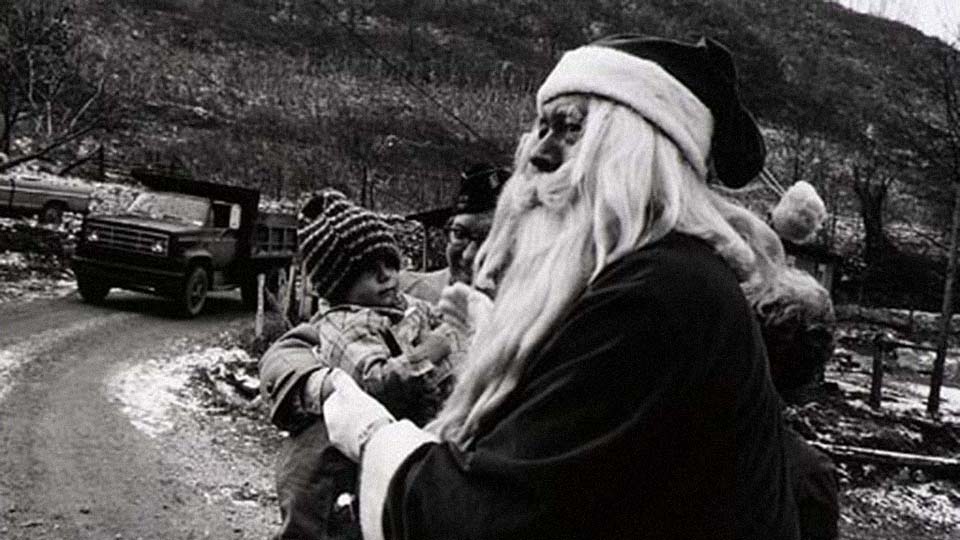

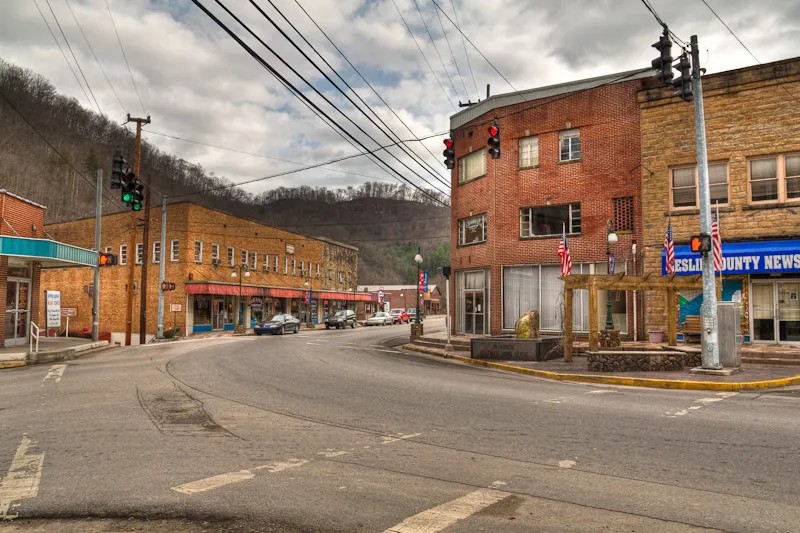
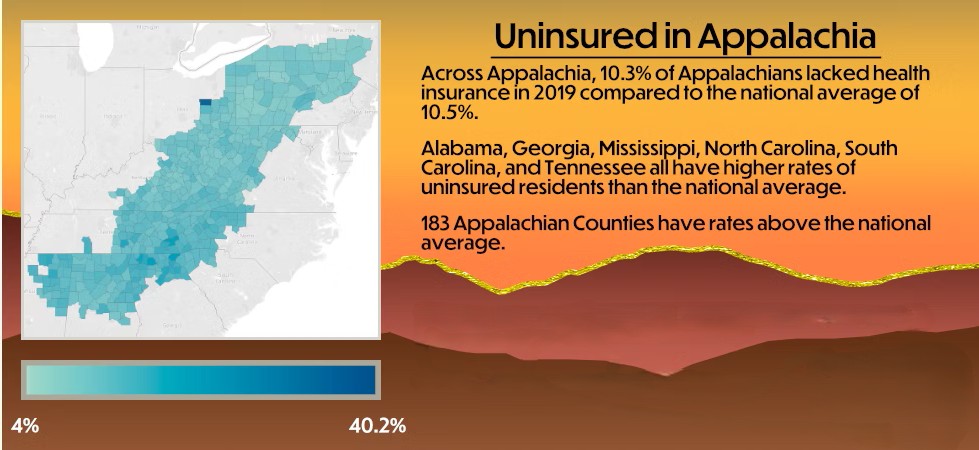

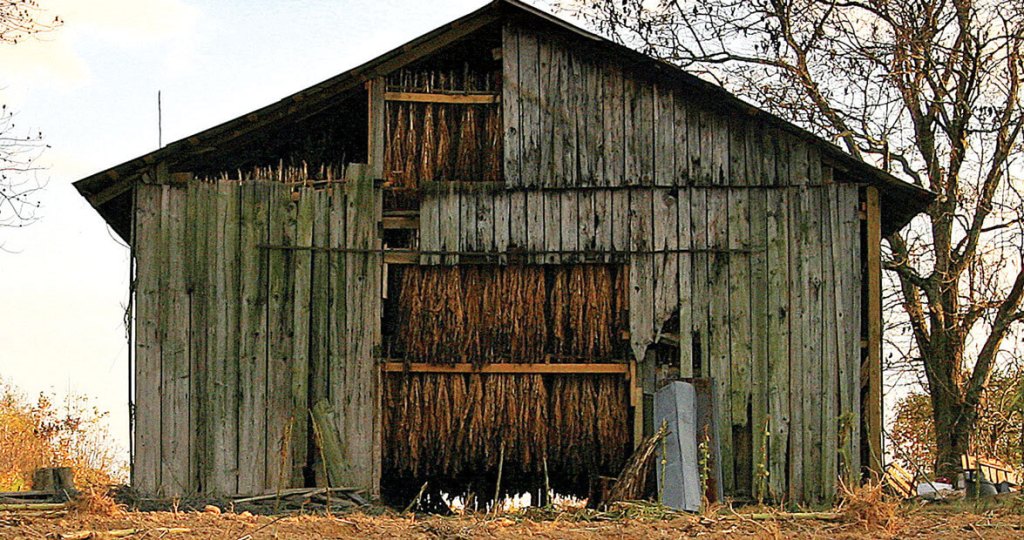



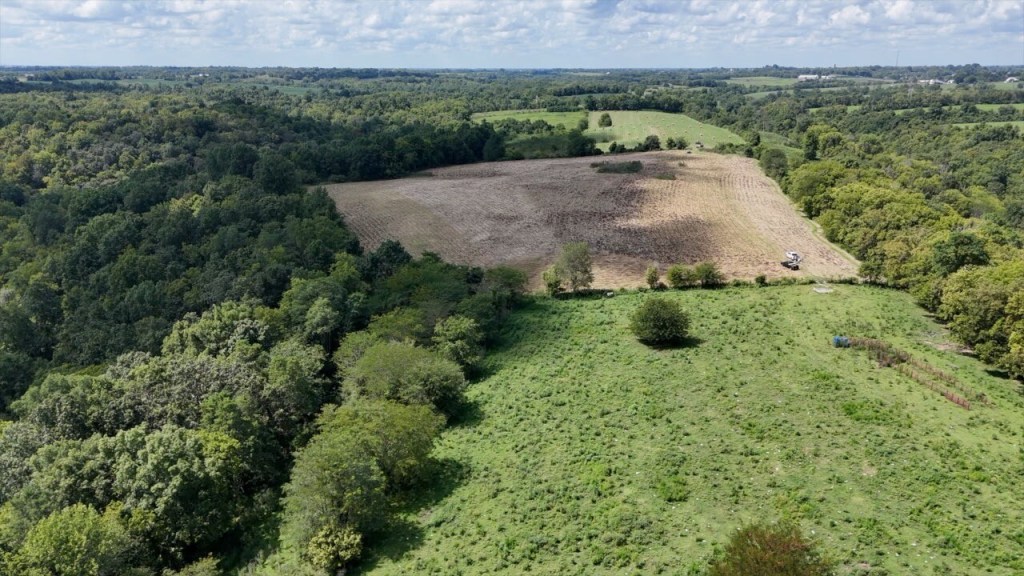
 Echoes of Appalachia