
• Mountain Mysteries: Discovering the Enchanting Superstitions of Appalachia

    Nestled in the heart of the eastern side of the United States, the Appalachian region is rich with culture, history, and folklore. One of the most fascinating aspects of Appalachian life is its myriad superstitions, passed down through generations like treasured heirlooms. These beliefs, often rooted in a deep connection to nature and community, reveal insights into the values and fears of the people who call the mountains home. Let’s explore some of the most intriguing Appalachian superstitions and their meanings. To understand their origins, we need to delve into the past, exploring the influences that crafted these beliefs over generations.

    Indigenous Roots

    Before European settlers arrived, the Appalachian Mountains were home to Indigenous peoples, including the Cherokee, Shawnee, and others. These communities had their own rich spiritual beliefs, closely tied to nature. They revered animals, plants, and natural phenomena, attributing spiritual significance to them. Many superstitions in Appalachia, like the belief in the protective qualities of certain herbs, can be traced back to these Indigenous practices. For instance, the use of yarrow for love and protection reflects a long-standing respect for the healing properties of nature.

    European Settler Influence

    As settlers moved into the region in the 18th and 19th centuries, they brought with them a variety of cultural beliefs from Europe. The Scotch-Irish immigrants, in particular, had a significant impact. Their traditions included a strong belief in the supernatural, including fairies, spirits, and omens. Many Appalachian superstitions, like the importance of the number three and the practice of warding off the “evil eye,” have roots in Celtic folklore.

    Additionally, German immigrants contributed their own beliefs, particularly in the use of herbs and folk remedies. The blending of these diverse traditions resulted in a unique Appalachian folklore that combined practical wisdom with spiritual significance.

    The Role of Oral Tradition

    Much of Appalachian superstition has been passed down through oral tradition, with stories and beliefs shared among families and communities. This transmission of knowledge often adapted to the specific context of the community, leading to variations in beliefs across different areas of the region. For example, while whistling at night might be considered bad luck in one community, another may have different interpretations based on local legends or historical events.

    The Influence of Isolation

    The geographic isolation of many Appalachian communities has also played a crucial role in the preservation and evolution of these superstitions. As settlers carved out lives in the rugged terrain, they developed a strong sense of identity rooted in their shared beliefs. This isolation allowed superstitions to flourish without outside influence, creating a distinct Appalachian culture.

    Modern Interpretations

    In more recent years, as the region has faced economic and social changes, some of these superstitions have adapted to fit contemporary life. While many people may not hold to these beliefs as strictly as their ancestors did, they often serve as cultural touchstones, reminders of the past that still resonate today.

    1. The Importance of the Number Three

    In Appalachian culture, the number three holds significant power. Many believe that if a wish is made three times, it is more likely to come true. This superstition extends to other aspects of life as well; for instance, when someone sneezes, it’s customary to say “God bless you” three times. This belief likely stems from the idea that three represents completeness or wholeness, making it a potent number in both spiritual and everyday contexts.

    2. The “Evil Eye”

    The concept of the “evil eye” is prevalent in many cultures, but it has a unique twist in the Appalachians. People believe that envious glances can cause harm, particularly to children and livestock. To ward off this negativity, folks often carry or hang symbols like a horseshoe or a piece of red cloth. In some communities, a simple “spit and cross” motion is made over a child to protect them from unwanted glares.

    3. Whistling at Night

    Whistling at night is often frowned upon in Appalachian communities. It is believed to invite bad spirits or misfortune. The mountains, with their dense forests and shadows, are thought to harbor entities that do not take kindly to disturbances after dark. Therefore, to ensure safety and peace, it’s wise to keep quiet when the sun sets.

    4. The Power of Herbs

    Herbal remedies play a crucial role in Appalachian superstition. Certain plants are believed to carry protective properties. For example, placing rosemary in a newborn’s room is thought to safeguard the child against illness. Additionally, wildflowers, like yarrow, are often used in rituals for love and protection. This belief in the power of nature is a testament to the region’s agricultural roots and a deep respect for the environment.

    5. The Midnight Hour

    The time between midnight and dawn is often seen as a portal between the living and the supernatural in Appalachian lore. Many believe that spirits roam freely during these hours, making it an ill-advised time for activities like traveling or starting new ventures. This superstition serves as a reminder to respect the mysteries of the night and the forces beyond our understanding.

    6. The Role of Animals

    Animals, especially birds, carry significant meaning in Appalachian folklore. A single crow flying overhead is often viewed as a bad omen, while the appearance of a bluebird is considered a sign of good fortune. Additionally, the behavior of pets, particularly cats, can be interpreted as indicators of upcoming events. For instance, if a cat washes its face, it is said that visitors are on the way.

    7. The Ritual of Spilling Salt

    Spilling salt is universally considered unlucky, but in the Appalachians, it’s particularly significant. To counteract the misfortune, one must throw a pinch of the spilled salt over their left shoulder. This act is thought to blind any lurking evil spirits and restore balance. This superstition speaks to a broader theme in Appalachian culture: the belief in the importance of rituals to ward off negativity.

    Ending:

    As we reflect on these rich traditions and beliefs, it’s clear that Appalachian superstitions offer more than just quirky rules; they provide a lens into the heart and soul of the region. Each superstition is a thread in the intricate tapestry of Appalachian life, woven together by history, culture, and a profound respect for nature.

    Today, as modern influences seep into these mountains, many of these superstitions are still cherished, serving as cultural touchstones for both the young and old. While some may dismiss them as mere folklore, for many Appalachians, these beliefs are an embodiment of resilience, a connection to ancestors who navigated the same trails, faced the same fears, and sought the same comforts in the unknown.

    As you wander through the Appalachian landscape—whether it’s a dense forest, a bustling small town, or a serene mountaintop—take a moment to listen. You might hear the whispers of ancient stories carried by the wind, see the symbols of protection hanging in doorways, or feel the quiet reverence that permeates the air. These superstitions, once vital for survival, continue to resonate in everyday life, reminding us that even in our modern world, the past shapes our identities and our connections to one another.

    In the end, the superstitions of Appalachia are not just remnants of an old way of life; they are living traditions that celebrate the region’s rich cultural heritage. They encourage us to look beyond the surface, to find meaning in the ordinary, and to honor the intricate relationship we share with the world around us. As the mountains stand sentinel over the valleys below, so too do these beliefs stand watch over the lives of those who call this enchanting region home.

    -Tim Carmichael

  • The Overmountain Men: Major Jonathan Tipton and His Legacy

    The American frontier has always been a tapestry woven with the stories of brave individuals who carved their destinies in the wilderness. Among these figures stands Major Jonathan Tipton, a prominent leader of the Overmountain Men—a group of frontiersmen who played a pivotal role during the American Revolution, particularly in the Southern Campaign. The term “Over Mountain Men” refers to the settlers who lived in the Appalachian Mountains, primarily in what is now eastern Tennessee and western North Carolina. These men were known for their fierce independence, self-sufficiency, and deep-rooted connection to the land. As tensions between British authorities and American colonists escalated, many Overmountain Men took up arms to defend their freedoms, becoming crucial players in the fight for independence.

    Born in 1730 in Pennsylvania, Jonathan Tipton moved to the frontier, where he became a landowner, farmer, and respected community leader. He settled in the Watauga River Valley, an area rich in resources and strategic importance. As a military leader, Tipton was instrumental in organizing and rallying the Overmountain Men, urging them to take action against British forces. One of the most significant moments in the Overmountain Men’s history—and Tipton’s legacy—was their participation in the Battle of King’s Mountain on October 7, 1780. This decisive battle pitted American frontiersmen against British Loyalists and marked a turning point in the Revolutionary War.

    Tipton was among the leaders who organized the Overmountain Men for this crucial fight. His strategic foresight and ability to unite the disparate groups of frontiersmen played a vital role in the American victory. The Over Mountain Men’s determination and guerrilla tactics overwhelmed the British forces, leading to a decisive defeat for Loyalists and boosting morale among the revolutionaries.

    What set Major Jonathan Tipton apart as a leader was not just his military acumen but also his ability to inspire loyalty and camaraderie among his men. He understood the unique challenges faced by the frontier community—challenges that included not only British forces but also the harsh realities of wilderness life. His leadership style was characterized by community engagement, adaptability, and resilience. Tipton worked closely with local communities, listening to their concerns and rallying support for the revolutionary cause. He understood the terrain and utilized it to his advantage, employing unconventional tactics that capitalized on the skills of the frontiersmen. Tipton’s determination in the face of adversity inspired his men to push through challenges, whether in battle or during the hardships of frontier life.

    Major Jonathan Tipton’s contributions extended beyond the battlefield. After the war, he continued to serve his community, holding various local offices and helping to shape the growing region. His legacy lives on in the collective memory of the Overmountain Men, who are celebrated for their bravery and commitment to independence. Today, Tipton is remembered not just as a soldier but as a symbol of the spirit of the American frontier. His story highlights the importance of grassroots leadership in shaping the course of history. As we reflect on the lives of figures like Tipton, we gain a deeper appreciation for the sacrifices made by those who came before us—individuals who fought for freedom and laid the groundwork for future generations.

    The Overmountain Men and Major Jonathan Tipton remind us of the power of community, resilience, and leadership in times of crisis. Their actions during the Revolutionary War played a critical role in securing American independence, and their legacy continues to inspire us today. As a proud descendant, being the 5th great-grandson of Major Jonathan Tipton, I feel a personal connection to his story and a deep appreciation for the bravery of those who fought for our freedoms. As we explore our own challenges, we can look to their example for courage and determination in pursuit of a just and free society.

    -Tim Carmichael

  • Heartstrings of Appalachia: A Journey Through Love and Community

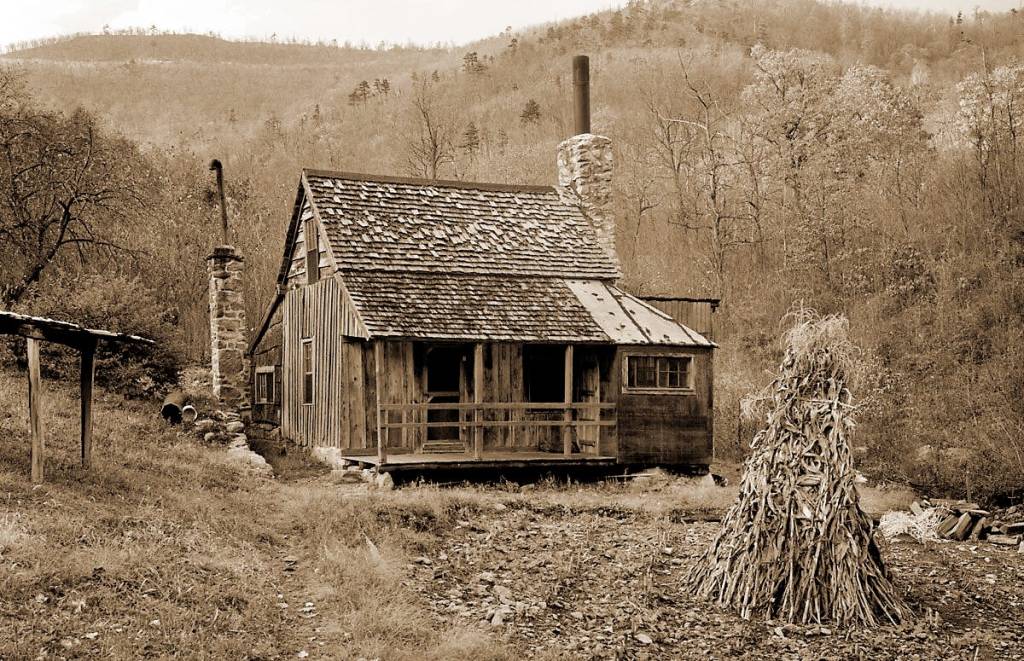
    Growing up in the small community of Spillcorn, nestled in the Western North Carolina mountains near Marshall, profoundly shaped who I am today. Our three-room house—a simple arrangement of a bedroom, living room, and kitchen—was modest, but it was filled with warmth, laughter, and the daily hustle of life shared with my two sisters and my brother. We all squeezed into that little bedroom; the sheets hung up for privacy creating a cozy haven that made us feel safe. Life was often tough; I remember days when my mother would open a jar of green beans and split its contents among us because that was all we had to eat. Yet, in those moments of scarcity, we always managed to find joy in one another’s company and the love that filled our home. The photo below was our tiny house.

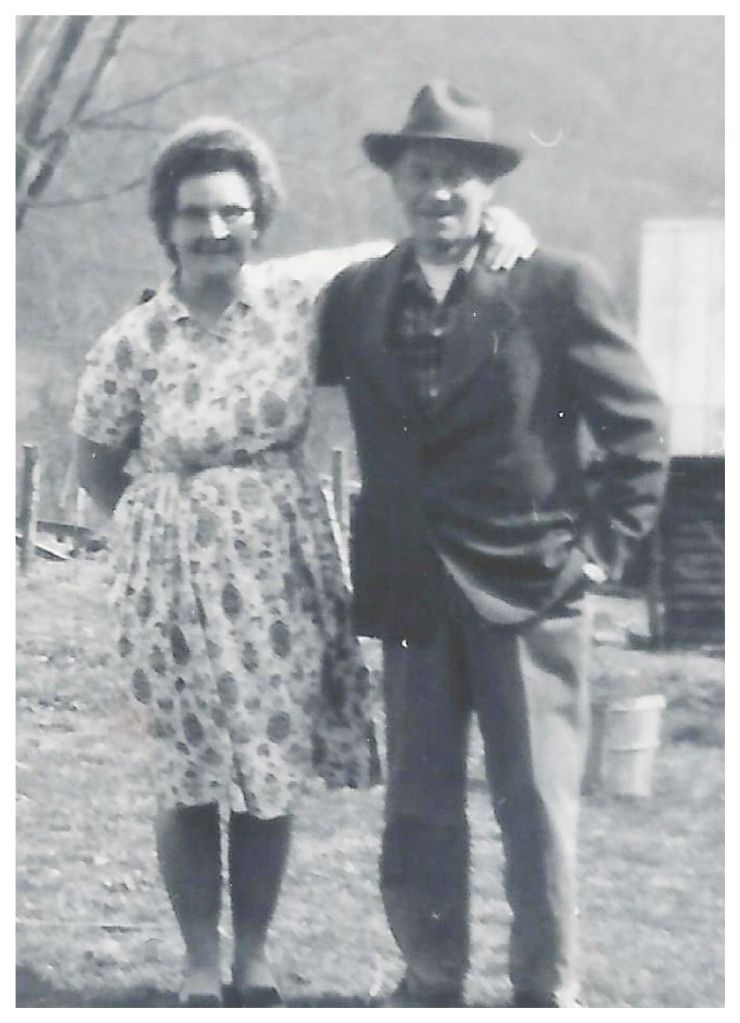
    My Granny Norton was our guiding star. She was a remarkable woman with an incredible gift for healing. When any of us fell ill, we didn’t rush to a doctor; we turned to her. With her deep knowledge of herbs, roots, and berries, she could whip up remedies that felt like magic, often having us up and running in no time. I can still picture her gathering wildflowers and foraging for plants, her hands deftly preparing potions and teas that soothed us when we were sick. Her quilting skills were equally extraordinary. The quilts she made weren’t just functional; they were vibrant pieces of art that wrapped us in warmth and comfort during cold nights. Each stitch was a testament to her love and dedication, turning the simplest fabric into something beautiful and meaningful. Those quilts adorned our beds and couches, each one telling a story, each patchwork piece a reminder of her nurturing spirit. The picture below is my granny Norton in 1957.

    Our home had its quirks. We relied on an outhouse out back and used the creek that ran by our house as our refrigerator, keeping our food cool and fresh. I remember the summer days spent wading in that creek, the cold water refreshing against my skin, while my siblings and I played games and caught minnows. Those unconventional living conditions taught me to appreciate the little things and the beauty of nature surrounding us. I spent countless hours exploring the woods, collecting wildflowers and climbing trees, learning to find joy in the simple pleasures of life.

    When I was in the eighth grade, our family moved to Flag Pond, Tennessee, bringing us closer to my father’s side of the family. This move introduced me to a broader world filled with new experiences and deeper connections. In Flag Pond, I spent a lot of time with my Mamaw Tipton, who was a master in the kitchen. Her cooking was legendary in our family, and I can still recall the comforting aroma of her biscuits and gravy wafting through her home. I remember standing on a stool, watching her roll out the dough and teaching me the art of making those fluffy biscuits. She had a way of turning ordinary ingredients into extraordinary meals, filling our bellies and our hearts. It became a cherished tradition to gather around her table, where stories were shared, and laughter echoed, creating memories I hold dear to this day.

    My father had a complicated role in our lives as a moonshiner. For nearly 60 years, he crafted moonshine to provide for us. Some might label him a sinner, but I never viewed it that way. He did what he had to do to keep food on the table and a roof over our heads. He would often tell us stories about his early days, the risks he took, and the friends he made along the way. In our small community, everyone was aware of his moonshining, and when that money hit the offering plate at church, I never heard anyone question its source. To us, it was simply part of our reality—a reflection of survival in a world that didn’t always offer us many choices.

    Looking back on my upbringing, I am filled with a deep sense of gratitude for the remarkable people who shaped my life. Each person contributed to my understanding of love and sacrifice. From Granny Norton’s nurturing spirit to Mamaw Tipton’s culinary expertise, I learned invaluable lessons about kindness, hard work, and the importance of family. I saw firsthand how a community can rally around each other during tough times, providing support and strength when it was needed most. Those connections, formed in the face of adversity, taught me that we are never truly alone, no matter how difficult the circumstances may seem.

    As I grew older, the lessons I learned in Spillcorn continued to influence my life. The values instilled in me by my family and community became my compass, guiding me through life’s challenges. I carried with me the understanding that hard work and dedication can create opportunities, even in the toughest situations. I remember the joy of returning home after school, sharing stories with my siblings, and helping my mother with chores while Granny shared her wisdom. Those moments reinforced our bond and reminded us that love and support are the greatest gifts of all.

    In a world that often overlooks the struggles of rural life, I carry my Appalachian roots with pride. Those experiences—marked by both hardship and joy—have forged my character and continue to guide me. I may have grown up in poverty, but I was rich in love, community, and the strength of my family. I look back and realize how fortunate I truly was. I was one lucky man, and I wouldn’t trade my upbringing for anything. Each memory, each lesson, and each moment spent in the embrace of my family has become an integral part of who I am today, shaping my perspective and fueling my appreciation for life’s simple joys. The mountains, the creek, and the love shared among us remain a cherished part of my heart, reminding me that even in the toughest times, there is beauty and strength to be found.

    -Tim Carmichael

  • The Extraordinary Life of Federick Messer: A Pioneer of Appalachia

    In the heart of Appalachia, the story of Federick Messer stands out as a testament to the region’s rich history and resilient spirit. Born on August 12, 1792, in Lincoln County, North Carolina, along the south fork of the Catawba River, Fed’s remarkable life spanned over a century, making him a living connection to a bygone era. While family researchers suggest he may have actually been born in 1791, the date on his tombstone in the cemetery near Panther Creek Baptist Church immortalizes him as a man of enduring legacy.

    Roots in Revolutionary History

    Fed Messer was the son of Christian Sergeant Messer, a veteran of the Revolutionary War. This heritage of courage and dedication influenced Fed’s upbringing. Around 1796, Christian moved the family to what is now Haywood County, settling initially in Dutch Cove. Over time, they found their home in the Panther Creek community along the lower Pigeon River, where Fed would live out his long and colorful life.

    Interestingly, Fed had vivid memories of the family’s journey to the mountains. He recounted a notable incident where he was bitten by a dog while passing through Asheville, which at the time may have still been known as Morristown. He also remembered the somber atmosphere that surrounded the death of George Washington in 1799, a poignant moment that marked his early years.

    A Life of Adventure and Family

    Fed Messer was born with an adventurous spirit, destined to roam the forests and embrace the thrill of the hunt. He eventually acquired land in White Oak, downstream from Panther Creek, and married Anna Hunter, a native of Wilmington. The details of how a mountain man met a coastal woman remain shrouded in mystery. Interestingly, though records suggest he was 25 when he married, he was actually 35. Anna, based on her tombstone, was only 13 when she became his bride.

    Together, Fed and Anna had nine children, and their life was filled with the joys and challenges of family. Anna passed away in 1894 at the age of 79, and Fed would outlive all of their children except for one—his daughter Sue, who devoted her life to caring for him. He fondly reminisced about his daughters, sharing that the others had moved westward, pursuing their own dreams.

    The Hunter’s Legacy

    Fed Messer was renowned for his hunting prowess. “Yes sir, I was a great hunter after bear, deer, and turkeys,” he told a reporter. He boasted about his remarkable feats, claiming to have killed 26 deer in one day, 32 turkeys in another, and even four bears in a single outing. His skills and stories made him a legendary figure in the region, reflecting the deep connection between the people of Appalachia and the land they inhabited.

    On Feb. 21, 1907, the Charlotte Observer reported that “A long distance telephone message from Waynesville last night conveyed the intelligence that Federic Messer of White Oak Township, Haywood County, died Sunday night,” At the time of his death, the Observer reported, Messer was the oldest white man in North Carolina, if not in the South.

    Conclusion

    Federick Messer’s life is a rich tapestry of adventure, history, and family. As we reflect on his remarkable journey—from his birth in the early 19th century to his vibrant life in the Appalachian Mountains—we are reminded of the enduring spirit of the region and its people. Fed’s story serves as a bridge to the past, a celebration of the tenacity and love that define the Appalachian way of life. His legacy continues to inspire those who seek to honor the rich heritage of this beautiful region.

  • The Bat That Brought Us Together: Finding Laughter in the Unexpected

    Life in Spillcorn where I was raised wasn’t always about survival, hardship, or solemn moments. We had our share of laughter, too, often at each other’s expense, but never in a mean-spirited way. In a community as small and close-knit as ours, humor was a way to cope with the challenges we faced and to bring a little light into our lives. It was woven into the fabric of our days, especially during the times we gathered for fellowship and worship. Some of the best laughs came from the unexpected moments, those rare instances when something unplanned happened, shaking us out of our routines and reminding us not to take life too seriously.

    One of those moments occurred during our home church services. These services were held at the homes of some of the elderly members of our community who had difficulty getting out to church. As the church congregation made their way to one of the elderly couples houses for the weekly service, inside, the women would fill the couches and chairs, whispering greetings and catching up on the latest news, while the men gathered outside on the porch, their voices mingling in low conversation as they waited for the preacher to begin.

    One of the regulars at these home services was an old man who had seen more than his share of life’s ups and downs. He always showed up in the same faded overalls and well-worn hat, his face deeply lined with age and experience. He was a quiet man, not one to call attention to himself, and he usually sat silently on the porch, listening intently as the preacher’s words echoed through the holler.

    But one evening, just as the preacher was reaching the climax of his sermon, urging the congregation to give their lives to God, something happened that none of us would ever forget. Without warning, the old man jumped to his feet, his arms flailing wildly as if he’d been struck by lightning. The church women inside gasped, their hands flying to their mouths in shock, while the preacher’s eyes widened in what he probably thought was divine intervention.

    “He’s been touched by the Spirit!” one of the women cried out, her voice filled with emotion as she rushed outside, eager to witness what she believed was a miracle.

    But as the congregation gathered around the old man, their hands outstretched in prayer, it soon became clear that this was no spiritual awakening. The old man’s face twisted in discomfort, his hands clawing frantically at his overalls as he yelled, “Get your damn hands off me!”

    “Something flew up my pants leg!” he shouted, dancing around in a frantic attempt to rid himself of the unwelcome intruder. It wasn’t the Holy Spirit that had moved him—it was a small bat that had somehow found its way into his overalls, causing him to perform a dance that would go down in Spillcorn history.

    The women gasped in shock, the preacher stood there dumbfounded, and then the laughter began—first a few chuckles, then full-on belly laughs as everyone realized what had happened. The old man, to his credit, never lost his composure once the bat was gone. He sat back down on the porch, a twinkle of amusement in his eyes as he listened to the rest of the sermon, which was considerably more subdued after that. He never did repent that night, but the memory of his bat-induced dance brought more joy and laughter to our community than any sermon could have.

    The moral of the story? Sometimes, life throws unexpected moments our way, and it’s up to us to find the humor in them. It’s not always about being serious or perfect—it’s about learning to laugh at ourselves, even in the middle of the chaos. And in doing so, we often bring more warmth and joy to those around us than we realize. Life has its challenges, but every now and then, it hands us a reason to dance, even if it’s just to shake a bat loose.

    -Tim Carmichael

  • The Legend of Mahalia Collins Mullins: An Appalachian Moonshiner Beyond Compare

    In the annals of East Tennessee folklore, few figures are as enigmatic and larger-than-life as Mahalia Collins Mullins. Her tales are woven into the fabric of moonshine culture, capturing the imagination of many across the United States, Canada, and Mexico. From her purported wrestling feats to her infamous run-ins with the law, Mullins’s story is as rich and wild as the whiskey she crafted.

    A Woman of Strength and Spirit

    Some say Mahalia once faced off against thirty men in a wrestling match, a display of strength and determination that ended not only in her victory but in her selling them all whiskey afterward. This anecdote embodies the spirit of a woman who refused to be underestimated in a male-dominated world. Her larger-than-life persona was not just about brawn; it was also about resilience and resourcefulness, traits that allowed her to navigate the turbulent waters of both moonshining and societal expectations.

    Another popular tale suggests that when law enforcement attempted to arrest her, they struggled to get her through the door of her home. Such stories serve to illustrate not only her physical presence but also her defiance against authority. Mullins became a symbol of rebellion, challenging the constraints placed on her simply because she was a woman in a field typically dominated by men.

    The Folklore of Moonshining

    In the heart of East Tennessee, moonshiners like Popcorn Sutton often occupy the spotlight, characterized by their wild antics and rugged masculinity. Yet, Mahalia Mullins carved out her own niche within this realm. The stories of her exploits add a unique dimension to the moonshining legacy—one that celebrates female strength and independence.

    Mullins’s life was a tapestry of tall tales, with legends often overshadowing the truth. Some say she could brew a batch of moonshine faster than anyone in the region, while others claim her whiskey was so potent that it could knock a man off his feet. As with many figures from folklore, the lines between fact and fiction blur, leaving us with a mosaic of stories that reflect the cultural attitudes of the time.

    A Legacy Written in Headlines

    By the time of her passing, Mahalia Collins Mullins had become a national sensation. Newspapers across the country featured headlines like “Not Too Big for Death” and “Famous Moonshiner Dead, Defied Law Officers from a Mountain Top.” These catchy phrases spoke not just to her notoriety but also to the complexities of her character—a woman who defied expectations and left an indelible mark on the moonshining world.

    Her story resonates beyond the borders of Tennessee, inspiring those who hear it to challenge societal norms and celebrate individuality. Mullins represents a spirit of defiance, embodying the wild heart of moonshining culture while simultaneously breaking the mold.

    Conclusion: The Enduring Myth of Mahalia

    The legacy of Mahalia Collins Mullins is a reminder that history often favors the bold and the unconventional. As we reflect on her life, we are invited to question the narratives surrounding traditional figures of rebellion and to celebrate the stories of women who have shaped these worlds in their own right. Whether she was a formidable wrestler or a moonshine mogul, Mullins’s legend lives on, inspiring future generations to carve their own paths, regardless of the obstacles in their way.

    In the realm of moonshiners, where legends are born and tales are spun, Mahalia Collins Mullins will always hold a special place—a testament to the power of a woman who refused to be defined by the limits of her time.

  • The Quiet Struggle: Poverty in Appalachia

    If you’ve ever been to Appalachia, you know it’s a place of breathtaking beauty. The mountains, the valleys, the sense of being connected to something deeper—it’s a place that gets into your bones. But there’s another side to this region, a side that doesn’t get talked about as much. Appalachia is also a place where poverty runs deep, affecting families, children, and entire communities.

    For generations, folks have been making do with what they have, surviving in these mountains through hard times. I grew up seeing it firsthand. While my family managed to get by, not everyone around us was so lucky. Some of you might have memories like mine—kids at school with shoes that barely held together, clothes that had seen too many winters. I’ll never forget how some of my friends would scarf down their free lunch at school like it was the only meal they’d get that day.

    How We Got Here

    The story of poverty in Appalachia is complicated, but it didn’t happen overnight. Back when coal mining and logging were booming, this region had its share of work. It wasn’t easy work—far from it—but it was steady. But then the mines began to close, factories moved away, and jobs dried up. Suddenly, whole communities were left with little to hold onto. And let me tell you, when jobs go, everything else follows. Schools, healthcare, small businesses—everything gets hit hard.

    The Struggles of Today

    Even now, things haven’t gotten much better for many families in Appalachia. Some counties have poverty rates as high as 30%, and healthcare and job opportunities are scarce. Addiction—especially to opioids—has only made things worse. The land may be beautiful, but life for a lot of folks here is anything but.

    In some of the hollers, it can feel like the outside world has forgotten about us. Houses are falling apart, and too many families rely on government assistance just to make ends meet. But the hardest thing to see is the children who grow up thinking this is normal—like struggling is just part of life.

    Strength in Community

    But if there’s one thing I’ve learned, it’s that the people of Appalachia are tough. We’re survivors. When times are hard, we take care of each other. When someone’s out of work, neighbors step in. If a family doesn’t have food, the community finds a way to get them through. It’s not charity—it’s just how we do things around here.

    Churches and local groups are the lifeline for so many families. Food pantries, clothing drives, and Christmas toy giveaways—these small acts of kindness make a big difference. I’ve seen it with my own eyes. When there’s not much to go around, people share what little they have.

    A Way Forward

    Here’s the thing: people in Appalachia don’t want handouts. We want opportunities. We need better access to education, healthcare, and good-paying jobs. With the right investment, the people of this region could thrive. We don’t need someone to come in and “fix” us—we need the tools to build something better for ourselves.

    Appalachia is a place that’s been through a lot, but it’s also a place with a lot of heart. We’ve survived through generations of hardship, and with a little help, we’ll keep going strong. Thanks for listening and for caring about this special place. Together, we can make sure these mountains continue to echo with stories of community, and hope.

  • Riverside Cemetery: A Haunting Walk-Through Asheville’s Past

    Tucked away in the Montford Historic District of Asheville, North Carolina, lies Riverside Cemetery—a place where history and mystery intertwine. Spanning 87 acres, this burial ground holds the stories of over 13,000 souls, including literary legends like Thomas Wolfe and William Sydney Porter, better known as O. Henry. But for those who walk its peaceful paths at dusk, there’s something more than history lingering in the air—some say it’s haunted.

    The History

    Established in 1885, Riverside Cemetery offers a serene resting place amid Asheville’s rolling hills. Its winding paths lead visitors through a garden of tombstones, monuments, and mausoleums that tell the stories of families and individuals who shaped the region. From Confederate generals to local artisans, the cemetery’s rich history feels alive in the air, with echoes of the past seemingly everywhere.

    The Ghostly Legends

    As with many old cemeteries, Riverside has become the subject of eerie legends and ghost stories over the years. Locals whisper about the spirits said to wander the grounds, unable to find peace. Some visitors claim to have seen shadowy figures among the gravestones or felt an icy chill even on the warmest days. One of the most talked-about apparitions is that of a woman dressed in white, seen weeping near a grave marked only with initials. Others report hearing soft whispers or footsteps when no one else is around.

    The Haunted Soldiers

    Riverside Cemetery is the final resting place for over 500 Confederate soldiers, and some say their spirits remain, wandering the grounds as if still on guard. Visitors have reported hearing the faint sounds of marching boots or the distant clinking of metal, as though a spectral army still patrols the area.

    Literary Spirits

    Perhaps the most famous graves in Riverside belong to two of Asheville’s literary icons—Thomas Wolfe and O. Henry. Wolfe, known for his towering novels about growing up in Asheville, is said to be restless even in death. Some claim to see his ghost walking through the cemetery, his long coat trailing behind him as he contemplates the town that shaped his work. Could it be that Wolfe, like the characters in his books, feels bound to the land of his youth?

    O. Henry, with his sharp wit and twist endings, may have another chapter left to tell. Some visitors have reported seeing a figure near his grave who disappears when approached, leaving behind only a sense of unease. Is it the playful spirit of the author himself, crafting one last ironic turn?

    Visiting Riverside Cemetery

    Whether you’re drawn to Riverside for its history, its beauty, or its ghostly tales, it’s a place worth visiting. During the day, the cemetery is a peaceful retreat from the bustle of Asheville, with its moss-covered stones and towering trees offering a quiet place to reflect. But as the sun dips below the mountains and shadows begin to stretch across the hills, it’s easy to see why the cemetery has earned its haunted reputation.

    Perhaps the spirits that are said to roam Riverside are simply the echoes of a bygone era, a reminder that the past is never too far away. Or perhaps, as many believe, they are still here—watching, waiting, and wandering among the graves.

    Would you dare to find out for yourself?

    By Tim Carmichael

  • Moonshine in Appalachia: Memories of my Daddy and his Mountain Legacy

    For nearly 60 years, my daddy made moonshine that people would drive from all over to get. His shine was as clear as glass, and folks would cross state lines just to fill a jug, some coming all the way from California. Daddy didn’t need fame—his reputation traveled on its own, built on word of mouth and the unmistakable quality of his moonshine.

    Making moonshine was hard work, but it was something we did to make ends meet. I remember sitting with him and my brother, shelling corn by hand into burlap sacks. It was a long, tedious job, but just the start of what was to come. Once we had the corn shelled, we’d haul it down to the creek and let it soak overnight, so it would swell up and be ready to grind the next morning. Then came the real heavy lifting—carrying the ground corn, along with massive bags of sugar and yeast, up the mountain to where we had our eight mash barrels buried in the ground. That mash would sit and ferment for about a week or more, and when you uncovered those barrels, the smell of fermented mash hit you like a freight train.

    Daddy’s still was nothing fancy, but it was effective. It was made up of five barrels—a big metal drum filled with water, three wooden barrels holding the mash, and at the end, a copper “worm” tube. He ran an old furnace motor to heat the first barrel of water, and once it started boiling, the steam would flow through the mash barrels and down the copper worm. By the time that steam hit the air, it turned into liquid gold. When that first drop of moonshine trickled out, you knew you were in for something special. Daddy’s shine was as smooth as it was clear, and people would rave about how good it was, and you could see the pride in daddy’s face when people complimented him over his moonshine. Daddy charged $7.50 for a 1/2 gallon of moonshine the highest price you could get back then, and people would still pay it and never complain.

    Moonshining was dangerous business, and it had to be kept secret. Most of our neighbors knew what we were up to, but instead of turning us in, they’d keep an eye out. If they saw an unfamiliar car lurking around or a stranger asking too many questions, they’d give us a heads-up. We were careful, but we couldn’t hide everything. Folks around here often called moonshine a “sin,” but that didn’t stop them from accepting money made from selling shine when it ended up in the church’s offering plate. For many families, it was a way of getting by, especially when times were tough.

    Daddy wasn’t in it for the glory, but his moonshine was the best. I know a lot of people talk about Popcorn Sutton, and I’ve met him a few times. He was a master at what he did, and I’ll never take that away from him. But there were plenty of other men in these mountains who were just as good—maybe even better. My daddy was one of them. His shine spoke for itself.

    Then, in December 2009, when Daddy was 79 years old, his luck ran out. After decades of staying under the radar, he finally got caught. The raid took place up in Madison County, in North Carolina about 100 yards up a steep, wooded mountainside, near daddy’s house. Authorities seized more than 400 gallons of mash and 36 gallons of distilled moonshine. The burner was still warm when they arrived. It made the papers—the Asheville Citizen-Times reported it was the first and largest moonshining raid in the county in recent memory. It was a rough moment, but Daddy always knew the risks. When he went to court, they just gave him a fine and a slap on the wrist and that was the last time daddy ever made moonshine.

    Looking back, making moonshine with daddy and my brother was more than just producing whiskey; it taught us the true meaning of hard work and how to provide for our family in the best way we knew how. I’ll always cherish those memories of sitting by the still, hauling heavy bags of sugar and corn up the mountain, and eagerly waiting for that first drip of moonshine. Although Daddy passed away two years ago at the age of 92, his legacy lives on in every recollection of those days and nights spent together crafting a guilty pleasure for so many. Those were some of the hardest yet most rewarding times of my life.

    By Tim Carmichael

  • Folk Magic: The Mystical Traditions of Appalachia

    Appalachia is a region steeped in mystery, and nowhere is that more evident than in the folk magic that has long been practiced in the mountains. Known by many names—granny magic, root work, or simply mountain magic—this tradition blends herbal medicine, spiritual belief, and old-world customs into a unique practice that has been passed down through generations.

    Folk magic isn’t just a relic of the past; it’s still alive in Appalachia, quietly woven into daily life for those who believe in its power. Let’s take a closer look at the roots of Appalachian folk magic and the enduring influence it has on the people of this region.

    The Roots of Appalachian Folk Magic

    The folk magic practiced in Appalachia is a patchwork of influences. When settlers from Europe, particularly Scotland and Ireland, arrived in the mountains, they brought with them centuries of magical belief. These traditions blended with indigenous practices from Native American tribes and African spiritual practices brought by enslaved people. Over time, this melting pot of influences evolved into a distinct form of folk magic rooted in the specific needs and challenges of Appalachian life.

    At the heart of Appalachian folk magic is the belief in the power of nature. The mountains are seen not just as a backdrop to life but as a living, breathing force that holds the keys to both survival and mystery. Plants, stones, animals, and even the weather are imbued with spiritual significance, and those who practice folk magic know how to tap into this natural power to heal, protect, and guide.

    The Role of the Granny Witch

    One of the most iconic figures in Appalachian folk magic is the “granny witch.” These women were the healers and wise women of their communities, often sought out for their knowledge of herbal medicine and their ability to cure ailments that doctors couldn’t. Granny witches were known for their deep understanding of the land, often growing their own medicinal herbs or foraging in the forests for plants like ginseng, bloodroot, and jewelweed.

    But their powers went beyond herbal remedies. Granny witches were believed to have a strong connection to the spiritual realm. They knew how to cast off curses, protect homes from evil spirits, and even predict the future. They were both respected and, at times, feared for their abilities. While not everyone practiced folk magic, nearly everyone knew someone who did, and the granny witch was often at the center of a community’s magical and healing traditions.

    Charms, Spells, and Rituals

    Folk magic in Appalachia often involved simple charms, spells, and rituals meant to bring good fortune, heal the sick, or ward off harm. These practices were practical, born out of necessity, and often tied to the cycles of nature.

    • Healing Charms: Healing was one of the most important aspects of folk magic. A common practice involved using a combination of herbs, words, and actions to cure sickness. For example, rubbing an injured body part while reciting a specific prayer or chant was believed to draw out the illness. Similarly, laying hands on someone and invoking the help of God or the spirits could bring healing.
    • Protection Spells: Appalachian homes were often “warded” against evil with simple, everyday objects. Hanging a horseshoe above a door, placing a broom across the threshold, or using iron nails around a property were all believed to keep negative forces away. These objects were thought to carry protective energy that would stop harmful spirits from entering a home.
    • Divination: Many folk practitioners used simple tools for divination—seeking guidance or predicting the future. Reading tea leaves, throwing bones, or even observing weather patterns could reveal signs of what was to come. One well-known practice was “scrying,” where a person would stare into a mirror or water to see visions of the future.
    • Rituals for Prosperity: Folk magic wasn’t just about healing or protection; it was also about ensuring a good harvest, bringing prosperity, or securing love. For example, planting certain herbs at specific times or facing a certain direction when sowing seeds could ensure a bountiful harvest. Carrying a charm or amulet, such as a rabbit’s foot or a special stone, was believed to bring luck or attract love.

    Blending Magic and Christianity

    What makes Appalachian folk magic particularly unique is the way it blends with Christianity. Unlike other forms of magic that were often seen as separate from religious beliefs, Appalachian folk magic frequently invoked the help of God or the saints. Many granny witches would recite Bible verses during healing rituals or call on Jesus for protection. The lines between religion and magic were often blurred, and it wasn’t uncommon for a practitioner to believe deeply in both the power of folk magic and the teachings of the church.

    This blend of magic and Christianity reflects the practical mindset of Appalachian people—if something worked, it didn’t matter where it came from. Faith, magic, and survival all lived side by side in these mountain communities, each supporting the other.

    The Survival of Folk Magic Today

    Though the days of the granny witch wandering the hollers may seem like a distant past, folk magic is still alive in Appalachia. Many people continue to practice herbal medicine, pass down charms for protection, and hold onto the beliefs and rituals that have been part of their families for generations. The resurgence of interest in folk traditions, along with a growing appreciation for natural remedies, has kept these practices relevant.

    Folk magic isn’t just a quaint tradition or a relic of bygone days. It remains a vital part of Appalachian culture, offering a connection to the past while continuing to provide practical help in the present. Whether it’s curing an ailment with a plant that grows nearby or hanging a charm above the door to keep evil away, folk magic is still woven into the fabric of life in these mountains.

    The Spirit of Appalachian Folk Magic

    At its core, Appalachian folk magic is about connection—connection to the land, to one’s ancestors, and to the unseen forces that shape our mountains. It’s about using what’s at hand, whether that’s an herb growing in the woods, or a Bible verse passed down from your grandmother, to make life just a little bit better, a little more secure.

    In a place where life has often been hard, folk magic offered hope, healing, and a sense of control over the unpredictable forces of nature. And for those who still believe in its power, it remains a quiet but enduring force in the mountains.

    By Tim Carmichael