• A Taste of Tradition: Thanksgiving Chicken and Dumplings in Appalachia

    This season, for many families in the region, signifies more than just the changing of the leaves; it’s a time for gathering, reflection, and, most importantly, celebration. Thanksgiving in the old days, especially in the Appalachian tradition, was a heartfelt occasion marked by family, gratitude, and a culinary experience that, while perhaps unconventional by today’s standards, held a special significance for those who prepared and shared it.

    The Heart of the Feast: Chicken and Dumplings

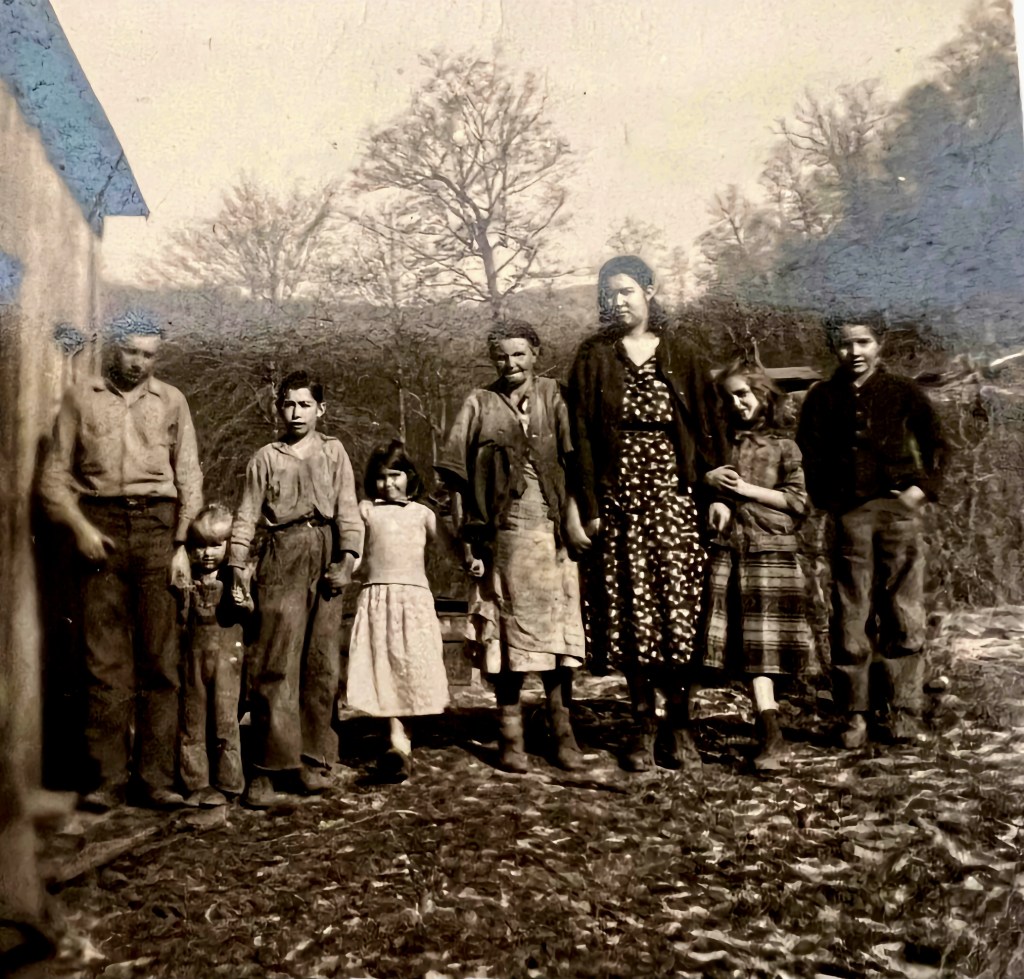
    In the Appalachian mountains, Thanksgiving wasn’t marked by elaborate feasts of turkey and stuffing as in many other parts of the country. Instead, families often celebrated with what they could raise, grow, or gather themselves. Central to many of these dinners was the dish of chicken and dumplings, a meal that was as nourishing as it was comforting.

    The star of the dish was typically a laying hen, specially fattened for the occasion. This wasn’t just any chicken; it was a cherished member of the homestead, often raised with care and attention. The act of preparing this hen for Thanksgiving was not merely a culinary choice; it was a symbol of the hard work and dedication that went into sustaining a family through the leaner months.

    A Unique Ingredient: The Egg Bag

    One of the most distinctive aspects of Appalachian chicken and dumplings was the use of the hen’s uterus, or the egg bag, in the dumplings. While the concept may seem unusual today, for those in the mountains, this practice added a richness to the dish that was both literal and metaphorical. The emptying of this egg bag into the dumplings imparted a striking golden hue and a depth of flavor that transformed simple ingredients into something extraordinary.

    For working-class families, who often faced the daily struggles of poverty and limited resources, this dish became a way to celebrate the abundance of the season. The act of utilizing every part of the hen exemplified a deep respect for their food sources and an understanding of the value of resourcefulness. It was a dish that brought warmth and joy to the table, embodying the spirit of gratitude for the labor that went into its creation.

    A Delicacy of Gratitude

    To the modern palate, the combination of chicken and dumplings infused with the richness of the hen’s egg bag might seem daunting. However, it’s important to remember the context in which these traditions were formed. For families who had little else to celebrate with, the meal was a cherished delicacy—a highlight of the year that brought a sense of festivity to what was often a hard existence.

    Thanksgiving was a time to gather around the table, share stories, and express gratitude for the blessings, no matter how small. The chicken and dumplings, with their unique preparation, became a centerpiece of these gatherings, a testament to the resilience and creativity of Appalachian cooks who transformed what they had into something special.

    Every Thanksgiving, my granny would transform her cozy kitchen into a hub of warmth and deliciousness. The tantalizing aroma of simmering chicken would waft through the house, making our mouths water in anticipation. When the time finally came, we’d gather around the table, eyes wide with excitement as she proudly set down the bowl of golden dumplings floating in rich broth. That first bite was always a moment to savor, each taste a reminder of the love and tradition that filled our home.

    Carrying the Tradition Forward

    Today, many of these traditional practices have faded or evolved, but the essence of Thanksgiving in Appalachia remains rooted in the same values: community, gratitude, and a deep connection to the land and its resources. While the ingredients may have changed and refined tastes may dominate holiday menus, the spirit of using what you have and celebrating with those you love endures.

    As we prepare to gather around our tables this Thanksgiving, let’s take a moment to remember those old traditions. Perhaps we can draw inspiration from them, embracing the resourcefulness, creativity, and gratitude that defined those Appalachian dinners. Whether it’s a modern twist on chicken and dumplings or simply a moment of reflection on the blessings we share, let’s honor the past while creating new memories for the future.

    -Tim Carmichael

  • Challenging Appalachian Stereotypes: A Closer Look at the Region and Its People

    The Appalachian region, stretching from southern New York to northern Mississippi, is rich in culture, history, and diversity. Yet, despite its vibrant communities, Appalachians have often been unfairly characterized by a narrow set of stereotypes that reduce them to simplistic caricatures. These perceptions began to crystallize in the post-Civil War era, as outsiders “discovered” Appalachia and crafted narratives around its perceived strangeness. Unfortunately, these limiting views have endured, shaping how many people understand and engage with the region today.

    Historical Roots of Stereotypes

    The stereotypical imagery of Appalachians can be traced back to the late 19th century when writers and artists began to portray the region as a mysterious, isolated enclave filled with “backward” individuals. This portrayal was fueled by a combination of economic hardship, the remoteness of the mountains, and the stark differences between urban and rural lifestyles. Appalachians were often depicted as uneducated, superstitious, and resistant to progress—images that have proved surprisingly persistent.

    The 1950s and 1960s marked a peak in the popularization of these stereotypes, particularly through television sitcoms and films that relied on caricatures of the “hillbilly.” These depictions often focused on exaggerated traits—poor grammar, outlandish behavior, and a general lack of sophistication—solidifying a narrative that painted Appalachians as both comical and pitiable. While these portrayals may have entertained audiences, they simultaneously reinforced harmful misconceptions that overshadow the true diversity and resilience of Appalachian communities.

    Common Stereotypes

    1. Economic Hardship: One of the most prevalent stereotypes is that all Appalachians live in poverty. While it’s true that certain areas face economic challenges, many communities are thriving. Local entrepreneurs, artists, and activists are working tirelessly to revitalize the economy, often leveraging the region’s natural resources and rich cultural heritage.
    2. Appearance and Lifestyle: The image of the disheveled hillbilly—often barefoot, in tattered clothing, and living in a rundown shack—dominates media portrayals. However, this stereotype fails to recognize the pride many Appalachians take in their appearance and lifestyle choices. The region is home to a range of fashion and lifestyle influences, and many residents maintain a deep appreciation for tradition and craftsmanship.
    3. Anti-Progressive Sentiment: Another common stereotype is that Appalachians are inherently resistant to change or progressive ideas. While rural communities may prioritize tradition, many are also at the forefront of social change, advocating for environmental protection, education reform, and healthcare access. Appalachians are often deeply connected to their communities, fostering resilience and innovation.

    Taking Pride in the “Hillbilly” Label

    Interestingly, for many of us who identify as Appalachian, being called a “hillbilly” can be taken as a compliment. This reclamation of the term reflects a pride in our heritage and a recognition of the strength and resilience that comes from our roots. Embracing the label allows us to redefine it, highlighting the unique qualities that characterize Appalachian culture—community spirit, resourcefulness, and a deep connection to the land. Rather than viewing “hillbilly” as an insult, many choose to see it as a badge of honor, celebrating the rich traditions and values that define our lives.

    The Impact of Stereotypes

    These stereotypes have profound implications. They not only misrepresent the complexities of Appalachian life but also influence policy decisions, economic development, and public perception. The region is often overlooked in discussions about national identity, and its voices are frequently marginalized in the broader cultural narrative.

    Moving Beyond Stereotypes

    To combat these misconceptions, it’s essential to elevate authentic Appalachian voices and stories. Local filmmakers, writers, and artists are increasingly working to portray their communities with nuance and depth, showcasing the richness of Appalachian culture, history, and identity. Efforts to promote tourism, support local economies, and preserve cultural heritage also play a crucial role in reshaping the narrative around Appalachia.

    Challenging the stereotypes surrounding Appalachian people is not just an exercise in correcting misconceptions; it’s an opportunity to celebrate the resilience, diversity, and vibrancy of the region. By engaging with Appalachian culture on its own terms, we can begin to dismantle the reductive narratives that have long defined it and foster a more inclusive understanding of this remarkable part of America. Embracing the complexity of Appalachia is not just beneficial for the region itself but enriches our collective cultural landscape. So the next time you hear the term “hillbilly,” remember that for many, it represents a deep pride in our heritage and a celebration of our community.

    -Tim Carmichael

  • Exploring the Richness of the Appalachian Dialect

    If you’ve read many of my hubs, you know that I’m fascinated with the English language and its myriad dialects. One of the most intriguing—and often misunderstood—dialects is that of the Appalachian region. Nestled in the heart of the eastern United States, the Appalachian dialect is not just a way of speaking; it embodies the culture, history, and identity of its people.

    A Unique Linguistic Landscape

    The Appalachian dialect, often referred to as Appalachian English or Mountain English, is characterized by its distinct vocabulary, pronunciation, and grammatical structures. It varies widely across the region, encompassing areas in West Virginia, Virginia, Kentucky, Tennessee, and North Carolina. This diversity reflects the complex history of the area, including the influences of early European settlers, African American communities, and Native American languages.

    One of the most noticeable features of Appalachian speech is its pronunciation. For instance, you might hear “dawg” instead of “dog,” or “holler” instead of “hollow.” The vowel sounds can also be quite different, giving words a melodic quality that many find charming. This unique pronunciation is often a source of pride for those who speak it, as it connects them to their heritage.

    My Journey with the Accent

    Personally, my connection to the Appalachian dialect is deep-rooted, yet I’ve experienced a transformation in how I speak over the years. I lost my true Appalachian accent, and while I still sound like I’m from the mountains, it’s not quite the same as it used to be. This shift has been both a source of nostalgia and reflection for me. I often find myself yearning for the way my speech once flowed, rich with the melodic lilt and local expressions that felt like home.

    Vocabulary with a Twist

    In addition to phonetic differences, the Appalachian dialect boasts a rich vocabulary that often includes words and phrases unfamiliar to mainstream English speakers. Terms like “catawampus” (meaning askew or awry) and “lope” (to run with a long, bounding stride) offer a glimpse into the colorful and expressive nature of the dialect. Phrases such as “over yonder” indicate a sense of place that is both specific and poetic, capturing the beauty of the Appalachian landscape.

    Grammatical Distinctions

    The grammatical structures of Appalachian English can also differ significantly from Standard American English. For example, you might hear the use of double modals, such as “might could,” which conveys a sense of possibility. This construction reflects a nuanced way of thinking about potential actions and decisions, highlighting the flexibility and creativity inherent in the dialect.

    Cultural Significance

    Understanding the Appalachian dialect goes beyond merely appreciating its unique features; it’s also about recognizing its cultural significance. The dialect is a marker of identity for many who live in the region. It carries stories of resilience, tradition, and community, often tied to the mountains and the way of life that has persisted for generations.

    The Misunderstanding of Appalachian English

    Unfortunately, the Appalachian dialect is sometimes subject to stereotypes and stigmas, often unfairly perceived as less sophisticated than Standard English. This misconception overlooks the rich literary and oral traditions that have emerged from the region, including folk tales, ballads, and storytelling. Authors like Jesse Stuart and poets like James Dickey have drawn upon the dialect to express the complexities of Appalachian life, demonstrating that this way of speaking is not only valid but also beautifully expressive.

    The Appalachian dialect is a vibrant tapestry woven from the threads of history, culture, and geography. Its distinctive features invite us to appreciate the diversity of the English language and challenge us to look beyond stereotypes. So, the next time you hear someone speaking with an Appalachian accent—whether it’s a true accent or a softened version like mine—take a moment to listen and appreciate the richness of their words. After all, language is more than just a means of communication; it’s a living testament to who we are and where we come from.

    -Tim Carmichael

  • Appalachia’s Survival: The Roots of Farm to Table Culture

    In recent years, the term “farm to table” has gained traction among upscale restaurants and culinary enthusiasts, often evoking images of vibrant, locally sourced produce and artisanal ingredients. But for many of us who grew up in Appalachia, the concept has a different, more pragmatic history. In our world, what’s now celebrated as a trendy lifestyle was simply a matter of survival.

    The Reality of Appalachian Life

    Growing up in the hills of Appalachia, our connection to the land was not a trendy movement; it was a necessity. My family, like many others in the region, relied on homegrown vegetables, fruits, and livestock to sustain ourselves. The growing season dictated our meals, and every bit of land was cherished for what it could produce. Canning, freezing, and preserving were not hobbies; they were vital skills passed down through generations.

    We learned early on how to plant, tend, and harvest our crops. For us, the garden was a lifeline. A bounty in late summer meant plenty of fresh food for our table, but it also meant hard work in preparation for the colder months ahead. We often joked that our idea of “fine dining” involved an extra helping of green beans or a slice of homemade pie. The flavors we savored were the fruits of our labor, nothing more, nothing less.

    The Farm to Table Trend

    Fast forward to today, and the culinary landscape has shifted dramatically. The phrase “farm to table” has become a hallmark of the dining experience, often associated with high-end restaurants eager to market their use of locally sourced ingredients. Chefs proudly display their connections to local farms, highlighting their commitment to sustainability and freshness. It’s a beautiful concept, no doubt, but it feels like a distant echo of a lifestyle that many of us lived out of necessity.

    For those who now flock to these restaurants, the idea of farm to table embodies a romanticized version of rural life—a curated experience that’s often stripped of the harsh realities many Appalachians faced. It’s easy to admire the rustic charm of a meal made with fresh, local ingredients when it’s enjoyed in a well-appointed dining room, but it’s essential to remember that for some, this was just a way to get by.

    Bridging the Gap

    What’s fascinating is how these two worlds can intersect. There’s a rich opportunity for dialogue and understanding between those who embrace the farm-to-table movement as a lifestyle choice and those who grew up in a culture where it was a means of survival. Both perspectives hold value. The past teaches us resilience and resourcefulness, while the present celebrates creativity and sustainability.

    As we move forward, let’s remember the roots of this movement. It’s not just about fancy menus or trendy labels; it’s about honoring the land and the hard work that goes into growing food. We can appreciate the beauty of farm to table while acknowledging that for many, it was never a trend—it was a way of life.

    So, the next time you hear “farm to table” echoing through the dining room, take a moment to reflect on its origins. For some, it’s an aspiration; for others, it’s a memory steeped in toil and tradition. By recognizing both sides of this story, we can foster a deeper appreciation for the food we eat and the hands that bring it to our tables—whether in a cozy Appalachian kitchen or a chic urban eatery. After all, at the heart of it all, it’s about survival, connection, and the simple joys of nourishing our bodies and souls.

    -Tim Carmichael

  • Reviving Appalachia: Life After the Great Depression

    Life in the Appalachian Mountains has always been intertwined with community and a deep sense of place. Following the Great Depression, this spirit was tested but ultimately reaffirmed. The landscape, marked by its rugged beauty, became a backdrop for profound transformation as communities sought to rebuild and redefine their identities.

    The economic devastation of the 1930s hit the region hard. Many families relied on coal mining, agriculture, and small-scale manufacturing, but job losses and declining industries left a significant void. Yet, as the dust began to settle, the people of Appalachia turned to their deep-rooted traditions and resourcefulness. Neighbors banded together, sharing resources, knowledge, and skills to create a support system that became the backbone of their recovery.

    One of the most striking features of post-Depression life in Appalachia was the emphasis on self-sufficiency. Families revived subsistence farming practices, growing their own food and raising livestock. This not only alleviated economic strain but also fostered a strong sense of community. Local farmers’ markets began to sprout, allowing families to trade goods and share their harvests. This communal spirit reinforced social ties, creating a network of support that extended beyond mere survival.

    Education played a pivotal role in shaping the future of the region. With federal programs like the Works Progress Administration, schools were built, and educational initiatives were introduced, empowering the younger generation with knowledge and skills. Literacy programs and vocational training opened new avenues for employment, gradually shifting the economic landscape. The determination of the people was matched by their desire for progress, as they embraced education as a tool for a better future.

    Cultural revival also marked this period of change. As communities sought to reconnect with their roots, traditional music, crafts, and storytelling experienced a resurgence. Festivals celebrating Appalachian heritage brought people together, drawing visitors from outside the region and fostering a sense of pride among locals. This cultural renaissance not only provided an emotional outlet but also created new opportunities for artists and artisans to thrive.

    While the scars of the Great Depression were still visible, the post-war years ushered in a new chapter for Appalachia. The introduction of the New Deal programs brought infrastructure improvements, such as roads and electricity, transforming daily life. This modernization allowed for greater access to markets, education, and healthcare, slowly integrating the region into a broader national economy.

    Yet, the journey was not without its challenges. Environmental degradation from coal mining and industrialization posed ongoing threats, and the struggle for economic stability remained. Activism emerged as communities fought for their rights and resources, standing up against exploitation and advocating for sustainable practices. This advocacy became a crucial aspect of Appalachian life, reflecting the strong sense of community among the people.

    Today, the legacy of life after the Depression continues to shape the Appalachian spirit. The lessons learned during that difficult time resonate, reminding communities of their strength and ability to adapt. As new challenges arise, from economic shifts to climate change, the enduring bonds forged in those years serve as a beacon of hope and a guide for future generations. The Appalachian Mountains, with their rich history and vibrant culture, remain a testament to the unwavering human spirit in the face of adversity.

    -Tim Carmichael

  • The Bell Witch: Appalachia’s Dark Mystery in Tennessee

    The Bell Witch legend is one of America’s most famous folklore tales, originating from the early 19th century in Adams, Tennessee. The story revolves around the Bell family, particularly John Bell and his daughter, Betsy. The haunting began in 1817 when the family started experiencing strange noises and disturbances in their home. At first, these were dismissed as the sounds of nature or perhaps local wildlife. However, as the disturbances escalated, it became clear that something far more sinister was at play.

    The Bell family reported hearing knocking sounds, scratching on walls, and disembodied voices. These disturbances seemed to be particularly focused on Betsy, who endured physical assaults and terrifying experiences that left her and her family in a state of constant fear. The entity responsible for these hauntings eventually identified itself as the spirit of a witch named Kate Batts, an alleged neighbor of the Bells. The story goes that Batts had a longstanding feud with John Bell, and after her death, she sought revenge through supernatural means.

    As news of the Bell Witch spread, the haunting attracted attention from curious visitors and local residents. The phenomena included not only strange noises but also a range of physical manifestations, such as the ability to speak and interact with the family. Kate Batts’s spirit reportedly demonstrated knowledge of the future and provided insights that seemed impossible for a mere mortal. This increased the legend’s allure and brought more people to witness the events firsthand.

    One of the most chilling episodes involved Betsy’s engagement to a local boy named Joshua Gardner. The Bell Witch allegedly opposed the union, leading to Betsy calling off the engagement under pressure. The spirit’s influence over Betsy became a focal point in the tale, illustrating how the supernatural could intrude upon personal lives and relationships.

    The story of the Bell Witch took a darker turn when John Bell himself fell ill. He became increasingly weak, and many in the community believed that the spirit was responsible for his decline. In 1820, John Bell died under mysterious circumstances, with some claiming that he had been poisoned by the witch. The family claimed to have discovered a vial of strange liquid in his belongings, further fueling the legend that the Bell Witch had taken his life.

    The Bell Witch legend continued to thrive even after John Bell’s death, captivating both locals and historians alike. Over the years, various books, documentaries, and films have been inspired by the tale, blending fact and fiction. The story has evolved, but the essence of the haunting remains a powerful reminder of the unknown forces that some believe can influence our lives.

    Today, the Bell Witch Cave, near the Bell homestead, serves as a popular tourist attraction. Visitors are drawn to the site, hoping to experience a connection to the paranormal or to learn more about this haunting legend. The tale of the Bell Witch endures, reminding us of the rich tapestry of American folklore and the human fascination with the supernatural. Whether viewed as a true haunting or an elaborate hoax, the story continues to captivate hearts and minds, ensuring that the Bell Witch will never be forgotten.

    -Tim Carmichael

  • Spearfinger: The Haunting Legend of the Cherokee Witch

    In the heart of the Appalachian Mountains, where misty valleys and dense forests weave tales of ancient folklore, one story stands out for its chilling depth: the legend of Spearfinger. This Cherokee myth serves as both a cautionary tale and a glimpse into the rich tapestry of indigenous storytelling, reminding us of the dangers that lurk in the shadows and the importance of heeding warnings from our elders.

    Spearfinger, known in Cherokee as “Utsidihi,” is often depicted as a fearsome witch with skin as hard as stone. The lore describes her as a shapeshifter, capable of transforming into an old woman to lure unsuspecting children. In her benign form, she would appear as a kind and nurturing grandmother, using her guise to earn the trust of her young victims. However, beneath this facade lies her true nature—a malevolent spirit with a single, deadly weapon: a long, sharp finger, often referred to as her “spear finger.”

    The crux of Spearfinger’s legend lies in her deceptive nature. She would approach children with warmth and familiarity, whispering promises of love and comfort. This ability to assume a nurturing form resonates with the universal theme of trusting appearances, a reminder that not everything is as it seems. As she would gain the trust of her young victims, the moment of betrayal would arrive. With a swift and deadly motion, she would use her spear finger to strike, taking the lives of those she had lured in. This theme of deception serves as a profound lesson in vigilance, especially for children. In a world where not all smiles are sincere, the story of Spearfinger underscores the importance of discernment and the wisdom passed down through generations.

    Spearfinger is more than just a tale of horror; she embodies the fears and teachings of the Cherokee people. Her legend is interwoven with lessons about respect for nature, the dangers of straying too far from home, and the critical importance of listening to elders. In a time when the world is rife with unseen threats, the story of Spearfinger reminds us of the need to be aware of our surroundings and the potential dangers hidden beneath seemingly harmless facades. Moreover, Spearfinger represents the duality of nature—both nurturing and destructive. Just as the mountains can provide shelter and sustenance, they can also harbor threats. This duality reflects the Cherokee worldview, where balance and respect for both the benevolent and malevolent aspects of nature are paramount.

    In recent years, the tale of Spearfinger has transcended its origins, appearing in various forms of popular culture, from literature to film. These adaptations often play on the psychological elements of fear and trust, reimagining the legend for contemporary audiences while retaining its core warnings. The eerie imagery of a seemingly sweet old woman with a deadly secret continues to captivate and terrify, proving that some legends endure through time, adapting to new contexts while maintaining their powerful messages.

    The legend of Spearfinger is a haunting reminder of the complexities of trust and deception. As children hear tales of this fearsome witch, they are not only entertained but also taught vital life lessons about discernment and caution. Spearfinger remains a significant figure in Cherokee folklore, representing the interplay between light and darkness, and the enduring power of storytelling in shaping cultural values. In a world that often seems chaotic and unpredictable, the stories of our ancestors remind us to stay vigilant, to question appearances, and to honor the wisdom that has been passed down through generations. As we navigate our own lives, perhaps it’s worth remembering that the real monsters may not be as far away as we think—sometimes, they’re just a smile away.

    -Tim Carmichael

  • The Roots of Ralph Stanley: A Journey Through Rural Southwest Virginia

    Ralph Stanley, a towering figure in bluegrass music, was born and raised in the heart of rural Southwest Virginia, specifically in a small town called McClure. Nestled in the stunning Appalachian Mountains, McClure is a place where tradition runs deep, and the influence of the surrounding landscape is palpable. Stanley’s formative years in this serene and rugged environment profoundly shaped his musical style, his values, and his identity as an artist.

    Early Life in McClure

    Born on February 25, 1927, Ralph Stanley spent his early childhood “in a little town called McClure at a place called Big Spraddle Creek.” This phrase captures the essence of his upbringing—a life steeped in the natural beauty and cultural heritage of Appalachia. The region is characterized by its rolling hills, lush forests, and a close-knit community that shared stories, music, and a way of life that has remained largely unchanged for generations.

    Growing up in McClure, Ralph was surrounded by the sounds of traditional Appalachian music. His family, like many others in the area, often gathered to play music, sing hymns, and share tales that had been passed down through the years. These gatherings ignited Ralph’s passion for music and laid the groundwork for his illustrious career. His mother played the banjo, and it wasn’t long before young Ralph picked up the instrument himself, drawn to its unique sound and the community it fostered.

    The Move in 1936

    In 1936, when Ralph was just nine years old, his family moved to a nearby location, but the essence of McClure and the lessons learned there remained ingrained in him. This move was not just a change of scenery; it was a pivotal moment that introduced him to new musical influences while allowing him to maintain his deep connection to his roots. Despite the shift, the songs and stories of Big Spraddle Creek continued to resonate within him, influencing his style and performances in the years to come.

    The challenges of rural life, including the economic struggles of the Great Depression, instilled in Ralph a strong work ethic and a sense of resilience. These experiences would later find their way into his lyrics and performances, giving his music an authenticity that resonated with audiences far and wide.

    The Influence of Appalachian Culture

    The rich tapestry of Appalachian culture—its music, storytelling, and community spirit—provided Ralph with an artistic foundation that was both unique and deeply rooted in history. As he grew into his musical career, he drew inspiration from the traditional sounds of the region, infusing them with his own style to create a distinctive voice in bluegrass music.

    Ralph’s deep, resonant voice and masterful banjo playing became hallmarks of his music, which often reflected the themes of love, loss, and the struggles of everyday life. His ability to weave personal narratives with broader cultural themes made his music relatable to many, capturing the essence of the Appalachian experience.

    Legacy of a Bluegrass Pioneer

    Ralph Stanley’s journey from the hollers of McClure to international acclaim is a testament to the power of music as a means of storytelling and connection. His influence can be seen in the works of countless musicians who followed in his footsteps, and his commitment to preserving the traditional sounds of bluegrass ensures that the culture of rural Southwest Virginia continues to thrive.

    As we reflect on Ralph Stanley’s life and career, we are reminded of the importance of our roots. The lessons learned in a small town at a place called Big Spraddle Creek are universal, speaking to the enduring power of place, community, and the timeless nature of music. Ralph Stanley’s legacy will forever be intertwined with the hills and hollers of his beloved Southwest Virginia, a place that shaped not only the man but also the music that has touched so many lives.

    -Tim Carmichael

  • The Impact of the Appalachian Regional Commission on Local Communities

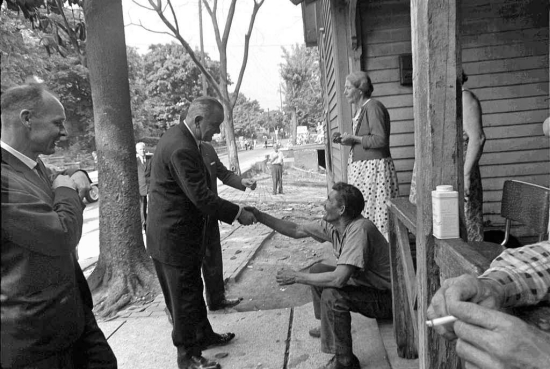
    The Appalachian Regional Commission (ARC) has long been a vital lifeline for communities across the Appalachian region. Established in 1965, the ARC was created to address the economic and social challenges faced by this diverse and often underserved area. From infrastructure improvements to workforce development and education, the Commission has played a pivotal role in helping Appalachia build a brighter future.

    In recent years, voters in Appalachia have increasingly turned to leaders who promise to prioritize their needs. In the 2016 presidential election, for instance, many residents placed their trust in Donald Trump, believing he would advocate for their jobs and communities. They sought a champion who would recognize the unique struggles of Appalachia and fight for the resources necessary for revitalization.

    A Betrayal of Trust

    However, proposed cuts to the ARC funding represent an outright betrayal of that trust. Reducing or eliminating the ARC’s budget would leave Appalachian communities without essential funds needed for critical projects. This is particularly concerning given that many areas within Appalachia face economic hardships, high unemployment rates, and a lack of access to quality education and healthcare.

    The ARC has been instrumental in funding initiatives that address these issues. For example, investments in infrastructure have improved transportation networks, making it easier for businesses to thrive and for residents to access jobs and services. Additionally, workforce development programs funded by the ARC have equipped many individuals with the skills necessary to succeed in a rapidly changing economy.

    The Ripple Effects

    The impact of cutting ARC funding would extend beyond immediate job losses. Communities rely on the ARC for support in developing sustainable practices that enhance economic resilience. Without this assistance, projects aimed at creating clean energy jobs, preserving local environments, and enhancing educational opportunities may be jeopardized.

    Moreover, the ARC has fostered a sense of community by bringing people together to work on shared goals. The loss of this funding could lead to increased isolation and despair, undermining the social fabric that has been built over decades. When communities are unable to invest in their future, they risk stagnation and decline.

    Looking Forward

    As Appalachia navigates these challenging times, it is crucial for voters to remain engaged and informed. Advocacy for continued support of the ARC is vital. Local leaders, community members, and organizations must unite to make their voices heard, emphasizing the importance of maintaining funding for programs that uplift their communities.

    The promise of a prosperous future for Appalachia hinges on the commitment of both its residents and its leaders. By standing together and advocating for the resources they need, Appalachians can work to ensure that their voices are not drowned out in the political arena.

    In conclusion, the decision to cut funding to the Appalachian Regional Commission is not just a policy choice; it is a matter of survival for many communities. Voters entrusted their leaders to fight for their interests, and it is essential that this trust is honored. Investing in the ARC is an investment in the people and the future of Appalachia—a commitment to resilience, growth, and hope.

    -Tim Carmicahel

  • Discovering Hot Springs, North Carolina: A Journey Through History

    Nestled in the Appalachian Mountains, Hot Springs, North Carolina, boasts a history that reflects the broader narratives of American resilience, conflict, and community. Known primarily for its natural hot springs, the town has a rich past that stretches back to early Native American tribes and includes significant chapters during the Civil War and World War II.

    Early Beginnings

    The area’s geothermal springs were valued by the Cherokee people long before European settlers arrived. They believed the waters held healing properties, using them for both physical ailments and spiritual rituals. When settlers began arriving in the early 1800s, they quickly recognized the potential of the springs. By the 1830s, Hot Springs was officially established, and its reputation as a health resort began to flourish.

    Civil War Era

    Hot Springs’ strategic location made it significant during the Civil War. In 1861, the town became a gathering point for Confederate troops, who utilized its natural resources. The hot springs provided both comfort and relaxation to soldiers recovering from battles, highlighting the town’s dual role as a sanctuary and a strategic asset during a tumultuous period in American history.

    The conflict also brought challenges, as the region was frequently traversed by both Confederate and Union forces. The town faced threats of destruction, but it largely managed to retain its structures and identity through the war.

    The German Prisoner of War Camps

    Another pivotal moment in Hot Springs’ history occurred during World War II. In 1944, the town became home to a German prisoner of war (POW) camp, one of many across the United States. This camp housed German soldiers captured in Europe and was part of a larger effort to manage the influx of POWs.

    The interactions between local residents and the German soldiers created a unique cultural exchange. Many townsfolk reported friendships and a mutual respect that developed over time, offering a glimpse of humanity amid the harsh realities of war. This chapter not only shaped the lives of those involved but also left an indelible mark on the town’s history.

    Post-War Developments

    Following the closure of the POW camp, Hot Springs gradually returned to a sense of normalcy. The natural beauty and healing properties of the hot springs continued to draw visitors, but the focus remained on the town’s evolution. It became a hub for logging and agriculture, contributing to the local economy and maintaining its connection to the land.

    Recent Challenges

    In recent years, Hot Springs has faced significant challenges, including devastating floods caused by Hurricane Helene. These events have tested the community, but the determination to rebuild remains strong. Those who grew up just a few miles from Hot Springs are particularly invested in restoring the town to its former glory.

    Hot Springs, North Carolina, is a town steeped in history, from its early days as a Cherokee healing ground to its role in major conflicts. Each chapter has contributed to the town’s identity, creating a narrative that is both rich and complex. As the community faces new challenges, the spirit of those who came before—who fought, healed, and built—will continue to guide Hot Springs into the future. Whether through its natural springs or the stories embedded in its landscape, Hot Springs remains a testament to the enduring human experience in the heart of the Appalachian Mountains.

    -Tim Carmichael