• Mistletoe in Appalachia: A Holiday Staple

    Mistletoe, with its glossy green leaves and white berries, is a prominent feature in the Appalachian landscape during the winter months. Although not native to the region, this evergreen plant has become a well-known presence in the Appalachian forests. Mistletoe thrives on hardwood trees like oaks, maples, and hickories, growing high in the treetops where it is often hard to reach.

    The plant likely made its way to Appalachia with European settlers who brought their own customs and plants with them. Mistletoe was known for its role in European folklore, often seen as a symbol of luck and fertility. As settlers moved west, they carried the plant with them, and over time it found a place in the rich ecosystem of the Appalachian mountains.

    In Appalachia, mistletoe is mostly found in the higher branches of trees, where it parasitically attaches itself and draws nutrients from its host. Despite this, it rarely harms the trees. The plant’s evergreen nature allows it to remain visible throughout the winter, standing out against the otherwise bare branches of deciduous trees. Its bright green leaves and white berries make it easily recognizable, particularly during the colder months when the rest of the foliage has faded.

    For many in Appalachia, the hunt for mistletoe is part of the winter routine. People who know the local forests can spot the plant growing high in the trees, often requiring a long pole or a climb to collect it. Once gathered, mistletoe is used in various ways, typically as decoration. The plant can be hung above doorways, placed on mantels, or displayed in other parts of the home, adding a natural touch to the indoor environment during the holiday season.

    While mistletoe’s presence in Appalachia is often associated with the winter holidays, it is also part of the broader natural landscape of the region. It thrives in the Appalachian climate, surviving through cold winters when many other plants die back. Its green foliage and distinctive berries add a unique element to the otherwise quiet and barren winter woods.

    The spread of mistletoe in Appalachia is a reflection of both the adaptability of the plant and the way it has been incorporated into the landscape over time. Its growth has become an ordinary sight in the region, and its use during the winter months continues to be a familiar part of the Appalachian environment.

    -Tim Carmichael

  • Exploring Appalachian Christmas Superstitions and Weather Predictions

    The Appalachian region is rich in folklore and traditions, particularly when it comes to the holiday season. Christmas in the mountains has long been a time for celebrating with family, food, and a strong sense of community. Alongside the merrymaking, the people of Appalachia have woven a tapestry of superstitions and weather predictions that not only guide their holiday observances but also offer glimpses of the year ahead. Let’s take a look at some of these fascinating Appalachian Christmas customs.

    1. Appalachian Christmas Weather Predictions

    In the Appalachian mountains, weather has always been closely tied to folklore, with Christmas Day serving as a key predictor for the year ahead. This weather-based superstition suggests that how the weather behaves on Christmas Day can indicate the general weather patterns of the coming year. For example:

    • Warm Christmas Day: A mild or warm Christmas Day is often believed to portend a cold Easter. This has roots in the notion that the cycle of seasons can be predicted through careful observation of specific days, with Christmas marking an important turning point.
    • Cold Christmas Day: A frigid Christmas might signal a warmer than usual spring, indicating a shift toward early blooms and a gentle approach to the season of renewal.

    These weather predictions often gave comfort and a sense of control over the unknown, with mountain folk attuned to the rhythms of the land and the natural signs around them.

    2. Hog Pen Divination

    One of the more unique and playful superstitions associated with Christmas Eve in Appalachia was the tradition of Hog Pen Divination. This custom, often practiced by young women, involved visiting the hog pen at midnight on Christmas Eve. The superstition was that the first pig to grunt would reveal details about the future husband of the young woman performing the ritual.

    • If the pig was a young grunt, it was believed to indicate that the future husband would be a youthful and handsome man.
    • A deep, gruff grunt could signify an older or more rugged partner, and some believed that the loudness or quality of the sound could even predict other qualities of the man, such as wealth or personality traits.

    The belief was that by observing the pig’s behavior, young women could catch a glimpse of their romantic future, turning a simple farmyard visit into an event full of anticipation.

    3. Cricket on the Hearth

    The sound of a cricket chirping around Christmas was a powerful symbol of good fortune in Appalachian traditions. Known as the Cricket on the Hearth, the presence of a cricket was thought to bring prosperity and happiness into the home.

    • The cricket’s chirp was seen as a sign that the family’s home was blessed with warmth, protection, and good luck for the coming year.
    • It was believed that the cricket’s song would shield the household from harm and that the creature’s presence could ward off negative energy.

    Some people even kept a cricket in their home year-round, seeing it as a lucky charm for health and happiness. The idea of finding a cricket on Christmas was seen as an especially strong omen, adding an extra layer of magic to the holiday season.

    4. Chimney Letter Writing

    For many Appalachian children, writing letters to Santa was an essential Christmas tradition. However, the way these letters were sent was part of a unique Appalachian superstition. Rather than mailing their letters, children would burn their letters in the fireplace, believing that the smoke would carry their wishes up the chimney to Santa Claus.

    • The belief was that the smoke would reach the North Pole and deliver the child’s wishes directly to Santa’s ears, ensuring a merry and magical Christmas morning filled with presents.
    • Some families took this tradition one step further by adding a sprinkle of ash or a bit of soot from the chimney into the letter before it was burned, believing it could add extra weight to their requests.

    This ritual combined the hope and excitement of Christmas with a mystical faith in the power of fire and smoke to carry wishes beyond the physical world.

    5. Bees Humming on Old Christmas Eve

    In some Appalachian communities, it was believed that bees would hum loudly in their hives on Old Christmas Eve (which falls on January 6, according to the old Julian calendar). This superstition held that the bees’ humming was a sign of the special, sacred nature of the night.

    • People believed that the hum of the bees was a signal of blessings on the household and an indicator of good fortune in the coming months.
    • The more pronounced the humming, the more prosperous the year was believed to be. Some families even gathered around their beehives to listen for this “Christmas hum,” considering it an important omen.

    This custom speaks to the important relationship between humans and the world around them, where the behavior of animals and insects was often seen as a reflection of the world’s mysteries.

    Appalachian Christmas superstitions are rich with meaning, rooted in the region’s traditions and culture. Whether through weather predictions, mystical rituals like Hog Pen Divination, or more whimsical beliefs like the Cricket on the Hearth, these traditions added a layer of magic to the Christmas season. While some of these practices may seem quaint or unusual today, they serve as a reminder of a time when the natural world and human life were intricately intertwined. In Appalachia, Christmas is more than a holiday—it’s a time for tradition, reflection, and the quiet magic of superstition.

    -Tim Carmichael

  • The Rise and Fall of Cades Cove: From Pioneers to National Park

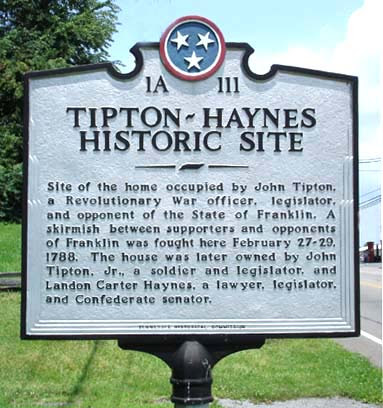
    William “Fighting Billy” Tipton, renowned for his service in the War of 1812, is often associated with the early history of Cades Cove, though there is no record of him ever actually living there. In 1821, Tipton received a land grant and combined this 1,280-acre plot with previous holdings, helping to shape the region’s early settlement. Tipton’s influence in the area is clear through the success of his brothers, Abraham and Thomas, who, alongside him, came to control much of the best agricultural land in Cades Cove’s fertile valley. By 1850, the population of Cades Cove had grown to 671 residents, reflecting the area’s increasing settlement.

    The first permanent European settlers in Cades Cove were John Oliver (1793–1863), a veteran of the War of 1812, and his wife Lurena Frazier (1795–1888). They arrived in the cove in the early 1820s and laid the foundation for what would become a thriving community. The Olivers played a significant role in establishing the cove, and their descendants would remain a part of the area’s history for generations.

    The people of Cades Cove were hardworking pioneers, primarily farmers and blacksmiths. They cleared the land for crops, mainly corn, and constructed barns for their harvests and grist mills for processing grain. The residents also hunted the plentiful deer and raised pigs for meat, building essential structures like smokehouses, barns, and spring houses to support their rural way of life. Despite the challenges of living in relative isolation, the community thrived.

    However, the Civil War brought division to Cades Cove. Local legend holds that the cove was an Underground Railroad stop before the war, and many residents held pro-Union sentiments. This created a rift, with some families supporting the Confederacy. Tensions escalated as Confederate bushwhackers from North Carolina raided the area, killing Union sympathizers and stealing supplies. Elijah Oliver, the son of local leader John Oliver, sought refuge in the mountains, returning only after the war ended. Many others chose not to return at all.

    In the aftermath of the Civil War, the population of Cades Cove began to decline, and the community’s economy suffered from isolation. However, the early 1900s saw a shift as residents moved away from agriculture and began logging. During this time, another industry emerged: the production of corn liquor. With an abundance of corn, distilling alcohol became a key economic activity. The production of homemade brandy from locally grown fruit also flourished.

    Prohibition in the 1920s opened new opportunities for the illicit distillation of moonshine. Despite the law’s restrictions, the Cades Cove community continued to thrive through its underground alcohol production. But change loomed. In the late 1920s, the U.S. government, with $5 million donated by the Rockefeller family and another $2 million in taxpayer funds, embarked on creating a national park by purchasing land in the Smoky Mountains.

    The people of Cades Cove fiercely opposed selling their land, and there was considerable resistance to the idea of relocating. The government initially promised that residents could remain on their land, separate from the park, but ultimately reneged on the agreement. Using eminent domain, the government forcibly seized the land. Legal battles followed, and while John W. Oliver, a descendant of the cove’s first settler, won the first lawsuit, he was ultimately forced to accept the government’s decision. On Christmas Day 1937, he left his home in Cades Cove, marking the end of an era.

    John W. Oliver was one of the last residents to leave the cove. Kermit and Lois Caughron would be the final inhabitants, remaining until Kermit’s death in 1999. The Primitive Baptist Church, a vital institution in the cove, continued to hold services in defiance of the government until 1960, preserving a piece of the area’s rich history.

    -Tim Carmichael

  • Growing Up in Appalachia: My Life in the Western NC Mountains

    When I share stories about growing up in the mountains of Western North Carolina, people often look at me like I’m telling a tale from the 1800s. It’s hard to believe, but in many ways, life in that small community, a community called Spillcorn tucked away in the Appalachian Mountains was like living in a whole different world. For most of my childhood, we didn’t have electricity or indoor plumbing. It wasn’t until the early 1980s that those things made their way to our home.

    Our house was small—just a little three-room house—and it didn’t have the comforts that most people take for granted today. We didn’t know what it was like to flip a switch and have light, or to turn on a faucet and have running water. We had to make do. And for us, it was just life.

    Our days started early, just like any child’s day does. The sun hadn’t even fully risen when we climbed out of bed to begin the routine. First, we had to catch the bus for school. The bus ride was long—about an hour on rough, winding mountain dirt roads. It gave me time to watch the mist rise off the hills, the trees standing still and tall as the world woke up. By the time we reached school, our stomachs were growling, and we usually ate breakfast and lunch at school.

    But there was no real resting after school. Our real work began when we got home. There were chores to do—always chores. I spent a lot of time chopping wood for the cookstove, gathering eggs from the hens, and cleaning the pigpen. We didn’t have much, but we all worked together to make sure we had enough. No one complained because we all had our part to do.

    If we wanted a little extra spending money, we didn’t have an allowance. Instead, we would walk the roads, collecting empty Coke bottles. Back then, you could return a bottle for 10 cents. Ten bottles were enough to buy a treat for my brother, my two sisters, and me—usually a little candy or maybe a soda. That small reward felt like a big deal, because we didn’t have much else. I remember the excitement of turning in those bottles and getting enough money to buy something sweet. It was a tiny thing, but it made us feel rich, if only for a moment.

    When we were young, we didn’t realize we were poor. Everyone around us was in the same boat. Our neighbors were like family. We all lived the same way, shared the same struggles, and celebrated the same small joys. And there was a feeling of togetherness that is hard to explain. When someone in the community passed away, we all pitched in to help. The men would dig the grave, and the women would help get the house ready for the wake. It was a bond that ran deep—one that kept everyone strong, even when times were tough.

    The best part of our days was visiting Granny. She lived just a short walk down the road from us, a 30-minute trek. The walk wasn’t a chore; it was something we looked forward to. Granny’s house was a world of its own. She had one of those old wood cookstoves, the kind with warmers on top, and she always kept a batch of bacon, sausage, and biscuits in the warmer.

    Granny was always busy working on her quilts. She’d sit at her quilting frame, needle and thread in hand, stitching together patterns that were so beautiful they could have been displayed in a museum. Her quilts were more than just blankets—they were pieces of art, made with love and patience.

    Life wasn’t easy, though. The nearest grocery store was about an hour away in Marshall, and we didn’t have a car of our own. So, we had to hire someone to take us to town for groceries, which was only once a month. That meant waiting for a ride, packing up what we needed, and then making the long drive to stock up on supplies. If someone got sick, a trip to the hospital could take even longer. We had to drive to Asheville, NC or sometimes to Greeneville, TN. The distance made you realize just how isolated we were.

    When I think back on those days, I can’t help but wonder how my mother did it. How did she make sure we had everything we needed, how did she keep the house running with so little? But somehow, she did it. She worked hard, always behind the scenes, always making sure we were okay. I think about her every day, even though it’s been nearly 17 years since she passed. I still thank her in my heart for everything she did—for us, for our family. It’s remarkable how many memories come flooding back when you get older.

    Looking back, I realize that those years in the mountains shaped me in ways I never fully understood until now. Life in those mountains wasn’t easy, but it was real. We lived simply, we worked hard, and we loved fiercely. There wasn’t much to our world in terms of material things, but there was so much more than that. We had family, community, and the land itself, which gave us what we needed to survive.

    People often ask me what it was like growing up poor, and I tell them it was hard. But it was also beautiful. It was a life full of love, of hard work, and of a bond that held us all together. And those memories, those moments, will always be a part of who I am. Even as time goes on, I’ll never forget the old wood cookstove at Granny’s house or the smell of biscuits in the oven. Those simple pleasures are what made our world rich, and that’s something no one can ever take away.

    -Tim Carmichael

  • Depression During Christmas: Honoring Memory and Finding Hope

    The holiday season is often seen as a time of joy, laughter, and togetherness. But for many, including myself, Christmas can also bring feelings of sadness, grief, and loneliness. As the world around us celebrates, some of us struggle with the absence of loved ones, and the holidays can feel like a stark reminder of what we’ve lost.

    For me, Christmas has always been a bittersweet time, especially since my mother passed away. She was the heart of our family, the matriarch who made everything feel warm, inviting, and full of love. Once she was gone, something shifted. The sparkle of Christmas lights no longer held the same magic, and the warmth of family gatherings felt hollow without her. Every year, as the season approaches, I’m reminded of the void she left, and I can’t help but feel the weight of grief deep in my chest.

    It’s a reality that many of us face—Christmas without a loved one. Once you lose the matriarch or patriarch, the holidays don’t quite feel the same. The traditions you cherished, the meals shared, the laughter echoing through the house, they all seem different without that person there. For those of us still grieving, Christmas can be a reminder of the things we no longer have, and the joy others feel can sometimes intensify the sadness we carry in our hearts.

    But even in the midst of that pain, there is hope, and there is healing. Celebrating the holidays, though it may be hard, is one of the best ways to honor the memory of those we’ve lost. It’s not about pretending everything is okay or putting on a happy face for others—it’s about allowing ourselves the space to grieve while still holding onto the love that was shared. By continuing traditions and celebrating in ways that feel meaningful, we can keep our loved ones alive in our hearts and ensure their presence is felt in the way we carry their memory forward.

    In communities like those in Appalachia, the struggles of the holidays are often compounded by financial hardship. Many families face difficulties in providing for their children or loved ones, making the pressure to “make Christmas special” even more overwhelming. When you’re already dealing with depression, the added stress of finances, the pressure to buy presents, and the inability to fulfill those expectations can make the season even harder to bear. The holiday blues are more than just a fleeting sadness—they are compounded by real-life struggles that are often invisible to others.

    For those of us living in these circumstances, it’s important to remember that Christmas is not just about presents or extravagant meals. It’s about love, connection, and the spirit of giving. Sometimes, the most meaningful moments don’t come in the form of a gift but in shared experiences—whether that’s spending time with a friend, holding onto a cherished memory, or simply taking a moment to be grateful for the people who are still here.

    If you’re struggling with depression this Christmas, know that you’re not alone. Grief and hardship don’t disappear just because the world is celebrating. But in the midst of that darkness, it’s essential to find moments of light—whether it’s in the quiet reflection of a memory, a small gesture of kindness, or the comfort of knowing that you are loved. Remember that honoring your loved ones, even through tears, is a beautiful way to keep their memory alive.

    It’s okay to feel the sadness and the loss. It’s okay to miss the people who made your holidays special. But don’t stop celebrating. Don’t let the pain stop you from finding joy, even in the small moments. By keeping the spirit of the holidays alive, we honor the love we shared and carry it with us into the future, making room for new memories while still holding onto the old.

    This Christmas, let’s embrace both the joy and the sorrow, knowing that they can coexist. Let’s celebrate with authenticity, acknowledging the grief we may carry, but also remembering that love never truly leaves us. And for those in difficult financial situations, let’s remember that the value of the holiday isn’t measured in how much we can give, but in the love and connection we share with those around us.

    -Tim Carmichael

  • The Destructive Legacy of Mountaintop Removal Coal Mining in Appalachia

    Appalachia, a region rich in natural beauty and cultural heritage, has long been known for its rugged mountains, lush forests, and tight-knit communities. For generations, coal mining has been the backbone of the local economy, providing jobs and fueling the nation’s industrial growth. However, this industry’s methods have come at a steep environmental and human cost, particularly through the practice of mountaintop removal mining.

    What is Mountaintop Removal Mining?

    Mountaintop removal mining (MTR) is a form of coal mining where entire mountain peaks are literally blasted away in order to access coal seams underneath. The process involves the use of explosives to destroy the top of the mountain, and the debris—called “overburden”—is then dumped into nearby valleys, often burying streams and wetlands in the process. Hundreds of miles of pristine mountain streams, vital to the Appalachian ecosystem, are covered by this rock waste, creating a scar on the landscape that can take centuries to heal.

    While this method of mining allows for more efficient extraction of coal, it comes at an enormous environmental cost, one that has far-reaching consequences for both the ecosystem and the people who call Appalachia home.

    The Human Toll: Communities in Crisis

    For the people of Appalachia, mountaintop removal mining has brought both economic promises and social challenges. Coal has long been the backbone of the region’s economy, but the environmental destruction associated with MTR is making life increasingly difficult for local communities.

    One of the most immediate effects is the displacement of families. As mountains are leveled, entire communities are forced to leave their homes. Families who have lived in the region for generations are often relocated, their cultural ties to the land severed. In some cases, coal companies offer to buy out homeowners, but many residents feel trapped by the limited options available, with relocation often meaning the loss of their home’s value and community networks.

    Health issues are also a major concern. The dust generated from the blasting and the chemicals used in the mining process are linked to respiratory problems like asthma and chronic bronchitis, as well as an increase in cancer rates. A study from the Appalachian School of Law found that people living near mountaintop removal sites are at a greater risk of developing life-threatening diseases. Drinking water contamination from polluted streams also poses a serious health threat, as the toxins from the waste materials seep into the groundwater, making it unsafe for both people and animals.

    The Environmental Catastrophe: A Dying Ecosystem

    The ecological consequences of mountaintop removal are nothing short of catastrophic. The most immediate and obvious effect is the destruction of entire landscapes. By leveling mountains and dumping the waste into valleys, MTR irreversibly alters the natural topography of Appalachia, leaving behind barren, lifeless land.

    Perhaps the most disturbing aspect of MTR is its effect on water systems. The process buries hundreds of miles of streams, depriving aquatic life of its natural habitat. In a region known for its biodiversity, this has led to the destruction of countless species of fish, insects, and amphibians that rely on these freshwater ecosystems. The loss of clean water is also devastating for local wildlife, which depend on the streams for hydration and food.

    The toxins from the mining process—such as arsenic, mercury, and selenium—are released into the environment, poisoning not only the streams but also the air and soil. Studies have shown that these toxins cause severe disruptions to the ecosystem, particularly to fish populations. Many fish species, like the native brook trout, are at risk of extinction due to the toxic runoff from mountaintop removal sites.

    Further complicating matters is the long-term degradation of soil quality. The massive piles of mining waste that are dumped into valleys change the structure of the land, making it nearly impossible for plant life to grow again. What was once a thriving forest is now a barren wasteland where little to no vegetation can survive.

    The Effect on Animals: A Struggle for Survival

    The impact on wildlife in Appalachia is equally devastating. The Appalachian region is home to an impressive array of wildlife, from black bears and bobcats to deer and wild turkeys. However, the destruction of habitats caused by mountaintop removal has pushed many of these species to the brink of extinction. Animals that depend on the dense forests and clear streams for food and shelter are increasingly finding themselves without resources.

    For example, the Northern flying squirrel, a species native to the Appalachian Mountains, has faced declining numbers in part due to habitat loss from mountaintop removal mining. The fragmentation of their forested habitats makes it harder for them to find food, shelter, and mates. Similarly, the eastern hellbender, a giant salamander that requires clear, cool streams to thrive, has seen its population plummet as streams are buried under rock waste.

    Even animals that can adapt to the changing landscape are affected by the chemical contamination of the environment. The toxins released by the mining process enter the food chain, poisoning the animals that feed on plants, insects, and other wildlife. This creates a ripple effect throughout the food web, disturbing the entire ecological balance.

    A Call for Change: Hope for Appalachia’s Future?

    The plight of Appalachia is not without hope, but significant change is needed. Over the years, the movement to end mountaintop removal mining has gained traction, with environmental groups, local activists, and concerned citizens calling for a halt to this destructive practice. Legal battles have been fought, and some victories have been won, but the fight continues as the coal industry still wields substantial political power.

    In recent years, renewable energy sources, such as wind and solar, have begun to provide more sustainable alternatives to coal. Transitioning to a green energy economy in Appalachia could offer a path toward economic revitalization, creating jobs that do not come at the expense of human health and the environment. Many local communities are starting to embrace this future, focusing on tourism, sustainable agriculture, and clean energy as alternative means of livelihood.

    However, true progress requires not just a shift in industry, but a concerted effort to restore the damage done by decades of mountaintop removal. This includes efforts to clean up polluted water sources, restore damaged ecosystems, and support the families and communities who have been most affected by the mining practices.

    Conclusion: Protecting Appalachia’s Legacy

    Appalachia’s mountains are more than just physical landscapes; they are cultural and environmental treasures that have sustained generations of people and wildlife. Mountaintop removal mining has wreaked havoc on both the land and the people who live there, but it is not too late to act. By investing in sustainable industries, protecting the region’s natural beauty, and providing resources to affected communities, there is hope for a future where both the environment and the people of Appalachia can thrive.

    The time for action is now. The mountains of Appalachia, and the people who call them home, deserve a chance to heal.

    -Tim Carmichael

  • A Dream to Remember: A Christmas Gift from Granny and Momma

    I woke up at 3 AM last night with my heart pounding, still heavy with emotion from the dream I’d just experienced. It was one of those dreams that felt so real, so vivid, it lingered in my chest long after I opened my eyes. It was a dream of my little Appalachian granny and my momma, a dream that took me back to a time and place filled with warmth, love, and the joy of family.

    My granny on the left and momma on the right.

    In my dream, we were all gathered together at my granny’s old house, the place where so many Christmas memories were made. The house was small, the familiar creaks of the floorboards underfoot, but in the dream, it felt like the biggest, coziest place in the world. The kitchen smelled like freshly baked pies and a warm fire crackled in the hearth. My aunts, uncles, cousins, and siblings were all there, their voices clear and familiar in the air. I could hear the echo of my mother’s laughter, her unmistakable giggle when something tickled her funny bone. It was a sound I hadn’t heard in years, but in that moment, it was as if she had never left.

    The most remarkable thing about the dream was the long table, stretched out to fit everyone in the family. I’ve always known Granny’s house to be small, but in that moment, there was room for all of us—room for the love and connection we shared, room for the stories we would tell, the laughter that would fill the air. It was as if the house had expanded to embrace the spirit of Christmas, that special time of year when everything feels right and everyone is together.

    Granny spoke to me, her voice soft but clear. She asked me to put more wood on the fire, her gentle command reminding me of the countless times I had done the same for her when I was younger. I could see her, so clearly in my dream, standing by the stove in her apron, her eyes warm and wise, as they always were. Then, in a moment that made my heart swell, she told me she had seen the candles I placed in the windows every year in her memory—and in momma’s. Granny has been gone for 31 years, and momma for 16, but in that dream, they were both there, with me, as if no time had passed at all.

    As the dream began to wind down, momma handed me a candle. She looked at me with those familiar eyes, full of love, and said, “Never let the light go out.” I could feel her presence so strongly in that moment, her spirit alive and well. I had never been so moved by a dream, so thankful for the chance to see them both again, to hear their voices, to hug them one more time. The dream felt like a gift, a message, a reminder of the love they gave, and the way they shaped who I am.

    Christmas was always their favorite time of the year. It wasn’t about the gifts or the decorations—it was about the people, about the family coming together to share a moment of joy and gratitude. They knew that Christmas was a time to embrace the ones we love, to make memories that would last forever. It was a time to celebrate what truly mattered. And so, this Christmas, I will light that candle momma handed me in my dream. I will keep the light burning in their memory, just as I’ve always done by placing candles in the windows every year.

    That dream, in the quiet of the night, was the best Christmas present I could have ever received. I may have woken up to the stillness of the dark, but for those few precious moments, I had the chance to hug my granny and momma, to feel their love, and to remember what they taught me about family, about love, and about keeping the light alive. And this Christmas, that light will burn bright, in memory of the two women who meant everything to me.

  • Serenadin’ – The Rowdy Appalachian Tradition

    In the Appalachian Mountains, holidays were once celebrated in a way that was anything but quiet. Forget the sweet harmony of modern-day carolers; back in the day, people would take part in a boisterous tradition known as serenadin’. This loud and rowdy custom involved a group of friends or neighbors gathering after dark, armed with whatever noise-making items they could find—cowbells, pots and pans, and sometimes even shotguns. The goal was simple: to sneak up on a neighbor’s house and create as much ruckus as possible.

    Once the serenaders were in position, the noise would begin—bangs, clangs, and sometimes the crack of a shotgun in the air. It wasn’t about soft melodies or romantic gestures; it was a loud, chaotic way of ensuring the household was well and truly awake. The trick was to make enough noise to get the attention of the neighbor, but if they heard the approaching serenaders before they started, it wasn’t uncommon for the neighbor to fire off their own shotgun to signal they’d been “caught” and would now be expected to invite the noisy group inside.

    Once invited in, the serenaders would be treated to some cider or other refreshments, and the party would continue. This Appalachian tradition was as much about coming together as it was about making noise, and it added a level of spontaneous festivity to the season.

    Over time, the tradition of serenadin’ evolved into the quieter, more polished practice of caroling that we know today. Instead of loud clattering and gunshots, modern carolers sing cheerful songs as they stroll through neighborhoods. But the essence of serenadin—the community spirit, the joy of coming together, and the festive hospitality—still lives on. While the noise has mellowed, the heart of the tradition remains the same: to celebrate the season with the people around you, making memories and sharing warmth, whether it’s through a loud bang or a quiet song.

    -Tim Carmichael

  • Women of the Mountain War: Defiance and Survival in Civil War Appalachia

    The Civil War in Appalachia was a conflict that tore through the mountains and valleys of the Southern highlands, a region that often found itself torn between loyalties to the Union and the Confederacy. For many people living in the Appalachian foothills, the war wasn’t simply about ideology or grand strategy—it was personal, and it often became a brutal, localized struggle. The landscape itself, with its rugged terrain and isolated communities, made it an ideal setting for guerrilla warfare, skirmishes, and raids. Yet, even more surprising than the fierce battles were the stories of how women in the region became deeply involved in the conflict.

    In Western North Carolinas, where political loyalties were divided, the role of women was anything but passive. One remarkable account is of a group of women in the area who took matters into their own hands. After Confederate supply lines were disrupted, and food and resources became scarce, these women

    formed a guerrilla unit that raided Confederate farms. With the region’s difficult terrain providing both cover and tactical advantage, these women, many of whom had lost husbands and sons to the war, targeted Confederate supply stations, stealing livestock, grain, and supplies. The raids were often swift and devastating, as the women—armed with rifles, daggers, and sheer determination—attacked Confederate strongholds, leaving a trail of destruction in their wake.

    In Haywood County, one woman emerged as an unlikely leader. Known for her sharp intelligence and daring nature, she led a Confederate detachment into what would become a deadly ambush by Union forces. The woman, whose name has been lost to history, had been tasked with securing a supply line, but her knowledge of the local terrain and her strategic thinking were no match for the well-prepared Union troops. Her detachment was caught in a deadly crossfire, resulting in casualties and the loss of crucial supplies. Her leadership in the failed mission reflected the deep personal and often tragic consequences of the war, especially for those in remote mountain communities.

    In Yancey County, North Carolina another tale of women taking a bold stand during the Civil War unfolded. Fifty women from the area banded together and raided a government warehouse. They stole sixty barrels of grain, a critical resource during a time when famine and deprivation were widespread. These women, much like others across Appalachia, were fighting not just for a cause but for the survival of their families. With Union and Confederate soldiers alike scouring the mountains for food, these women’s raids disrupted efforts to control the supply chains and gave their communities a brief respite from hunger.

    These accounts are not isolated instances. Across Appalachia, women’s roles in the Civil War were often unconventional and filled with unexpected courage. The women who fought and resisted during the conflict were deeply motivated by a desire to protect their homes and families from the devastation of war. Whether leading troops, participating in raids, or managing farms and households while men were away fighting, these women played crucial roles in the war effort, often without recognition or reward. Their actions were not just about the larger political struggle but about survival, community, and resilience in the face of hardship.

    In many ways, the women of Appalachia during the Civil War offer a unique and often overlooked perspective on the conflict. Their bravery, resourcefulness, and defiance shaped the course of their communities’ wartime experiences, leaving a legacy of determination that resonates through the region’s history. While much of the focus of the Civil War is placed on the battles and political figures, the stories of these women are a reminder that the war was not just fought by soldiers on battlefields—it was also fought in homes, farms, and mountains by those who had everything to lose.

    -Tim Carmichael

  • The Tradition of Paper Pokes: A Glimpse into Old Appalachian Christmas Celebrations

    In the heart of Appalachia, where the mountains meet the sky, Christmas was a time for community, reflection, and old traditions passed down through generations. Among the most charming and enduring practices was the tradition of the paper poke—a simple yet heartwarming custom that brought joy to both young and old alike. These small, lunch-sized paper bags filled with candy, nuts, and fruit were given out at country churches after the annual Christmas play, symbolizing a deep-rooted sense of generosity and the spirit of togetherness that defined the Christmas season in the mountains.

    Paper Pokes: A Sweet Tradition

    The paper poke, as it was affectionately known, was more than just a bag of treats. It was a tangible expression of the holiday’s joy, often handed out by church members after the Christmas play, a cherished event that brought the community together. On the night of the performance, families would gather in their Sunday best, their breath visible in the cold mountain air as they made their way to the small country churches that dotted the landscape. The play, often put on by children, would tell the timeless story of Christ’s birth—sometimes with a local twist that added a bit of humor or charm.

    As the curtains closed and the final carol was sung, the real excitement began. The church would hand out paper pokes—humble lunch-sized bags filled with treats like shiny, red apples, bags of roasted peanuts, sugar-dusted candies, and perhaps a few pecans or walnuts. For many, this was one of the few times of the year they received candy, a true delicacy in an era when sweets were a rare luxury. Children would eagerly clutch their little bags, knowing they were not just receiving candy, but the kindness and hospitality of their neighbors.

    Old Christmas: Celebrating on January 6th

    While Christmas Day itself was a quiet, reflective time, particularly in the more rural parts of Appalachia, there was another day of celebration that held even more significance—Old Christmas. Celebrated on January 6, Old Christmas was steeped in superstition and centuries-old traditions, marking the day when many Appalachian communities believed Christmas truly arrived. The roots of Old Christmas lay in the old Julian calendar, which was used by some groups long after the Gregorian calendar had been adopted. This day, which coincided with the Feast of the Epiphany, was a time for merrymaking and celebration.

    On Old Christmas Eve, the air would crackle with excitement. Young people would build bonfires and spend the night singing, shouting, and shooting off fireworks or firearms into the sky. It was a way of marking the passage of time and calling attention to the arrival of the holiday. Some would go serenading, sneaking up on friends and neighbors to sing loud, boisterous carols or even shout playful taunts. The sounds of fireworks and gunshots mixed with laughter and song, echoing across the mountains as the community welcomed the new year in its own unique way.

    Homemade Gifts: The Heart of Christmas

    In an era where material goods were scarce, many Christmas gifts in the Appalachian region were homemade, and often practical. There were no mass-produced toys or electronics—just the heartfelt offerings that families could create with their own hands. A hand-stitched quilt, a knitted scarf, or a carefully carved wooden toy could carry more meaning than any store-bought item. For many families, clothing was the most sought-after gift—socks, scarves, and mittens to protect against the harsh mountain winters. These were gifts of necessity, but they were also gifts of love, imbued with the care and labor of the giver.

    Often, the homemade gifts weren’t wrapped in glossy paper or ribbons, but presented simply, perhaps tucked into a handmade cloth bag or tied with string. The focus was on the thought behind the gift rather than its material value. The tradition of homemade gifts reflected the resourcefulness of the people and the deep familial bonds that made Christmas special.

    Serenading: A Tradition of Giving and Receiving

    Another tradition that added to the Christmas cheer was serenading. Young people would sneak through the snow-covered streets, slipping up to the homes of friends and neighbors to sing or shout “Merry Christmas!” The serenade was no simple gesture—it was a playful way of asking for a gift or treat in return. Sometimes the serenaders would accompany their visit with fireworks or shots from a rifle or shotgun, adding to the festive chaos.

    The goal of the serenaders was simple: to receive a small gift, perhaps a slice of homemade pie or a handful of nuts, in exchange for the joyful noise they made. The act of serenading was not only about receiving a gift, but also about sharing in the joy of the season. It reinforced the sense of community, where everyone played a part in making the holiday merry.

    A Christmas to Remember

    The traditions of paper pokes, Old Christmas, homemade gifts, and serenading all come together to paint a picture of a simpler, yet richer time. These customs were a reflection of the warmth of the Appalachian people, whose Christmases were marked not by lavish presents or commercial excess, but by deep community ties, acts of generosity, and a spirit of togetherness that transcended material wealth.

    Though these traditions may not be as widely practiced today, the heart of Appalachian Christmas lives on in the stories passed down through generations. Whether it’s the memory of a paper poke filled with sweets or the echo of carolers in the cold night air, these traditions remind us of what truly matters during the holiday season: the love, laughter, and kindness shared with family, friends, and neighbors.

    -Tim Carmichael