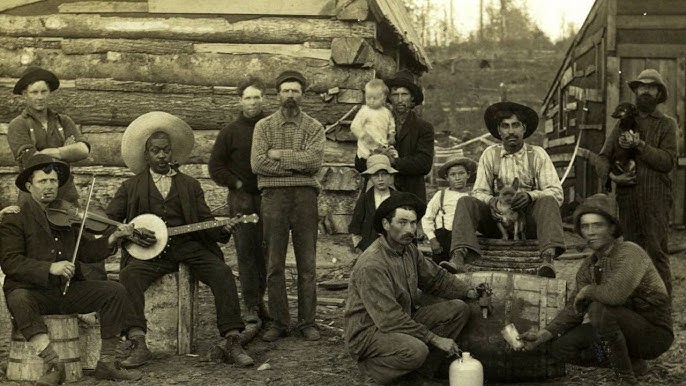
• The State of Franklin: A Bold Attempt at Independence

    In the years following the American Revolution, a bold experiment in statehood emerged in the western frontier of North Carolina, giving rise to a short-lived entity known as the State of Franklin. Located in what is now East Tennessee, the State of Franklin was a unique attempt by settlers to assert control over their own destiny and create an independent state. This movement, fueled by local leaders, had both triumphs and failures, and its legacy remains part of Tennessee’s storied history.

    In 1784, North Carolina took a momentous step by ceding a vast portion of its western lands to the newly formed United States government to help pay off war debts. However, settlers in the area—who faced a harsh frontier environment and constant threats from Native American groups—felt that North Carolina was no longer capable of providing them with protection. Discontent grew, and a group of settlers decided to take matters into their own hands. They declared their independence from North Carolina and founded the State of Franklin.

    The movement for statehood was led by several notable figures, one of the most prominent being John Sevier. Sevier was a decorated veteran of the American Revolution and became the first governor of the State of Franklin. His leadership was crucial in organizing the new state and establishing its government, though the attempt to solidify its independence was marred by numerous challenges.

    In addition to Sevier, other important figures of the time included David Crockett, who would later become a legendary frontiersman and politician, and General James White, the founder of Knoxville, a city that would play a crucial role in the state’s short history.

    In December of 1784, the leaders of the State of Franklin drafted a constitution that was modeled after North Carolina’s own constitution. However, it included provisions that were more democratic, with lower qualifications for voters and officeholders. This constitution was a reflection of the settlers’ desire for self-governance and protection of their interests in a rugged frontier environment. Though this constitution provided a framework for governance, it was not enough to solidify Franklin’s place as an independent state.

    The dream of the State of Franklin was short-lived, as a number of challenges proved insurmountable. One of the biggest obstacles was North Carolina’s refusal to acknowledge the legitimacy of the new state and its insistence on reclaiming the land. Furthermore, the fledgling state faced opposition from the federal government, which would not recognize Franklin as a legitimate state under the Articles of Confederation.

    The leadership of Franklin attempted to negotiate directly with the Cherokee Nation to secure land treaties, but these negotiations conflicted with those made by the United States, further complicating matters. The federal government, struggling with its own post-revolutionary financial issues, was unwilling to extend full recognition to Franklin, leaving the settlers with little hope for lasting independence.

    Another internal issue stemmed from divisions among the settlers themselves. As the state struggled to establish a cohesive government, factions within the community fought for control, making it increasingly difficult to maintain order and stability.

    By 1790, the experiment of the State of Franklin had come to an end. The region was absorbed into the Southeast Territory, and Tennessee’s statehood was officially recognized in 1796. While the State of Franklin was brief, it had a lasting impact on the development of Tennessee and the American frontier.

    The State of Franklin, though short-lived, serves as an intriguing chapter in the history of the United States. It represents the spirit of independence and self-determination that defined much of early American history. The figures who led the movement helped lay the groundwork for the eventual formation of Tennessee. Today, the story of the State of Franklin is a reminder of the challenges and complexities of forging a new state, and how local leaders can shape the course of history, even in the face of overwhelming obstacles.

    -Tim Carmichael

  • The Rich History of Knoxville, TN: Once the Capital of Tennessee

    Nestled in the foothills of the Great Smoky Mountains, Knoxville, Tennessee, is a city that beautifully blends natural beauty with deep historical roots. Known today as a thriving cultural hub and a gateway to outdoor adventures, Knoxville has a rich history that includes a pivotal moment in Tennessee’s early years when it served as the state capital.

    Early Beginnings: The Founding of Knoxville

    The history of Knoxville dates back to the late 18th century when it was established in 1786. Initially founded by James White, a Revolutionary War veteran, Knoxville quickly became an important settlement due to its strategic location on the Tennessee River. Its early residents were a mix of pioneers, soldiers, and traders looking to build a future in what was then the frontier of America.

    In the late 18th century, Knoxville’s location on the river and its proximity to the Appalachian Mountains made it an ideal crossroads for travelers, traders, and settlers heading westward. The settlement grew rapidly, and by the early 1790s, it was already gaining recognition as a key town in the region.

    Knoxville Becomes the First Capital of Tennessee

    As Tennessee prepared for statehood in the late 18th century, the location of its capital became a crucial issue. In 1796, when Tennessee officially became the 16th state in the Union, Knoxville was chosen as its first capital. This decision was based largely on its geographical location—close to the middle of the state and accessible by river, which made it a natural meeting point for lawmakers and citizens from across the region.

    Knoxville served as the capital of Tennessee from 1796 to 1812. During this time, the city was the center of political and governmental activity, and several significant events took place there. The state’s first constitution was drafted, and early lawmakers convened in Knoxville to shape the future of the fledgling state.

    Transition to Nashville

    In 1812, the Tennessee legislature decided to move the state capital to Nashville, a city that offered greater security and a more central location in relation to the rest of the state. The decision to relocate the capital was largely influenced by concerns about Knoxville’s vulnerability to attack, as it was closer to the border with the hostile Cherokee Nation and other Native American groups. Additionally, Nashville had grown rapidly and was positioned on the Cumberland River, which was becoming an increasingly important transportation route.

    Despite this move, Knoxville remained a key city in Tennessee’s development, serving as a hub for business, trade, and education. It continued to grow in importance over the years, thanks to its central location in the eastern part of the state and its proximity to important roads and rail lines.

    Knoxville’s Role in the 19th and 20th Centuries

    Though no longer the state capital, Knoxville remained a vibrant and important city in Tennessee. During the 19th and early 20th centuries, the city saw growth in industries like railroads, iron, and coal. The establishment of the University of Tennessee in 1794 helped ensure the city’s role as an educational and intellectual center.

    Knoxville also played a significant role during the Civil War. While Tennessee was a Confederate state, Knoxville was a contested city, with both Union and Confederate forces occupying it at different times. The Battle of Fort Sanders, fought in November 1863, was a key event during the Civil War, and it marked one of the most important Union victories in the state.

    In the 20th century, Knoxville continued to grow, particularly after World War II, with major developments in infrastructure, business, and education. The city hosted the 1982 World’s Fair, a significant milestone that helped modernize its downtown area and brought global attention to the city. Today, Knoxville is known for its vibrant cultural scene, historic architecture, and proximity to natural wonders like the Great Smoky Mountains National Park.

    Knoxville Today: A City of Tradition and Progress

    Today, Knoxville is a city that honors its rich history while embracing progress. Although it no longer serves as the state capital, Knoxville remains one of Tennessee’s most significant cities, with a population of over 190,000 residents. It is home to the University of Tennessee, which has a major influence on the city’s economy, culture, and identity.

    The city is known for its historic landmarks, including the Tennessee Theatre, the Old City District, and the Blount Mansion—where Tennessee’s first state constitution was signed. Knoxville’s proximity to the Smoky Mountains also makes it a popular destination for outdoor enthusiasts, offering hiking, boating, and exploring in one of the country’s most visited national parks.

    Knoxville’s role in Tennessee’s history, especially as the first capital, continues to be a source of pride for its residents. The city’s legacy as a political and cultural center lives on through its vibrant communities, its historic sites, and its ongoing commitment to growth and development.

    Knoxville’s history is a fascinating tale of early American expansion, political significance, and cultural evolution. As the first capital of Tennessee, it played a key role in the state’s formation and early development. Though Nashville may have taken over the mantle of state capital, Knoxville’s legacy continues to shape the history of Tennessee and the United States. Today, it stands as a testament to the spirit of the people who helped build it—a city proud of its past, present, and future.

    -Tim Carmichael

  • A New Year’s Tradition in the Appalachian Mountains: Wishes, Firecrackers, and Good Luck

    When I was a child growing up in the Appalachian Mountains of Western North Carolina, New Year’s was a time full of excitement and family traditions, even though we didn’t have much. The turn of the year carried with it a sense of hope and renewal. We may not have had the extravagance of big city celebrations, but the simplicity of our customs made it special in its own way.

    One of my favorite memories was the small pack of firecrackers my momma would get us. They weren’t much—just a few little fireworks to light up the night sky—but they filled the air with joy as we counted down to midnight. The echo of the church bell ringing in the distance signaled the arrival of the new year, and we could hear gunshots ringing out from all directions. People in our community, like us, believed in ringing in the new year with a bang. Some said it was for good luck; others said it was to scare away evil spirits. But whatever the reason, it felt like a powerful way to welcome what was ahead.

    In our family, we had another tradition that added to the magic of the night. On New Year’s Eve, we would open our doors as a symbolic gesture to “let out the old year” and welcome the new one in. It was a simple, yet meaningful act, rooted in the idea of clearing out the old and making space for fresh beginnings. It felt like sweeping away the hardships of the past and opening ourselves up to new possibilities. This superstition, common in many cultures, involves opening doors and windows at midnight to usher in the new year, and it was something we looked forward to every year.

    As the clock struck twelve, my mother would hand each of us a small piece of paper. On it, we wrote our wish for the coming year. My wish was always simple and reflective of the life we lived. I didn’t wish for toys or fancy clothes. Instead, I wrote that I wished to survive the year ahead. Growing up in poverty, each year was a challenge, and survival wasn’t guaranteed. But that simple wish, written on paper and then burned to send it into the universe, felt like a way to release my hopes and fears to the world, hoping they would come true.

    After the excitement of the night, the day after New Year’s was just as special. We would bundle up and head to my granny’s house, where she would serve the traditional New Year’s Day meal. Granny always made sure we had a plate of black-eyed peas and collard greens. According to tradition, eating these foods on New Year’s Day would bring good luck and prosperity in the year ahead. The collard greens, with their rich green leaves, were said to represent the green of dollar bills, symbolizing financial growth and prosperity. The black-eyed peas, small and round, symbolize coins, bringing wealth and good fortune. And of course, the ham hocks added that bit of flavor and richness that made the meal feel like a warm hug on a cold winter day.

    Even though our family didn’t have much, those traditions gave us something invaluable—hope, joy, and a sense of community. New Year’s in the Appalachian Mountains was more than just a holiday; it was a time to reflect on the struggles and blessings of the past year and to look ahead to what the future might bring.

    As I’ve grown older and life has changed, I still carry those memories with me. I’ve come to realize that the most important part of those New Year’s traditions wasn’t the food or the firecrackers, but the sense of togetherness and the belief that, no matter how tough things got, the new year always brought a fresh start. And as I sit down with my own family now, I still find myself wishing for survival, good fortune, and hope, just as I did when I was a child in the mountains of Western North Carolina.

    -Tim Carmichael

  • The Heartbeat of Appalachia: Music, Food, Crafts, and Storytelling

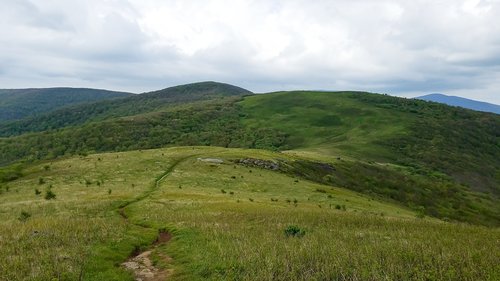
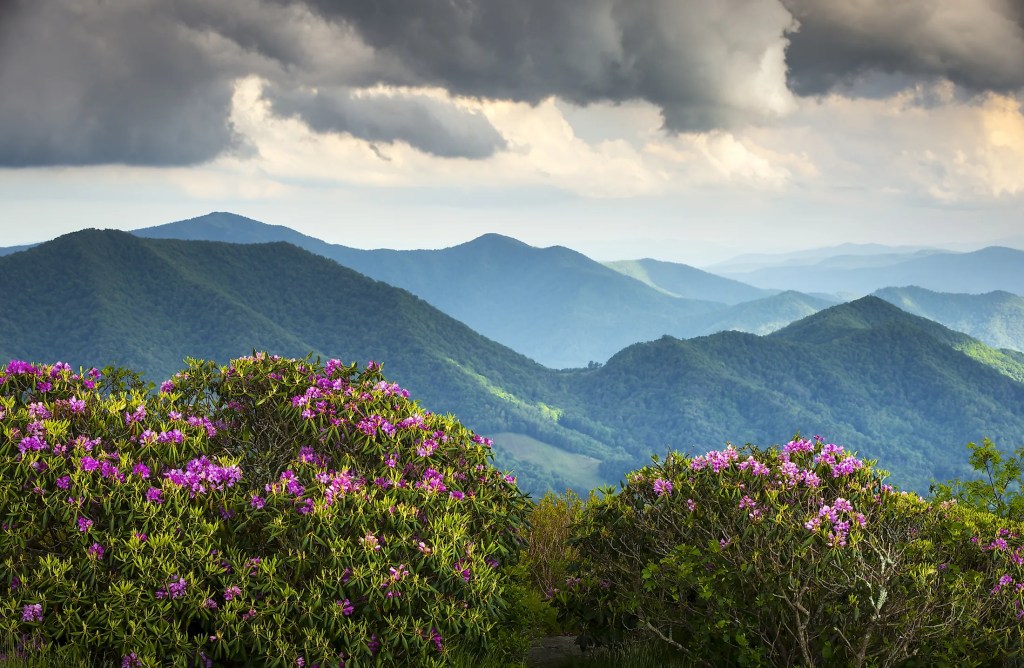
    Nestled in the misty mountains of the southeastern United States, Appalachia is a region rich with a diverse cultural tapestry woven over centuries. Known for its stunning natural beauty, this rugged area is equally celebrated for its deep-rooted traditions in music, food, crafts, and storytelling. These practices, passed down through generations, are not only a reflection of the people of Appalachia but also vital elements of the region’s identity. From the soulful notes of a fiddle to the savory flavors of cornbread, Appalachia’s culture is a living narrative — one of creativity, community, and history.

    Appalachian Music: A Soulful Soundtrack

    Music is perhaps the most iconic and far-reaching cultural hallmark of Appalachia. Influenced by Irish, Scottish, African, and Native American traditions, Appalachian music has evolved into a distinct genre that includes bluegrass, country, and folk. Its raw, unpolished sound often draws listeners in with its haunting melodies and heartfelt lyrics.

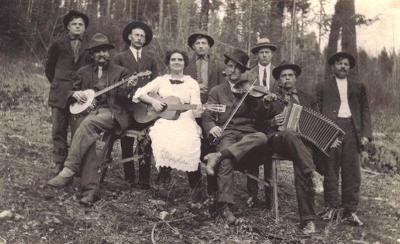
    In Appalachia, music is more than entertainment—it is a means of storytelling, a way for the region’s residents to express their struggles, joys, and dreams. The fiddle, banjo, guitar, and mandolin are the instruments that bring this tradition to life. The music is often performed at community gatherings, with local musicians passing down songs from one generation to the next. These songs—tales of love, loss, hardship, and celebration—reflect the history and spirit of the Appalachian people.

    One of the most notable figures in Appalachian music is the Carter Family, who helped define country music in the early 20th century. Their songs, such as “Will the Circle Be Unbroken,” capture the deep sense of community and spiritual life that permeates Appalachian culture. Today, artists continue to honor this tradition, keeping the music alive and evolving in new and exciting ways.

    Appalachian Food: A Taste of Tradition

    No exploration of Appalachian culture would be complete without delving into the region’s rich culinary heritage. Rooted in the practical necessity of living in a rural, mountainous area, Appalachian cuisine is a reflection of its people’s resourcefulness and creativity. The region’s food is often hearty and simple, yet it’s filled with a depth of flavor that tells the story of generations.

    Staple foods like cornbread, biscuits, beans, and greens are common in Appalachian kitchens. Traditional dishes like fried chicken, country ham, and collard greens are prepared with love and care, often passed down through families as secret recipes. In the fall, Appalachian tables are adorned with fruits of the harvest, such as apples, peaches, and pumpkins, which find their way into pies, jams, and preserves.

    One of the most beloved dishes in Appalachian cuisine is “gravy and biscuits”—a comfort food that has nourished generations. The gravy, made from sausage drippings, is often served with biscuits and eggs, epitomizing the region’s spirit of resourcefulness and home-cooked comfort. These dishes, while simple, are infused with meaning and nostalgia, offering a taste of home to anyone who partakes.

    Appalachian Crafts: A Celebration of Handiwork and Heritage

    Craftsmanship is another pillar of Appalachian culture, with artisans throughout the region continuing to preserve traditional techniques. From quilting and weaving to pottery and wood carving, Appalachian crafts are as diverse as the region itself. These crafts are not just about creating beautiful objects—they are about maintaining a connection to the past and honoring long-held traditions.

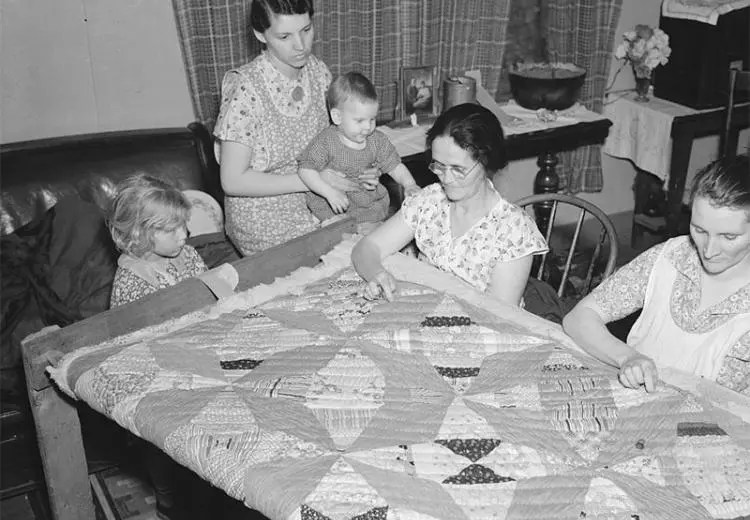
    Quilting, for example, has a rich history in Appalachia, with intricate patterns and designs often passed down through families. The art of quilting was often a communal activity, with women coming together to share stories while working on a quilt. Each stitch held meaning, and the quilt itself became a symbol of the community’s unity and spirit.

    In the mountains, wood carving and basket weaving are also prevalent, with artisans using local materials like oak, hickory, and sweetgrass to create functional and decorative pieces. Pottery is another important craft in Appalachia, with the region’s early settlers using the rich clay deposits found in the area to create functional pottery for everyday use.

    These crafts, though simple, carry the weight of history and serve as a tangible reminder of the strength and ingenuity of the Appalachian people.

    Appalachian Storytelling: A Tradition of Oral History

    Storytelling is an art form deeply embedded in the culture of Appalachia. For centuries, families and communities have gathered around firesides, front porches, and dinner tables to share tales of the past. These stories, whether humorous, cautionary, or filled with mystery, serve as a way to pass down knowledge, values, and traditions from one generation to the next.

    One of the most well-known elements of Appalachian storytelling is the “tall tale.” These larger-than-life stories often feature exaggerated characters and improbable situations, but they always carry a kernel of truth about the human experience. In many ways, these stories reflect the wit and creativity of the people who live in this challenging and often isolated region.

    In addition to the tall tales, Appalachian storytelling also includes folk legends and myths, many of which have been passed down through the centuries. Stories of mysterious creatures like the “Wampus Cat” or the “Snipe,” as well as tales of haunted hollows, are an integral part of the region’s folklore. These stories not only entertain but also help to maintain a sense of identity, linking the present with the past.

    The Spirit of Appalachia: Preserving Traditions

    The music, food, crafts, and storytelling of Appalachia are more than just cultural artifacts—they are the heart and soul of the region. These practices provide a sense of continuity, connecting people across generations and allowing them to celebrate their history while looking to the future. Despite the challenges faced by the region, including economic struggles and depopulation, these traditions remain vibrant, evolving, and thriving.

    In today’s world, as technology advances and cultural norms shift, it is easy for traditions to fade. However, in Appalachia, there is a strong sense of pride in preserving these practices. Local festivals, music gatherings, craft fairs, and storytelling events continue to draw people from near and far, ensuring that the region’s cultural narrative endures.

    Through music, food, crafts, and storytelling, Appalachia offers a window into a world where tradition, community, and creativity are cherished above all. This rich cultural legacy remains a testament to the spirit of the Appalachian people—living, breathing, and ever evolving. I have been privileged to be raised in a beautiful part of Appalachia, and I am deeply thankful for a family that has taught me to preserve the old traditions and to tell the story of our people, who have lived in this region for many generations.

    -Tim Carmichael

  • Ralph Stanley: The Appalachian Bluegrass Icon Who Defined an Era of Music

    Ralph Stanley, a towering figure in the world of bluegrass music, remains one of the genre’s most influential and revered artists. With his unmistakable banjo playing and his haunting voice, Stanley helped shape the sound of traditional Appalachian music and ensured that the rich musical heritage of the American South would never be forgotten. His life and legacy continue to inspire countless musicians, and his contributions to bluegrass music will be felt for generations to come.

    Early Life and Musical Beginnings

    Ralph Edmund Stanley was born on February 25, 1927, in McClure, Virginia, in the heart of the Appalachian region. Raised in a family steeped in musical traditions, Ralph’s early exposure to mountain music set the foundation for his future. His father, Lee Stanley, was an amateur musician, and Ralph was introduced to both old-time mountain tunes and gospel music as a child. He also drew inspiration from his older brother Carter Stanley, who would later become his musical partner.

    Ralph and Carter formed the Stanley Brothers in 1946, creating one of the most enduring duos in bluegrass history. Carter’s soulful voice, combined with Ralph’s high, lonesome singing style and virtuosic banjo playing, formed a sound that became synonymous with bluegrass. With their unique blend of Appalachian folk, gospel, and bluegrass, the Stanley Brothers quickly gained a dedicated following.

    The Stanley Brothers and the Birth of a Sound

    The Stanley Brothers, along with their band, the Clinch Mountain Boys, revolutionized the bluegrass sound in the late 1940s and 1950s. They recorded a string of iconic songs, including “Man of Constant Sorrow,” “White Dove,” and “How Mountain Girls Can Love.” These songs captured the essence of mountain life, the spiritual devotion of gospel, and the deep melancholy that permeates the Appalachian region.

    Ralph’s banjo style became the hallmark of the group, characterized by intricate picking, fast tempos, and a unique rhythmic drive. His technique, influenced by early pioneers like Earl Scruggs, was marked by a distinct, sharp tone and precision. While Earl Scruggs is often credited with popularizing the three-finger banjo style, Ralph’s contribution was equally important. He helped preserve and refine the traditional clawhammer style of playing, a key part of the region’s folk heritage.

    Carter Stanley’s voice was smooth and rich, complementing Ralph’s higher, more mournful tone, which became known as the “high lonesome sound.” This blend became one of the defining characteristics of bluegrass music and set the Stanley Brothers apart from other groups in the genre.

    Tragedy and Triumph: Ralph Stanley After Carter’s Death

    In 1966, tragedy struck when Carter Stanley passed away from complications related to a heart condition. The loss of his brother left Ralph devastated, but it also propelled him to carry on the music they had created together. Ralph continued to perform with his band, the Clinch Mountain Boys, and ensured that bluegrass music would remain alive.

    His decision to honor his brother’s memory while continuing to evolve as an artist solidified Ralph’s place as one of bluegrass’s greatest figures. Over the next few decades, he recorded some of his most enduring solo work, including albums like Clinch Mountain Country (1970), Ralph Stanley and the Clinch Mountain Boys (1973), and The Lonesome River (1988). His music continued to explore themes of loss, love, and spirituality—universal topics that resonated with fans of all ages.

    One of the most pivotal moments in Ralph Stanley’s career came in 2001 when he performed O Death for the soundtrack of the film O Brother, Where Art Thou? The haunting, a cappella rendition of the traditional Appalachian folk song, introduced Ralph to a new generation of fans and earned him widespread acclaim. The song’s chilling, mournful quality perfectly captured the essence of the “high lonesome sound” that had become his trademark.

    The success of O Brother, Where Art Thou? earned Ralph Stanley a Grammy Award and revitalized interest in traditional bluegrass music. It also introduced the world to his commanding voice, which had grown even more powerful and weathered with age. Through his association with the film, Ralph Stanley became a beloved icon of Americana music, not only among bluegrass enthusiasts but also among a broader audience who had yet to discover his contributions to American musical history.

    Ralph Stanley’s Legacy

    Throughout his career, Ralph Stanley was committed to preserving the roots of bluegrass while pushing the boundaries of the genre. His music was always deeply rooted in the Appalachian mountains, yet it resonated far beyond the region. As a musician, he never shied away from telling stories of struggle, hardship, faith, and hope—themes that continue to resonate today.

    Ralph’s influence extended beyond bluegrass as well. His legacy inspired artists across genres, from country music stars to folk singers to rock musicians. His mastery of the banjo, combined with his deeply emotive voice, set a standard for musicianship in bluegrass that many still strive to reach.

    Ralph Stanley passed away on June 23, 2016, at the age of 89, leaving behind a monumental legacy. His music continues to be celebrated, and his impact on the world of bluegrass is immeasurable. In 2009, he was awarded the National Heritage Fellowship by the National Endowment for the Arts, solidifying his status as one of the true greats of American music.

    Today, Ralph Stanley’s contributions to bluegrass are as vital as ever. His recordings continue to be a cornerstone of the genre, and his influence can be heard in the music of countless artists who follow in his footsteps. The raw emotion in his voice, the precision of his banjo playing, and his unwavering dedication to the traditions of his mountain home make Ralph Stanley a true icon, not only in bluegrass but in the broader landscape of American music.

    Ralph Stanley’s music remains a living testament to the power of tradition, the richness of Appalachian culture, and the enduring spirit of bluegrass. His voice, his banjo, and his legacy will continue to echo through the hills of Appalachia for generations to come.

    -Tim Carmichael

  • The Mystery Behind Appalachian Folklore: “Don’t Look in the Trees” and Other Tales of the Woods

    For generations, the rugged mountains of Appalachia have been home to folklore that blends eerie warnings with the wonders of nature. One of the most peculiar pieces of Appalachian wisdom is the saying, “Don’t look in the trees.” This chilling warning is part of a broader collection of stories meant to keep people wary of the deep, shadowy forests that surround them. Alongside this warning are other well-known Appalachian beliefs, such as:

    • “If you hear your name called in the woods, you didn’t.”
    • “If you hear whistling at night, you didn’t.”

    Having lived in these mountains for nearly 60 years, I’ve never personally seen or heard anything that would validate these warnings. But that doesn’t mean they don’t hold deep cultural and psychological significance. To understand why such folklore exists, it’s essential to explore both the practical and mystical elements that have shaped these stories over the centuries.

    The Meaning Behind “Don’t Look in the Trees”

    The admonition “Don’t look in the trees” is one of those phrases that, at first glance, may seem like simple superstition. But when we look deeper into the heart of Appalachian folklore, we begin to see a pattern of cautionary tales designed to protect people from danger. The forests in these mountains are dense and full of shadows, with towering trees and thick underbrush that can easily obscure dangers, whether natural or supernatural.

    For centuries, these mountains have been home to a close-knit community of people who made their living from the land. Early settlers in the region were isolated, living in small cabins far from towns, and they relied on the forests for food, shelter, and medicine. However, the wilderness was also home to many dangers: venomous snakes, wild animals, and harsh elements could quickly turn a peaceful walk in the woods into a life-or-death situation. The warning to not “look in the trees” may have been a way to keep people alert, reminding them that the forest was full of unknowns, and it was best not to let curiosity put them at risk.

    It’s possible that this warning was also linked to old superstitions or local legends. In a region rich with spiritual beliefs and a history of folk magic, it’s not hard to imagine that the warning stemmed from stories of things hidden in the trees—whether it was ghosts, spirits, or otherworldly creatures lurking just out of sight. It’s a reminder that the woods are not a place to be recklessly explored without caution.

    “If You Hear Your Name Called in the Woods, You Didn’t”

    This piece of folklore might strike a chord with anyone who has ever been alone in the woods or on a quiet trail. It is an eerie piece of advice that warns people against responding when they hear their name called in the wilderness, particularly in isolated areas. The belief is that if you hear your name, it isn’t actually someone calling you; instead, it’s a trick or an illusion, often attributed to spirits, mischievous creatures, or the unknown forces that roam the woods.

    The psychological explanation for this belief might lie in the deep-rooted human instinct to be aware of potential threats. Our ancestors lived in an environment where hearing a voice calling your name could have meant danger, whether it was a predator, an enemy, or some other kind of threat. The idea that the sound is a trick could be a psychological defense mechanism—an instinctive way of telling yourself that if it seems too good to be true, it probably is. It was likely a protective tale meant to keep people on guard, warning them not to trust their senses when out in the woods, especially at night.

    “If You Hear Whistling at Night, You Didn’t”

    Similar to the previous saying, the warning about whistling at night speaks to the eerie quality of sound in the Appalachian mountains. Whistling, particularly at night, has long been associated with supernatural activity. In many cultures, whistling is seen as a way to summon spirits, or worse, to attract evil entities. In Appalachia, hearing a whistle at night could be considered an omen of danger or mischief, often linked to the folklore of the “haints” (restless spirits) or mysterious creatures in the woods.

    The idea that “you didn’t” hear the whistle—meaning, don’t acknowledge it or act on it—serves as a reminder that not everything is as it seems. Just like the call of your name, the whistle could be an illusion meant to mislead or disorient. It could be the wind, the sound of a creature moving through the trees, or even just your imagination at play. But in the context of the folklore, it serves as another warning to stay cautious and not let curiosity or fear drive you to investigate further. In a time before reliable modern communication, hearing strange sounds could indicate something truly harmful, such as a person or animal lurking nearby.

    Why Does This Folklore Exist?

    The existence of such strange and unsettling folklore likely has roots in the physical and psychological challenges of living in a remote, wilderness-filled region like Appalachia. The forests of these mountains are not just places of beauty and tranquility; they are unpredictable, mysterious, and potentially dangerous. The folklore that developed around these natural surroundings served as a guide for survival, offering advice and wisdom to help people navigate the land safely.

    However, these tales also reflect something deeper—our need to make sense of the unknown. When people live in isolation, surrounded by the eerie quiet of the woods, it’s natural for the imagination to run wild. The rustle of trees, the shift in the wind, the crack of a twig breaking—these sounds could be interpreted as the work of spirits or supernatural beings. The folklore reflects the way people have tried to explain and cope with the mysterious forces they couldn’t fully understand.

    As the years go by, it’s easy to dismiss these old stories as mere superstition. But even today, when we venture into the Appalachian wilderness, there’s still something haunting about the woods. The silence, the towering trees, and the long shadows cast by the setting sun all contribute to a sense of mystery. Whether we believe in spirits or not, these folktales endure because they tap into our deep-seated need for caution, respect, and connection with the natural world.

    In the end, Appalachian folklore, like the forest itself, holds more than just a warning. It is a testament to the creativity, resilience, and rich cultural history of the people who have lived in these mountains for centuries. The stories may not always be true in the literal sense, but they continue to shape the way we view the world around us—and sometimes, that’s all we need to feel both protected and connected to the land.

    -Tim Carmichael

  • Dellie Norton: A Living Legacy of Appalachian Song

    In the rugged hills of Madison County, North Carolina, where the peaks of the Southern Appalachians rise and fall like the rhythms of a timeless ballad, Dellie Norton’s voice echoed through the generations, carrying with it the soul of a place and a people. Born in the picturesque community of Sodom Laurel, Dellie’s life was steeped in the traditions of the region—both in the simple, yet profound skills of mountain life, and in the rich, oral history of Appalachian folk music.

    Dellie was more than just a singer—she was a living connection to the past. Her voice carried the melodies of old English and Scottish ballads, songs that had been passed down through the centuries by the first settlers of the Southern Appalachians. These ballads, often laden with tales of heartbreak, betrayal, and adventure, were the soundtrack of the lives of those who came to this isolated region seeking a new beginning. Songs like Lord Bateman and House Carpenter, songs that recall events long forgotten by the outside world, were woven into the fabric of the community, and Dellie Norton became one of the few who could still sing them in their original form.

    What set Dellie apart as an artist was her commitment to the traditional, unaccompanied style of singing. Her melodies were richly ornamented, a hallmark of the region’s deep-rooted music culture. She understood that these songs weren’t just stories—they were the voices of her ancestors. She once said, “You can’t hardly change a song. It just doesn’t sound right if you put something to it.” And so, she sang in the manner of her mother and father, as they had sung before her, keeping the essence of the old ballads intact.

    Dellie’s life, much like the songs she sang, was shaped by the traditions of the Southern Appalachian region. Raised in an independent, self-reliant society, she was skilled in the everyday arts that kept the mountain communities thriving. An expert canner, spinner, weaver, quilter, and herbal healer, Dellie learned many of her skills from her mother and father, an herb doctor who took her on foraging trips for ginseng, yellow root, and other natural remedies. These early experiences formed a foundation for a life in which the old ways were not just remembered—they were lived.

    Her childhood mornings were filled with the sounds of her father singing and playing the banjo while bacon fried on the stove. Such moments were the pulse of her upbringing, reinforcing the deep connection between music and the daily life of the mountains. It was in this environment that Dellie developed her love for the songs that were almost as much a part of the air she breathed as the cool, crisp mountain winds.

    While Dellie Norton’s roots were firmly planted in the hills of North Carolina, her talent did not remain confined to the mountains. From the 1960s onward, she was sought out by folklorists, song collectors, and film crews who were eager to preserve the vanishing traditions of Appalachian music. Dellie was always generous with her time, sharing her songs and stories with anyone who came seeking them. Occasionally, she ventured beyond her beloved mountains to share her music with broader audiences. She performed at prestigious events like the Smithsonian Institution’s Festival of American Folklife and the North Carolina Folklife Festival in Durham. In 1982, she even performed at the World’s Fair in Knoxville, Tennessee. Dellie’s voice also found its way into the 1984 album High Atmosphere, an important anthology of Appalachian music, produced by John Cohen. Through these performances and recordings, Dellie became an ambassador for the rich musical heritage of the Southern Appalachians, helping to bring the songs of her ancestors to the world.

    In 1990, she was honored with the North Carolina Heritage Award, a testament to her contributions to preserving the cultural traditions of her home. Her work, both as a singer and as a steward of Appalachian culture, ensured that the old ballads would not be forgotten.

    For many of us who grew up in the Appalachian mountains, Dellie Norton’s music was not just a distant echo of the past—it was a living, breathing part of our childhood. I fondly remember visiting her home and listening to her play the banjo and sing in the old style of the hills. Her songs carried the weight of generations, each note a link in an unbroken chain that stretched back to the first settlers. Dellie was a cousin of my grandfather, and through her music, we were connected to something larger than ourselves—something timeless, rooted in the land and the people who had lived there long before us.

    Dellie Norton’s life and music remind us of the importance of preserving the stories and traditions that shape who we are. She was not just a singer of old ballads; she was a living bridge to the past, a keeper of the stories that might otherwise have been lost. Her commitment to singing the songs as they had been handed down to her—from her parents, from her community, from the mountains themselves—ensures that the music of the Southern Appalachians will continue to resonate for generations to come.

    Dellie’s legacy is more than just the songs she sang; it is the way she lived her life—with an unwavering respect for tradition, a deep love for her community, and a quiet but powerful generosity in sharing her gifts with the world. For those of us who were fortunate enough to hear her sing, Dellie Norton’s music will forever echo in our hearts, reminding us of a place and a people who have always been proud of their heritage and the songs that keep it alive.

    -Tim Carmichael

  • A New Year’s Tradition in the Appalachian Mountains: Wishes, Firecrackers, and Good Luck

    When I was a child growing up in the Appalachian Mountains of Western North Carolina, New Year’s was a time full of excitement and family traditions, even though we didn’t have much. The turn of the year carried with it a sense of hope and renewal. We may not have had the extravagance of big city celebrations, but the simplicity of our customs made it special in its own way.

    One of my favorite memories was the small pack of firecrackers my momma would get us. They weren’t much—just a few little fireworks to light up the night sky—but they filled the air with joy as we counted down to midnight. The echo of the church bell ringing in the distance signaled the arrival of the new year, and we could hear gunshots ringing out from all directions. People in our community, like us, believed in ringing in the new year with a bang. Some said it was for good luck; others said it was to scare away evil spirits. But whatever the reason, it felt like a powerful way to welcome what was ahead.

    In our family, we had another tradition that added to the magic of the night. On New Year’s Eve, we would open our doors as a symbolic gesture to “let out the old year” and welcome the new one in. It was a simple, yet meaningful act, rooted in the idea of clearing out the old and making space for fresh beginnings. It felt like sweeping away the hardships of the past and opening ourselves up to new possibilities. This superstition, common in many cultures, involves opening doors and windows at midnight to usher in the new year, and it was something we looked forward to every year.

    As the clock struck twelve, my mother would hand each of us a small piece of paper. On it, we wrote our wish for the coming year. My wish was always simple and reflective of the life we lived. I didn’t wish for toys or fancy clothes. Instead, I wrote that I wished to survive the year ahead. Growing up in poverty, each year was a challenge, and survival wasn’t guaranteed. But that simple wish, written on paper and then burned to send it into the universe, felt like a way to release my hopes and fears to the world, hoping they would come true.

    After the excitement of the night, the day after New Year’s was just as special. We would bundle up and head to my granny’s house, where she would serve the traditional New Year’s Day meal. Granny always made sure we had a plate of black-eyed peas and collard greens and hog jowls. According to tradition, eating these foods on New Year’s Day would bring good luck and prosperity in the year ahead. The collard greens, with their rich green leaves, were said to represent the green of dollar bills, symbolizing financial growth and prosperity. The black-eyed peas, small and round, symbolize coins, bringing wealth and good fortune. And of course, the ham hocks added that bit of flavor and richness that made the meal feel like a warm hug on a cold winter day.

    Even though our family didn’t have much, those traditions gave us something invaluable—hope, joy, and a sense of community. New Year’s in the Appalachian Mountains was more than just a holiday; it was a time to reflect on the struggles and blessings of the past year and to look ahead to what the future might bring.

    As I’ve grown older and life has changed, I still carry those memories with me. I’ve come to realize that the most important part of those New Year’s traditions wasn’t the food or the firecrackers, but the sense of togetherness and the belief that, no matter how tough things got, the new year always brought a fresh start. And as I sit down with my own family now, I still find myself wishing for survival, good fortune, and hope, just as I did when I was a child in the mountains of Western North Carolina.

    -Tim Carmichael

  • Mingus Mill: A Historic Grist Mill in the Smoky Mountains

    Nestled in the rugged landscape of the Great Smoky Mountains, Mingus Mill stands as a rare testament to the region’s industrial history. Built in 1886, it remains a significant piece of Appalachia’s heritage, highlighting the resourcefulness of the people who lived there. One of the most distinctive features of Mingus Mill is its use of a metal turbine instead of the traditional wooden waterwheel, making it one of the most advanced mills in the region at the time.

    The Role of Grist Mills in Appalachian Life

    For the people living in the Appalachian Mountains, a grist mill was not just a place to grind grain—it was an essential part of daily life. In the late 19th and early 20th centuries, most Appalachian families were self-sustaining farmers who grew crops like corn, wheat, and oats. These grains had to be ground into flour or meal, and in the isolated mountain communities, the grist mill was the only place where this could be done.

    Life in the mountains was marked by its rugged terrain and relative isolation. The steep, forested landscape made travel difficult, and many communities were far from the nearest town or city. As a result, grist mills like Mingus Mill became vital institutions. They served not only as centers of production but also as focal points of the community. Neighbors would bring their harvests to the mill to be ground, sometimes waiting for hours while the millstones turned. During this time, people would gather to talk, trade news, and share stories, making the mill an integral part of social life.

    Mingus Mill’s Technological Innovation

    Mingus Mill’s most significant technological feature was its metal turbine. In the late 19th century, most mills in Appalachia relied on large wooden waterwheels to harness the power of flowing streams. While effective, these waterwheels had their limitations. They were prone to damage from the elements and required frequent maintenance. By contrast, the metal turbine used at Mingus Mill was more efficient, durable, and required less upkeep. It was a cutting-edge innovation that helped the mill remain reliable in the fluctuating water levels of the region’s fast-moving streams.

    The turbine operated by channeling water through a series of metal blades that converted the energy of the moving water into mechanical power. This allowed the mill to function more consistently, even when water flow was low or irregular. For the people who relied on it, this technology made the difference between a productive, sustainable mill and one that was inefficient or unreliable.

    A Self-Sufficient Community

    Mingus Mill was a symbol of self-sufficiency. In a time before grocery stores and modern transportation, the mill was the heart of many Appalachian communities. Farmers couldn’t simply drive to a store to buy flour—they had to mill their own grain. With limited access to markets and stores, the mill played a critical role in ensuring that families had the flour and meal they needed to survive, especially through the long, harsh winters.

    The mill also reflected the close-knit nature of Appalachian life. For people living in such isolation, mills were more than just places of work. They were social hubs where people could connect with their neighbors. The mill was a place to catch up on news, share advice, and offer help, reinforcing the strong sense of community that defined Appalachian culture.

    Appalachian Ingenuity and Resourcefulness

    The story of Mingus Mill is also a story of Appalachian ingenuity. Living in a region with difficult terrain and limited resources, the people of the Smoky Mountains had to be resourceful. They didn’t always have access to the latest technologies, but they found ways to make do with what they had. The introduction of the metal turbine at Mingus Mill was one example of this spirit of innovation.

    In many ways, Appalachian people were pioneers, adapting to their environment and creating solutions that allowed them to thrive. They built homes, grew crops, and made tools from the materials they could find in the mountains. The turbine at Mingus Mill was a perfect example of how they took existing technologies and improved them to meet the specific challenges of their surroundings.

    The Legacy of Mingus Mill

    Today, Mingus Mill stands as a symbol of the resilience and self-reliance that characterized life in the Appalachian Mountains. It represents the resourcefulness of the people who built it and the hard work that went into maintaining it over the years. The mill’s ability to harness the power of water to grind grain was a vital part of life in the Smokies, and its design reflects the ingenuity of a community that had to rely on its own hands and tools to survive.

    The mill’s continued operation also underscores the persistence of Appalachian traditions. While the technology may have changed over the years, the spirit of hard work, community, and innovation remains a defining characteristic of the region. Mingus Mill serves as a reminder of how the Appalachian people adapted to their environment and used the resources around them to sustain their way of life. It stands not only as a historical artifact but as a testament to the enduring legacy of the Appalachian people’s resourcefulness.

    -Tim Carmichael

  • The 12 Days of Christmas in Appalachia: A Tradition of Celebration and Community

    When you think of the holiday season in the United States, Christmas is often celebrated as a one-day event, but in the Appalachian region, the holiday spirit extends well beyond December 25th. In Appalachia, many families and communities embrace the tradition of celebrating the 12 Days of Christmas, which lasts from December 25th to January 6th. This extended holiday period is rich in customs, faith, and a strong sense of community, all of which make this time of year truly special in the mountains.

    The Origins of the 12 Days of Christmas

    The tradition of celebrating the 12 Days of Christmas can be traced back to medieval Europe, where it was a time for feasting, merrymaking, and religious observance. In many Christian traditions, the 12 days begin on Christmas Day and end on Epiphany, January 6th, marking the arrival of the Wise Men to see the newborn Jesus. While this holiday period is observed in various forms around the world, in Appalachia, the 12 Days of Christmas have a unique and meaningful place in local culture.

    A Time for Family, Faith, and Celebration

    In Appalachia, the 12 Days of Christmas are more than just a way to extend the holiday season—they are an important time to come together with family and community. Many Appalachian families continue to observe this extended period as an opportunity to share meals, attend church services, and enjoy the simple pleasures of the season.

    Church services are especially significant during the 12 days, with many families attending special holiday services, singing carols, and participating in traditions like candlelight vigils. For many, these gatherings are a time to connect with their faith, to celebrate the birth of Christ, and to be part of a larger community. The spirit of the season is very much focused on giving, prayer, and celebrating the blessings of the year.

    Traditions and Customs

    Each of the 12 days of Christmas holds significance for families in Appalachia, and many of the traditions passed down through generations continue to be observed today. Some of the key days and celebrations during this period include:

    1. December 25 – Christmas Day: The official start of the 12 Days of Christmas, this day is centered on the birth of Christ. Families gather for large meals, exchange gifts, and celebrate with church services. Traditional Appalachian dishes such as ham, biscuits, cornbread, and pies are often featured at these festive meals.
    2. Boxing Day (December 26): While not as widely observed in the U.S. at large, in some Appalachian communities, Boxing Day is seen as a day of charity. It’s a time when families might help those in need, either by donating goods or by offering assistance to neighbors.
    3. St. Stephen’s Day (December 26): For some families, this day is marked by acts of kindness or community service, continuing the tradition of giving back during the holiday season.
    4. New Year’s Eve and New Year’s Day: The arrival of the new year is a time for more celebrations. Families gather for meals, attend church services, and ring in the new year with hope and joy. New Year’s Day is also a time to spend with loved ones, continuing the holiday festivities.
    5. Epiphany (January 6): The final day of the 12 Days of Christmas marks the visit of the Wise Men to the Christ child. This day is often quieter, with some families attending church services or enjoying a final holiday meal together. It’s a reflective end to the holiday season.

    Throughout these 12 days, food plays an essential role in the celebrations. Feasts are shared with extended family, friends, and neighbors. Traditional foods like ham, turkey, pies, cakes, and preserves are often served, and the meals themselves become an important part of the communal aspect of the holiday season.

    Community Spirit and Giving Back

    One of the most defining features of the 12 Days of Christmas in Appalachia is the strong sense of community. Throughout the 12 days, families and neighbors come together to help one another. Whether it’s delivering meals to those who are sick, helping with chores, or providing gifts to children who may not have much, the people of Appalachia are known for their generosity and willingness to lend a hand.

    This spirit of giving isn’t limited to just family members—it extends throughout the entire community. With a history of isolation and a reliance on close-knit connections, Appalachian communities are accustomed to looking out for one another, and the 12 Days of Christmas offer a perfect time to reinforce those bonds.

    A Gift of Time and Connection

    In Appalachia, the 12 Days of Christmas are about much more than just extending holiday festivities. They represent a chance to celebrate with loved ones, attend church, share meals, and help others. The traditions surrounding the 12 Days of Christmas bring people closer together, creating a sense of unity and belonging that is central to the Appalachian way of life.

    Whether it’s attending a church service, singing carols with friends, or sharing a homemade meal, the 12 Days of Christmas in Appalachia offer an opportunity to embrace the joy and warmth of the season. In a world that often feels rushed and overwhelming, the extended holiday period provides a much-needed reminder of the importance of family, faith, and community—values that are deeply embedded in the heart of Appalachia.