• Growing Up in Appalachia: A Life of Hard Work, Pride, and Natural Beauty

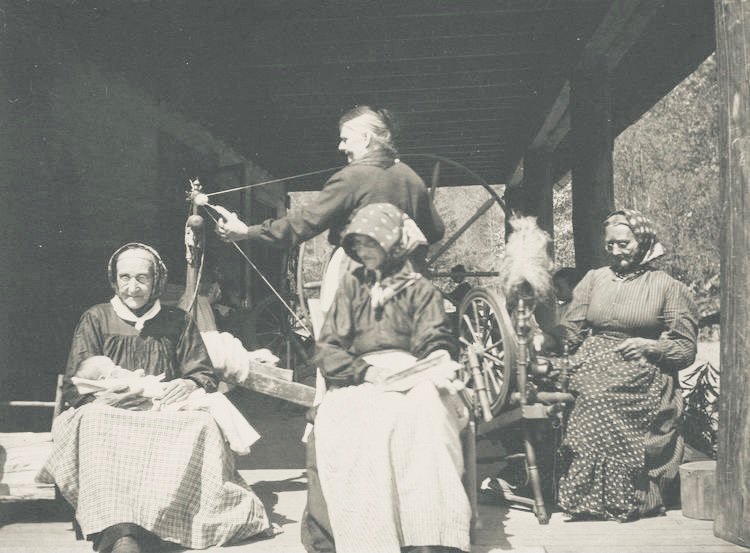
    Growing up in Appalachia, people often misunderstood us. To some, we were seen as backwoods, uneducated, or just plain strange. They called us “hillbillies” and other names, thinking they knew who we were. But they didn’t know what life was really like. Sure, we didn’t have the modern conveniences that many people take for granted, but what we had was something different — something that made us strong, close-knit, and proud of who we were.

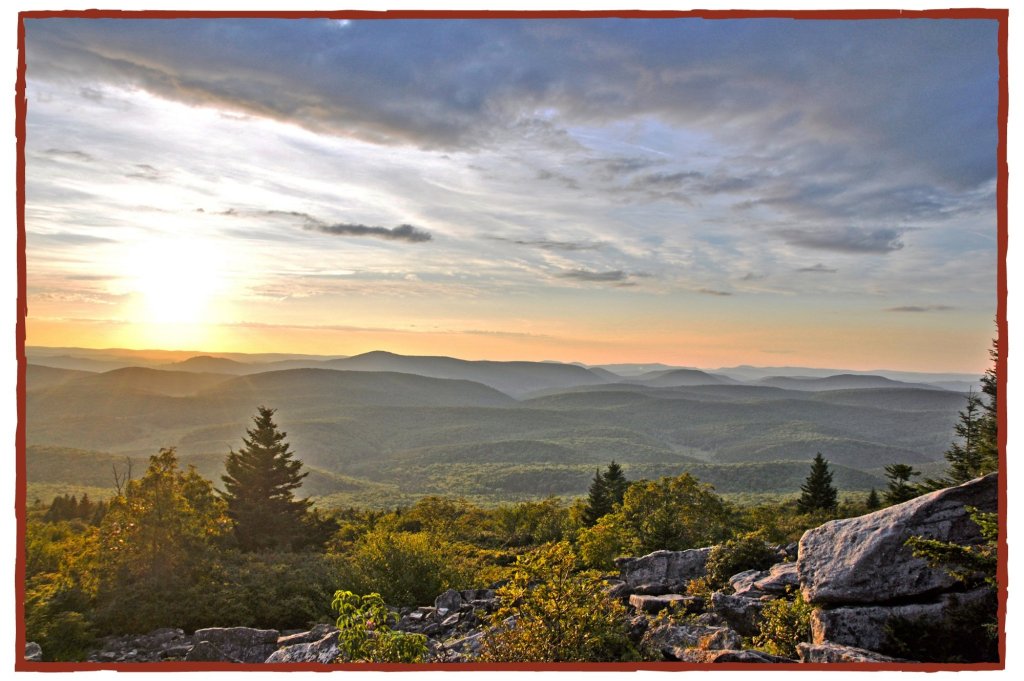
    Every morning, we woke up to the sun rising over the mountains, and there was nothing like it. The view from our porch stretched for miles — green hills, endless sky, and a peace that you can’t find in the city. In the evenings, we’d sit outside and watch fireflies light up the fields below. Those tiny flashes of light in the dark were like magic, a simple beauty that people who live fast often miss.

    Life in the hills wasn’t easy, but it was good. We didn’t have fancy stores or the latest gadgets. We didn’t have running water inside the house, either. Instead, we carried it from the creek or the well, bucket by bucket. It wasn’t always convenient, but it kept us busy, and it taught us to appreciate the little things. There was a certain satisfaction in having that water after a long day of work, even if it was just to wash up or cook dinner. You never really think about water until you have to get it yourself, and once you’ve had to carry it, you don’t take it for granted.

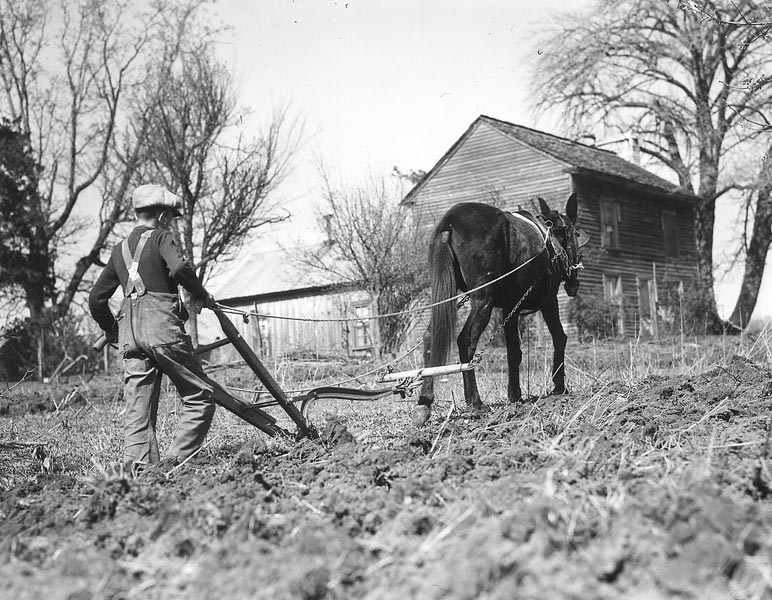
    We didn’t get our food from the store. We grew it ourselves — beans, corn, tomatoes, potatoes. We spent hours in the garden, tending to what we’d planted. We raised our own meat — chickens, pigs, cows. It took time, sure, but it was worth it. We knew where our food came from. We saw it grow from seed, or we helped raise it ourselves. It wasn’t just about putting food on the table. It was about being able to provide for ourselves, about knowing we could take care of what we needed.

    farm view from where I grew up

    As kids, we didn’t have video games or the internet to entertain us. Our playground was the outdoors — climbing trees, swimming in creeks, building forts from rocks and logs. We had the freedom to run and explore without worrying about a screen or a schedule. We spent our days outside, living in the moment. And when we were tired from playing, we went home to a hot meal and a bed where we could rest and do it all again tomorrow. That kind of freedom, that kind of joy — it’s hard to find today, and we didn’t even realize how lucky we were to have it.

    Sure, we worked hard. But there was something special about it. It wasn’t the kind of work that made you feel drained at the end of the day. It was the kind of work that gave you pride. When you spent a day in the fields, you didn’t feel like you were working for someone else. You were working for yourself, for your family. Every task — whether it was hauling firewood, picking beans, or fixing a fence — had a purpose. There was always a goal, and when that goal was met, you could sit back and know you had done it with your own hands.

    And we took care of each other. If someone needed help, we were there. Whether it was a neighbor who needed help with their crops or a friend who was having a tough time, we all pitched in. There was a sense of community that you don’t always find in other places. People looked out for each other, not because they had to, but because that’s what you did. We shared what we had, and we made sure that no one was left behind.

    View from where I grew up

    People who call us names don’t see that. They don’t understand the strength it takes to live this way, to make do with what you have and still find joy in it. They don’t see that there’s a freedom in this kind of life — a freedom that’s rare. We didn’t have everything the world tells us we need to be happy. But we had what mattered. We had each other, we had our mountains, and we had the satisfaction of knowing that we worked for what we had.

    They can call us hillbillies, but to us, it’s just a word. It doesn’t define us. It’s part of who we are, but it doesn’t tell the full story. We’re proud of where we come from, proud of the lessons we learned and the life we had. It was a life that was simple, but it was also full of meaning.

    If you want to call us names, call us lucky. We were lucky to grow up in a place that gave us a life most people can’t even imagine. We may not have had all the luxuries, but we had something more — our mountains, our families, and a life that shaped us into who we are today. And that’s something no one can take away.

    -Tim Carmichael

  • Daniel Boone: The Appalachian Pioneer Who Became a Legend

    When you think of the early pioneers who shaped America, Daniel Boone’s name is one that rises above the rest. His life story has become synonymous with adventure, exploration, and the rugged spirit of the Appalachian wilderness. While some of the tales about Boone have been stretched into legends, his true life is just as remarkable—and perhaps even more impressive.

    Born in 1734 in Pennsylvania, Daniel Boone grew up on the edge of the frontier, where his family was no stranger to the challenges of life in the wilderness. From a young age, Boone learned how to hunt, trap, and survive in the forests, skills that would serve him well in his later adventures. His family had been involved in settling new lands for generations, and Boone embraced this heritage, setting his sights on the vast, unexplored territories beyond the familiar.

    In the 1750s, Boone moved to North Carolina, but it was in the late 1760s that his most famous feat took place. Boone became one of the first people to blaze a trail through the Cumberland Gap—a natural passage in the Appalachian Mountains that would eventually become the main route for settlers moving westward. Kentucky, a vast and largely unknown territory at the time, was now accessible to thousands of settlers, all thanks to Boone’s persistence and resourcefulness.

    This path, known as the Wilderness Road, marked a turning point in American history. It opened up the land to new opportunities for settlers looking to make a life on the frontier. For Boone, it was a personal triumph—a testament to his skill as a woodsman and his determination to carve a place in the unknown.

    But Boone’s story wasn’t just about making trails through the mountains. His life was filled with hardships, dangers, and moments of great courage. He faced conflicts with Native American tribes, was captured and nearly killed by them, and was caught in the middle of the American Revolution. Throughout it all, Boone continued to push forward, helping establish communities and settlements in what would eventually become the state of Kentucky.

    As time passed, Boone’s adventures became the stuff of legend. Some stories of his life were exaggerated, turning him into an almost mythical figure. The man who once walked the forests and mountains of Kentucky was now the star of countless tales, each one grander than the last. Boone’s exploits—his escapes, his survival against the odds, his leadership—blended with the imagination of storytellers, cementing his place as one of the most famous frontiersmen in American folklore.

    Today, we still remember Daniel Boone as a symbol of the American frontier. His name has become a shorthand for the spirit of exploration and the drive to push beyond the known world. Whether or not all the stories about him are entirely true, it’s clear that Boone’s real life was just as remarkable as the legends that have been built around him. His journey across the wilderness is a testament to the courage and determination that helped build the early foundations of the United States.

    -Tim Carmichael

  • 110 Days After Hurricane Helene’s Devastation

    January 15, 2025, marks 110 days since Hurricane Helene ravaged Western North Carolina and East Tennessee, bringing historic rainfall, strong winds, and tornadoes. The storm caused widespread flooding and landslides, making it one of the deadliest U.S. storms of the 21st century, with over 100 confirmed deaths in North Carolina alone and an estimated $59.6 billion in damages across the state.

    In the months since the storm, the people of Western North Carolina and Eastern Tennessee have been grappling with the aftermath. Many survivors are still living in temporary shelters, such as tents and campers, as they await permanent housing. The cold winter weather has only intensified their suffering, with many still without basic necessities.

    I’m from one of the hardest-hit areas of Marshall, North Carolina, and my heart continues to hurt when I see all the destruction caused by this storm. Our community, like so many others in Western North Carolina and East Tennessee, has been ravaged, and it feels like the storm’s impact is still rippling through our lives, even 110 days later. We have been forced to endure unimaginable losses, and the emotional toll is taking its effect.

    Newly sworn-in North Carolina Governor Josh Stein moved quickly to provide relief, issuing five executive orders on his first day in office to assist those hardest hit. These orders focused on providing food, shelter, water, and medical aid, as well as beginning the long process of rebuilding infrastructure. However, despite these efforts, recovery is moving slowly. Both state and federal support are needed to help the people who remain displaced.

    Tennessee, similarly, devastated by the storm, is facing many of the same challenges. The destruction left by the storm has created widespread displacement, leaving many survivors living in substandard conditions with no clear timeline for when they will return to normalcy. With winter setting in, the situation is even more dire for those living without proper shelter.

    One issue in this recovery process has been the role of large nonprofits. These organizations have raised millions upon millions of dollars for disaster relief, but questions remain about how the funds are being used. With the amount of money raised, nonprofits could have done far more to address the needs of those affected. Tiny homes could have been provided for nearly every displaced person, and yet many survivors remain in temporary shelters.

    There is growing frustration with the fact that these nonprofits have not done more to cover basic costs, such as hotel bills for families still without a place to stay. The funds raised by these organizations should be directly supporting people in need, and their lack of transparency and action is alarming. It’s time to hold these groups accountable for their fundraising efforts and demand that they use the resources at their disposal to help those who need it most.

    While political rhetoric and misinformation are swirling on social media, the real focus should be on providing direct support to those affected by the storm. Volunteers and donations continue to be crucial, but the situation calls for more than just well-wishing. The people of North Carolina, Tennessee, and beyond need real help — whether it’s through volunteer work, financial support, or pressure on nonprofits to step up their efforts.

    As we mark 110 days since Hurricane Helene, it’s clear that the road to recovery is long. But with accountability, transparency, and collective action, we can ensure that help reaches those who need it most. The people of Appalachia deserve more than empty promises and political posturing — they deserve tangible support, and it’s time for all of us to step up and make that happen.

    -Tim Carmichael

  • Beneath the Appalachian Sky

    Under the Appalachian sky,
    Where the clouds drift slow and high,
    The mountains hum a quiet song,
    And the land remembers all along.

    The people here are rooted deep,
    With stories that the hills still keep,
    Their voices soft, but full of grace,
    Like rivers carving through this place.

    Their lives are tied to earth and stone,
    With hands that work, but hearts that’ve grown,
    Through years of struggle, joy, and strife,
    In these wide hills, they carve their life.

    The sun may set, the stars may rise,
    But in the quiet, there’s no disguise—
    The love they have, the strength they show,
    Underneath the moon’s soft glow.

    Through seasons change, through storms and skies,
    The spirit of these hills survives,
    In every smile, in every tear,
    The Appalachian sky is near. And though the world may call them far,
    Their hearts remain where mountains are,
    For under this vast, endless dome,
    They know the sky will lead them home.

    -Tim Carmichael
  • The Cherokee: Guardians of the Appalachian Mountains and Their Enduring Legacy

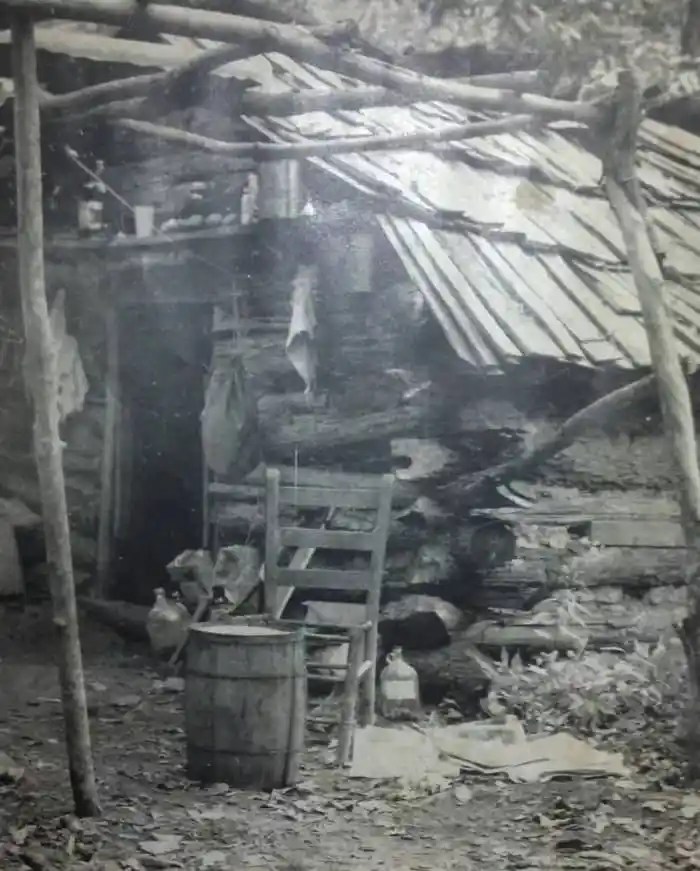
    The Cherokee Native Americans, who are part of the Iroquois language group, have a deep and enduring history in the Appalachian Mountains. This mountainous region, which stretches across parts of North Carolina, South Carolina, Tennessee, Georgia, and western Virginia, has been home to the Cherokee for thousands of years. Their distinct language and traditions have shaped both the culture of the Appalachian region and their survival in the face of numerous challenges.

    The Cherokee language is part of the Iroquois Nation, which includes tribes such as the Mohawk, Seneca, and Oneida. Despite linguistic ties to other tribes of the Iroquois Confederacy, the Cherokee maintained unique cultural and societal practices, including a matrilineal clan system that governed family and social structures. The Cherokee language, a key part of their identity, remains vital to the tribe today, as efforts continue to preserve and revitalize it.

    For centuries, the Cherokee thrived in the southern Appalachian Mountains, adapting to the varied terrain and utilizing its rich resources. They developed sophisticated agricultural practices, cultivating crops such as corn, beans, and squash, which were often referred to as the “Three Sisters.” Hunting and fishing were also essential to their way of life, with the abundant forests and rivers providing food and materials. The Cherokee were skilled in weaving, pottery, and tool-making, all of which allowed them to create a thriving, self-sustaining community.

    The Cherokee people have long held a deep spiritual connection to their surroundings. Their traditions, including rich oral storytelling, were used to preserve the wisdom of their ancestors. These stories, often told around a fire, served not only to entertain but to educate younger generations about the natural world, moral values, and the Cherokee way of life. These traditions continue to influence the broader Appalachian culture, where storytelling remains an important practice in the region.

    The arrival of European settlers and the expanding United States brought immense challenges to the Cherokee. As settlers pushed westward, their desire for land resulted in a series of forced removals and broken treaties. The Cherokee were coerced into signing numerous agreements with the U.S. government that led to the loss of their homeland in the Appalachian Mountains. The most infamous of these events was the Trail of Tears in the 1830s, during which thousands of Cherokees were forcibly relocated to what is now Oklahoma. This relocation led to the deaths of thousands due to disease, malnutrition, and exposure, marking a tragic chapter in Cherokee history.

    Today, many people in Appalachia who have lived in the region for generations may find Cherokee blood running through their veins. While not everyone has Cherokee ancestry, a significant number of individuals in the Appalachian region can trace their lineage back to the Cherokee and other Native American tribes. This connection serves as a reminder of the Cherokee’s lasting impact on the cultural and social fabric of the region.

    Despite the hardships they endured, the Cherokee continue to play a significant role in the cultural and historical landscape of Appalachia. Their influence can be seen in modern-day practices and in the landscape, they once called home. From the cultural traditions they preserved to their lasting legacy, the Cherokee have left an indelible mark on the history of this region.

    -Tim Carmichael

  • The Music of Appalachia: Old Ballads and the Instruments That Shaped a Region

    Appalachia’s rich musical heritage carries with it the echoes of centuries past, from ancient ballads to the sounds of stringed instruments that have become synonymous with the region. For generations, the songs of Appalachia were passed down through families and communities, each note and lyric holding a story of survival, love, hardship, and resilience. The mountains served as a natural barrier, allowing traditions to flourish in relative isolation, and the music created in these hills became a reflection of the people who called them home.

    At the heart of Appalachian music is the old ballad tradition—stories sung to melodies that often date back to the British Isles. These ballads, some centuries old, tell tales of love lost, tragic fates, and everyday life, carrying the essence of both Europe and the American experience. As they moved from one generation to the next, these songs took on a distinctly Appalachian flavor, with local stories and themes woven into the original narratives. Singers would often add personal touches, shaping the song to fit their own community’s history and culture.

    The instruments that accompanied these ballads were simple yet essential. The mountain dulcimer, often associated with the Appalachian region, was a favorite for its ease of use and melodic sound. Its gentle, droning tones provided the perfect backdrop for the haunting lyrics of the ballads. The dulcimer’s popularity grew in the 19th century, and its unmistakable sound became a symbol of the region’s musical identity. Played by plucking or strumming its strings, the dulcimer was a companion to those who lived in the hollows, offering both solace and joy.

    Another instrument with a strong place in Appalachian music is the banjo. Its African origins and journey to the American South via the enslaved people of the region gave it a unique place in the cultural fabric of the mountains. Early banjos were made from simple materials, and their rhythmic plucking brought a different dimension to Appalachian music. The banjo became a staple in both secular and religious music, providing an upbeat, lively contrast to the more somber ballads. Its sound, filled with syncopated rhythms, captured the spirit of the people—work songs, dance tunes, and celebrations of life and love.

    As the 20th century rolled on, the influence of commercial music and technology slowly began to shape the sound of Appalachian music. Radio broadcasts and phonographs introduced new genres, and musicians began to incorporate instruments and styles from outside the region. Bluegrass, honky-tonk, and country music found their way into the hearts of Appalachians, altering the soundscape. However, the old ballads and traditional sounds still held sway, and even as new influences arrived, the region’s musical roots remained firmly planted in the past.

    Today, Appalachian music is celebrated around the world, with musicians seeking to preserve its distinct sound and rich history. Festivals, performances, and recordings keep the spirit of the old ballads alive, ensuring that the stories and songs of the mountains continue to resonate with new generations. The dulcimer, the banjo, and the timeless ballads still carry the legacy of Appalachia, reminding us of a way of life that is both unique and enduring.

    -Tim Carmichael
  • Silent Falls of Snow in Appalachia

    Snow falls softly on the ridges high,
    A quiet grace beneath a muted sky.
    The Appalachian peaks, in layers dressed,
    Stand silent, peaceful, at their best.

    Each flake, a whisper from the sky,
    Drifts down where shadows rest and lie.
    The pines, their branches heavy, bend,
    While winter’s touch begins to blend.

    The world is hushed, the air is cold,
    A story of the land retold.
    The trails once trod now lie concealed,
    A blanket soft, the earth revealed.

    The creek is still, its waters freeze,
    Held in a moment, caught with ease.
    The deer move slow through frosted glen,
    Their footprints vanish once again.

    Above, the mountains wear their white,
    A peaceful calm that wraps the night.
    The snow, like time, drifts slow and deep,
    A gentle hush that lulls to sleep.

    The air is crisp, the world at rest,
    A quiet peace, a heart confessed.
    In every flake, a world anew,
    A fleeting moment, fresh and true.

    As twilight falls, the sky turns gray,
    The snowfall gently paves the way.
    And in the quiet of the night,
    The Appalachian snow feels right.

    It speaks in whispers, soft and clear,
    A song of winter, sweet and near.
    For in its fall, the world finds peace,
    A place where all things gently cease.

    -Tim Carmichael
  • The Greenbrier Ghost: The Case Where a Spirit Helped Convict a Murderer

    In 1897, a chilling story unfolded in Greenbrier County, West Virginia, that would make its way into the annals of American folklore. The tale revolves around Elva Zona Heaster Shue, a young woman whose untimely death would soon lead to an astonishing claim—a ghost’s testimony that would help bring her murderer to justice.

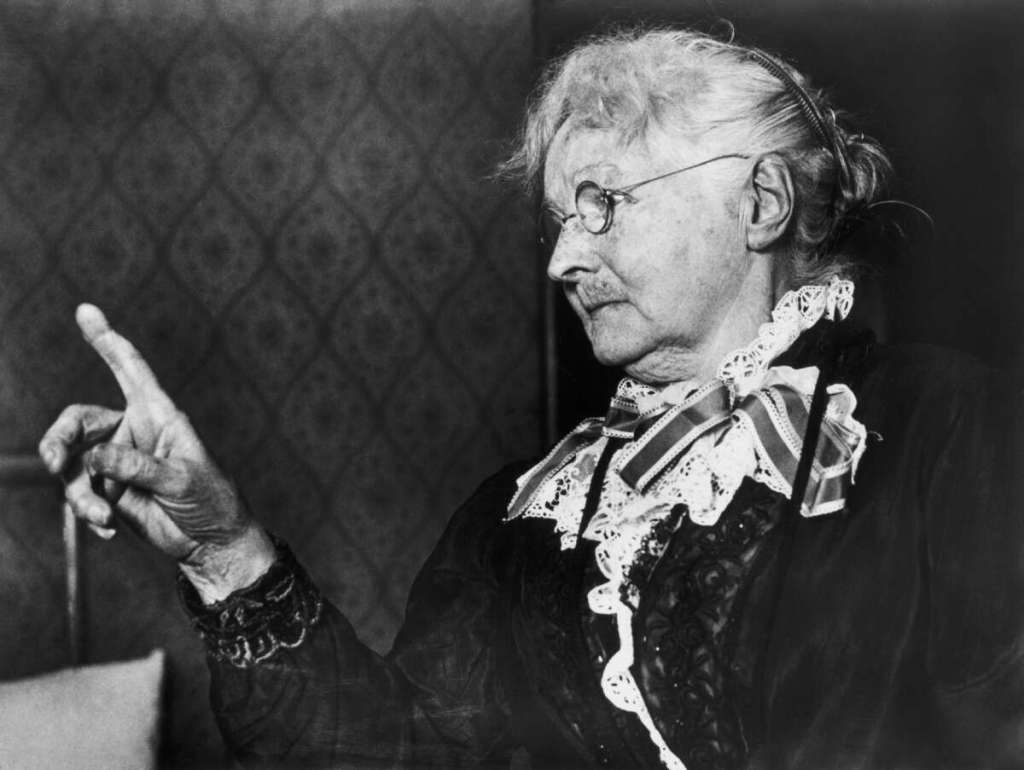
    Elva Zona, known as Zona to her family, married a man named Edward Shue shortly before her death. The couple’s relationship was seemingly normal, but her sudden and suspicious death just a few months into their marriage raised questions. Zona was found dead in her home, and the official cause was thought to be heart failure. However, her mother, Mary Heaster, didn’t believe the explanation. She was convinced that Zona’s spirit was trying to communicate the truth about what happened.

    Mary began to have vivid dreams in which her daughter’s ghost appeared, detailing how her husband had killed her. According to the ghostly testimony, Edward Shue had attacked Zona, strangling her with a noose and causing her death. The ghost allegedly showed her mother the manner of death, and Mary became determined to bring the truth to light.

    At first, law enforcement was skeptical, as ghostly sightings and testimonies were hardly accepted in court. However, Mary’s insistence and the increasingly strange circumstances surrounding Zona’s death led authorities to take a closer look. They exhumed her body and discovered evidence that contradicted the original findings. Zona’s neck showed signs of strangulation, not heart failure. This revelation gave weight to Mary’s claims and prompted an investigation into Edward Shue.

    Edward was arrested, and during the trial, the testimony of Mary Heaster was pivotal. Though it was unconventional to rely on the words of a ghost, the discovery of evidence corroborating her account made a compelling case. Edward Shue was convicted of his wife’s murder and sentenced to life in prison.

    The Greenbrier Ghost story remains one of the most unique and bizarre cases in criminal history. It stands as the only known instance where a ghost’s testimony was integral in securing a conviction. The eerie tale continues to be a point of intrigue for both paranormal enthusiasts and true crime aficionados alike. It also serves as a testament to the power of belief and the mystery of the unknown, where even a ghost might have a say in the pursuit of justice.

    -Tim Carmichael

  • Jonesborough: Tennessee’s First Town and Its Rich History in Appalachia

    Jonesborough, Tennessee, holds the distinction of being the first town in what would later become the state of Tennessee. Founded in 1779 by settlers from the Watauga Association, it has a deep historical significance that stretches back to the early days of American frontier life. This small town is a repository of stories about struggle, self-governance, and the spirit of early settlers in the Appalachian region.

    When it was founded, the area was part of North Carolina, and settlers in the region were navigating life on the edge of the frontier. The town was named after Willie Jones, a prominent North Carolina statesman who supported the settlers in their push for greater autonomy. The town’s founding occurred against the backdrop of the American Revolution, and the settlers in Jonesborough were already embroiled in efforts to carve out their own path away from the colonial powers.

    One of the defining moments in Jonesborough’s history came in the 1780s, when the region played a central role in the creation of the state of Franklin. In the wake of the Revolutionary War, the settlers in what is now East Tennessee were dissatisfied with North Carolina’s rule and sought to establish their own state. Jonesborough became the capital of the short-lived State of Franklin, a bold experiment in self-governance that sought to create an independent state between North Carolina and Virginia.

    The State of Franklin, which existed from 1784 to 1789, was ultimately unsuccessful in its bid for independence. After a series of political and military struggles, the state was dissolved, and the region returned to North Carolina’s control. However, the movement helped lay the groundwork for the eventual statehood of Tennessee, which was admitted to the Union in 1796.

    Jonesborough’s role in the formation of Tennessee didn’t stop with the dissolution of the State of Franklin. The town continued to serve as an important political and economic hub in the region. In 1790, it became home to the first post office in Tennessee, marking a significant development in the communication and transportation networks of the time. This helped connect the isolated frontier communities with the rest of the young United States and allowed for the exchange of goods, ideas, and news.

    In addition to its role in early statecraft, Jonesborough also gained recognition for its place in the cultural history of the Appalachian region. The town’s preservation of historic buildings and landmarks reflects a larger effort to retain the character and heritage of early frontier life. Among its many historical buildings is the Chester Inn, which dates back to 1797 and once served as a meeting place for important figures in early Tennessee history.

    As the 19th century progressed, Jonesborough saw both growth and decline, much like other small towns in the Appalachian region. The town remained a focal point for its surrounding communities, with local farmers, merchants, and artisans contributing to its economy. However, as railroads and industrialization took hold elsewhere, Jonesborough’s prominence in the state gradually diminished. Still, the town’s historical core remained intact, serving as a reminder of the complex origins of the state.

    Today, Jonesborough stands as a testament to Tennessee’s early days, where the struggles for independence and self-determination shaped the course of the region’s future. Its historical buildings and landmarks continue to tell the story of a mountain town that was once at the heart of political and social change. While much of its role in shaping Tennessee’s history may no longer be widely known, Jonesborough’s contributions remain an essential chapter in the story of the state’s founding and early development.

    -Tim Carmichael

  • Coal Camps in Appalachia in the 1940s: Life in the Shadows of Industry

    Nestled within the heart of Kentucky, West Virginia, and other parts of the Appalachian region, coal camps were an integral part of the coal mining industry’s rise in the early 20th century. By the 1940s, these coal camps had become both symbols of economic opportunity and living conditions that were a stark contrast to the promises they once held.

    Coal had been the backbone of Appalachia’s economy for decades, and with the growth of the industry came a complex and often exploitative system that defined the lives of thousands of miners and their families. By the time the 1940s rolled around, these coal camps were an entrenched part of the Appalachian landscape, shaping the lives of workers in ways that would echo for generations.

    The Rise of the Coal Camps

    The coal camps in Appalachia were established by large mining companies in the late 19th and early 20th centuries. These camps were meant to house miners and their families near the coal mines where they worked. The idea was simple: provide workers with housing, basic amenities, and stores that were controlled by the company. In return, the company controlled nearly every aspect of the workers’ lives, from their wages to the goods they could purchase.

    By the 1940s, the coal camps were a well-established part of life in Appalachia. Coal companies built these camps to house the influx of workers needed to extract the region’s vast coal reserves. These communities were often isolated, located in remote areas far from city centers, and were built to facilitate the operation of the mines.

    Company Towns: A Double-Edged Sword

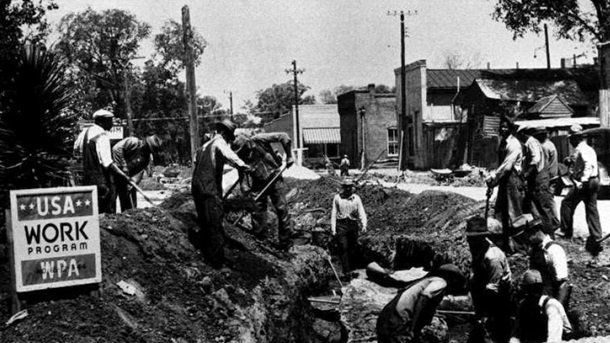
    On one hand, coal camps offered employment during the Great Depression and a sense of stability to miners and their families. Jobs in the coal mines, although dangerous and grueling, provided steady paychecks at a time when the nation was grappling with economic turmoil. However, these jobs came at a cost. Coal mining was known for its perilous working conditions, and the pay was often far less than what miners deserved for the grueling labor they performed.

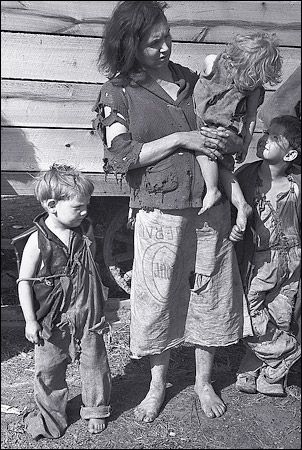
    Coal miners often found themselves living in company-owned houses, which were typically small, cramped, and poorly maintained. Rent for these houses was deducted directly from their wages, often leaving miners in a cycle of debt to the company. Many workers were paid in “scrip,” a form of company-issued currency that could only be used in the company store. This left miners and their families dependent on the company for their daily needs, and prices in the company store were notoriously high.

    These coal camps were, in many ways, a form of economic and social control. The companies had complete authority over the workers’ lives, from housing and food to the very money they earned. While the 1940s saw some improvement in the quality of life in some camps, the fundamental exploitative nature of company towns remained largely unchanged.

    Living in the Shadows of Industry

    For the people who lived in these coal camps, life was difficult and often harsh. The work in the mines was dangerous, with frequent accidents and fatalities. Lung disease, such as black lung, was rampant among miners due to the exposure to coal dust. The work hours were long, with miners often toiling for 10 to 12 hours a day, six days a week.

    Housing was often overcrowded, with many families living in small, poorly constructed homes. These homes were sometimes little more than rudimentary shacks made of wood or tar paper, offering minimal insulation from the harsh Appalachian winters or the stifling heat in the summer. Many camps lacked basic sanitation, with no indoor plumbing or running water in some cases. Families often had to rely on communal water sources, which were shared by many people in close quarters.

    Despite these hardships, the coal camps were home to tight-knit communities. Workers and their families often formed strong social bonds, organizing social events, churches, and schools. These communities, although poor, were often rich in cultural traditions, with music, storytelling, and local folklore playing an important role in daily life.

    The Labor Struggles

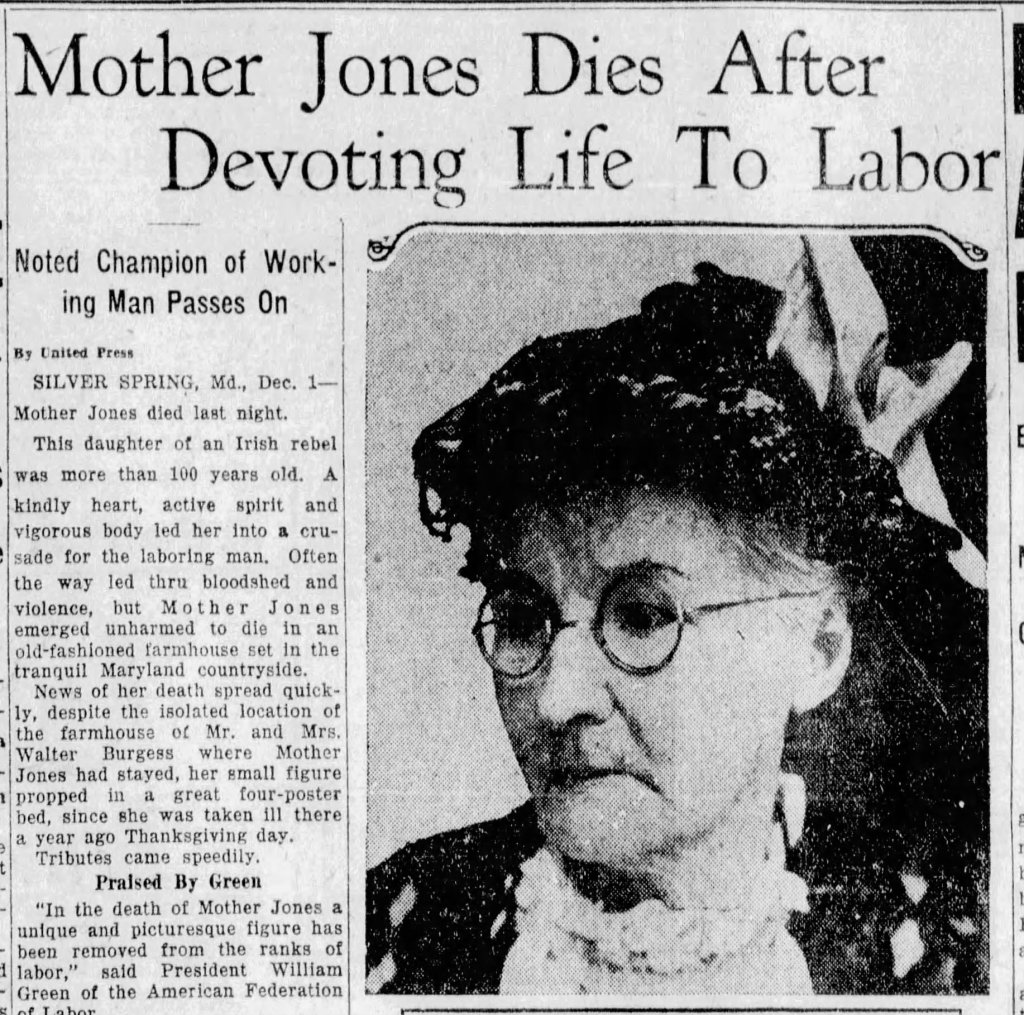
    The 1940s were a period of significant labor unrest in the coalfields of Appalachia. Miners were increasingly aware of their poor living and working conditions, and many began to demand better wages, working conditions, and rights. This period saw the rise of labor unions in Appalachia, with the United Mine Workers of America (UMWA) becoming a powerful force.

    Unionization efforts, however, were met with strong resistance from coal companies, who used a combination of intimidation, violence, and even company-sponsored militias to maintain control. The 1920s and 1930s had seen bloody coal strikes, and by the 1940s, tensions remained high. Some coal camps were sites of violent clashes between striking miners and company security forces.

    Despite the challenges, the labor movements of the 1940s would ultimately lead to significant gains for workers in the decades to come, including better wages, improved working conditions, and more influence for labor unions. However, these advances did not erase the enduring legacies of the coal camp system.

    The Decline of the Coal Camps

    The 1940s also marked the beginning of changes that would lead to the eventual decline of many coal camps. Advances in mining technology, such as the use of machinery to replace manual labor, meant that fewer workers were needed. In addition, the increasing mechanization of the coal industry made company-controlled communities less necessary.

    As the mines began to close down or become less profitable, many families were forced to leave the coal camps in search of work elsewhere. In some cases, entire communities were abandoned, leaving behind ghost towns as reminders of the once-thriving coal industry.

    Legacy of the Coal Camps

    The coal camps of the 1940s in Appalachia are a reflection of the region’s history. On one hand, they represent the harsh realities of industrial labor, exploitation, and the sacrifice of workers for the advancement of an industry that fueled the nation’s growth. On the other hand, the coal camps are also a reminder of the resilience of the people who lived and worked in these communities, often fighting for their rights and creating vibrant cultures in the face of adversity.

    Today, the legacy of the coal camps can still be seen in Appalachia. The region continues to grapple with the economic and environmental effects of the coal industry, even as the last of the coal mines close. The memories of the coal camps, both the struggles and the sense of community, remain an important part of Appalachia’s identity.

    While the coal camps may be a thing of the past, the stories of the miners who lived there continue to echo in the hills and hollows of Appalachia, reminding us of a time when coal was king, and those who worked to bring it to the surface paid the price for progress.

    -Tim Carmichael