Health insurance premiums are about to rise again, and people in Appalachia will feel the blow harder than almost anyone else. Across West Virginia, eastern Kentucky, southern Ohio, and rural Tennessee, families already living on tight budgets are opening letters that tell them their monthly premiums will soon skyrocket. Many are seeing rates double or even triple. One couple said their Affordable Care Act plan, once $443 a month, will climb to $2,200. That increase can mean the difference between keeping coverage and losing it entirely.
Appalachia has endured decades of economic struggle, factory closures, and the slow decay of health care access. Now, another wave of insurance hikes threatens to push families even closer to the edge. Poverty rates remain among the highest in the country. Medical debt weighs heavier here than almost anywhere else. Out-of-pocket costs run roughly 40 percent higher than the national average. When premiums climb, this region has no cushion left to absorb the impact. The strain hits immediately, and lives are affected in real time.
Premium increases will make life more expensive and more dangerous. When people cannot afford insurance, they delay care or skip it entirely. They avoid doctor visits, ignore warning signs, and end up in emergency rooms when conditions have already turned serious. Those paying the price are not the policymakers or corporate executives making these decisions. The burden falls on the miners, teachers, truck drivers, and service workers who keep this region running.
Financial Hardship and Medical Debt
Financial stress and medical debt already crush thousands of Appalachian families. Many hold jobs that pay too much for Medicaid eligibility yet too little to make private insurance affordable. Each unexpected bill becomes a threat to survival. A broken arm or an emergency hospital visit can force choices between food, rent, and medicine.
When premiums rise, that pressure tightens. Families who once managed to afford $400 each month will face bills of $800 or more. Those who managed to stay insured will need to decide whether to keep paying or drop coverage altogether. Both choices carry heavy consequences. Going without coverage exposes families to massive bills from a single illness or accident. Paying the higher rate consumes every spare dollar they earn. Either way, the cycle of poverty deepens.
Medical debt erodes stability. It wrecks credit, blocks home ownership, and destroys the chance to build wealth. In Appalachia, where entire towns already struggle to stay afloat, debt becomes a lifelong burden. Premium hikes guarantee that burden will grow heavier.
Coverage Slipping Away
Enhanced subsidies under the Affordable Care Act once helped lower-income families afford coverage. Those supports are now being cut or phased out, and the consequences will hit hard. Families who relied on those subsidies will lose hundreds or even thousands of dollars each year. The math leaves little room for hope. When subsidies shrink, premiums climb. When premiums climb, people walk away from coverage.
Insurance agents across the region have started receiving anxious calls. Letters have already gone out warning of higher rates that will begin on January 1, 2026. Plans that once cost $200 a month will now exceed $600. Younger and healthier people often opt out first, believing they can take the risk. Their exit leaves older and sicker people in the insurance pool, driving costs even higher for those who remain.
Appalachia currently has a slightly higher coverage rate than the national average, although that fragile progress will disappear fast. Thousands of working families will lose insurance within months of the new rates taking effect.
Poverty and Poor Health
Poverty and poor health feed one another in Appalachia. Low wages limit access to care, while untreated illness keeps people from working consistently. The result is a cycle that traps families year after year. Higher premiums pour fuel on that cycle.
Appalachian households already spend a higher share of income on health care than most Americans. Many are still paying off old hospital bills or credit card debt from medical emergencies. When insurance becomes unaffordable, that debt grows larger. More bankruptcies will follow, more homes will be lost, and more families will slide further into hardship.
Behind every statistic stands a person: a grandparent stretching pills to make them last, a parent choosing which prescription to fill for a child, a worker postponing care because they cannot afford a deductible. Poverty here looks like a stack of unpaid bills sitting on a kitchen table, growing taller each month.
The Workforce Will Suffer
Premium increases also threaten the Appalachian workforce. Many residents hold jobs with modest pay, seasonal schedules, or inconsistent hours. Employer coverage remains rare, and even when offered, many workers cannot afford to use it. Rising marketplace premiums will leave self-employed workers, small business owners, and contract laborers struggling to stay insured.
When employees lose coverage, productivity drops. Chronic conditions such as diabetes, heart disease, and lung disorders become harder to manage. People miss more workdays, and small employers lose dependable staff. The result is a weaker workforce, a less stable economy, and a growing sense of despair in communities already fighting to stay alive.
A recent poll showed that 45 percent of Republicans and 35 percent of Democrats who buy their own insurance use the Affordable Care Act marketplace. The burden of these hikes crosses party lines completely. The problem affects working families of every background, although the political leaders responsible for the cuts remain largely silent.
Policy Choices and Priorities
The upcoming premium increases stem directly from choices made in Washington. Cuts in the One Big Beautiful Bill stripped away funding for premium subsidies that had kept health coverage within reach for millions of Americans. Without those supports, insurers have raised prices to fill the gap. States such as West Virginia, Kentucky, and Tennessee will suffer the greatest consequences.
Federal spending priorities highlight a deeper issue. There always seems to be enough funding for luxury projects and political indulgence. Hundreds of millions have gone toward private jets, hundreds of millions more toward lavish renovations and ballrooms, billions toward foreign bailouts, and even requests for hundreds of millions more to cover personal legal expenses for politicians. Meanwhile, working Americans are told there is no money left for affordable health care.
When leaders cut programs that protect working people, they make a deliberate choice. They know exactly who will bear the cost—rural families, low-income workers, and older citizens living on fixed incomes. The suffering seen across Appalachia reflects those priorities in action.
The Human Toll
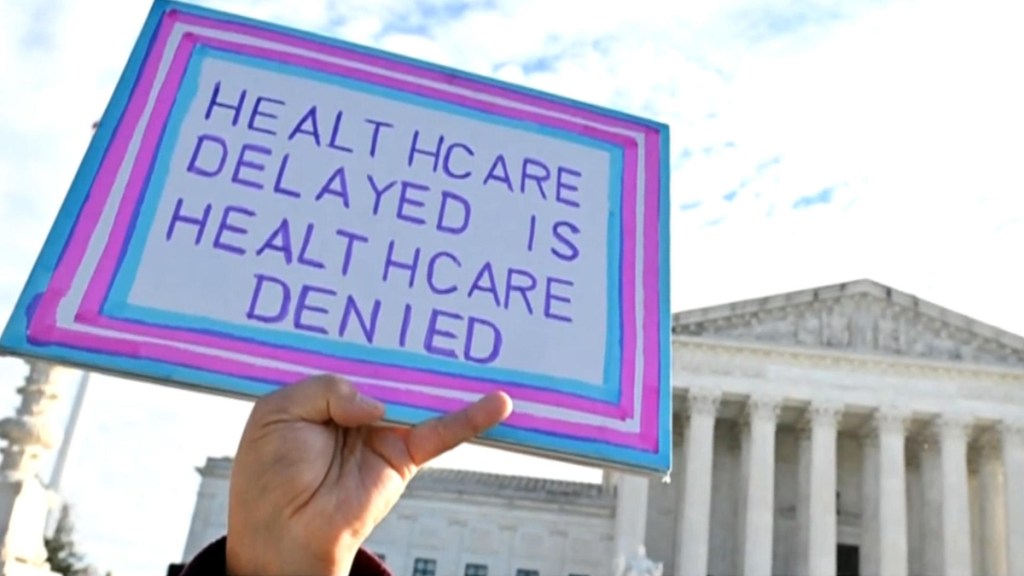
Premium hikes mean fewer people can afford insurance. Fewer insured families lead to more delayed care. When medical care gets delayed, conditions worsen and preventable diseases become fatal. That is the chain reaction forming across rural America, and nowhere will the effects be sharper than in Appalachia.
A diabetic who loses coverage may ration insulin longer than they should. A mother may hesitate to take her child to a doctor because she cannot cover the copay. A miner living with black lung may skip checkups until he can hardly breathe. These situations are not rare. They unfold daily in this region and will only multiply as premiums climb higher.
Hospitals and clinics will also face the fallout. As uninsured rates rise, unpaid bills will accumulate. Many small hospitals already operate on razor-thin margins, and another wave of unpaid care could close their doors entirely. Each closure forces residents to travel longer distances for emergencies, and every additional mile can mean the difference between life and death.
Lives Behind the Numbers
Stories from the ground reveal the human side of this crisis. The husband and wife facing a $2,200 premium increase said they will have to cancel their plan and hope to stay healthy. Another woman in Tennessee saw her premium rise from $10 with subsidies to $1,140 without them. She said, “I might die if I stop going to the doctor.”
These are working Americans being squeezed out of the system through political decisions that favor cuts over care. Every family that drops coverage represents a policy failure, and each of those failures has a life attached to it.
What Can Change
Solutions remain within reach. Congress could extend or reinstate premium subsidies that helped make coverage affordable. Lawmakers could establish targeted rural health programs acknowledging the higher medical costs and lower wages in regions such as Appalachia. States could invest more in Medicaid expansion and rural clinics to soften the blow.
Local businesses could contribute by offering better health options and educating workers about enrollment opportunities. None of this will happen without pressure from the people most affected. The working class must demand that leaders stop treating health care as a luxury for the privileged few.
Time Is Running Out
The warnings are already out. Premium increases will begin on January 1, 2026, this was to keep people from knowing what would happen to their insurance premiums until after the mid-term elections. The letters have arrived, the new rates are set, and many families are panicking. Without action soon, millions of Americans will lose coverage, and Appalachia will face the worst of the damage.
This region has endured mine closures, floods, layoffs, and generations of political neglect. Communities have survived through determination and solidarity. What they cannot survive forever is a system that keeps health care out of reach while pouring billions into vanity projects and private interests.
When health insurance premiums climb, people in Appalachia lose far more than insurance. They lose security. They lose access to care. Many will lose their lives. The people here have paid enough. They deserve leadership that values them more than profit or power.
The choice ahead stands plain. Protect the people or protect the powerful. Appalachia is watching, and so is the rest of the nation. It’s time to wake up people before it’s too late.
-Tim Carmichael


 Echoes of Appalachia
Leave a comment