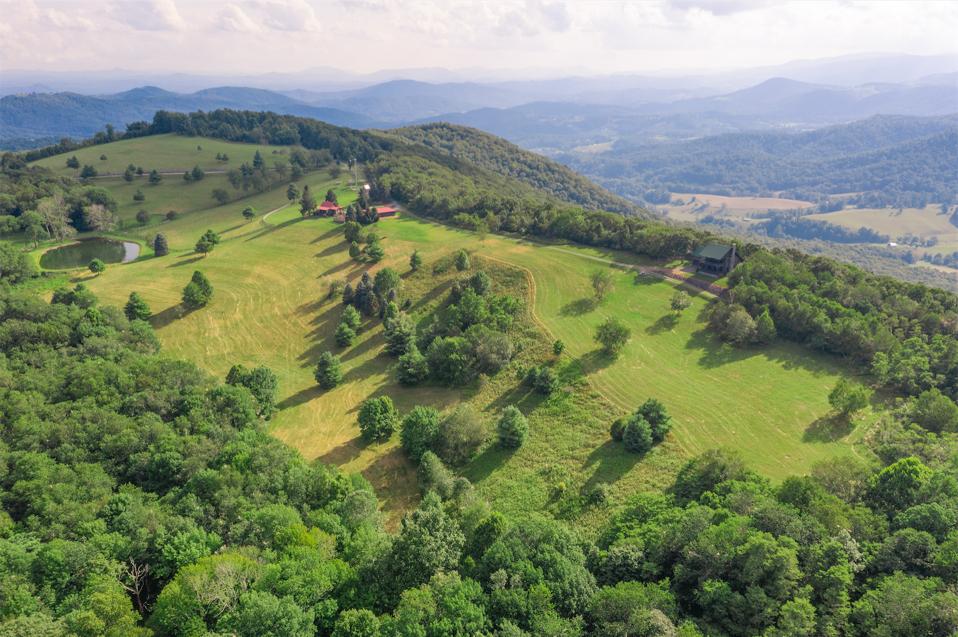
The road into one Appalachian County winds through dense forest and past old mining sites now covered in second-growth poplar. Land that once belonged to small farmers and coal families is changing hands, and the buyers aren’t from nearby. Signs are going up along familiar paths: private property, no trespassing, access by permit only. People who’ve lived in these mountains for generations are being shut out of places they’ve used all their lives.
The new owners rarely appear in person. Their names show up in deeds filed by limited liability companies, often registered in Delaware or out of state. Some arrive through land trusts or environmental nonprofits. The money comes from tech, from hedge funds, from sustainability investment firms promising returns from nature-based solutions. What they want is land—lots of it.
One man in a Tennessee valley said the offers started a few years ago. Calls came from California, asking if he’d consider selling the family’s wooded acreage. Some buyers claimed they were building wellness retreats. Others spoke of rewilding projects. None mentioned living there.
It’s not always clear what they plan to do, but documents and public filings suggest a growing trend. Buyers are targeting tracts near rivers, streams, and former mine lands. Some properties are high-elevation and hard to reach. They don’t look valuable, unless one understands their worth in the carbon offset market.
Last year, a startup announced a major deal with a tech giant to reforest thousands of acres in central Appalachia. The land had once been strip-mined for coal. Now it’s being used to generate carbon credits that the company can count against its emissions elsewhere. The credits are verified, sold, and traded, often at a high profit.
This kind of transaction is becoming more common. Former logging tracts and mining scars are rebranded as ecological assets. Trees are left to grow longer. Timber is cut more selectively. Wildlife is promoted. Access, in many cases, is restricted. Locals who used to hunt, gather, and hike these lands without permission now face gates, fences, and surveillance cameras.
A forester in eastern Kentucky said the real economic benefit doesn’t reach most people in the area. Ownership is far removed, and there are few jobs tied to these deals. Some companies promise educational programs or community grants, but they’re modest compared to the revenue generated from carbon markets and recreation leases.
In one county, a conservation initiative now controls over two hundred thousand acres. On paper, the project is about sustainable forestry and low-impact tourism. But the land has been bundled and packaged as an environmental asset, and locals say the arrangement feels no different from when coal companies owned it. They couldn’t use it then, and they can’t use it now.
Water is another concern. Parcels with springs and river access are being bought up at rising prices. Some buyers are securing rights not just to the land, but to the water itself. These transactions could shape access and control for decades, especially in areas already facing drought and overuse in other parts of the country.
In online forums, people from across Appalachia describe the same pattern. Someone from out of state offers a cash deal. Soon after, a gate goes up. Property taxes climb. A permit is suddenly required to access what used to be shared land. There’s talk of high-end camps, glamping sites, and wellness resorts. And in some towns, real estate values rise beyond what working residents can afford.
One woman in southwestern Virginia said the mountain behind her house was bought by a company that described its plans as spiritual development. A road was cut, cameras installed, and access cut off. She hasn’t seen anyone use it in months.
What’s happening in Appalachia mirrors a global rush to turn land into carbon and climate assets. Markets reward landowners who can demonstrate that trees are growing and carbon is being stored. But these rewards don’t depend on whether nearby communities benefit—or whether they’re even involved.
The region is rich in forest, water, and space. For those looking to offset emissions or invest in eco-luxury experiences, it offers opportunity at low cost. But for those still living there, the transformation raises old questions in new language.
The legacy of coal extraction left scars across the land and the economy. Today’s land grab speaks of healing and sustainability. But the imbalance remains. The power lies elsewhere, and the profits rarely stay in the places where they begin.
As property changes hands and new fences rise, the people watching from their front porches and farm trucks say they’ve seen it before. The language is different. The story, they fear, is not.
-Tim Carmichael


 Echoes of Appalachia
Leave a comment