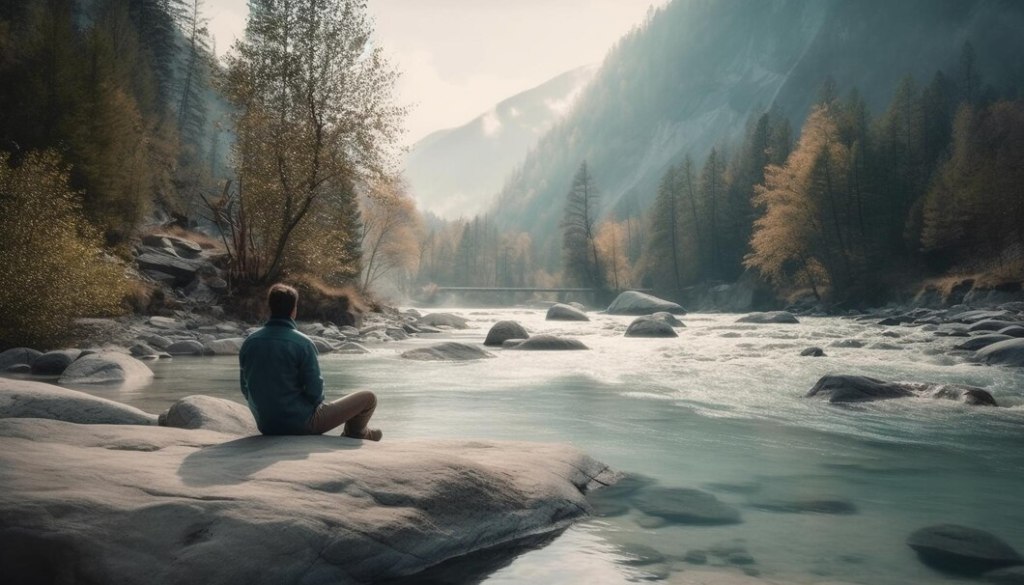
By someone who calls these mountains home
When most folks outside the mountains think about Appalachia, they picture something narrow. White. Straight. Conservative. Probably barefoot. Maybe a little backwards. They picture a place where everyone looks and thinks the same. But that version? That’s not the whole story. And for a long time, it wasn’t even close to the truth.
Appalachia is more than just one thing. It always has been.
Before there were state lines and voting maps, before highways carved up the hills and outsiders came in looking to “fix” us, this region was a patchwork of people trying to survive. Scots-Irish, Black freedmen and women, Native folks who managed to stay, immigrants from Eastern Europe and Latin America. Some Jewish families made their way here. Mexicans came and worked the tobacco fields. Black coal miners dug right alongside white ones. Appalachian culture wasn’t built by one kind of person—it was built by all kinds.
They were poor, most of them. That’s what they had in common. They might’ve been treated differently by the law or the town preacher, but when the crops failed or the mine caved in, color didn’t matter so much. You helped who needed helping. Beans didn’t taste different depending on who cooked them. If your barn burned down, your neighbors showed up—didn’t matter if they looked like you or loved like you or worshipped like you.
That kind of grit—the shared struggle—that’s the real heart of Appalachia.
But something’s changing. And not for the better.
People are moving here in droves now. Folks from places with money. Folks who buy up land and slap “no trespassing” signs on old trails. Folks who bring their politics with them—loud, angry, performative. They plant big flags and build gates and act like this land was made just for them. They don’t understand it. They don’t want to understand it. They just want to shape it into something that feels comfortable for them. And comfort, for them, means control.
That’s where the hate creeps in.
You can feel it, can’t you? How it’s shifted? You used to be able to walk into a diner and maybe you’d get a side-eye or two, but people still fed you. Now folks mutter under their breath. Now they size you up, quick, like they’re scanning for who you voted for before they decide whether to speak. Now people act like there’s only one way to be Appalachian—and that’s the lie they’re selling.
They want to erase the truth. They want to scrub away the Black coal miners and the Jewish shop owners. They don’t want to hear about the Latino families who picked apples up in Henderson County or the Cherokee elders who still know the names of these mountains before they were renamed by colonizers. They want it simple, clean, whitewashed. But real Appalachia ain’t ever been simple.
You ever talk to someone’s granny who remembers the Klan burning a cross down the road but still shares recipes she learned from her Black neighbor? You ever hear an old man say something ignorant about Mexicans and then tell you about how his family wouldn’t have survived the ’60s if it weren’t for the migrant workers who showed up and helped bring in the harvest?
That’s the contradiction of this place. It can be ugly and beautiful in the same breath.
Yes, it’s hard to be gay here. Yes, it’s hard to be Black here. Or Brown. Or Muslim. Or an immigrant. But it wasn’t always this hard. Hate isn’t native to these hills—it’s been imported. Brought in like an invasive weed. Fed by media and preachers who forgot about love. Amplified by politicians who’ve never stepped foot in a holler.
This land didn’t teach that kind of hate. It taught hard work and shared struggle. It taught minding your own business and helping when someone needed help. You didn’t have to like someone to show up when their roof was leaking or their cow got out. You just did it because that’s what folks around here did.
Now, it feels like there’s a line drawn down the middle of every town. Like there’s only room for one kind of story.
But we can’t let them have the last word.
Because Appalachia still belongs to all of us. To the queer kid who writes songs on the porch. To the Black farmer growing tomatoes on land his granddaddy cleared by hand. To the mixed-race family that drives an hour just to feel safe at church. To the immigrant mom who speaks with an accent but cooks the best cornbread in the county. To the outcasts, the different ones, the ones who don’t fit tidy labels.
This region isn’t theirs to gatekeep. It’s ours to protect.
And loving it—really loving it—means telling the truth, even when it’s uncomfortable. It means saying, “Hey, you’re wrong about this place. You’re wrong about who belongs here.” It means pushing back against the narrative that Appalachian equals white, straight, and angry.
It means remembering the past—not just the parts that make folks feel proud, but the hard parts, too. The racism that’s always lingered. The fear of the “other.” The churches that turned away single mothers or trans folks or interracial couples. The schools that taught one version of history and ignored the rest. We can’t heal if we don’t face it.
But we can also tell the stories that got buried. The stories of people who made it anyway. Who carved out joy. Who survived and built and grew gardens and families and friendships despite the odds. We can carry those stories forward.
And we can fight for this place—not the version they want to sell on postcards, but the real version. The complicated, contradictory, beautiful version. The one where people of every background shaped the land. The one where culture was mixed, where food and music and language weren’t separated by fences or fear.
So if you feel like Appalachia isn’t for you anymore—don’t give up on it yet.
These mountains may not always feel like home, but they remember who you are. They’ve seen every kind of footstep. They’ve held every kind of story. And they’re bigger than the hate some people bring with them.
You belong here. We all do.
And it’s time to reclaim what’s ours.
-Tim Carmichael


 Echoes of Appalachia
Leave a comment