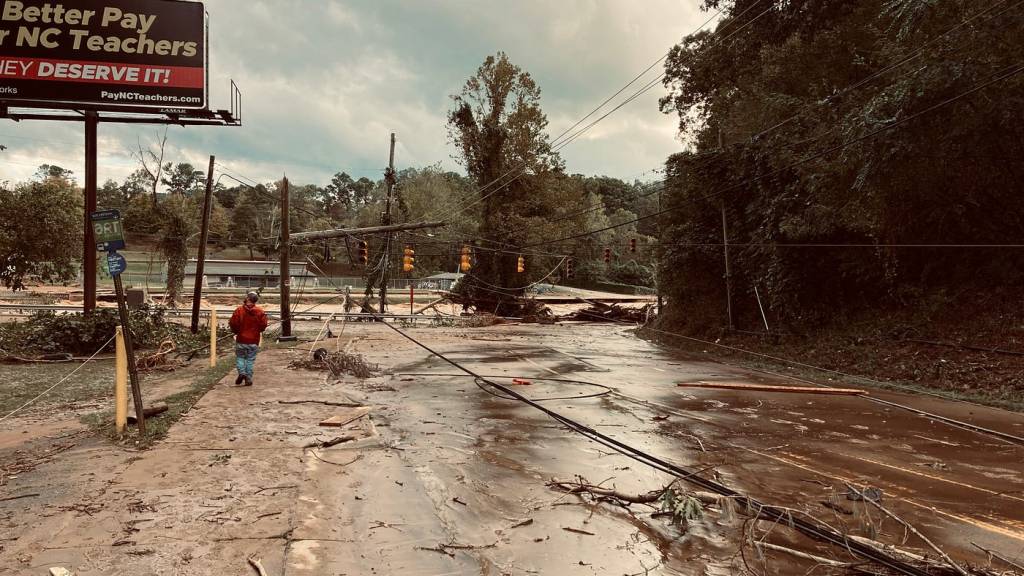
The devastation left in the wake of Hurricane Helene has shattered the illusion that any place, no matter how isolated or seemingly untouched by modernity, can escape the ravages of climate change. Appalachia, a region often romanticized as a timeless refuge from the chaos of the world, has been thrust into the spotlight as a stark reminder that no corner of the planet is immune to the escalating impacts of a warming world. The idea of a “climate haven”—a place where one might flee to avoid the worst effects of climate change—has been exposed as a myth, and Appalachia’s recent suffering underscores this harsh reality.
For generations, Appalachia has been portrayed as a place apart, a rugged and remote region where life moves slower, and the land seems eternal. Its rolling mountains, dense forests, and tight-knit communities have inspired countless stories of resilience and self-sufficiency. But this narrative, while compelling, has often obscured the vulnerabilities of a region that has long struggled with poverty, environmental degradation, and underinvestment in infrastructure. Hurricane Helene laid bare these vulnerabilities, revealing how ill-prepared Appalachia is to withstand the intensifying storms, floods, and landslides that climate change brings.
The storm’s impact was catastrophic. Torrential rains triggered flash floods that swept away homes, roads, and bridges. Rivers swelled to record levels, inundating towns and cutting off entire communities. Landslides, fueled by the region’s steep terrain and saturated soil, buried neighborhoods under mud and debris. The human toll has been immense, with lives lost, families displaced, and communities left grappling with the enormity of rebuilding. For a region already burdened by economic hardship, the disaster has been a crushing blow.
The notion that Appalachia could serve as a climate haven was always flawed. While the region’s elevation and cooler temperatures might seem to offer a buffer against rising global temperatures, its geography and infrastructure make it uniquely susceptible to extreme weather events. The mountains, often seen as a protective barrier, can amplify the effects of heavy rainfall, funneling water into narrow valleys and increasing the risk of flooding. Aging infrastructure, including roads and bridges built decades ago, is ill-equipped to handle the stresses of more frequent and severe storms. And the region’s reliance on coal and other extractive industries has left a legacy of environmental damage that exacerbates its vulnerability.
The idea of a climate haven assumes that there is somewhere to run, a place where the impacts of climate change can be avoided. But as Hurricane Helene has shown, there is no such place. Climate change is a global crisis, and its effects are increasingly felt everywhere, from coastal cities to inland mountains. The storms, heatwaves, droughts, and wildfires that once seemed distant threats are now arriving with alarming regularity, upending lives and reshaping landscapes. Appalachia’s suffering is a microcosm of this broader reality, a reminder that no community, no matter how remote, is safe.
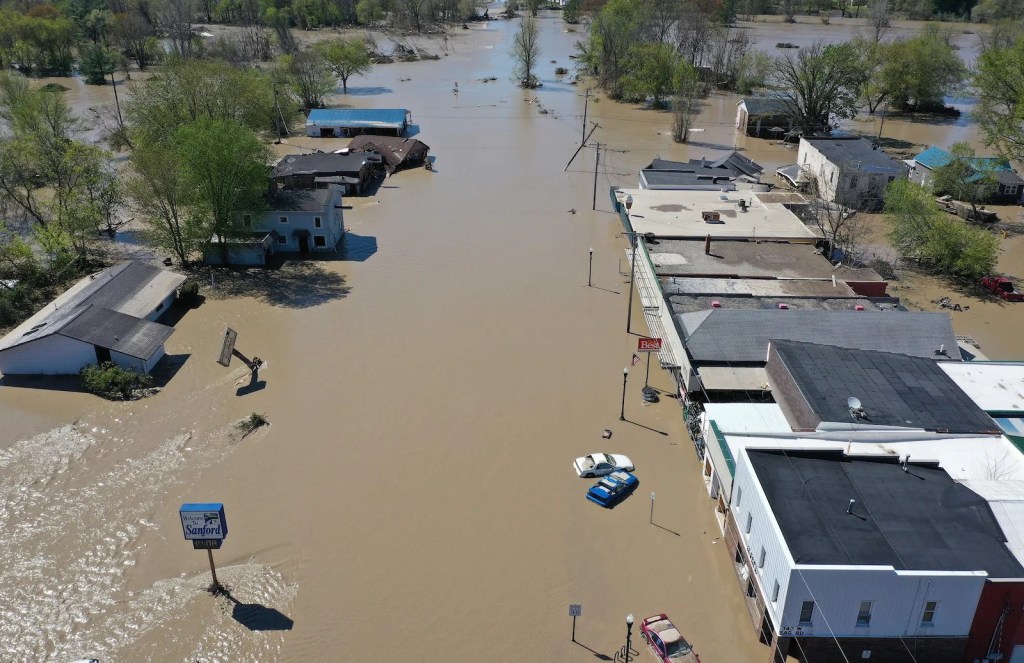
The aftermath of Hurricane Helene also highlights the inequities that climate change exacerbates. Appalachia, like many other regions on the frontlines of the crisis, lacks the resources to adequately prepare for and respond to disasters. Federal and state aid, while crucial, often arrives too late or falls short of what is needed. The region’s residents, many of whom live paycheck to paycheck, face an uphill battle in rebuilding their lives. The storm has laid bare the deep disparities that determine who suffers most in the face of climate change and who has the means to recover.
In the wake of this tragedy, there is an urgent need to rethink the way we talk about climate change and its impacts. The myth of the climate haven is not just misleading; it is dangerous. It fosters a false sense of security and distracts from the hard work of building resilience in every community. Appalachia’s experience with Hurricane Helene should serve as a wake-up call, a reminder that climate change is not a distant threat but a present reality. It demands action, not just in the form of disaster response, but in addressing the root causes of the crisis and investing in the infrastructure, resources, and policies needed to protect vulnerable communities.
Appalachia’s a story of beauty, but it is also a cautionary tale. The region’s struggles in the face of Hurricane Helene underscore the need for a collective response to climate change, one that recognizes the interconnectedness of our fates and the urgency of the challenge before us. The myth of the climate haven has been shattered. What remains is the difficult but essential work of confronting the crisis head-on, wherever we are.
-Tim Carmichael
 Echoes of Appalachia
Leave a comment