In the Appalachian Mountains, a healthcare emergency is taking shape. The new Republican budget resolution threatens to destroy the medical safety net that millions of residents depend on in a region already hit hard by poverty, health problems, and limited care options.
Throughout Appalachian states — Kentucky, West Virginia, Tennessee, and Ohio and more— Medicaid isn’t just another government program but essential healthcare. Between 20–33% of residents in these states rely on Medicaid. These numbers represent real people: miners with black lung disease, rural families, elderly mountain residents, and working people trying to get by.
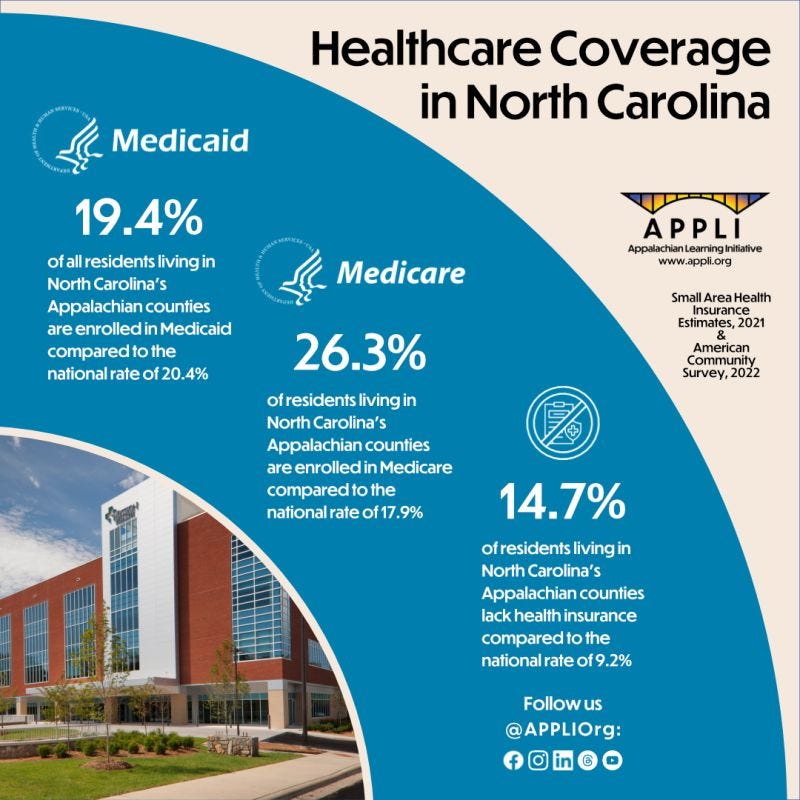
House Republicans have called for $2 trillion in cuts through 2034 across social programs, with Medicaid as a primary target. For communities where hospitals are already closing and doctors are scarce, these cuts could be catastrophic.
The most puzzling aspect is that many communities most threatened by these cuts strongly supported Donald Trump in recent elections. Counties with the highest Medicaid enrollment in Kentucky, West Virginia, and Tennessee often show the strongest Republican support.
This disconnect stems partly from campaign tactics that divert voters’ attention from economic policies that would harm them. Republican candidates often rally support by stoking fears about cultural issues — claiming Democrats are “attacking Christianity,” “waging war on Christmas,” or allowing transgender athletes to dominate women’s sports, despite only a handful of such athletes competing worldwide. These emotional appeals, amplified through conservative media outlets like Fox News, create a smoke screen that obscures policy discussions about healthcare, food assistance, and education.
Many Appalachian voters, bombarded with these messages daily, cast ballots based on manufactured cultural grievances rather than economic self-interest. The constant stream of misinformation creates a political environment where voters support candidates whose policies directly threaten their access to healthcare.
While slashing vital programs, the budget simultaneously allows the Ways and Means Committee to increase the deficit by $4.5 trillion over the same timeframe. This includes extending expiring tax cuts through 2034 and adding roughly $900 billion in new tax cuts. Budget experts note these tax benefits would flow mainly to wealthy Americans and corporations — not to mountain communities that depend on the programs being cut.
The damage extends past healthcare. The food assistance program (SNAP), which feeds struggling families throughout Appalachia, faces major reductions. In counties where hunger rates already exceed national averages, these cuts mean more empty refrigerators. Cuts to student loan programs would further limit education access in a region struggling to build new economic opportunities beyond coal — a transition that demands education and training.
Each percentage point in these budget documents represents thousands of real stories. Picture a single parent from eastern Kentucky, raising two kids while working at a dollar store. Their job offers no health insurance, so Medicaid covers their children’s medications and their own health needs. Under the proposed cuts, this parent might soon choose between medicine and groceries. Multiply this situation by millions across Appalachia to understand the true cost of these budget choices.
As these proposals move forward, mountain communities are bracing for impact. Rural health clinics are preparing for waves of uninsured patients. County officials from both parties are questioning how their towns will survive these changes. The outcome remains uncertain. Will elected officials from Appalachian states defend their constituents’ healthcare needs? Will voters recognize how campaign rhetoric diverts attention from policies that affect their families’ well-being? The answers will determine not just funding levels, but the health and survival of one of America’s most overlooked regions.
Appalachian residents need to start educating themselves on the economic issues that directly affect their families’ wellbeing and healthcare access. The time has come to look beyond the culture war distractions and examine which policies actually improve life in their communities. By focusing on concrete issues like Medicaid funding, hospital access, and job creation rather than manufactured outrage, voters can hold elected officials accountable for decisions that impact their daily lives. The region’s future depends on breaking the cycle of voting against economic self-interest based on scare tactics and misinformation.
For now, Appalachian families wait, wondering what comes next, while the politicians they voted for advance policies that could devastate their communities.
-Tim Carmichael


 Echoes of Appalachia
Leave a reply to Tim Carmichael Cancel reply