
The first time I watched my grandmother cure a wart, it wasn’t magic — it was something far more powerful. She took an onion hull in her weathered hands, a small heated rock, and a piece of clean white cloth. With practiced movements, she rubbed the wart on my hand with the onion hull and the warm rock, her touch gentle but purposeful. She wrapped these items carefully in the white cloth, then walked to the forks of the road near our home. There, she placed the bundle and spoke words I couldn’t quite hear. Within days, the wart that had troubled me for months simply vanished.
I was young then, and I didn’t understand that I was witnessing something far more precious than magic. I was watching a Granny woman at work — one of the fierce, wise healers who kept Appalachian communities alive through centuries when doctors were as rare as gold in these mountains.
My grandmother could smell rain coming two days early and spot healing plants from thirty paces away. I remember the morning she taught me about yellowroot — how she grabbed my hand to stop me from picking the wrong plant. “This one looks similar,” she said, “but it’ll make you sick as a dog. You have to look at the stem, not just the leaves.” She then showed me how to dig up the real yellowroot, explaining how its golden center could cure thrush in babies and wash out infected cuts.
Her hands were always stained from plants — green from pokeweed in spring, purple from blackberries in summer, yellow from goldenrod in fall. Each color told a story of healing. Those same hands delivered babies, set bones, and mixed medicines that could break fevers or ease a dying person’s final hours.
On many nights, neighbors would come pounding on our door. A child with fever, a difficult birth, a broken bone — they all knew my grandmother could help. She’d grab her birthing bag — filled with red raspberry leaf, blue cohosh, and other herbs I’d helped her gather. She knew exactly which plants would ease labor pains and which would help deliver a stuck baby.
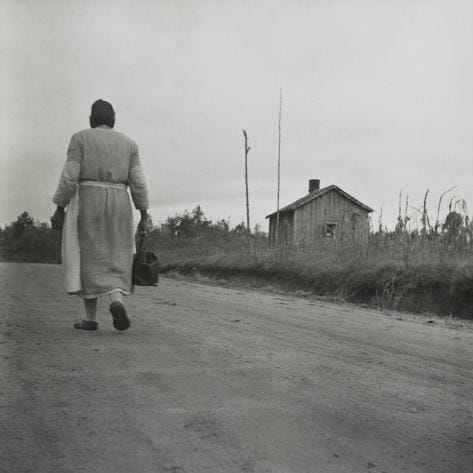
These women were the original healers of the mountains, but calling them “folk healers” doesn’t do them justice. They were pharmacists who could tell you exactly how many minutes to steep spicebush for a fever. They were midwives who could turn a breech baby using just their hands and knowledge. They were counselors who knew that sometimes a troubled spirit needed healing more than a sick body.
My grandmother’s remedies worked because she understood both medicine and human nature. For arthritis, she prescribed a poultice of crushed dandelion roots and a reason to get out of the house each day to gather fresh ones. For a chronic cough, she made a syrup of wild cherry bark and honey, but she also knew to check for damp in the house that might be causing it.
I learned that healing wasn’t just about knowing plants — it was about knowing people. When my grandmother treated someone, she listened to more than just their symptoms. She heard their fears, their family troubles, their secret hopes. People trusted her not just because her medicines worked, but because she saw them as whole human beings.

The legacy of these remarkable women inspired me to write my book “The Magic of the Mountains: Appalachian Granny Witches and Their Healing Secrets” Their story is one of practical knowledge, deep wisdom, and dedicated service to their communities. While modern medicine has largely replaced their practices, their understanding of local plants and healing traditions remains valuable. They remind us that healing comes in many forms, and that knowledge rooted in careful observation and practical experience deserves our respect.
My grandmother didn’t just heal bodies; she healed spirits. She taught me that real medicine isn’t always found in pills and hospitals. Sometimes it grows wild on mountainsides, and sometimes it comes from the simple act of being heard and cared for by someone who knows both the old ways and the human heart.
Today, when I dig in my own herb garden or make teas for sick friends, I feel my grandmother’s wisdom living on through my hands. The Granny women may be fewer now, but their legacy lives on in every wild plant that still grows on these mountains, waiting to heal whoever knows its secrets.
-Tim Carmichael


 Echoes of Appalachia
Leave a reply to Anna waldrup Cancel reply