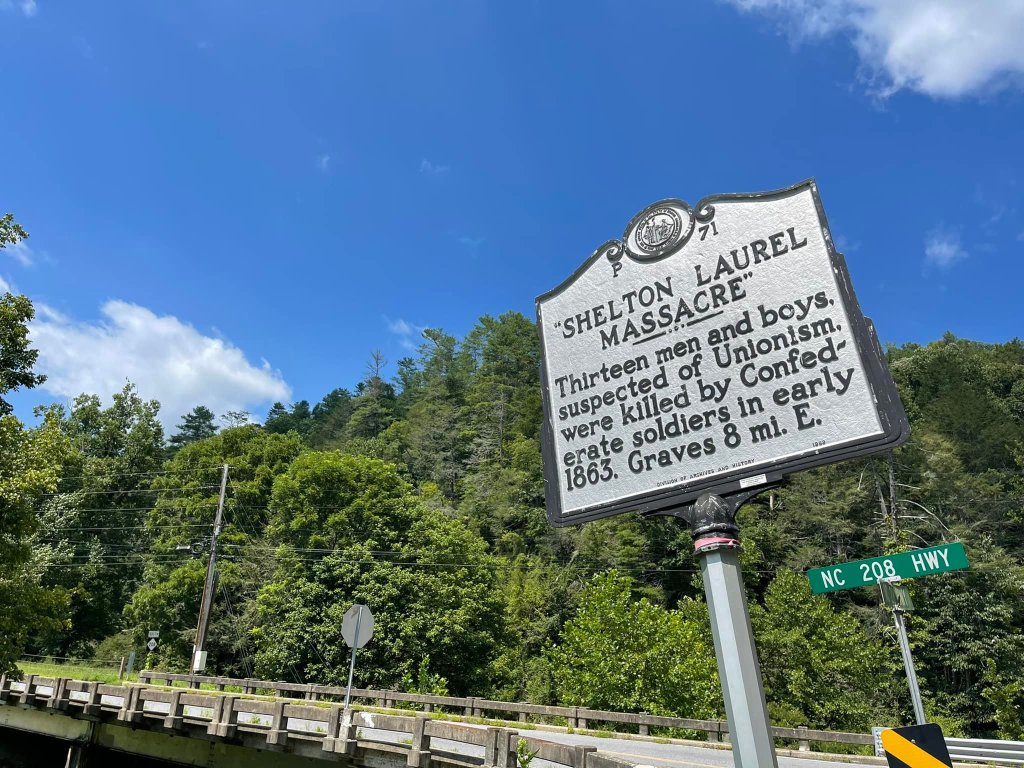
The Shelton Laurel Massacre, which took place in January 1863 in the Appalachian mountains of Western North Carolina, is one of the darkest moments in the state’s Civil War history. Thirteen men and boys were killed by Confederate soldiers, and though this tragic event happened more than 160 years ago, the story has stayed with me my whole life. I grew up just a short distance from where the massacre occurred, and as a kid, I often heard about it from my parents, grandparents, and even at school.
The massacre happened after a group of Union sympathizers, frustrated by the Confederate government’s refusal to provide them with salt, raided the town of Marshall. In retaliation, Confederate officers sent Lieutenant Colonel James A. Keith and his men into the Shelton Laurel area. There, they rounded up thirteen men and boys, ages ranging from 13 to 56, and marched them into the woods. They were forced to kneel, and after a brief hesitation, the soldiers executed them.
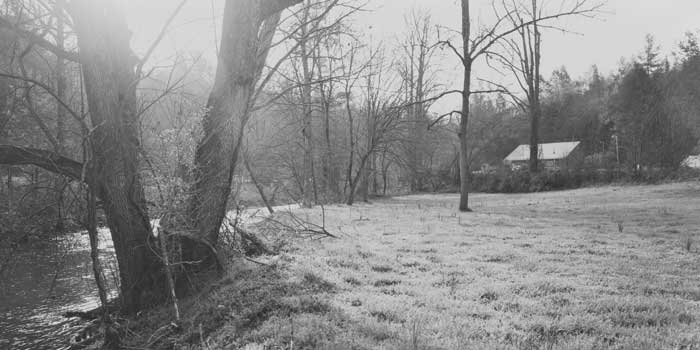
The news of the killings spread quickly, and the event shocked not just the local community but the entire state. Governor Zebulon B. Vance condemned the massacre, calling it “shocking and outrageous in the extreme.” Yet, despite the widespread outrage, no one was ever held accountable for the deaths. The massacre became a part of Madison County’s painful history, and the term “Bloody Madison” has stuck ever since, reflecting the violence that the county would become known for in the years that followed.
Granny Judy, the aunt of two of the victims, was left to carry out the heartbreaking task of transporting her nephews’ remains. Along with her children, she carefully loaded the damaged bodies onto an ox sled and set out on a two-mile journey up the valley. They made their way to a small Shelton family cemetery, where the remains were laid to rest in a mass grave on a lonely hilltop. Today, a granite marker stands at the site, memorializing those who were lost that fateful day.

Growing up, I always felt a deep connection to this history. My grandparents would tell me stories about it, and at school, we learned about the massacre as part of our local history. It felt personal, like it wasn’t just something that happened in the past but something that still hung in the air. The massacre was a shadow that loomed over the community, shaping the way people thought about the Civil War and its impact on the region.
Today, the graves of the victims are still there, though they’re on private land, and you need permission to visit. The site is quiet and peaceful, a far cry from the violent past it represents. I’ve been there a few times, and each visit is a reminder of the pain that these families endured. Six of the thirteen killed were members of the Shelton family, and in 1968, their descendants, William and Bud Shelton, placed new gravestones at the site, making sure their family’s story would not be forgotten.
The massacre is more than just a piece of history—it’s something that still affects the people of Madison County today. The pain of that day is still felt by those of us who grew up hearing about it, and visiting the gravesite, though difficult to access, is a way to honor those who were lost. It’s a reminder of the costs of war and how those costs ripple through generations, shaping the community long after the battles have ended.
-Tim Carmichael


 Echoes of Appalachia
Leave a reply to Tim Carmichael Cancel reply