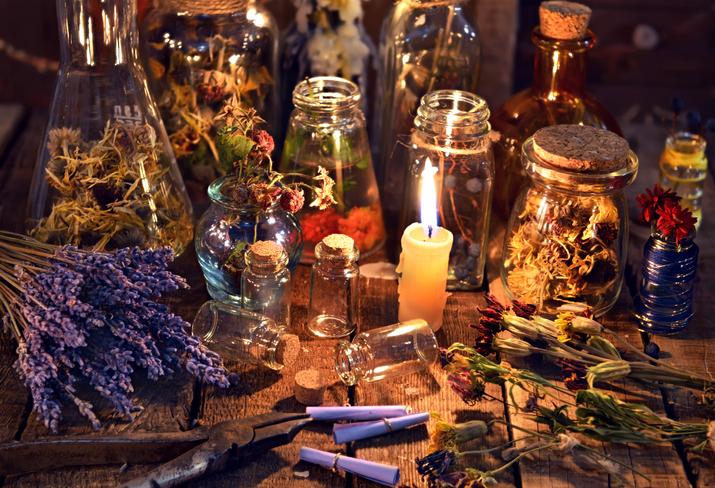
Nestled in the misty hills and valleys of the Appalachian Mountains, a rich tradition of herbal medicine has flourished for centuries. In these remote, often isolated regions, where modern healthcare could be miles away, people turned to the land for healing. The teas, tinctures, and remedies of the Appalachia were crafted from the local flora, passed down from generation to generation, often by individuals who became known as “Mountain Doctors” and “Granny Women or Midwives.” These self-taught healers were the backbone of their communities, using time-honored practices to treat ailments and guide people through the most sacred of life events—birth and death.
A Culture of Healing Through Nature
The Appalachian Mountains are a diverse ecosystem, home to a variety of plants with medicinal properties. Native Americans, the first inhabitants of this region, had a deep understanding of the local flora and fauna, using them in their own healing practices. When European settlers arrived, they brought with them their own herbal traditions, blending them with the indigenous knowledge. Over time, this fusion gave rise to a unique Appalachian herbalism that is still practiced today.
Herbal teas and tinctures were not just remedies—they were lifelines. For ailments ranging from colds and fevers to digestive issues and chronic pain, people turned to plants like echinacea, ginseng, sassafras, yarrow, elderberry, and mint. Each herb was known for its specific healing properties, and families often had their own secret recipes passed down through the ages.
The Mountain Doctors: Guardians of Health
In the Appalachian Mountains, many people relied on Mountain Doctors, who were not officially trained physicians but learned their trade through experience and family tradition. These folk healers were often regarded as the first line of defense in times of illness, especially in rural areas far removed from medical facilities.
One of the most famous Mountain Doctors was Doc Webb, a figure in Kentucky’s history who became known for his knowledge of local plants. He would travel from farm to farm, treating sick children and adults alike, often using herbal remedies or offering advice on nutrition and lifestyle. His ability to heal with plants and his empathetic care made him a beloved figure in the region.
Another notable figure was Dr. Mary Edmonds, a healer who lived in the Appalachian foothills of Tennessee. She learned much of her knowledge of herbs from her grandmother, who was known to be one of the most respected midwives in the area. Dr. Edmonds would often make house calls, bringing with her a sack of herbs and tinctures that could soothe the aching, cure the sick, and comfort those in need.
These Mountain Doctors didn’t just heal physical ailments—they also served as counselors, offering spiritual and emotional guidance to those suffering from grief, stress, and loss. Their treatments were holistic, addressing both the body and mind, with an emphasis on natural remedies and prevention.
Granny Midwives: Guiding New Life Into the World
Alongside Mountain Doctors were the Granny women, Midwives, who played an equally important role in the region’s healthcare traditions. These women were the primary caretakers during childbirth, often delivering babies in the homes of their families and communities. The Granny woman, Midwife was both a skilled midwife and an herbal healer, knowing how to use plants to ease the pain of labor, promote fertility, and support women through their pregnancies.
The story of Granny Maggie Bailey, a midwife in West Virginia, is one example of the profound impact these women had on their communities. Granny Maggie had a reputation for never turning down a mother in need, regardless of her ability to pay. With a mix of tinctures, teas, and her hands-on experience, she delivered hundreds of babies, often in the most difficult and remote conditions. Her home remedies, such as raspberry leaf tea, were known to tone the uterus and ease the labor process. Granny Maggie’s legacy lives on in the memories of the families she helped bring into the world, with some families still using her remedies today.
Another legendary Granny Midwife was Hettie Wright from North Carolina. Hettie was a revered midwife who attended more than 1,000 births in her long career. She used a combination of herbal knowledge, intuition, and old-world wisdom passed down from her ancestors to guide women through the delicate process of childbirth. In addition to herbal remedies, Hettie also used practical techniques like bathing in certain herbal infusions to relax and prepare the body for labor.
Teas, Tinctures, and Remedies: The Heart of Appalachian Healing
Central to the practice of both Mountain Doctors and Granny Midwives were the plants themselves. Teas and tinctures were commonly used to alleviate a wide range of conditions, and the ingredients were often gathered from the local woods and fields. Here are just a few examples of the plants that formed the foundation of Appalachian healing:
- Elderberry: Known for its immune-boosting properties, elderberry is a key ingredient in many Appalachian remedies, especially for colds and flu.
- Yarrow: Used as a powerful anti-inflammatory, yarrow was often brewed into a tea to relieve fevers and reduce inflammation.
- Sassafras: Historically used as a tonic, sassafras was believed to purify the blood and treat various skin conditions.
- Ginseng: A revered herb for its energy-boosting properties, Appalachian people often drank ginseng tea to combat fatigue or stress.
- Peppermint: A familiar herb found in many homes, peppermint was used to ease stomach discomfort and alleviate headaches.
Tinctures, which are concentrated herbal extracts, were also a staple in the Mountain Doctor’s toolkit. They were made by soaking herbs in alcohol or vinegar, allowing the medicine to be absorbed over time. Tinctures were used for everything from muscle pain to respiratory issues, and they were often carried by the Mountain Doctors in their satchels, ready for use at a moment’s notice.
Legacy and Modern-Day Revival
Though modern medicine has become more accessible in the Appalachian region, the legacy of the Mountain Doctors, Granny women, and Midwives continues to live on. Many people in the region still use herbal remedies, and there’s been a resurgence of interest in traditional herbalism and midwifery. In fact, numerous community health initiatives now incorporate the teachings of these legendary healers, blending modern science with old-world knowledge.
Herbal shops, community herb gardens, and local festivals dedicated to Appalachian healing traditions are becoming more common. People are seeking out knowledge from the elders who still remember how to make herbal tinctures, brew healing teas, and craft remedies for everything from anxiety to arthritis.
In the modern world, where the fast pace of life often disconnects us from nature, the stories of the Mountain Doctors, Granny women and Midwives remind us of the timeless connection between the land and healing. Their wisdom was passed down through generations, and though they may no longer walk the mountain trails, their teachings continue to guide us today.
In the end, the hills of Appalachia are not just home to majestic landscapes—they are a living testament to the resilience of the people who have relied on the plants and the wisdom of those who understood them, ensuring that the tradition of healing with nature endures.
-Tim Carmichael

 Echoes of Appalachia
Leave a reply to Tim Carmichael Cancel reply