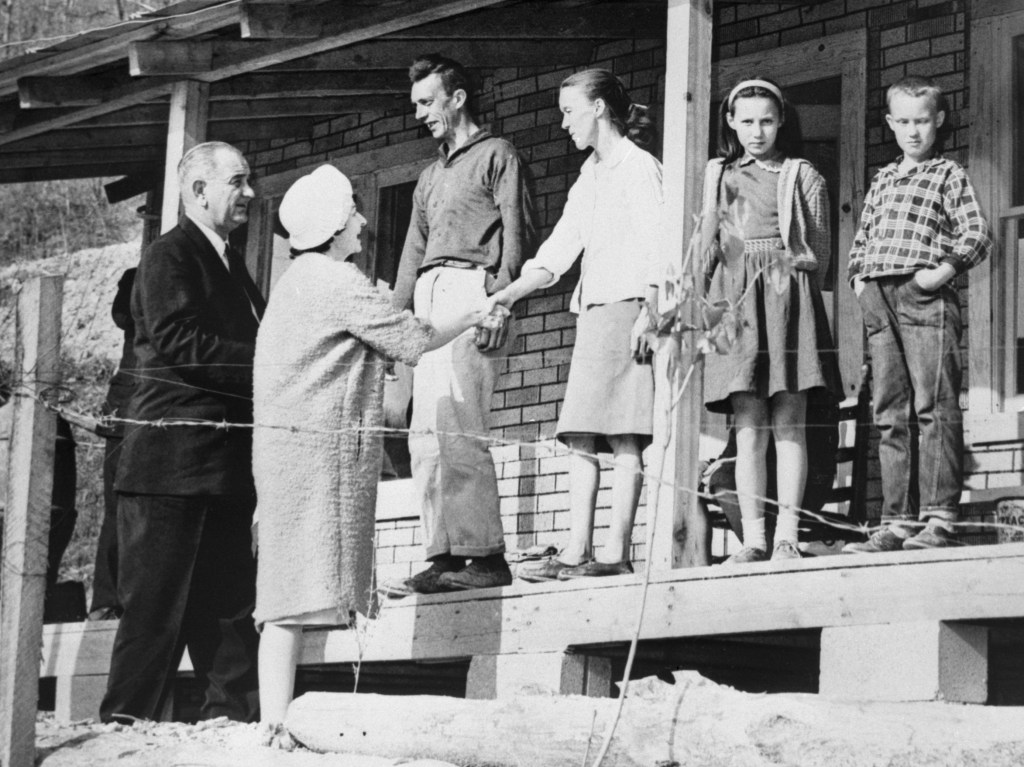
The people of Appalachia have long been portrayed as tough, resilient, and self-reliant. Nestled in the mountains of the American Southeast, these communities have weathered economic hardship, a changing landscape, and, more recently, the rise of political figures who thrive on fear and misinformation. For decades, the region has been a stronghold for politicians who promise to protect the working class, but once in office, fail to deliver tangible benefits to the very people who placed them there. In fact, they often pander to the fears and prejudices of their constituents, relying on divisive rhetoric and false claims to secure votes. But why does this pattern persist, and when will these communities recognize the damage caused by the very politicians they repeatedly reelect?
The Economic Struggles of Appalachia
Appalachia has always been economically disadvantaged. Once the heart of America’s coal industry, the region’s economy has faltered as coal jobs have disappeared, manufacturing has moved abroad, and the area has struggled to diversify. Despite these hardships, many Appalachian communities still carry a sense of pride in their past, and their roots run deep. It’s easy to see how politicians who speak to this pride, who promise to restore the region’s former glory, can tap into the emotions of these voters. The problems they face are real, and the solutions seem simple—bring back jobs, protect local industries, and reject the “elite” political class.
Yet, the promises made by many of these politicians remain unfulfilled. They offer quick fixes like tax cuts for corporations, deregulation of industries that often exploit the land, and promises of job creation that never materialize. Meanwhile, the region continues to grapple with poverty, lack of access to healthcare, poor education systems, and the opioid crisis that has ravaged families and communities. These issues are not new, yet they remain largely ignored by those who hold the power.
The Rise of Fear and Misinformation
Politicians who are adept at sowing fear and spreading misinformation often find fertile ground in Appalachia. The region has been subject to the rise of populist rhetoric, which thrives on pitting people against one another—whether it’s urban versus rural, immigrant versus native, or “us” versus “them.” This kind of rhetoric plays on the fears of people who feel left behind, those who are struggling with changing economic and social landscapes.
Politicians who prey on these insecurities often focus on inflammatory issues: immigration, the loss of cultural identity, and government overreach. They use fear of the unknown to distract voters from the real issues that affect their daily lives, such as jobs, healthcare, education, and infrastructure. These divisive tactics work because they provide a convenient scapegoat for people who feel that their concerns are not being addressed. When people are scared, they are more likely to vote based on emotional responses rather than rational thought.
What’s worse, this misinformation is often spread by people in positions of power—politicians, media outlets, and influencers who have an agenda to maintain the status quo. These individuals frame themselves as outsiders fighting for the “forgotten” people of Appalachia, but in reality, they’re only looking out for their own interests, using fear and lies to keep voters loyal and compliant.
The Cycle of Re-election
Despite the failure of these politicians to improve their lives, many Appalachian voters continue to reelect them. This raises a difficult question: Why? Part of the answer lies in the sense of distrust and alienation that many in Appalachia feel toward the political system as a whole. For many, the idea of voting for “the other side”—for a candidate who might represent change—feels risky, especially when the rhetoric from the other side has often been just as divisive. The choice to vote for the devil they know, even if it means continuing down a destructive path, feels safer than embracing the unknown.
Additionally, many voters in these areas are not fully aware of how little the politicians they support are doing for them. A lack of access to quality education, poor media literacy, and limited exposure to alternative viewpoints all contribute to a population that is more susceptible to misinformation. When people are told repeatedly that their problems are the fault of outsiders, immigrants, or government regulations, they often internalize these messages and continue to vote based on those distorted perceptions.
The Wake-Up Call
The question, then, is not whether these communities are capable of change—but when they will wake up and realize that the politicians they continue to elect are not helping them. It will take education, awareness, and a concerted effort to challenge the status quo. Communities in Appalachia need to be empowered to look beyond fear and misinformation, to demand accountability from those who claim to represent them.
Change will not come easily, but it must come from within. Voters must seek out information that challenges their preconceptions and expand their understanding of the issues that truly affect their lives. Local organizations, grassroots movements, and independent media sources can help bridge the information gap and provide a clearer picture of what is happening in the political world. Additionally, voters must ask themselves whether they are being misled by rhetoric that serves only to divide, or whether they are supporting politicians who will bring real, substantive change to their communities.
Breaking the Cycle
Ultimately, the future of Appalachia depends on its people waking up to the reality of what their votes are supporting. It will take time for the cycle of fear and misinformation to be broken, but it is not impossible. By embracing education, fostering critical thinking, and holding politicians accountable, the people of Appalachia can take control of their future and build a better, more prosperous region for generations to come.
As the saying goes, “When you know better, you do better.” Appalachia deserves leaders who will prioritize real change, not fear-mongering or empty promises. It’s time for a new chapter in the region’s history, one where the people rise above the fear and claim the future they deserve.
-Tim Carmichael

 Echoes of Appalachia
Leave a reply to Park Overall Cancel reply