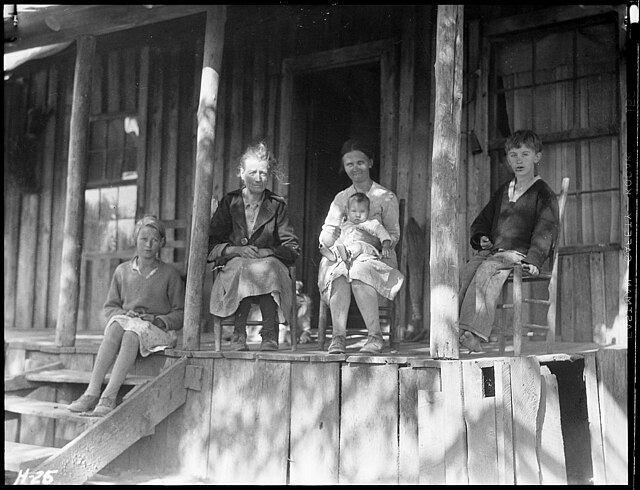
If you’ve read many of my hubs, you know that I’m fascinated with the English language and its myriad dialects. One of the most intriguing—and often misunderstood—dialects is that of the Appalachian region. Nestled in the heart of the eastern United States, the Appalachian dialect is not just a way of speaking; it embodies the culture, history, and identity of its people.
A Unique Linguistic Landscape
The Appalachian dialect, often referred to as Appalachian English or Mountain English, is characterized by its distinct vocabulary, pronunciation, and grammatical structures. It varies widely across the region, encompassing areas in West Virginia, Virginia, Kentucky, Tennessee, and North Carolina. This diversity reflects the complex history of the area, including the influences of early European settlers, African American communities, and Native American languages.
One of the most noticeable features of Appalachian speech is its pronunciation. For instance, you might hear “dawg” instead of “dog,” or “holler” instead of “hollow.” The vowel sounds can also be quite different, giving words a melodic quality that many find charming. This unique pronunciation is often a source of pride for those who speak it, as it connects them to their heritage.
My Journey with the Accent
Personally, my connection to the Appalachian dialect is deep-rooted, yet I’ve experienced a transformation in how I speak over the years. I lost my true Appalachian accent, and while I still sound like I’m from the mountains, it’s not quite the same as it used to be. This shift has been both a source of nostalgia and reflection for me. I often find myself yearning for the way my speech once flowed, rich with the melodic lilt and local expressions that felt like home.
Vocabulary with a Twist
In addition to phonetic differences, the Appalachian dialect boasts a rich vocabulary that often includes words and phrases unfamiliar to mainstream English speakers. Terms like “catawampus” (meaning askew or awry) and “lope” (to run with a long, bounding stride) offer a glimpse into the colorful and expressive nature of the dialect. Phrases such as “over yonder” indicate a sense of place that is both specific and poetic, capturing the beauty of the Appalachian landscape.
Grammatical Distinctions
The grammatical structures of Appalachian English can also differ significantly from Standard American English. For example, you might hear the use of double modals, such as “might could,” which conveys a sense of possibility. This construction reflects a nuanced way of thinking about potential actions and decisions, highlighting the flexibility and creativity inherent in the dialect.
Cultural Significance
Understanding the Appalachian dialect goes beyond merely appreciating its unique features; it’s also about recognizing its cultural significance. The dialect is a marker of identity for many who live in the region. It carries stories of resilience, tradition, and community, often tied to the mountains and the way of life that has persisted for generations.
The Misunderstanding of Appalachian English
Unfortunately, the Appalachian dialect is sometimes subject to stereotypes and stigmas, often unfairly perceived as less sophisticated than Standard English. This misconception overlooks the rich literary and oral traditions that have emerged from the region, including folk tales, ballads, and storytelling. Authors like Jesse Stuart and poets like James Dickey have drawn upon the dialect to express the complexities of Appalachian life, demonstrating that this way of speaking is not only valid but also beautifully expressive.
The Appalachian dialect is a vibrant tapestry woven from the threads of history, culture, and geography. Its distinctive features invite us to appreciate the diversity of the English language and challenge us to look beyond stereotypes. So, the next time you hear someone speaking with an Appalachian accent—whether it’s a true accent or a softened version like mine—take a moment to listen and appreciate the richness of their words. After all, language is more than just a means of communication; it’s a living testament to who we are and where we come from.
-Tim Carmichael


 Echoes of Appalachia
Leave a reply to Tim Carmichael Cancel reply