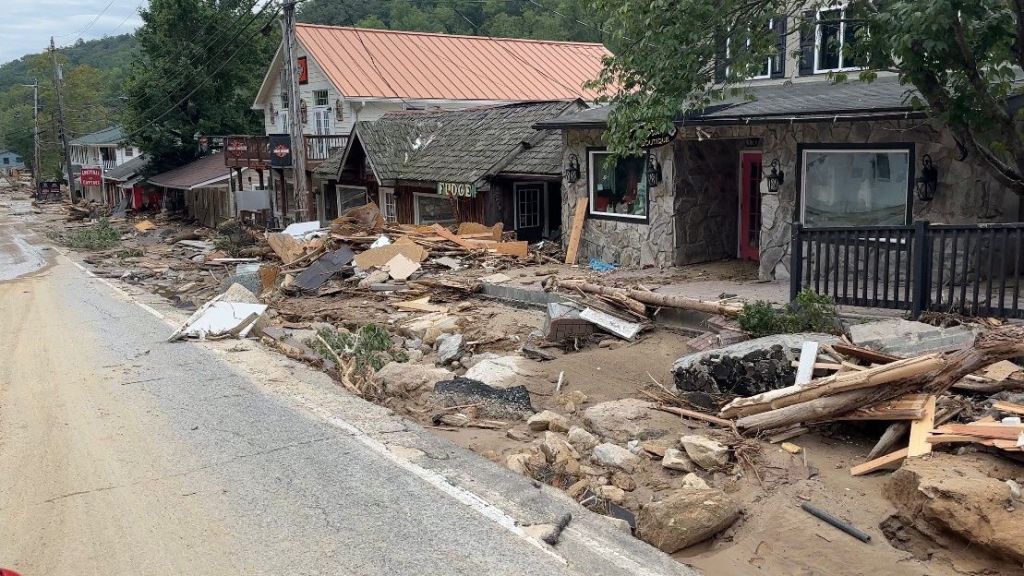
The recent floods in Virginia, North Carolina, Tennessee, and South Carolina have caused unimaginable damage, leaving entire communities submerged, homes destroyed, and thousands of lives thrown into chaos. The scale of this disaster is hard to put into words. For many, everything they’ve worked for is now washed away. In times like these, what people need more than anything is real help—not political debates, finger-pointing, or misinformation.
Unfortunately, it’s all too common for tragedies to be used as platforms for political agendas. But let’s be clear—this isn’t the time for that. The people affected by these floods aren’t concerned with which side of the political aisle someone stands on. They’re worried about finding a dry place to sleep, getting enough to eat, and figuring out how they’ll rebuild their lives. Shifting the focus away from real solutions to political arguments only adds to their burden. It distracts from the true goal of bringing aid to those who need it the most.
The good news is that relief efforts are already well underway. FEMA is on the ground, coordinating disaster response. The National Guard is conducting search-and-rescue operations from the air and on the ground, helping reach isolated areas. Federal agencies, volunteers, and local groups are all stepping up to provide assistance in whatever ways they can. These efforts are crucial in keeping communities together during this overwhelming time.
It’s also important to recognize that local volunteers are working tirelessly to help their neighbors. People from across the country are showing up with open hearts, ready to offer support. This is what matters right now—people working together to make a difference where it’s needed most. If you’re thinking about visiting the region for leisure, consider holding off. Appalachia is a beautiful place, but now isn’t the time for sightseeing. However, if you feel called to come, be prepared to grab a shovel, pick up debris, or lend a hand in any way you can.
Another vital way to help is through donations. But it’s essential to know where your money is going. Large nonprofits often provide critical support during disasters, but they also have overhead costs, especially if they’re coming in from outside the area. Their administrative expenses, travel costs, and other logistics mean that only a portion of your donation may reach those directly impacted. It’s not that these organizations aren’t doing important work—they are—but sometimes your money can go further when given to local organizations.
Local nonprofits and smaller groups don’t have the same overhead as the bigger national organizations. They’re already on the ground, embedded in the community, and working around the clock to provide relief. They know the people they’re helping, and they’re making sure donations get directly to those in need. I’ve seen firsthand how hard these local groups are working, and it’s inspiring. They are the backbone of the recovery efforts, putting in long hours to ensure food, water, clothing, and shelter are reaching the flood victims.
If you want to make a real impact, consider donating to these smaller, local organizations. Your contribution won’t get caught up in bureaucracy; it will go straight to helping families get back on their feet. Every bit counts—whether it’s cash, supplies, or volunteering your time. Communities are rebuilding, but it’s going to take all of us working together to make that happen.
And most importantly, let’s avoid spreading misinformation. False claims about who is or isn’t helping only lead to confusion and despair. People need to feel hopeful, not hopeless. There are boots on the ground, and aid is coming in from across the country. Appalachia will recover, but it needs real support, not rumors or divisive conversations.
This is a time for unity, not division. Political arguments don’t belong in this discussion when there are people who have lost their homes, their livelihoods, and even their loved ones. Let’s focus on what really matters—helping our neighbors in need, supporting those who are working tirelessly to assist, and doing everything we can to get Appalachia back on its feet.
Together, we can make a difference. Whether through donating, volunteering, or simply spreading the word, every action counts. The road to recovery will be long, but Appalachia is strong, and with your help, we can rebuild these communities and bring hope back to the people who call them home.

 Echoes of Appalachia
Leave a reply to Patricia Darling Cancel reply