• Environmental Concerns in Appalachia: A Region at a Crossroads

    Appalachia is a place of deep roots, hard work, and long memories. The mountains stretch across West Virginia, Kentucky, Virginia, and beyond, home to generations of families who have weathered both opportunity and exploitation. Today, the region is facing an environmental reckoning that has been building for decades. Abandoned mines, shrinking federal support, threats to vital protections, and health crises in coal communities all point to a growing storm. As officials and advocates work to confront these problems, many are asking who should be responsible and why communities are being left behind once again.

    West Virginia, a state that once thrived on coal, is now struggling with the massive cost of cleaning up the mess left behind. Abandoned mines dot the landscape, leaking toxic runoff into rivers and wells, collapsing underfoot, and scarring the land. The coal companies that made billions off these operations are largely absent from the cleanup process. Many have declared bankruptcy or sold off assets, avoiding responsibility through legal loopholes and weak regulation. What remains is a patchwork of environmental hazards and public health concerns, with state agencies scrambling to calculate just how bad things are and how much it will cost to fix.

    The people of West Virginia are right to question why taxpayers are footing the bill while the companies walk away. This is not just an environmental issue. It is a moral one. Communities that relied on coal to put food on the table now live with the aftermath, while those who profited are nowhere to be found. Bonds that were supposed to guarantee mine reclamation often fall short, and the enforcement mechanisms are too weak to compel meaningful action. As a result, the burden falls on local governments and residents who are already stretched thin.

    While environmental groups push for stronger accountability, another threat is growing. Proposed federal budget cuts are targeting programs that are lifelines for Appalachian residents. The Low-Income Home Energy Assistance Program, or LIHEAP, helps families heat their homes in the winter. In a region where winters are long and cold, and poverty rates are high, this program can be the difference between safety and suffering. Likewise, the Rural Energy for America Program, or REAP, provides funding for small farms and businesses to invest in renewable energy or efficiency improvements. These are not luxuries. They are tools for survival and progress.

    The proposed cuts to LIHEAP and REAP send a clear message. When resources are tight, it is always the poor and rural who are asked to give up the most. These programs represent a small fraction of the federal budget but make a huge difference in Appalachian lives. Without them, families will face higher bills, less reliable heat, and fewer opportunities to build a sustainable local economy. Meanwhile, subsidies and tax breaks for large corporations remain untouched. It is a familiar pattern that leaves many in the region feeling forgotten and disrespected.

    This sense of abandonment is amplified by the ongoing effort to roll back key environmental regulations. There is growing concern among advocates that the federal government may attempt to weaken or eliminate the greenhouse gas endangerment finding. This ruling by the Environmental Protection Agency established that emissions from fossil fuels threaten public health and welfare. It provides the legal basis for many of the country’s climate change policies. Undermining it would open the door to more pollution, fewer regulations, and less oversight.

    In Appalachia, where environmental risks are already high, such a rollback would be especially damaging. The region is experiencing more severe flooding, unpredictable weather patterns, and crumbling infrastructure. Without strong federal rules and investment in climate resilience, these problems will only get worse. Environmental disasters do not just hurt the land. They destroy homes, wipe out roads, contaminate drinking water, and increase health risks for the most vulnerable. Rolling back protections would not only slow national progress on climate change but would also expose Appalachia to more harm with fewer tools to fight back.

    Even as these larger battles unfold, there is work being done on the ground to support those who have paid the highest price. The Appalachian Citizens’ Law Center continues to fight for miners suffering from black lung disease. This deadly illness, caused by inhaling coal dust over years of hard labor, has made a brutal comeback in recent decades. Younger miners are now being diagnosed with advanced forms of the disease at alarming rates. Yet benefits and protections have not kept pace.

    The Law Center is working to strengthen the safety standards that protect current workers and to ensure that miners who are sick receive the compensation they deserve. This includes pushing for better monitoring of coal dust, faster processing of claims, and fair treatment of families who lose loved ones to the disease. For many, this is not just about health care. It is about dignity. These miners helped fuel the country’s growth for over a century. Their work powered homes, factories, and cities. To abandon them now would be another act of injustice.

    The broader picture in Appalachia is one of contrast. There is natural beauty and ecological richness, but also poisoned streams and collapsing hillsides. There is deep community pride and resilience, but also poverty and disinvestment. There are innovative programs trying to rebuild, and political forces that threaten to dismantle them. It is a region with potential but one that needs allies, investment, and policy rooted in justice.

    The way forward must begin with accountability. Companies that have profited from extraction must be made to pay for the damage they have caused. The legal framework must be restructured so that mine operators cannot escape responsibility through bankruptcy or shell companies. Environmental regulations should be strengthened, not weakened. Climate policy must recognize that communities like those in Appalachia are on the front lines and need real support, not empty promises.

    At the same time, public programs like LIHEAP and REAP must be protected and expanded. These are not giveaways. They are targeted investments that lift people out of poverty, reduce pollution, and create local jobs. They give residents the ability to plan for the future, to stay warm in winter, and to build a more sustainable economy. Cutting them is not just short-sighted. It is cruel.

    Finally, the stories of miners, families, and local advocates must be heard. They know the land, the history, and the stakes. Their voices should guide decision-making at every level. Environmental justice in Appalachia is not just about cleaning up messes. It is about rebuilding trust, restoring health, and making sure that no one is left behind.

    Appalachia has given much to this country. Now, it is time for the country to give something back not just in words but in real, lasting action.

    Tim Carmichael

  • What Saved Appalachia from Disaster Will Surprise You

    The Appalachian Regional Commission will continue its work across 13 states after Congress restored its full funding. The agency had faced a proposal to eliminate nearly all of its budget. Now, rural communities across the Appalachian region can continue to move forward with projects that improve infrastructure, develop the workforce, and support local economies.

    The ARC was established in 1965 under President Lyndon B Johnson to address persistent poverty and economic challenges across the Appalachian region. The agency works with state and local governments to provide funding for projects that match the needs of each community. Over the years, the ARC has helped bring clean water, broadband internet, job training, and health resources to places where few other federal programs reach.

    A recent budget proposal from the Trump administration had suggested cutting 93 percent of ARC funding. The proposal raised concerns among leaders throughout the region who rely on the commission to improve living standards and economic opportunity. Those leaders pushed back, and Congress responded.

    What ARC Does for the Region

    The ARC supports a wide range of work in rural communities. This includes building roads, upgrading water and wastewater systems, expanding internet access, and training workers for industries such as healthcare, manufacturing, and technology.

    In recent years, broadband has become a top priority. Many counties in the Appalachian region continue to live without access to reliable high-speed internet. That lack of connectivity affects students, businesses, and families who need online access for education, telehealth, and remote work. ARC investments have helped bring fiber lines and wireless networks to areas where private companies have no financial incentive to build.

    In addition to broadband, the ARC helps communities address long-standing infrastructure problems. Water systems in many towns are decades old and in need of repair. With ARC grants, those systems can be updated to ensure safe drinking water and reliable sanitation. These changes help protect public health and also attract employers who need dependable infrastructure to invest in a location.

    Workforce development is another essential part of the ARC’s role. As coal employment has declined, many workers have turned to new career paths. ARC-funded programs help those individuals gain skills in construction, welding, solar installation, and other trades that offer long-term stability. In many cases, people are able to remain in their hometowns and build new careers rather than relocating.

    Lawmakers Step In to Protect Funding

    Congressional Democrats, (yes you read that right) led the charge to restore funding for the ARC. After the proposed cuts were announced, many lawmakers traveled to the region to hear from local leaders and residents. They brought those stories back to Washington and made the case that eliminating the commission would harm families, workers, and local governments that depend on its support.

    Although lawmakers from both parties eventually supported the restored funding, Democratic leadership played a major role in securing the outcome. They argued that the ARC has a track record of delivering results and deserves continued investment.

    The decision to maintain ARC funding at current levels means that essential programs will continue without disruption. The commission will remain in place with the capacity to respond to new needs and challenges across the region.

    Real Impact on Real Communities

    The ARC supports programs that lead to lasting improvements in people’s daily lives. In Kentucky, a young mother now attends nursing school because of an ARC-supported training program. In Alabama, a town that once relied on a single factory is developing a small business incubator to create new jobs. In West Virginia, a former coal miner found a second career installing solar panels through a program funded by the ARC.

    These outcomes happen quietly, but they change lives. The agency supports solutions developed by local leaders who understand their communities best. That local control makes projects more effective and more likely to succeed.

    Communities across Appalachia have used ARC grants to prepare for the future. Some are investing in tourism to draw visitors to the mountains and forests. Others are building industrial parks to attract new manufacturers. Many are upgrading schools and libraries to support the next generation of workers.

    Looking Ahead with Renewed Support

    With its full budget restored, the ARC can continue to fund projects that expand opportunity and improve quality of life. Broadband remains a central focus. So do infrastructure upgrades, healthcare access, business development, and education. The commission has already identified new priorities that reflect the evolving needs of the region.

    Officials say the ARC is also making it easier for smaller towns to apply for grants. Many local governments lack staff or expertise to compete for funding. By offering technical assistance and support, the ARC ensures that even the most rural places have a chance to receive investment.

    The commission also continues to support programs that help communities transition away from coal. These efforts include retraining workers, diversifying economies, and attracting industries that are less vulnerable to global market shifts.

    A Long-Term Commitment to the Region

    The Appalachian region faces many challenges, but it also holds incredible promise. With the support of the ARC, communities can build the foundation for growth that respects local identity while embracing new ideas. Leaders across the region say that restoring the commission’s funding is more than a financial decision. It shows a commitment to the people who live there.

    The ARC stands as an example of how federal and local governments can work together to solve problems. It avoids one-size-fits-all solutions and instead listens to communities. It backs up that listening with funding and support that help those communities take action.

    With its future secured, the Appalachian Regional Commission can continue to serve as a partner in progress. Residents, officials, and advocates now have the tools to keep building a stronger and more connected Appalachia.

    -Tim Carmichael

  • The Healthcare Timebomb No One’s Talking About: How Appalachia Could Be Hit Hardest by the ACA Crisis

    The Affordable Care Act (ACA) is entering a period of significant change, and for communities across Appalachia, the consequences could be both immediate and long-lasting. Recent developments including projected premium increases, legislative changes introduced in the “One Big Beautiful Bill,” and the potential expiration of enhanced premium subsidies are converging in a way that may disproportionately affect this economically fragile region. Appalachia, with its unique demographic and economic makeup, faces a storm that could deepen existing health disparities and threaten access to care for hundreds of thousands of residents.

    Premiums for ACA plans are expected to rise across the country in 2025. Initial filings from major insurers suggest an average increase of about 7 percent. While that may not sound catastrophic on its face, for low-income families in Appalachia, even modest increases can push health insurance out of reach. Compounding the issue is the scheduled expiration of enhanced premium subsidies at the end of 2025. These subsidies, first introduced during the COVID-19 pandemic through the American Rescue Plan and later extended by the Inflation Reduction Act, dramatically lowered out-of-pocket costs for marketplace insurance. Without them, premiums could rise by an average of 75 percent. For many families in Appalachia, that could mean annual increases exceeding $1,200.

    That alone would be troubling. But it is only part of the picture. The One Big Beautiful Bill, passed in July 2025, introduces sweeping changes to both Medicaid and ACA marketplace eligibility. With over $900 billion in Medicaid cuts scheduled over the next decade, experts estimate that between 7.8 and 11.8 million people nationwide could lose Medicaid coverage. Many of them live in Appalachian states like Kentucky, West Virginia, and Tennessee, which have some of the highest Medicaid enrollment rates in the country. These states expanded Medicaid under the ACA and saw hundreds of thousands gain coverage over the past decade. That progress is now under direct threat.

    The new law tightens eligibility rules, introduces more stringent documentation requirements, and allows states to impose work requirements on Medicaid recipients. These changes will almost certainly create bureaucratic obstacles for many low-income residents, especially in rural areas where internet access and transportation are limited. In communities where residents already face steep barriers to navigating the healthcare system, new red tape could result in coverage loss even among those who technically still qualify.

    For Appalachian residents who fall off Medicaid but do not qualify for substantial ACA subsidies, the future looks particularly bleak. The region is marked by lower-than-average household incomes and higher-than-average health needs. Chronic illnesses like diabetes, heart disease, and respiratory conditions are more common here than in most other parts of the country. Losing access to regular care and prescription medications is not just an inconvenience in this context. It can be life-threatening.

    The pressure is not only on individuals. Healthcare providers across the region are bracing for the fallout. Rural hospitals, many of which operate on thin margins, depend on Medicaid reimbursements to stay afloat. With fewer insured patients and more uncompensated care, some hospitals may face closure. Others may cut services, forcing patients to travel even farther for specialty care, maternity services, or even emergency treatment. In a region already grappling with limited infrastructure and geographic isolation, every additional mile to care matters.

    The anticipated rise in ACA premiums in 2026 if subsidies are not renewed will only worsen the situation. A smaller insured pool and greater cost-sharing will discourage healthy individuals from enrolling, creating a sicker risk pool and prompting insurers to raise premiums even further. Appalachia, where healthcare access is already fragile, may see some counties become ACA insurance deserts altogether.

    State-level responses may vary. Some governors may resist implementing the full scope of the federal law, particularly those with a track record of defending Medicaid expansion. However, the sheer magnitude of the federal cuts and the restrictions introduced by the new legislation will limit how much states can do to buffer the impact. Even modest resistance may only delay rather than prevent coverage loss.

    Community health centers and nonprofit clinics are expected to absorb some of the strain. These organizations already serve many uninsured patients and may see demand skyrocket. However, they too operate with limited resources and will likely be overwhelmed without additional support. Philanthropic aid and state grants can help, but they cannot fill the gap left by shrinking federal funding.

    The social consequences of this healthcare rollback will ripple across the region. Families burdened by healthcare costs often delay care, skip medications, or rely on emergency rooms for issues that could have been addressed earlier and more cheaply in a primary care setting. Children may miss school due to untreated illnesses. Adults may be forced to leave jobs or work fewer hours due to unmanaged chronic conditions. The economic costs of untreated health issues are substantial and self-perpetuating.

    The changes to the ACA and Medicaid are national in scope, but Appalachia is especially vulnerable. This is not just a matter of policy; it is a question of survival for many families. Without swift and targeted intervention, the region could face a healthcare crisis of historic proportions. Expanded outreach, legal challenges to the new federal requirements, and aggressive efforts to renew enhanced subsidies may help soften the blow. But time is short, and the challenges are many.

    In the coming months, the national conversation about healthcare reform will likely intensify. For Appalachia, the stakes could not be higher. This is a moment that calls for leadership, innovation, and above all, compassion. Because while the legislation may have passed in Washington, its consequences will be most deeply felt in places where every dollar counts and every hospital bed is needed.

    And in the 2026 election, voters in Appalachia and beyond may be faced with a choice that cuts to the core of this crisis: whether to support candidates focused on preserving access to healthcare, or to be swayed by political distractions designed to provoke fear and division. The consequences of that decision will echo far beyond the ballot box.

    -Tim Carmichael

  • Small Appalachian Virginia Town Stops Massive Gas Plant and Data Center in Shocking Upset

    In a sweeping victory driven by determined grassroots organizing, residents of Pittsylvania County, Virginia, have successfully blocked Balico LLC’s proposal to build what would have been Virginia’s largest natural gas power plant at 3,500 megawatts alongside a hyperscale data center campus spanning 750 to 2,200 acres. Their resistance highlights deep concerns over air pollution, health risks, environmental degradation, and a loss of rural character. Over many tense months, the community’s relentless advocacy led the county planning commission and eventually the board of supervisors to reject Balico’s rezoning requests.

    Balico initially filed an application in October 2024 to rezone about 2,200 acres of agricultural land near Chatham for a campus of as many as 84 warehouse sized data centers and an adjacent gas plant to power them. Public backlash led the company to withdraw that first application in early November and return with a reduced proposal in November and January. That revised plan shrank the footprint to 763 acres with just 12 data center buildings, but the 3,500 megawatt gas generator component remained the same.

    Residents seized on that second application as evidence that Balico was using delay and ambiguity as tactics. Their frustration centered on how the company repeatedly postponed public hearings, failed to disclose key project details such as final job numbers, water use, pollution levels, and showed inconsistent information on site layout and potential impacts.

    Air quality formed the core of the community’s concerns. With assistance from environmental law experts and public health researchers, residents drew on a report estimating the proposed gas plant would emit over 326 tons of fine particulate matter annually. These pollutants are linked to heart attacks, strokes, cancer, pneumonia, and other serious illnesses. The study projected that more than 17,500 Pittsylvania residents could face high exposure levels, with health-related costs exceeding 31 million dollars annually and potentially reaching nearly 625 million by 2040.

    The massive water usage was another flashpoint. Each of the proposed data centers would require up to 500,000 gallons per day for cooling, tapping into local water supplies without clear oversight or long-term planning. Beyond that, residents and county leaders cited noise, light pollution, heavy traffic, and an industrial footprint that clashed with the area’s rural and agricultural identity.

    Public testimonies were intense and emotional. At meetings held at Chatham High School, hundreds gathered to voice opposition, with yard signs reading “No Power Plants, No Data Centers in Rural Neighborhoods” and crowds overflowing planned venues. Locals described hours-long hearings with packed audiences pleading for the protection of air quality and rural life. One resident stated that no number of filters or offsets would undo the inevitable impact on air quality. Others described fears of irreversible damage to their land, health, and future.

    Community leaders like Lexi Shelhorse, whose family has farmed the land for generations, spoke passionately about preserving the region’s heritage and character. She described the project as a threat not just to the environment, but to the cultural and generational legacy of the county. She and others feared that if this development were allowed to proceed, it would pave the way for a wave of unwanted industrialization.

    In January 2025 the county planning commission unanimously recommended denying the rezoning, citing incomplete information, lack of transparency, and insufficient community benefits from Balico. Over the next few months, Balico requested multiple postponements of the final hearing and eventually tried to withdraw the application entirely in April. But the board voted to deny that withdrawal, choosing instead to hold a full public hearing and issue a final decision.

    On April 15, 2025 the Board of Supervisors voted six to one against the rezoning, officially halting the proposal and preventing Balico from submitting a similar application for at least twelve months. Chairman Robert Tucker explained that the project failed to align with the county’s comprehensive plan, lacked community support, offered few clear local benefits, and suffered from too much ambiguity. He said the community had spoken loud and clear, and the board was listening.

    As the vote was announced, residents erupted in applause and cheers, celebrating what many saw as a historic win for the community. After months of meetings, organizing, door knocking, research, and public comment, the community had stopped one of the largest gas-powered data center proposals in the country.

    Balico still holds option rights on the land and has stated they are exploring alternative projects such as residential developments. They have not ruled out revisiting the data center and gas plant concept after the mandatory one-year pause expires. That uncertainty continues to motivate residents to stay engaged and vigilant.

    For now, though, the community is focused on celebrating and reflecting. The residents of Pittsylvania County showed that even in the face of a well-funded corporate developer, a rural community with strong values and a commitment to health and sustainability can prevail. Organizers say this victory proves the importance of early engagement in local planning and zoning processes and the need for citizens to be informed and vocal when outside interests seek to reshape their communities.

    While the fight may not be over, residents feel empowered by what they achieved. As one speaker said during the final public hearing, “We’re not against growth. We’re against being sacrificed for it.” That sentiment echoes across the county, a reminder that local voices still matter, and can make all the difference.

    -Tim Carmichael

  • How Marsha Blackburn Sold Out the Appalachian Mountains

    When it comes to the majestic Appalachian Mountains, those ancient ridges that define the landscape and heritage of East Tennessee, residents expect their elected officials to protect the land that feeds their identity, economy, and culture. Yet, for years, Senator Marsha Blackburn has offered little more than political lip service. While the Appalachian region faces environmental degradation, economic stagnation, and dwindling resources, Blackburn has consistently voted against critical legislation that could have revitalized the area, choosing instead to serve special interests and bolster her personal net worth.

    Let’s be clear: Marsha Blackburn didn’t start out rich. But she’s certainly not struggling now. When she first entered Congress in 2003 as a member of the U.S. House of Representatives, her estimated net worth was below $500,000. Fast forward to today, and her assets are estimated to range anywhere from $1.5 to $3 million, depending on public disclosures and conservative estimates. That’s a steep climb for someone who’s made a career claiming to serve the average Tennessean while increasingly aligning herself with corporate interests, including those that have long profited from exploiting Appalachia’s resources.

    Nowhere is this hypocrisy more glaring than in her relationship with the Appalachian Mountains, a region rich in biodiversity and culture but historically ignored and underserved by Washington elites. Blackburn’s voting record speaks volumes. She has consistently opposed legislation that would bring critical infrastructure, environmental protections, and job opportunities to Tennessee’s mountainous communities.

    Consider the Infrastructure Investment and Jobs Act of 2021 which was a landmark piece of legislation designed to repair aging roads and bridges, expand broadband, and invest in clean water across the country, including Tennessee. Blackburn voted against it, dismissing it as a “gateway to socialism.” In doing so, she turned her back on billions of dollars that could have been funneled into Appalachia, improving roads that snake through the Smokies and strengthening the basic infrastructure that holds these communities together. Her vote denied opportunities for good-paying union jobs in a region desperate for economic development.

    What about environmental protections? Blackburn has one of the worst environmental voting records in the entire Senate according to the League of Conservation Voters. Her consistent votes against clean air and water legislation, renewable energy funding, and public health protections have made her a reliable ally to polluters and a constant enemy of conservationists. This includes votes to undercut environmental review processes, fast track fossil fuel development on public lands, and eliminate funding mechanisms like the Superfund tax, which helps clean up toxic sites, of which Appalachia has many.

    One of the most shocking examples of her disregard for Tennessee’s natural heritage came when she was the only member of the state’s congressional delegation to vote against the Great American Outdoors Act. This bipartisan bill, praised by conservationists and outdoor enthusiasts alike, fully funded the Land and Water Conservation Fund and addressed a massive maintenance backlog in the National Park System. That includes parts of the Great Smoky Mountains National Park, America’s most visited national park, which straddles the Tennessee North Carolina border and is a cultural touchstone for millions.

    So why would Blackburn vote against a bill that protects public lands and boosts tourism, one of Tennessee’s major industries? It’s hard not to wonder whether her allegiances lie with wealthy land developers and fossil fuel interests, not the people who hike, fish, hunt, and live in the hills of Appalachia.

    To be fair, Blackburn has occasionally thrown a bone to conservation efforts, like supporting the expansion of the Blackburn Fork Wildlife Management Area. But these gestures pale in comparison to the scope of her anti environmental voting record. It’s a classic political move: highlight one or two symbolic projects to distract from a broader pattern of inaction and obstruction.

    She’s also taken credit for local provisions in the Water Resources Development Act, such as dredging projects in Memphis and wastewater improvements for Blue Oval City. But these are far from the Appalachian region and do little to address the unique environmental and infrastructure needs of Eastern Tennessee. In other words, Blackburn has been more concerned with shoring up her support in western and middle Tennessee while ignoring the Appalachian communities she is equally sworn to represent.

    It’s worth noting that the Inflation Reduction Act of 2022, another bill she opposed, included significant investments in clean energy, climate resilience, and rural development. Appalachia, already experiencing the early impacts of climate change, desperately needs this kind of investment to preserve its forests, manage flood risks, and transition to sustainable economic models. Yet Blackburn said no, again putting ideology over the well-being of her constituents.

    The consequences of her inaction are tangible. Communities in Appalachia still struggle with poor internet access, crumbling roads, limited job opportunities, and contaminated water systems. While other lawmakers push for progress, Blackburn continues to prioritize obstruction and partisan posturing over tangible results.

    And all the while, her personal wealth continues to grow. Through careful investments, speaking fees, book deals, and a reliable political career that spans over two decades, Marsha Blackburn has secured her place among Washington’s elite. She rails against the “D.C. swamp” while swimming comfortably in its warm, lucrative waters. She claims to be a voice for Tennessee, but time and time again, she’s voted in ways that undermine the very people and places she was elected to protect.

    The Appalachian Mountains are more than just a backdrop. They are a living, breathing entity, home to generations of Tennesseans who have endured neglect, poverty, and exploitation. They deserve a representative who fights for their interests, not one who views them as an afterthought.

    Marsha Blackburn may have protected some infrastructure projects or promoted a handful of local initiatives, but her overall record is clear. She has done next to nothing to protect the Appalachian Mountains or improve the lives of those who call them home. Her votes consistently favor short term profit and political gain over long term environmental and economic health.

    Tennessee’s voters, especially those in the hills and hollers of Appalachia, deserve better than this. Why does Tennessee voters keep electing her to office? They deserve a leader who doesn’t just show up for photo ops or push symbolic gestures, but one who brings home real results. The mountains are watching and so are we.

    -Tim Carmichael

  • Appalachia at Risk: Trump Era Green Light Lets Bankrupt Coal Firm Invade Monongahela National Forest

    The Monongahela National Forest remains one of the few untouched stretches of the central hardwood region, home to black bears, endangered bat species, and some of the cleanest headwaters in the eastern United States. But in the final days of Donald Trump’s presidency, a controversial permit was granted to a bankrupt coal company to expand operations up to and now into the boundary of this fragile preserve. Today, conservationists and local residents are reckoning with what they see as a decision made in haste with little transparency and long-term consequences.

    At the center of the conflict is Midland Energy LLC, a coal operator based in southern West Virginia. Once a rising name in thermal coal production, Midland filed for Chapter 11 bankruptcy in late 2020, burdened by mounting debt, falling demand, and a long list of environmental cleanup obligations. Despite its deteriorating financial condition, Midland’s application to expand surface mining near Cheat Mountain in the Monongahela National Forest was approved by the Office of Surface Mining Reclamation and Enforcement, a federal agency within the Department of the Interior.

    The permit was issued just six days before President Trump left office. Internal documents obtained by watchdog groups show the permit was fast tracked over the objections of U.S. Forest Service scientists, who warned that the expansion could impact native brook trout streams and destroy habitat used by the endangered Indiana bat. “It was a rubber stamp in the truest sense,” says Maria Douglas, a former analyst with the Office of Surface Mining who resigned in protest the following year. “Midland did not have the financial stability or environmental protections in place, but the permit sailed through anyway.”

    The expansion site sits just south of Elkins West Virginia, a town that has worked for years to shift its economy from timber and coal to outdoor tourism and recreation. “We’ve spent a decade trying to bring hikers anglers and families to this area,” says Tony Sanders, a city councilman and owner of an outfitting business. “Letting a bankrupt company start blasting ridgelines again threatens all of that.”

    The Trump administration prioritized energy dominance and a revival of the coal industry through aggressive deregulation. In 2017, Trump revoked the Stream Protection Rule which would have required coal companies to monitor water quality and restore damaged ecosystems. Environmental advocates say the approval of Midland’s permit fits into that broader trend.

    When asked for comment, Midland Energy said in a statement that the company is “committed to responsible development” and is “working with state and federal regulators to ensure all laws are followed.” But critics argue that no amount of compliance can justify the risks posed by mining near protected land. “We’ve already documented sediment and heavy metal runoff from the site,” says Laurel James of the Appalachian Lands and Waters Alliance. “They are polluting the tributaries that feed the Shavers Fork, one of the most pristine trout streams in the region.”

    In 2021, a coalition of conservation groups filed a federal lawsuit seeking to overturn the permit. They argue the government violated the National Environmental Policy Act by failing to conduct a full environmental impact statement. While the Biden administration has pledged to revisit controversial permits issued in the Trump era, officials have not taken action on the Midland case. Legal experts say that kind of silence is not unusual. “Just changing the administration doesn’t automatically reverse these decisions,” says Jim Haley, an environmental lawyer representing the plaintiffs. “But it should.”

    Meanwhile the impact on the ground is growing. Satellite images from the last two years show clear cutting and blasting spreading across the expansion area. The sound of heavy equipment and controlled detonations can now be heard as far as Red Creek Campground, a popular destination for backpackers. Residents in Dry Fork have reported an increase in dust, noise, and health complaints. “The air feels different,” says Cheryl Underwood, a retired teacher who has lived in the area for forty years. “There’s a grit that wasn’t there before. You see it on your windows and in your lungs.”

    Beyond the physical impacts, the Monongahela holds deep cultural value for many in the region. The forest is part of the ancestral homelands of the Shawnee and Cherokee, and has long been a place of refuge and tradition. “This land holds memory,” says Thomas Standing Deer, a cultural educator and descendant of the Eastern Band of Cherokee. “What’s being done here for short term profit erases generations of connection.”

    Scientists are also raising concerns about long term consequences. Forest loss can accelerate climate change by reducing carbon storage and increasing flood risk downstream. “Forests like Monongahela act as carbon sinks and natural buffers during extreme weather,” says Dr. Nina Patel, a forest ecologist at the University of Virginia. “Destroying that cover creates a ripple effect that lasts decades.”

    There are growing calls for the Department of the Interior to revoke the permit and conduct a full review. In June, Senator Ed Markey and Representative Raúl Grijalva sent a letter urging Secretary Deb Haaland to halt Midland’s operations until an environmental assessment is completed. They cited both ecological risks and financial concerns, warning that taxpayers could be stuck with cleanup costs if Midland defaults again.

    Meanwhile protests continue near the site. In May, students from Davis and Elkins College staged a demonstration that blocked the mining access road for several hours. “This is not just about one company,” says Lily Romero, a student leader. “It’s about a pattern of sacrificing our communities for short term energy politics. Appalachia deserves better.”

    The outcome remains uncertain. With litigation ongoing and federal agencies slow to act, many fear the damage may be done before any resolution arrives. The scars on the mountain are growing deeper each month, shaped by machines working under the protection of a rushed political decision.

    In a region that has endured generations of extraction, the Monongahela was a rare example of what preservation could look like. Now, for many in Appalachia, it is becoming another reminder of how easily protection can be lost when power shifts and no one is watching.

    -Tim Carmichael

  • What Is Causing the 1,000-Year Flooding in Appalachia?

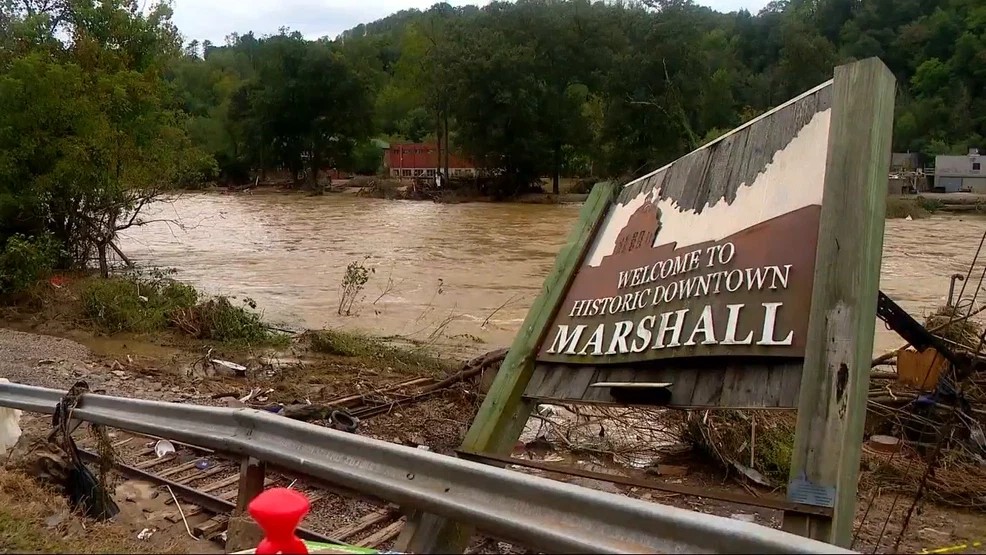
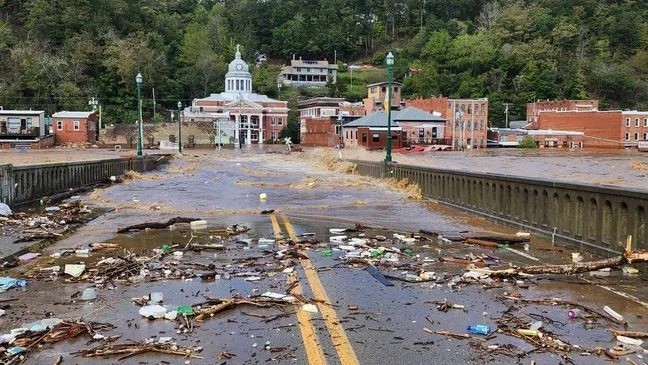
    Since September, Appalachia has been overwhelmed by a string of natural disasters that have pushed the region into a state of constant recovery. Towns tucked into the valleys of the Appalachian Mountains, once known for their scenic beauty and tight-knit communities, are now struggling against a surge of what meteorologists have called 1,000-year floods. The name is chilling, not because of the statistical rarity it implies, but because of the devastation it continues to bring.

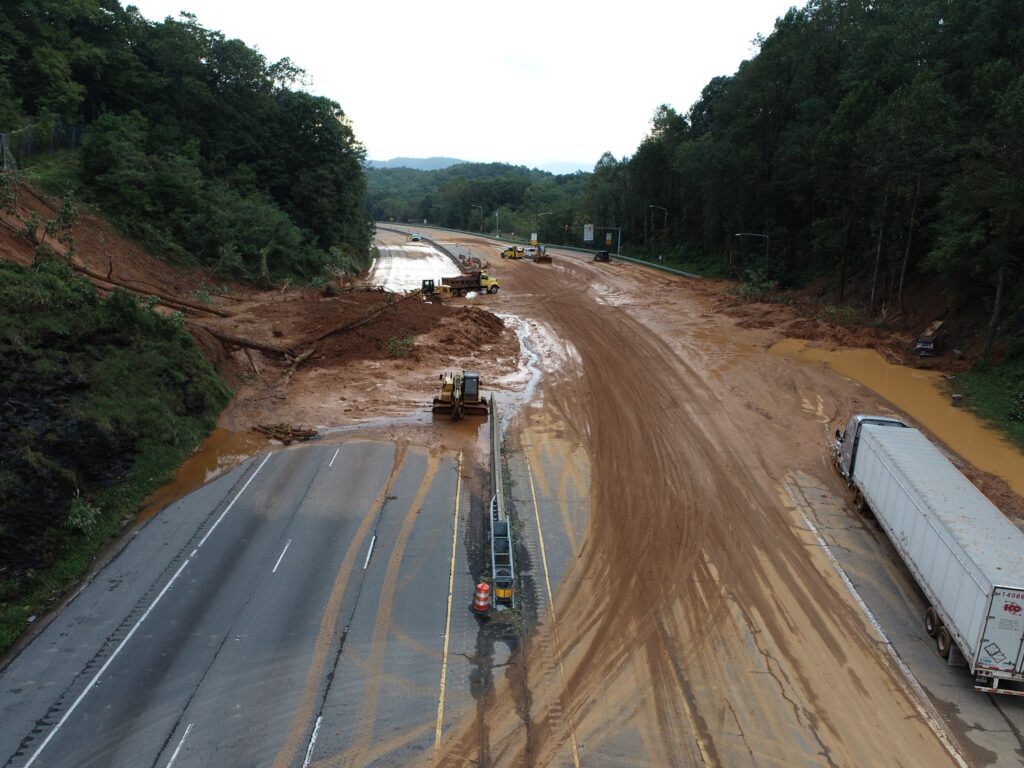
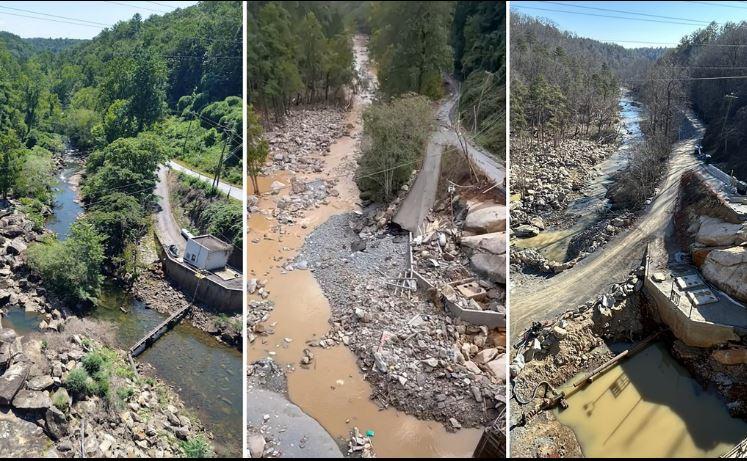
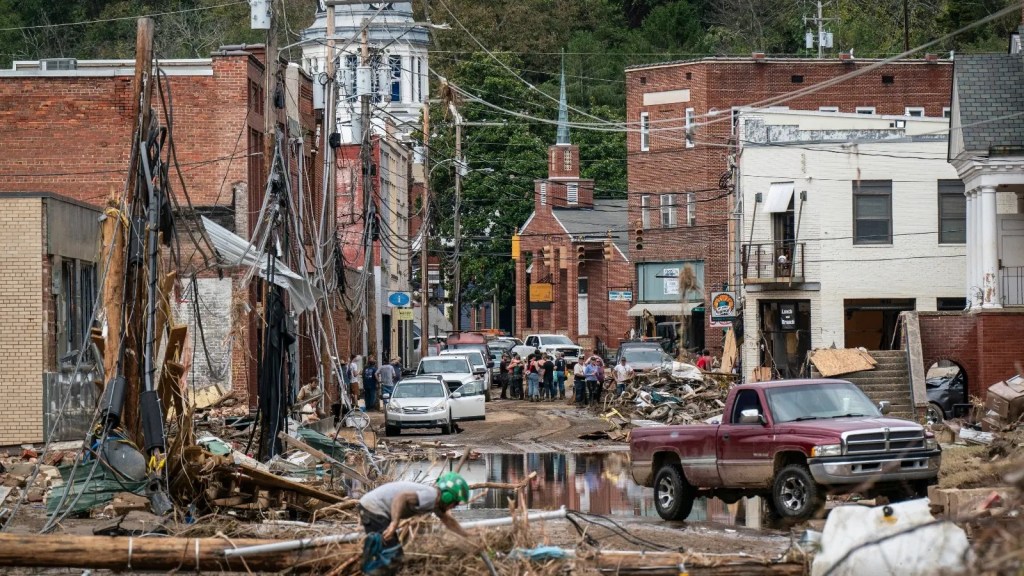
    Floodwaters have rushed into small towns and cities across Kentucky, West Virginia, Virginia, Tennessee, and parts of North Carolina. In many places, rivers that locals say had never risen above the banks have crested by more than ten feet, swallowing homes, schools, and businesses in hours. The death toll across the region has passed 94 since the start of the crisis last fall, with Kentucky suffering the worst hit at 38 fatalities. Entire neighborhoods were erased in places like Letcher County and Pikeville, and families have had to rely on rescue boats to flee rising water in the dead of night.

    The geography of Appalachia makes it uniquely vulnerable. The terrain is carved by steep hills and narrow hollows. Rainfall in one area flows quickly into nearby valleys, turning streams into raging torrents within minutes. When those streams are overwhelmed, there is little space for the water to go except through homes and across roads. Heavy rainfall, even over a short span, builds up fast and hits hard.

    Climate experts say the pattern emerging here cannot be chalked up to bad luck or an isolated storm. Appalachia is experiencing more frequent and intense rainfall events, with warmer air carrying more moisture that fuels longer, heavier downpours. In the past, the region would see brief storms with moderate accumulation. Now, back-to-back systems dump more than eight inches of rain in some places within hours. That kind of water load overwhelms infrastructure that was never built to handle it.

    Urban sprawl and mining have also reshaped the land over decades. Paved surfaces prevent water from seeping into the ground. Mountaintop removal and other mining practices have altered the natural flow of water and left the soil loose and unstable. Deforestation means that rain is no longer slowed by roots and leaves, and runoff moves downhill with brutal speed. Combined, these factors contribute to flash flooding that feels sudden, yet has deep roots in long-term environmental change.

    Communities across the Appalachian states are facing the hard reality of rebuilding while still drying out. In eastern Kentucky, towns like Whitesburg and Hazard have become centers of mutual aid. Churches have turned into food banks, and school gymnasiums now hold clothing donations and emergency shelters. In southwest Virginia, volunteers from nearby counties have spent their weekends clearing debris from homes, helping elderly residents whose houses were gutted by mud and water.

    Federal and state agencies have stepped in to provide support, but progress remains slow. FEMA has allocated disaster relief funds, and the Army Corps of Engineers has sent teams to assess infrastructure damage. Still, many residents say they are frustrated with the pace and bureaucracy of federal assistance. In the hollers and backroads, neighbors often rely on each other before help arrives from the outside.

    Recent budget cuts to FEMA have raised even more concerns. With less federal money available, states are being asked to shoulder more of the financial burden. For a region already struggling with high poverty rates, aging infrastructure, and limited resources, the question remains whether Appalachia can fully recover with only state support. Many emergency managers warn that state budgets alone cannot meet the scale of need these floods have created. Without robust federal aid, rebuilding may be slower and less resilient, leaving communities exposed to future disasters.

    Rebuilding here is more than replacing drywall and road signs. It is about finding ways to live with the new reality of extreme weather. Local leaders are looking into flood-resistant infrastructure, such as elevating buildings or creating natural floodplains where water can collect safely. In towns like Norton, Virginia, planners are studying how to rebuild bridges and culverts to withstand higher volumes of water. In Hazard, conversations are underway about relocating some residents from areas most vulnerable to future floods.

    For many, the emotional toll runs deeper than the loss of property. These floods have pulled families apart and forced difficult decisions. Some people have left altogether, moving to bigger cities or to higher ground where they feel safer. Others remain, tied to their land and determined to stay. For them, the floods are another chapter in a long history of hardship and survival. Appalachian culture is rooted in endurance, and that strength is carrying communities forward even as rain continues to fall.

    At the heart of this crisis is a changing climate that is reshaping the way people live. Weather patterns are shifting, and experts say that storms which once occurred once in a millennium may become much more frequent. That raises hard questions for regional leaders. How do you protect the most vulnerable communities when the land itself seems to be turning against them? How do you rebuild while preparing for the next disaster?

    Research groups are working with local governments to map risk zones more accurately. Satellite data and hydrological modeling are being used to identify the places most likely to flood again. These efforts are crucial, as rebuilding in the wrong spot could set up entire towns for repeated disaster. The challenge is balancing heritage with safety. In many cases, the places most at risk are also the most historic, towns that have been around for generations, built along rivers that once sustained them.

    Schoolchildren in eastern Tennessee have started writing letters to Congress, asking for more support and attention. Local newspapers are filled with stories of volunteer fire departments using their own savings to replace damaged equipment. The region is pulling together, but many feel that broader awareness and action are needed if Appalachia is to weather the storms ahead.

    Faith plays a large role in the recovery process. In West Virginia, pastors have opened their sanctuaries as makeshift shelters, and sermons have turned into spaces of collective mourning. People gather not only to grieve but also to plan. They share information about grant applications and home repairs. This mix of faith and action speaks to the deep resilience that defines the Appalachian spirit.

    What is happening in Appalachia cannot be dismissed as a fluke. It is the product of natural terrain, altered landscapes, and a warming world that brings heavier rains with less warning. As communities look to the future, they are calling for deeper investment in flood protection, more responsive disaster management, and the tools to adapt to a new climate reality.

    This region has long been stereotyped or ignored in national conversations. Yet it is now on the frontlines of a crisis that touches every part of the country. The floods in Appalachia are a signal of what can happen when past neglect meets a future of environmental upheaval. Still, amid the mud and water, a powerful story is unfolding. One of grit, community, and the hope that tomorrow might be safer than today.

    -Tim Carmichael

  • Foreign Investors in Appalachian Farmland: Who, Why, and How Much?

    Foreign investors are steadily acquiring farmland across the Appalachian region, raising questions among locals, lawmakers, and watchdogs about who’s behind these purchases, what they plan to do with the land, and what it means for the future of the region’s rural communities. While the full picture is often hidden behind layers of LLCs and incomplete public records, a closer look reveals a mix of economic motives, global trends, and legal loopholes driving the surge.

    The biggest foreign players buying U.S. farmland are not who most people expect. Despite growing political attention focused on China, Canadian investors own by far the most U.S. farmland between 12 and 14 million acres, which is about 30% of all foreign-owned farmland in the country. Dutch, Italian, British, and German investors follow closely, many of whom are tied to agricultural holding companies, timber firms, and renewable energy developers. Chinese entities, by contrast, hold less than 400,000 acres nationwide only a small fraction of total foreign holdings.

    In Appalachia, the numbers are harder to pin down. The region spans over 400 counties across 13 states, from Alabama to New York. The USDA collects foreign land ownership data under the Agricultural Foreign Investment Disclosure Act (AFIDA), but their records do not publicly break down ownership at a regional level. In many cases, parcels are held by anonymous shell companies registered in states like Delaware or Utah, making it nearly impossible to know exactly who owns what and where. Based on available data and local patterns, experts believe that foreign investors likely own tens of thousands possibly hundreds of thousands of acres in Appalachian counties, but nowhere near a majority share.

    So why is this happening? In many cases, it comes down to price and long-term value. Land in Appalachia is relatively cheap compared to other parts of the U.S., especially areas with booming development or prime agricultural soil. Investors see Appalachian tracts as undervalued assets with long-term upside. Some are betting on a future where clean water, timber, or carbon credits become more valuable. Others are leasing land to renewable energy companies building wind or solar farms, especially in flatter areas or ridge tops. In fact, most of the recent growth in foreign-owned land across the U.S. is linked to renewable energy leases not farming in the traditional sense.

    Some foreign buyers are also “land banking” acquiring large tracts of rural land not to farm or develop now, but to hold and flip later. The Appalachian region, with its scenic beauty and relatively lax zoning laws, appeals to speculative buyers, some of whom are also purchasing land for recreational or survivalist purposes. In many rural counties, longtime residents report seeing out-of-state or foreign buyers scoop up old family farms or hunting properties sometimes through cash offers well above market value.

    While foreign investors are not new to U.S. land markets, the lack of transparency is increasingly a concern. The AFIDA database often lacks key details, such as the country of origin or the specific location of the land. Some filings are years out of date. Local governments rarely have the resources to investigate land transfers, and often, residents only learn of a foreign connection after a project breaks ground or a dispute arises.

    The question of how much land foreign investors own in Appalachia specifically is complicated by all of this. A few known cases have gained public attention like large renewable projects in Kentucky or timberland acquisitions in West Virginia, but the vast majority of foreign-held land remains hidden in databases or untraceable through LLC structures. What we do know is that Appalachian states like Alabama, Kentucky, Tennessee, and North Carolina have all seen foreign ownership rise in recent years. In some areas, especially those with depressed land values, a single deal can represent thousands of acres changing hands at once.

    This has not gone unnoticed. In response to growing concern, more than 20 states have proposed or passed legislation restricting foreign ownership of agricultural land, especially by entities tied to countries deemed adversarial, such as China, Russia, or Iran. Appalachian states like Tennessee and Kentucky are among them. Lawmakers argue that food security, national security, and economic sovereignty are at stake particularly when land is located near military bases or critical water sources.

    At the same time, some caution that the issue is more complex than headlines suggest. The majority of foreign landowners in the U.S. are from allied nations, and many operate legitimate businesses tied to timber, agriculture, or green energy. Blanket bans could discourage international investment or trigger legal challenges. More targeted policies like improved transparency rules and limits on sensitive locations may be more effective.

    For now, Appalachian communities face a landscape in flux. Longtime farmers, retirees, and working-class families are competing with deep-pocketed investors they often never meet. Rising land prices and absentee ownership can strain local economies and undercut traditions of stewardship and family inheritance. But not all foreign ownership is harmful. Some investors manage land sustainably or reinvest in local infrastructure. The real issue is not foreign ownership itself, but how it happens and who benefits.

    Until federal and state authorities improve tracking, enforcement, and public access to land ownership data, it will remain difficult to separate fact from fear. What’s clear is that the farmland of Appalachia is no longer just a local asset it’s a global one, with all the risks and opportunities that come with that. As interest from abroad continues to grow, so too does the need for informed, balanced oversight to ensure the region’s land remains a source of livelihood, identity, and sustainability for generations to come.

    -Tim Carmichael

  • Forgotten and Flooded: Ten Months After Hurricane Helene, Appalachia Still Waits for Help

    Ten months have passed since Hurricane Helene devastated the Appalachian region in September 2024, but signs of recovery remain uneven at best. Entire communities are still struggling to pick up the pieces, and for many, life has not returned to anything resembling normal. The storm was one of the most catastrophic weather events in the region’s history, leaving homes flattened, roads destroyed, and lives permanently altered.

    The mountainous terrain of western North Carolina, eastern Tennessee, and neighboring states turned from scenic to hazardous overnight. Torrential rainfall from Helene caused massive flooding and triggered landslides that wiped out infrastructure across multiple counties. Towns were cut off, emergency services overwhelmed, and thousands displaced. Schools, clinics, and businesses shuttered as floodwaters swallowed roads and washed away utilities.

    In the aftermath, both federal and state governments pledged significant support. North Carolina and federal authorities together directed approximately 5.95 billion dollars toward recovery efforts in the western part of the state. As of late March 2025, about 1.57 billion dollars of that had come directly from North Carolina’s budget. Federal assistance specifically earmarked for individuals impacted by the storm reached more than 210 million dollars by January. Broader investment in disaster-resilient infrastructure has been made available through the Inflation Reduction Act and the Infrastructure Investment and Jobs Act, which together directed over 50 billion dollars nationwide, with substantial sums marked for the Appalachia region.

    Despite the massive influx of aid, many families remain in limbo. Some are living in temporary trailers or staying with relatives. Others are still waiting on applications to be processed or denied help due to technicalities such as lack of flood insurance. For rural residents, especially in highland areas where insurance is often unavailable or unaffordable, this has been a devastating blow. Relief funding, while significant on paper, has yet to fully meet the needs of thousands who lost homes, vehicles, and livelihoods.

    In Tennessee, state officials launched a supplemental recovery program allocating 50 million dollars to bridge the funding gap for those who fell outside federal eligibility. The effort has been welcomed, especially by homeowners without flood coverage, but the number of applicants quickly overwhelmed the program’s capacity. Many remain stuck in limbo as bureaucratic backlogs grow.

    Across the broader Appalachian region, recovery has been bolstered by partnerships between government, nonprofits, and private organizations. The Appalachia Funders Network launched the Appalachian Helene Response Fund, a multi-state initiative aimed at long-term recovery in mountain counties across Kentucky, Ohio, Virginia, and West Virginia in addition to North Carolina and Tennessee. Their focus has included small business recovery, mental health support, and assistance for low-income families who face the greatest challenges.

    Humanitarian organizations have also played a critical role. Medical aid valued at more than 11 million dollars has been delivered by relief agencies, with hundreds of thousands more in financial assistance directed to healthcare providers. Grant programs were established to help families with emergency housing repairs, furniture, and essential needs. Community-based funds have provided grants directly to individuals trying to restore homes, replace appliances, or rebuild lives shattered by the storm.

    Some of the most visible and immediate aid came in the form of meals, shelter, and disaster response teams. Volunteers served hot food and delivered supplies to isolated areas for weeks after the storm. Shelters were opened in churches, community centers, and even high schools. Many of these temporary setups remain in operation, a reminder that not everyone has been able to return home.

    Yet even with all this help, the road to full recovery is slow and full of obstacles. Landslide-prone areas are still under geological monitoring, delaying construction permits and frustrating residents desperate to rebuild. Major infrastructure repairs, including washed-out bridges and damaged water systems, remain incomplete in several counties. Debris cleanup has stalled in remote regions where access is limited and resources stretched thin.

    One of the more frustrating issues has been the delay in releasing additional rebuilding funds. Political disagreements over zoning laws, environmental restrictions, and allocation of resources have led to gridlock at multiple levels of government. Promised funds are caught in legal disputes, and residents are left wondering when help will actually arrive.

    On top of all this, proposed federal budget cuts under the Trump administration have added a new layer of uncertainty. The latest budget proposal includes steep reductions to several key agencies and programs that have been instrumental in disaster response and long-term recovery. Cuts to FEMA’s disaster relief fund, reductions in HUD’s Community Development Block Grants, and proposed rollbacks to infrastructure and environmental protection programs could hit Appalachia hard. These programs have helped fund floodplain mapping, resilient infrastructure projects, and direct aid to displaced families. Losing them would not only stall current efforts but leave the region even more vulnerable to future disasters.

    Local officials and recovery coordinators have expressed alarm over what they see as a dangerous disconnect between the scale of the crisis and the level of federal commitment moving forward. If these cuts are implemented, they warn, it could derail plans for rebuilding with resilience and force communities to rely even more heavily on already stretched local resources and charitable aid.

    For those living in Appalachia, the emotional toll is as real as the physical damage. Anxiety, depression, and trauma are widespread, particularly among children and the elderly. Counselors and community leaders say they’ve seen a sharp rise in mental health needs, with few resources available to meet the demand. Rural clinics, already under strain before the storm, are now stretched to the breaking point.

    Many feel the rest of the country has already moved on. News crews left weeks after the storm passed, and donations have slowed to a trickle. But for those still waking up to tarps on roofs and roads closed by fallen trees, the crisis is far from over. The lack of national attention has only deepened the sense of abandonment.

    Still, there is resilience. Communities have come together in powerful ways, organizing cleanup crews, sharing resources, and checking in on neighbors. Local leaders continue to push for more funding, more volunteers, and faster response from higher authorities. And while the damage left by Hurricane Helene was staggering, the resolve to rebuild is stronger than ever.

    Donations are still needed, and so are volunteers. Rebuilding a region as vast and rugged as Appalachia will take more than money. It will take sustained commitment, national attention, and a recognition that what was lost cannot be measured only in dollars or property.

    Ten months after Helene’s fury, the mountains remain scarred. But their people, as always, endure.

    -Tim Carmichael

  • How the School Voucher Program Is Screwing Over Rural Appalachia and Making Poor Families Pay for the Rich

    Across the backroads and small towns of rural Appalachia, opportunity is hard to come by, and families are doing their best just to get by. And now, thanks to Tennessee’s school voucher program, they’re being told they have “choice” but it’s a cruel joke. Because for much of rural Appalachia, there is no choice at all.

    Tennessee’s school voucher program, which currently offers around 20,000 vouchers to families across the state, is being sold as a way to give parents more control over their children’s education. The idea is simple on paper: families can apply for a voucher, essentially a state-funded coupon, to use toward tuition at a private school. Sounds fair enough, right?

    But here’s the truth. For rural families in Appalachia, this program isn’t a lifeline. It is a dead end.

    There’s a reason private schools are concentrated in wealthier urban and suburban areas. That’s where the money is. In most rural Appalachian communities, private schools simply don’t exist. Families may be able to apply for a voucher, but there’s nowhere to use it unless they’re willing to drive hours each day, and that’s assuming they even own a reliable vehicle. For many, that’s not an option.

    Let’s say a family in rural East Tennessee manages to find a private school within reach. Even with the voucher, which might cover around 7,000 to 9,000 dollars of tuition, that’s rarely the full cost. Many private schools charge more than 15,000 dollars a year. That leaves families on the hook for hundreds of dollars a month, money that many simply do not have. A 500 dollar shortfall each month is the equivalent of a car payment, rent, or groceries. For people living paycheck to paycheck, that’s an impossible ask.

    Meanwhile, who is benefitting from this system? Wealthy families. Affluent households that already had the means to send their children to elite private schools now get a bonus, money from the state paid for by your tax dollars, to subsidize what they were already going to do. And unlike rural families, they actually have access to a wide range of private schools. The infrastructure is already there. The schools are close by. They can afford to pay the difference. So while poor families are chasing a mirage, the rich are cashing in.

    Here’s where it gets even more frustrating. This isn’t just unfair. It is exploitative. These vouchers are funded with public money. Tax dollars. That includes money from rural, low-income communities where folks are struggling to keep the lights on. In effect, people in these regions are footing the bill for wealthier families’ private school tuition.

    That’s right. Poor families in Appalachia are helping pay for the education of rich kids in Nashville, Knoxville, and Chattanooga.

    It’s hard not to feel like this entire program was designed with rural communities as an afterthought, if they were considered at all. Lawmakers can tout the program as “statewide,” but access is meaningless if the infrastructure doesn’t exist to support it. If there are no private schools to attend, and no realistic way to afford the cost gap, then these vouchers aren’t an opportunity. They are a hollow promise.

    To make matters worse, this program also pulls resources away from public schools, the very schools that rural kids do rely on. Every voucher that’s handed out takes money away from public education. So while rich families in cities are getting taxpayer-subsidized tuition, rural schools are losing critical funding. The very fabric of the community, the school that serves as a hub for everything from education to food security, is being slowly unraveled.

    There’s a lot of talk about “school choice,” but real choice requires more than a piece of paper. It requires options. It requires access. It requires equity. Right now, those things don’t exist for rural Appalachia. This voucher program is like giving someone a gift card to a store that doesn’t exist in their county and then blaming them for not using it.

    This isn’t just bad policy. It’s insult added to injury. Generations of rural Appalachian families have been ignored, overlooked, and underserved. Now they’re being told that their children’s futures are part of some grand experiment in educational freedom, when in reality, they’re being used to make a deeply unequal system look fair.

    The problem isn’t that people in Appalachia don’t care about education. They care deeply. They want better for their kids. But without schools to choose from, without money to cover tuition gaps, and without transportation to get kids across county lines, there is no “choice” to be made.

    If Tennessee’s leaders are serious about improving education outcomes for all children, they need to start by listening to the voices in rural Appalachia. Instead of siphoning funds to private institutions that serve the few, invest in the public schools that serve the many. Upgrade infrastructure, pay teachers fairly, modernize facilities, and support the children where they are, not where the money wants to go.

    Because right now, rural communities are being sold an illusion, all while the wealthy reap the benefits and the poor are left to pick up the tab. It’s not just unjust. It’s un-American.

    This voucher program isn’t a bridge to better education. It’s a wedge driving us further apart. And the people in Appalachia? They’re not asking for handouts. They’re asking for fairness. They’re asking to be seen. They’re asking not to be used as political cover for a system that only works for the already privileged.

    This program didn’t appear out of nowhere. It was pushed hard by Republican Governor Bill Lee. And the Republican-led legislature pushed it through for him, knowing exactly who it would benefit and who it would leave behind. They knew rural families would have no access, no support, and no chance to realistically use these vouchers. And they passed it anyway.

    People need to take a hard look at every single legislator who supported this bill. These are the people who signed off on taking public tax dollars and using them to benefit the wealthy while leaving poor and rural communities behind. Your vote is your power. It is the only tool most Americans have to fight back against corruption that punishes the working class while padding the pockets of the privileged. Don’t let them sell you a lie and call it choice. Pay attention. Vote like your community depends on it because it does.

    -Tim Carmichael