• Faith and Politics in Appalachia: The Influence and Complexities of Religion in Contemporary Policy

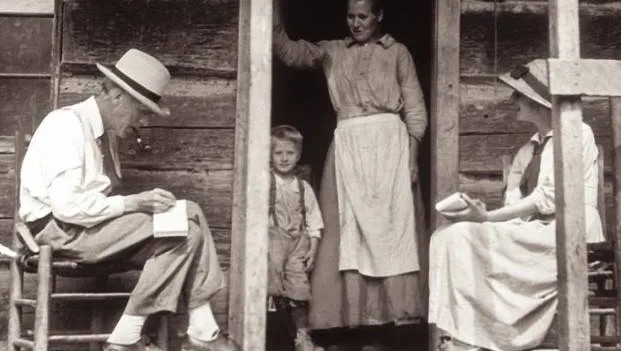
    Contemporary Appalachia stands at a crossroads between tradition and transformation, where faith and politics remain deeply intertwined. Religion has long shaped the cultural, social, and political fabric of the region, with churches serving as not just places of worship but as community centers, town halls, and engines of social change. Yet, as Appalachian society evolves, so too do its religious institutions, leading to new challenges, tensions, and opportunities in how faith leaders influence policy and local politics.

    Appalachia’s religious tapestry originated from a blend of European settler beliefs, Native American spirituality, and localized traditions. Christianity, especially Baptist, Methodist, and Presbyterian denominations, still dominates the region and is responsible for shaping spiritual and cultural life for generations. Small country churches often referred to as “meeting houses” once offered spaces for pure spiritual teaching and community unity, emphasizing scripture over dogma and embracing an ethos of helping one’s neighbor.

    The role of the church in Appalachian life has shifted, reflecting wider social trends and internal transformations. While the message of God’s love and redemption persists, many observers lament that some churches have become vehicles for promoting exclusionary views, political partisanship, and rigid interpretations of scripture instead of fostering open, inclusive spiritual guidance. Where worship was once focused on spiritual nourishment and community support, today’s services can feel more polarized, with ideological divides sometimes overshadowing traditional teachings and practices.

    In Appalachia, religious leaders remain highly influential voices in local and regional policy discussions. Many pastors and church elders actively engage in issues such as economic development, education, labor rights, and environmental stewardship. They often serve on local councils, organize grassroots campaigns, and shape community norms with sermons that explicitly address social problems. For example, faith based opposition to environmental damage from mining practices has prompted some churches and ecumenical bodies to advocate for regulatory reform and stewardship of natural resources, framing these issues through a biblical lens.

    Historically, religious institutions have been central to labor movements and campaigns for social justice in Appalachia. Personal faith traditions provide courage and resolve for confronting economic hardship and exploitation, while some community churches have hosted activism for better wages and safer working conditions. Yet, the church’s stance on labor issues varies by denomination and local context, with some clergy supporting workers and others maintaining neutrality or siding with business interests.

    Religion is often a predictor of political behavior in the region. Candidates who underscore their faith and moral values tend to resonate with rural voters, and religious institutions frequently advocate for socially conservative policies, such as opposition to abortion or support for traditional family structures. This tendency has reinforced the region’s reputation as a stronghold for conservative politics, though there is considerable diversity of opinion among different denominations and congregations.

    While Protestant Christianity dominates Appalachia, the religious landscape is expanding to include Jews, Muslims, Orthodox Christians, and Cherokee spirituality. These minority communities face unique challenges adapting to local norms and sometimes responding to negative sentiments from the majority. Nevertheless, their presence enriches the region’s spiritual diversity and offers models for religious pluralism, dialog, and mutual understanding.

    Cherokee spirituality, for example, demonstrates a blend or syncretism of indigenous beliefs with Christian traditions, showing that Appalachian faith is not monolithic but evolving through intercultural exchange. Similarly, Jewish and Orthodox Christian congregations, though small, have carved out spaces for worship and cultural preservation amid a Christian majority environment, contributing to the region’s changing religious profile.

    Many lifelong Appalachians remember churches as places of collective solace, charity, and learning, the heart of community life. Today, some experience disappointment as sermons become more politically charged, promoting exclusion and intolerance instead of unity and hope. Critics argue that the politicization of the pulpit has allowed outside agendas to infiltrate local churches, eroding their role as spiritual guides. Others contend that churches are responding to genuine threats to traditional values.

    Amid concerns over divisiveness and politicization, there is a growing movement to return churches to their original purpose teaching compassion, respect, and the true teachings of God. Faith leaders who embrace social justice, interfaith cooperation, and community support are building coalitions to confront poverty, addiction, and environmental decline while rejecting hate and exclusion. This renewal seeks to rekindle the churches’ historic mission as beacons of hope and service.

    Programs have emerged to help religious leaders address the complex web of Appalachia’s social challenges. Seminaries and nonprofit organizations are training clergy to become community organizers, bridge builders, and advocates for policy change rooted in ethical and spiritual commitments. These efforts underscore the enduring potential of Appalachian faith to fertilize real progress while staying true to core teachings.

    Despite the changes, churches remain critical anchors for many Appalachian communities, offering essential social services, education programs, and disaster relief. Ecumenical events, like joint nativity scenes, food banks, and family festivals, showcase the enduring spirit of cooperation and care that defines the best elements of regional religious life.

    Faith and religion continue to shape Appalachia, not only in personal lives but in collective politics and policy. The region’s religious institutions are at a crossroads they can continue down a path of division and exclusion, or they can reclaim their legacy as sources of compassion, justice, and unity. For Appalachia, the future of faith lies in rediscovering its roots, welcoming diversity, and inspiring positive change in society and politics. The call to “bring churches back to the way they used to be” is not simply a yearning for nostalgia, it is an urgent imperative to re center communities around the teachings of kindness, love, and true fellowship.

    -Tim Carmichael

  • Rebuilding Appalachia: One Year After Hurricane Helene

    Almost a year has passed since Hurricane Helene tore through the southeastern United States in September 2024, leaving widespread destruction across multiple states and particularly devastating the communities of the Appalachian Mountains. While much of the nation has moved forward from the storm’s initial impact, recovery in the rugged mountain region remains a slow and arduous process. From damaged infrastructure and lingering environmental harm to the deep emotional scars within small towns, the work of healing and rebuilding Appalachia continues into late summer 2025.

    The hurricane’s impact was unique in its geographic reach. Unlike storms that typically wreak havoc along the coast, Helene’s force cut inland, lashing the mountain valleys with high winds, torrential rains, and catastrophic flooding. Narrow roads and isolated communities magnified the disaster’s toll, leaving some towns cut off for days or even weeks. Today, signs of progress are visible, but the long journey toward restoration highlights both the resilience of Appalachian communities and the scale of the challenges they face.

    Federal and state funding has been central to these efforts. In August 2025, Tennessee announced more than $4 million in grants designed to help companies in Unicoi County retain and retrain employees whose jobs were disrupted by Helene’s destruction. Many small businesses in the region lost both facilities and revenue, and the grants provide crucial support for long term economic recovery. Meanwhile, North Carolina has secured significant additional funding: $96 million in FEMA allocations for road repairs and specific infrastructure projects. The state’s legislature also passed the Disaster Recovery Act of 2025, appropriating nearly $576 million in recovery aid, a sweeping measure intended to address both short term needs and the larger rebuilding process. These initiatives reflect recognition of how deeply the storm scarred Appalachian economies, which often already faced limited resources.

    Transportation, always a challenge in the mountainous region, has been a major focus of reconstruction. Roads serve as lifelines in Appalachia, connecting rural communities to hospitals, schools, and markets. When Helene hit, landslides, flooding, and washouts severed dozens of critical routes. Nearly a year later, progress has been made, though obstacles remain. Interstate 40, one of the most vital east west arteries through the mountains, was heavily damaged during the storm and remained partially closed for months. Its reopening in March 2025, albeit with narrow lanes, marked a symbolic milestone in the recovery process. Rail lines are also being rebuilt. CSX, one of the region’s key freight carriers, began relaying tracks on its Blue Ridge Subdivision in August 2025. The company aims for a fall reopening, a step that would restore critical freight capacity between Tennessee and North Carolina.

    Despite these successes, dozens of roads remain impassable. In North Carolina alone, more than 1,400 state roads have been repaired, but 37 are still closed, cutting off pockets of residents from full access to the region. Local leaders emphasize that while major highways capture the most attention, smaller backroads often determine whether families can get to work, farmers can move their crops, or emergency responders can reach those in need. For those in the most isolated hollows, even a single bridge washed out by Helene continues to define daily life.

    The storm’s impact on natural landscapes has been equally profound, and the recovery of national parks remains a long term endeavor. Appalachia’s natural beauty, from the misty ridges of the Great Smoky Mountains to the deep valleys carved by rivers, draws millions of visitors each year. That tourism revenue is a crucial pillar of the local economy. In the wake of Helene, however, many beloved sites remain scarred. The National Park Service has focused on stabilizing roads, re graveling routes, and repairing erosion damage in high traffic areas such as Cataloochee Valley. Portions of the Appalachian National Historic Trail have reopened, but hikers still encounter downed trees, rutted paths, and signs of landslides. Park officials caution that full restoration will take years, and in some remote backcountry areas, the trails may never fully return to their pre storm conditions.

    Helene’s environmental toll has also become increasingly apparent over the past year. In July 2025, Southern Appalachian rivers were officially designated the third most endangered waterways in the United States, a ranking directly tied to the hurricane’s destruction. Catastrophic flooding deposited massive amounts of sediment, worsened longstanding pollution issues, and reshaped riverbanks. Cleanup operations have already removed millions of cubic yards of debris from Tennessee waterways, a monumental undertaking that has restored some flow and reduced immediate hazards. Yet not all debris can or should be removed. Logs and rocks swept into rivers provide natural habitat for aquatic life, and balancing ecological health with human safety remains a delicate challenge.

    Wildlife populations have felt the consequences as well. The eastern hellbender, a rare aquatic salamander already struggling with habitat decline, has seen its populations placed under renewed stress by Helene’s flooding. Conservation groups are actively monitoring the species, conducting surveys and water quality testing in hopes of understanding the storm’s long term effects. In North Carolina, the Environmental Protection Agency has taken on a large role in monitoring and managing hazardous waste left behind by the storm. Their work includes testing water systems, removing contaminated debris, and ensuring that residents in small communities have access to safe drinking water.

    Forests across the Appalachian range are also still suffering. Fallen trees and destabilized slopes have dramatically increased the risk of wildfires and landslides, both serious hazards in mountainous terrain. Landslide prone areas in western North Carolina, already vulnerable due to steep slopes and heavy rainfall, now face even greater risk. Debris removal has helped in some areas, but the process has been contentious. Critics argue that federal contractors have sometimes gone too far, removing natural habitat features that posed no immediate danger but played important ecological roles. Environmental advocates warn that decisions made in the haste of cleanup could have repercussions for forest health lasting decades.

    While infrastructure and environmental work dominate much of the official response, the lived experience of recovery in Appalachian communities tells a more personal story. For many, the storm’s aftermath has been a test not just of resources, but of spirit. Local organizations and volunteer groups have filled critical gaps in aid, mobilizing to distribute food, rebuild homes, and provide counseling. Church congregations, neighborhood associations, and grassroots nonprofits have become lifelines, especially in areas that feel overlooked by the federal distribution of aid. These local networks exemplify the communal bonds that define Appalachia, yet they also highlight how fragile recovery can be when entire towns depend on donations and volunteer labor.

    The emotional weight of the disaster remains heavy. For residents who lost family members, homes, or livelihoods, recovery is not just about replacing what was lost but also about processing trauma. Many speak of Helene as a before and after moment in their lives, a line dividing stability from uncertainty. Stories circulate of families who, after losing their homes, moved into campers or temporary trailers, waiting for rebuilding funds that have yet to materialize. At the same time, stories of resilience are abundant. Neighbors have come together to rebuild barns, clear debris, and provide childcare. Teachers have turned schools into makeshift shelters during emergencies. Even as grief lingers, a shared sense of perseverance has become a cornerstone of Appalachian recovery.

    Still, significant challenges remain as the one-year anniversary of Helene approaches. Funding gaps persist, particularly for small towns that lack political leverage. Many residents worry that as national attention drifts elsewhere, the pace of recovery will slow, and some communities will be left behind. Environmental restoration is a generational project, not just a one-year endeavor, and the economic ripples from business losses continue to spread. For Appalachia, a region that has long battled structural poverty and geographic isolation, Helene represents not only a natural disaster but also a reminder of deep-rooted vulnerabilities.

    Yet despite the daunting obstacles, the people of Appalachia continue to demonstrate determination. The reopening of roads, the return of hikers to parts of the Appalachian Trail, the sight of freight trains soon to cross repaired tracks, all are small victories stitched together into a larger narrative of recovery. Government funding and outside support remain vital, but it is the resilience of communities themselves that ultimately defines the region’s path forward. In the valleys and on the ridges where Helene once unleashed chaos, the work of rebuilding continues, powered by the grit and spirit that have long sustained Appalachia.

    As fall approaches in 2025, the scars of Hurricane Helene are still visible, but so too are the signs of renewal. The storm reshaped landscapes, disrupted lives, and tested communities. Yet it also revealed an enduring truth: that even in the face of devastation, Appalachia carries within it a strength rooted in shared struggle and collective care. The road to full recovery is long, perhaps stretching years into the future, but the determination to rebuild remains unshaken. Nearly a year after Helene, the story of Appalachia is not only one of loss, but also of resilience, recovery, and hope.

    -Tim Carmichael

  • The Vital Role of Immigrants in Shaping Appalachia and Preserving Its Agricultural Heritage

    Appalachia encompasses a vast and diverse swath of the eastern United States centered around the Appalachian Mountains, spanning parts of thirteen states and containing a rich tapestry of cultural histories and economic traditions. Its story weaves together the experiences of many immigrant groups who settled across centuries. From the earliest European settlers seeking freedom and farmland to the more recent immigrant labor sustaining its agriculture, immigrants have played an essential role in Appalachia’s development. Today, the region faces critical challenges as farm fields remain untended due to a shortage of labor, often linked to shifts in immigrant populations. This article explores how immigrants have historically influenced Appalachia, the evolution of their communities, and the pressing agricultural labor issues impacting the Appalachian landscape today.

    Historical Background: Early Settlement and Diverse Roots

    Before European settlers arrived, Native American tribes such as the Cherokee, Shawnee, and Iroquois inhabited Appalachia for thousands of years. Archaeological evidence confirms human presence dating back over 16,000 years. These Indigenous peoples maintained complex societies and cultures until European colonization disrupted their way of life.

    European migration into Appalachia began in earnest during the 18th century. As eastern regions of the American colonies filled with settlers, immigrants moved westward into the mountains. Among the early European settlers, the largest group was the Scots-Irish or Ulster Scots, originally from southern Scotland and northern England but who had settled in Northern Ireland before migrating. Seeking cheap land and freedom from social and religious persecution, many Scots-Irish established small farms in the rugged areas of western Pennsylvania, western Maryland, Virginia, and the Carolinas. Alongside them were Germans from the Palatinate region, English settlers, and later waves of Welsh immigrants, especially skilled in mining and metallurgy.

    Africans, brought forcibly through slavery starting in the 16th century, were present as well. Enslaved Africans were transported into Appalachian regions including East Tennessee and Kentucky to work primarily in agriculture. This diverse settler mix was complemented by Native Americans who remained despite forced removals such as the Trail of Tears during the 1830s.

    During the 19th and early 20th centuries, Appalachia attracted immigrants from Italy and Eastern Europe drawn by opportunities in coal mining and related industries. These groups enriched the cultural diversity and labor force, further embedding immigrant influence in the economic and social fabric of Appalachia.

    Cultural Contributions and Community Formation

    Immigrants brought with them diverse languages, traditions, and skills that blended into Appalachia’s distinct culture. The Scots-Irish, for example, introduced Presbyterian religious practices, ballad singing, storytelling traditions, and skills like log cabin construction that shaped Appalachian material culture. Germans introduced agricultural practices and craftsmanship, while Welsh miners brought deep expertise that was critical during coal and iron booms.

    African Americans, while a smaller percentage of the population, contributed significantly to Appalachian culture including music, culinary traditions, and crafts, especially within urban and former mining communities. The mixed-ancestry Melungeons in parts of Tennessee and Kentucky reflect the complex blending of African, European, and Native American lineages.

    In more recent decades, Latino immigrant communities have grown in Appalachia, revitalizing some rural areas celebrated for vibrant cultural festivals, entrepreneurial activity, and community organizations. This infusion counters stereotypes of Appalachia as isolated or culturally homogeneous.

    Immigration’s Role in Appalachian Agriculture

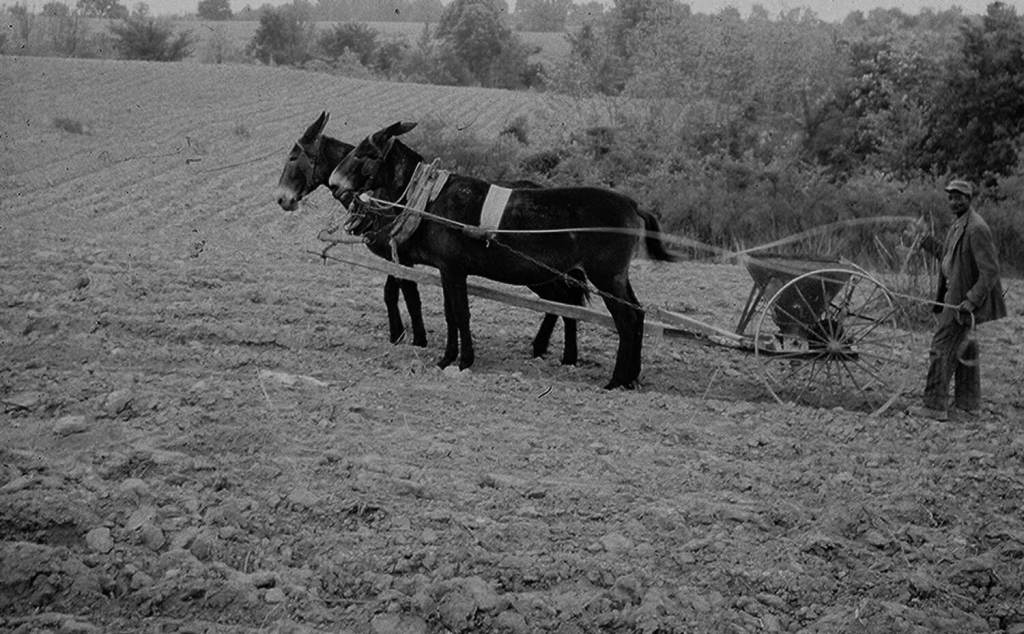
    Agriculture has remained a vital part of Appalachian life despite the challenging terrain. For centuries, immigrant farmers have adapted to the region’s hills and valleys, growing crops and raising livestock suited to the environment. Immigrant labor has also been essential in seasonal and labor-intensive agricultural tasks, particularly in fruits and vegetables.

    During the 20th century, mechanization reduced the need for some manual labor, but many farms in Appalachia continued to rely heavily on immigrants, including Hispanic workers in recent decades. Their work has been crucial in maintaining the viability of farms, local food systems, and rural economies.

    Each immigrant group introduced unique agricultural practices that shaped Appalachian farming culture. The Scots-Irish brought the slash-and-burn technique learned from Native Americans to clear land and create summer pastures known as balds. Germans systematically cleared land, built stone walls, and introduced advanced log-building techniques. Africans contributed crops such as melons, okra, peanuts, millet, yams, and medicinal plants that became staples. These blended traditions created a distinctive Appalachian agricultural heritage that remains evident today.

    Early Appalachian farmers grew crops introduced by European settlers alongside native crops such as corn and squash. Livestock, including cattle, hogs, and sheep, played important roles. Seasonal grazing and free-ranging livestock helped sustain farms and local economies.

    Contemporary Labor Shortages and Impact on Farm Fields

    Currently, Appalachia faces significant labor shortages on its farms. Many longtime immigrant workers have moved away due to evolving immigration enforcement, economic uncertainties, or changes in job availability. Meanwhile, local youth often leave rural areas seeking education and employment in cities, reducing the available agricultural workforce. Fewer new immigrant workers arrive to fill this gap, making it difficult for farmers to maintain planting, cultivation, and harvesting.

    As a result, an increasing number of farm fields remain fallow. Productive cropland lies untended, compromising the livelihoods of family farmers and the sustainability of local food production. The decline also threatens to disrupt the preservation of Appalachian agricultural heritage and the traditions that have persisted through generations.

    Labor shortages reflect broader demographic challenges including population decline, aging communities, and limited economic opportunities. Without a sufficient workforce, food supply chains weaken, economic activity diminishes, and cultural identities rooted in land stewardship face erosion.

    The Future of Appalachia: Immigration Policy and Rural Revitalization

    Appalachia’s agricultural and rural future depends strongly on immigration policy and regional efforts to attract and retain workers. Comprehensive reforms that provide stable work opportunities and paths to legal residency for immigrant farmworkers could help address labor shortages.

    Communities that welcome and integrate immigrant populations foster diverse, sustainable economies and vibrant civic life. Supporting immigrant entrepreneurs, improving education access, and encouraging cultural exchange strengthen Appalachian towns socially and economically.

    Investment in infrastructure, technology, and agricultural education can empower both native-born and immigrant farmers, preserving the region’s agricultural legacy while adapting to modern demands.

    Conclusion

    Immigrants have shaped Appalachia throughout its history, from Scots-Irish pioneers carving farmland to contemporary immigrant labor sustaining agriculture. Their contributions remain central to the region’s identity and vitality.

    Current farm labor shortages, partly caused by changing immigration and migration patterns, challenge the future of Appalachian agriculture. Addressing these issues through inclusive policies and community initiatives is essential to preserve farmland, economic health, and Appalachia’s cultural mosaic.

    Acknowledging and supporting the ongoing role of immigrants in Appalachia goes beyond recognizing history; it ensures a sustainable and vibrant future for this unique region and its resilient people.

    -Tim Carmichael

  • How Gerrymandering Hurts the People of Appalachia

    For generations, the Appalachian region has been portrayed as a place apart from the rest of the United States, an often-forgotten landscape of mountains, coal mines, tight-knit communities, and stubborn resilience. Yet one of the lesser explored ways Appalachia suffers is not only through economic hardship or geographic isolation, but through deliberate political manipulation that weakens the very foundation of democracy in these hills. Gerrymandering, the practice of redrawing district boundaries to benefit one political party, has long eroded the power of ordinary people across America. But in Appalachia, where Republicans have built an especially strong hold for decades, its influence has been especially damaging, stripping residents of their collective voice, distorting representation, and limiting investment in infrastructure, healthcare, and other necessities.

    The point of gerrymandering is not subtle. It is designed to silence oppositional voices, eliminate serious electoral competition, and make many voters feel that participating in elections is a wasted effort. In Appalachia, this manipulation deepens an already entrenched sense of political disempowerment. For many, it feels like elected officials are unresponsive to the needs of rural families working hard just to get by. District maps are not neutral lines on a page; they are political weapons, and in Appalachia, those weapons have been aimed at the very communities that need representation the most.

    At the heart of this problem is the erosion of political representation caused by gerrymandering. Appalachia, like much of the country, suffers from two classic manipulative tactics: packing and cracking. In packed districts, Democratic-leaning or independent Appalachian voters are corralled into a small number of districts where they can achieve lopsided victories, but their overall influence diminishes across the political map. Cracking takes the opposite approach, scattering these voters across multiple Republican-leaning districts, ensuring that their voices are drowned out by the louder tide of partisan gerrymandering. Both strategies give Republicans an enormous advantage, one that is not necessarily earned by the strength of persuasion or policy ideas, but by political cartography that rewards technical manipulation over genuine public consent.

    When districts are drawn to be “safe seats,” incumbents face little electoral threat. The general election effectively ceases to matter, because the dominant party, usually Republican in Appalachia, has already assured itself of victory through district design. What results is a breakdown in accountability. Instead of worrying about losing to a challenger who might better represent people’s needs, incumbents can afford to ignore broad swaths of their district. Their only real competition comes in primary elections, where candidates often need to appeal to the most ideologically extreme slices of their party’s base. This system naturally pushes officeholders away from moderation, making bipartisan compromise rarer, and leaving everyday people stuck in partisan gridlock with little hope their concerns will make it to the legislative floor.

    That lack of accountability has had devastating consequences for Appalachia’s infrastructure. Across the region, roads crumble, bridges remain unrepaired, and internet connectivity lags behind the rest of the country. Yet many leaders whose power is secured by gerrymandered maps feel little need to address these issues because their jobs are safe regardless of whether they deliver improvements. Because Appalachian communities are politically divided without being electorally competitive, they often lose out in the allocation of resources. Legislators holding districts carved to guarantee victory do not have to court these communities with promises of new projects; they do not have to campaign for their votes. The result is systemic neglect.

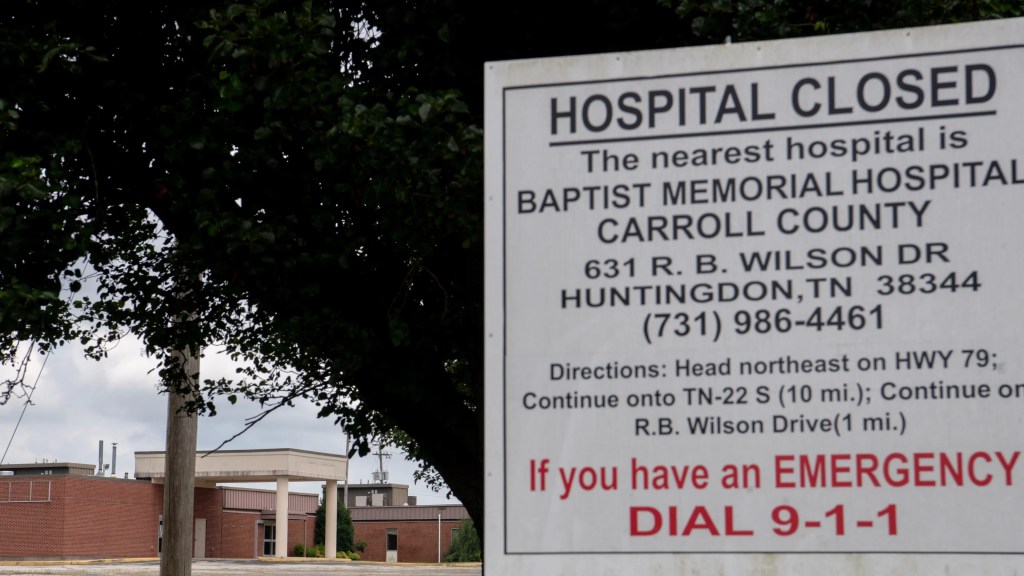
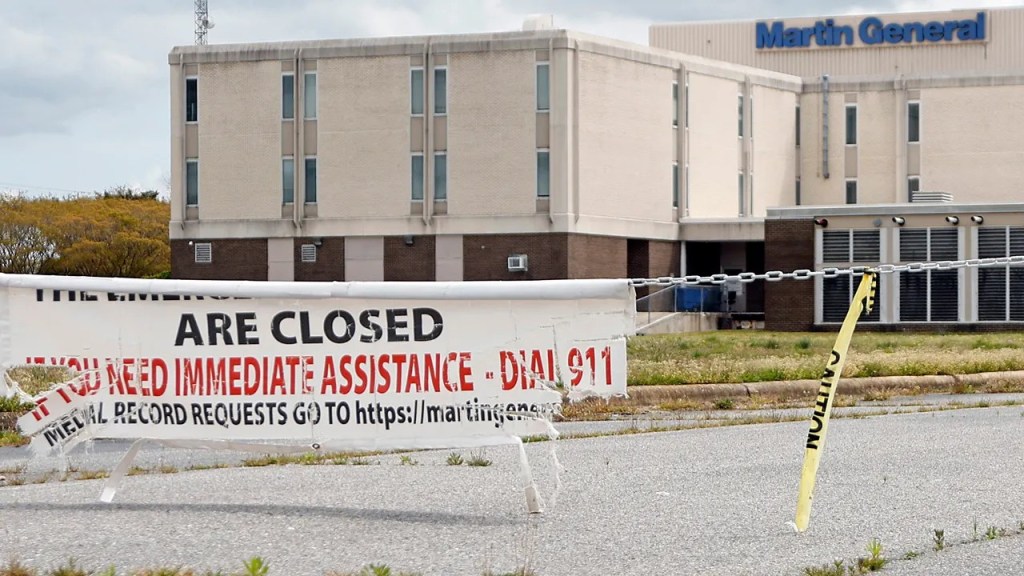
    The same dynamic is visible in health care. Appalachia faces some of the nation’s most severe health crises: high rates of addiction, cancer, heart disease, and diabetes, combined with hospital closures and shortages of doctors. The Affordable Care Act and Medicaid expansion offered potential lifelines for underserved rural communities, but many states covering Appalachia, under Republican-controlled, gerrymandered legislatures, rejected the expansion or limited its reach. Thousands were left uninsured, many without access to even basic care. Here, gerrymandering shows its cruelest effect: by protecting noncompetitive incumbents, it ensures that public health needs remain secondary to partisan identity. Maps, drawn to secure power, end up costing lives.

    But the damage caused by gerrymandering is not only institutional or material. It is psychological. When voters realize that lines have been drawn to blunt their influence, cynicism creeps in. They come to believe that no matter how long they stand in line at the polling place, their voice will carry no weight. Over time, this disillusionment erodes turnout. People resign themselves to the idea that the political class will never represent them, that the game is rigged, and that the safest choice is apathy. This is precisely what those drawing the lines count on. A map designed to suppress competition thrives best when voters stop showing up. It is a form of quiet disenfranchisement that relies not on legal barriers, but on hopelessness.

    In places like Appalachia in Kentucky, West Virginia, Western North Carolina or eastern Tennessee, where whole communities have felt ignored by political elites and battered by economic decline, this hopelessness is palpable. People want to believe their vote matters, but they see districts so distorted that elections feel predetermined. They witness one party repeatedly winning despite their own sense that alternative voices are needed. The very geography of democracy is being used against them.

    Republicans, who have maintained a cultural and political dominance in Appalachia for decades, have leaned heavily on gerrymandering to secure that dominance. By designing districts to guarantee their advantage, they reinforce a rigid partisan landscape and discourage dissent. Yet control by one party should not mean neglect or abandonment of the people. Still, gerrymandering makes it easy to dismiss the cries of those who fall outside the ruling party base. It has created a persistent imbalance where one political machine can stay entrenched, while whole communities are left wondering whether democracy lives only in name.

    And yet, for all the despair gerrymandering creates, one truth remains. It only works if people stop fighting back. Maps are carefully calibrated to depress turnout and reinforce cynicism, but they cannot make a vote disappear. Even in the most gerrymandered states, elections are still decided by ballots cast or not cast. Staying home is exactly what those in power want. They hope residents of Appalachia will conclude that voting is useless, that the system is too broken, that nothing can change. This resignation cements their power more securely than any district boundary ever could.

    The antidote to gerrymandering, then, is persistence. Appalachian communities cannot afford to abandon the political process, even when it feels stacked against them. Every election, every ballot, every effort at civic engagement pushes back against the machinery of disenfranchisement. Change is rarely immediate, and it rarely feels sweeping at first. But across history, power has only shifted when people, poor, working-class, and marginalized, refused to give up on their own agency. Appalachia, with its long legacy of labor strikes, grassroots organizing, and communal solidarity, is steeped in that tradition. The coal miners who fought for fair pay and safer working conditions did not win because conditions were easy. They won because they kept fighting despite overwhelming odds. The same resilience must be applied to voting today.

    That does not mean the problem of gerrymandering will disappear in a single election cycle, or even a decade. It is deeply entrenched, and it requires not only voter participation but policy reform, court challenges, and greater public awareness. But none of those things can happen if hopelessness takes root. None of them can take place if Appalachian voters stay home.

    So while gerrymandering hurts Appalachia by diluting voices, suppressing turnout, and diverting resources, the ultimate test is whether people will resist its intended effect: silence. The people of Appalachia are not powerless. Every step into the voting booth is an act of defiance against those who wish the region to be marginalized, ignored, or treated as expendable. By showing up, even when the map seems rigged and even when the odds look steep, Appalachians defy the narrative that their democracy has been stolen forever.

    Gerrymandering is a reminder of how fragile the promise of democracy is, especially for communities far from the corridors of power. But it should also be a call to action. Unity, participation, and resilience are the only tools that have ever changed systems designed to exclude ordinary people. Appalachian voters deserve representation, investment, and leaders who truly listen. That future will not come from despair. It will come from the stubborn insistence to keep voting, to keep showing up, and to keep demanding what the people of Appalachia have always deserved: a real voice in their own government.

    -Tim Carmichael
  • Appalachia in the Dark: How Data Centers and Rising Energy Costs Threaten Virginia’s and other Appalachian states Most Vulnerable

    In 2024, according to research from the Energy Justice Lab at Indiana University, Dominion Energy disconnected electricity service from a staggering 339,000 households across Virginia for nonpayment. Appalachian Power, covering much of Southwest Virginia, severed power to another 43,000 customers. These are not just numbers; they represent families across urban centers and in the Appalachian foothills whose daily lives were abruptly disrupted.

    The scale is startling. Virginia recorded the highest disconnection rate among the 23 states where data was available. The figures almost certainly conceal repeated disconnections for the same households, families who managed to scrape together enough money to restore service only to fall behind again as utility bills kept piling up. As bad as that picture looks, experts suggest the reality on the ground is worse and that worse still is coming.

    Every lost connection uproots a household. When the lights go out, a home becomes more than just dark, it becomes precarious. Families are left without cooling in sweltering summers, without heating in brutal Appalachian winters, and without refrigeration for food or life-saving medications. Disconnections don’t just strip a modern household of convenience; they dismantle its stability.

    The stakes go beyond discomfort. Children may struggle to do schoolwork without internet and light. Parents may have difficulty cooking or even safely storing groceries. Medical devices that depend on a steady supply of electricity suddenly become useless, placing already vulnerable people in jeopardy. There is also the stigma factor. Losing power carries shame, especially in smaller Appalachian communities where everyone tends to know each other’s business. That stigma, however, obscures the systemic reality: these are not isolated failures of personal responsibility but symptoms of widespread energy insecurity.

    At its core, energy insecurity is about making difficult, often agonizing choices. Families with limited resources constantly juggle necessities. Should they pay for electricity or for gas to get to work? A power bill or a refill on a lifesaving prescription? Groceries for the week or the balance demanded by the utility? Studies reveal what anyone who has experienced poverty knows in their bones: these are not “optional” expenses. You cannot simply decide to live without food, medicine, transportation, or power. Yet many Appalachian households, already on the economic margins, face precisely these impossible trade-offs.

    These decisions also come with harsh consequences. Late fees and reconnection charges, which are a source of steady income for utility companies, pile additional weight on struggling families, creating cycles of disconnection that are increasingly difficult to break.

    Energy insecurity is not confined to households living paycheck to paycheck, it is expanding. Dominion Energy has already filed for a 15 percent increase in base electricity rates, citing inflation, fuel costs, and skyrocketing demand. That demand is being driven not by families or small businesses, but by the explosive growth of Virginia’s data center industry.

    Virginia is now the global capital of data processing. Vast server farms owned by Amazon, Microsoft, Google, and Meta demand astronomical amounts of electricity. A large data center campus can consume as much power as tens of thousands of homes combined.

    A 2024 study commissioned by Virginia’s General Assembly found that the state’s electricity consumption is likely to double within fifteen years, with the majority of this growth tied directly to data centers.

    The infrastructure is not yet in place to generate or distribute this unprecedented power demand. And data center corporations, giants with nearly limitless lobbying resources, are maneuvering to ensure they do not foot the entire bill for building and upgrading the system. Instead, the cost will be shared across all customers, which means ordinary households across Virginia, from Richmond to rural Appalachia, will feel the pinch.

    It is true that everyone’s electricity bill is going up. But those increases will not land equally. For a middle-income family earning Virginia’s median household income of about 90,000 dollars, energy costs represent roughly 2 percent of the household budget. For families at or below the poverty line, however, energy already eats up 22 percent of their income.

    Almost a quarter of every poor family’s incoming dollars disappear just to keep the lights on. In Appalachian Virginia, where poverty rates are significantly higher than in the state’s urban centers, the impact is severe. Families struggling to remain in their homes will face ever fiercer pressure as utility costs spike.

    As disconnections increase, economic inequality will grow worse, and the most vulnerable populations will face cascading harms: missed work from a lack of transportation, illness from lack of heat or cooling, interruptions of children’s education, and even eviction for households destabilized by repeated blackouts.

    There is a bitter irony at work: the communities paying the steepest price for data centers are not the ones reaping the benefits. Corporations and municipal governments highlight the short-term tax base expansion and job creation that data centers can bring. But the number of permanent jobs they create is tiny compared to their resource footprint. And for Appalachian Virginia, an area not typically targeted for this wave of data infrastructure, residents mainly inherit the downstream costs.

    Big Tech has made Virginia a hub because of its existing power grid connections and tax incentives. The costs of expansion, though, are being socialized on the backs of ratepayers. In effect, low-income Appalachian households are subsidizing Amazon’s cloud or Microsoft’s AI services through higher monthly utility bills and the devastating risk of disconnection when they cannot pay.

    The looming crisis calls for both immediate relief and structural reforms. Virginia could adopt laws requiring utilities to offer more lenient repayment plans, cap late fees, or limit disconnections to protect vulnerable households. Programs like LIHEAP, the Low-Income Home Energy Assistance Program, help, but they are underfunded and often run out of money long before need is met. Expanding state-level assistance could prevent tens of thousands of unnecessary disconnections each year. Regulators could require data center companies to pay a larger share of the infrastructure upgrades their demand makes necessary, rather than spreading the bill equally among households. Appalachian homes, often older and less insulated, could benefit enormously from state- or utility-funded weatherization and efficiency programs that reduce long-term energy burdens. Transparency also matters, since data on utility disconnections are still absent in more than half the states. Expanding reporting requirements could create pressure for utilities and legislators alike to confront the scale of the problem.

    Virginia’s ranking as the worst in the nation for utility disconnections should startle policymakers and residents alike. But for Appalachian households, the situation is not abstract, it is daily life. Families are already balancing precariously between feeding their children, paying rent, and keeping the lights on.

    Now, with data centers driving electricity demand and utilities pursuing aggressive rate hikes, that balance is unraveling even more quickly. Unless Virginia reconsiders who pays for its digital future, Appalachia may be left quite literally in the dark, sacrificed to power the servers that fuel the fortunes of some of the world’s largest corporations.

    The story of Appalachian Virginia’s rising energy insecurity is not simply about utility companies or high-tech industries. It is about fairness, survival, and the fundamental question of whether electricity, a necessity of modern life, will remain accessible to all, or become a privilege only the financially secure can count on.

    -Tim Carmichael
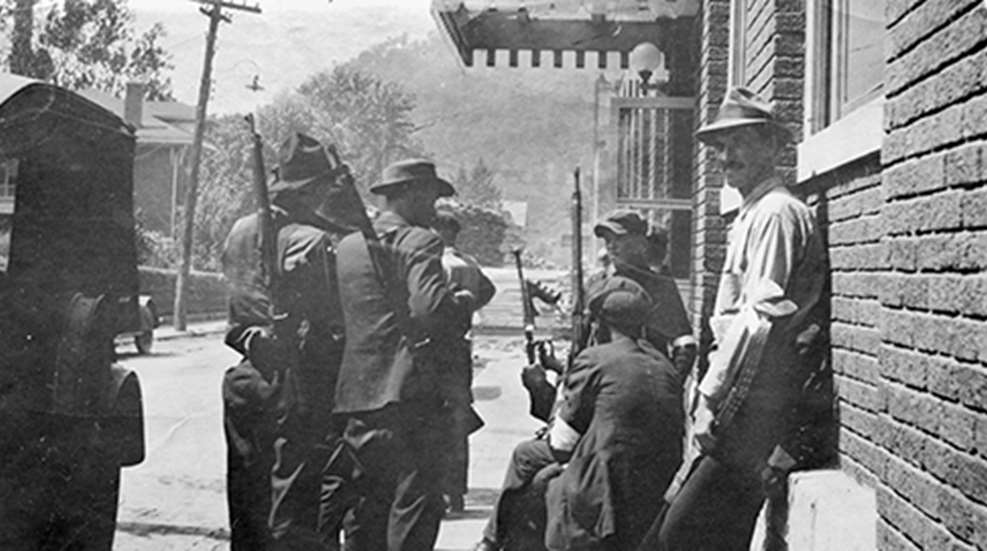
  • Appalachian Public Schools Left Behind as Vouchers Shift Money to Private Education

    The new school year has begun across Tennessee and much of Appalachia, and with it, a strikingly uneven playing field has taken hold inside classrooms. The universal voucher programs that lawmakers pushed through are now active, delivering thousands of dollars per student to families who choose private schools. But many of the children who remain in public schools in Appalachia are beginning the year with fewer resources. At its core, the policy functions as a transfer of public wealth. Poor families in rural counties are seeing their already underfunded schools stretched thinner, while families in wealthier areas receive taxpayer backed tuition support for private options.

    In Tennessee, each private school voucher is worth $7,075. That number is not just a figure on paper; it is larger than the per student funding in nearly four out of every ten school districts in the state. The disparity is most glaring in Appalachian counties, where struggling school systems continue to rely on small tax bases and lagging economies. For these schools, the voucher represents not a level field, but a tilted one in which private students receive more support per child than those attending public schools.

    For families in wealthier suburbs or households that already planned to use private schools, the infusion of state dollars effectively amounts to a subsidy for choices that were already within reach. Meanwhile, for many families in Appalachia, private schools are not even a realistic option. Sparse geography, a lack of nearby private institutions, and transportation barriers mean that the majority of rural families cannot practically use vouchers. They remain in their local public schools, watching as tax dollars are shifted away from their classrooms and into private institutions, they may never step foot in.

    This system is tantamount to the poor paying for the rich to go to school. Rural taxpayers, many of whom live in counties classified as economically distressed, are footing part of the bill that allows families in higher income regions to offset private school costs. Since the total pool of public education funding is finite, public schools now face greater strain. Teachers are forced to stretch smaller budgets, take on larger class sizes, and make do with outdated learning materials, while private schools, some already well resourced, absorb the new stream of public funding.

    The promise of vouchers was framed around parental choice. Supporters claimed families would be empowered to seek better educational fits for their children. Yet the geographic reality of Appalachia undermines that premise. In wide swaths of rural Tennessee and Ohio, there simply are no alternative schools within a reasonable distance. Choice, for these families, is more rhetorical than real. For them, the voucher system is not about opportunity, it is about watching neighboring districts or wealthy metro counties enrich their private systems with public money.

    This year, as classrooms reopen, Appalachian teachers and parents are seeing the impact firsthand. Districts operating under already tight budgets find themselves facing tough decisions such as delaying a building repair, cutting back on arts programs, or avoiding the replacement of a retiring teacher. Every cut chips away at the sense of equal opportunity. And every time a voucher check is issued to a private family, it reinforces the message that the state is more willing to pay a premium for private education than to invest in the only schools that exist for thousands of rural children.

    The inequity also raises broader questions about fairness and social responsibility. Should rural counties with high poverty rates and fragile infrastructure be subsidizing private options for affluent suburban families? In practice, that is what this policy demands. Poor and working-class taxpayers, many without healthcare or stable employment, are indirectly financing the tuition payments of families who may already enjoy better job access, higher wages, and stronger local school systems.

    Critics argue that rather than providing an equal starting point, vouchers entrench inequality. They effectively send more money to children who are already advantaged, while sending less to those who need additional support. This is particularly dangerous in Appalachia, where public schools serve as the backbone of communities. For many students, the school is not just an education provider but the source of daily meals, counseling, and community stability. Stripping these schools of dollars does not only weaken academics, it undermines the broader support system that sustains rural children.

    The long term implications are sobering. As Appalachian public schools contend with declining resources, they may struggle to attract teachers, keep up with curriculum needs, or provide pathways into higher education and skilled jobs. Parents who want to see their children succeed will be left to navigate schools that receive less investment per student than the state is willing to spend on someone else’s private option. Over time, disparities widen, leaving rural students further behind and rural communities less able to renew themselves.

    At its heart, the issue is not simply about vouchers or parental choice, but about public values. What does it say about Tennessee and Ohio that a child in a public classroom in an Appalachian holler is worth less to the state than one enrolled in a private academy in the suburbs? What message are these policies sending about who is deserving of public investment? For struggling communities that depend on strong public schools to nurture future generations, the answer feels clear this fall. They have been pushed to the margins.

    This new school year should have represented a moment of renewal after the disruptions of the pandemic era. Instead, for many Appalachian schools, it has become a season of anxiety. Budgets are tight, morale is strained, and the promise of equal opportunity feels increasingly hollow. Unless lawmakers respond to these disparities, students in rural public schools will continue to walk into classrooms that have less of almost everything, while private schools benefit from a flow of public money never before seen.

    Appalachia has long faced steep challenges when it comes to education. But these voucher programs risk turning a difficult climb into an uphill battle that cannot be won. The poor paying for the rich to go to school is not just a political talking point, it is the daily reality this year in rural America’s classrooms.

    -Tim Carmichael

  • Bill Williams and Appalachia: A Voice for the Forgotten, Has Passed Away.

    On March 22, 1934, Bill Williams was born into a world that he would one day influence in profound and lasting ways. Over the course of his long life, and especially through his work as a journalist and television anchor at WBIR in Knoxville, Tennessee, he became a champion for the people of Appalachia. When he passed away on August 18, 2025, he left behind not only a legacy of excellence in broadcasting but also a humanitarian legacy that transformed countless lives in the mountains, hollers, and small towns of southeastern Kentucky and East Tennessee.

    Bill Williams is remembered most for using his platform to shine a light on the deep, generational poverty that had long been hidden in Appalachia. He gave a voice to the voiceless and awakened a sense of compassion in his community that ultimately birthed Mission of Hope, an organization that continues to serve families in need with food, clothing, education, and encouragement. His life’s work stands as a testament to what can happen when one man uses his influence to draw attention to injustice and to inspire others to act.

    Bill Williams’ career in journalism spanned decades, much of it spent as a trusted anchor at WBIR-TV in Knoxville. Viewers across East Tennessee welcomed him into their living rooms each evening. His calm demeanor, professional delivery, and sense of trustworthiness made him a fixture of local television. But what set Williams apart was not simply his skill as a broadcaster, it was his heart.

    In the 1990s, Williams began covering stories that most other reporters overlooked. Rather than focusing only on politics, crime, or the usual headlines, he sought to show the lived realities of people in the Appalachian region, where economic decline and lack of opportunity had left whole communities in despair. He did not just skim the surface, he went into the hills, visited schools, and sat with families. What he saw there changed him, and through his reporting, it changed his audience as well.

    The turning point came with a special WBIR broadcast called Hunger for Hope. During this program, Williams revealed to viewers the stark realities of life for children and families in southeastern Kentucky. The images were heartbreaking, children with empty cupboards at home, parents struggling to provide basic necessities, and entire communities seemingly forgotten by the modern world.

    In the broadcast, Williams famously described these families as being “caught in the pockets of poverty.” This phrase captured the essence of Appalachia’s struggle, isolated pockets of need where opportunities had dried up and generations were trapped in cycles of hunger and hopelessness.

    The broadcast was more than just a news report. It was a call to action. For many viewers, it was the first time they had truly seen the extent of poverty so close to home. While Appalachia was often stereotyped or ignored, Williams’ reporting gave the issue dignity and urgency. His storytelling made it impossible to look away.

    Out of that broadcast grew one of the most impactful charitable organizations in the region, Mission of Hope. What began as a response to the urgent need shown on WBIR soon developed into a long-term mission of service and compassion.

    Mission of Hope started with a simple idea, providing food, clothing, and hope to families in Appalachia. But it quickly grew into something larger. Churches, schools, businesses, and countless volunteers across East Tennessee rallied together. Inspired by Williams’ reporting, they loaded trucks with donations, organized fundraisers, and crossed mountain roads to deliver assistance to Kentucky’s neediest communities.

    Today, Mission of Hope continues to provide vital resources. Beyond emergency food and clothing drives, it supports education through scholarships, Christmas gift deliveries, back-to-school programs, and medical assistance. Every act of service can be traced back to the spark that Bill Williams ignited when he first dared to show the truth of Appalachian poverty on live television.

    What Williams did was not merely raise awareness, he restored dignity to communities that had been overlooked. Too often, poverty in Appalachia was either mocked in stereotypes or ignored altogether. By broadcasting the reality of families’ struggles, Williams helped his viewers see these neighbors as human beings, deserving of care and opportunity.

    His words carried moral weight because they were not sensationalized. He spoke plainly, with compassion and respect. When he said, “they are caught in the pockets of poverty,” he was not condemning but empathizing. He wanted people to understand that poverty was not a personal failure, it was a systemic problem that required collective action.

    Bill Williams’ influence extended far beyond that one broadcast. For years, he continued to support Mission of Hope, lending his name, time, and voice to its projects. Even after retiring from television, he remained deeply connected to efforts that lifted up families in need.

    When he passed away in 2025, tributes poured in from across Tennessee and Kentucky. Many remembered him as the anchor they trusted for decades, but even more spoke of his compassion for the poor and his willingness to shine a light where others would not. Mission of Hope leaders described him as a “founding voice of hope” whose work would never be forgotten.

    His story reminds us of the power of local journalism done with integrity. In an age where national headlines dominate attention, Williams proved that local stories, told with care, can inspire real change in communities.

    Though Williams is gone, the needs he revealed remain. Poverty in Appalachia continues to challenge families with limited access to jobs, healthcare, and education. Mission of Hope and similar organizations still rely on volunteers and donations to make a difference.

    Yet, the legacy of Bill Williams continues to inspire action. His example shows that one person, armed with compassion and a platform, can rally entire communities toward change. The story of Mission of Hope proves that when people come together in response to suffering, they can transform despair into dignity and hopelessness into hope.

    Bill Williams’ life is a reminder that true journalism does more than report facts, it changes hearts. Born on March 22, 1934, and passing on August 18, 2025, he left behind more than just memories of newscasts. He left behind an enduring mission of compassion in Appalachia.

    Through Hunger for Hope, he helped the people of East Tennessee see the poverty hidden in their own backyard. Through Mission of Hope, he inspired ongoing relief efforts that have touched generations. And through his own words, “caught in the pockets of poverty,” he captured the urgency of a struggle that still calls for attention today.

    Bill Williams gave Appalachia back its voice. He turned despair into action and hopelessness into hope. His legacy is not just in the history of broadcasting but in the lives of children who received food, families who found support, and communities that discovered they were not forgotten. Appalachia will forever remember him as more than a news anchor, he was a beacon of light in its darkest valleys. Every year, because of Bill Williams, we donate tons of toys to the Mission of Hope. He has inspired me and my family to reach out and do more and fight for the ones who are struggling due to poverty.

    -Tim Carmichael

  • Guardians of the Appalachian Mountains: Nature, People, and the Fight Against Political Neglect

    The Appalachian Mountains stand as one of the most striking and historically rich landscapes in North America, a region stretching across 13 states and harboring communities that have endured for centuries. These mountains, carved by ancient forces of geology, hold not only remarkable natural beauty but also a legacy of cultural resilience. Yet today, Appalachia is at a crossroads. The region is beset with ecological pressures, economic challenges, and political failures that threaten its future. If the Appalachian Mountains are to remain both biologically vibrant and socially sustainable, the intersection of nature, community, and governance must be reckoned with honestly and urgently.

    Ecologically, Appalachia is a land of extraordinary diversity. From the highland spruce forests of West Virginia to the hardwood canopies of Kentucky and Tennessee, the region provides habitats for countless plant and animal species, some found nowhere else on earth. These ecosystems, however, are under severe strain. Invasive species like the hemlock woolly adelgid have devastated hemlock trees, while feral hogs and invasive plants disrupt delicate balances in the understory. The arrival of such species is often facilitated by human activity, both directly through the transport of non native organisms and indirectly as a consequence of ecological disruption from industry and development.

    Climate change amplifies these pressures, bringing shifts in precipitation, increasing average temperatures, and altering seasonal patterns. For mountain ecosystems adapted to specific and often narrow conditions, even subtle changes can have cascading impacts. Streams once reliably cold now run warmer, endangering brook trout populations. More frequent intense storms increase erosion, wash away soils, and put stress on both forests and human settlements. The combined effects of climate stress and invasive species are eroding biodiversity that has taken millennia to develop.

    On top of these ecological challenges lies the heavy footprint of resource extraction. Logging, historically widespread, stripped hillsides and left soils vulnerable to erosion. Coal mining, particularly surface and mountaintop removal mining, has scarred landscapes, buried streams, and poisoned waterways with heavy metals and other contaminants. Even as coal production has declined, the legacy of this extraction remains in abandoned mines, polluted watersheds, and communities struggling with health consequences. More recent ventures, like natural gas extraction through hydraulic fracturing, raise new questions about sustainability and water safety.

    Yet amid these challenges, there are also glimmers of hope. Across the region, conservationists and local communities are working to heal the wounds of the past. One notable effort is the restoration of the red spruce forests in West Virginia and surrounding states. These high elevation ecosystems were once logged almost to extinction in the early 20th century, but replanting programs and habitat restoration are gradually bringing them back. These efforts not only restore a unique forest type but also provide critical habitat for species such as the northern flying squirrel and the saw whet owl. Other initiatives, from stream restoration to sustainable forestry programs, represent steps toward a healthier balance between human activity and ecological preservation.

    The human story of Appalachia, however, is as complex as its ecology. Socioeconomic disparities persist even as some progress has been made. Once synonymous with poverty, many Appalachian communities have seen improvements in income, education, and health outcomes in recent decades. Yet the gains are uneven, and the region still lags behind national averages in many indicators. In some counties, poverty rates remain stubbornly high, schools are underfunded, and infrastructure is outdated. The decline of coal has left many communities without stable economic bases, and while tourism, renewable energy, and small scale entrepreneurship offer alternatives, they have not yet fully filled the gap.

    One of the most pressing social challenges facing the region is substance use disorder. Appalachia has been at the epicenter of the opioid epidemic, with devastating impacts on families, communities, and the workforce. Addiction has strained health systems, increased child welfare cases, and contributed to cycles of poverty and instability. Addressing this crisis requires not only treatment and prevention programs but also broader structural reforms that tackle the roots of despair such as economic insecurity, lack of opportunity, and inadequate social support systems.

    Amid these ecological and social struggles, the role of political leadership, or lack thereof, looms large. For decades, many elected officials in Appalachia have promised prosperity while allowing extractive industries to dominate the landscape and economy. The result has often been short term profit for corporations and long term hardship for local residents. Environmental regulations are watered down or ignored, leaving streams polluted and forests vulnerable. Economic diversification is discussed but underfunded. Meanwhile, the opioid epidemic has been exacerbated by both corporate malfeasance from pharmaceutical companies and government inertia.

    This raises the question many in the region are now asking with increasing urgency: what is it going to take to get rid of the freeloading career politicians who allow these conditions to persist? For too long, Appalachia has been treated as a political pawn, its people courted for votes but abandoned when it comes to meaningful reform. Career politicians who serve corporate interests over community well being have overseen both ecological devastation and human suffering. To change this, the people of Appalachia will need to demand new forms of accountability, transparency, and representation.

    Real change will not come from outside saviors or empty promises but from grassroots organizing, civic engagement, and a refusal to accept the status quo. Communities across the mountains have already shown what this looks like: local groups fighting for clean water, citizens rallying to preserve public lands, recovery advocates building networks of support for those struggling with addiction. These efforts demonstrate that the resilience of Appalachia is alive and well, but they need political allies who are committed to the long term health of the region rather than their own careers.

    The path forward will require multiple dimensions of action. Environmentally, stricter protections must be enforced to prevent further ecological harm, while restoration projects should be expanded and supported with adequate funding. Economically, investment in sustainable industries such as renewable energy, ecotourism, and local agriculture can provide stable employment without sacrificing the health of the land. Socially, comprehensive responses to substance use disorder including prevention, treatment, and recovery support must be prioritized, alongside improvements in education and healthcare access. Politically, entrenched leaders who have failed the region must be replaced by representatives committed to community driven decision making and long term stewardship.

    The Appalachian Mountains are more than just a place. They are a living testament to the relationship between people and land. They remind us of the consequences of exploitation but also of the power of resilience and restoration. Whether the future of Appalachia is one of decline or renewal depends not only on the natural forces at play but on the choices humans make today. If the people of Appalachia can rise above the legacy of neglect and hold their leaders accountable, then the region has a chance not only to survive but to thrive, with mountains that are both ecologically vibrant and communities that are socially and economically strong.

    The question, then, is not whether the challenges are real, they are, but whether the will exists to confront them honestly. Getting rid of freeloading career politicians is not simply about elections, though voting matters. It is about building a culture of accountability where leaders cannot continue to profit from the suffering of the land and its people. It is about reclaiming the future of Appalachia from those who see it only as a resource to be mined or a population to be exploited. In the end, the guardians of Appalachia must be its people, standing firm in defense of their mountains, their communities, and the generations to come.

    -Tim Carmichael

  • Healthcare in Appalachia

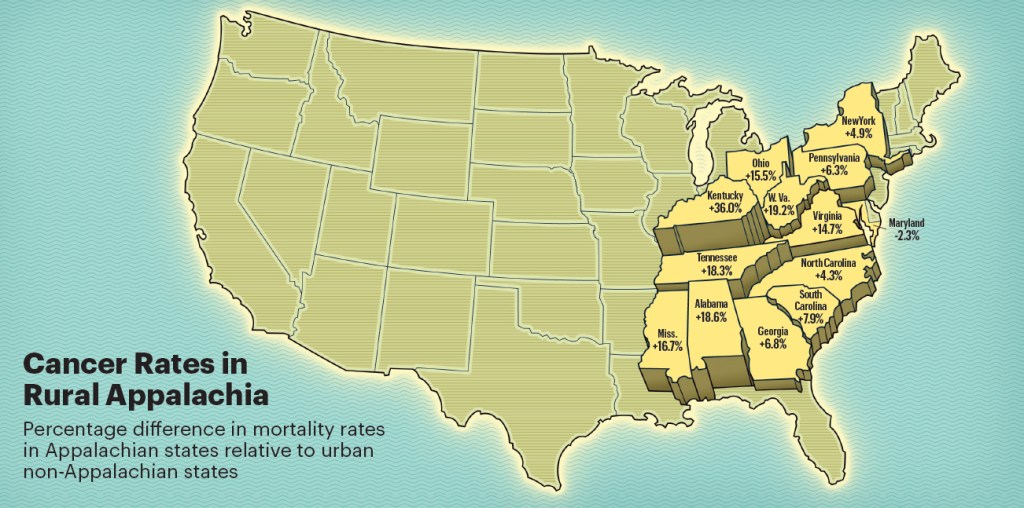
    Healthcare in the Appalachian region continues to face serious challenges that contribute to a persistent gap in health outcomes compared to the rest of the United States. Studies show that Tennessee and neighboring Appalachian states consistently rank lower across various measures of healthcare quality, access, and outcomes. Tennessee, for instance, ranked 44th in the nation for overall health in 2024, a position it has held with little change. This low ranking is often tied to factors such as high costs, limited access to providers, and poor health outcomes.

    Access to medical care remains one of the region’s most pressing issues. Rural communities, which make up much of Appalachia, often have fewer healthcare professionals and facilities. Patients in these areas face long travel times to reach primary or specialty care, a situation made worse by limited insurance coverage and a lack of specialists. In Central Appalachia, the supply of specialty physicians is as much as 65 percent lower than the national average, leaving many conditions underdiagnosed or untreated.

    Health outcomes in the region reflect these access challenges. Rates of heart disease, cancer, and stroke are significantly higher than national averages. Chronic diseases such as diabetes and obesity are more prevalent, and mental health issues and substance abuse continue to be serious concerns. Life expectancy is another area where disparities are clear. In 2017, life expectancy in Appalachia lagged 2.4 years behind the national average, a gap that has only widened over time. Infant mortality rates are also higher, especially in high poverty areas where healthcare access is further limited.

    These disparities stem from a complex mix of socioeconomic, environmental, cultural, and systemic factors. Higher rates of poverty and unemployment, along with lower levels of educational attainment, have been shown to correlate with poor health behaviors and outcomes. For example, communities with lower education levels often see higher rates of smoking and obesity. Environmental hazards, including pollution from coal mining and other industrial activities, also contribute to poor health conditions, especially respiratory issues and certain cancers.

    Cultural norms in the region can further complicate efforts to improve healthcare. A strong emphasis on self-reliance and skepticism toward outside intervention may lead some individuals to delay or avoid seeking medical care altogether. The healthcare system itself struggles with provider shortages, underfunded facilities, and cultural disconnects that can reduce the effectiveness of care.

    Despite these obstacles, many organizations are working to close the healthcare gap in Appalachia. Expanding Medicaid, offering loan forgiveness and other incentives to healthcare workers willing to practice in underserved areas, and investing in telemedicine and mobile health services are all strategies being employed to improve access. Addressing social determinants such as poverty, education, and housing stability is also essential to improving long term health outcomes.

    Preventative care and public health education are gaining attention as tools to empower individuals to take control of their health. Health literacy programs, nutrition initiatives, and substance abuse prevention efforts are helping to create more informed and resilient communities. Importantly, successful interventions often recognize and respect the cultural values of the region, tailoring solutions to meet communities where they are.

    However, the situation is likely to become even more challenging. When the “The One Big Beautiful Bill” kicks in after the Midterm elections, many healthcare programs in Appalachia could face substantial funding cuts. These cuts are expected to affect rural health clinics, public health outreach, and Medicaid expansion programs, putting even more strain on an already fragile system. Without sufficient support, the region may see further declines in access, outcomes, and overall population health.

    Healthcare in Appalachia remains an urgent issue requiring coordinated, multifaceted approaches. As efforts continue to expand access, improve quality, and address the root causes of health disparities, there is hope for a healthier future for the region. But without careful attention to upcoming policy changes and their local impact, the gap could widen even further.

    -Tim Carmichael

  • “Beans in the Jar” an Appalachian Winter Prediction

    Every August, as the early morning mist settles over the valleys and the sun begins to rise behind the ridgelines, some Appalachian families start counting fogs. Not because they are keeping track of weather for its own sake, but because each fog means something. One fog, one bean in a jar. And by the end of the month, that jar filled with a tally of misty mornings holds a kind of forecast. Not for September, but for the winter to come.

    This practice, often known simply as “beans in the jar,” is one of the oldest and most widespread traditions for predicting snowfall in the Appalachian Mountains. Each day in August that begins with morning fog earns a bean in the jar. The count at the end of the month is said to reveal how many snows will fall during the coming winter. Some people get more specific. A thick fog might mean a big snow, while a light one could suggest just a dusting. The key is consistency. Watching the same spot each day, recording it faithfully, and relying on decades, sometimes generations, of local memory to compare.

    While modern meteorology might not endorse the method, there is a certain intuitive logic to it. Fog in August reflects humidity and overnight cooling, which are subtle indicators of how moisture and air currents are behaving. Locals who have paid attention for decades insist the beans do not lie. They do not just see it as folklore, but as a proven seasonal rhythm and a living memory of the mountain climate’s patterns.

    But fog-counting is only the beginning. Across the region, Appalachian people have long relied on a whole body of natural signs and traditional wisdom to prepare for winter. These are not random superstitions. They are observations honed over time, often blending practical experience with a deep reverence for the natural world. From insects and animals to trees and clouds, many pieces of the natural puzzle are believed to offer hints.

    One of the most watched creatures is the woolly worm, also known as the woolly bear caterpillar. Its fuzzy black and brown bands are said to predict how severe the winter will be. A mostly black caterpillar warns of deep cold, while more brown suggests a milder season. Some interpretations divide the worm’s body into segments that align with months, with the coloration indicating the severity of each. Though scientists say the coloring may be more about age or species variation, mountain families still search for woolly worms every fall with the same focus meteorologists give a barometer.

    Squirrels also offer clues. An early and intense gathering of acorns and hickory nuts is often seen as a sign that a hard winter is coming. The placement of their nests, whether higher up in the trees or lower down, may also serve as a clue. High nests suggest heavy snow and deep cold, while lower nests indicate a less severe season. And if the squirrels seem especially fat, quick, and anxious, many take that as an omen that snow will come early and last long.

    The persimmon seed is another beloved Appalachian weather prophet. In early fall, locals will harvest wild persimmons and split open their seeds. Inside, they look for a tiny shape: either a spoon, a fork, or a knife. A spoon-shaped pattern means shovels will be needed for heavy snow. A knife predicts cutting, icy winds. A fork suggests a mild winter with light snow. The tradition is often carried out at fall festivals and community gatherings, and for many families, it is as much a seasonal ritual as carving pumpkins.

    Other signs are more subtle. Thick corn husks, for example, are taken as a sign that nature is preparing for bitter cold. If onions grow with more layers than usual, it might be time to stockpile firewood. Some people swear by the shape of spider webs. Extra-large webs, or those spun close to the ground, might mean snow is on the way. Hornets’ nests high up in trees are another red flag for a rough winter. And then there is the moon. A ring around the moon, especially in the fall, is said to signal precipitation within a few days. Count the stars inside the ring, and you will know how many days until the next snow or storm.

    These methods are not just quaint remnants of the past. They are still used today, sometimes with a bit of skepticism, but often with genuine trust. In rural areas where winter weather can isolate communities, these signs are part of practical preparation. Knowing when to gather in the last of the garden, insulate the windows, or stack the woodpile can be crucial. And when roads might be impassable for days, getting it wrong can mean more than just discomfort.

    But beyond utility, these traditions represent something deeper: a relationship with place. They are born of a time when people lived closer to the land, when survival depended not only on tools and labor but on careful observation. A foggy morning was not just beautiful. It meant something. The way birds flew, how thick a dog’s coat got, the number of crickets heard at dusk. These were not just curiosities. They were information.

    Today, weather apps and radar maps offer precise forecasts, but they do not replace the kind of knowledge that comes from watching your own sky. For many Appalachian people, it is not about whether the beans are always right. It is about the act of paying attention. Counting fogs, cracking open persimmon seeds, and watching woolly worms is not just about weather. It is about continuity. It is about participating in something older than oneself, rooted in family, place, and tradition.

    Even as climate patterns shift and mountain winters change, these signs remain. They evolve, adapt, and continue to shape the way many Appalachians move through the year. The fog may rise differently now than it did a century ago, but the jar on the shelf still fills, one bean at a time.

    So now that August has arrived and the hollers are beginning to fill with morning mist, it is time to get started. Keep an eye on the fog, drop a bean in the jar for each day it appears, and let the mountains speak. This simple act connects you to generations who watched the same skies and trusted the same signs. Whether or not the winter turns out harsh, you will have taken part in a tradition that grounds the future in the wisdom of the past.

    -Tim Carmichael