• Granny Witches: The Mountain Healers of Old

    Allow me to share with you a bit of history about the Granny Witches who once lived in these hills, women who practiced their craft using nothing more than the gifts of nature. The term “Granny Witch” might conjure up images of something dark or mysterious, but in truth, it was a title of respect. These women were the backbone of their mountain communities, possessing extensive knowledge of herbs, roots, and natural remedies sourced from the wild and untamed landscape around them.

    My own grandmother was one of these remarkable women. She embodied the spirit of the Granny Witch, though her “magic wand” was made from the wealth of knowledge she had gathered from the land. Let me share an example of how she applied her expertise.

    I once had a small wart on my hand—an irritation, nothing serious, but bothersome nonetheless. My grandmother took a look and assured me there was no need for a doctor or any formal treatment. She gathered an onion peel, a small stone roughly the size of the wart, and a white cloth. First, she rubbed the wart with the onion peel, explaining that this would help “draw out” the problem, as the old beliefs went. She then rubbed the wart with the stone before carefully wrapping both the onion peel and stone in the white cloth. With that, she walked to the nearest crossroads, murmuring some words I couldn’t quite hear. Remarkably, within a week, the wart was gone. I never questioned her methods—only marveled at the results.

    When it came to treating a chest cold, my grandmother had another remedy. She made a salve from groundhog grease—its pungent odor was enough to clear anyone’s sinuses. The stronger the smell, the more effective it seemed. It may not have been pleasant, but it worked wonders, leaving the patient feeling much improved afterward.

    Her skills extended far beyond warts and colds. She had a wide variety of tinctures, teas, and other remedies made from roots and herbs she would gather from the hills. Her knowledge of natural medicine was profound, a legacy passed down through generations. She kept an old, treasured book—a compendium of recipes and cures, rich with the wisdom of ages, handed down through her family.

    Unfortunately, after my grandmother passed, that book disappeared as well, as though a piece of our heritage had been lost with her. The carefully preserved remedies and recipes vanished, leaving us only with memories of her healing hands and the folk wisdom she had shared with us.

    While that physical book may be lost, her legacy remains. We remember how she nurtured and healed us using the natural resources around her, teaching us that the best remedies are often found in the earth itself. So, the next time you find yourself seeking traditional wisdom, remember that the Granny Witches understood how to heal with the gifts of nature.

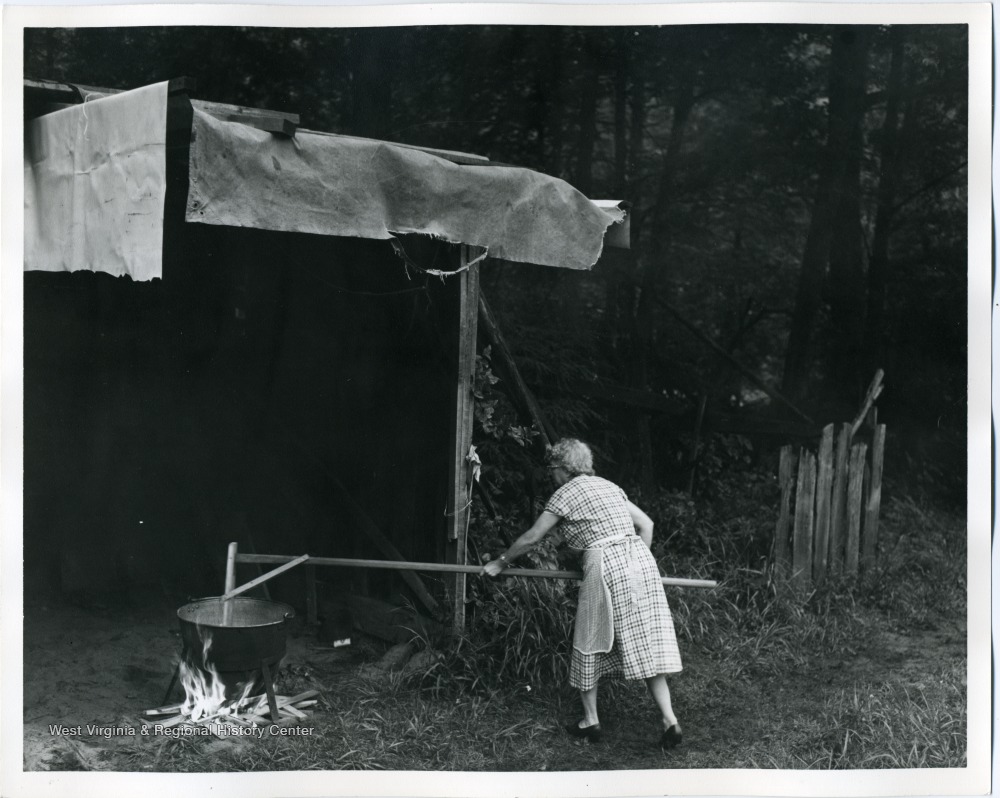
    ***The picture above is my Granny. ***

  • Autumn’s Embrace: The Tradition of Apple Butter on Granny’s Farm

    As the crisp autumn air settles over the countryside, the hustle and bustle of harvest time begins. For my family, fall was not just a season; it was a symphony of activity on Granny’s farm. Fields of vegetables needed our attention, winter provisions had to be prepared, and perhaps most importantly, it was time to make Granny’s legendary apple butter.

    In today’s world, apple butter often seems like just a spiced applesauce, with a bit of cinnamon and perhaps a hint of nutmeg. But Granny’s apple butter was a world apart—a rich, velvety delight that was as much a labor of love as it was a culinary masterpiece. Her apple butter was thick and luxurious, with a consistency that required a spoon to scoop out of the jar. Unlike many modern versions, it wasn’t overwhelmed by cinnamon. Instead, it had a delicate hint of vanilla that made each bite a moment of pure bliss.

    The star ingredient of Granny’s apple butter was the crow-egg apple, a variety known for its slightly tart flavor. These apples were perfect for creating a balanced, robust apple butter that wasn’t overly sweet. The tartness of the crow-egg apples added a depth of flavor that made Granny’s recipe stand out from the rest.

    The process of making apple butter was as traditional as the recipe itself. We would gather around a massive pot set over an open flame. The fire crackled beneath us, and we took turns stirring the mixture, often for hours on end. Each family member would assume their post by the pot, the rhythm of stirring a comforting constant amid the lively chatter and laughter.

    The hours spent stirring were more than just a necessary part of the process; they were a time of togetherness. We shared stories, offered advice, and enjoyed the camaraderie of being united in a common task. It was a ritual that reinforced our bonds and created memories that would last a lifetime.

    Despite the hard work, the reward was always worth it. The moment the apple butter was ready—thick and rich, with that unique hint of vanilla—was a triumph. It was a testament to our collective effort and Granny’s timeless recipe. Every jar of apple butter we pulled from the shelf was a reminder of the hard work, the laughter, and the love that went into making it.

    As I reflect on those autumn days on Granny’s farm, I realize that it wasn’t just about the apple butter itself. It was about the tradition, the hard work, and the connection with family that made it so special. Those autumnal rituals taught me more than just how to make apple butter—they taught me about patience, perseverance, and the joy of working together to create something truly wonderful.

    So, as the leaves turn golden and the air grows crisp this fall, I carry forward the legacy of Granny’s apple butter in my own way. Whether I’m stirring a pot of apple butter or simply reminiscing about those cherished family moments, I’m reminded that the essence of Granny’s apple butter goes far beyond the jar—it’s about the love and effort we put into our traditions and the memories we create together.

  • Life in the Holler: Growing Up in the Appalachian Mountains of Western North Carolina

    Nestled in the heart of the Appalachian Mountains of Western North Carolina, there exists a realm untouched by the hustle and bustle of modernity—a place where time seems to stand still, and life follows the gentle rhythm of nature. This is where my story begins, in a small holler that shaped who I am today. Our home was a modest two-room house, devoid of the luxuries many take for granted. There was no running water or electricity, and our daily life revolved around simplicity and self-reliance.

    The House and the Land

    Our two-room house was more than just shelter; it was a symbol of resilience and the deep connection to the land that defined our way of life. The absence of modern amenities meant we had to rely on ingenuity and the land’s bounty to meet our needs. Water was drawn from a nearby spring, and the only light came from oil lamps or the flicker of a fire in the hearth. Winters could be harsh, and summers sweltering, but the rhythm of the seasons was our guide, teaching us the value of patience and hard work.

    Sustenance and Survival

    Growing our own food was not a choice but a necessity. We planted vegetables in the spring, tended to them through the summer, and harvested them in the fall. Beans, potatoes, corn, and greens became staples of our diet, and every meal was a testament to our hard work and resourcefulness. Canning and preserving were essential skills, ensuring that we had enough to eat throughout the year. Even with these efforts, there were months when food was scarce, and we relied on government food assistance and food stamps to bridge the gap. Those food packages, while modest, provided a lifeline and were always used wisely.

    Hand-Me-Downs and Homemade Clothes

    Clothing was another challenge. Hand-me-downs, lovingly mended and passed through the family, were a staple of our wardrobe. Each piece of clothing came with a story, a memory of the person who wore it before us. Despite their worn appearance, these garments were a testament to our family’s ability to make do with what we had. Homemade clothes, crafted from fabric bought in bulk or salvaged from other sources, were a mark of our resourcefulness. Every stitch was a reflection of our family’s strength and creativity.

    Community and Connection

    Life in the holler was not without its hardships, but it was also rich in community and connection. Neighbors were not just people living nearby; they were extended family, bound together by shared experiences and mutual support. We came together to help each other with harvests, repairs, and celebrations. The sense of camaraderie and support was a cornerstone of our existence, making even the most challenging times a little easier to bear.

    Lessons from the Holler

    Growing up in such a setting taught me invaluable lessons. It taught me the importance of self-sufficiency, the value of hard work, and the beauty of simplicity. I learned to appreciate the small joys—the smell of fresh bread baking in the oven, the sight of a field full of ripe vegetables, the warmth of a community coming together. The holler was not just a place where I grew up; it was a place that shaped my character and values.

    Reflections

    Looking back, I realize how profoundly my upbringing in the Appalachian Mountains influenced who I am today. The challenges we faced were real and at times overwhelming, but they also forged a deep appreciation for the things that truly matter—family, community, and a connection to the land. The holler, with all its simplicity and struggles, was a place where I learned to find joy in the little things and to approach life with a spirit of gratitude and resilience.

    As I move forward in life, I carry with me the lessons from those days—the strength to face adversity, the resourcefulness to overcome challenges, and the deep-rooted connection to the natural world. The holler remains a cherished part of my past, a reminder of where I come from and a guide for where I am going.

  • Hello World!

    Welcome to “Echoes of Appalachia,” a space where the rich stories, traditions, and beauty of the Appalachian region come alive. Here, we’ll explore the timeless wisdom passed down through generations, celebrate the vibrant culture, and share the unique voices that echo through these majestic mountains.

    In every corner of Appalachia, from the rolling hills to the quaint, small towns, there’s a wealth of history waiting to be discovered. Whether it’s the haunting melodies of traditional music, the artistry of handmade crafts, or the deep-rooted tales of resilience, we aim to capture the essence of a region that’s often overlooked yet profoundly impactful.

    Join us on this journey as we dive into the stories of remarkable individuals, the breathtaking landscapes, and the traditions that make Appalachia a treasure trove of inspiration. Through storytelling, photography, and reflections, we’ll highlight the heart and soul of this incredible area.

    So, hello world! Let’s embark on this adventure together and keep the echoes of Appalachia alive and let’s celebrate the spirit of this beautiful region together!

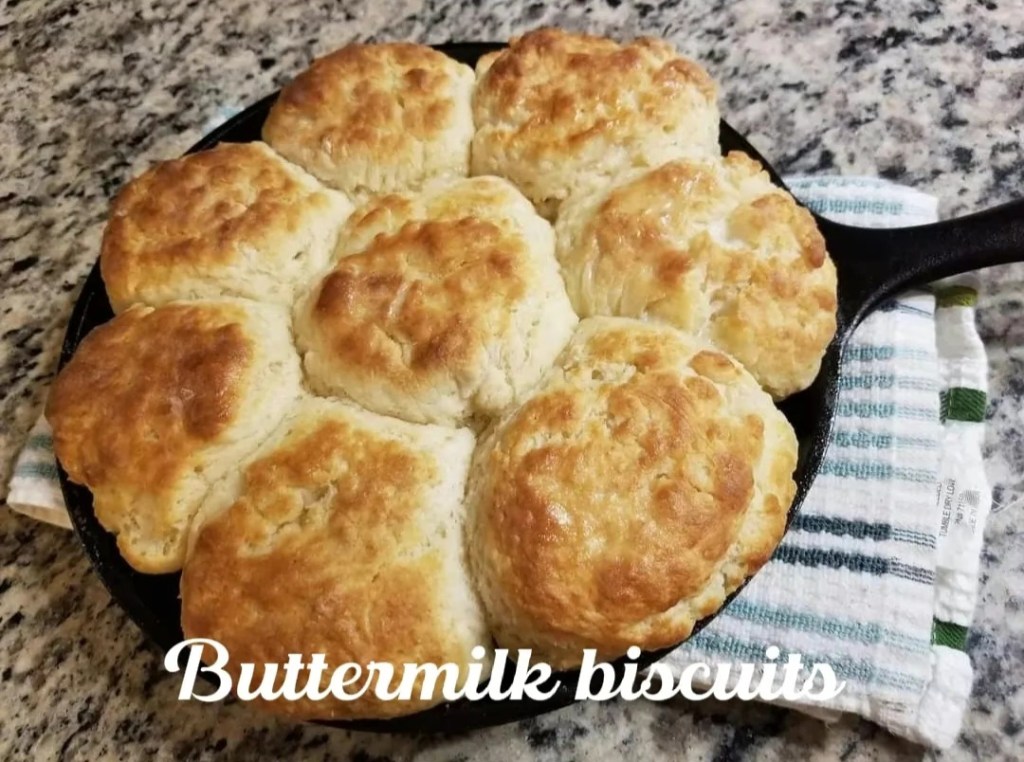
  • Buttermilk Biscuits

    A Biscuit Memory: Learning from Granny

    When I was ten years old, summers at Granny’s house were the highlight of my year. Her home, nestled high in the Appalachian Mountains, was a sanctuary of simplicity and warmth. Without electricity, Granny’s world revolved around the rhythmic crackle of the wood stove and the rustle of old, handwritten recipes. It was in this old-world charm that I learned the art of making homemade buttermilk biscuits, a skill that has stayed with me ever since.

    On one particular morning, the sun filtered through the small, wavy glass windowpanes, casting golden rays across the kitchen. The wood stove, with its blackened cast-iron surface, was already fired up, its heat radiating through the room. The scent of burning wood mingled with the aroma of sizzling bacon and fresh coffee, creating an inviting atmosphere.

    Granny was already in her element, her apron tied high and her hair pinned up neatly. She had a twinkle in her eye as she turned to me, wiping her hands on a flour-dusted towel.

    “Today’s the day you learn to make my biscuits,” she declared with a grin. “We don’t have fancy gadgets here, just good old-fashioned know-how.”

    I eagerly joined her at the wooden table, where a large, hand-hewn bowl was waiting. Granny’s kitchen was a haven of rustic charm, with shelves lined with preserves, dried herbs, and hand-carved wooden utensils. The only light came from a few oil lamps, casting a soft glow over the room.

    Granny began by sifting the flour, baking powder, baking soda, and salt into the bowl, her practiced hands moving with a grace that belied her years. The flour puffed up in a cloud as she sifted it, settling into a smooth mound.

    “Now for the butter,” Granny said, reaching for a stick of chilled butter from the icebox—a small wooden box insulated with sawdust. She cut the butter into small cubes, then handed me a pastry cutter.

    “Cut the butter into the flour until it looks like coarse crumbs,” she instructed. I took the pastry cutter and began working the butter into the flour, though it was harder than it seemed. The mixture was a bit lumpy, and some of the butter stuck to the cutter.

    Granny watched with a patient smile, her eyes crinkling at the corners. “You’re doing just fine, child. Just keep at it. It takes a bit of elbow grease.”

    When the butter and flour were mixed, Granny added a cup of buttermilk, pouring it from a stoneware jug she had set aside. The buttermilk was thick and rich, and as I stirred it into the dough, I felt the texture change beneath my hands.

    “Don’t overwork it,” Granny cautioned. “Just mix until it comes together. Biscuits need to be light and fluffy, not tough.”

    With the dough ready, Granny showed me how to turn it out onto a floured surface. She demonstrated how to pat it down to about an inch thick, folding it over on itself a couple of times to create layers. Her movements were fluid and sure, each fold a testament to years of practice.

    “Now for the fun part,” Granny said, handing me a floured biscuit cutter. “Cut out your biscuits and place them on the baking sheet. We’ll cook them on top of the stove.”

    The wood stove had a special compartment for baking, its hot, blackened surface perfect for the task. Granny placed the baking sheet inside, and we waited as the biscuits began to rise.

    As the biscuits baked, Granny and I cleaned up the kitchen. She told me stories about her own childhood, about how she learned to cook from her mother and the old mountain women who lived nearby. Each story was like a little piece of history, adding to the rich tapestry of our family’s heritage.

    When the biscuits were finally done, Granny opened the stove door with a practiced hand, revealing a batch of golden, flaky biscuits. The smell was heavenly, a comforting blend of butter and warmth.

    Granny handed me the first biscuit, breaking it open and spreading a generous layer of homemade jam across the soft, steamy center. I took a bite, the biscuit melting in my mouth, the taste a perfect blend of simplicity and love.

    “These biscuits,” Granny said, looking at me with pride, “are more than just food. They’re a piece of our history, a tradition passed down through the generations.”

    As I savored the biscuit, I realized that the lesson was about more than just cooking; it was about connecting with my roots and cherishing the time spent with Granny. Her wisdom and warmth had turned a simple recipe into a cherished memory.

    Those biscuits, made on an old wood stove with no electricity, are a symbol of Granny’s enduring spirit and the timeless beauty of Appalachian life. Every time I make them, I feel her presence, guiding me with her love and wisdom, and I am reminded of those perfect, sunlit mornings spent in her kitchen.

    Classic Buttermilk Biscuits

    Ingredients:

    • 2 cups all-purpose flour
    • 1 tablespoon baking powder
    • 1/2 teaspoon baking soda
    • 1 teaspoon salt
    • 1/4 cup granulated sugar (optional, for a slightly sweet biscuit)
    • 1/2 cup cold unsalted butter (1 stick), cubed
    • 1 cup buttermilk (cold)

    Instructions:

    1. Preheat Your Oven:
      • Preheat your oven to 450°F (230°C). Line a baking sheet with parchment paper or lightly grease it.
    2. Prepare the Dry Ingredients:
      • In a large mixing bowl, whisk together the flour, baking powder, baking soda, salt, and sugar (if using).
    3. Cut in the Butter:
      • Add the cubed butter to the dry ingredients. Using a pastry cutter, fork, or your fingertips, cut the butter into the flour mixture until it resembles coarse crumbs with pea-sized pieces of butter still visible.
    4. Add the Buttermilk:
      • Pour the cold buttermilk into the flour mixture. Gently stir with a wooden spoon or spatula until just combined. The dough will be sticky, but avoid over-mixing.
    5. Shape the Biscuits:
      • Turn the dough out onto a lightly floured surface. Pat it down into a rectangle about 1-inch thick. Fold the dough in half, then pat it down again to about 1-inch thickness. Repeat this process 2-3 times to create layers.
    6. Cut the Biscuits:
      • Using a floured biscuit cutter or a glass, cut out biscuits from the dough. Place them close together on the prepared baking sheet for soft sides or spaced apart for crispier edges.
    7. Bake:
      • Bake in the preheated oven for 10-12 minutes, or until the biscuits are golden brown on top.
    8. Serve:
      • Remove from the oven and let the biscuits cool slightly on a wire rack. Serve warm with butter, honey, or jam.

  • Welcome!

    Welcome to Echoes of Appalachia!

    Greetings, and welcome to Echoes of Appalachia! We’re thrilled to have you join us on this journey through the heart of one of America’s most unique and storied regions. Here at Echoes of Appalachia, we’re dedicated to bringing you closer to the rich tapestry of life that defines this remarkable area.

    What You Can Expect

    Our blog is a celebration of everything that makes Appalachia special. Whether you’re a lifelong resident or new to the region, there’s something here for you:

    • Recipes: Discover the flavors that have been passed down through generations. From hearty mountain meals to sweet treats that tell a story, we’ll share beloved recipes that keep Appalachian traditions alive.
    • Folktales and Folklore: Dive into the myths, legends, and stories that have shaped the cultural landscape of Appalachia. We’ll explore the enchanting tales that have been told around hearths and fires for centuries.
    • Granny Witches and Herbal Remedies: Learn about the fascinating world of Appalachian herbal medicine. We’ll delve into the practices and wisdom of Granny Witches, exploring the remedies that have been cherished for their healing properties.
    • Stories of Growing Up in Appalachia: Hear firsthand accounts from those who have grown up in the region. These personal stories will give you a window into the everyday life and the deep-rooted values of Appalachian communities.
    • Surviving and Thriving in Appalachia: Explore the challenges and triumphs of living in this rugged and beautiful region. We’ll cover the innovative ways people adapt and overcome obstacles while preserving their heritage.
    • The People of Appalachia: Meet the remarkable individuals who make Appalachia vibrant and diverse. From artisans and farmers to storytellers and community leaders, we’ll introduce you to the faces behind the stories.

    We’re excited to embark on this adventure with you, and we hope that Echoes of Appalachia becomes a place where you can connect with the past, present, and future of this extraordinary region. So grab a cup of coffee, settle in, and let’s explore the echoes of Appalachia together.

    Welcome aboard!

    Warm regards,

    Tim Carmichael
    Founder, Echoes of Appalachia