• Jewelweed: Nature’s Remedy and Childhood Delight

    If you’ve ever roamed the shady hollows and moist woods of Appalachia, you’ve likely stumbled across a plant that’s as much a part of the landscape as the moss-covered rocks and winding streams—jewelweed. This unassuming green plant, which can grow up to three feet tall, is more than just a bit of undergrowth. It’s a treasure trove of practical magic that’s been cherished by mountain folk for generations.

    Jewelweed isn’t just another pretty face in the woods; it’s a powerhouse of natural healing. The juice from this plant is like nature’s very own cortisone, ready to soothe the relentless itch of poison ivy, calm the sting of poison oak, and ease the burn from bee stings and bug bites. In our family, my granny was a big fan of jewelweed. She had a knack for using its juice to treat all sorts of minor skin annoyances that come with the territory of living close to nature.

    But jewelweed isn’t just about healing—it’s got a whimsical side too. It’s often called “Wild Touch-Me-Not” because of its playful seedpods. When these pods are ripe, they’re primed to pop at the slightest touch, sending seeds flying in every direction with a satisfying snap. For kids like me and my siblings, this was pure magic. We’d spend hours searching for jewelweed, poking those pods and watching in awe as they burst open, scattering seeds like tiny, natural fireworks.

    Every time I see jewelweed, it brings back a flood of fond memories. Those hikes with my granny, her wisdom about the plant’s healing properties, and the simple joy of playing with those explosive seedpods all come rushing back. Jewelweed represents a beautiful blend of nature’s remedies and childhood wonder—a reminder that the simplest plants can hold the most profound lessons.

    So, the next time you’re wandering through a damp, shaded forest and you come across a patch of jewelweed, take a moment to soak in its magic. Whether you’re using its juice to calm an itch or delighting in the burst of its seedpods, jewelweed captures the very essence of the Appalachian wilderness—practical, enchanting, and full of surprises.

  • Hiking the Smoky Mountains: A Journey Through Peace and Wilderness

    For me, hiking the Smoky Mountains has always been more than just a physical activity—it’s a way to reconnect with myself, find peace, and immerse in the beauty of the Appalachian wilderness. With over 520 miles hiked out of the 900 miles of trails that crisscross these mountains, I’ve come to realize that each step carries its own story, and every trail has something unique to offer.

    I’ve also had the privilege of hiking the Appalachian Trail from Springer Mountain, Georgia, all the way to Hot Springs, North Carolina, as well as the entire trail around the Grayson Highlands in Virginia. Both experiences left me with unforgettable memories—climbing the rugged peaks, crossing peaceful meadows, and meeting fellow hikers along the way. The Grayson Highlands, with its wild ponies and expansive views, holds a special place in my heart. Each hike reinforces my deep connection to these mountains and to the Appalachian way of life.

    Wildlife Encounters: Be Prepared, Stay Safe

    Of course, hiking in the Smokies isn’t without its challenges. As much peace as these mountains offer, they are also home to wildlife that you need to respect and be prepared for. Black bears and wild hogs are common in the area, and while encountering them can be a thrilling part of the adventure, it’s important to know how to stay safe.

    Wild hogs, in particular, are aggressive and unpredictable. They roam the trails, and if startled or feeling threatened, they can charge without warning. Black bears, on the other hand, are generally shy but can become a danger if you get too close or if they feel cornered.

    Personally, I always carry a whistle with me. If I come across a bear, I blow the whistle to make my presence known. The noise is usually enough to scare them off, though there have been times when I’ve experienced a “false charge,” where the bear rushes toward me but stops short. It’s a heart-pounding moment, but staying calm is key. Don’t run, don’t make sudden movements—just hold your ground, make noise, and let the bear retreat on its own terms.

    Hiking Etiquette: Respect the Land and Its Inhabitants

    There are a few unspoken rules I follow every time I hit the trail, and I believe they’re essential for anyone exploring the Smokies:

    1. Do not approach wildlife: No matter how close or how calm an animal may appear, respect its space. These are wild creatures, and they deserve to live without human interference.
    2. Never feed the animals: Feeding wildlife is harmful. It teaches animals to associate humans with food, which not only puts them in danger but also endangers future hikers. A fed bear is often a dead bear.
    3. Leave no trace: This is one of the most important principles of hiking. Pack out what you pack in—do not litter. The Smoky Mountains are a treasure, and it’s up to all of us to keep them pristine for generations to come.

    The Smokies, and the Appalachian Trail as a whole, have given me so much—a sense of peace, adventure, and a deeper understanding of nature. Every hike reminds me of the beauty and power of these mountains, and it’s my hope that others can experience this same sense of wonder while respecting the land and its wildlife.

    Hiking isn’t just about reaching the summit; it’s about the journey along the way. The trails of the Smoky Mountains and the Appalachian Trail have taught me to slow down, appreciate the small moments, and find joy in the natural world around me. Whether you’re a seasoned hiker or someone just starting out, the Smokies and the Appalachian Trail have something for everyone—if you’re willing to listen to the whispers of the wind and the echoes of Appalachia.

  • A Taste of Appalachia: Uncle Black, Aunt Ida, and Her Famous Apple Stack Cake

    When you think of Appalachia, what comes to mind? Rolling hills, rustic cabins, and a way of life that seems to breathe tradition? That’s exactly what Uncle Black and Aunt Ida represented. They were the heartbeat of our family and the true essence of this beautiful region. Every summer, visiting them felt like stepping into a world where time slowed down, and life unraveled like an old book filled with sweet memories.

    A Cozy Welcome

    Uncle Black was my Mamaw Tipton’s brother, which made our visits feel like a family reunion. It was a small cozy and inviting place, always bustling with chatter and laughter. As soon as you opened the door, the sight of apples hanging everywhere to dry greeted you. Aunt Ida had her own little apple forest in the kitchen! The ceiling would be adorned with strings of apples that she’d dried out, ready for her famous recipes.

    The Magic of Apple Stack Cake

    But nothing topped the excitement of Aunt Ida baking her legendary Apple Stack Cake. Have you ever tasted something that felt like a warm hug? That’s what her cake was like. Layers of light cake piled high with sweet, spiced apple filling—and let’s not forget the richness of the southern pecans sprinkled on top. Each bite was a delicious reminder of home, and Aunt Ida had perfected that cake to an art form.

    A Family Recipe Passed Down

    The secret to Aunt Ida’s Apple Stack Cake was a recipe that had been handed down through generations. It wasn’t just a dish; it was a treasured family heirloom. She would lovingly talk about how her mother used to make it and how each generation added their twist. The kitchen would be alive with memories as she baked, sharing stories while she mixed, stirred, and layered.

    Gathering Around the Table

    After the cake was done, we’d all gather around the big wooden table. It felt like a scene out of a movie, with family members sharing stories, laughter echoing through the house. The sound of forks clinking against plates as we savored each piece of that moist, flavorful cake created a beautiful symphony of joy. Can you picture it? The glow of the afternoon sun filtering through the window, the warmth of family, and the delightful taste of Aunt Ida’s baking.

    Lasting Impressions

    Visiting Uncle Black and Aunt Ida wasn’t just about food; it was about love, tradition, and the feeling of belonging. Those moments are engraved in my heart. What better way to remember family history than through the simple act of baking together?

    Conclusion: Always a Homecoming

    Every visit left me looking forward to the next trip, eager to once again share in the magic of that Apple Stack Cake. Though time moves on, the memories of those days swirl around me like the sweet scent of apples baking in the oven. Uncle Black and Aunt Ida’s home will always be a treasured chapter in the story of my life. Whenever I bake an apple dessert, I often think of them, smiling at the thought of carrying on such a beautiful tradition.

    If you’re looking to bring a taste of Appalachia right to your kitchen, you’ve landed in the right spot. The Appalachian Apple Stack Cake is more than dessert; it’s a tradition. Once a wedding cake, this layered delight is packed with warm, spiced flavors and a fall-inspired twist. Let’s get into the nitty-gritty and bake up some layers of happiness!

    Gather Your Ingredients

    Before you start crafting this delicious stack, you’ll need to round up a few star players:

    For the Cake Layers:

    • 2 cups all-purpose flour
    • 1 teaspoon baking soda
    • 1 teaspoon baking powder
    • 1 teaspoon ground cinnamon
    • 1/2 teaspoon salt
    • 1/2 cup butter, softened
    • 1 cup sugar
    • 2 eggs
    • 1/2 cup buttermilk
    • 1 teaspoon vanilla extract

    For the Apple Filling:

    • 4 cups peeled and sliced apples (Granny Smith or a mix works great)
    • 1 cup sugar (adjust to taste)
    • 1 teaspoon ground cinnamon
    • 1 tablespoon lemon juice
    • 2 tablespoons butter

    Mixing the Perfect Cake Batter

    First things first, let’s whip up that cake batter. In a big bowl, mix the flour, baking soda, baking powder, cinnamon, and salt. Set that aside for now. In another bowl, cream the softened butter and sugar until it’s light and fluffy. Toss in the eggs, buttermilk, and vanilla extract, mixing until smooth. Gradually add the dry mix, folding gently until everything’s combined.

    Baking the Layers

    Preheat your oven to 350°F (175°C). Grease and flour your cake pans (two 9-inch round pans work best). Divide the batter evenly between the pans and bake for 25-30 minutes, or until a toothpick comes out clean. Once done, let them cool in the pans for a few minutes before flipping them onto a wire rack.

    Crafting the Sweet Apple Filling

    While the cakes are baking, it’s time to get those apples ready. In a skillet, melt the butter over medium heat. Add the sliced apples, sugar, cinnamon, and lemon juice. Stir well and cook until the apples are tender but still hold their shape—about 5-7 minutes. Let this mixture cool down; trust me, it’ll be worth the wait!

    Stacking It All Up

    Now comes the fun part. Once your cakes have completely cooled, it’s time to stack! Place one layer on a serving plate, spread a generous amount of the apple filling on top, and add the second cake layer. Repeat this until all layers are stacked high, adding apple filling in between each layer.

    Enjoying Your Appalachian Apple Stack Cake

    Slice into this beauty and watch everyone’s faces light up. Each layer not only brings a delightful blend of spices and sweetness but also a touch of nostalgia that only an Appalachian Apple Stack Cake can provide. Whether it’s a family gathering, a holiday feast, or just a cozy weekend at home, this cake will steal the show.

    So, are you ready to stack it high and share this Appalachian tradition? There’s nothing quite like the aroma of spiced apples mingling with freshly baked cake, beckoning your loved ones to the table. Dig in and savor each bite!

  • Remembering Ray Hicks: The Grandfather of Appalachian Storytelling

    Ray Hicks, born on August 29, 1922, in Banner Elk, North Carolina, left an indelible mark on the art of storytelling that resonates far beyond the rolling hills of Appalachia. He passed away on April 20, 2003, in Boone, but his legacy as the “grandfather of storytelling” continues to inspire countless admirers and storytellers alike.

    A Voice Like No Other

    Ray’s deep Appalachian dialect and unmistakable voice were his calling cards. You could be facing away from him, perhaps engaged in conversation or lost in thought, and the moment he began to speak, you would know exactly who it was. His storytelling was not merely an art form; it was an experience, a connection that transcended time and place.

    As the featured bard at the National Storytelling Festivals in Jonesborough, Tennessee, since their inception in 1973, Ray captivated audiences with tales that were as rich and layered as the mountains he called home. I have fond memories of attending Jonesborough Days, where I was lucky enough to sit and listen to Ray weave his old stories, transporting us all to another time.

    The Tales of Jack

    Ray’s storytelling often revolved around his alter-ego, “Jack.” These narratives were deeply rooted in Appalachian folklore, echoing the traditions that had been passed down through generations. The tales of Jack, filled with humor and heart, were not just entertainment; they were lessons gleaned from Ray’s own hardscrabble life in the mountains. They resonated with messages about resilience, community, and the beauty found in simplicity.

    As a young boy, Ray would sit by the potbellied stove in his childhood home, listening to his grandfather’s tales. It was here that his love for storytelling was ignited. By the age of five, he was already sharing his own stories, capturing the imaginations of those around him.

    Life in the Mountains

    Ray and his beloved wife, Rosa Violet Harmon Hicks, lived in a two-story house that was a testament to simpler times. Lacking modern amenities, they relied on an outhouse and a wood-burning cookstove, where Rosa prepared delicious Southern Appalachian meals. She was an incredible cook, conjuring up hearty dishes that reflected the traditions of the region.

    Ray often joked about upgrading their home, fearing it would lead to higher taxes—something they simply couldn’t afford. Their life may have been modest, but it was rich with love, laughter, and storytelling.

    The Heart of Appalachia: Rosa Hicks

    Rosa was one of the sweetest people you could ever meet—soft-spoken with a rich Appalachian dialect, she embodied the warmth and charm of the region. Together, they created a life steeped in love, storytelling, and community.

    A Legend Lost but Never Forgotten

    Those who never had the chance to listen to Ray tell his stories truly missed out on a legend. He had the unique ability to make you laugh and cry simultaneously, drawing you into his world with every word. His stories were a reminder of the richness of Appalachian culture and the importance of storytelling as a means of preserving history and values.

    As we remember Ray Hicks, let’s celebrate the traditions he upheld and the countless stories he shared. In a world that often feels disconnected, Ray’s tales remind us of the power of narrative to bring people together and the importance of holding on to our roots.

    To honor his legacy, let’s keep telling our stories—just as he did, with heart, humor, and an unwavering love for the mountains that shaped him.

  • Growing Up in Appalachia: A Tapestry of Skills and Stories

    Growing up in Appalachia was more than just a childhood; it was an immersion into a world rich with tradition, creativity, and the beauty of self-sufficiency. The lessons I learned from my grandparents shaped who I am today, instilling a deep appreciation for craftsmanship and the simple joys of life.

    The Gift of Growing and Creating

    In our little corner of the world, every season brought its own rhythm. Spring was a time for planting vegetables, where my grandmother would patiently show me how to tend to the earth. I remember the feel of the soil between my fingers, the scent of fresh basil and tomatoes wafting through the air. These weren’t just vegetables; they were lessons in hard work, patience, and the satisfaction of nurturing something from seed to harvest.

    Then there were the quiet afternoons spent indoors, where the click of quilting needles would fill the air. My granny’s quilts were masterpieces—each patch telling a story of family, history, and love. I can still picture her sitting by the window, the sunlight illuminating her skilled hands as she pieced together fabric scraps into beautiful patterns.

    Papaw’s Hands and Heart

    But it was my papaw who truly showcased the magic of handmade craftsmanship. A tall man clad in overalls, he had an uncanny ability to transform simple materials into incredible creations. He made my granny a stunning dining table and six chairs, all crafted from wood and stained with walnut hulls. Not a single machine tool was used; everything was done by hand. Each piece was not just furniture but a testament to his dedication and skill.

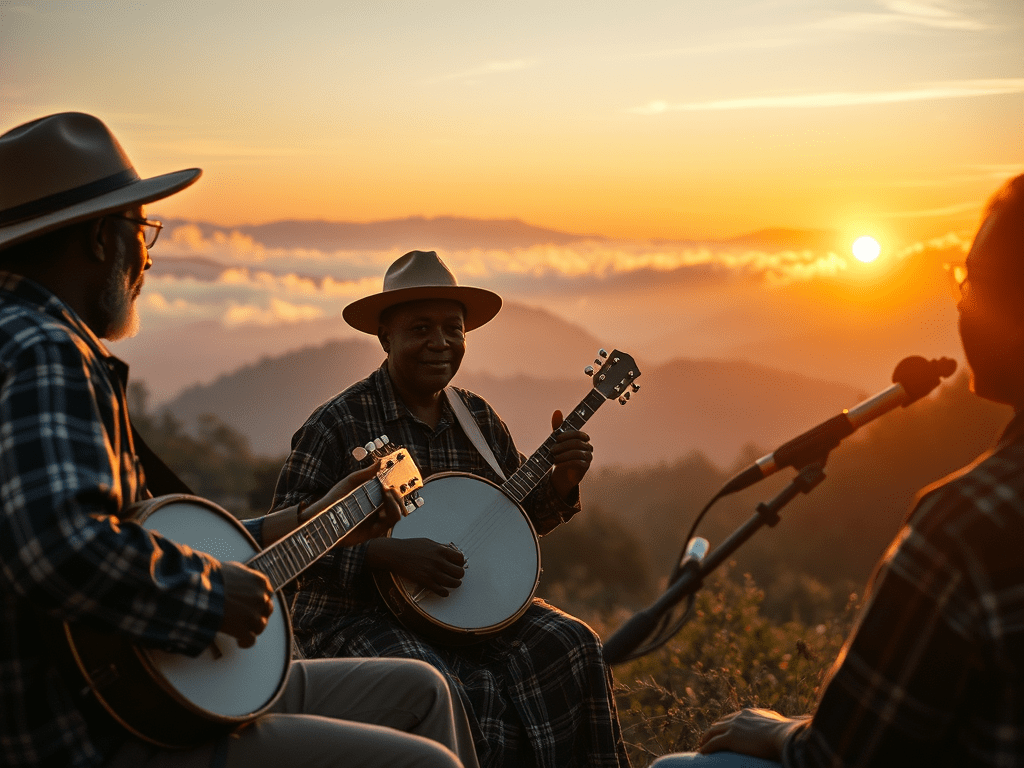
    Papaw also loved to play the banjo, and he channeled that passion into making his own instrument out of carved wood. I can still hear the sweet, resonant notes that filled our home, blending with the laughter and storytelling of family gatherings. His banjo was more than just a musical instrument; it was a labor of love, a symbol of his creativity, and a means of connecting with our Appalachian roots.

    He had a special way of making toys too. With just a stick and his trusty pocketknife, he would whittle chain links, toy trucks, and even locomotives. I remember sitting at his feet, mesmerized by the way he turned a mundane piece of wood into something magical. Those toys were not just playthings; they were a glimpse into a world where imagination and craftsmanship intertwined.

    A Lost Art

    The art of whittling, along with many other traditional crafts, seems to be fading in today’s fast-paced world. Many children now grow up without knowing the joys of creating with their hands or learning the skills that once were common knowledge in Appalachia. It’s a loss that resonates deeply, as the tangible connection to our heritage diminishes.

    Yet, I feel incredibly fortunate to have had grandparents who embodied the spirit of Appalachia. They taught me more than just skills; they imparted values of resilience, creativity, and the importance of slowing down to appreciate the world around us.

    Cherishing the Legacy

    As I reflect on my upbringing, I realize that the lessons I learned extend far beyond just growing vegetables or whittling wood. They are about finding joy in simplicity, respecting the earth, and cherishing the bonds of family.

    Today, I strive to carry forward that legacy. Whether it’s starting my own garden, picking up a craft project, or simply sharing stories of my papaw’s incredible talents—like his beautiful banjo and handmade toys—I hope to keep the spirit of Appalachia alive.

    To anyone who grew up surrounded by the arts and crafts of their ancestors, take a moment to celebrate those memories. And to those who didn’t, I encourage you to seek out the skills of generations past—because in them lies a profound connection to who we are and where we come from.

  • Growing Up in the Appalachian Mountains: A Personal Reflection on Beauty and Folklore

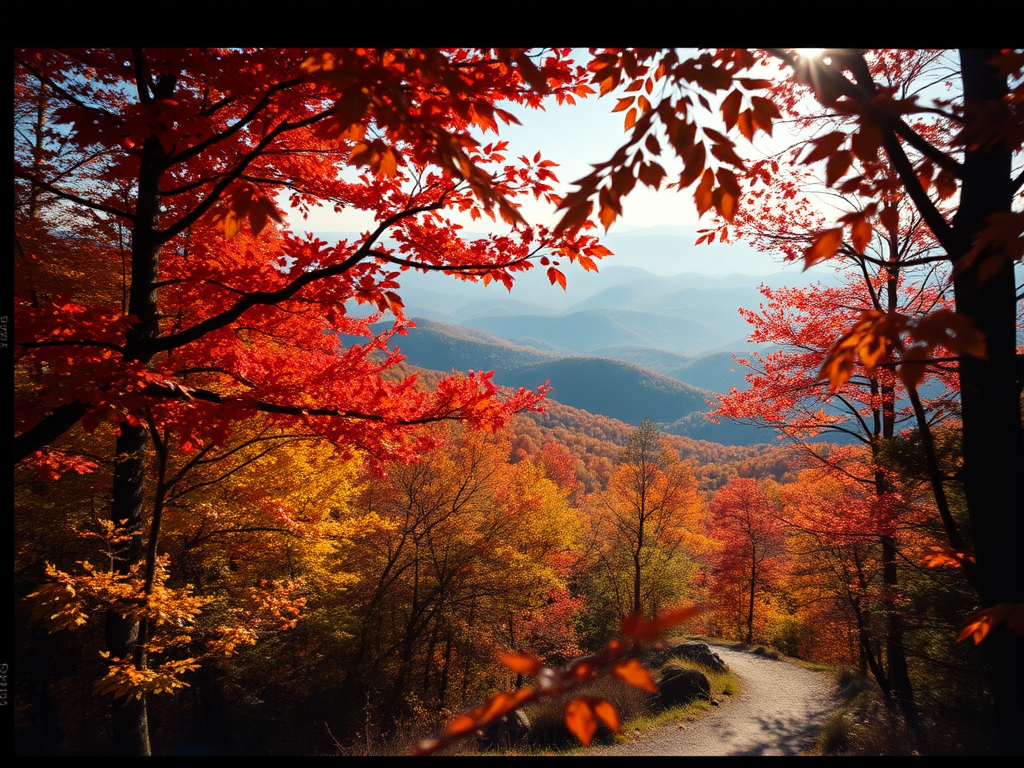
    Growing up in the Appalachian Mountains of Western North Carolina has been nothing short of a privilege. Nestled among the rolling hills and lush forests, the beauty of these mountains has been a constant companion throughout my life. The misty mornings, the vibrant fall colors, and the serene quiet of a snowfall are just a few of the things that make living here so special.

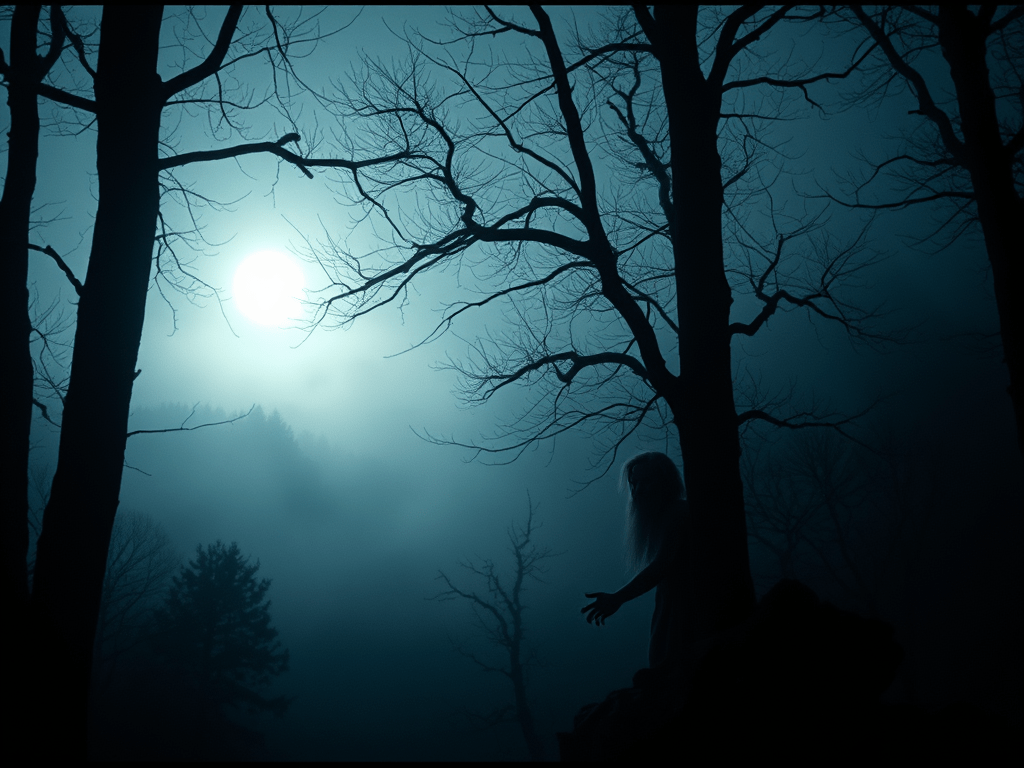
    Despite the countless stories and videos depicting the Appalachian Mountains as a place of eerie happenings and ghostly legends, my personal experience has been quite different. Many tales portray these mountains as mysterious and spooky, filled with warnings about not whistling in the woods or encountering ghosts. But, having hiked these trails for hundreds of miles, I can confidently say that my experiences have been grounded in the natural beauty of the region rather than any supernatural occurrences.

    That being said, our family’s history with the Appalachian landscape includes a curious incident that has lingered in our memories. When we moved into an old two-story house on Shelton Laurel in Madison County, NC, we found ourselves in a setting steeped in history and, as it turned out, a touch of local lore. The house, with its creaky floors and aging charm, had a hole in the wall—a grim reminder of a tragic event where a gunshot had claimed a man’s life.

    Our time in that house was marked by odd occurrences. I distinctly remember lying in bed at night, only to be disturbed by flickering lights, rattling dishes, and footsteps echoing up the stairs. My father, convinced we were up to mischief, would storm up the stairs, only to find us all sound asleep. To this day, my siblings and I recall those nights with a mixture of curiosity and unease, though we never actually saw any spirit or ghost.

    While those moments were unsettling, they are more a footnote in the story of our life in the Appalachians. The true essence of our experience lies in the everyday magic of this region. The Appalachian Mountains are not just a backdrop for ghost stories; they are a vibrant, living environment filled with flora and fauna that constantly remind us of nature’s splendor. From the wildflowers that bloom along the trails to the songs of birds that accompany morning hikes, the mountains are a testament to life’s enduring beauty.

    Moreover, the people who call these mountains home contribute immensely to the region’s charm. Appalachian culture is rich with traditions, from music and dance to storytelling and craft. The sense of community and the shared pride in our heritage create a warm, welcoming atmosphere that is often overshadowed by the darker tales. It is this sense of connection—to the land, to our neighbors, and to our history—that truly defines what it means to grow up in the Appalachian Mountains.

    In reality, the Appalachian Mountains offer an abundance of wonder and inspiration. From the tranquil beauty of the Blue Ridge Parkway to the vibrant communities that celebrate the region’s heritage, there is so much to cherish and admire. The folklore and ghost stories are intriguing, but they do not overshadow the real treasures of this land—its natural beauty, its history, and the warmth of its people.

    So while the mountains may be draped in a shroud of mystery and legend, my personal journey through them has been one of awe and gratitude. The Appalachian Mountains, with their majestic peaks and serene valleys, continue to be a source of pride and joy. And as for the tales of ghosts and strange occurrences, they are simply part of the rich, colorful narrative that makes the Appalachian experience so uniquely captivating.

  • Granny Witches: The Mountain Healers of Old

    Allow me to share with you a bit of history about the Granny Witches who once lived in these hills, women who practiced their craft using nothing more than the gifts of nature. The term “Granny Witch” might conjure up images of something dark or mysterious, but in truth, it was a title of respect. These women were the backbone of their mountain communities, possessing extensive knowledge of herbs, roots, and natural remedies sourced from the wild and untamed landscape around them.

    My own grandmother was one of these remarkable women. She embodied the spirit of the Granny Witch, though her “magic wand” was made from the wealth of knowledge she had gathered from the land. Let me share an example of how she applied her expertise.

    I once had a small wart on my hand—an irritation, nothing serious, but bothersome nonetheless. My grandmother took a look and assured me there was no need for a doctor or any formal treatment. She gathered an onion peel, a small stone roughly the size of the wart, and a white cloth. First, she rubbed the wart with the onion peel, explaining that this would help “draw out” the problem, as the old beliefs went. She then rubbed the wart with the stone before carefully wrapping both the onion peel and stone in the white cloth. With that, she walked to the nearest crossroads, murmuring some words I couldn’t quite hear. Remarkably, within a week, the wart was gone. I never questioned her methods—only marveled at the results.

    When it came to treating a chest cold, my grandmother had another remedy. She made a salve from groundhog grease—its pungent odor was enough to clear anyone’s sinuses. The stronger the smell, the more effective it seemed. It may not have been pleasant, but it worked wonders, leaving the patient feeling much improved afterward.

    Her skills extended far beyond warts and colds. She had a wide variety of tinctures, teas, and other remedies made from roots and herbs she would gather from the hills. Her knowledge of natural medicine was profound, a legacy passed down through generations. She kept an old, treasured book—a compendium of recipes and cures, rich with the wisdom of ages, handed down through her family.

    Unfortunately, after my grandmother passed, that book disappeared as well, as though a piece of our heritage had been lost with her. The carefully preserved remedies and recipes vanished, leaving us only with memories of her healing hands and the folk wisdom she had shared with us.

    While that physical book may be lost, her legacy remains. We remember how she nurtured and healed us using the natural resources around her, teaching us that the best remedies are often found in the earth itself. So, the next time you find yourself seeking traditional wisdom, remember that the Granny Witches understood how to heal with the gifts of nature.

    ***The picture above is my Granny. ***

  • Autumn’s Embrace: The Tradition of Apple Butter on Granny’s Farm

    As the crisp autumn air settles over the countryside, the hustle and bustle of harvest time begins. For my family, fall was not just a season; it was a symphony of activity on Granny’s farm. Fields of vegetables needed our attention, winter provisions had to be prepared, and perhaps most importantly, it was time to make Granny’s legendary apple butter.

    In today’s world, apple butter often seems like just a spiced applesauce, with a bit of cinnamon and perhaps a hint of nutmeg. But Granny’s apple butter was a world apart—a rich, velvety delight that was as much a labor of love as it was a culinary masterpiece. Her apple butter was thick and luxurious, with a consistency that required a spoon to scoop out of the jar. Unlike many modern versions, it wasn’t overwhelmed by cinnamon. Instead, it had a delicate hint of vanilla that made each bite a moment of pure bliss.

    The star ingredient of Granny’s apple butter was the crow-egg apple, a variety known for its slightly tart flavor. These apples were perfect for creating a balanced, robust apple butter that wasn’t overly sweet. The tartness of the crow-egg apples added a depth of flavor that made Granny’s recipe stand out from the rest.

    The process of making apple butter was as traditional as the recipe itself. We would gather around a massive pot set over an open flame. The fire crackled beneath us, and we took turns stirring the mixture, often for hours on end. Each family member would assume their post by the pot, the rhythm of stirring a comforting constant amid the lively chatter and laughter.

    The hours spent stirring were more than just a necessary part of the process; they were a time of togetherness. We shared stories, offered advice, and enjoyed the camaraderie of being united in a common task. It was a ritual that reinforced our bonds and created memories that would last a lifetime.

    Despite the hard work, the reward was always worth it. The moment the apple butter was ready—thick and rich, with that unique hint of vanilla—was a triumph. It was a testament to our collective effort and Granny’s timeless recipe. Every jar of apple butter we pulled from the shelf was a reminder of the hard work, the laughter, and the love that went into making it.

    As I reflect on those autumn days on Granny’s farm, I realize that it wasn’t just about the apple butter itself. It was about the tradition, the hard work, and the connection with family that made it so special. Those autumnal rituals taught me more than just how to make apple butter—they taught me about patience, perseverance, and the joy of working together to create something truly wonderful.

    So, as the leaves turn golden and the air grows crisp this fall, I carry forward the legacy of Granny’s apple butter in my own way. Whether I’m stirring a pot of apple butter or simply reminiscing about those cherished family moments, I’m reminded that the essence of Granny’s apple butter goes far beyond the jar—it’s about the love and effort we put into our traditions and the memories we create together.

  • Life in the Holler: Growing Up in the Appalachian Mountains of Western North Carolina

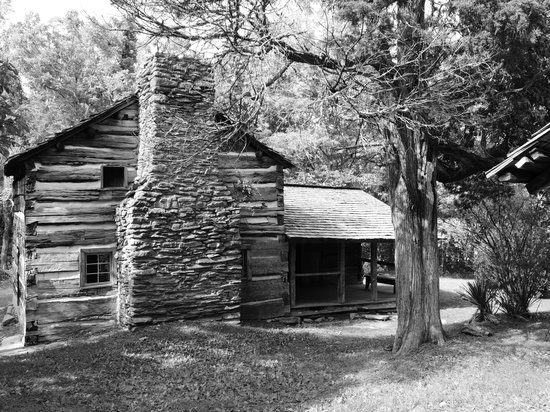
    Nestled in the heart of the Appalachian Mountains of Western North Carolina, there exists a realm untouched by the hustle and bustle of modernity—a place where time seems to stand still, and life follows the gentle rhythm of nature. This is where my story begins, in a small holler that shaped who I am today. Our home was a modest two-room house, devoid of the luxuries many take for granted. There was no running water or electricity, and our daily life revolved around simplicity and self-reliance.

    The House and the Land

    Our two-room house was more than just shelter; it was a symbol of resilience and the deep connection to the land that defined our way of life. The absence of modern amenities meant we had to rely on ingenuity and the land’s bounty to meet our needs. Water was drawn from a nearby spring, and the only light came from oil lamps or the flicker of a fire in the hearth. Winters could be harsh, and summers sweltering, but the rhythm of the seasons was our guide, teaching us the value of patience and hard work.

    Sustenance and Survival

    Growing our own food was not a choice but a necessity. We planted vegetables in the spring, tended to them through the summer, and harvested them in the fall. Beans, potatoes, corn, and greens became staples of our diet, and every meal was a testament to our hard work and resourcefulness. Canning and preserving were essential skills, ensuring that we had enough to eat throughout the year. Even with these efforts, there were months when food was scarce, and we relied on government food assistance and food stamps to bridge the gap. Those food packages, while modest, provided a lifeline and were always used wisely.

    Hand-Me-Downs and Homemade Clothes

    Clothing was another challenge. Hand-me-downs, lovingly mended and passed through the family, were a staple of our wardrobe. Each piece of clothing came with a story, a memory of the person who wore it before us. Despite their worn appearance, these garments were a testament to our family’s ability to make do with what we had. Homemade clothes, crafted from fabric bought in bulk or salvaged from other sources, were a mark of our resourcefulness. Every stitch was a reflection of our family’s strength and creativity.

    Community and Connection

    Life in the holler was not without its hardships, but it was also rich in community and connection. Neighbors were not just people living nearby; they were extended family, bound together by shared experiences and mutual support. We came together to help each other with harvests, repairs, and celebrations. The sense of camaraderie and support was a cornerstone of our existence, making even the most challenging times a little easier to bear.

    Lessons from the Holler

    Growing up in such a setting taught me invaluable lessons. It taught me the importance of self-sufficiency, the value of hard work, and the beauty of simplicity. I learned to appreciate the small joys—the smell of fresh bread baking in the oven, the sight of a field full of ripe vegetables, the warmth of a community coming together. The holler was not just a place where I grew up; it was a place that shaped my character and values.

    Reflections

    Looking back, I realize how profoundly my upbringing in the Appalachian Mountains influenced who I am today. The challenges we faced were real and at times overwhelming, but they also forged a deep appreciation for the things that truly matter—family, community, and a connection to the land. The holler, with all its simplicity and struggles, was a place where I learned to find joy in the little things and to approach life with a spirit of gratitude and resilience.

    As I move forward in life, I carry with me the lessons from those days—the strength to face adversity, the resourcefulness to overcome challenges, and the deep-rooted connection to the natural world. The holler remains a cherished part of my past, a reminder of where I come from and a guide for where I am going.

  • Hello World!

    Welcome to “Echoes of Appalachia,” a space where the rich stories, traditions, and beauty of the Appalachian region come alive. Here, we’ll explore the timeless wisdom passed down through generations, celebrate the vibrant culture, and share the unique voices that echo through these majestic mountains.

    In every corner of Appalachia, from the rolling hills to the quaint, small towns, there’s a wealth of history waiting to be discovered. Whether it’s the haunting melodies of traditional music, the artistry of handmade crafts, or the deep-rooted tales of resilience, we aim to capture the essence of a region that’s often overlooked yet profoundly impactful.

    Join us on this journey as we dive into the stories of remarkable individuals, the breathtaking landscapes, and the traditions that make Appalachia a treasure trove of inspiration. Through storytelling, photography, and reflections, we’ll highlight the heart and soul of this incredible area.

    So, hello world! Let’s embark on this adventure together and keep the echoes of Appalachia alive and let’s celebrate the spirit of this beautiful region together!