• The Moon-Eyed People of Cherokee Legend: Mysteries of the Smoky Mountains

    Tucked away in the heart of Appalachia, the Smoky Mountains have long been home to stories passed down through generations, and one of the most intriguing is that of the Moon-Eyed People. According to Cherokee legend, these mysterious figures lived in the mountains long before the Cherokee themselves arrived. Described as small, pale-skinned, bearded men, the Moon-Eyed People have stirred curiosity for centuries.

    The name “Moon-Eyed” comes from their supposed sensitivity to light. They were said to only come out at night, as daylight was too harsh for their eyes. In the dark, they roamed the mountains freely, retreating into the shadows of caves during the day. The idea of their nocturnal lifestyle adds an eerie charm to the mystery. Who were these people that lived in the remote wilderness, so different from the Cherokee?

    A Disappearing People

    Legend has it that the Cherokee eventually drove the Moon-Eyed People out. After a fierce battle, the small, bearded men fled, disappearing deep into the caves and the recesses of the mountains. Some say they vanished entirely, while others believe they continued to live in isolation, unseen by the outside world. There are stories of ancient stone walls and structures, such as the mysterious ruins near Fort Mountain in Georgia, attributed to this strange race.

    The Cherokee did not view them as spirits or mythical beings—they were flesh and blood. Yet, their odd appearance and habits set them apart, leaving future generations wondering who they really were.

    Theories and Speculation

    Over the years, various theories have emerged about the true identity of the Moon-Eyed People. Some speculate that they were early European explorers who arrived long before Columbus set sail, possibly remnants of Welsh settlers who, according to one theory, arrived in the Americas in the 12th century. This idea stems from the legend of Prince Madoc, a Welsh prince said to have sailed across the Atlantic with a group of followers.

    Others suggest that the Moon-Eyed People could have been an entirely different group of Indigenous people who had distinct physical traits and customs. Without written records or archaeological evidence, the mystery remains unsolved.

    The Legacy of the Moon-Eyed People

    Whether these stories are based in fact or fiction, they remain a rich part of Appalachian folklore. For those of us who grew up in these mountains, the legends of the Moon-Eyed People add to the magic of this place we call home. The next time you find yourself in the Smokies, walking among the ancient trees and misty hills, remember the small, bearded men who might still be hiding in the shadows, their eyes gazing out under the light of the moon.

  • Fall in the Appalachian Mountains: Nature’s Symphony of Change

    There’s something undeniably magical about fall in the Appalachian Mountains. As summer slips away, the hills and hollers are transformed into a vibrant patchwork of color, painting the landscape in brilliant hues. Growing up in Appalachia, I learned to love the rhythm of the changing seasons, and fall has always been one of my favorites. It brings a coolness to the air, the scent of wood smoke, and a deep sense of change that stirs the soul.

    Nature’s Grand Finale

    In the Appalachians, fall is like nature’s grand finale. Trees explode into color—fiery reds from sugar maples, golden yellows from hickories, and deep purples from dogwoods. These colors stretch out across the hills, and if you’re lucky enough to stand on a ridge, the view below is breathtaking.

    Having hiked over 520 miles of trails in the Smoky Mountains, I’ve seen some of the most stunning fall landscapes. But it’s not just the colors that make this season special. There’s a calm that settles in as summer’s bustle fades away. The forest feels quieter, more thoughtful, as if it’s readying itself for the long winter. Animals scurry to store food, and the sound of migrating birds fills the air, adding to the natural symphony of the season.

    The Season of Gathering

    But fall in Appalachia isn’t only about the beauty of the landscape. It’s also a time of gathering and preparation. Growing up, fall meant getting ready for winter—harvesting the last vegetables from the garden, canning, and preparing meat. Everything was about making sure the family would be taken care of when the cold arrived.

    I’ll never forget the hog harvests we held each fall. Before any work started, my granny made everyone hold hands and give thanks for the hog. It wasn’t just about the meat; it was about respecting the animal, the work that went into raising it, and the nourishment it would provide. If you didn’t show gratitude, you didn’t get to eat. That lesson in thankfulness has stayed with me my entire life.

    Trails to Explore

    For me, one of the best ways to experience fall in Appalachia is by hiking. There’s something about walking through the mountains, surrounded by autumn colors, that makes you feel alive. The trails are quieter in the fall, and it’s easier to get lost in the peace and beauty of the wilderness.

    One of my favorite places to hike is the Grayson Highlands in Virginia. I’ve hiked portions of the Appalachian Trail there, and in the fall, it’s something special. The colors are brilliant, and wild ponies roam freely, adding a touch of magic to the experience. The area feels both rugged and inviting, and autumn brings out its wildest, most beautiful side.

    A Time for Reflection

    Fall in Appalachia isn’t just about nature or prepping for winter—it’s a time for reflection. As the world slows down, the season brings a sense of peace. It’s a time to take stock, to appreciate the beauty of the mountains, and to honor the generations who’ve lived here before us.

    As the leaves fall and the trees stand bare, it reminds me that change is inevitable. The mountains have seen countless seasons come and go, just as our lives are marked by cycles of growth, harvest, and rest. In the same way the trees shed their leaves, fall encourages us to let go of what we don’t need and prepare for the stillness of winter, even if it’s my least favorite time of year.

    Conclusion

    There’s no place like Appalachia in the fall. The beauty of the mountains, the crisp air, the gathering of family and tradition—it’s what makes this season so special. Whether you’re hiking through golden forests, preparing for the winter ahead, or sitting on a porch watching the leaves drift to the ground, fall in Appalachia connects you to both nature and the past. It’s a season that reminds us to slow down, be thankful, and savor the simple moments that make life here so rich.

    For me, these mountains will always be home. No matter where life takes me, fall will always bring me back to the beauty and peace of Appalachia.

  • The Haunting Tale of Witch Betty Hazel Price: The Last Witch Hanging in Sullivan County, TN

    Have you ever heard the eerie story of Betty Hazel Price, the woman known as the “Witch of Sullivan County”? In 1888, her name sent shivers through the region, and her story continues to haunt those who speak of her today. Betty’s life ended tragically with one of the last recorded witch hangings in the area, but her legend lives on—particularly near her supposed resting place.

    A Life Shrouded in Fear

    Betty Hazel Price lived in the quiet, rural stretches of Sullivan County. Back in those days, anything unfamiliar or unexplained could lead to whispers of witchcraft. Betty, with her deep knowledge of plants, healing remedies, and uncanny predictions, quickly became a figure of suspicion. She was said to be able to cure illness with herbs, speak of things before they happened, and some even claimed she could control the weather.

    Whether these stories were grounded in reality or rooted in fear, they spread fast. Whenever misfortune struck—a farmer’s crops withered, a family’s livestock fell ill—Betty was blamed. The rumors painted her as a witch, responsible for curses and spells that brought misfortune to the community.

    The Trial and Her Fate

    By 1888, the rumors had spiraled out of control. Betty was arrested and brought to trial on charges of witchcraft. In those days, superstition held more weight than reason, and it wasn’t long before the community demanded her punishment. The so-called “evidence” against her was built on fear—whispers of strange happenings and wild accusations from her neighbors. Despite the lack of any real proof, Betty was convicted of witchcraft.

    The sentence was swift. Betty Hazel Price was hanged in Sullivan County that year, marking her as one of the last women in the region to suffer such a fate for accusations of witchcraft.

    Where the Witch Rests

    The story doesn’t end with her hanging, though. Local legend says that Betty Hazel Price is buried in the Boatyard Methodist Episcopal Church Cemetery in Kingsport, Tennessee. Her grave is said to be unmarked, as her death brought shame and fear, and few wanted to be associated with her even after her passing. Visitors to the cemetery still whisper about strange occurrences near her supposed burial site—cold winds blowing on still days, faint whispers on the breeze, and the unsettling feeling of being watched.

    A Cursed Legacy?

    Some say that as Betty stood on the gallows, she cursed the town with her last breath. After her death, strange misfortunes continued to plague Sullivan County. Crops failed, illnesses spread, and her ghost was said to wander the hillsides, seeking justice for the wrongful accusations. Even today, locals swear they’ve seen her ghost roaming the cemetery at night, her spirit never finding rest.

    A Haunting Reminder

    Whether you believe in witches or not, Betty Hazel Price’s story is a haunting reminder of what fear and superstition can do. A woman with knowledge of nature and a life lived differently became the target of blame and punishment. Her legend endures as both a piece of Appalachian folklore and a cautionary tale about how easily fear can turn to tragedy.

    If you ever find yourself near Boatyard Methodist Episcopal Church Cemetery in Kingsport, take a moment to listen closely. Some say you can still hear whispers of Betty’s name on the wind.

  • The High Price of Energy: How Appalachia and Its People Have Been Sacrificed

    Appalachia, with its rolling hills and rich resources, has long been at the center of the nation’s energy story. Beneath the beauty of this region lies a deeper, more complicated narrative—one where both the land and its people have been sacrificed for the sake of energy. For over a century, Appalachia has been mined for coal, drilled for natural gas, and exploited in ways that have left lasting scars on the environment and the communities that call this region home.

    The Coal Mining Boom: A Blessing and a Curse

    Coal is at the heart of Appalachia’s complex relationship with energy. For many families, mining provided a lifeline—steady work in a region where jobs were scarce. Towns sprang up around coal mines, and for a time, the industry boomed. It wasn’t just the power plants across the country that relied on Appalachian coal; it was also the families who worked the mines, often risking their lives in dangerous conditions.

    But while coal brought economic opportunity, it also came at a terrible cost. The land was stripped, and communities were left to deal with the aftermath of environmental degradation. Mountaintop removal—a practice that literally blows the tops off mountains to access coal—scarred the landscape, leaving behind barren, treeless areas that can no longer support life. Rivers and streams were polluted with runoff, poisoning water supplies. The air became heavy with coal dust, contributing to respiratory illnesses that still plague the region today.

    The Human Cost: Forgotten Communities

    For the people of Appalachia, the energy boom hasn’t just been a story of economic survival—it’s been one of exploitation. Companies have historically swooped in, extracting resources and leaving behind environmental destruction and poverty. Entire towns have been abandoned after the mines shut down, leaving communities without jobs, support, or hope.

    The loss of work has driven many to leave their homes in search of opportunity elsewhere, fracturing families and communities. Those who stayed have faced a lack of infrastructure, poor health care, and little government support. Despite Appalachia’s contributions to powering the nation, its people have often been left in the dark, forgotten by those who profited off the land’s riches.

    The Rise of Natural Gas: A New Wave of Sacrifice

    In recent years, the rise of natural gas extraction has brought another chapter of sacrifice. Fracking has become a new method of pulling resources from the land, and while it promises jobs and economic growth, it also brings its own dangers. Fracking has been linked to earthquakes, contamination of drinking water, and long-term environmental damage.

    The promises of energy independence come at a cost, with Appalachia once again bearing the brunt. Families living near fracking sites report health problems, poisoned water, and a sense of helplessness as powerful energy companies continue to extract without accountability.

    Resilience in the Face of Exploitation

    Despite everything, the people of Appalachia have endured. This region, often stereotyped and misunderstood, is filled with resilient individuals who continue to fight for their land and their way of life. There are grassroots movements dedicated to stopping destructive energy practices and preserving what remains of the natural beauty that Appalachia is known for.

    But the fight is far from over. The people of Appalachia still face a system that prioritizes profit over people, and the cost of energy continues to weigh heavily on the region. In many ways, Appalachia has been sacrificed so that the rest of the nation can enjoy cheap energy, but that doesn’t mean the people here are giving up.

    Moving Toward a Just Energy Future

    The story of Appalachia and energy is not yet finished. There are growing calls for investment in renewable energy that could revitalize the region without destroying the land. Solar and wind power could provide new opportunities, creating jobs while preserving the mountains and streams that have been a part of Appalachia for centuries. It’s a future where the people of Appalachia wouldn’t have to choose between economic survival and environmental destruction.

    The land and people of Appalachia have given so much for the sake of energy. Perhaps it’s time the nation gave something back.

  • The Profound Influence of African Americans on Appalachian Culture

    When most people think of Appalachia, the first images that come to mind are often of misty mountains, tight-knit communities, and age-old traditions passed down through generations. However, one aspect of Appalachian history that is often overlooked is the significant and lasting influence of African Americans on the culture, food, music, and traditions of the region.

    The story of African Americans in Appalachia is one of strength, creativity, and deep cultural exchange. Though the African American population in Appalachia was historically smaller than in other parts of the South, their contributions have shaped the region in ways that are still felt today.

    Historical Roots in Appalachia

    African Americans have been part of the Appalachian landscape since the earliest days of European settlement. Many were brought to the region as enslaved laborers to work on small farms or in the burgeoning industries of coal mining and timber. After the Civil War, some freed African Americans remained in the region, building communities in rural and urban Appalachia. These communities became centers of African American culture, places where traditions, skills, and knowledge were passed down.

    During the late 19th and early 20th centuries, many African Americans migrated to Appalachia in search of work, particularly in the coal mines of West Virginia, Kentucky, and Tennessee. Though the work was grueling and the conditions harsh, African Americans played an essential role in the development of the coal industry, which became the economic backbone of the region. This migration brought a diverse array of African American culture into Appalachia, weaving it into the fabric of mountain life.

    Music: The Birth of a Unique Sound

    One of the most profound contributions African Americans made to Appalachian culture is in the realm of music. The music of Appalachia is often synonymous with bluegrass and old-time folk, but African American influences run deep in these sounds. The banjo, for example, an instrument now closely associated with Appalachian music, has its roots in West Africa. Enslaved Africans brought the early form of the banjo to America, where it was adopted and adapted by both black and white musicians in Appalachia.

    Blues, gospel, and spirituals also heavily influenced Appalachian music. African American miners and farmers would sing spirituals and work songs, which blended with traditional Appalachian ballads to create a unique musical style. The blending of African rhythms, blues melodies, and traditional Appalachian folk tunes gave rise to a rich, distinctive sound that influenced the evolution of country, bluegrass, and early rock and roll.

    African American musicians like Arnold Shultz, who was born in Kentucky, played a critical but often unrecognized role in shaping bluegrass music. Shultz taught Bill Monroe, the father of bluegrass, how to play the guitar, and his influence can be heard in Monroe’s groundbreaking style. Similarly, African American string bands and fiddle players helped shape the early sound of Appalachian music, though their contributions have often been overlooked in mainstream histories of the genre.

    Cuisine: A Shared Culinary Tradition

    African American food traditions also left an indelible mark on Appalachian cuisine. In many ways, the foods of Appalachia and the African American South are deeply intertwined. African American cooks brought knowledge of crops such as okra, black-eyed peas, and yams to Appalachia, as well as cooking methods that became staples of the region’s food culture.

    For example, soul food dishes like collard greens cooked with ham hocks, fried chicken, and cornbread are as much a part of Appalachian cuisine as they are of African American cuisine. Cracklings (fried pieces of pork fat) and dishes made with off-cuts of meat, such as ham hocks and pig’s feet, reflect the resourcefulness of both African American and Appalachian cooking traditions, where no part of an animal was wasted.

    Appalachian food was also influenced by the creative ways African Americans adapted their traditional recipes to the ingredients available in the mountains. Dishes like chicken and dumplings or beans and cornbread carry traces of African American culinary heritage, enriched by the shared experiences of poverty, strength, and community.

    Storytelling and Folklore

    African American storytelling traditions also merged with Appalachian folklore, contributing to the region’s rich oral history. African American spiritual beliefs and folktales—many of which have their roots in West Africa—intertwined with the stories of Scotch-Irish and Native American origins. Tales of “haints” (ghosts or spirits) and other supernatural beings in Appalachian folklore often share characteristics with African American folklore, revealing a blending of cultures over generations.

    In communities where African Americans and white Appalachians lived and worked side by side, there was a constant exchange of stories, values, and lessons passed down through the generations. Storytelling, like music, became a bridge between cultures, allowing African American traditions to influence and shape the larger Appalachian narrative.

    Strength and Community

    Beyond music, food, and folklore, the influence of African Americans in Appalachia can be seen in the spirit of strength that defines the region. Both African Americans and white Appalachians experienced the hardships of life in the mountains—the isolation, the poverty, and the struggles for fair wages and better working conditions. In the coal mines, African Americans fought alongside their white neighbors for union rights and better treatment, forming a sense of solidarity in the face of exploitation and adversity.

    Many African Americans built thriving communities in Appalachia, particularly in coal towns, where they worked to create schools, churches, and social organizations that supported their people. The sense of community and mutual support that African Americans brought to Appalachia helped shape the region’s values of independence, resilience, and self-reliance.

    Legacy and Recognition

    Today, the African American influence on Appalachia is being increasingly recognized and celebrated. From the recognition of African American musicians who helped shape Appalachian music to the appreciation of the shared culinary traditions that cross cultural lines, there is a growing acknowledgment of the role African Americans have played in shaping the region’s identity.

    The history of African Americans in Appalachia is a testament to the power of cultural exchange, resilience, and the ways in which communities can grow stronger through shared experiences. While the African American population in Appalachia may not have been as large as in other parts of the South, their influence is woven into the fabric of Appalachian life in ways that continue to resonate today.

    As we continue to explore the rich history of Appalachia, it’s important to recognize and honor the African American contributions that have helped shape this region’s culture, music, food, and spirit. Their legacy is one of strength, creativity, and an enduring impact that continues to inspire and enrich Appalachian life.

  • Appalachian Granny Witches and the Healing Power of Mimosa Tree Flowers

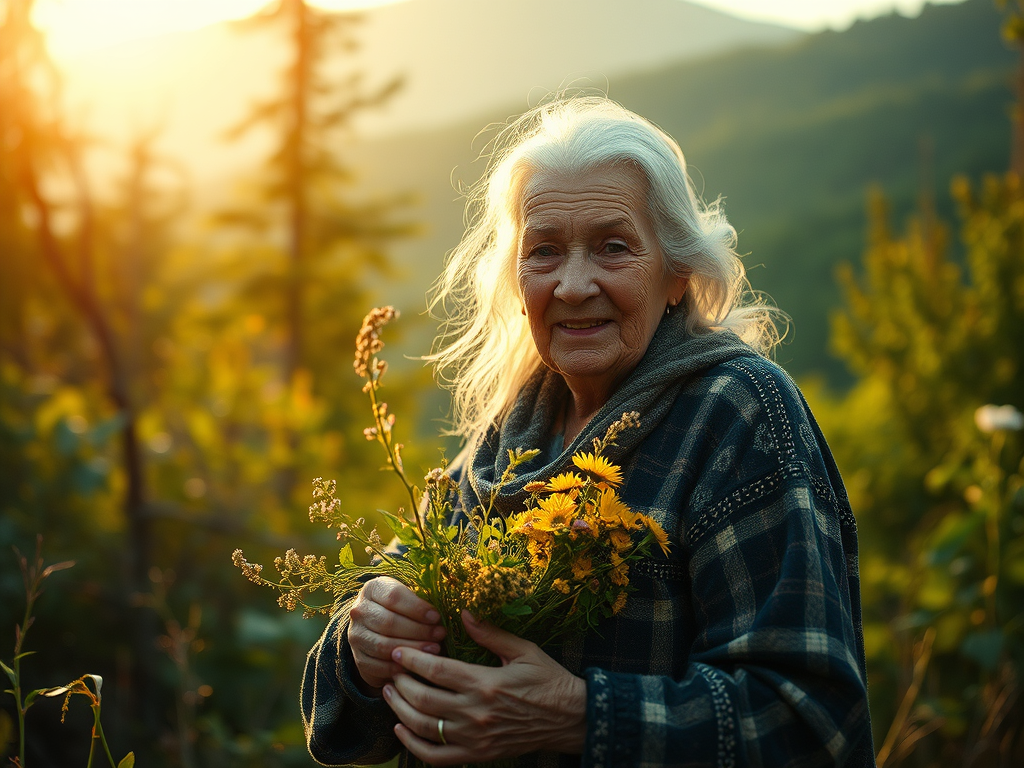
    In the hills and hollers of Appalachia, “granny witches” held a special place in their communities. These women, often referred to as “Mountain Doctor’s,” were the keepers of folk wisdom and natural remedies. They relied on the land to heal and protect their families and neighbors, drawing from centuries of knowledge passed down through generations. One such remedy was the delicate yet powerful mimosa tree flower.

    The Granny Witches’ Way

    Granny witches weren’t witches in the way you might think—they were healers, midwives, and wise women who understood the natural world and its gifts. They knew which plants could soothe a fever, ease a troubled mind, or help someone sleep through the night. In a time when access to doctors was limited in rural areas, these grannies became the go-to source for healing.

    Mimosa Tree Flowers: A Trusted Ally

    The mimosa tree, with its striking pink, silky flowers, was one of many plants that the granny witches would turn to for emotional and mental health. Known in their circles as a calming agent, mimosa flowers were used to help lift spirits, ease grief, and bring peace to troubled hearts.

    Here’s how granny witches in Appalachia would have used mimosa tree flowers:

    1. Easing Heartache and Grief

    Life in Appalachia wasn’t easy, and many people turned to the granny witches for comfort during hard times. Mimosa flowers were often steeped into teas to help someone struggling with grief or loss. The grannies believed that the flowers could “lighten the heart” and chase away the heaviness that sadness brings.

    2. Calming the Mind

    For anxiety, worry, or sleepless nights, granny witches would brew mimosa flower tea. It was known for its calming properties, which helped those with restless minds find peace. If someone had trouble sleeping due to stress, the grannies might recommend a sip of this natural remedy before bed.

    3. Lifting Depression

    Appalachian winters could be long and isolating, and depression was not uncommon in the mountains. The grannies believed that mimosa flowers held the power to lift the spirits, calling it “the happiness tree” in some parts of the region. They used the flowers in tinctures or teas for those who seemed weighed down by sadness, offering a natural way to help brighten their outlook.

    Traditional Uses

    To use mimosa tree flowers, granny witches would typically dry them in bunches, preserving their delicate blooms for year-round use. Whether through teas, tinctures, or even simple poultices, the flowers were seen as a way to bring balance to both body and spirit.

    A Legacy Rooted in Nature

    The legacy of the granny witch is woven into the fabric of Appalachian life, their wisdom surviving through the stories and remedies passed down. Mimosa tree flowers were just one example of how these women harnessed the power of nature to care for their communities. To this day, many still turn to the same plants for healing, continuing the traditions of the grannies before them.

    In a world that often rushes to pharmaceuticals, the memory of those who worked with the earth’s natural gifts serves as a reminder of simpler ways—ways that still offer comfort and healing today.

  • Mountaintop Removal: A Destructive Legacy in Appalachia

    Mountaintop removal is a radical form of coal mining in which the tops of mountains are literally blasted off to access seams of coal. It takes place in the Appalachian Mountains, one of the oldest mountain ranges on earth. Mountaintop removal (MTR) is a form of coal mining that, quite literally, changes the face of the Appalachian Mountains. These ancient mountains, which have stood tall for hundreds of millions of years, are blasted apart to extract seams of coal buried beneath their peaks. The environmental, cultural, and human costs of this process are staggering, and the impacts are felt most deeply by the people who have called Appalachia home for generations.

    What is Mountaintop Removal?

    Mountaintop removal is exactly what it sounds like: entire mountaintops are blasted away with explosives to expose coal seams. Once the mountains are leveled, giant machines—often called draglines—scoop up the coal and the leftover rock is dumped into nearby valleys. This method is favored by coal companies because it allows them to extract coal quickly and cheaply. But the real cost of this so-called “efficiency” is paid by the environment and the Appalachian communities.

    The Environmental Devastation

    The environmental destruction caused by MTR is hard to overstate. When a mountain’s peak is removed, it disrupts the ecosystem that has developed there over many, many years. Streams are buried under rubble, wildlife habitats are destroyed, and forests that once covered these highlands are reduced to barren wastelands.

    One of the most troubling effects of MTR is the contamination of water supplies. The valleys where the leftover debris—known as “overburden”—is dumped often contain streams that are the lifeblood of rural communities. These streams become filled with toxic chemicals, including heavy metals like arsenic and mercury, leached from the mining waste. Many residents living near MTR sites report increased health problems, from respiratory issues to higher rates of cancer, linked to the pollution of their air and water.

    A Cultural Loss

    For the people of Appalachia, the mountains are more than just land; they are a symbol of endurance, strength, and heritage. Families like my own, who grew up hiking through these mountains, harvesting their medicinal plants like ginseng and jewelweed, feel the loss of every peak that is blasted away. These mountains have sheltered communities for generations, providing food, water, and livelihoods.

    With each mountain lost to removal, a piece of the region’s cultural fabric is torn away. It’s hard to imagine the Smoky Mountains or the highlands of North Carolina and Virginia without their peaks. For many in Appalachia, watching these mountains be destroyed feels personal—like losing an old friend.

    The Human Cost

    While coal companies promise jobs and economic development, the reality for many is quite different. The jobs provided by MTR are fewer than those offered by traditional underground mining, as machines replace much of the human labor. When the coal is gone, the companies often leave, and what remains is a landscape that can no longer support farming, forestry, or tourism.

    Appalachian communities are left to deal with the fallout—literally. The health risks from air and water pollution caused by MTR are well-documented, and the destruction of the landscape makes it difficult for the local economy to recover. Entire towns are sometimes displaced, with families forced to leave the land they have lived on for generations because it is no longer safe or sustainable.

    Looking Toward the Future

    Appalachia is a region defined by its resilience. The people who live here have endured countless hardships, from the collapse of the coal industry to the destruction caused by mountaintop removal. But they continue to fight for the protection of their mountains and their way of life.

    There is a growing movement across Appalachia to put an end to MTR and to find new, sustainable ways to create jobs and build economic opportunity without destroying the environment. Renewable energy, conservation, and tourism are all paths that could offer a brighter future for the region. But this will require a commitment from both local and national leaders to invest in these alternatives and to recognize the true cost of MTR—not just in dollars, but in the loss of land, culture, and health.

    The Appalachian Mountains have stood for hundreds of millions of years. It is up to us to ensure that they continue to stand for generations to come.


    If you’re interested in learning more about how to help preserve the Appalachian Mountains and support sustainable efforts in the region, consider getting involved with local environmental groups or spreading awareness about the dangers of mountaintop removal. Every voice makes a difference in the fight to protect these ancient peaks.

  • Kuwohi: The Return of a Sacred Name to the Highest Peak in the Smokies

    In a significant moment of cultural recognition, the highest peak in the Great Smoky Mountains, formerly known as Clingmans Dome, is returning to its original name—Kuwohi (pronounced koo-WHOA-hee). This decision honors the deep Cherokee heritage of the land, restoring a name that held meaning long before the area became a national park and a tourist destination. With nearly 700,000 visitors annually, this change invites us all to reflect on the importance of preserving and respecting the cultural narratives of the people who first called these mountains home.

    A Peak Rich in History and Heritage

    Kuwohi stands at 6,643 feet, towering above the Smokies as the highest point in the mountain range. For generations, it has been a landmark of immense spiritual significance for the Cherokee people, who lived in harmony with the land long before settlers arrived. The name Kuwohi, which translates to “mulberry place,” evokes a sense of place and belonging that runs deep through Cherokee history.

    Historically, the name “Clingmans Dome” was attributed to Senator Thomas Clingman, a 19th-century politician and explorer who surveyed the region. But as more people have become aware of the original Cherokee names, there has been a growing movement to restore them. Returning to the name Kuwohi isn’t just a change on the map; it’s a restoration of cultural identity and a recognition of the stories, traditions, and people that shaped this region long before it became a tourist destination.

    The Journey to Kuwohi’s Restoration

    This name change is part of a broader effort to recognize Indigenous lands and the significance they hold to Native peoples. For the Eastern Band of Cherokee Indians, this is a momentous occasion. It’s an opportunity to re-establish a connection between the land and the history that many people may not realize when visiting the Smokies. The mountain has long been a sacred site for the Cherokee, and as visitors hike up the steep, winding trail to Kuwohi, they’re walking in the footsteps of ancient traditions and legacies.

    The decision to restore the name Kuwohi reflects the growing recognition of Indigenous voices in the management and preservation of national parks. For years, Indigenous groups, scholars, and allies have advocated for a better understanding of the original names and purposes of landmarks. By embracing this change, we’re not just honoring a peak’s past—we’re also helping to ensure that its future is deeply rooted in respect for the people who cherished it first.

    What This Means for Visitors

    For the nearly 700,000 visitors who journey to the summit each year, Kuwohi will still offer the same breathtaking views, the same winding trails, and the same rich biodiversity. What will change is the narrative surrounding the peak. As you step onto the observation tower or hike along the Appalachian Trail, which crosses Kuwohi, there’s now a greater opportunity to connect with the mountain’s deeper meaning. Knowing its true name can enhance the experience, offering a richer understanding of the cultural and historical layers that make the Smokies such a unique place.

    As hikers, tourists, and nature lovers visit Kuwohi, this restored name also serves as a reminder of the importance of preservation—not just of the environment, but of the cultures that have shaped these lands for millennia. When you stand on top of the Smokies, gazing out over the seemingly endless ridgelines, remember that you’re standing on ground that holds stories far older than any modern map.

    The Future of Kuwohi

    The renaming of Kuwohi marks an important moment in our collective journey towards recognizing and respecting the land’s Indigenous history. For the Cherokee people, this is not just a return of a name, but the acknowledgment of a legacy that deserves to be remembered and honored. As you plan your next hike or visit to the Great Smoky Mountains, consider making your trek to Kuwohi not just an adventure, but an opportunity to reflect on the significance of the land beneath your feet.

    In restoring the name Kuwohi, we’re not only giving back to the Cherokee Nation; we’re also enriching the experience for all who come to this majestic peak. The next time you climb to the top of the Smokies, you won’t just be visiting the highest point in the range—you’ll be standing in a place of deep, sacred history. Let’s walk this trail with gratitude and respect, knowing that Kuwohi has always been more than just a summit. It’s a symbol of resilience, heritage, and the enduring connection between people and the land.

  • The Melungeon’s: Unveiling the Mystery of Appalachia’s Mixed Ancestry

    In the shadowy hills where Tennessee, Virginia, and North Carolina meet, a unique group of people has quietly woven their thread into the intricate tapestry of Appalachia. These people are known as the Melungeons, and their origins have been the subject of curiosity, mystery, and debate for centuries.

    Who Are the Melungeons?

    The Melungeons are descendants of a diverse group of people with mixed ethnic ancestry. Before the end of the 18th century, they were discovered living in isolated pockets of the southeastern United States, particularly in the rugged Appalachian Mountains. Their ancestry, shrouded in mystery, is a blend of European, African, and Native American roots. Some speculate that the Melungeons were the offspring of early Portuguese or Spanish settlers who intermingled with African slaves and local Native American tribes. Others suggest that the group may have been descended from Ottoman Turks or Moors who found their way to America long before widespread European colonization.

    Whatever their origins, the Melungeon’s were resilient people who made their homes in remote mountain communities, distancing themselves from the prejudices of mainstream society. Over generations, they developed a distinct culture, bound not only by their mixed heritage but also by the hardships of frontier life.

    Life in the Appalachian Mountains

    Life in the isolated hills and hollers of Appalachia was never easy. The Melungeons, like many of their Appalachian neighbors, were farmers and hunters, living off the land and trading with nearby settlements. Their mixed heritage, however, set them apart. Many of their physical features—dark hair, olive skin, and European facial characteristics—fueled local rumors and suspicions. Some Melungeon families found themselves labeled as “tri-racial isolates,” a derogatory term used to marginalize groups of uncertain ancestry in the South.

    Despite these challenges, the Melungeons persevered. They built tight-knit communities, relying on each other for survival. While their ancestry was often a source of contention, it also gave rise to rich oral traditions. Melungeon elders passed down stories of resilience and pride in their mixed heritage, connecting each generation to the land and its hidden history.

    Melungeon Identity in the Modern World

    Today, the Melungeon story has begun to re-emerge as scholars and genealogists delve into the roots of this mysterious group. DNA testing has revealed the complexity of Melungeon ancestry, confirming a mixture of European, African, and Native American bloodlines. For many descendants of Melungeons, this discovery has sparked a new sense of identity and pride in their heritage. What was once shrouded in secrecy is now celebrated as a testament to the rich and diverse history of Appalachia.

    The Melungeon experience reflects a broader theme that resonates throughout the Appalachian region—people from different backgrounds coming together in the spirit of survival, often hidden from the mainstream but never forgotten by the land that sheltered them.

    The Legacy of the Melungeons

    The Melungeons remain a symbol of Appalachia’s complex and often overlooked history. Their story invites us to reconsider our assumptions about race and identity, offering a reminder that the people of Appalachia—like the land itself—are shaped by a diverse and resilient spirit. These descendants of mixed ancestry represent more than just a historical curiosity. They are a living connection to the diverse roots of the region, embodying a rich legacy that continues to evolve with each generation.

    As we learn more about the Melungeons, we also uncover new facets of Appalachian history, a history that speaks to the power of human connection, survival, and the blending of cultures over time.

    In the end, the Melungeon’s are not just part of the story of Appalachia—they are a testament to its enduring spirit.

  • Ginseng Huntin’: A Tradition Rooted in the Mountains

    Growing up in Marshall, North Carolina, ginseng hunting was just something we did every year. It wasn’t just a hobby—it was part of life. My family and I spent hours out in the woods, looking for that plant that my granny and daddy both held in high regard, each for different reasons.

    When Granny went ginseng hunting, it was all about healing. She didn’t care about selling it. To her, ginseng was nature’s medicine. Granny had a remedy for just about everything, and more often than not, ginseng was a part of it. From stomachaches to skin issues, she’d use it in teas, poultices, and tonics. She believed in the healing power of that root, and I reckon she was right.

    Now, Daddy—he was in it for the thrill and a little extra money. Ginseng hunting was his passion, and let me tell ya, he had a knack for it. As soon as those first leaves showed up in the spring, Daddy was ready. We’d head into the woods, and he’d spot ginseng faster than I could keep up. It wasn’t just about finding it; it was about doing it right. We’d dig it up carefully, bring it home, and dry it out. Daddy would store that ginseng for months, saving it all up until he had enough for one big sale at the end of the year. It helped daddy put food on the table, clothes on our backs and I don’t think he’d have traded it for anything.

    But beyond the tradition, ginseng has some real health benefits, and it’s not just old wives’ tales. Modern science has backed up a lot of what folks around here have known for years:

    • Brain health: Ginseng can boost mental performance, memory, and focus. There’s even research suggesting it could help with diseases like Alzheimer’s and Parkinson’s.
    • Immune system support: It’s known to strengthen the immune system, helping your body fight off infections.
    • Blood sugar control: Ginseng can help lower blood sugar levels, especially in people with type 2 diabetes.
    • Cancer prevention: Some studies suggest ginseng could help lower the risk of certain cancers.
    • Menopause relief: It’s known to help ease some of the symptoms women face during menopause.
    • Erectile dysfunction: Red ginseng, in particular, has been shown to help with ED.
    • Anti-inflammatory effects: Ginseng’s anti-inflammatory properties make it great for reducing swelling and helping the body heal.
    • Stress relief: It can help regulate the body’s response to stress, balancing out those hormones that get out of whack.
    • Heart health: Ginseng has some cardioprotective effects, which means it’s good for your heart over the long haul.

    In the Appalachian Mountains, everything we need is right there. That’s how we survived, and honestly, it’s how we thrived. Ginseng might be known now for its health benefits, but to me, it’ll always be about those days spent roaming through the mountains with Daddy and Granny, passing on the old ways, and knowing that what we were digging up was worth more than its weight in gold.