• Marshall, NC: My Hometown, the Flood, and the Spirit of Appalachia

    Marshall, North Carolina, is more than just a town for me—it’s home. Nestled in the mountains of Madison County, it holds the memories of my childhood, the laughter of my family, and the spirit of a community that’s been through more than its share of trials. Recently, Marshall faced one of its toughest challenges: a devastating flood that swept through the town, leaving behind destruction, heartbreak, and a community forever changed.

    The Heart of Marshall

    Growing up in the mountains of Marshall wasn’t always easy, but it was always real. The kind of real that shapes you, makes you appreciate what you have, and reminds you that even in the hardest times, people come together. Our town sits along the French Broad River, and like many in Appalachia, we know the power of nature—both its beauty and its danger. We’ve always respected the land and the water, but when the flood came, it was unlike anything they had ever seen.

    When I was a kid, Marshall was a quiet place where folks lived simply. Older folks would sit on the bench in front of the courthouse and talk, or maybe grab a piece of pie from the small cafe or the laughter from jokes at the old barbershop. My family has deep roots here, going back generations in the hollers and mountains. We grew up learning the old ways—ginseng hunting with my father, popping jewelweed pods, and listening to the stories of those who came before us. It’s a place where family means everything, and the mountains hold memories as deep as the valleys between them.

    The Flood That Changed Everything

    No one could have predicted the sheer force of the flood that hit Marshall. Heavy rains poured for days, swelling the French Broad beyond its banks, turning streets into rivers and homes into wreckage. Lives were uprooted, businesses lost, and the town I’ve always known was left in shambles.

    Seeing my hometown underwater broke my heart in ways I can’t fully explain. I’ve seen the faces of people I grew up with, people standing in shock at the sight of their homes, farms, and livelihoods destroyed. The flood didn’t just take material things—it took a sense of stability, a sense of safety that many never questioned before.

    I remember growing up with winters so cold that snow would sometimes blow into the house through cracks in the walls, but this flood—it’s a different kind of cold. It’s the kind that leaves you standing knee-deep in mud, wondering how you’ll ever rebuild.

    A Community Coming Together

    But if Marshall is anything, it’s resilient. I may not like the word resilient much, but there’s no other way to describe the people of this town. In the wake of the flood, neighbors helped neighbors, even when they themselves had nothing left. I’ve seen volunteers drive from miles away just to hand out food, clean up debris, and lend a shoulder to cry on.

    The Care Center in Greeneville, TN, has been a crucial part of the recovery efforts, feeding first responders, electrical workers, and anyone in need of a hot meal in and around Marshall. They’ve provided clothing, supplies, and a sense of hope in a time when it’s hard to come by. I’ve also seen an outpouring of support from people all across Western North Carolina and East Tennessee, from other states, and especially from all my friends who have donated to help get supplies. We’re mountain folk—when one of us is down, the rest rise up to help.

    Moving Forward

    Marshall is a town that’s been knocked down, but it won’t stay that way. It never has. There’s still so much work to be done, and the road to recovery will be long. But we’ll walk that road together, like we always have.

    It’s hard to think about the pain and loss so many families are going through, but I believe that our mountains will stand tall again, and so will we. My heart is with Marshall and the other communities in Western North Carolina and Tennessee, now more than ever. This place, these people—they’re not just part of my story; they are my story.

    As they rebuild, I hope we’ll hold on to what’s always made Marshall special—our community, our connection to the land, and the strength we draw from one another. The flood has changed everything, but it hasn’t broken us.

    Marshall, NC and other communities affected by this flood, will rise again, and I’m proud to be part of that journey.

  • Help Us Raise Money for Flood Victims in Marshall, Greeneville, Hot Springs, and Burnsville

    My heart aches as I witness the devastation caused by the recent floods in our small mountain towns. Marshall, Greeneville, Hot Springs, Burnsville, and others have been hit hard. Homes are destroyed, roads washed away, and many families have lost everything. I’ve seen the damage firsthand, and now I’m asking for your help.

    These towns, rich in Appalachian history, are struggling to recover. Many people here have lost not just their homes but also the essential tools needed for rebuilding—shovels, gloves, buckets, N-95 masks, mops, trash bags, and more.

    To support these communities, I’m raising money. For everyone who donates, your name will be entered into a drawing to win all three of my Appalachian cookbooks: My Life on a Plate, Mountain Cookery, and A Sweet Taste of Appalachia, along with my historical books Shadows Over Shelton Laurel: The Tragic Massacre of 1863 and Haunted Grounds: The Secrets of Riverside. These books reflect my deep connection to Appalachia, and I’d love to share them with you while helping those in need.

    You can donate through Venmo @Tim-Carmichael-7 or CashApp at $tipcar1. Every dollar you contribute will go directly toward providing supplies to those who desperately need them. No donation is too small—every bit helps.

    Our mountain towns have always stood strong, but this time they need extra support. Please help us rebuild and restore hope to the people of Marshall, Greeneville, Hot Springs, Burnsville, and all the other communities affected by this disaster. Together, we can make a difference.

    These places are more than just towns—they’re my hometown. I grew up here with my family, neighbors, and friends. The people of these mountains shaped who I am, and it breaks my heart to see them suffer. Let’s show them they’re not alone. Your support means the world, not just to me but to everyone struggling to rebuild.

    Thank you for your kindness and generosity.

    Tim Carmichael

  • Fighting Misinformation and Supporting Appalachian Communities After Hurricane Helene

    In the aftermath of natural disasters like Hurricane Helene, misinformation spreads quickly and causes real damage. One false claim suggested that 1,000 people died in Burnsville, NC, with 900 bodies still without body bags. Another baseless rumor alleged that 1,100 people died in Asheville, and the government is hiding the bodies at Mission Hospital. Let’s be clear: there are no decomposing bodies, and no secret cover-up.

    If you feel the need to say, “I HEARD,” stop and ask yourself, “Did I SEE IT?” If the answer is no, you’ve likely encountered misinformation.

    These false claims are often spread by content creators chasing clicks and news outlets looking for ratings. Unfortunately, many people share these stories without verifying the facts, fueling unnecessary panic.

    Another damaging rumor claims that FEMA or TEMA are confiscating donations—this is simply not true. In towns like Marshall, NC, there are official donation checkpoints, and access to places like Hot Springs and Marshall is restricted to volunteers helping with cleanup efforts, not because of a government conspiracy. There’s even a shuttle system in place to manage traffic, not hide any agenda.

    A rumor with a grain of truth is that FEMA is only providing $750 per flood victim. While that’s accurate, remember that Congress controls FEMA’s budget. If you’re unhappy with the amount, reach out to your representatives. And you don’t need to spend that money on food—hot meals and supplies are readily available throughout the affected areas.

    The federal and state response has been significant. Over 1,100 National Guardsmen, along with 400 specialized vehicles and aircraft, have been deployed in North Carolina alone, delivering more than 600,000 pounds of food, water, and supplies. On top of that, 10 other states have sent soldiers, airmen, and aircraft to assist.

    Before you share any sensational story designed to provoke fear, take a moment to verify the facts. Ask yourself, “Did I see it?” If not, it’s likely misinformation. Let’s focus on supporting the people impacted by Hurricane Helene with real help, not spreading rumors that cause more harm.

    With that being said, I’m continuing to make trips to Greeneville to drop off donations that are going to Greeneville, Marshall, Hot Springs, and Burnsville. If you’d like to donate to help these small communities, it would be greatly appreciated. You can Venmo me @Tim-Carmichael-7 or CashApp $tipcar1.

    100% of these donations are going to CARE in Greeneville to support the smaller communities and my hometowns. Thank you for your generosity!

    Tim

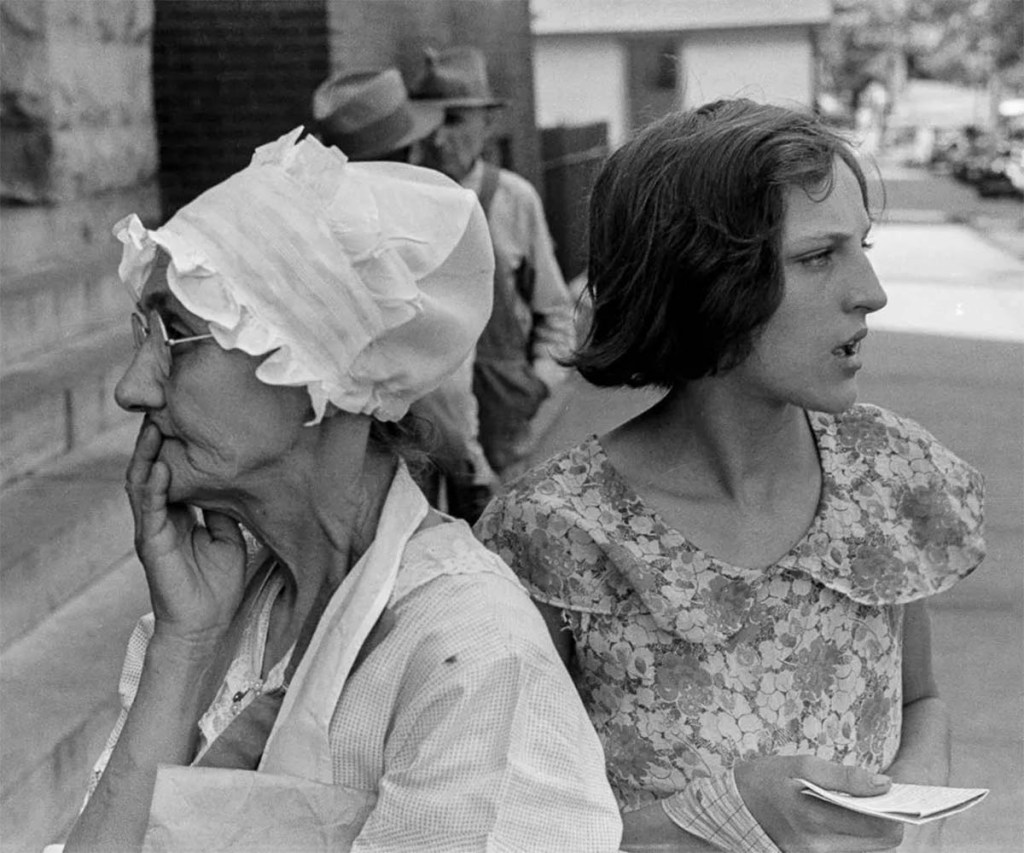
    The picture above is my hometown of Marshall.

  • Focus on Helping Flood Victims, Not Politics

    The recent floods in Virginia, North Carolina, Tennessee, and South Carolina have caused unimaginable damage, leaving entire communities submerged, homes destroyed, and thousands of lives thrown into chaos. The scale of this disaster is hard to put into words. For many, everything they’ve worked for is now washed away. In times like these, what people need more than anything is real help—not political debates, finger-pointing, or misinformation.

    Unfortunately, it’s all too common for tragedies to be used as platforms for political agendas. But let’s be clear—this isn’t the time for that. The people affected by these floods aren’t concerned with which side of the political aisle someone stands on. They’re worried about finding a dry place to sleep, getting enough to eat, and figuring out how they’ll rebuild their lives. Shifting the focus away from real solutions to political arguments only adds to their burden. It distracts from the true goal of bringing aid to those who need it the most.

    The good news is that relief efforts are already well underway. FEMA is on the ground, coordinating disaster response. The National Guard is conducting search-and-rescue operations from the air and on the ground, helping reach isolated areas. Federal agencies, volunteers, and local groups are all stepping up to provide assistance in whatever ways they can. These efforts are crucial in keeping communities together during this overwhelming time.

    It’s also important to recognize that local volunteers are working tirelessly to help their neighbors. People from across the country are showing up with open hearts, ready to offer support. This is what matters right now—people working together to make a difference where it’s needed most. If you’re thinking about visiting the region for leisure, consider holding off. Appalachia is a beautiful place, but now isn’t the time for sightseeing. However, if you feel called to come, be prepared to grab a shovel, pick up debris, or lend a hand in any way you can.

    Another vital way to help is through donations. But it’s essential to know where your money is going. Large nonprofits often provide critical support during disasters, but they also have overhead costs, especially if they’re coming in from outside the area. Their administrative expenses, travel costs, and other logistics mean that only a portion of your donation may reach those directly impacted. It’s not that these organizations aren’t doing important work—they are—but sometimes your money can go further when given to local organizations.

    Local nonprofits and smaller groups don’t have the same overhead as the bigger national organizations. They’re already on the ground, embedded in the community, and working around the clock to provide relief. They know the people they’re helping, and they’re making sure donations get directly to those in need. I’ve seen firsthand how hard these local groups are working, and it’s inspiring. They are the backbone of the recovery efforts, putting in long hours to ensure food, water, clothing, and shelter are reaching the flood victims.

    If you want to make a real impact, consider donating to these smaller, local organizations. Your contribution won’t get caught up in bureaucracy; it will go straight to helping families get back on their feet. Every bit counts—whether it’s cash, supplies, or volunteering your time. Communities are rebuilding, but it’s going to take all of us working together to make that happen.

    And most importantly, let’s avoid spreading misinformation. False claims about who is or isn’t helping only lead to confusion and despair. People need to feel hopeful, not hopeless. There are boots on the ground, and aid is coming in from across the country. Appalachia will recover, but it needs real support, not rumors or divisive conversations.

    This is a time for unity, not division. Political arguments don’t belong in this discussion when there are people who have lost their homes, their livelihoods, and even their loved ones. Let’s focus on what really matters—helping our neighbors in need, supporting those who are working tirelessly to assist, and doing everything we can to get Appalachia back on its feet.

    Together, we can make a difference. Whether through donating, volunteering, or simply spreading the word, every action counts. The road to recovery will be long, but Appalachia is strong, and with your help, we can rebuild these communities and bring hope back to the people who call them home.

  • A Heartbroken Land

    Today, I delivered pet food to CARE in Greeneville, doing my part to help in any way I can. Afterward, I drove over to Asheville Highway, and what I saw there was beyond heartbreaking. The small towns I grew up in, places full of memories and people I love, now look like a war zone after the devastation from Hurricane Halene. It’s so hard to describe the sight—houses battered and torn apart, mobile homes flipped on their sides, cars wrapped around trees like toys flung by an unstoppable force.

    I’ve lived through a couple of floods in my life, but nothing compares to this. Entire neighborhoods are gone. People are wandering through what’s left of their homes, not knowing what to do next. Some have nowhere to go, left homeless overnight. It’s devastating enough to see the physical destruction, but the human impact hits hardest. People have lost everything—family photos, cherished belongings, even their sense of safety.

    As if that wasn’t enough to take in, animals are running everywhere, displaced just like their owners. Pets who once had a warm bed and loving home now roam the streets, confused and in need of care. There’s only so much anyone can do in the face of such loss, but we’re all doing what we can to help both the people and the animals left behind in the chaos.

    Today brought even more personal heartbreak. I learned that my cousin and his wife were killed in a mudslide. It’s hard to put into words what they meant to me. They were two of the kindest, most generous people you could ever know, and now they’re gone. Just like that, ripped away by the force of nature. To say my heart is broken doesn’t even begin to describe the grief. It feels like a part of me is gone too.

    It’s not just the loss of my cousin that hurts—seeing the places I grew up so utterly broken is beyond painful. These are the towns that shaped me, the places where I made my memories. Now, they’re shattered, just like the lives of the people who live there. It’s hard to stand by and see it all fall apart, but that’s exactly why I’m doing everything I can to help. I know I can’t rebuild homes or reverse what’s been done, but I can be there, offering whatever support I can, however small it may be.

    This is a fight to rebuild not just houses, but entire communities. People need food, shelter, and compassion. They need to know that they’re not alone in this devastation. That’s why I’m here, doing what I can, and why I ask anyone reading this to consider helping too. Whether it’s donating, volunteering, or just spreading the word about what’s happening here, every small act of kindness adds up.

    It’s not just about the hurricane—it’s about the future of these towns and the people who call them home. We’re broken, yes, but we’re not giving up. We’ll rebuild, piece by piece, and it starts with the love and help we show each other today.

    The picture above was taken in downtown Marshall, my hometown.

  • The Forgotten Towns: Flooding in Western NC, East TN, Virginia, and South Carolina

    In the aftermath of the recent flooding that tore through Western North Carolina, East Tennessee, Virginia, and South Carolina, the media has spotlighted the hardest-hit areas. We’ve all seen the heartbreaking footage of places like Asheville and Unicoi County. Yet, there are smaller communities, the lifeblood of Appalachia, that have been just as devastated, though they often go unnoticed.

    Towns like Iron Mountain, Morganton, Old Fort, Burnsville, Hot Springs, and Marshall have all suffered greatly. These communities, tucked away in the mountains, hold families, history, and culture that have helped shaped Appalachia. The waters may have receded, but the destruction left behind remains, and it’s these places that urgently need our attention as well.

    While it’s easy to focus on the larger cities, it’s important to remember that the smaller towns were hit just as hard. Homes have been washed away, businesses destroyed and lives upended. These people are our neighbors. They’re folks who, like many of us, live simple lives, relying on each other for support. Their communities are woven with the spirit of perseverance, but that doesn’t mean they can do it alone.

    When you consider donating supplies or money, remember places like Iron Mountain, Burnsville, and Marshall. They may not make the headlines, but their need is just as great. Items like canned food, water, blankets, clothing, and cleaning supplies will help get these families back on their feet.

    Appalachia has always been a place of natural beauty, and it will be again. But the road to recovery is long. These smaller towns, often overshadowed by their bigger neighbors, need your help to get back on that road. So when you’re thinking about how to support flood relief efforts, keep them in your hearts and your donations.

    Together, we can bring Appalachia back to its beautiful, welcoming self. But it’s going to take all of us, working hand in hand, to make that happen.

    Let’s not forget those who need us the most.

  • Washed Away but Not Forgotten: The Fight to Rebuild Our Appalachian Communities

    The devastation caused by the recent floods across parts of Virginia, Western North Carolina, East Tennessee, and Upper South Carolina has been overwhelming. Entire communities have been washed away, and the damage is heartbreaking. In the Asheville area alone, 1,000 people are still missing, and 73 are unaccounted for in Unicoi County. I’ve watched, devastating videos, of my own hometowns that are destroyed by these floods.

    Through all the heartache, heroes are stepping up. First responders are on the front lines, still rescuing people that have been left with no way out, working tirelessly, and risking their lives for others. Firefighters, paramedics, and police are going without rest, while linemen brave the conditions to restore power to homes. Many people are still without power or cellphone service, and the clean-up will continue for months. Linemen are asking people when your power is restored to turn on your porch light, so they know that you have power, and they don’t have to go door to door.

    The National Guard is mobilized, bringing critical supplies and support. But it’s the volunteers that are the backbone of this recovery—neighbors, strangers, and community members rolling up their sleeves and doing whatever they can. From clearing debris to delivering hot meals, they’re making a difference every day. It’s inspiring to witness their efforts firsthand.

    Local organizations, churches, and kind-hearted individuals are donating food, clothing, and other necessities to help people rebuild their lives. The generosity pouring into these areas keeps the community spirit alive during such dark times.

    We can’t forget the animals that have also been impacted. Pets, livestock, and wildlife all need food, shelter, and care. So, if you’re able, consider donating to local shelters or supporting efforts to help them recover too.

    The destruction is immense, and the road ahead is long, but every small act of kindness counts. If you can, get out and make a difference. Stay strong, Western North Carolina, East Tennessee, and Upper South Carolina. Together, we will rebuild from this disaster.

    Please keep these communities in your hearts and do what you can to help.

  • Help for Flood Victims in East TN and Western NC: Our Communities Need Us Now

    Our people in the mountains are hurting. The recent floods have caused unimaginable devastation across East Tennessee, Western North Carolina, and surrounding areas. Homes have been destroyed, families displaced, and entire towns are grappling with loss. The damage is severe, and for many, the recovery will take months, if not years.

    In Greene County, TN, officials have already stated that the local water plant is “unsalvageable” due to the extent of the damage. This means an ongoing water emergency that could last for weeks. Families in the region will have no access to clean drinking water, and it’s not just the flood victims who are affected. First responders working around the clock, linemen trying to restore power, and emergency crews keeping people safe are all facing the same shortages. They all need to eat, to drink, and to stay healthy as they continue this grueling recovery effort.

    People often say, “We need to help our people first.” Well, this is your chance to put that into action.

    Greeneville CARE Center is at the heart of the effort, providing over 200 meals a day to those in need. They are feeding flood victims who have lost everything—homes, cars, and even loved ones. They are feeding linemen and first responders who are putting their own health and safety on the line to restore power and repair critical infrastructure. These men and women are working nonstop, and without support, they cannot continue to do the hard, physical work that our region desperately needs.

    But the CARE Center can’t do this alone. They need us—our support, our donations, and our resources—to keep going. Imagine trying to rebuild your life after everything has been washed away. Imagine facing that task without even knowing where your next meal will come from. That’s the reality for so many in our communities right now.

    I grew up in these mountains, and I’ve seen firsthand how strong and resilient our people are. But even the strongest among us need a helping hand in times like these. We talk about the importance of “helping our own,” and there’s no better time than right now. Our mountain towns are facing one of the hardest moments in their history, and they need us to step up.

    If you’ve ever wondered how you can make a difference, this is it. Your donations will go directly to ensuring that no one goes hungry during this crisis. Whether it’s a hot meal for a flood victim, a warm dinner for a lineman working late into the night, or a nourishing plate for a first responder pulling double shifts, your help matters.

    This isn’t just about charity. This is about community, about taking care of the people who have always been there for us. These mountains have shaped us, and now it’s our turn to give back. Please, click that donate button below. Even the smallest amount will go a long way in helping feed those who are fighting every day to rebuild their lives.

    Let’s show the strength of our mountain spirit. Let’s help our people in their time of need. Together, we can make sure no one goes hungry.

  • The Rising Waters of Home: A Heartfelt Reflection on the Flooding in Western NC and East TN

    I’ve been watching the news, seeing the pictures, and listening to the stories from back home in western North Carolina and here in east Tennessee. And let me tell you, my heart’s heavy right now. Those mountains and towns, they raised me. I’ve spent a lifetime finding peace in those towns, but now they’re being swallowed up by the floods, and it’s hard to wrap my head around.

    September 26, 2024, is a day I don’t think any of us will forget. The rain just wouldn’t let up, and soon the rivers and creeks—the ones we grew up beside, the ones that run through our childhood memories—turned into something unrecognizable. From the French Broad River in Marshall and Hot Springs, NC all the way into Erwin, Tennessee, the water came roaring through like it had no mercy, and now so many homes and lives are in ruins.

    I’ve been thinking about all the folks affected. I can’t help but feel for every single person who’s lost something in this flood—whether it’s their home, their livelihood, or God forbid, someone they love. These are my people, our people. And if there’s anything I know, it’s that folks around here are tough. We’ve been through our share of hard times, and we always come through for each other.

    But even knowing that doesn’t make this any easier to watch. It’s one thing to say we’ll rebuild, and I know we will, but it’s another to stand by while the place that’s been your heart and soul gets washed away. Those rivers and creeks were always such a calming part of life growing up. They were the backdrop to so many of my memories. Now, seeing them rise up and cause so much destruction is like seeing an old friend turn against you.

    I don’t know how long it’ll take for things to get back to normal. And I’m sure a lot of people don’t feel like they can even think about normal right now. But if you’re reading this, and you know someone who’s been hit by this flood, reach out to them. Even if it’s just to check in. Sometimes just knowing someone cares is enough to get you through a rough day.

    We’ll make it through this, but right now, my hearts with every person, every family, and every home that’s been affected. Stay strong. We’ve got each other, and we’ll pull through like we always do.

    – Tim

  • The Walker Sisters: Guardians of Tradition in the Smoky Mountains

    Hidden deep in the Great Smoky Mountains, near Little Greenbrier, lies the story of the Walker Sisters—a family of women who stood as the last holdouts of a disappearing way of life. Margaret, Polly, Martha, Louisa, and Hettie Walker lived their lives in defiance of modernity, keeping the traditions of early Appalachia alive long after the world around them had changed. Their tale is one of steadfast independence, self-sufficiency, and an unshakable connection to the land that nurtured them.

    Life in the Smoky Mountains

    Born between 1861 and 1879 to John and Mary Walker, the sisters grew up in a rugged cabin their father built in the Smokies. Raised in the traditions of subsistence farming, the Walkers lived off the land, tending livestock, growing crops, and making nearly everything by hand. Their way of life was rooted in the rhythms of nature, and while the world beyond their mountain hollow advanced with industry and technology, the Walker family remained committed to their simple, time-honored practices.

    After their parents passed away, the remaining five sisters chose to stay on the family homestead, continuing to live as they always had. They spun their own wool, sewed their clothes, and used a wood-burning stove for cooking. The family’s cabin became a living testament to early Appalachian life, untouched by the modern conveniences that had swept across much of the country by the early 20th century.

    The Encroaching National Park

    In the 1930s, change came knocking on the Walkers’ door in the form of the Great Smoky Mountains National Park. The federal government was buying up land to create the park, and many mountain families sold their homes and moved away. But the Walker sisters refused to leave their land, determined to hold on to their home and heritage.

    After some negotiation, the government agreed to let the sisters remain on their property for as long as they lived, though it was now technically part of the national park. They sold the land for $4,750, an arrangement that allowed them to keep living as they always had, while opening the door for future generations to learn from their way of life.

    Steadfast in Tradition

    Despite the world pressing in around them, the Walker sisters continued to live as their ancestors had. Their homestead became a popular stop for park visitors who were curious about these women seemingly frozen in time. The sisters welcomed the attention with grace, selling hand-knitted socks, quilts, and homemade molasses to tourists eager for a piece of their unique lifestyle. Yet they remained fiercely independent, never allowing the outside world to influence the traditions they held dear.

    Their home was more than just a cabin—it was a portal to an older, slower way of life, one where self-sufficiency was a necessity, not a choice. Every item they made, from clothing to food, was a reflection of their skill, creativity, and deep connection to the land.

    The End of an Era

    As the years passed, the sisters began to pass away, one by one. By the time Hettie, the youngest, died in 1964 at the age of 82, the Walker Sisters’ Place had already become a symbol of a bygone era. Their homestead, now part of the Great Smoky Mountains National Park, stands as a monument to the simple yet profound life they led.

    The cabin still exists today, nestled in the quiet hollow where the sisters spent their lives. A visit to the Walker Sisters Place offers a rare glimpse into the past. The home, surrounded by forest, remains a testament to the old Appalachian way of life—a life centered around self-reliance, community, and a deep respect for the natural world.

    Legacy of the Walker Sisters

    The legacy of the Walker sisters is not just their cabin or the crafts they made but the values they embodied. In a time of rapid change, they held firm to the traditions passed down through generations, reminding us that there is beauty and wisdom in living simply. Their lives offer a powerful contrast to today’s fast-paced, technology-driven world, showing that the most fulfilling paths are often the ones closest to the earth.

    For visitors to the Smoky Mountains, hiking to the Walker Sisters Place feels like stepping back in time. The cabin, sheltered by the surrounding trees, offers a quiet sanctuary where the echoes of their lives can still be felt. It’s a place that speaks not just of survival, but of dedication—to family, to tradition, and to a way of life that is all but gone.


    The Walker Sisters remain an enduring symbol of the Smoky Mountains, their story serving as a reminder of the rich cultural heritage that shaped Appalachia. Their homestead stands as a tribute to their determination to preserve the life they knew, offering inspiration to those who visit their small corner of the Smokies.