
• Flood Cleanup Continues in Marshall, NC: Two Months After Devastating Flood – Where Is the Money Going?

    It’s been two months since the devastating floods hit Marshall, North Carolina, transforming the picturesque town into a scene of destruction. Homes were submerged, businesses lost, and countless residents found themselves displaced. As the floodwaters receded, the real work began — the arduous task of cleanup, rebuilding, and recovery. While volunteers, local officials, and residents are working tirelessly, there’s a looming question hanging over the recovery effort: Where is all the money going?

    The Flood’s Impact on Marshall, NC

    Marshall, a small town nestled in the mountains of western North Carolina, is no stranger to the occasional storm, but nothing could prepare the community for the scale of this flood. Torrential rains overwhelmed the French Broad River, sending water cascading through the heart of the town. Roads washed away, entire blocks were submerged, and residents were forced to seek shelter in makeshift homes.

    The flood left scars that will take years to heal. Businesses that once thrived on Main Street are now boarded up. Families, many of whom had never seen disaster of this magnitude, are faced with the overwhelming task of rebuilding their lives from scratch.

    A Flood of Financial Aid

    The federal government, recognizing the scale of the disaster, has poured millions of dollars into Marshall to assist with both immediate relief efforts and long-term rebuilding. Additionally, private donations from individuals, corporations, and nonprofit organizations have been flowing in, with an outpouring of generosity aimed at helping the people recover.

    As of the latest reports, over $344 million in federal aid has been allocated to Marshall and other communities in NC and TN, and private donations have surpassed $20 million. One of the largest recipients of these donations is the United Way, which has raised over $14 million to support recovery efforts. The United Way has only funded grants totaling $841,606 to 86 organizations working in 29 storm-impacted counties. These funds are meant to support a wide range of recovery efforts, from emergency housing to long-term rebuilding projects.

    However, with so much money on the table, one important question remains: How is all this funding being utilized?

    The Role of Nonprofits in Disaster Recovery

    In any large-scale disaster, nonprofit organizations play a crucial role in coordinating the distribution of aid, providing shelter, food, and water to those in need, and overseeing long-term rebuilding efforts. In Marshall, several well-established national and local nonprofits have mobilized to provide assistance.

    Yet, as the months drag on and the cleanup continues, many residents and local officials are starting to ask difficult questions about accountability. Where exactly is all the money going? Is it being allocated efficiently and effectively? Or is it getting lost in the bureaucracy?

    The Growing Concern About Transparency

    One of the key concerns voiced by Marshall residents is the lack of transparency from some of the large nonprofit organizations involved in the recovery efforts. These organizations have been the recipients of millions in donations, but there is little public information about how these funds are being spent.

    For example, while many donations have been designated for rebuilding infrastructure, local businesses report that very few resources have reached the ground level. Some residents have expressed frustration that instead of funding directly aiding recovery, the money seems to be funneled into administrative costs and overhead fees.

    “We’ve seen people come in with big promises and big checks, but it feels like the help is going to the wrong places,” said one local business owner, whose store was devastated by the flood. “We need the money to get to the people who need it most, not just to the organizations that are already well-funded.”

    Why Are People Still Living in Tents?

    While millions of dollars have poured into the area, one thing is clear: the recovery is far from over. As we approach the two-month mark since the flood, one glaring issue persists — the lack of permanent housing solutions for displaced families. Instead of rebuilding homes, many residents are still living in tents in areas like Swannanoa, Asheville, Marshall, and Burnsville.

    This raises an even more pressing question: Why are these homes not being rebuilt or remodeled with the millions that have been raised?

    Given the enormous funds being raised by nonprofits and the federal government, the expectation was that rebuilding efforts would be swift and efficient. Yet, many homes remain in ruins, while families are left living in substandard conditions.

    These displaced residents have shared their concerns that, despite the generous donations, they feel they’ve been left in limbo, waiting for help that has not materialized in the form of real, lasting solutions. Some have been forced to live in tents for months due to a lack of housing options.

    “It’s hard to understand,” says one Marshall resident who has been living in a tent in a community encampment. “We see so many resources coming into the area, and yet we’re still stuck here. Our homes could be rebuilt — why hasn’t that happened?”

    Holding Nonprofits Accountable

    The fact is, many people are holding the federal government accountable for its role in disaster recovery. And rightfully so — federal aid is crucial in disaster relief, and there’s no question that the government should be transparent about how those funds are being allocated and spent. But what about the nonprofit organizations receiving millions in private donations? Why is there no comparable level of scrutiny on these groups, which have been entrusted with the resources to rebuild lives in places like Marshall?

    In the wake of this flood, as with any disaster, it’s essential that the nonprofit organizations receiving donations and government funds are held accountable for how they spend that money. While many nonprofits are doing invaluable work, the scale of the disaster requires a level of oversight and transparency that has been lacking in some cases.

    “We’re holding the federal government responsible, so why aren’t we holding the nonprofits who are receiving millions of dollars in donations accountable?” asks a concerned local resident. “If these organizations are getting millions of dollars in donations, where is the money going? It’s time for those who are collecting funds to be more transparent about how they’re spending it, and why it’s taking so long to rebuild.”

    Moving Forward: A Community’s Determination

    As Marshall continues its long road to recovery, the community remains resilient. Local volunteers, churches, and smaller, grassroots organizations have been the backbone of recovery efforts, often working with limited resources but with immense dedication. Despite the frustrations about the distribution of funds, the people of Marshall have refused to give up.

    But the road ahead is still long, and the battle for transparency and fairness in the distribution of aid is just beginning. It is critical that everyone involved in the recovery efforts – from the federal government to the nonprofit organizations – is held accountable, ensuring that the funds meant to help rebuild Marshall are used to support those who need it most.

    Marshall has always been a town built on community, and now, more than ever, the town is proving that it is stronger than any flood. But as the cleanup continues, we must ask the important question: When it comes to the millions of dollars being poured into the town, will the help be there where it’s most needed? The time for answers is now. The community is ready for the homes to be rebuilt, and for families to return to permanent housing instead of tents.

    And if nonprofits can raise millions for disaster relief, then the question remains: Why can’t homes be rebuilt and repaired with all these millions being collected? We’ve seen organizations like Beloved Asheville using their funds to actually rebuild and repair homes for those in need, so why aren’t other big nonprofits doing the same? It’s time for the funds to be used where they are most needed — in rebuilding lives and restoring homes. The people of Marshall and the other 28 counties deserve nothing less.

    -Tim Carmichael

  • Granny’s Cornbread Recipe: A Southern Classic You’ll Want to Keep in the Family

    There’s something magical about a good slice of cornbread. It’s warm, comforting, and somehow always brings a bit of nostalgia with every bite. This simple recipe, passed down from Granny, is the kind of cornbread you make when you want to feel at home, no matter where you are. It’s crispy on the outside, tender on the inside, and so good you’ll want to eat it all before it even cools.

    The Origins of Cornbread

    Cornbread has deep roots in Southern cuisine, but its history stretches back much further. The origins of cornbread can be traced to Indigenous peoples of North America, who first ground corn into meal to make bread and cakes. These early recipes were simple, often cooked over open flames. When European settlers arrived, they adapted these techniques, adding their own ingredients like buttermilk, eggs, and bacon drippings. Over time, cornbread became a staple of Southern cooking, evolving into many regional variations. Some prefer it sweet, others like it savory, and some even add cheese, jalapeños, or other unique ingredients. The common thread through all these versions? Cornmeal as the base, and the golden-brown, crispy edges that everyone loves.

    Granny’s Cornbread Recipe

    While there are countless ways to make cornbread, this is the recipe that my Granny used, and it’s the one she passed down to me. It’s simple, straightforward, and absolutely delicious—just the way she made it. Granny always said, “The best cornbread doesn’t need to be fancy, it just needs to be made with love.” And when you taste it, you’ll know exactly what she meant.

    Ingredients:

    • ¼ cup bacon drippings (if you’re like Granny)
    • 2 cups stone-ground cornmeal is the best
    • 1 teaspoon salt
    • ½ teaspoon baking soda
    • ½ teaspoon baking powder
    • 1 egg
    • 1½ cups buttermilk, if she had no buttermilk then she used regular milk.

    Instructions:

    Start by preheating your oven to 450°F. While it’s heating up, place your butter (or whatever fat you’re using) in a 10-inch cast-iron skillet. Pop the skillet in the oven while it heats—this step gives the cornbread that crispy, golden edge we all love.

    In the meantime, combine your dry ingredients—cornmeal, salt, baking soda, and baking powder—in one bowl. In another, whisk the egg into the buttermilk.

    Once your oven is up to temperature and the lard is all melted, mix the wet ingredients with the dry ones. Don’t overdo it—just stir enough to bring them together. Then pour the batter into the sizzling, hot skillet. You should hear a satisfying sizzle as it hits the pan.

    Now, just bake for 20 to 25 minutes until it’s golden-brown and the top feels firm. When it’s ready, pull it out and let it cool for just a few minutes. Then slice it up and enjoy. It’s perfect on its own, or with a little butter or honey on top.

    Granny always said the best cornbread came from a hot skillet and a little bit of love. Maybe that’s the secret—simple ingredients, prepared with care, and enjoyed with the people you love most. So, the next time you’re in the mood for something comforting, make a batch of Granny’s cornbread. You’ll be glad you did.

    It’s not just a recipe—it’s a piece of history, a family tradition, and a taste of home. When you make it, you’re not just following a recipe; you’re keeping a tradition alive. And that, my friend, is something worth savoring.

    -Tim Carmichael

  • Appalachian Superstitions: A Journey into the Mystical Beliefs of the Mountains

    The Appalachian Mountains, with their mist-covered peaks and deep, secluded valleys, have long been a place of mystery and legend. For centuries, people living in these rugged hills have clung to a rich tapestry of folklore, much of which is steeped in superstition. These beliefs, shaped by the region’s isolation and close connection to the natural world, offer insight into the unique ways that Appalachian people have made sense of the world around them.

    From warnings against whistling at night to rituals for warding off evil spirits, Appalachian superstitions are woven into the fabric of daily life, passed down through generations. They reflect the deep reverence people have for the land, the unseen forces that may influence their lives, and the mystical traditions that have flourished in this remote corner of the world. In this blog, we’ll take a closer look at some of the most enduring superstitions from the Appalachian region, exploring their origins, meanings, and the role they play in shaping the culture of the mountains.

    The Origins of Appalachian Superstitions

    The Appalachian region, stretching from the southern tip of New York down to northern Alabama, is home to a rich mix of cultures. Early settlers, such as the Scots-Irish, Native American tribes, and African Americans, each brought their own set of beliefs and customs. Over time, these various traditions mingled to create a tapestry of folk wisdom, often centered around the mysterious, the unknown, and the unseen. Many Appalachian superstitions are deeply connected to the land and its unpredictable nature, as well as the region’s isolated lifestyle, where the boundaries between the natural world and the supernatural seemed thinner than anywhere else.

    1. Don’t Whistle at Night

    A common superstition across the Appalachian Mountains is that you should never whistle at night. While this may seem like a peculiar rule to modern minds, it’s believed that whistling invites evil spirits or bad luck into your home. Some versions of this superstition claim that whistling can summon ghosts or even the Devil himself, who might be lurking nearby. It’s a superstition passed down through generations to protect oneself from malevolent forces in the stillness of the night.

    2. The Curse of the “Haints”

    The term “haint” is used in Appalachian folklore to describe restless spirits or ghosts. It is believed that haints are souls that have not found peace and often cause trouble for the living. One superstition associated with haints is that painting a house’s porch ceiling or doors blue will keep these wandering spirits away. The color blue is said to trick the spirits into thinking the area is water, which they will avoid crossing. This superstition is a practical yet mystical way to ward off what’s beyond the mortal realm.

    3. Spitting on a Fish Before You Catch It

    For fishermen in the Appalachian Mountains, there’s a quirky superstition: you must spit on a fish before you catch it. It’s thought that this act will ensure good luck and guarantee that you’ll have a bountiful catch. While the superstition may seem strange, it’s also a reflection of the deep connection Appalachian people have with nature and their belief that the natural world operates with its own set of rules. By respecting and acknowledging this, you might just end up with the best catch of the day.

    4. Wishing on a Star

    A classic superstition that transcends many cultures, including the Appalachian region, is the practice of wishing upon the first star to appear in the evening sky. This belief states that making a wish upon the first visible star guarantees that your wish will come true, provided that you are specific and honest about your desire. It’s a reminder of the mountain people’s connection to the cosmos, and the tradition still holds strong in many communities today.

    5. The Power of the “Root Doctor”

    The Appalachian Mountains are rich with folk healing traditions, and one of the most enduring beliefs is that certain individuals—often referred to as “root doctors”—possess the power to heal through both herbs and spiritual means. These healers are believed to have the ability to cure ailments, remove curses, or even protect against bad spirits by using plants from the wild and ancient rituals. Though many of these healers are seen as wise and skilled in their craft, the idea that they can also manipulate supernatural forces is something that continues to be taken seriously in many parts of Appalachia.

    6. Don’t Let a Black Cat Cross Your Path

    As in many parts of the world, encountering a black cat in Appalachia is often seen as a bad omen. In Appalachian folklore, the black cat represents bad luck, especially if it crosses your path while you’re on a journey. To counteract this, some people may perform a quick gesture, such as crossing their fingers or turning around and walking a few steps backward. Whether it’s superstition or just a relic of old European beliefs, it remains a widely held notion in the region.

    7. The “Granny Woman’s” Advice on Pregnancy

    Pregnancy and childbirth have always been surrounded by a wealth of superstitions in Appalachia. One of the most commonly known is the belief that if a pregnant woman looks at something, such as an animal or a tree, and she finds it ugly, her baby will resemble it. In the same vein, it was said that carrying around a charm made from a “granny woman” (a wise elder who practiced traditional medicine and spirituality) could help protect the unborn child from harm or evil spirits.

    8. Keep Your Feet Off the Table

    In Appalachian households, a common superstition warns against putting your feet up on the table. Doing so is thought to bring misfortune, especially to the person who commits the act. This superstition is based on an old belief that placing your feet on a table symbolizes disrespect or mismanagement of your household. The idea is that this bad energy will then manifest as bad luck or financial troubles.

    9. Killing a Snake Brings Bad Luck

    While most people would consider killing a snake to be a sign of self-defense, many in Appalachia believe that it brings bad luck. The superstition holds that killing a snake will incur the wrath of the creature’s spirit or the spirits of its ancestors. In some versions of the myth, the curse can be lifted if the person who killed the snake offers an appropriate ritual or offering to the spirit world.

    10. The “Old Woman in the Mountain”

    In the most remote parts of the Appalachians, stories of a mysterious “old woman” living in the hills are a chilling superstition. It is said that she watches over the mountain, ensuring that people follow the rules of the land. If you are disrespectful, unkind, or careless, you may find yourself lost or cursed by the “old woman in the mountain.” The belief in this spirit is part of the deep reverence for the land, the mountains, and the balance of nature that people in the region maintain.

    The Enduring Mystique of Appalachian Superstitions

    What makes Appalachian superstitions so compelling is their ability to transcend time and place. In an era dominated by technology and scientific understanding, these traditions offer a bridge to the past—a way of understanding the world that was shaped by nature, isolation, and an intrinsic belief in the unseen. Superstitions in Appalachia serve as a reminder of how the people of this region have long interacted with their environment, and how they continue to honor the mysteries of the world around them.

    Whether you’re whistling at night, wishing on a star, or respecting the ancient spirits of the land, these Appalachian superstitions are more than just quirky beliefs—they’re a part of the region’s cultural identity, passed down through the generations, keeping the spirit of the mountains alive in the hearts of its people.

  • Herbal Remedies and Healing Traditions of Appalachia: Stories of Mountain Doctors and Midwives

    Nestled in the misty hills and valleys of the Appalachian Mountains, a rich tradition of herbal medicine has flourished for centuries. In these remote, often isolated regions, where modern healthcare could be miles away, people turned to the land for healing. The teas, tinctures, and remedies of the Appalachia were crafted from the local flora, passed down from generation to generation, often by individuals who became known as “Mountain Doctors” and “Granny Women or Midwives.” These self-taught healers were the backbone of their communities, using time-honored practices to treat ailments and guide people through the most sacred of life events—birth and death.

    A Culture of Healing Through Nature

    The Appalachian Mountains are a diverse ecosystem, home to a variety of plants with medicinal properties. Native Americans, the first inhabitants of this region, had a deep understanding of the local flora and fauna, using them in their own healing practices. When European settlers arrived, they brought with them their own herbal traditions, blending them with the indigenous knowledge. Over time, this fusion gave rise to a unique Appalachian herbalism that is still practiced today.

    Herbal teas and tinctures were not just remedies—they were lifelines. For ailments ranging from colds and fevers to digestive issues and chronic pain, people turned to plants like echinacea, ginseng, sassafras, yarrow, elderberry, and mint. Each herb was known for its specific healing properties, and families often had their own secret recipes passed down through the ages.

    The Mountain Doctors: Guardians of Health

    In the Appalachian Mountains, many people relied on Mountain Doctors, who were not officially trained physicians but learned their trade through experience and family tradition. These folk healers were often regarded as the first line of defense in times of illness, especially in rural areas far removed from medical facilities.

    One of the most famous Mountain Doctors was Doc Webb, a figure in Kentucky’s history who became known for his knowledge of local plants. He would travel from farm to farm, treating sick children and adults alike, often using herbal remedies or offering advice on nutrition and lifestyle. His ability to heal with plants and his empathetic care made him a beloved figure in the region.

    Another notable figure was Dr. Mary Edmonds, a healer who lived in the Appalachian foothills of Tennessee. She learned much of her knowledge of herbs from her grandmother, who was known to be one of the most respected midwives in the area. Dr. Edmonds would often make house calls, bringing with her a sack of herbs and tinctures that could soothe the aching, cure the sick, and comfort those in need.

    These Mountain Doctors didn’t just heal physical ailments—they also served as counselors, offering spiritual and emotional guidance to those suffering from grief, stress, and loss. Their treatments were holistic, addressing both the body and mind, with an emphasis on natural remedies and prevention.

    Granny Midwives: Guiding New Life Into the World

    Alongside Mountain Doctors were the Granny women, Midwives, who played an equally important role in the region’s healthcare traditions. These women were the primary caretakers during childbirth, often delivering babies in the homes of their families and communities. The Granny woman, Midwife was both a skilled midwife and an herbal healer, knowing how to use plants to ease the pain of labor, promote fertility, and support women through their pregnancies.

    The story of Granny Maggie Bailey, a midwife in West Virginia, is one example of the profound impact these women had on their communities. Granny Maggie had a reputation for never turning down a mother in need, regardless of her ability to pay. With a mix of tinctures, teas, and her hands-on experience, she delivered hundreds of babies, often in the most difficult and remote conditions. Her home remedies, such as raspberry leaf tea, were known to tone the uterus and ease the labor process. Granny Maggie’s legacy lives on in the memories of the families she helped bring into the world, with some families still using her remedies today.

    Another legendary Granny Midwife was Hettie Wright from North Carolina. Hettie was a revered midwife who attended more than 1,000 births in her long career. She used a combination of herbal knowledge, intuition, and old-world wisdom passed down from her ancestors to guide women through the delicate process of childbirth. In addition to herbal remedies, Hettie also used practical techniques like bathing in certain herbal infusions to relax and prepare the body for labor.

    Teas, Tinctures, and Remedies: The Heart of Appalachian Healing

    Central to the practice of both Mountain Doctors and Granny Midwives were the plants themselves. Teas and tinctures were commonly used to alleviate a wide range of conditions, and the ingredients were often gathered from the local woods and fields. Here are just a few examples of the plants that formed the foundation of Appalachian healing:

    • Elderberry: Known for its immune-boosting properties, elderberry is a key ingredient in many Appalachian remedies, especially for colds and flu.
    • Yarrow: Used as a powerful anti-inflammatory, yarrow was often brewed into a tea to relieve fevers and reduce inflammation.
    • Sassafras: Historically used as a tonic, sassafras was believed to purify the blood and treat various skin conditions.
    • Ginseng: A revered herb for its energy-boosting properties, Appalachian people often drank ginseng tea to combat fatigue or stress.
    • Peppermint: A familiar herb found in many homes, peppermint was used to ease stomach discomfort and alleviate headaches.

    Tinctures, which are concentrated herbal extracts, were also a staple in the Mountain Doctor’s toolkit. They were made by soaking herbs in alcohol or vinegar, allowing the medicine to be absorbed over time. Tinctures were used for everything from muscle pain to respiratory issues, and they were often carried by the Mountain Doctors in their satchels, ready for use at a moment’s notice.

    Legacy and Modern-Day Revival

    Though modern medicine has become more accessible in the Appalachian region, the legacy of the Mountain Doctors, Granny women, and Midwives continues to live on. Many people in the region still use herbal remedies, and there’s been a resurgence of interest in traditional herbalism and midwifery. In fact, numerous community health initiatives now incorporate the teachings of these legendary healers, blending modern science with old-world knowledge.

    Herbal shops, community herb gardens, and local festivals dedicated to Appalachian healing traditions are becoming more common. People are seeking out knowledge from the elders who still remember how to make herbal tinctures, brew healing teas, and craft remedies for everything from anxiety to arthritis.

    In the modern world, where the fast pace of life often disconnects us from nature, the stories of the Mountain Doctors, Granny women and Midwives remind us of the timeless connection between the land and healing. Their wisdom was passed down through generations, and though they may no longer walk the mountain trails, their teachings continue to guide us today.

    In the end, the hills of Appalachia are not just home to majestic landscapes—they are a living testament to the resilience of the people who have relied on the plants and the wisdom of those who understood them, ensuring that the tradition of healing with nature endures.

    -Tim Carmichael

  • Appalachian Christmas Superstitions You Might Not Know

    The Appalachian Mountains, with their rich culture and storied history, are a treasure trove of folklore, traditions, and superstitions. One of the most enchanting times to explore these beliefs is during the Christmas season, when the cold winds blow down from the mountains and the community gathers to celebrate. Appalachians have long relied on superstition and oral traditions to guide them through daily life, from ensuring good harvests to determining the fate of the year ahead. But some of these old-time beliefs are especially intriguing during the holiday season, when the magic of Christmas blends with the mysteries of the natural world.

    If you’ve ever found yourself around a Christmas tree in the Appalachian mountains, you may have heard locals talk about peculiar customs and stories that might sound strange to outsiders. Here are a few Appalachian Christmas superstitions you might not know:

    1. The Christmas Eve Ghosts

    One of the most deeply rooted Appalachian superstitions surrounding Christmas is the belief that ghosts walk among us on Christmas Eve. Many Appalachian families believe that the veil between the living and the dead is thinnest on the night before Christmas. As a result, it was once common for people to leave their doors open and candles lit to welcome lost souls who may wander by. Some families would even set a place at the dinner table for the spirits of loved ones who had passed, in hopes of offering them peace and showing respect.

    While this tradition isn’t as widely practiced today, the belief in Christmas Eve spirits still lingers in certain areas, often tied to ancestral reverence and a connection to the land.

    2. Tapping the Christmas Tree

    It’s considered bad luck to bring a Christmas tree into the home without tapping it first. This superstition dates back to early Appalachian settlers, who believed that trees, especially those cut from the forest, carried spirits with them. By tapping the tree three times before bringing it inside, families were thought to be releasing any mischievous spirits that might have been hiding within the branches. It was also a way of ensuring that the tree would bring joy and not bad luck into the home.

    3. Santa’s Secret Signals

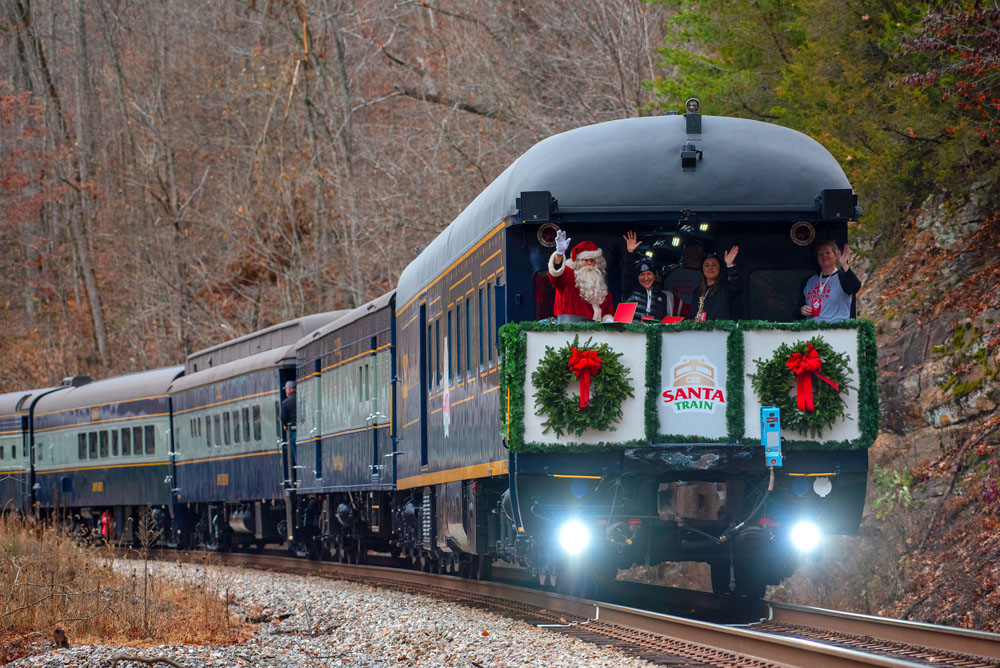
    Santa Claus, as we know him, might be a jolly, gift-giving figure today, but in Appalachian folklore, he was sometimes seen as a more mysterious and watchful presence. In certain mountain communities, it was believed that Santa communicated with children using hidden signs. For example, the location of a small object—like a pinecone or a piece of coal—left behind after his visit was said to convey a special message. If a pinecone was found near the fireplace, it meant that the child had been especially good that year, while coal could be a warning of mischief. Some families would also leave out food offerings like cornbread or a shot of whiskey for Santa, to ensure he had the strength to continue his journey through the mountains.

    4. No Sweeping on Christmas Day

    This superstition is common across many rural Appalachian households, and it’s closely tied to the belief that sweeping on Christmas Day would sweep away good fortune for the coming year. Sweeping the floors, especially on Christmas Day, was seen as a way of clearing away good luck and prosperity, so people would put off their cleaning chores until after the holiday. It was also thought that sweeping during the Christmas season could chase away the Christmas spirit, leading to an unlucky year ahead.

    5. The Yule Log’s Fate

    In many Appalachian homes, the Yule log plays a central role in Christmas traditions. But there’s more to the Yule log than just a cozy fire. The log was carefully selected, often by a family patriarch, and brought into the home on Christmas Eve. The superstition here was that the log needed to burn for twelve hours (through Christmas Day) to ensure good luck for the upcoming year. If the Yule log burned through the night without extinguishing, it was considered a sign that the family would have health, prosperity, and happiness in the new year. Some families would keep a small piece of the Yule log to burn the following year, ensuring that the warmth and luck would continue.

    6. The First Visitor of Christmas

    In the mountains, it was said that the first visitor to your home on Christmas Day would bring either good or bad fortune for the coming year. This superstition is tied to the old belief that a person’s spirit could bring blessings or curses. Ideally, a tall, dark-haired man was the best type of first visitor, as his presence was believed to guarantee a prosperous year. On the other hand, a woman entering the house first, especially if she was blonde, could bring misfortune. This superstition was often tied to the idea of balancing energies and making sure the right kind of people crossed the threshold first.

    7. Christmas Bells Ringing for Good Luck

    The sound of church bells ringing on Christmas Eve is often heard in Appalachian communities, signaling the arrival of Christmas and the beginning of holiday celebrations. But in some areas, the ringing of bells was considered to bring blessings, especially when it was the first sound you heard on Christmas morning. People believed that hearing the bells ringing would guarantee happiness and health for the year ahead. In some families, children would even make their own “bells” by attaching a small metal bell to a ribbon or string, which they would wear as they moved through the house, ensuring good luck and happiness.

    8. Kissing Under the Mistletoe – A Bit of Magic

    Although mistletoe has long been a staple of Christmas traditions, in Appalachia, it holds a bit more mystical power than in other regions. It was believed that mistletoe had the ability to ward off evil spirits, especially during the Christmas season. Hanging it above the door or over the mantle would protect the household from harm, and any misfortune during the year could be avoided by a simple kiss under the mistletoe. Additionally, some people believed that mistletoe could also serve as a form of divination—if you kissed under it and the kiss was returned, it was thought that your love would last forever.

    9. The Power of a Christmas Candle

    In many Appalachian homes, the burning of a single candle in the window was an important Christmas tradition. It was thought to guide the way for Mary and Joseph as they made their journey to Bethlehem. Beyond its religious significance, it was believed that the candle could also keep bad spirits away, particularly on Christmas Eve. Some people even placed candles on the windowsill with the idea that it would prevent ghosts from entering the home.

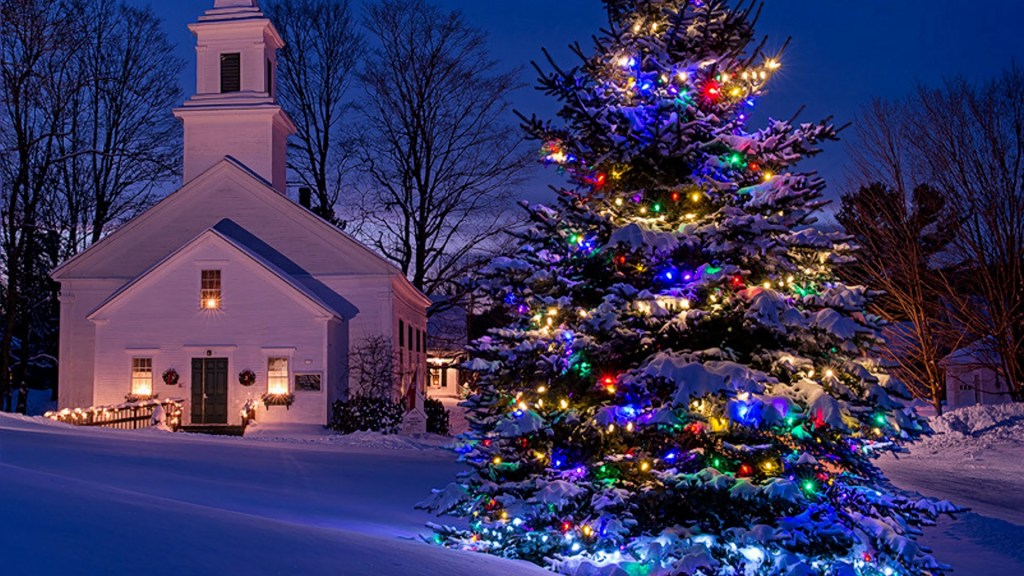
    Whether you’re from the Appalachian region or just intrigued by its folklore, the Christmas superstitions of this mountainous area are a window into a rich tradition of blending faith, nature, and magic. While modern times have softened the edges of these old beliefs, they remain an integral part of Appalachian heritage. As the season of Christmas approaches, perhaps you’ll take a moment to tap the tree, light a candle, or even welcome a visiting spirit as you celebrate the holidays with the people you love. After all, there’s no better time to honor the magic that lives in the mountains and in the hearts of those who cherish its traditions.

    -Tim Carmichael

  • The Lives of People in Appalachia: A Cycle of Disillusionment and Misinformation

    The people of Appalachia have long been portrayed as tough, resilient, and self-reliant. Nestled in the mountains of the American Southeast, these communities have weathered economic hardship, a changing landscape, and, more recently, the rise of political figures who thrive on fear and misinformation. For decades, the region has been a stronghold for politicians who promise to protect the working class, but once in office, fail to deliver tangible benefits to the very people who placed them there. In fact, they often pander to the fears and prejudices of their constituents, relying on divisive rhetoric and false claims to secure votes. But why does this pattern persist, and when will these communities recognize the damage caused by the very politicians they repeatedly reelect?

    The Economic Struggles of Appalachia

    Appalachia has always been economically disadvantaged. Once the heart of America’s coal industry, the region’s economy has faltered as coal jobs have disappeared, manufacturing has moved abroad, and the area has struggled to diversify. Despite these hardships, many Appalachian communities still carry a sense of pride in their past, and their roots run deep. It’s easy to see how politicians who speak to this pride, who promise to restore the region’s former glory, can tap into the emotions of these voters. The problems they face are real, and the solutions seem simple—bring back jobs, protect local industries, and reject the “elite” political class.

    Yet, the promises made by many of these politicians remain unfulfilled. They offer quick fixes like tax cuts for corporations, deregulation of industries that often exploit the land, and promises of job creation that never materialize. Meanwhile, the region continues to grapple with poverty, lack of access to healthcare, poor education systems, and the opioid crisis that has ravaged families and communities. These issues are not new, yet they remain largely ignored by those who hold the power.

    The Rise of Fear and Misinformation

    Politicians who are adept at sowing fear and spreading misinformation often find fertile ground in Appalachia. The region has been subject to the rise of populist rhetoric, which thrives on pitting people against one another—whether it’s urban versus rural, immigrant versus native, or “us” versus “them.” This kind of rhetoric plays on the fears of people who feel left behind, those who are struggling with changing economic and social landscapes.

    Politicians who prey on these insecurities often focus on inflammatory issues: immigration, the loss of cultural identity, and government overreach. They use fear of the unknown to distract voters from the real issues that affect their daily lives, such as jobs, healthcare, education, and infrastructure. These divisive tactics work because they provide a convenient scapegoat for people who feel that their concerns are not being addressed. When people are scared, they are more likely to vote based on emotional responses rather than rational thought.

    What’s worse, this misinformation is often spread by people in positions of power—politicians, media outlets, and influencers who have an agenda to maintain the status quo. These individuals frame themselves as outsiders fighting for the “forgotten” people of Appalachia, but in reality, they’re only looking out for their own interests, using fear and lies to keep voters loyal and compliant.

    The Cycle of Re-election

    Despite the failure of these politicians to improve their lives, many Appalachian voters continue to reelect them. This raises a difficult question: Why? Part of the answer lies in the sense of distrust and alienation that many in Appalachia feel toward the political system as a whole. For many, the idea of voting for “the other side”—for a candidate who might represent change—feels risky, especially when the rhetoric from the other side has often been just as divisive. The choice to vote for the devil they know, even if it means continuing down a destructive path, feels safer than embracing the unknown.

    Additionally, many voters in these areas are not fully aware of how little the politicians they support are doing for them. A lack of access to quality education, poor media literacy, and limited exposure to alternative viewpoints all contribute to a population that is more susceptible to misinformation. When people are told repeatedly that their problems are the fault of outsiders, immigrants, or government regulations, they often internalize these messages and continue to vote based on those distorted perceptions.

    The Wake-Up Call

    The question, then, is not whether these communities are capable of change—but when they will wake up and realize that the politicians they continue to elect are not helping them. It will take education, awareness, and a concerted effort to challenge the status quo. Communities in Appalachia need to be empowered to look beyond fear and misinformation, to demand accountability from those who claim to represent them.

    Change will not come easily, but it must come from within. Voters must seek out information that challenges their preconceptions and expand their understanding of the issues that truly affect their lives. Local organizations, grassroots movements, and independent media sources can help bridge the information gap and provide a clearer picture of what is happening in the political world. Additionally, voters must ask themselves whether they are being misled by rhetoric that serves only to divide, or whether they are supporting politicians who will bring real, substantive change to their communities.

    Breaking the Cycle

    Ultimately, the future of Appalachia depends on its people waking up to the reality of what their votes are supporting. It will take time for the cycle of fear and misinformation to be broken, but it is not impossible. By embracing education, fostering critical thinking, and holding politicians accountable, the people of Appalachia can take control of their future and build a better, more prosperous region for generations to come.

    As the saying goes, “When you know better, you do better.” Appalachia deserves leaders who will prioritize real change, not fear-mongering or empty promises. It’s time for a new chapter in the region’s history, one where the people rise above the fear and claim the future they deserve.

    -Tim Carmichael

  • Why Are Appalachian People Having to Move from Their Homes in Coal Mining Areas?

    For generations, the Appalachian region, particularly in states like West Virginia, Kentucky, and Tennessee, has been synonymous with coal mining. The rich deposits of coal in these mountain communities fueled the industrial revolution and became the backbone of local economies, providing jobs and livelihoods for entire families. Yet, in recent decades, coal mining has been in decline, and many residents of Appalachia are facing a difficult reality: they must leave the communities they’ve called home for generations. But why are people being forced to leave their homes in coal mining areas? The reasons are complex, interwoven with economic, environmental, and political factors. Let’s take a closer look.

    1. Decline of the Coal Industry

    The most direct and significant factor driving people away from coal mining areas is the ongoing decline of the coal industry itself. Coal was once the driving force of the Appalachian economy, but it has faced a series of setbacks in recent decades:

    • Automation and Technological Change: As coal extraction becomes increasingly mechanized, fewer workers are needed. The number of jobs in the coal industry has plummeted as machines replace manual labor, and even large mines now employ fewer people.
    • Shift to Natural Gas: In the past two decades, natural gas has emerged as a cheaper and cleaner alternative to coal for electricity generation. This shift, combined with the rise of renewable energy sources like solar and wind, has caused a dramatic reduction in the demand for coal.
    • Environmental Regulations: Growing concerns about climate change and air quality have led to stricter environmental regulations, which have made coal mining more expensive and less competitive. Policies aimed at reducing carbon emissions, such as the Clean Power Plan, have further hurt the coal industry’s viability.
    • Global Market Forces: The coal market has also been affected by global supply and demand dynamics. International coal prices have fluctuated dramatically, and with the U.S. becoming less reliant on coal, Appalachian exports have struggled to stay profitable.

    2. Economic Collapse in Coal Communities

    As the coal industry has shrunk, entire communities in Appalachia have been left in economic limbo. Many towns were built around the coal mines, and when the mines close, the jobs and services that relied on the coal industry also disappear. Unemployment rates in many Appalachian counties are among the highest in the nation, and local economies have yet to diversify away from coal.

    Without a steady income, many families are finding it increasingly difficult to make ends meet. This lack of economic opportunity has forced some people to move away in search of better prospects. Rural areas, especially those dependent on a single industry, often lack the infrastructure or investment needed to attract new businesses or create new jobs. In many places, young people are especially likely to leave in search of work in larger cities, contributing to an aging population in these regions.

    3. Environmental Degradation and Health Risks

    Beyond the economic and industrial changes, the environmental legacy of coal mining has had a profound impact on Appalachian communities. Mountaintop removal mining, a technique that involves blasting away entire mountain peaks to access coal seams, has left scars on the landscape and resulted in widespread environmental destruction.

    These environmental impacts include:

    • Water Contamination: Coal mining often pollutes local water sources with toxic chemicals like selenium, mercury, and arsenic. As a result, local water supplies can become unsafe to drink, cook with, or bathe in, forcing residents to either leave or invest in costly water filtration systems.
    • Air Pollution: The burning of coal releases harmful pollutants into the air, contributing to respiratory problems, heart disease, and even cancer. Many Appalachian communities, especially those near coal-fired power plants, suffer from poor air quality, which affects residents’ health and quality of life.
    • Coal Ash Waste: The byproduct of burning coal is coal ash, which can leach into groundwater and soil, creating long-term environmental hazards. In some regions, coal ash impoundments have overflowed or leaked, contaminating local ecosystems and affecting the health of people who live nearby.

    Faced with polluted air, water, and land, many people feel they have no choice but to leave in search of a safer, healthier environment.

    4. Lack of Alternative Job Opportunities

    Although many of the displaced workers and their families would prefer to stay in their communities, the transition away from coal has been made even more difficult by the lack of alternative job opportunities. While the federal government and state agencies have implemented various programs aimed at diversifying the economy of coal-dependent areas, such as funding for renewable energy projects, tourism, or technology, these efforts have largely fallen short.

    The transition to new industries often takes time and substantial investment, and in the meantime, many families struggle to make a living. The lack of infrastructure and investment in rural Appalachia has compounded these challenges, leaving many workers with few options besides relocating to more urban areas in search of work.

    5. The Toll of Poverty and Mental Health

    The financial and emotional toll of a declining coal industry cannot be overstated. Many people who have spent their entire lives working in the mines or related industries face a sense of lost identity and pride. The loss of community ties, coupled with financial insecurity, has contributed to a growing mental health crisis in Appalachian coal towns.

    Rates of depression, anxiety, substance abuse, and suicide have spiked in these areas, exacerbated by the ongoing economic struggle. As the ability to earn a stable income diminishes, the strain on individuals and families becomes unbearable for many, leading some to leave in search of hope and new opportunities.

    6. Political and Social Challenges

    Politically, the people of Appalachia have often felt ignored or misunderstood by the broader public. The region has been heavily reliant on the coal industry, and for years, political leaders have championed the continued use of coal as a way to preserve jobs and the economy. However, with the shift toward renewable energy and environmental concerns growing, the promises of coal’s revival have not materialized.

    For many, this sense of abandonment has led to a growing distrust in politicians and institutions that have failed to deliver on promises of economic revival. As a result, some are choosing to leave not only because of the lack of economic opportunity but also because they feel their concerns are no longer being addressed.

    The Future of Appalachia

    The exodus from coal mining areas in Appalachia is a complicated and painful process, one that involves not just the decline of an industry but the erosion of communities, identities, and way of life. While some remain hopeful about the region’s future—thanks to efforts in renewable energy, tourism, and agriculture—many individuals and families are being forced to relocate in search of new opportunities. The story of Appalachia is far from over, but the challenges facing its people are profound and will require sustained investment in education, healthcare, and economic diversification to ensure that future generations don’t have to leave the mountains they call home.

    As the region moves forward, it’s crucial that both the public and private sectors recognize the urgency of addressing the social, economic, and environmental issues at play. The people of Appalachia have long been known for their resilience, but it’s time for new solutions to match their enduring strength.

    -Tim Carmichael

  • Thanksgiving in the Mountains: A Memory That Still Lives On

    Thanksgiving always takes me back to my Granny’s old house in the mountains of Appalachia, in a little community called Spillcorn. A place where life was simple but not without its struggles. The mountain air in November had a bite to it, the kind of cold that settled into your bones, but there was warmth in that old house—warmth from the wood stove, from the food, and most of all, from the family gathered around the rough plank table my papaw had built with his own two rough hands.

    The Nortons and the Gosnell’s—my mother’s people—were tough, hard-working folk. Their hands were calloused from years of labor in the fields, and their faces, weathered and worn from long days in the sun, carried the marks of those hard lives. They weren’t people who had much, but what they had was theirs, and it was enough. They didn’t trust outsiders, but among family, there was an unspoken bond of loyalty that ran deep. They had to be strong to survive in the back coves and hollows of Madison County, North Carolina, where life didn’t offer much comfort or luxury.

    The smell of food cooked over firewood on a cold November day in Granny’s farmhouse is still as fresh in my memory as it was all those years ago. It wasn’t just the food—it was the love that went into it. Everything came from the land: the beans, the cornbread, the potatoes, and the greens. The meats were smoked or cured, and pies were made from fruits grown right outside the kitchen door. All of it cooked on a wood stove, and the air was thick with the earthy scent of firewood and food that had been lovingly prepared by hands that knew the hard work of the land. The photo’s below on the left was my great grandparents’ house and the one on the right was my granny’s old house.

    But it wasn’t just about the food. It was about family, and the sense of belonging that filled that old farmhouse. On Thanksgiving, we didn’t just sit inside—we gathered around the fire that was built in the front yard, and we sat on the porch that overlooked the mountains, as the sun sank low behind the peaks. The air would grow colder as the night set in, but no one minded. We had each other. We had the warmth of the fire and the love that flowed as freely as the stories that were told.

    The guitars and banjos would come out, and the music would fill the air, twining together with the stories of old. Granny would tell tales of her younger days, of hard times and good times, of growing up in those very mountains. My uncles and cousins would chime in with their own stories, laughter ringing out into the crisp night. It was there, around that fire, that we shared more than just food and stories—we shared a connection to each other.

    It’s hard to think that all the generations are gone now. Papaw in 1973, granny left us in 1993, and since then, we’ve lost so many more—Aunt Sis in 2000, my mother in 2008, and others too. Now, my cousins and I are the ones who hold the mantle of our family’s legacy. We are the new matriarchs, the ones who carry the weight of tradition and history, and it’s strange, in a way, to be the ones who must pass those stories on now. But we do, just as our parents did before us. We still gather, still cook, still share those same stories, keeping alive the memories of those who came before us.

    Thanksgiving has changed in some ways, but in so many others, it’s still the same. The house is gone, Granny’s old front porch is empty, and the fire no longer crackles in the yard, but the love, the stories, the music, and the food—they’re all still here in our hearts. And when we sit around our own tables now, it’s as if those who are gone are still with us, gathered around in spirit, smiling and laughing like they always did.

    This Thanksgiving, I pray that each of you feels the warmth of family, the bond of tradition, and the love that can only come from those who have shared the tough days and the good days together. From my family to yours, I wish you a day full of gratitude, joy, and the kind of love that lasts through generations.

    Happy Thanksgiving!

    -Tim Carmichael

  • “Scripture Cake: A Sweet Tradition of Appalachia”

    If you’re someone who enjoys baking and appreciates the rich history of biblical traditions, then you’ll love the story and recipe behind Scripture Cake. This unique cake has been passed down through generations, offering a sweet and meaningful way to combine culinary art with the teachings of the Bible. As its name suggests, Scripture Cake isn’t just any dessert—it’s a cake made with ingredients that are based on specific Bible verses. It’s a delightful way to explore the Word of God, with each ingredient corresponding to a different passage.

    A Taste of History and Faith

    Scripture Cake dates back to the 18th century and is believed to have originated in the American South. Historically, it was a way to teach children and young Christians about the Bible in a fun and engaging way. The cake’s ingredients are derived from verses found throughout the Bible, making it a perfect recipe for Sunday gatherings, church events, or even personal reflection.

    The charm of Scripture Cake lies in its method of using biblical references as a guide for the ingredients. Rather than using a traditional recipe where the ingredients are listed plainly, Scripture Cake turns the Bible into a cookbook. The baker must look up specific verses, which reference common ingredients, and then translate those verses into the actual components for the cake.

    Why Make Scripture Cake?

    Beyond the flavor and the fun of following scripture-based clues to make this cake, Scripture Cake is a reminder of the many ways we can incorporate our faith into everyday activities. It’s a wonderful conversation starter, a perfect treat for Bible study groups, or an interesting gift for someone who enjoys a biblical twist on traditional recipes.

    Incorporating these verses into a baking experience brings the Bible to life in a tangible way. Each ingredient becomes a small piece of the scripture puzzle, enriching both the baker’s and the guests’ spiritual journey. Whether you’re new to Scripture Cake or you’ve been baking it for years, this cake is a sweet reminder that faith can be enjoyed in many ways, even though something as simple as a slice of cake.

    So, the next time you’re looking for a recipe with both flavor and meaning, why not give Scripture Cake a try? Not only will you be making something delicious, but you’ll also have the chance to reflect on the timeless wisdom of God’s Word as you bake. Enjoy!

    Scripture Cake Recipe

    Ingredients (based on Bible verses)

    • 1 Tablespoon Judges 5:25 (Butter)
    • ¼ cup raw Jeremiah 6:20 (Sugar)
    • 1 cup coarsely chopped Genesis 43:11, divided (Walnuts)
    • 1 cup Judges 5:25, softened (Butter)
    • 1½ cups granulated Jeremiah 6:20 (Sugar)
    • 4 Jeremiah 17:11 (Eggs)
    • 2 cups Exodus 29:2 (Flour)
    • 2 teaspoons Amos 4:5 (Baking soda)
    • ½ teaspoon Mark 9:50 (Salt)
    • 2 teaspoons ground Exodus 30:23 (Cinnamon)
    • to taste Chronicles 9:9 (Cloves, Allspice, Nutmeg)
    • 4 cups cored, peeled, and coarsely chopped Psalms 17:8 (Apples)
    • 1 Tablespoon 1Samuel 14:25 (Honey)
    • 1 cup chopped Numbers 17:8 (Almonds)
    • 8 ounces dried, chopped Song of Solomon 2:13 (Figs)
    • ½ cup 1Samuel 30:12 (Raisins

    Directions

    • Grease 12-cup nonstick Bundt pan with the 1 tablespoon butter. Sprinkle raw sugar into pan, turning pan to coat. Sprinkle ⅓ cup of the chopped walnuts evenly into bottom of pan; set aside.
    • In large mixer bowl, beat the 1 cup butter and granulated sugar at medium speed until light and fluffy. Beat in eggs, one at a time.
    • In a medium bowl, combine flour, baking soda, salt, and cinnamon. Add optional spices to taste: cloves, allspice, and nutmeg. Add to butter mixture; beat at low speed until well combined.
    • Stir in chopped apples, figs, raisins, honey, almonds, and remaining ⅔ cup walnuts.
    • Spoon batter into prepared pan. Bake in 350 degrees F. oven until wooden pick inserted near center comes out clean, about 50 to 60 minutes.
    • Cool in pan 15 minutes; invert onto wire rack to cool completely. Best if prepared 1 day before serving. Store cake covered at room temperature.

    -Tim Carmichael

  • Aunt Sophie Campbell: A Smoky Mountain Legend in Appalachia

    In the heart of the Great Smoky Mountains, there lived a woman whose legacy would endure long after her passing—a woman who embodied the spirit of these rugged mountains, their folklore, and their hospitality. Her name was Aunt Sophie Campbell, and she became one of the most beloved figures in the region. Known for her talent, warmth, and resilience, Aunt Sophie was a true Smoky Mountain legend.

    A Life in the Smokies

    Aunt Sophie Campbell was born in 1855 and spent the majority of her life in the remote corners of the Great Smoky Mountains. Alongside her husband, Uncle Tom, Sophie made her home atop Mount Harrison, a towering peak just across the river from Gatlinburg. The couple’s cabin, built with love and sweat by Uncle Tom, stood as a testament to their deep connection to the land. The journey to their mountaintop home was far from easy—tourists would have to ford the river and then climb the steep, winding path that led to their remote cabin. Yet, for years, those who made the difficult trek were richly rewarded with much more than just a scenic view.

    The Craft of the Pipes

    One of the main draws to Aunt Sophie and Uncle Tom’s cabin was the hand-crafted pipes that Sophie became famous for. Made from locally sourced wood and carved with the precision of a master artisan, these pipes were not mere souvenirs—they were works of art. Sophie’s pipes were carefully hardened over the fire of her stone fireplace, a process that ensured each piece had its own unique character. Whether it was a finely detailed carving or the smooth, polished finish of the wood, Sophie’s pipes were cherished by those lucky enough to purchase one.

    But it wasn’t just the pipes that made Aunt Sophie so special—it was her hospitality. After making the long and grueling climb up the mountain, visitors were often treated to a warm welcome and stories from a woman who had lived a lifetime among the hills. Aunt Sophie had a gift for storytelling, and those who stopped by her cabin often left with more than just a pipe—they carried away memories of tales about the Smoky Mountains, its wildlife, and its colorful history.

    A Community Legend

    Sophie’s fame spread far and wide, and tourists came from near and far to buy her pipes and enjoy her hospitality. The path leading to her home became a pilgrimage of sorts, as those who were willing to endure the trek were rewarded with a sense of connection to the Smoky Mountains like no other. It was a place where visitors felt like family, treated with kindness, and regaled with stories that made the mountains come alive.

    Though Sophie’s life was deeply rooted in the traditions and culture of the Smoky Mountains, she was also a living testament to the resilience and spirit of the people who had lived there for generations. The mountain folk were known for their independence, their connection to the land, and their ability to carve out a life in one of the most remote and rugged places in the country. Aunt Sophie embodied all of these qualities, and she became a cherished figure in the local community.

    A Farewell to a Legend

    In 1936, the mountains lost a true legend when Aunt Sophie passed away at the age of 81. Her death marked the end of an era for the people of the Smokies, and the loss was deeply felt throughout the region. The rugged, steep terrain that had been such a part of Sophie’s life also made it impossible for her family to carry her coffin to the top of the mountain for burial. Instead, in a quiet and respectful tribute, her body was carried down the mountain in a hammock—a final journey that mirrored the laborious climbs that had become part of her life.

    Aunt Sophie was laid to rest in the White Oak Flats Cemetery in Gatlinburg, a place where many of the Smoky Mountain’s early pioneers had found their final resting place. Though she is gone, her memory remains alive in the hearts of those who knew her, and in the stories passed down through generations.

    A Legacy That Lives On

    Though Aunt Sophie Campbell may have left this world in 1936, her legacy endures. The pipes she crafted by hand, the hospitality she offered to strangers, and the stories she told are all part of the fabric of Smoky Mountain history. Today, her name is still remembered and celebrated as a symbol of the unique culture and community that thrived in the Smokies for so many years.

    As you hike through the Great Smoky Mountains and pass through the valleys and peaks, she once called home, take a moment to remember Aunt Sophie. The spirit of this remarkable woman—her craftsmanship, her warmth, and her love of the mountains—continues to echo through the landscape, reminding us of all of the timeless legends that live on in the heart of these ancient hills.

    -Tim Carmichael