Springtime in Appalachia means one thing: it’s ramp season. These wild, pungent onions—beloved and notorious for their strong flavor—are popping up across the mountains, and with them come the annual festivals that honor the tradition, flavor, and folklore of this Appalachian delicacy.
Whether you’re a lifelong ramp eater or curious to try your first bite, the last weekend in April offers three standout events in the region that promise music, crafts, mountain culture, and of course, ramps cooked every which way.
67th Annual Polk County Ramp Tramp Festival – Reliance, Tennessee
The Polk County Ramp Tramp Festival, now in its 67th year, is a deep-rooted community tradition that draws families and friends from across the region. The festivities begin Friday evening with a Bluegrass and Beans meal, where folks gather around bowls of beans, slices of cornbread, and a healthy helping of ramps while enjoying live bluegrass music.
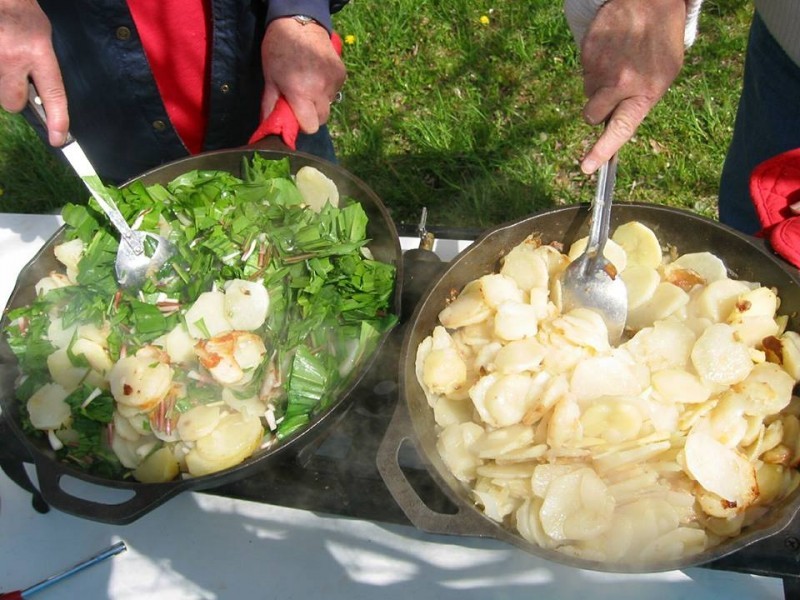
Saturday kicks off with a hike through the woods to harvest fresh ramps—a tradition that gave the event its “Tramp” name. Afterward, visitors can enjoy the outdoor crafts festival featuring local artisans, and the highly anticipated traditional ramp meal, served up hot with potatoes, eggs, and bacon.
Ballplay-Tellico Ruritan Club Ramp Festival – Tellico Plains, Tennessee
Date: Saturday, April 26, 2025 Time: 10:00 AM – 4:00 PM Location: Tellico Plains Community Center
Down in Tellico Plains, the Ballplay-Tellico Ruritan Club hosts its own annual Ramp Festival—a day filled with community pride, mountain music, and heaping plates of food. This family-friendly event features live entertainment, local crafts, and vendors, with all proceeds going toward community projects.
The ramp meal is the heart of the day, where you’ll find ramps paired with staples like potatoes, cornbread, and fatback—served with stories, laughter, and the occasional warning: don’t eat them before a first date.
Elkins Ramps & Rails Festival – Elkins, West Virginia
Date: Saturday, April 26, 2025 Train Departure Times: 11:00 AM & 1:00 PM Train Type: Diesel Duration: 1 Hour Tickets: $29 (Ages 4+), Free for ages 3 and under (ticket required)
If you want ramps with a side of scenic rail travel, head north to West Virginia for the Elkins Ramps & Rails Festival. This one-of-a-kind experience combines the Appalachian love of ramps with a heritage train ride through the mountains.
Held at the Elkins Depot, the festival features vendors, live entertainment, and plenty of ramp-inspired foods available for purchase (lunch is not included with your train ticket). It’s a great way to soak in the sights, sounds, and smells of spring in the mountains.
A Note on Ramps
For the uninitiated, ramps are wild leeks with a garlicky-onion flavor that grow in the rich forest soil of the Appalachian Mountains. Traditionally foraged and cooked with simple ingredients like eggs and potatoes, they’ve also found their way into everything from pesto to pickles. But be warned: their flavor lingers long after the meal is over.
Whether you’re looking to tramp through the woods, hop on a scenic train, or just enjoy a plate of Appalachian soul food, these festivals are a springtime celebration of heritage, hard work, and homegrown flavor. Bring your appetite—and maybe a breath mint.
Six months after Hurricane Helene, federal support is drying up while the need remains high
FEMA has denied North Carolina’s request to continue covering 100% of the costs tied to Hurricane Helene recovery—leaving Appalachian communities to carry a heavier load just as a new hurricane season approaches.
In a letter sent Friday to Governor Josh Stein, acting FEMA Administrator Cameron Hamilton said the agency no longer sees full federal support as necessary.
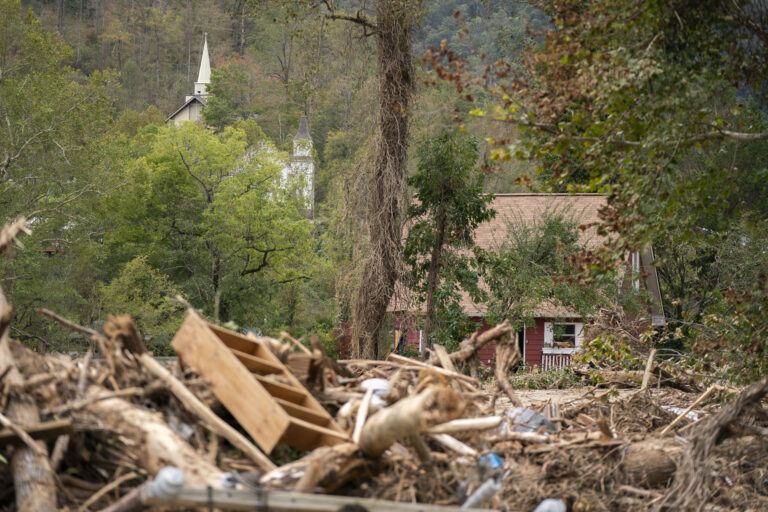
But folks in the mountains of North Carolina are still living with the storm’s destruction—roads remain washed out, homes are gutted, and piles of debris have yet to be cleared.
“The need in western North Carolina remains immense — people need debris removed, homes rebuilt, and roads restored,” Gov. Stein said. “I’m extremely disappointed and urge the President to reverse FEMA’s bad decision, even for just 90 more days. Six months on, the people of Appalachian North Carolina are doing everything they can to rebuild their lives. FEMA should be standing with them, not backing away.”
FEMA has not responded to requests for comment.
After Hurricane Helene hit in late September, the Biden administration initially approved a 100% federal reimbursement for essential emergency expenses like debris removal and protective services. That helped the state move quickly on urgent needs in hard-hit areas. In December, FEMA reduced the reimbursement rate for most categories to 90%, but extended the full coverage for debris cleanup through the six-month mark.
Now that window has closed, and the federal government has ended that added support—despite repeated appeals from state and local leaders to extend it. The decision, which comes as political debates swirl around the future of FEMA itself, has left many feeling abandoned.
This is politics being played with people’s lives, these aren’t just numbers on a spreadsheet—these are families trying to dig out of the mud, fix their roofs, and find some sense of normal.
With hurricane season looming once again, the timing of FEMA’s decision has raised alarm. Communities that haven’t even finished cleaning up from the last storm now face the threat of another, all with less federal help.
U.S. Rep. Chuck Edwards, who represents a large portion of western North Carolina, told the Asheville Citizen-Times that a further extension of 100% support would have been highly unusual.
“Edwards said “Instead of pushing for something unprecedented, I’m focused on other ways to make a difference,” “That includes helping individual survivors navigate FEMA and working with the administration to find additional sources of relief.”
The state has 30 days to formally appeal the decision. For now, the people of North Carolina are left to push forward—carrying both the physical and financial weight of recovery on their own.
The Trump administration is pushing hard to open up national forests to more logging, and Appalachia’s mountains are squarely in the crosshairs. They claim it’s about jobs and fire prevention, but anyone who knows these woods understands the real cost. These forests aren’t just a resource to be exploited—they’re the backbone of the region, holding together the land, the water, and the way of life for countless communities. If we don’t start speaking up now, we’ll wake up one day to mountains stripped bare, with nothing left but erosion, polluted streams, and broken promises. All of the dark areas on the map below is where they will start logging.
For centuries, these mountains have given us clean water, wild game, and quiet places where the rush of the modern world fades away. The trees here aren’t like the fast-growing pines of industrial tree farms—they’re hardwoods that have stood for generations, their roots gripping the steep slopes, keeping the earth from sliding into the valleys below. But when the bulldozers and chainsaws move in, that fragile balance is shattered. We’ve seen it happen before—after heavy rains, mudslides tear through hollows, burying roads and choking creeks with silt. Wells go bad, fishing spots disappear, and the wildlife that people depend on scatters or starves.
It’s not just the land that suffers. Appalachia’s culture is tied to these woods. Hunters track deer through the same ridges their grandfathers did. Families gather ramps and mushrooms in the same shady coves where they’ve always grown. Tourists come from all over to hike trails under the thick canopy of oaks and maples, spending money in local diners, gas stations, and gear shops. What happens when those trees are gone? When the hillsides are nothing but stumps and mud? A handful of logging jobs might last a few years, but once the timber’s hauled off, what’s left for the next generation?
The worst part is, we’ve been here before. Coal companies told us mining would bring prosperity, then left behind poisoned water and flattened mountains. Timber companies promised sustainable cutting, then took the biggest trees and moved on. Now the government wants us to believe this time will be different—but we know better. If we don’t push back, if we don’t demand real protections for these forests, we’re just handing over our home to be picked apart by whoever offers the highest bid.
It’s time to stop letting outsiders decide the fate of these mountains. We need to stand up—at town meetings, in letters to Congress, in protests if that’s what it takes—and make it clear that Appalachia’s forests aren’t for sale. These woods have sheltered us for generations. Now it’s our turn to shelter them.
How a humble mountain root turned neighbor against neighbor—and sometimes, killer against killer
Roy Combs never locked his doors. Not his truck, not his toolshed, certainly not the old cedar chest where he kept his dried ginseng roots wrapped in newspaper. In the holler where he’d lived all his 58 years, everyone knew Roy. And everyone knew better than to touch another man’s sang.
That changed the fall the outsiders came.
They arrived in late September 2012—three men in a dented Ford pickup with Tennessee plates. At first, they just asked around Pineville, Kentucky about good digging spots. Polite enough. But by October, whispers spread through the county: they’d been seen on protected land in the Daniel Boone National Forest. Then private property. Then Roy’s family tract up on Big Double Creek.
Roy confronted them near the old mining road on October 11. His brother Asa would later tell investigators Roy came home shaking, not with fear but with cold anger. “They showed me a pistol,” Roy said. “Told me these hills don’t belong to nobody no more.”
The next morning, Roy went out digging alone.
The Bloody Harvest
They found his body at dusk, just as the autumn light was fading. Fifty yards from his favorite sang patch, Roy lay sprawled face-down in the leaf litter, the back of his skull crushed by what the coroner would later determine was a rock or maybe a shovel. His burlap sack, usually full this time of year, held just seven roots.
In most places, this would be a straightforward murder investigation. But in Appalachian Kentucky, where ginseng digging follows its own unwritten rules, Sheriff’s deputies faced a wall of silence.
“People here have been digging sang since before this was America,” explained retired game warden Carl Ledford. “There’s codes. You don’t take small roots. You replant the berries. And you sure as hell don’t steal another man’s patch.”
The Tennessee men disappeared the day after Roy’s body was found. Their abandoned truck turned up near the Virginia border, the bed loaded with nearly 40 pounds of freshly dug ginseng—enough to fetch $20,000 in the right markets. The keys were still in the ignition.
A Root Worth More Than Gold
Ginseng has fueled Appalachian economies since the 1700s, when traders first discovered Chinese merchants would pay a fortune for the gnarly, human-shaped roots. Today, with wild American ginseng selling for 500−500−1,000 per dried pound in Asian markets, the pressure on remaining patches has turned deadly.
“These aren’t just plants,” said University of Kentucky ethnobotanist Dr. Marybeth Collins. “For many families, this is the difference between keeping the lights on or not. When outsiders come in and strip an area clean, they’re not just taking roots—they’re stealing someone’s winter heat money.”
The violence isn’t new. Court records show ginseng-related assaults dating back to the 1920s. But the recent boom has brought a new brutality. In 2014, a Clay County man was beaten unconscious over a disputed patch. Two years later, wildlife officers in West Virginia found a poacher’s camp with a handwritten sign: “Trespassers will be buried with the sang.”
The Land Settles Its Own Debts
Back in Pineville, Roy’s case remains officially unsolved. The Tennessee men never resurfaced. Some say they got smart and left the state. Others tell darker stories—of deep-woods justice, of how the mountains have always dealt with thieves.
Asa Combs still digs ginseng on the family land. He’s added a new ritual: every autumn, when he finds the first mature plant, he presses a single silver dollar into the soil beneath it.
“Payment for what we take,” he says. “And reminder of what we owe.”
At the head of the holler, where the spring runs clear, a simple wooden cross stands between two young poplars. There’s no name, just three words carved into the wood:
Ginseng don’t forget.
About This Story: This account is based on true events documented in Kentucky court records, interviews with law enforcement, and Appalachian oral histories.
Bluegrass icon Ralph Stanley’s bluegrass standard “Pretty Polly” is an eerie murder ballad of love, betrayal, and supernatural revenge. Based on an older English folk song called The Gosport Tragedy, the ballad tells the tale of a young woman who meets the worst end at the hands of her lover, only to have revenge visit her in supernatural and ghostly proportions.
The Ballad: A Promise Fatal
The ballad recounts the sinister tale of John Billson, a ship carpenter, who makes Pretty Polly pregnant after seducing her and then takes her into the woods to murder her so that he will not have to take responsibility for his sin. Billson sets sail on the ship MMS Bedford after committing the crime, believing that he has left his transgression behind him on English shores. Fate—and perhaps something more sinister—has other plans.
The Haunting: A Ghostly Apparition at Sea.
As the ship departs, there is a haunting incident. A seaman named Charles Stewart is visited by Pretty Polly’s ghost in the gloomy hold of the ship, carrying a baby in her arms. The ghostly encounter sends shivers among the sailors, which means that Billson’s transgression will not go unpunished. The paranormal encounter sets off a series of events that ultimately lead to a chilling confession.
The Confession and Death of John Billson
Captain Edmund Hook, upon discovering the ghostly vision, faces Billson. Brimming with remorse and fear, the carpenter goes down on his knees and confesses to the act. Soon, he dies aboard ship—some say due to scurvy, others divine justice. Pretty Polly’s ghost therefore ensures justice, even after death.
Origins: The Evolution of a Murder Ballad
The earliest documented printed version of The Gosport Tragedy was printed around 1727. Peggy’s Gone Over Sea, the song to which it was originally sung, carried the tragic story through the centuries. The ballad evolved through the years, being adapted by American folk artists as Pretty Polly, a bare-bones and crueller version of the original tale.
Ralph Stanley’s Lasting Legacy
Ralph Stanley’s spooky rendition of Pretty Polly cemented its place in American bluegrass history. His raw, high-lonesome singing and clawhammer banjo style gave the song a creepy, otherworldly tone, as though it were a murder song that defied the genre. His version also emphasized the dark and violent side of the story, ensuring that Pretty Polly would be bluegrass and folk music’s most memorable cautionary tale.
No matter if heard as a cautionary legend of treachery, an ethereal ghost tale, or just a little folk history, Pretty Polly still intrigues listeners, reminding them of the times when music was as much entertainment as it was a frightening moral in itself.
The Appalachian dialect is a fascinating and colorful form of speech that has been shaped by centuries of tradition, isolation, and cultural blending. This unique way of speaking reflects the history, resourcefulness, and humor of the people who call the mountains home. Below is a collection of common Appalachian slang words and phrases, along with their meanings.
Common Appalachian Words and Phrases
Holler – A valley or ravine, or to yell or shout. Example: “He lives down in the holler.”
Fixin’ / Afixing – Getting ready or planning to do something. Example: “I’m fixin’ to go to town.”
Poke – A bag or sack. Example: “Grandma sent me to the store with a poke full of eggs.”
Reckon – To suppose or think. Example: “I reckon it’ll rain soon.”
Fit as a fiddle – In good health or condition. Example: “Don’t worry about me, I’m fit as a fiddle.”
Fit to be tied – Very upset or angry. Example: “Daddy was fit to be tied when he saw the mess in the kitchen.”
Kyarn – Carrion; dead flesh, such as roadkill. Example: “Smells like kyarn out here.”
Flar – Flour. Example: “Mama’s bakin’ biscuits with some fresh flar.”
Foddershock – Cut corn stalks tied into tall bunches in the fall. Example: “We set up the foddershocks in the field yesterday.”
Gom-Mess – A term used for something messy or cluttered. Example: “This kitchen is a gom-mess!”
Reach me that – Hand me that. Example: “Reach me that salt, would ya?”
Toboggan – A knit cap. Example: “Better put your toboggan on; it’s cold outside.”
Other Interesting Appalachian Terms
Haint – A ghost or ill-meaning spirit. Example: “Better keep the windows shut, or the haints will come in.”
Booger – Mucus, dirt, or other debris that has dried and clumped together. Example: “That kid’s got a booger hangin’ from his nose.”
Booger Hollow – A notorious, dark, scary, remote place in the woods. Example: “You don’t wanna get caught in Booger Hollow after dark.”
Sallet – Salad, as in a poke-sallet, which refers to pokeweed rather than store-bought greens. Example: “Mama cooked up a mess of poke sallet for supper.”
Fistes – Fists. Example: “He balled up his fistes, ready to fight.”
Fiddlesticks – An exclamation of frustration or disbelief. Example: “Oh, fiddlesticks! I burned the cornbread.”
Fillin’ station – Gas station. Example: “We need to stop by the fillin’ station before headin’ home.”
Fetch – To bring. Example: “Go fetch me a bucket of water.”
Fling – To throw, or to have a romantic relationship. Example: “He had a fling with that girl from over yonder.”
Flustrated – A mix of flustered and frustrated. Example: “Mama gets flustrated when we track mud in the house.”
Foiled – Stopped or prevented. Example: “The rain foiled our plans for a picnic.”
Foller – Follow. Example: “Foller me down this path.”
Foller yer own lights – Do what you know is right. Example: “No matter what folks say, you best foller yer own lights.”
The Enduring Charm of Appalachian Speech
Appalachian dialect is about heritage, storytelling, life that values plain speech and deep-rooted traditions. While some of these phrases may fade with time, they continue to live on in the conversations of mountain folks, in old family stories, and in the rhythm of daily life. Next time you hear someone say they’re “fixin’ to” do something or reckon the weather’s gonna turn, you’ll know you’re hearing the echoes of generations past.
For generations, Appalachia thrived on self-sufficiency. Families worked the land, built their homes, and passed down traditions without much interference from the outside world. But times have changed. Globalization has reached deep into the hollers, bringing jobs, higher costs, and a wave of newcomers. Some see it as progress. Others see it as an invasion.
Jobs and Industry: Who Wins, Who Loses?
Coal was once the backbone of Appalachia, providing steady work for generations. But with cheaper energy sources and stricter environmental policies, coal jobs have vanished. New industries have moved in—factories, warehouses, and remote work opportunities—but many of these jobs pay less and offer fewer benefits. The loss of stable, well-paying jobs has left a lot of folks struggling to make ends meet.
Outsiders Driving Up Costs
Outsiders looking for a slice of mountain life have poured into Appalachia, buying up land and homes. That might sound like a good thing—until you see the price tags. Locals who once paid a fair price for land now find themselves priced out of their own communities. Short-term rentals have taken over, pushing families out in favor of tourists. What used to be quiet, tight-knit towns are now weekend getaways for people with money to burn.
Culture: Preserved or Packaged for Tourists?
Appalachian culture is strong, built on music, storytelling, and deep-rooted traditions. But globalization has changed how it’s shared. On one hand, more people are discovering bluegrass, traditional crafts, and mountain remedies. On the other, some of these traditions are being watered down and repackaged for tourists. Younger generations, bombarded by outside influences, are drifting away from the old ways, leaving elders to wonder if their heritage will survive.
Changing Communities: A Struggle for Identity
With more outsiders moving in and young people moving out, small Appalachian towns are changing fast. Wealthy newcomers bring new businesses, but often ones that cater to tourists rather than locals. Gentrification is turning once-affordable areas into expensive playgrounds for the well-off. The sense of community, where neighbors looked out for one another, is fading as people with no roots in the area reshape it to fit their own desires.
The Land: A Battleground Between Growth and Preservation
Coal may be fading, but other industries are still taking their toll on the land. Developers carve up mountainsides for new housing, and increased tourism puts pressure on fragile ecosystems. Some areas have seen positive changes, like cleaner rivers and the return of wildlife, but at the same time, unchecked growth threatens to strip Appalachia of its natural beauty.
What’s Next for Appalachia?
Globalization isn’t going anywhere. Appalachia will have to adapt, but at what cost? If the region can find a way to welcome change while protecting its culture, land, and people, there’s hope. But if outside interests keep pushing locals out, Appalachia risks losing the very things that make it special. The question is: Who gets to decide its future—the people who built it or the ones moving in?
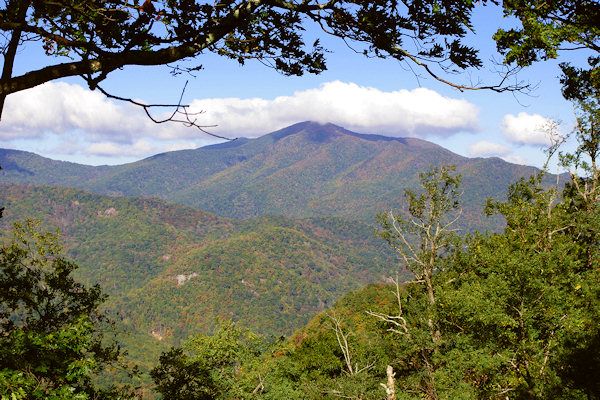
Before Cold Mountain was known to the world through literature and film, it was home to those who faced the mountain’s challenges and carved a life out of its steep slopes, dense forests, and harsh winters. These early settlers, primarily Scots-Irish immigrants, arrived in the late 1700s, seeking land and a chance to build a life, though they found themselves in a landscape that was anything but forgiving.
For these pioneers, Cold Mountain presented both an opportunity and a daunting challenge. The mountain was remote, and getting there was no simple task. Few roads wound through the dense woods, and the treacherous terrain made travel slow and dangerous. For most of the year, the weather made the mountain almost inaccessible, and many families would go months without seeing another soul outside their immediate circle. Cold Mountain wasn’t an easy place to settle, but for those who made it their home, it offered the promise of freedom and self-sufficiency.
Life on Cold Mountain was a constant struggle against nature’s harshness. Farming wasn’t easy—many of the slopes were steep and difficult to work, but the settlers grew what they could: corn, beans, and potatoes. The cold mountain air and the limited growing season made every harvest an important one. Hunting and fishing became vital to the settlers’ survival, and the forests provided not only food but timber for building homes and fuel for the fire. As tough as life was, the settlers were resourceful, finding ways to make do with what they had.
The settlers of Cold Mountain were also skilled in using the land’s natural resources for medicine. Herbs, roots, and plants like ginseng were gathered and used to treat illness and injuries. These plants were often traded or sold in nearby towns, providing some income. The settlers’ knowledge of the plants around them became a lifeline, passed down through generations, a testament to their ability to adapt to their surroundings.
With few neighbors and limited contact with the outside world, the settlers relied heavily on each other. They helped each other build homes, raise barns, and hunt for food. The isolation bred a strong sense of community and self-reliance, as the settlers knew they could depend on one another when needed. There was no town sheriff or lawman to enforce rules, so they created their own systems of order, governed by respect and a shared understanding of survival.
The winters on Cold Mountain were unforgiving. Snow could blanket the ground for months, and the cold could freeze the pipes in their homes, leaving families with little more than the warmth of the hearth to see them through. Yet even in the face of these harsh conditions, the settlers pushed on, making sure their homes were stocked with firewood, food, and whatever else they could gather before the snow began to fall.
Despite the grueling challenges, these settlers persevered, building lives on the high slopes of Cold Mountain. They raised families, worked the land, and passed down their knowledge to the next generation. They lived with a deep sense of pride, knowing that every meal, every house they built, and every day they survived was their own doing.
Their legacy lives on, not just in the places they built and the stories they passed down, but in the descendants who still live in the hills surrounding Cold Mountain. Though many of the old ways have faded with time, the spirit of those early settlers remains a part of the Appalachian culture, a reminder of the strength, determination, and hard work that defined the people of Cold Mountain.
The story of Cold Mountain’s early settlers is one of resilience in the face of adversity. They didn’t just survive—they made a life, turning a rugged and often inhospitable mountain into a home. The hardships they endured, the work they put in, and the tight-knit communities they formed shaped not only the history of Cold Mountain but the character of the people who lived there for generations
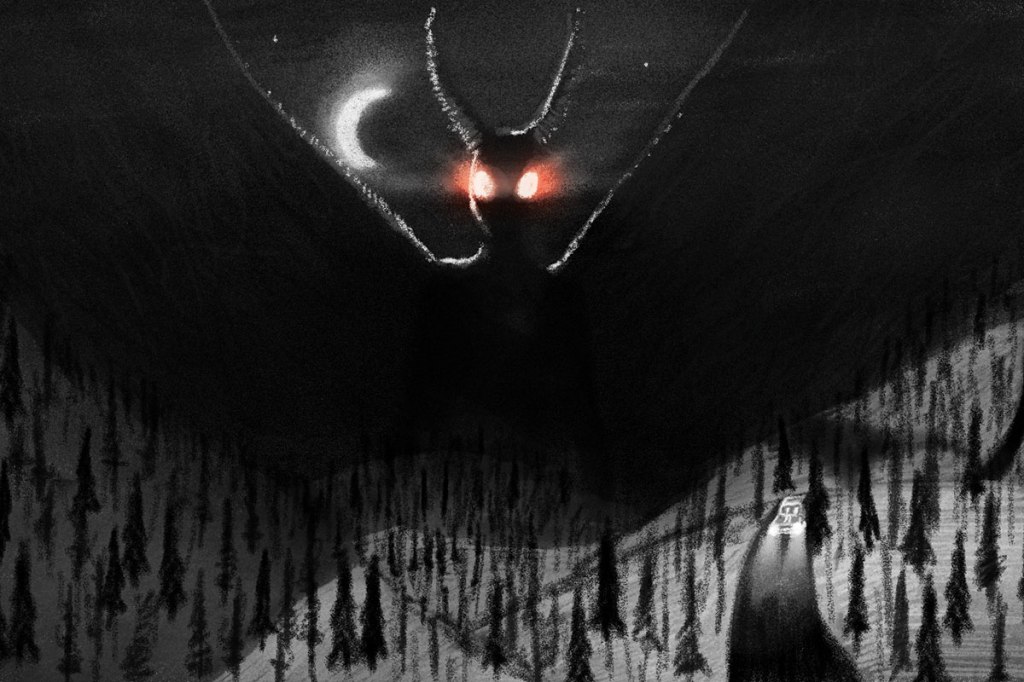
The backroads of Mason County don’t forgive careless drivers. They twist through the Appalachian foothills like scars, past abandoned farms and rusted-out trailers where the kudzu grows unnaturally thick. Locals call this stretch between Gallipolis and Point Pleasant “the TNT area” – not just for the old munitions factory, but for what happens to people who linger after dark. The kind of place where dogs vanish without barking, where headlights sometimes catch two red points floating six feet off the ground. Where something watches from the tree line with wings too large for any bird native to these woods.
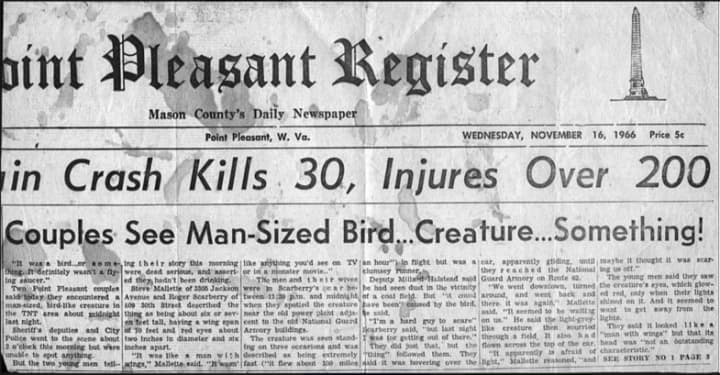
The first official sighting came on November 15, 1966. Two young couples – the Mallette’s and the Scarberry’s – parked near the TNT plant’s gate around midnight. What they described to Deputy Millard Halstead would become the blueprint for every Mothman account to follow: a gray, humanoid figure standing nearly seven feet tall, with glowing red eyes set deep in a featureless head. When it spread its wings – later estimated at 10 feet across – the creature emitted a high-frequency sound that made their fillings ache. It pursued their Chevy at speeds exceeding 100 mph, keeping pace without visible effort until they crossed into city limits.
Within 48 hours, construction worker Newell Partridge reported his German Shepherd howling at something unseen in the fields behind his home. When Partridge stepped outside with a flashlight, the beam illuminated two red circles shining back from the tree line. His dog charged toward them and never returned.
The sightings escalated through December. Waitress Faye Dewitt saw it perched on the roof of the Mason County Courthouse, wings folded like a fallen angel. Firefighter Paul Yoder encountered it standing in the middle of Route 62 at 3 AM, its eyes reflecting his headlights like a deer’s – except deer don’t stand seven feet tall at the shoulder. The creature’s appearances followed an eerie pattern: electrical disturbances preceded each encounter, with televisions displaying sudden static and car radios emitting garbled transmissions.
Credit: Smithsonian Institution
Then came the bridge.
On December 15, 1967 – exactly thirteen months after the first sighting – Point Pleasant’s Silver Bridge collapsed during evening rush hour. Forty-six cars plunged into the freezing Ohio River. Investigators would later determine a single eyebar in the suspension chain failed, but survivors who’d seen the Mothman knew better. Multiple witnesses reported the creature circling the bridge’s towers in the weeks before the disaster. Toll collector William Needham swore something large and dark flew parallel to the bridge moments before the collapse.
After the tragedy, sightings ceased for nearly thirty years. But in Appalachia, some stories won’t stay buried.
In 2003, a group of urban explorers investigating the TNT bunkers captured infrared footage of something moving through the concrete tunnels – something that shouldn’t fit in spaces barely four feet high. The thermal imaging showed a humanoid shape with a core body temperature reading 20 degrees colder than its surroundings.
The most recent encounter occurred last October. High school teacher Mark Davis was hunting near McClintic Wildlife Station when his GPS malfunctioned. He describes following a trail of broken branches to a clearing where the trees formed a perfect circle. In the center stood a figure “like a man made of television static,” its outline constantly shifting. When it turned, Davis saw the eyes – “not just red, but the exact color of brake lights reflected in rain.” He fired three rounds from his .30-06. The creature didn’t flinch. It simply unfolded wings that made no sound as they displaced the air, and was gone.
Scientists from Ohio State University claim the sightings can be explained by sandhill cranes or barred owls. The Shawnee tell a different story. Their oral histories speak of a flying spirit called “Owlman” that appears before great tragedies. Tribal elder Joseph Rainwater insists the creature isn’t malicious – “it’s a crossing guard between worlds, and we’re the ones who keep ignoring the stop sign.”
Tonight, as you drive Route 2 along the Ohio River, watch for sudden radio static. Note when your headlights catch movement just beyond the treeline. And if your engine stalls near the old TNT plant, don’t get out to investigate the tapping on your roof. Because in Point Pleasant, everyone knows the rules:
It started with a dusty box in the attic after my granny had passed away.
I wasn’t searching for anything in particular that day — just sifting through the past, trying to make sense of the clutter. The farmhouse felt like a time capsule, packed with relics from lives I barely understood. I pulled back a moth-eaten quilt, and what I saw stopped me cold. Rusted copper coils. A dented kettle. A strange tangle of tubes and jars. As the summer heat pressed through the roof, I knelt there, dust motes swirling in the slanted light. My fingers traced the worn metal of the kettle. My great-grandfather’s name was etched into the side.
At that moment, the muttered family stories became real.
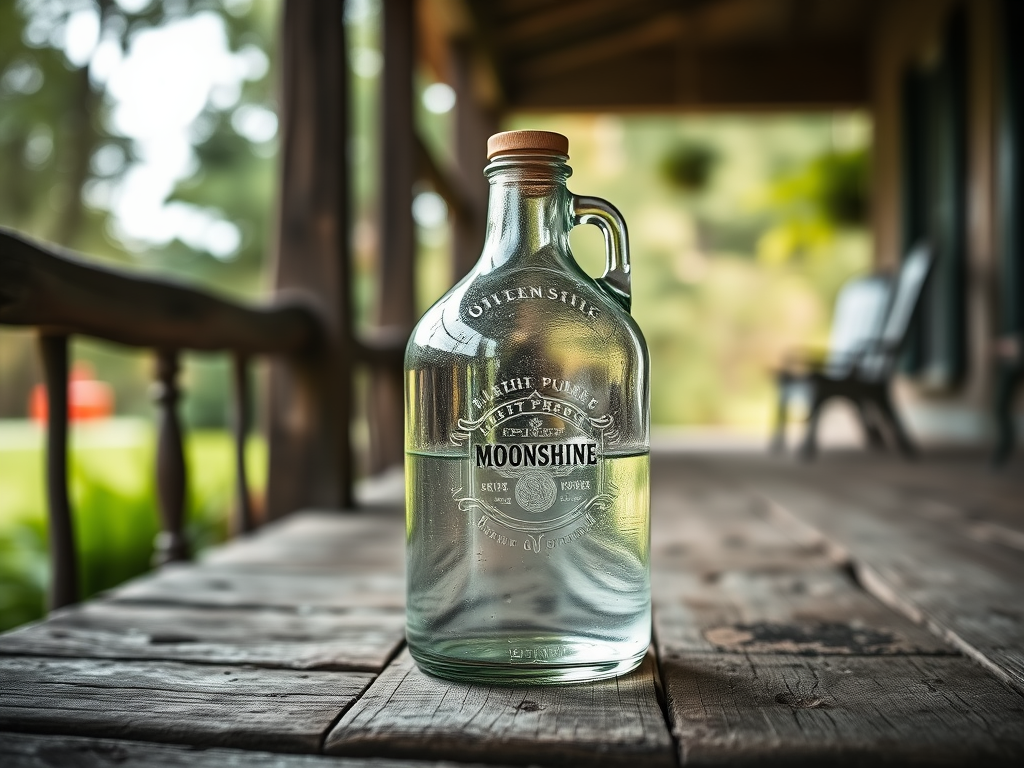
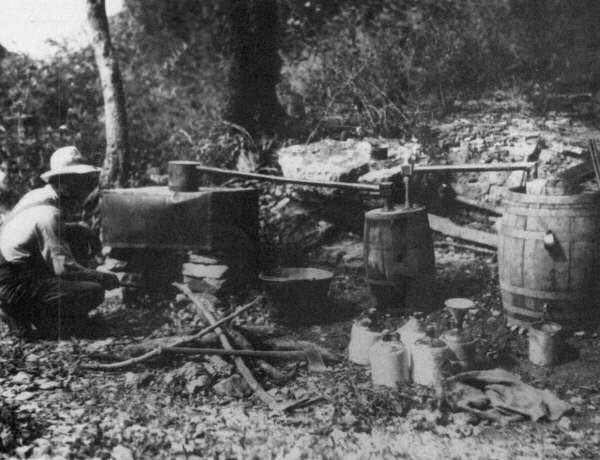
It was part of a moonshine still.
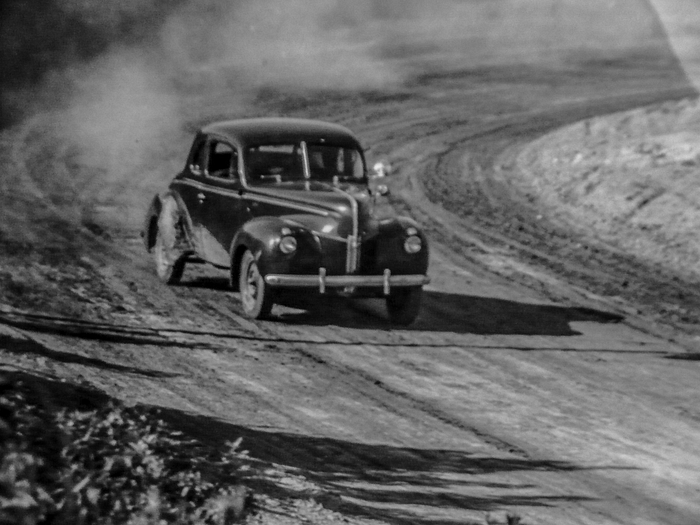
I had heard rumors about him over the years — stories of late-night runs down winding mountain roads, headlights off, a trunk packed with mason jars. Tales of clear liquid that burned going down but warmed you from the inside. A secret recipe guarded like gold. A knack for “making trouble” during Prohibition. But those stories had always felt like folklore — distant, half-believed. Now, with the proof in my hands, the past had weight.
The Still That Told Two Stories
Finding my great-grandfathers still was like uncovering a piece of history. Finding my daddy’s still, on the other hand — well, that was different.
When I was ten, my daddy brought me into his secret world. We never spoke about it outside the family. I never mentioned it to friends or teachers. But I was part of it.
I remember those cool autumn mornings, my fingers aching from shelling corn. Kernels piled high in buckets before we put them into a burlap sack and soaked them in the creek. I carried sacks of sugar up the mountain, my small shoulders straining under the weight. Daddy walked ahead, his boots crunching on pine needles and leaves.
I can still smell the fermenting mash, hear the bubbling still, feel that mix of pride and fear as Daddy checked the first run. His slow, satisfied nod told me everything I needed to know — the batch was good.
It was grueling work. But it was thrilling, too. I was part of something bigger, something secret and important. Daddy swore me to silence. His calloused hand rested on my shoulder; his eyes filled with the wary wisdom of generations who had learned to distrust outsiders. I kept that promise for decades. Until now.
The History in the Stills
Moonshining wasn’t just a way to make quick cash during Prohibition — it was survival. Before I understood taxes or government regulations, I knew this was how mountain families endured. When the outside world offered only hardship, we found our own way.
My great-grandfather wasn’t just a bootlegger. He was a craftsman. A chemist. A rebel. In the 1920s, the country went dry, and many families went hungry. He risked everything to provide for his own. His operation wasn’t just about alcohol — it was defiance. In our hills, he became a legend. His moonshine was so smooth that revenuers kept it for themselves rather than pouring it out.
By the 1950s, my daddy took up the family trade. The stakes had changed. He wasn’t running from federal agents or trying to make a name for himself. He was doing what generations before him had done — turning corn into cash when the fields didn’t yield enough. Every jar sold meant another month with the lights on, another pair of shoes when mine had worn through.
After my attic discovery, I dug deeper into our family’s past. I found old letters and photographs tucked into cigar boxes and between the pages of a Bible. Scribbled notes detailed deliveries under new moons. Faded photos captured men standing beside their makeshift distilleries. Farm equipment sales records masked transactions that told of midnight runs and close calls with the law. It was dangerous work, but it demanded resourcefulness and grit.
The Recipe That Started It All
Inside the wooden box with my great-grandfather’s still was a small, leather-bound notebook. The pages, yellowed and fragile, held a carefully recorded recipe. The ingredients were simple — corn, sugar, cold spring water, yeast. But the instructions were exact. Every step was detailed, from fermentation to distillation.
The margins were filled with notes — how weather affected the mash, adjustments for different corn varieties, warnings against cutting corners. This wasn’t just a recipe. It was a blueprint for survival. A piece of family history, passed down not through words, but through the quiet legacy of those who had come before me.
A Still Like No Other
I’ve searched for pictures of a still like my daddy’s, but they don’t exist. His setup was unique, a testament to his backwoods ingenuity.
Twelve wooden barrels for mash, buried in the earth with only their tops showing through the ferns. A metal drum, blackened by fire, held the water. Three wooden barrels stood in the clearing like sentinels, connected by a complex web of tubes. At the heart of it all was an upright metal barrel with a copper coil running through it. This was where the transformation happened — where raw ingredients became liquid fire.
On quiet nights, the sweet scent of mash drifted on the wind. But Daddy’s spot was remote, hidden deep in a holler. Thick brush and towering trees kept it secret. No one stumbled upon it by accident.
People came from all over for his moonshine. Californians in shiny cars, Texans with slow drawls, New Yorkers with fast talk and city clothes. They knew his shine was different — pure, smooth, free from the harsh bite of bad cuts. They spoke in code, handed over cash, and left with mason jars wrapped in newspaper, tucked away in false-bottomed suitcases.
What It Taught Me
The stills taught me more than the mechanics of making moonshine. They revealed my family’s resilience, the values that shaped us. Life isn’t always about playing by the rules. It’s about survival, and it’s about carrying on traditions that don’t fit neatly into society’s expectations.
It made me think about our stories — the ones we tell openly, the ones we keep quiet. Every family has its secrets. Moments of pride and moments of shame. A moral code that doesn’t always match the laws of the land. These stories, spoken or not, define us.
My daddy lived to be 92. When he died, he took with him the knowledge of a nearly lost craft. Now, I want his story told. Not to glorify illegal acts, but to honor the man. To honor a life shaped by necessity, ingenuity, and a deep sense of responsibility. He worked hard. He provided. He did what needed to be done — just like the generations before him.
A New Chapter
Today, I share these stories not to romanticize the past, but to preserve a piece of American folk history. I document the spirit that runs through my veins — the same spirit that sustained Appalachian families when the economy failed them.
Finding those stills changed how I see my family. It reminded me that history isn’t just in textbooks about presidents and wars. It’s in our attics, in our memories, in the skills passed down across generations. It’s in the stories whispered on porches. It’s as real as copper coils and corn mash. As powerful as moonshine and memory.
So, here’s to the rebels, and the risk-takers who came before us — the ones who found a way to survive against the odds. Their stories deserve to be remembered. Understood in context. And sometimes, honored with a raised glass.






 Echoes of Appalachia