The Mountain South Confronts Hard Truths in a World That Often Ignores It
Appalachia is not a postcard. It’s not all wildflowers and misty ridgelines, though there’s plenty of that. It’s a place where contradictions sit heavy. Where people love their neighbors but may not trust the government. Where the past is always just below the surface. Where coal dust lingers, not just in the air, but in memory.
When people outside the region talk about fixing Appalachia, they rarely listen to the ones living there. They treat the mountains like a museum or a charity case. But folks here have opinions, fight their own battles, and carry their own sins. This ain’t a region frozen in time—it’s alive, complex, and in many ways, under siege. Let’s talk about the issues hitting hardest.
You may ask “why are you writing all these controversial stories? The answer is simple. It needs to be told. It needs a light shined on it. I will never stop writing or fighting for the area that raised me, where my roots have been for nearly 10 generations. My question to you is why are you not mad and fighting?
Economic Development: Jobs vs. Dignity
There’s not a soul here who doesn’t want work. Real work. But “economic development” in these parts often means outsiders coming in with short-term jobs, strip-mining the land, and then disappearing. Meanwhile, local folks are told to smile and be grateful.
Big box stores wiped out small businesses. Tech jobs never came. And when a few new industries do show up—usually warehouses or prison jobs—they don’t come with promises. They come with NDAs and low wages. People want opportunity, not charity. They want a future that doesn’t require abandoning their hometowns to get it.
Voting Rights: The Silent Struggle
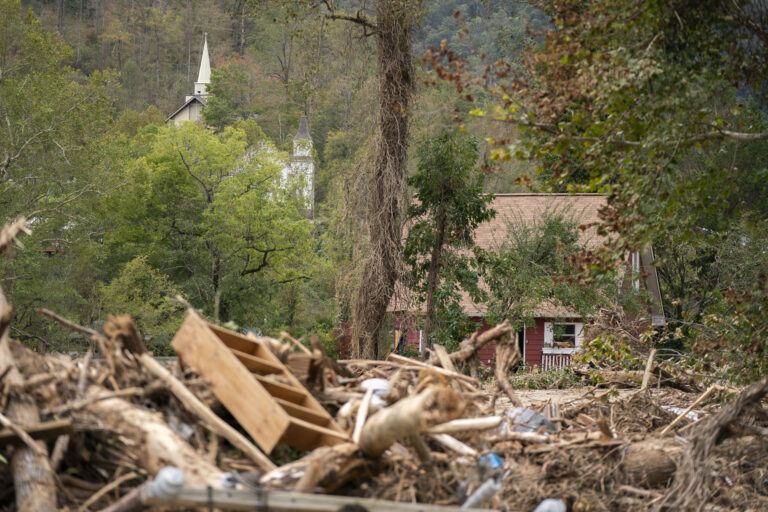
In many Appalachian counties, getting to a polling place can mean driving 30 miles on roads that flood every spring. For some, there’s no public transit. For others, it’s about intimidation—coded language, poll watchers, and questions that feel more like accusations.
Voting rights aren’t just about IDs and hours. They’re about trust. And that trust has been torn down, brick by brick, by both parties and their games. There’s suspicion—earned and old—that votes don’t matter. That the cities pick the winners, and the mountains get stuck with the consequences. And that fuels silence at the polls, or worse, retreat into apathy.
Healthcare: A Long Drive and a Short Life
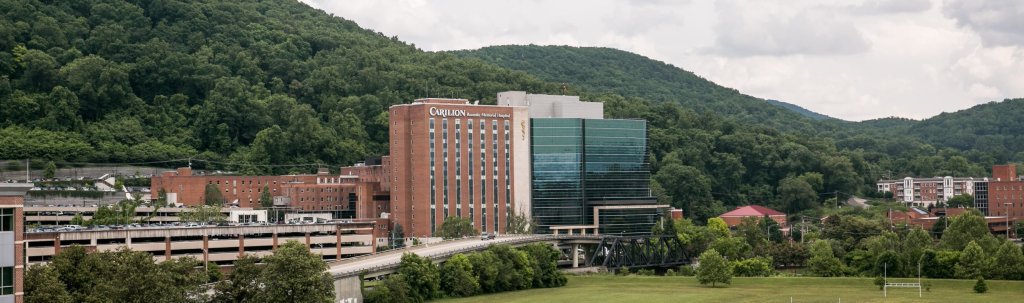
Emergency rooms have shut down. Maternity wards closed up. Pharmacies turned into Dollar Generals. Folks are dying younger here—not because they don’t care about their health, but because the nearest doctor is two counties over and the bill will break them.
Addiction is still a quiet epidemic. Mental health services are almost nonexistent. People are hurting and coping the only ways they know how—sometimes with pills, sometimes with prayer. But there’s a deep well of shame around asking for help. And a deeper anger when help never comes.
Folkways: The Culture That Won’t Die Quietly
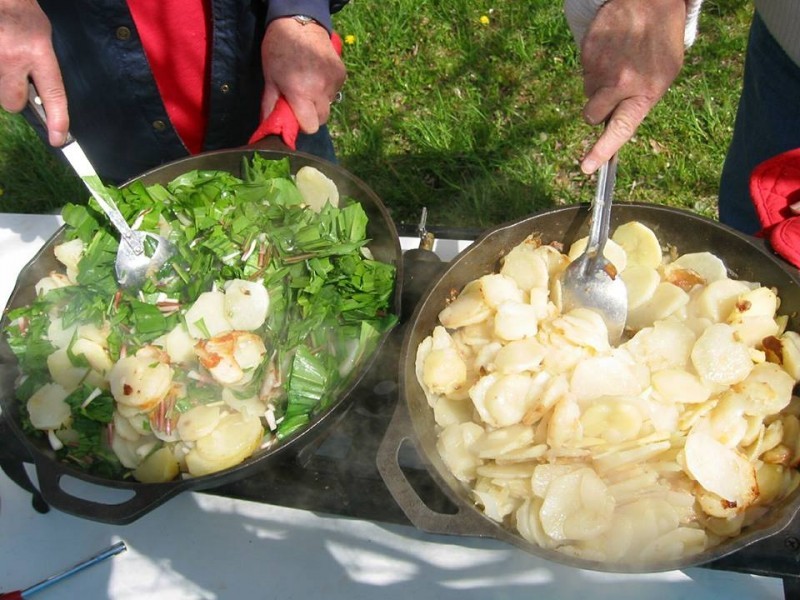
If you want to understand Appalachia, you better understand the old ways. Herbalists, shape-note singers, porch preachers, coal miners with union songs in their blood, and women who know what roots to dig up for a cough.
But the outside world calls that superstition, backwardness, or worse—hillbilly nonsense. There’s a fight happening to preserve what makes this place different, even as it gets paved over by Dollar Stores and Netflix.
The truth is, the folkways are how people have survived here for centuries. They aren’t quaint—they’re powerful. But they’re under attack. Not with fire and brimstone, but with mockery and neglect.
Education: The System is Failing, but the Kids Aren’t
Teachers in the rural areas are underpaid, overworked, and sometimes driving the school bus on top of everything else. Broadband is spotty at best. And yet—kids still show up. Some hungry. Some tired. But they show up.
Education is supposed to be the way out. But what if kids don’t want out? What if they just want a decent school and a fair shot right where they live? What if they’re tired of being told their future has to be somewhere else?
Criminal Justice: Justice, or Just Us?
There’s a prison economy in Appalachia, and it’s booming. But while the guards get jobs, the people behind bars are usually from somewhere else—and disproportionately Black or Brown. Meanwhile, locals get tangled in a system that moves fast when you’re poor and slow when you’re rich.
Meth charges carry harsher sentences than white-collar crimes. Court-appointed lawyers are overburdened. Bail means staying in jail because you’re broke. And rehabilitation? That’s a fantasy in a jailhouse with mold on the walls and no programs.
Immigration: The New Neighbors Some Folks Don’t Want
There’s a slow demographic shift happening. Immigrant families are moving into places where the mines have shut down and the fields sit empty. Some bring businesses. Others bring kids to revive dwindling schools.
But not everyone is welcoming. Fear turns into rumors. Language barriers become targets. Yet, at the same time, many immigrants share something with Appalachians: hard work, faith, and survival instincts. There’s potential for solidarity—but only if both sides are willing to reach across fear.
This Place is Complicated, and That’s the Point
Appalachia isn’t one thing. It’s not just banjos or poverty porn. It’s full of contradictions—radical kindness and stubborn hate, hard work and hard times, pride and pain.
The problems here are real. But so is the fight. The region doesn’t need saving—it needs listening. It needs truth, not tropes. And it needs people willing to dig deeper than the clichés and see the soul that still burns in these mountains.
Because it does burn. Quiet, steady, and unyielding.
-Tim Carmichael



 Echoes of Appalachia