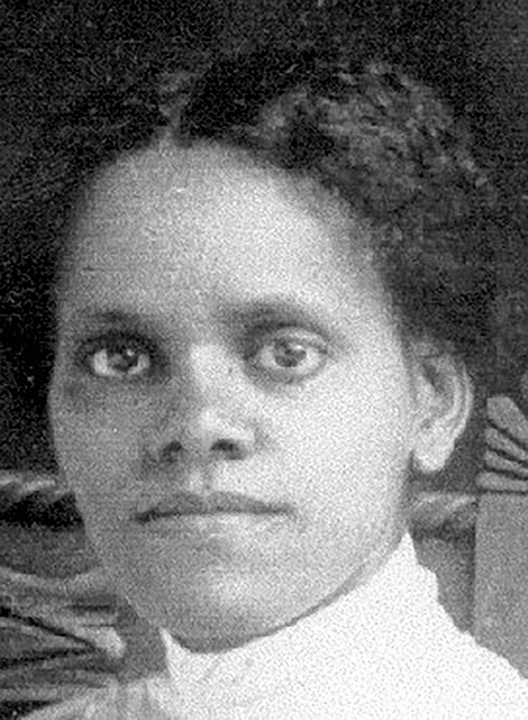
The life of Effie Waller Smith has roots in events that occurred long before she was born. In 1860, a slave auction in Pikeville, Kentucky, shaped the future of her family. At the time, Kentucky was divided in its loyalties between the Union and the Confederacy, and Pike County reflected that tension. During the sale, a tavern owner known as General Ratliff attempted to prevent the separation of an enslaved family. He was only able to purchase a woman and her young daughter. They were taken into his household and given his last name. These two individuals would later become Smith’s grandmother and mother.
Despite her abilities as a writer, Smith is rarely included in major literary histories. Her name does not typically appear in collections of Kentucky authors or in broader American anthologies. Even efforts to compile lists of important writers from the state have left her out. This absence raises questions about why her work did not receive wider recognition.
Much of what is known about her today comes from the efforts of William David Deskins. Through his research, he uncovered details about her life and helped bring her writing back into circulation after it had been largely forgotten.
Smith was born on January 6, 1879, near Chloe Creek in Pike County. Her mother, Sibbie, had been enslaved as a child before being raised in the Ratliff household. Her father, Frank Waller, had also been enslaved and later became a successful blacksmith and landowner. She grew up in a family that valued education. Her older siblings became teachers, while a younger brother died at an early age.
Her access to schooling was limited because the nearest school for Black children was several miles away. Even so, with help from her family, she completed her early education and later attended a teacher training program in Frankfort, Kentucky. After earning her certification, she spent many years teaching in eastern Kentucky and nearby areas of Tennessee.
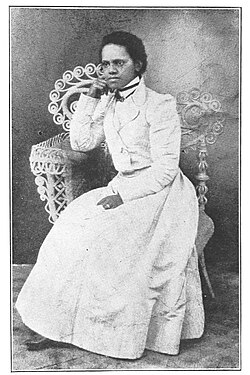
Although she worked as a teacher, writing was her main ambition. She submitted her work to major publishers but was often rejected. Locally, however, her poetry gained attention. With financial support from members of her community, her first collection, Songs of the Months, was published in 1904.
Her personal life was marked by difficulty. Two short marriages ended in separation and brought emotional strain. Still, her writing career began to show progress. In 1909, she published two additional books of poetry and succeeded in placing some of her work in respected national journals. For a brief period, it seemed possible that she would gain wider recognition.
This progress was interrupted by tragedy. After separating from her second husband, she learned that he had been killed while working as a deputy sheriff. The loss had a deep impact on her, and her writing slowed significantly. After 1917, she no longer published new work.
Later in life, she moved with her mother to Wisconsin, where they joined a religious communal group known as the Metropolitan Church Association. She remained there for several years before returning to a more independent life. Instead of continuing her literary work, she focused on gardening and created a large rock garden that became well known and attracted many visitors.
As her health declined, she moved in with her adopted daughter in Neenah, Wisconsin. She died in 1960, just a few days before her eighty first birthday. Her burial was simple and received little attention, although her life and work would later be rediscovered by those who recognized her importance.
-Tim Carmichael
 Echoes of Appalachia
Leave a comment