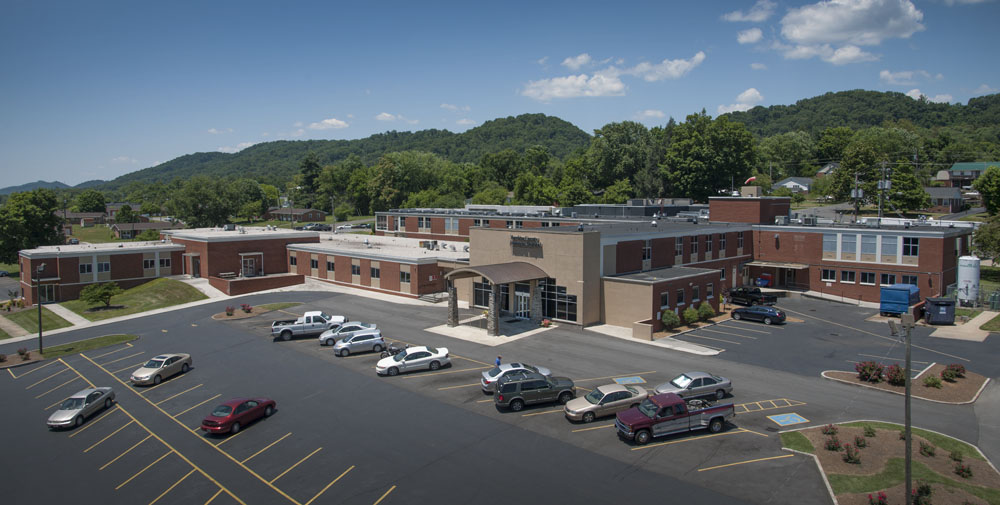
The healthcare landscape across Appalachia has entered what many experts describe as a slow-motion emergency, unfolding silently across mountain towns and rural valleys where access to care already stands on fragile ground. As of April 2026, more than 50 hospitals, nursing homes, and clinics across the region are either in the process of closing or face a high risk of shutting their doors in the near future. This growing instability reflects a convergence of financial strain, workforce shortages, policy shifts, and long-standing structural challenges that have placed rural healthcare systems under mounting pressure.
The latest developments highlight how quickly essential services can erode. On April 6, 2026, Vandalia Health announced the upcoming closure of the delivery unit at Greenbrier Valley Medical Center in Ronceverte, West Virginia. Hospital officials cited persistent staffing shortages, particularly among obstetric providers, as the primary reason for the decision. For residents in surrounding communities, the loss of a local delivery unit means longer travel times for prenatal care and childbirth, raising concerns about maternal and infant health outcomes in a region already grappling with elevated rates of chronic illness and poverty.
This closure reflects a broader pattern emerging across Appalachia. A report released on April 3, 2026, identified several hospitals across multiple states that now sit on the brink of closure. In Virginia, Buchanan General Hospital in Grundy, Carilion Tazewell Community Hospital in Tazewell, and Dickenson Community Hospital in Clintwood have all been flagged as vulnerable. In Tennessee, Hawkins County Memorial Hospital in Rogersville has joined the list. These facilities serve as critical access points for communities where alternative care options may lie hours away along winding mountain roads.
Kentucky presents an especially stark outlook. Estimates suggest that as many as 35 rural hospitals in the state face potential closure over the next decade due to projected Medicaid funding reductions. Medicaid serves as a lifeline for many Appalachian residents, where rates of low-income households and chronic health conditions remain high. Any reduction in funding threatens hospital revenue streams that already operate on thin margins, placing entire facilities at risk.
The roots of this crisis stretch back more than a decade. Since 2010, at least 36 rural hospitals in Appalachian counties have closed or converted to reduced-service models. Tennessee leads the nation in rural hospital closures per capita, with at least 15 facilities shutting down or transitioning since 2010. Among them are Jellico Medical Center and Perry Community Hospital, both of which closed in 2020, leaving significant gaps in local care.
West Virginia has also experienced substantial losses. The closures of Bluefield Regional Medical Center and Williamson Memorial Hospital in 2020 removed key healthcare anchors from their communities. Each closure sends ripple effects through local economies, eliminating jobs and reducing access to emergency and preventive care. In many cases, residents must travel greater distances for treatment, delaying care and increasing the likelihood of severe health complications.
Recent data underscores the scale of vulnerability across the broader region. A February 2026 report by Chartis found that 61 percent of rural hospitals in Tennessee are considered vulnerable to closure. Arkansas follows at 55 percent, while Mississippi stands at 42 percent. These figures illustrate how widespread financial instability has become, extending beyond Appalachia while remaining particularly acute within it.
In response to financial pressures, many hospitals have pursued “conversion” strategies. Under this model, facilities eliminate inpatient services while maintaining emergency departments or outpatient clinics. This approach allows hospitals to reduce operating costs while continuing to provide some level of care. Yet conversions come with trade-offs. Patients requiring hospitalization must seek care elsewhere, often traveling long distances. For elderly residents or those with limited transportation, such journeys can pose serious barriers.
Several factors contribute to the ongoing crisis. Declining revenue remains a central issue. Rural hospitals often serve populations with higher rates of uninsured or underinsured patients, leading to lower reimbursement rates. At the same time, operating costs have risen due to inflation, supply chain disruptions, and increased demand for specialized staff. Recruiting and retaining healthcare professionals in rural areas continues to prove difficult, particularly for physicians, nurses, and specialists.
Federal policy changes have added another layer of complexity. Recent budget adjustments have altered funding streams that rural hospitals depend upon, including Medicaid reimbursements and supplemental payments. These shifts have tightened already constrained budgets, forcing administrators to make difficult decisions about service reductions or closures.
The proposed federal legislation known as the One Big Beautiful Bill has intensified concerns among healthcare leaders. Analysts warn that provisions within the bill could accelerate hospital closures across rural Appalachia by reducing funding for safety-net programs and altering reimbursement structures. Projections suggest that the financial strain imposed by the bill would push additional hospitals beyond their breaking point, especially those already identified as vulnerable. In regions where a single hospital may serve multiple counties, the loss of even one facility carries profound consequences.
Beyond the immediate impact on healthcare access, hospital closures affect broader community stability. Hospitals often rank among the largest employers in rural areas, supporting local economies through jobs and related services. When a hospital closes, the economic fallout extends to small businesses, housing markets, and public services. Communities may struggle to attract new residents or retain existing ones, creating a cycle of decline that becomes increasingly difficult to reverse.
The human cost of reduced healthcare access emerges in quieter, more personal ways. Residents facing longer travel times for care may delay seeking treatment, allowing manageable conditions to progress into serious illnesses. Emergency response times increase when the nearest hospital lies farther away. For expectant mothers living in areas that have lost maternity services, the journey to deliver a child can become a logistical and medical challenge.
“Maternity deserts” have become a growing concern across Appalachia. These areas lack access to obstetric care within a reasonable distance, forcing pregnant individuals to travel significant distances for routine checkups and delivery. The closure of delivery units, such as the one at Greenbrier Valley Medical Center, adds to this expanding landscape. Studies have linked maternity deserts to higher rates of complications, including preterm birth and maternal mortality.
Healthcare providers working within these strained systems face mounting pressure. Staff shortages mean longer shifts and increased workloads, contributing to burnout and turnover. Recruiting new professionals proves difficult when facilities operate under financial uncertainty. The result forms a feedback loop where staffing challenges lead to service reductions, which in turn reduce revenue and further strain operations.
Local leaders and policymakers have begun exploring potential solutions. Some advocate for increased federal and state funding targeted specifically at rural healthcare systems. Others propose expanding telehealth services to bridge gaps in access, particularly for routine consultations and follow-up care. Telehealth gained momentum during the COVID-19 pandemic, demonstrating its potential to reach remote populations, although limitations remain for services requiring physical examinations or procedures.
Community-based initiatives have also emerged as part of the response. Partnerships between hospitals, local governments, and nonprofit organizations aim to address social determinants of health, including transportation, nutrition, and housing. By tackling these underlying factors, stakeholders hope to reduce the overall burden on healthcare systems while improving outcomes.
Despite these efforts, the scale of the challenge remains significant. The combination of financial instability, policy shifts, and workforce shortages continues to threaten the viability of rural healthcare infrastructure. Without substantial intervention, experts warn that the number of closures could rise sharply in the coming years, leaving entire regions with limited access to essential medical services.
For residents of Appalachia, the unfolding crisis represents more than a policy issue. It shapes daily life, influencing where families can live, work, and seek care. The presence of a local hospital offers a sense of security, a place to turn in moments of need. Its absence creates uncertainty, forcing individuals to navigate longer distances and fewer options during times of vulnerability.
The term “slow-motion emergency” captures the gradual yet relentless nature of this decline. Unlike sudden disasters that command immediate attention, the erosion of rural healthcare unfolds over years, marked by incremental losses that accumulate into a larger crisis. Each closure, each service reduction, contributes to a shifting landscape where access to care becomes increasingly uneven.
As 2026 progresses, the trajectory of healthcare in Appalachia remains uncertain. The decisions made at local, state, and federal levels will shape whether the region can stabilize its healthcare systems or continue down a path of contraction. For now, the warning signs remain clear: a growing number of facilities at risk, a shrinking pool of resources, and communities facing the prospect of losing critical lifelines.
The story of healthcare in Appalachia continues to develop, reflecting broader questions about equity, access, and the role of public investment in sustaining essential services. In towns scattered across the mountains, the outcome of this slow-moving crisis will determine whether future generations can rely on care close to home or must travel far beyond it in search of help.
-Tim Carmichael
 Echoes of Appalachia
Leave a comment